Problem-Solving Skills Addition & Subtraction Worksheets for Ages 4-9 - Page 4
215 filtered results
-
From - To
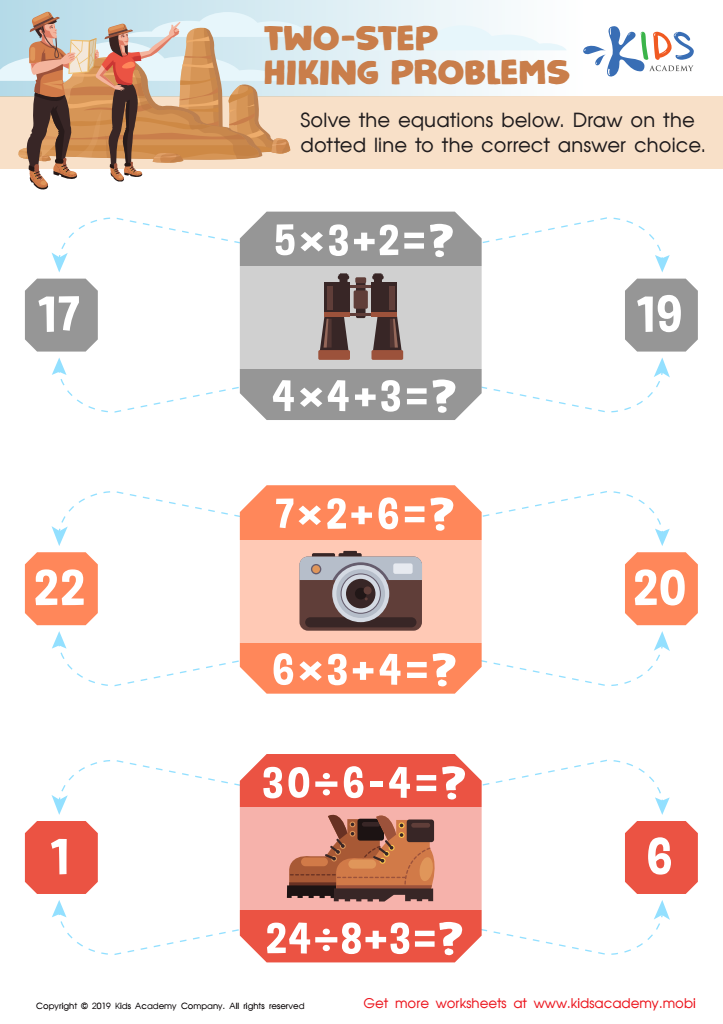
Two-Step Hiking Problems Worksheet
 Assign to My Students
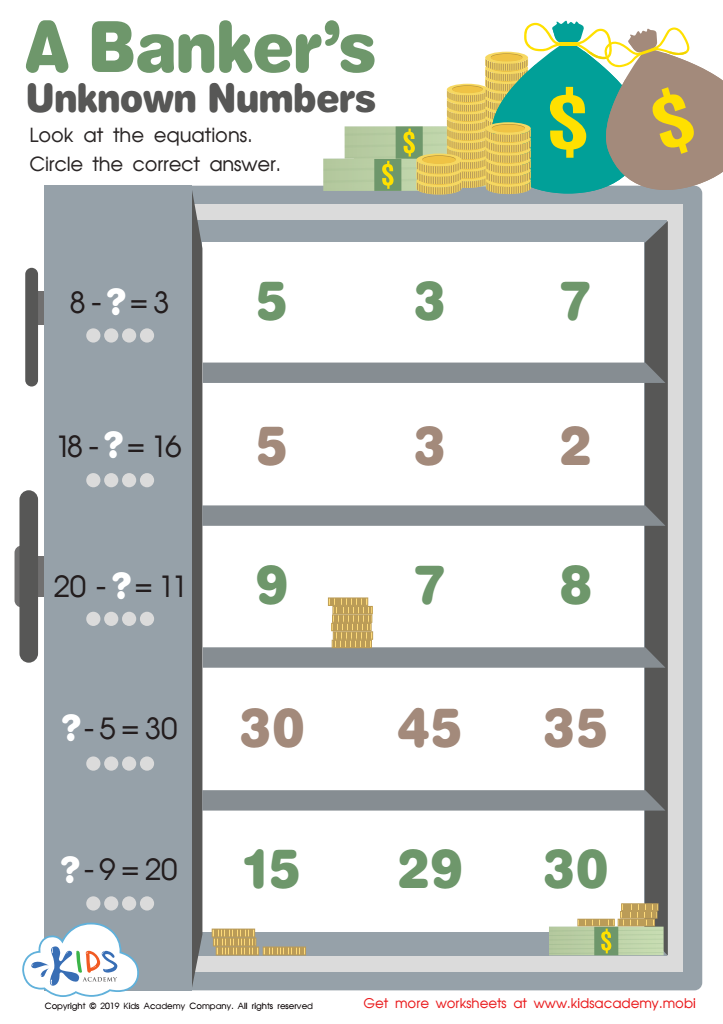
A Banker's Unknown Numbers Worksheet
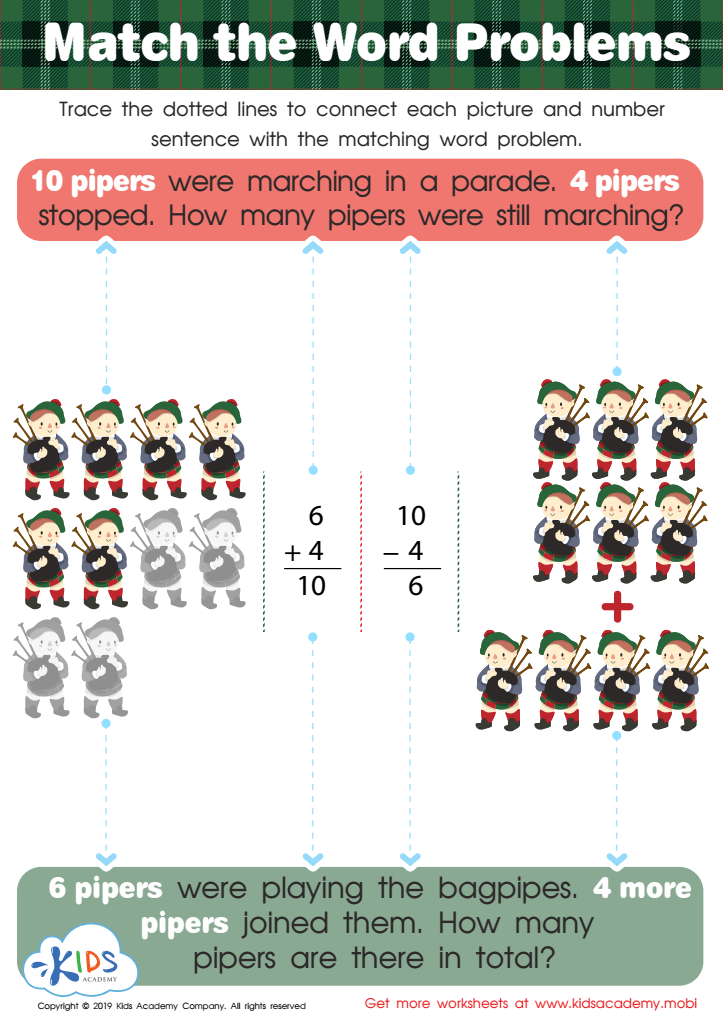
Match the Word Problems Worksheet
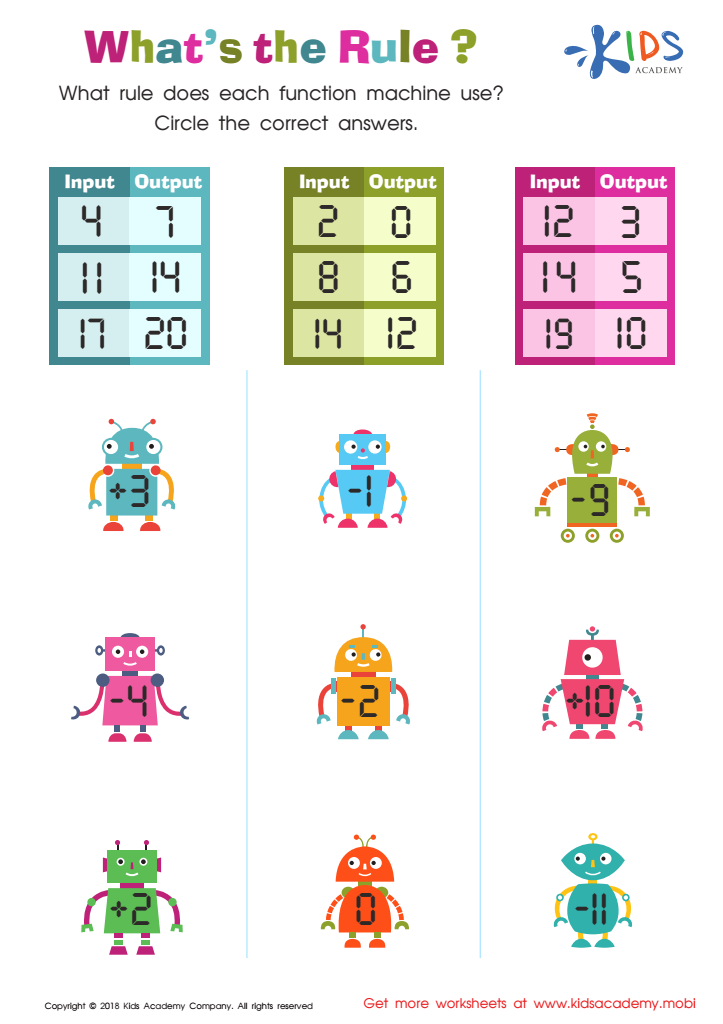
What's the Rule Worksheet
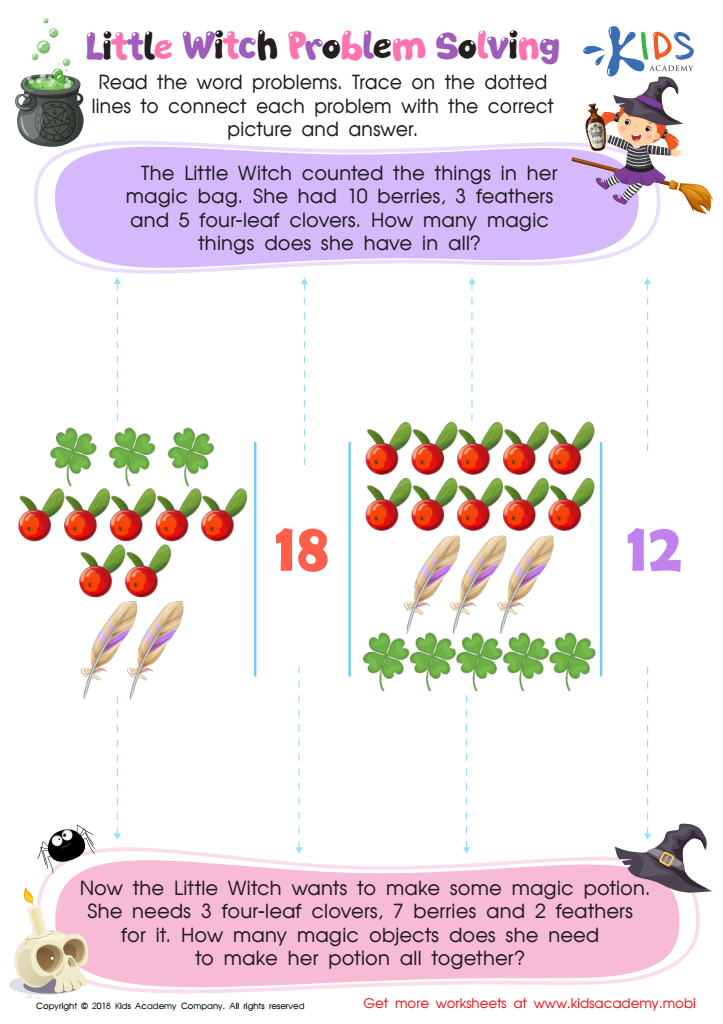
Little Witch Problem Solving Worksheet
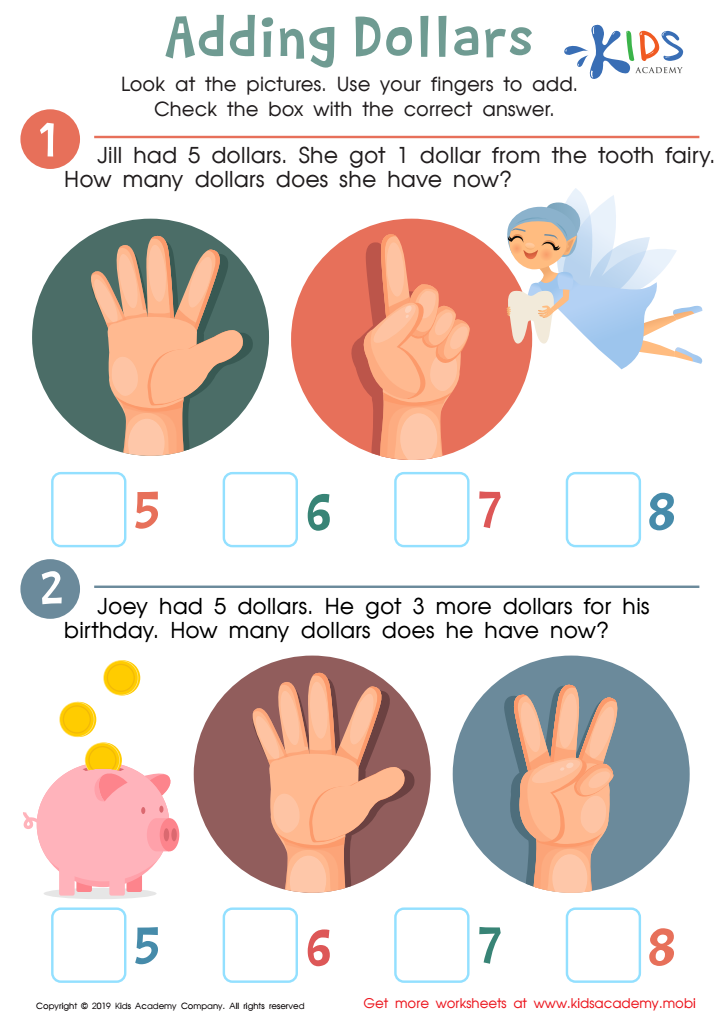
Tooth Fairy Addition Worksheet
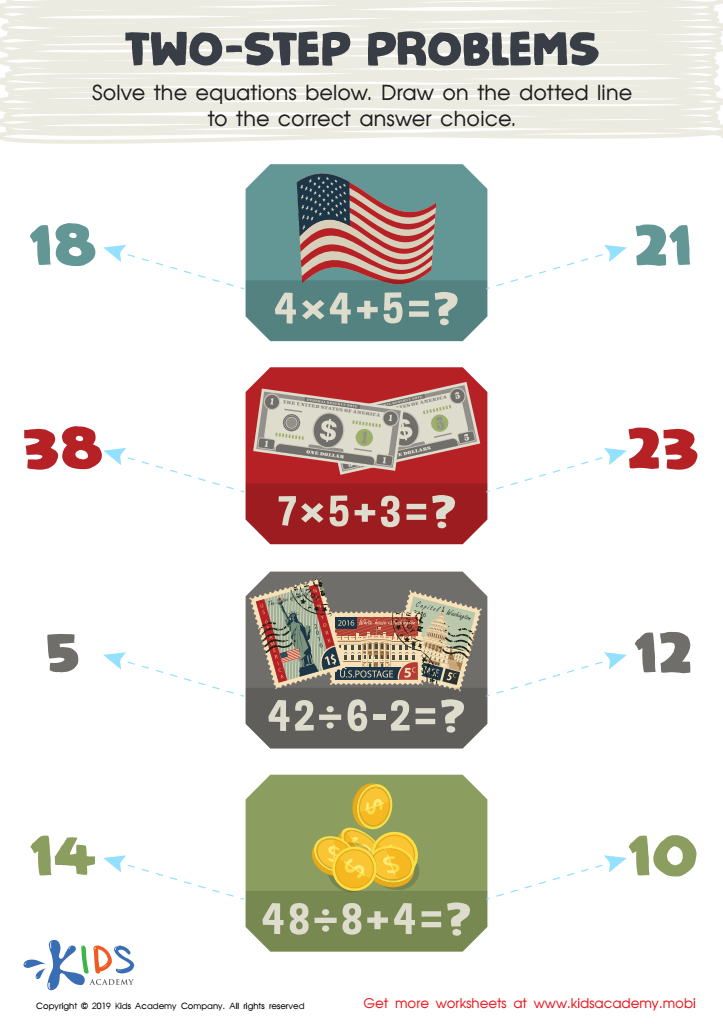
Two-Step Problems Worksheet
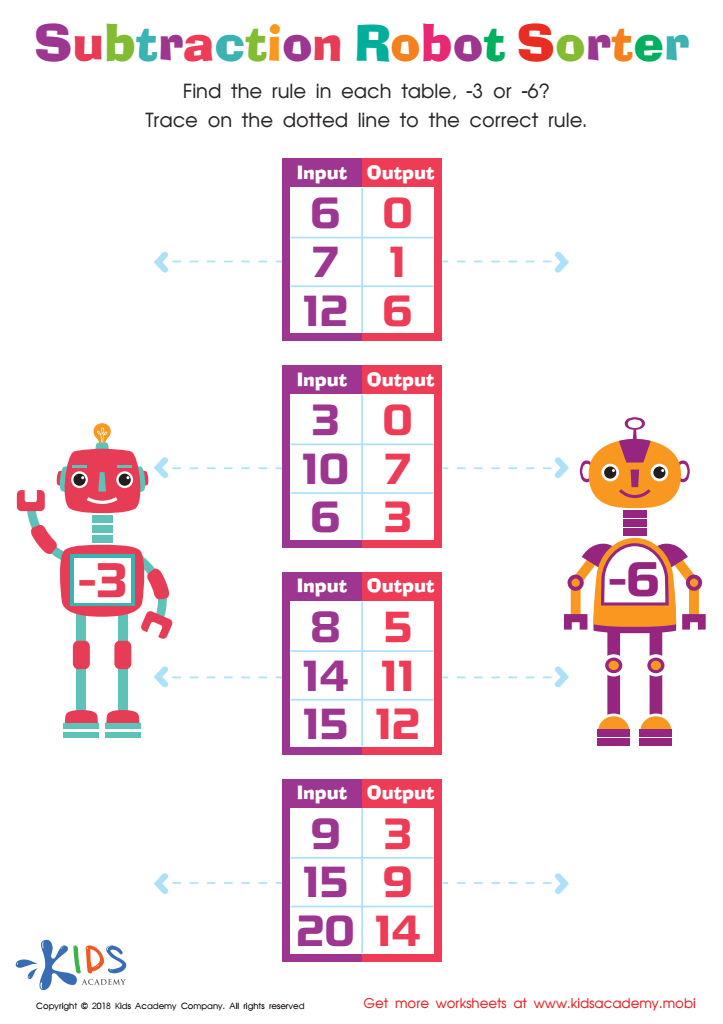
Subtraction Robot Sorter Worksheet
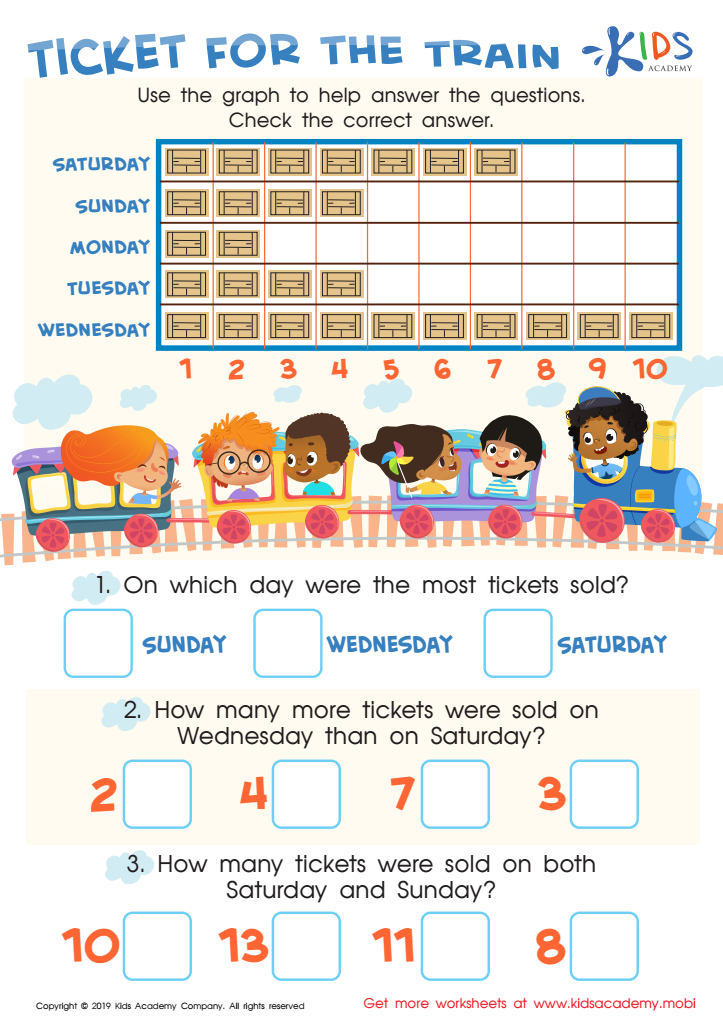
Ticket for the Train Worksheet
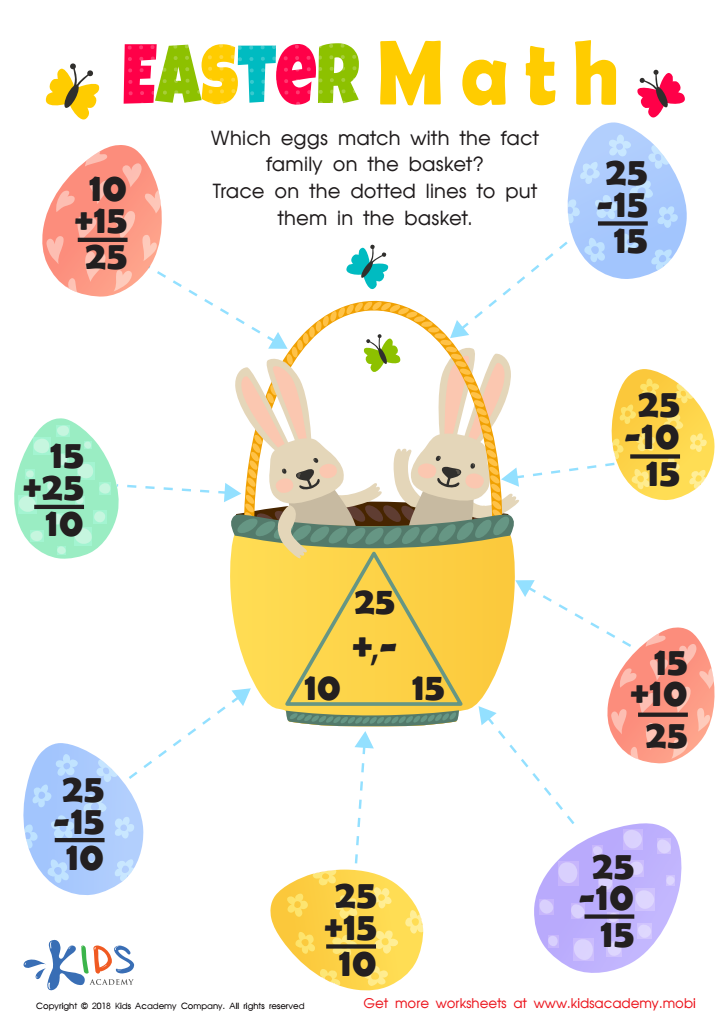
Fact Families: Easter Math Worksheet
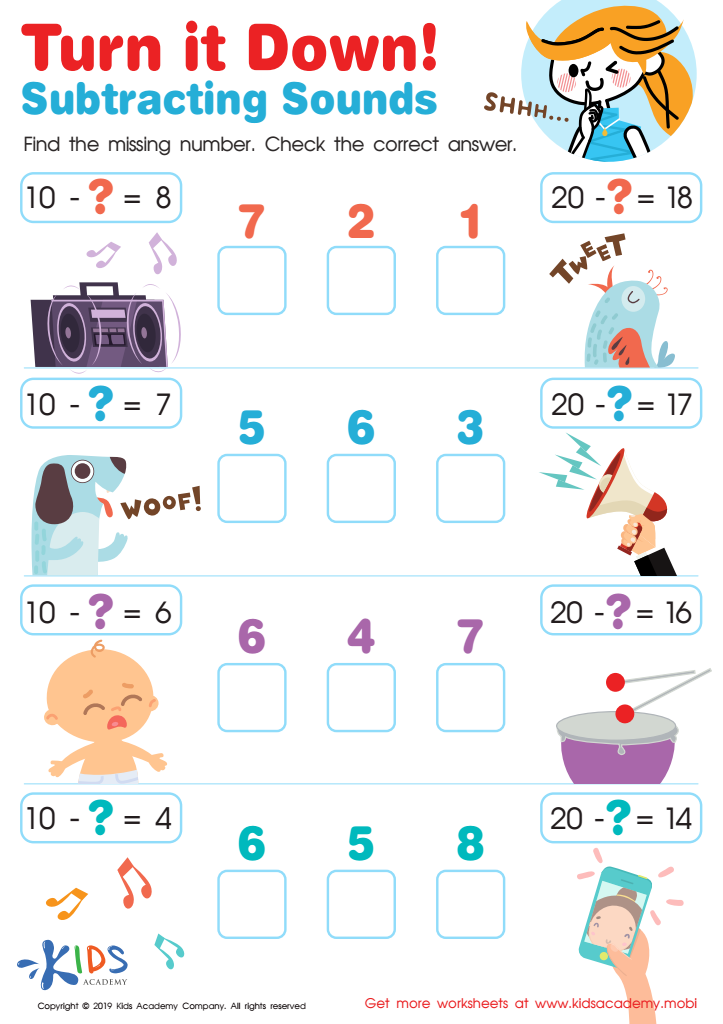
Turn It down! Subtracting Sounds Worksheet
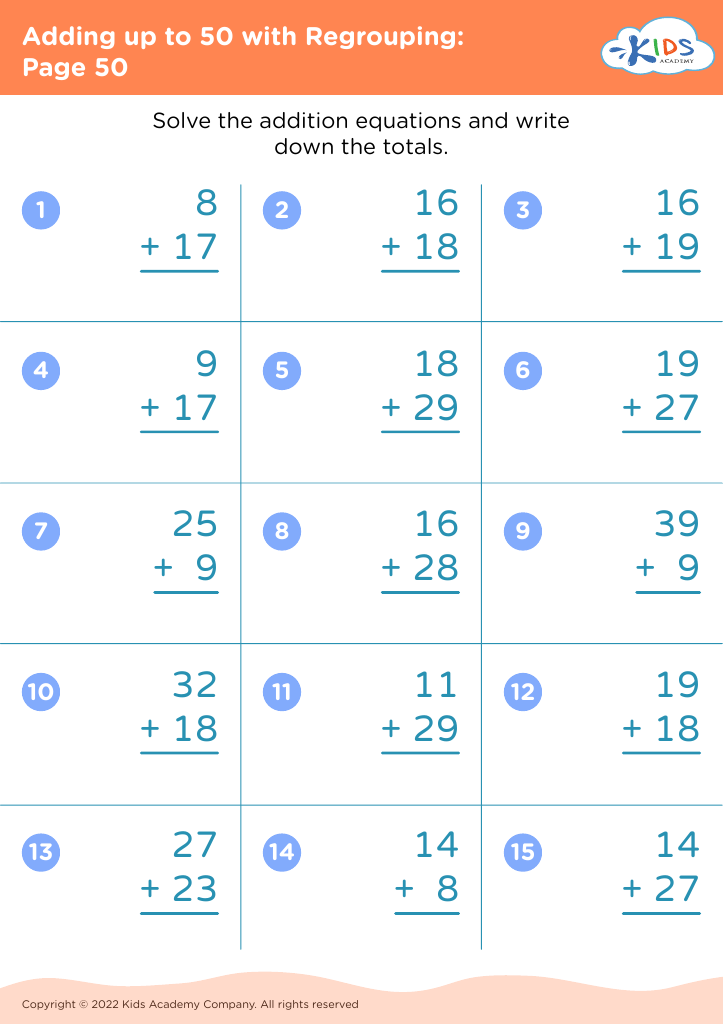
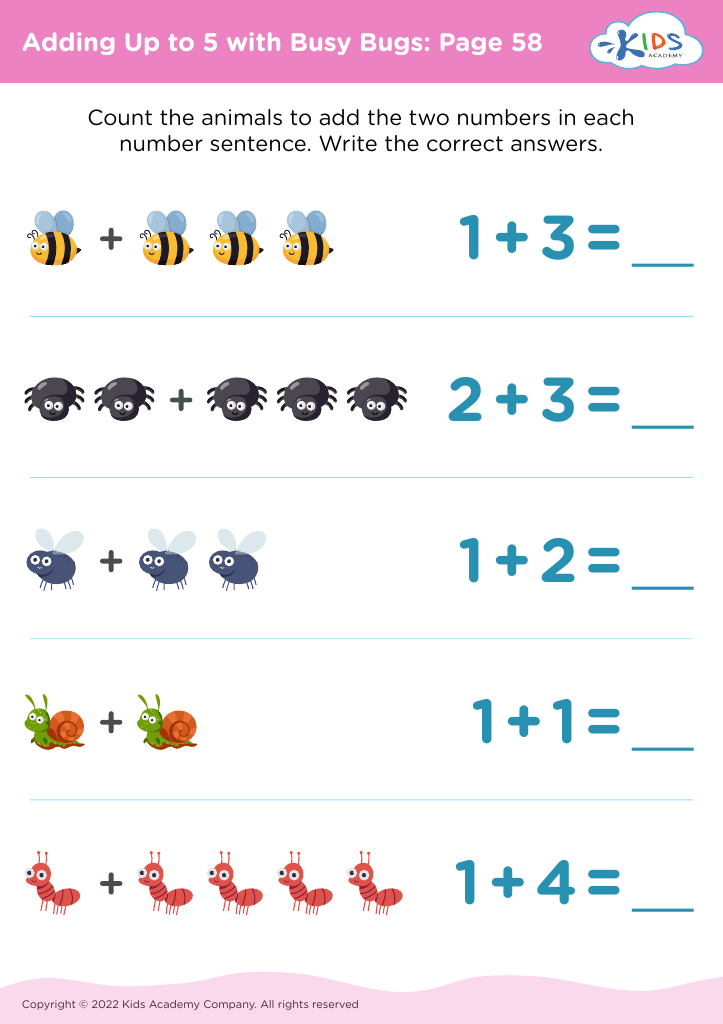
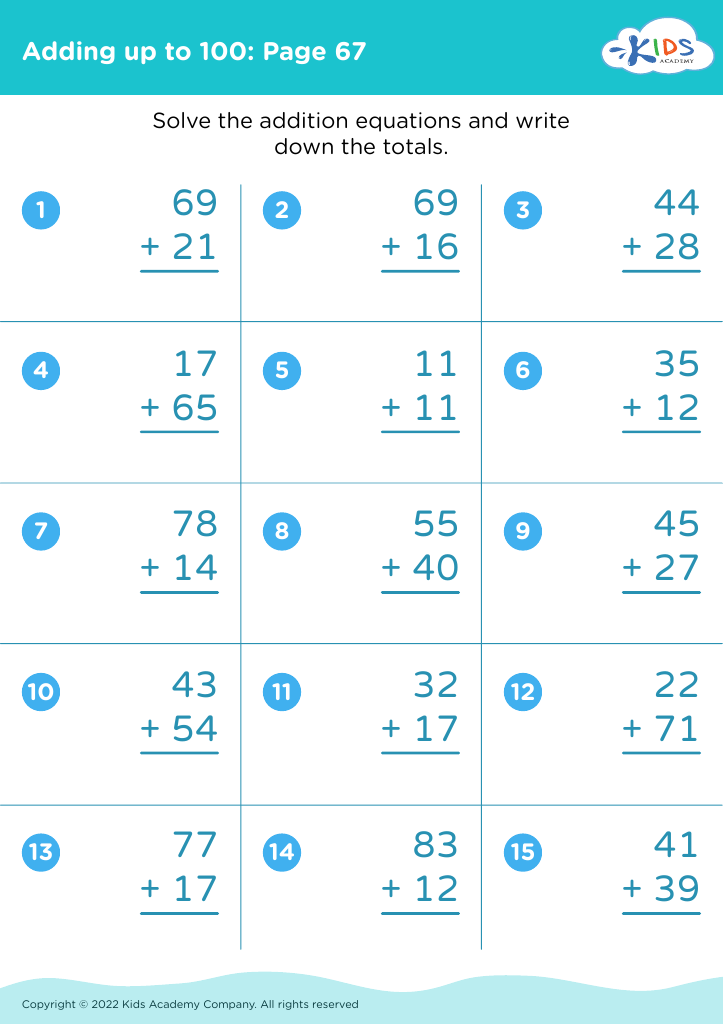
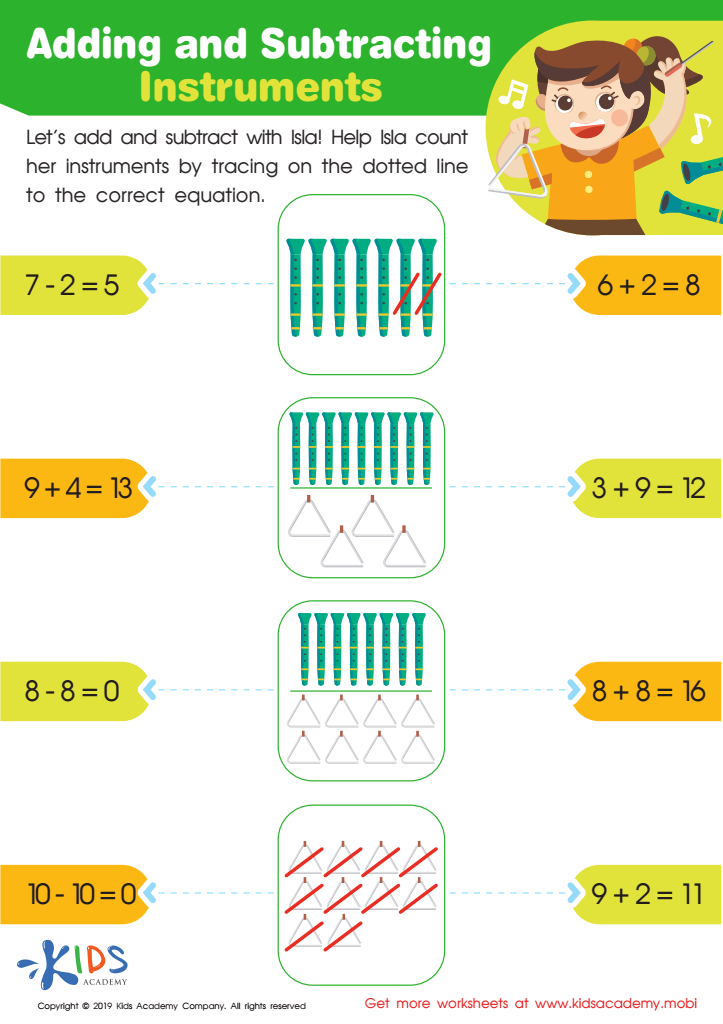
Adding and Subtracting: Instruments Worksheet
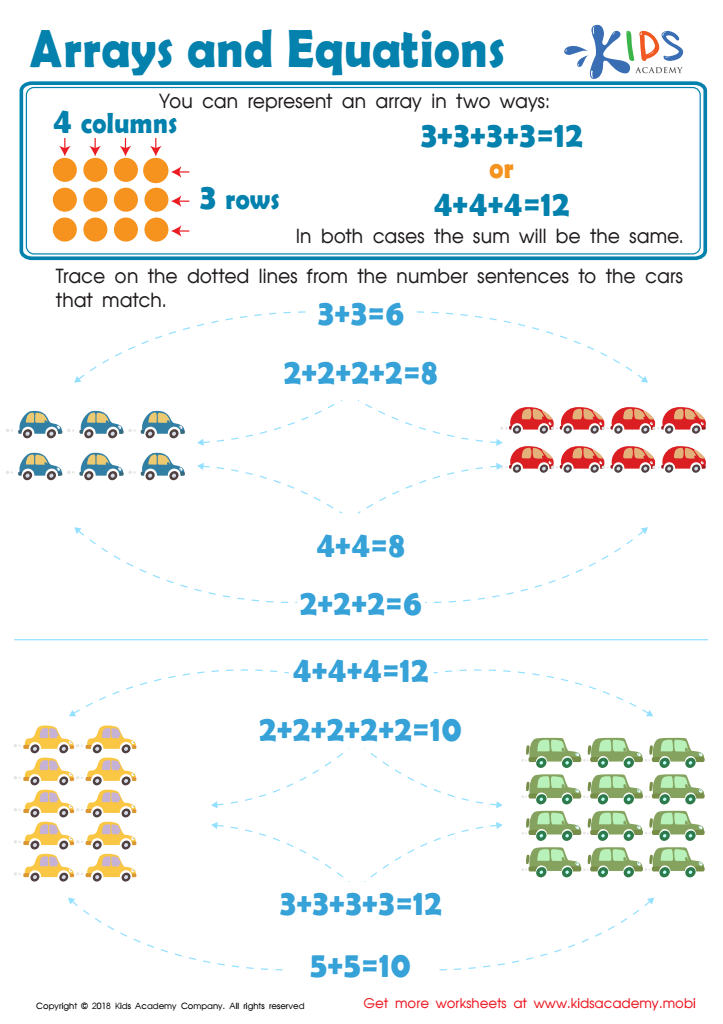
Arrays and Equations Worksheet
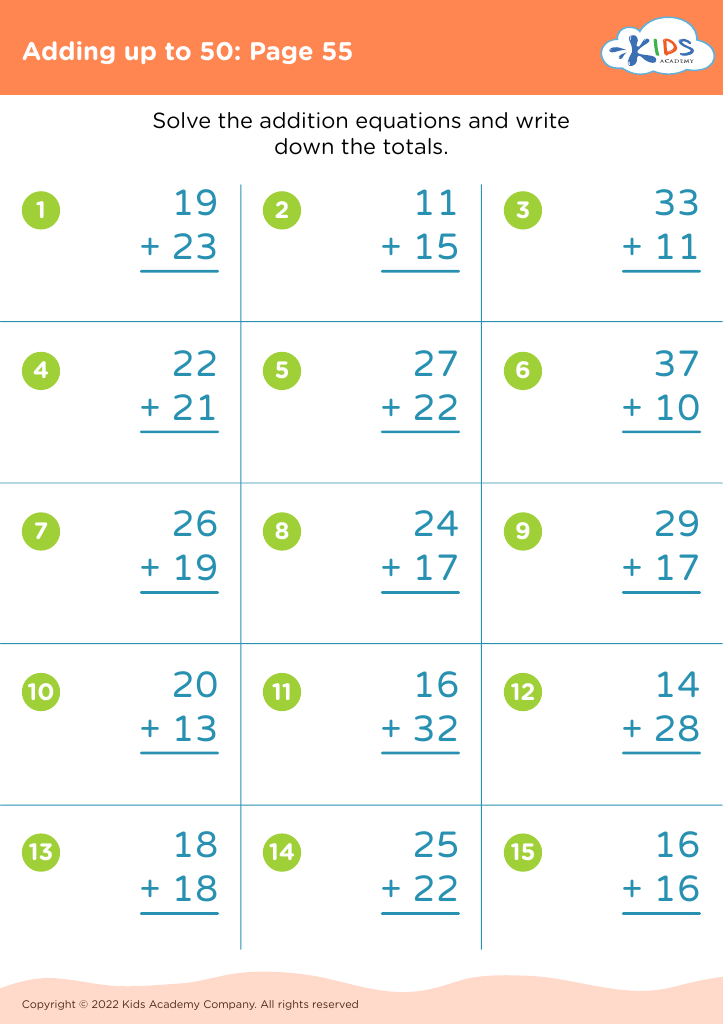








Parents and teachers should prioritize problem-solving skills in addition and subtraction for children ages 4-9 because these foundational abilities are critical for academic success and everyday functioning. At this age, children are developing their cognitive, analytical, and logical thinking skills, and learning basic math operations forms the bedrock of more complex mathematical concepts later on.
Problem-solving tasks require children to think critically, analyze situations, and explore different strategies, promoting a growth mindset. Engaging children in addition and subtraction challenges enables them to learn how to approach various problems methodically, leading to better perseverance and resilience.
Moreover, proficiency in these skills enhances children’s confidence in math, making them more inclined to participate in math-related activities in school, which can lead to improved academic performance. It also cultivates an appreciation for mathematics as a useful tool in daily life, helping them make decisions and solve problems beyond the classroom.
Lastly, early exposure to problem-solving in math encourages collaboration and communication when working with peers, further developing social skills. Ultimately, reinforcing these skills sets children on a path for future educational success and instills a positive attitude toward learning and problem-solving in general.








