Understanding fractions Numbers Worksheets for Ages 4-9
16 filtered results
-
From - To
Unlock the world of fractions with our engaging "Understanding Fractions Numbers Worksheets" designed for children ages 4-9. These printable worksheets make learning fractions fun and accessible, providing hands-on activities to help young learners grasp essential mathematical concepts. Perfectly tailored to align with early-grade math curricula, each worksheet includes colorful visuals and interactive exercises that teach fractions using real-world examples. Whether your child is just beginning to explore fractions or is ready to tackle more advanced concepts, our worksheets cater to all skill levels. Printable and easy to use, they are fantastic for both classroom and home learning environments.
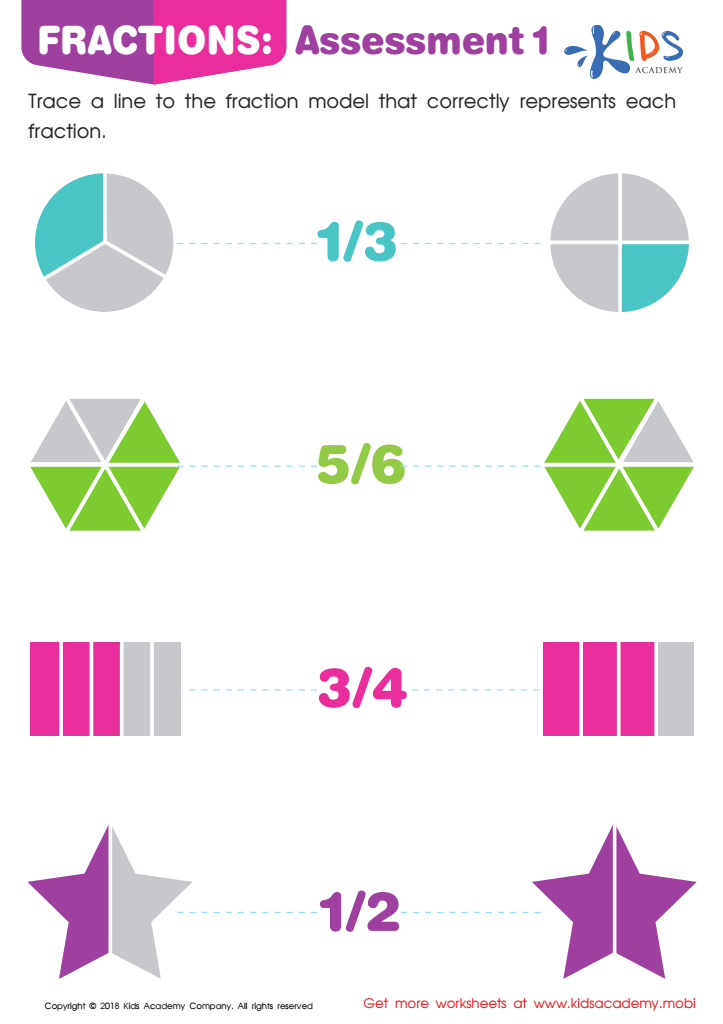
Fractions: Assessment 1 Worksheet
 Assign to My Students
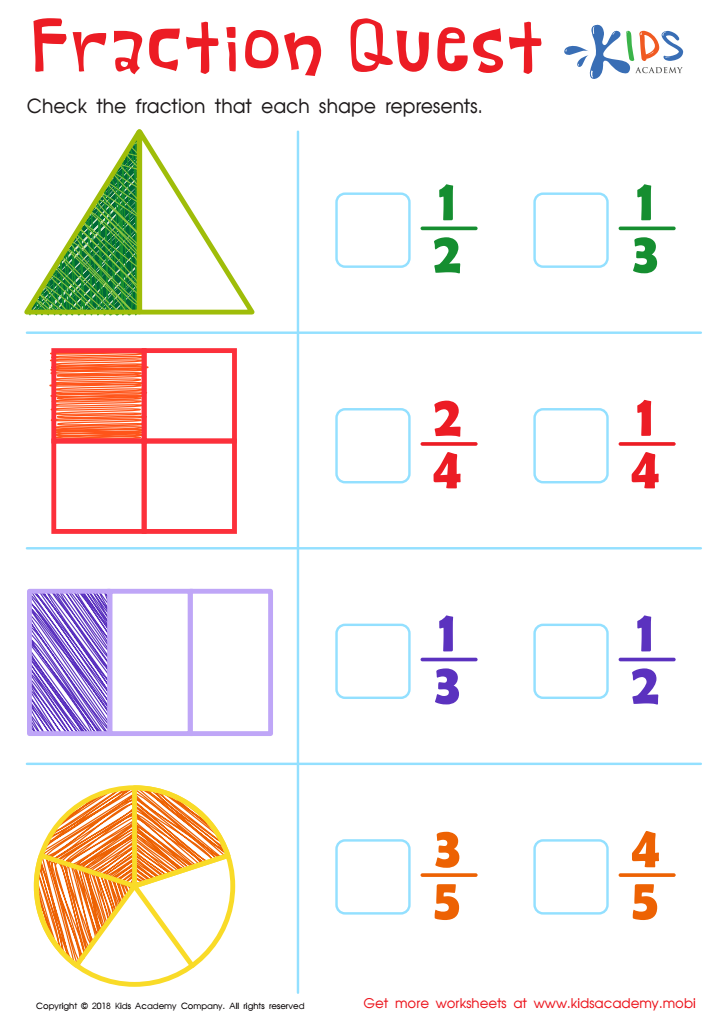
Fraction Quest Worksheet
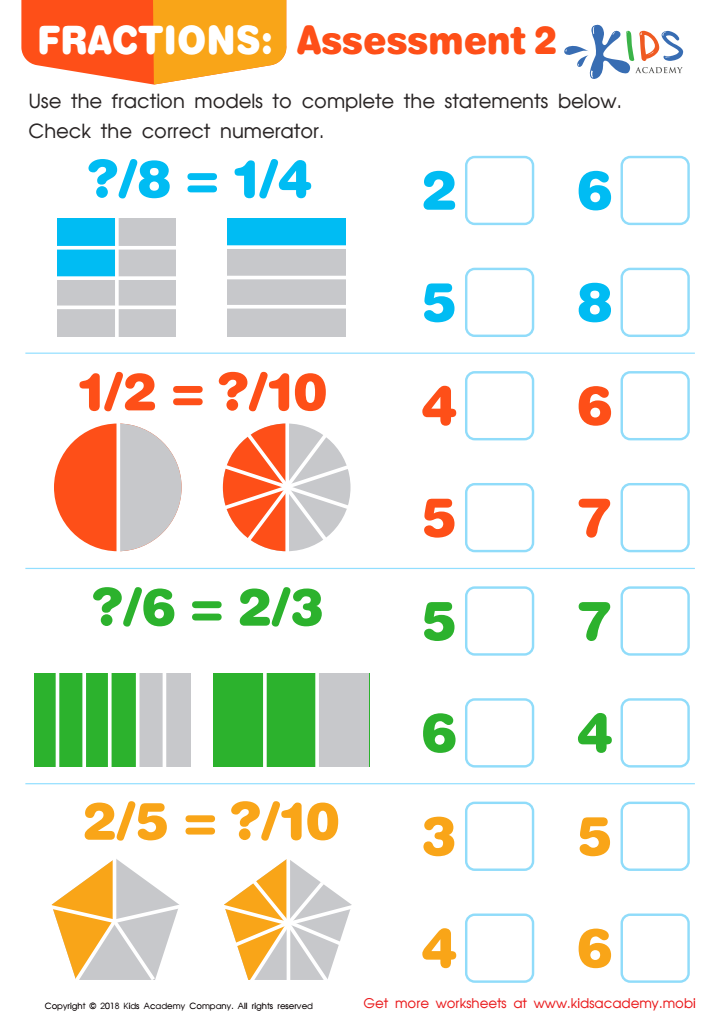
Fractions: Assessment 2 Worksheet
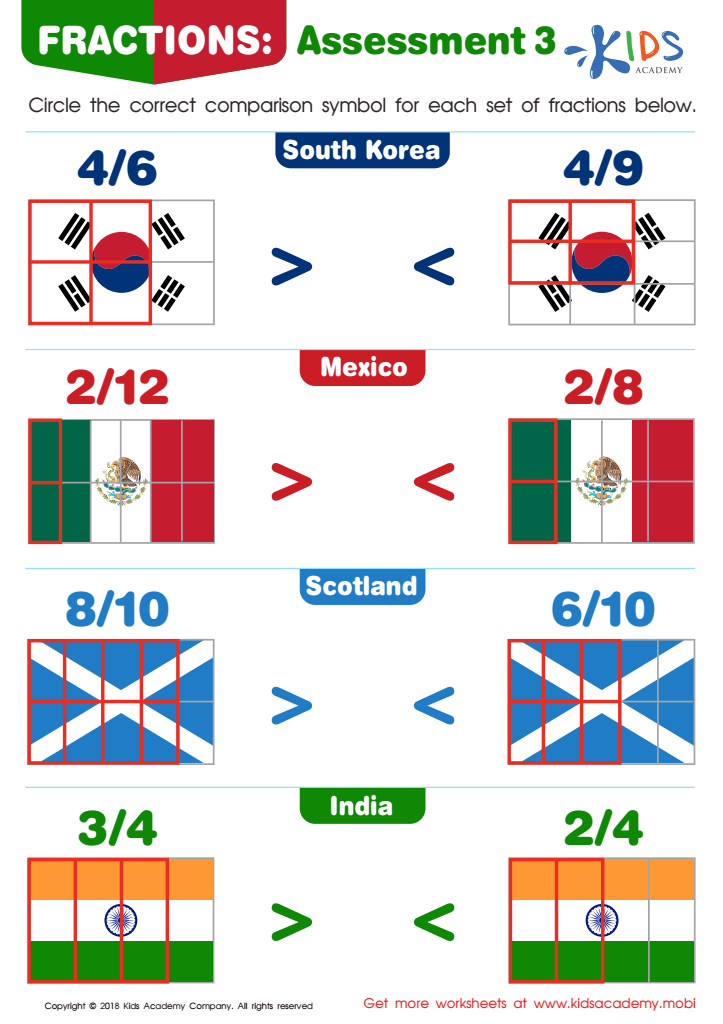
Fractions: Assessment 3 Worksheet
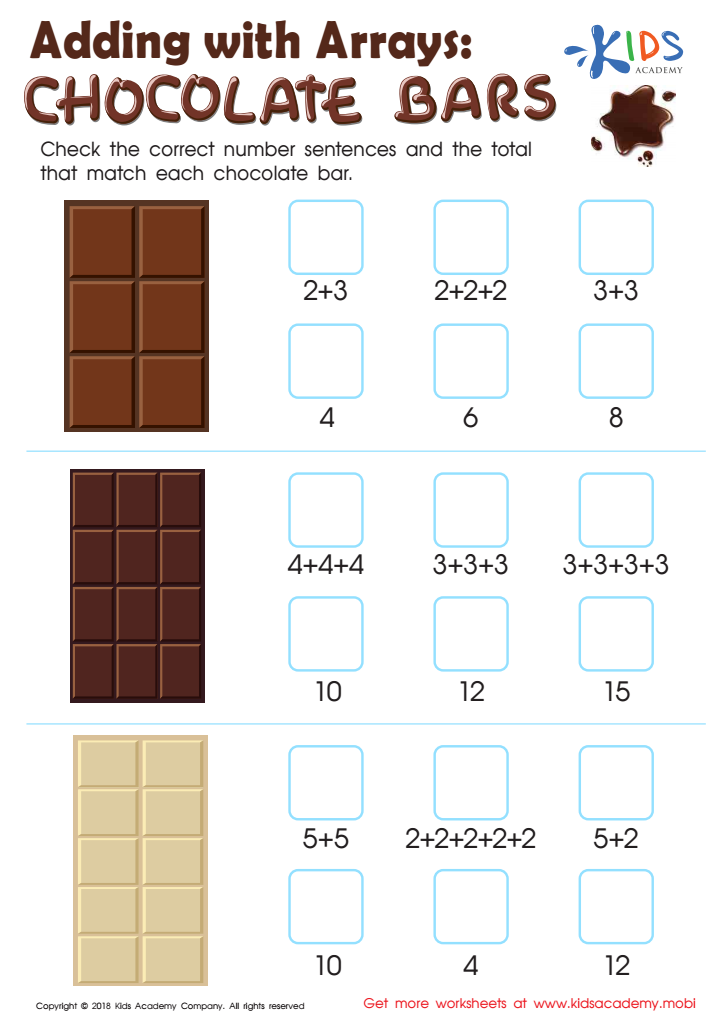
Adding with Arrays: Chocolate Bars Worksheet
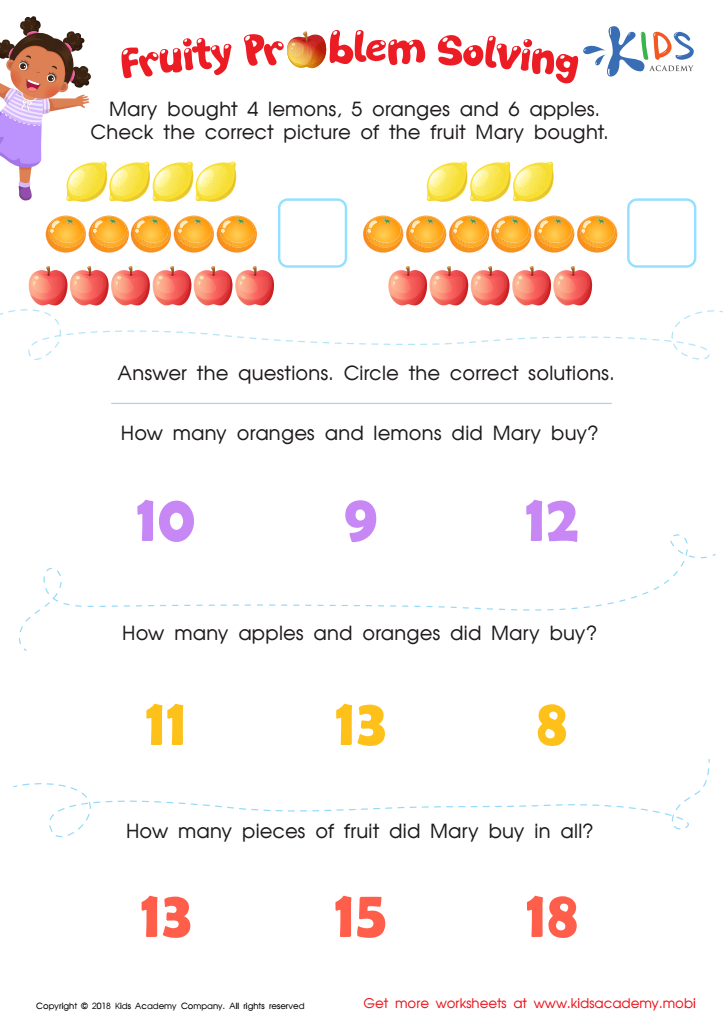
Fruity Problem Solving Worksheet
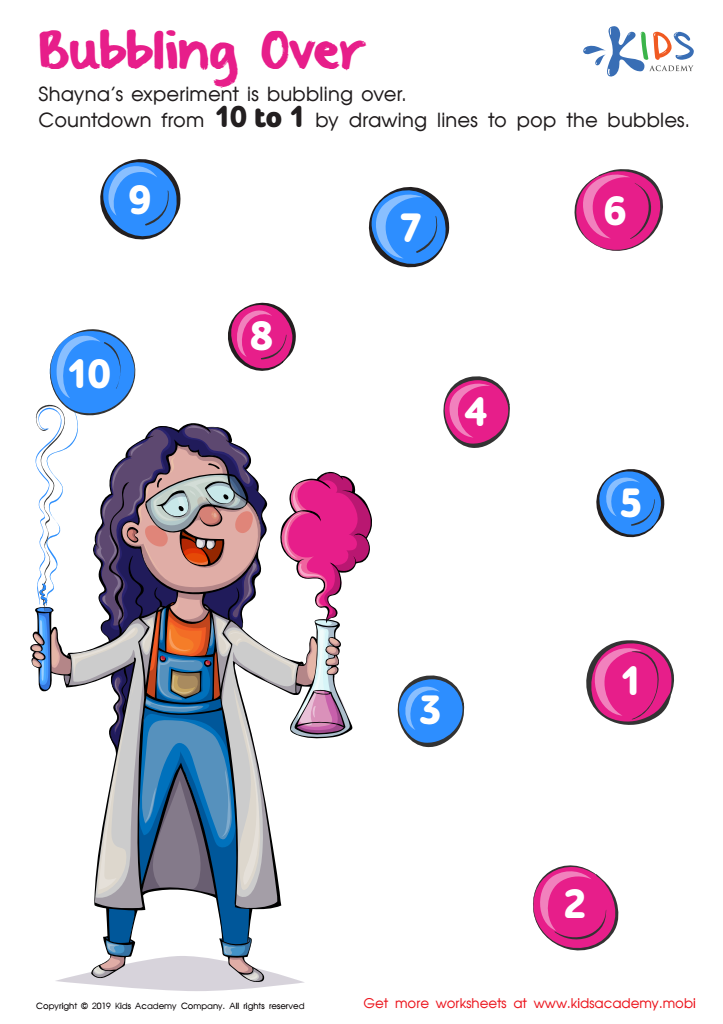
Bubbling Over Worksheet
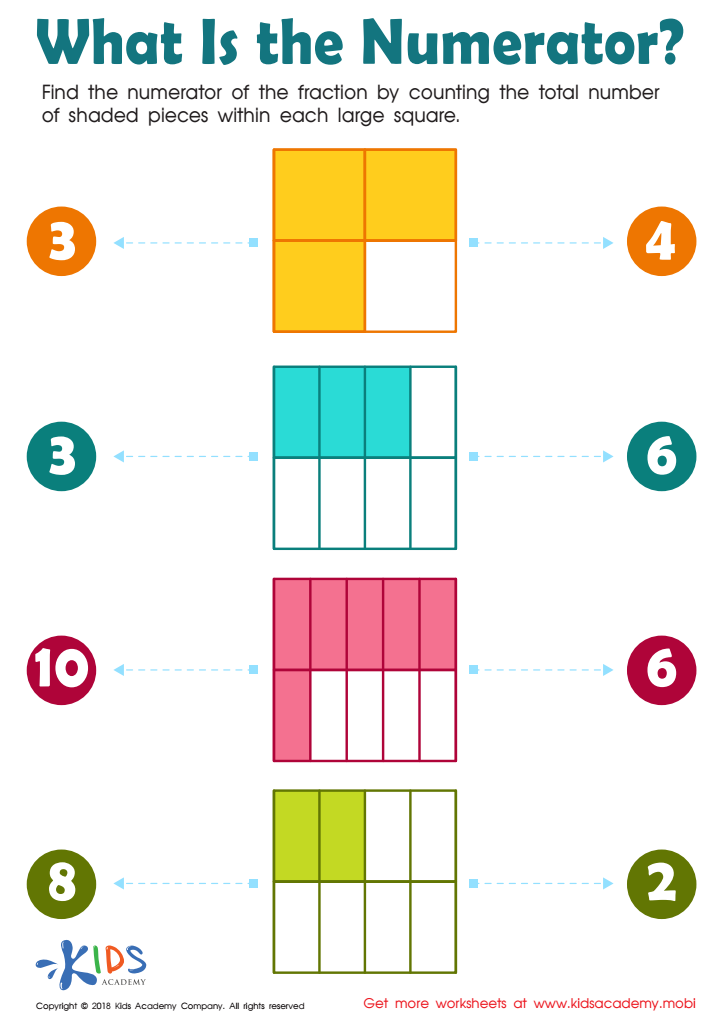
What Is the Numerator? Worksheet
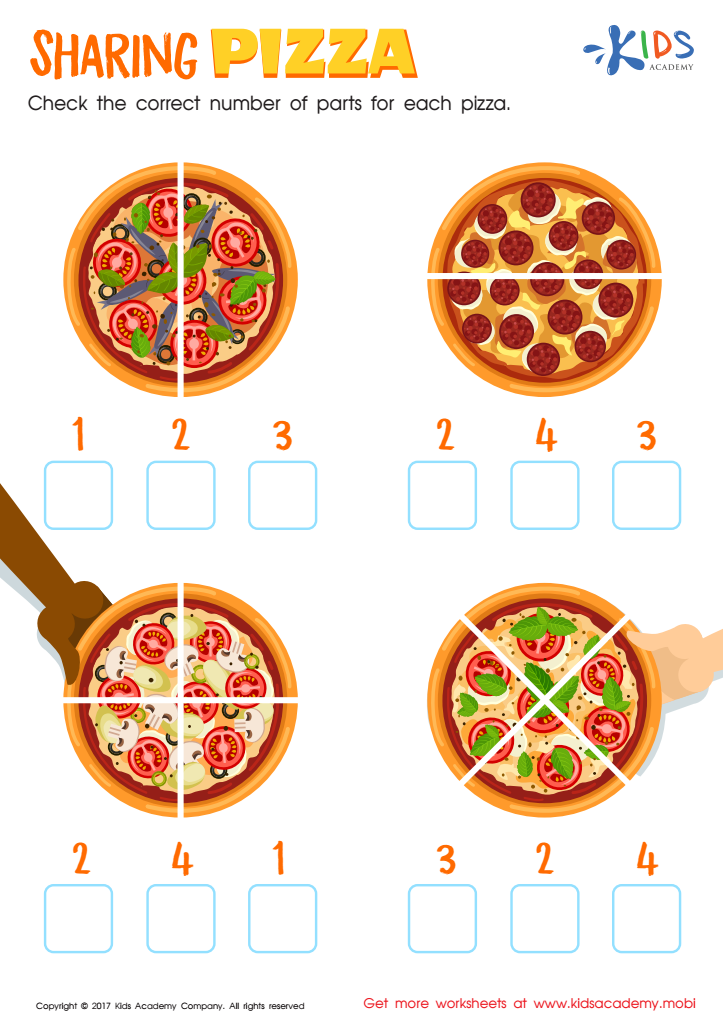
Sharing Pizza Worksheet
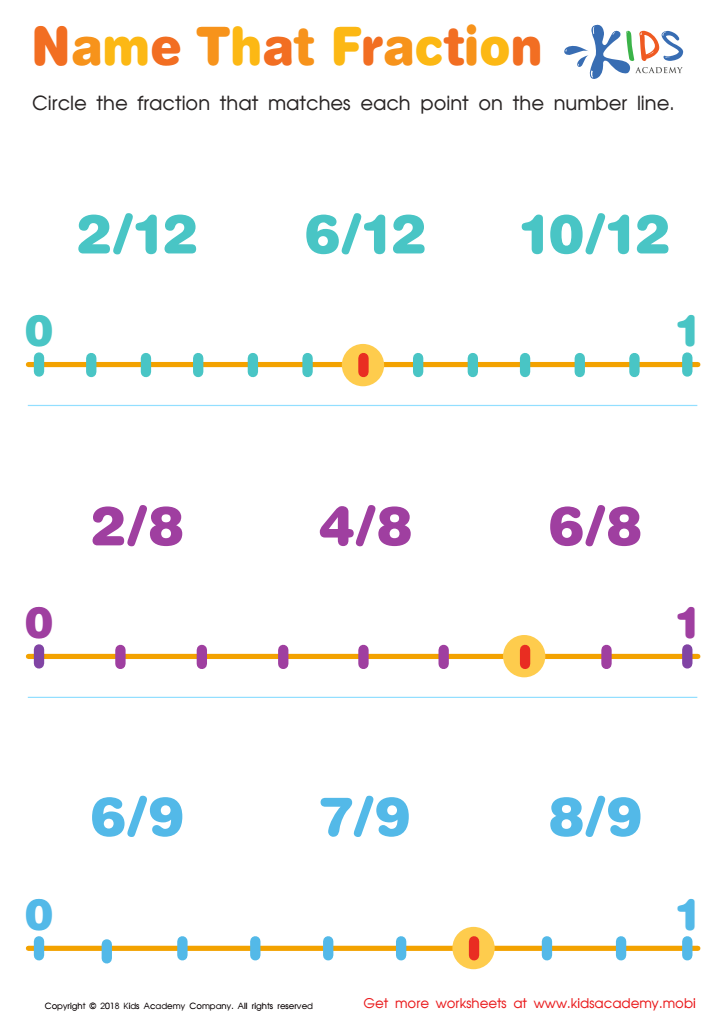
Name That Fraction Worksheet
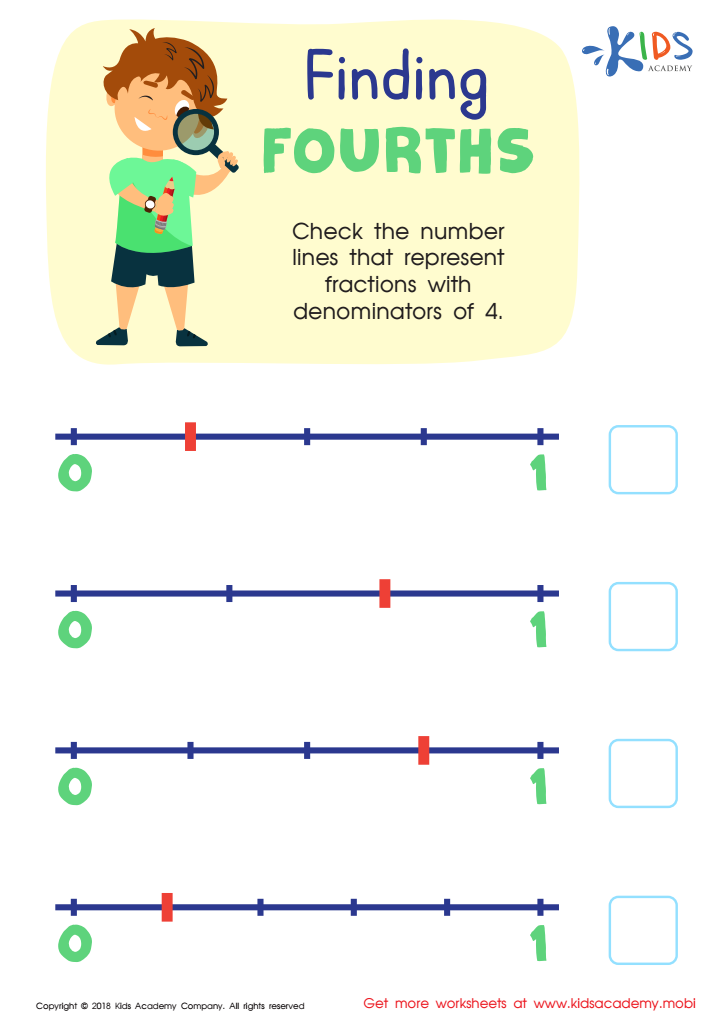
Finding Fourths Worksheet
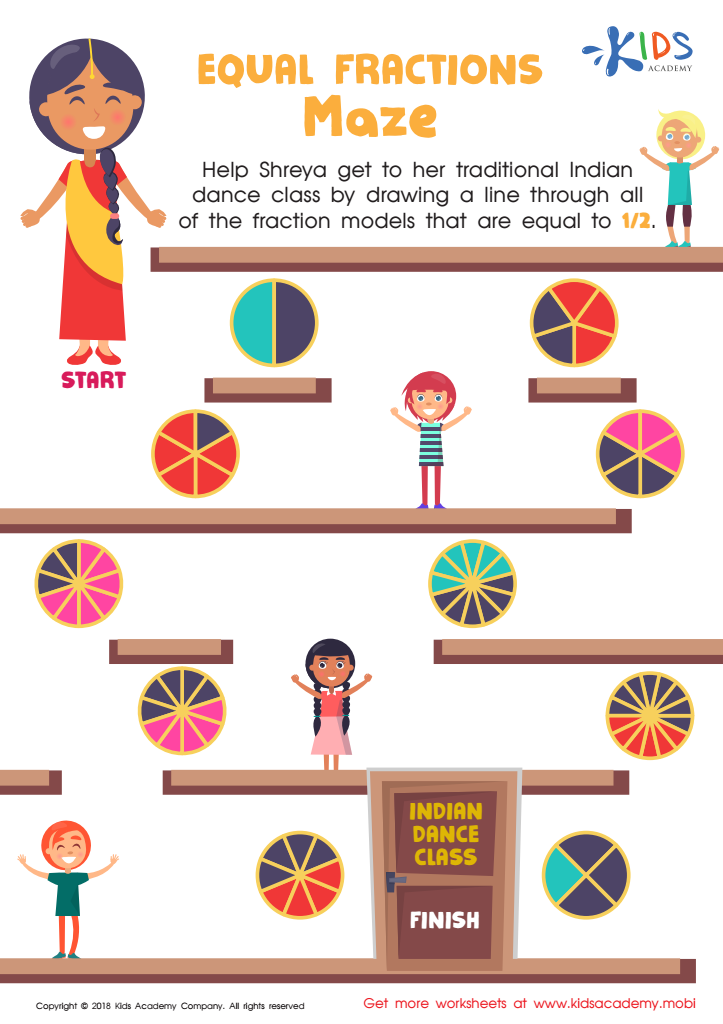
Equal Fractions Maze Worksheet
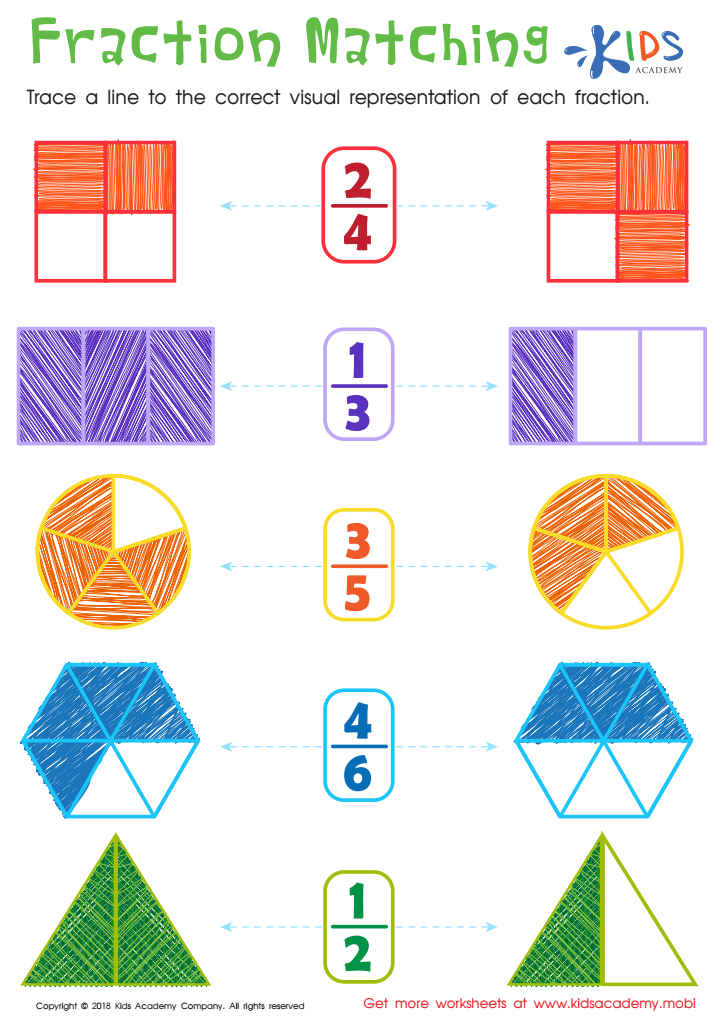
Fraction Matching Worksheet
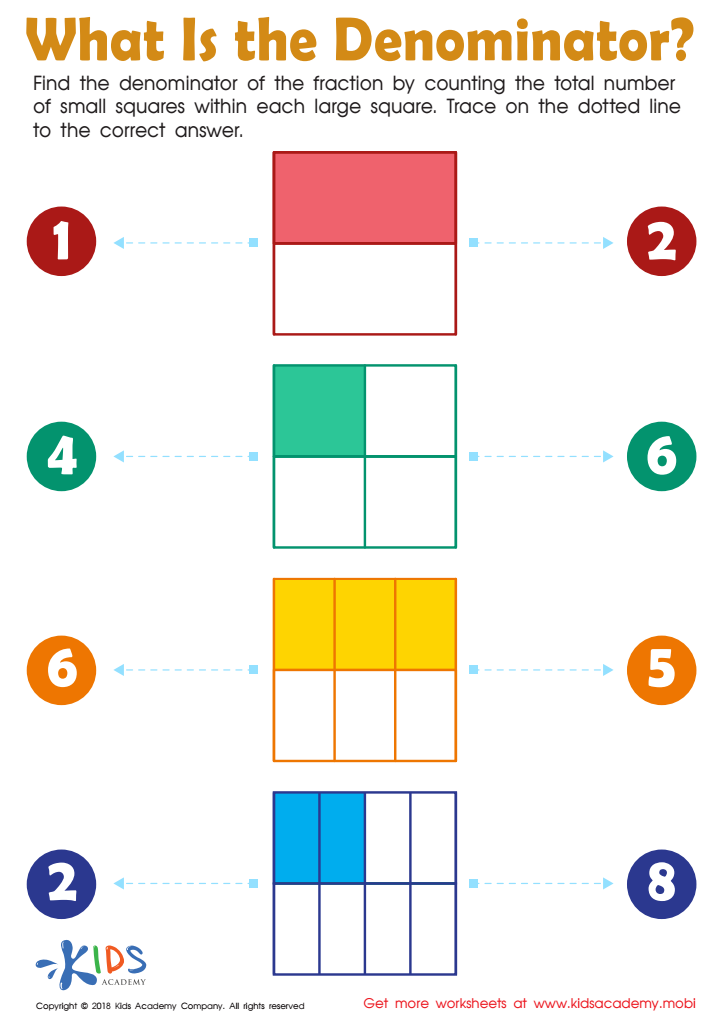
What Is the Denominator? Worksheet
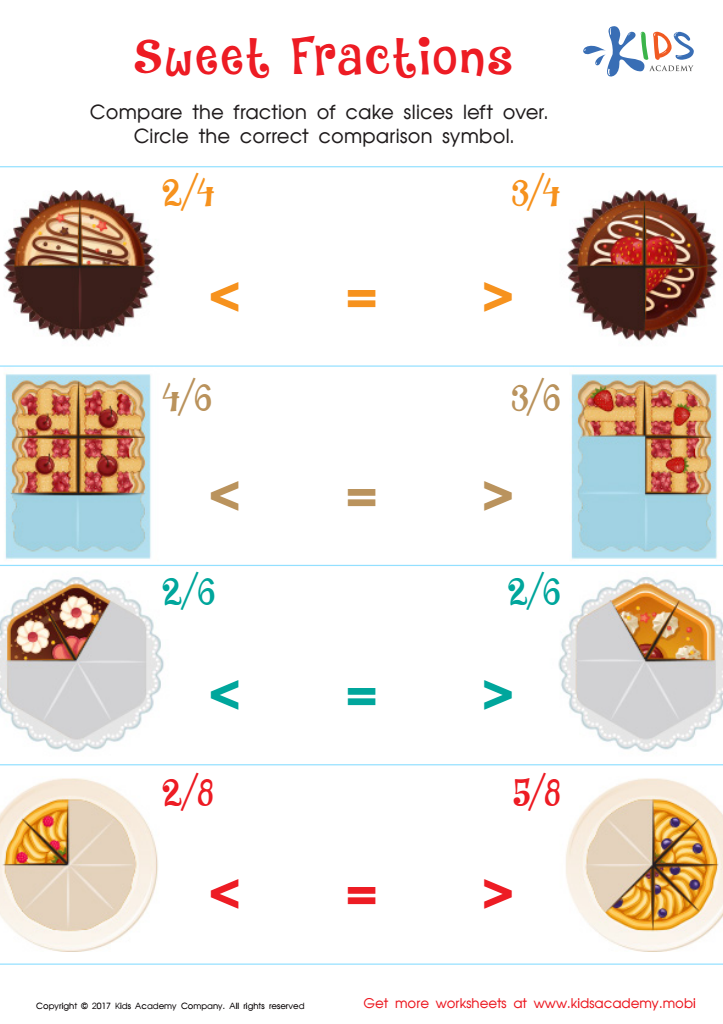
Compare Fractions Worksheet
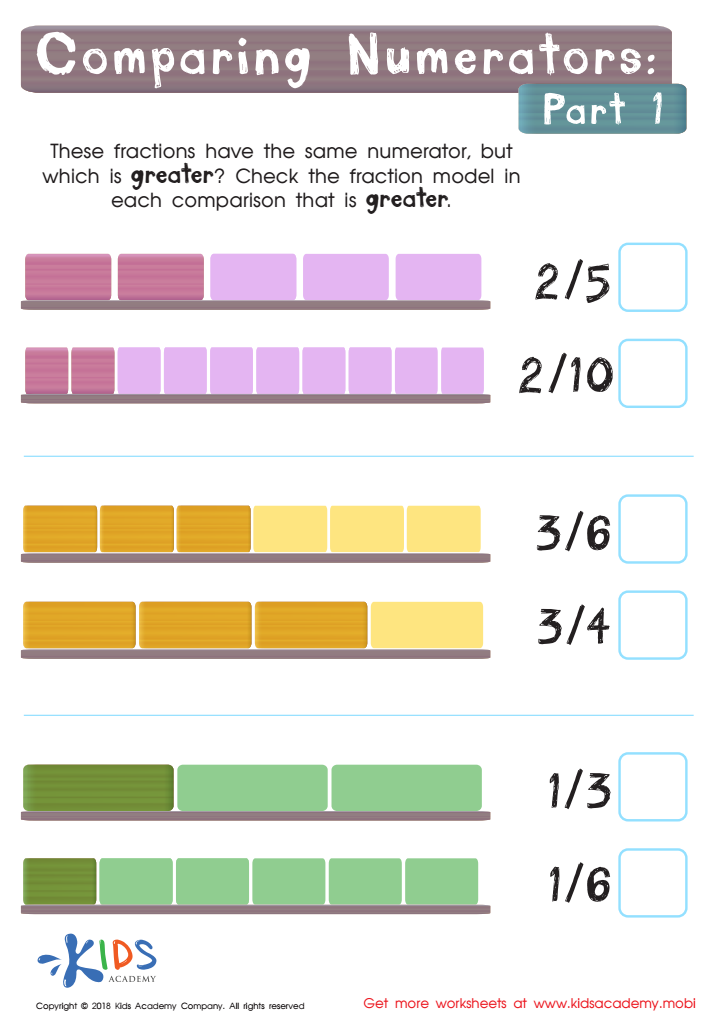
Comparing Numerators Part 1 Worksheet







Understanding fractions is critical for children aged 4-9 because it lays the foundation for future mathematical proficiency and everyday problem-solving skills. At this impressionable age, children’s brains are rapidly developing and highly receptive to new concepts. Grasping fractions aligns with their cognitive growth, priming them for more complex math topics such as ratios, percentages, algebra, and geometry, which they will encounter later in their academic journey.
Moreover, fractions are deeply embedded in daily life. From dividing a pizza into equal parts to measuring ingredients for a recipe, a solid understanding of fractions enhances practical life skills. This, in turn, fosters self-confidence and independence in children as they navigate real-world situations.
Additionally, learning fractions at a young age strengthens critical thinking and analytical skills. When children understand halves, thirds, and quarters, they start to see the world through a more structured mathematical lens, improving their overall problem-solving abilities. For parents and teachers, prioritizing fractions education ensures that children are not only competent in essential mathematical concepts but are also equipped with a toolkit for making informed decisions in life. Engaging children in fraction-related activities and discussions makes learning enjoyable and effective, ensuring long-lasting comprehension and interest in mathematics.








