Cognitive Development Math Worksheets for Ages 4-9 - Page 2
186 filtered results
-
From - To

 Assign to My Students
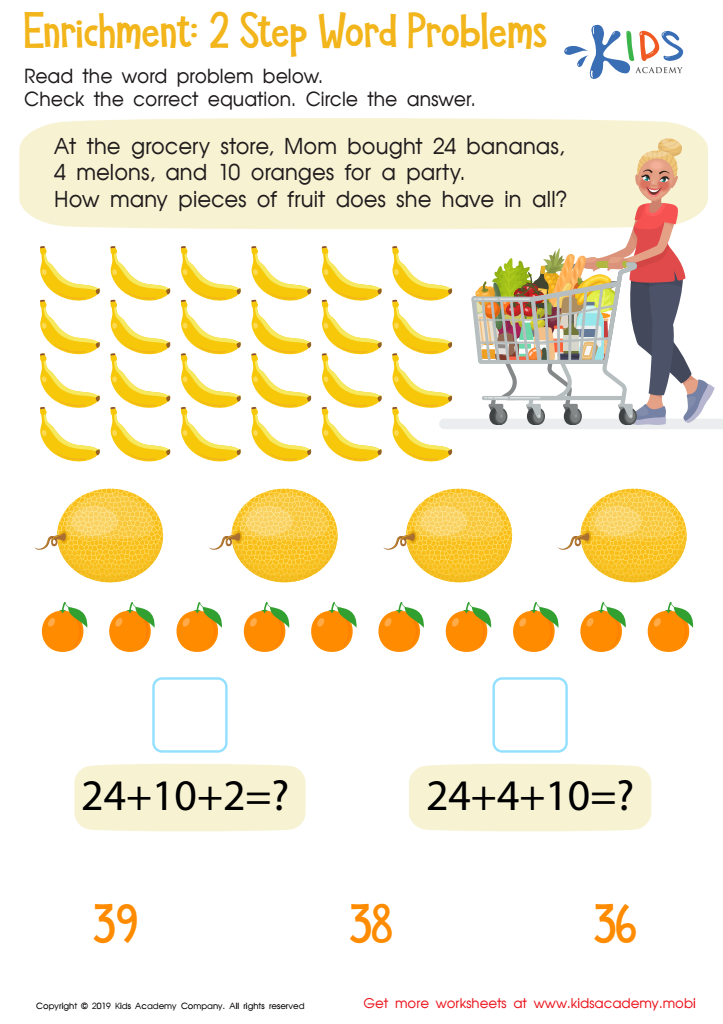
Enrichment -2 Step Word Problems Worksheet
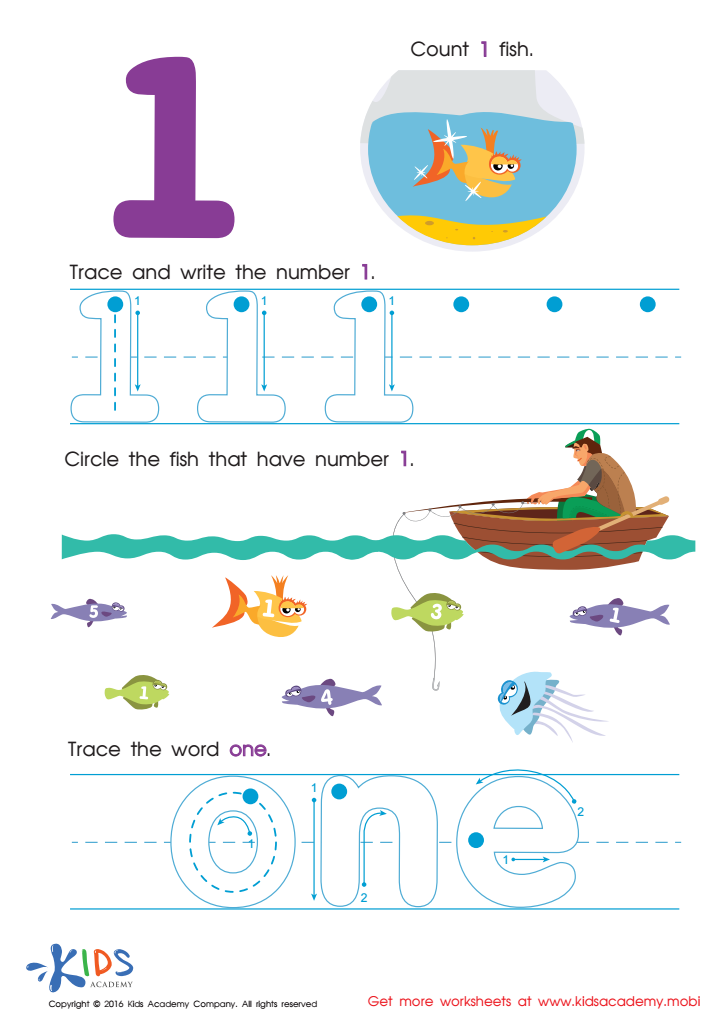
Learning to Write 1 Worksheet
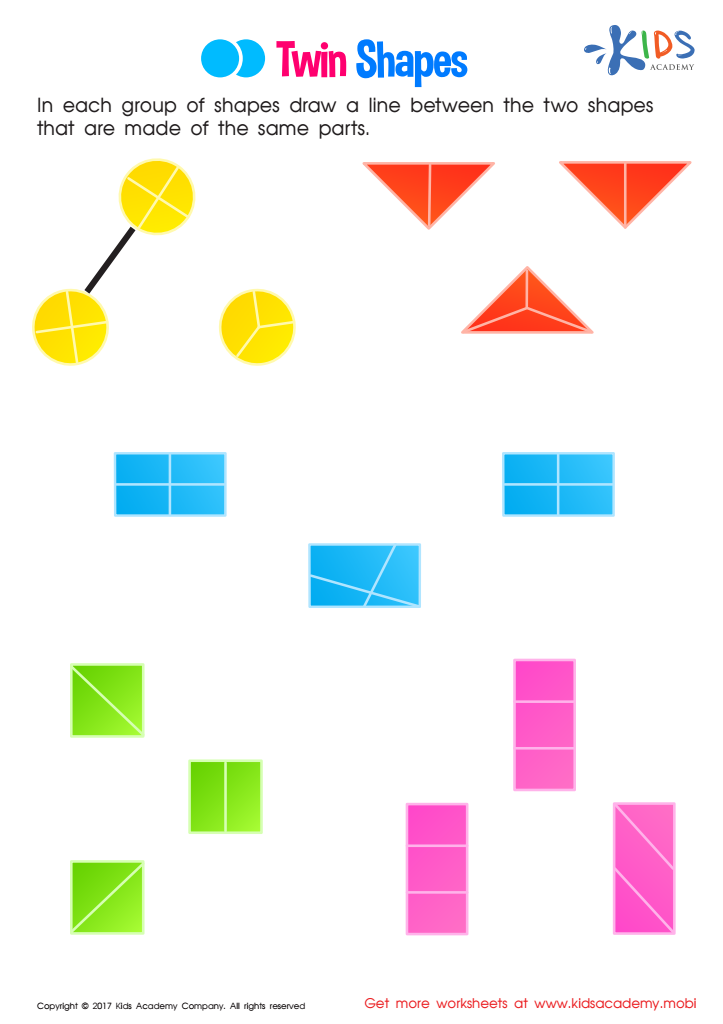
Twin Shapes Worksheet
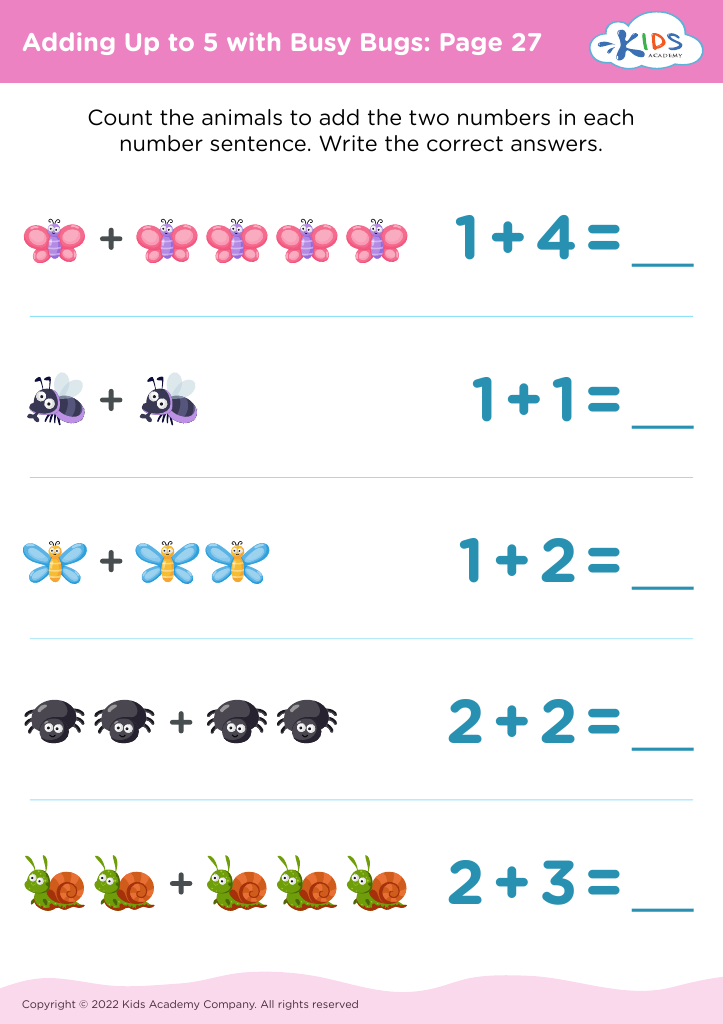
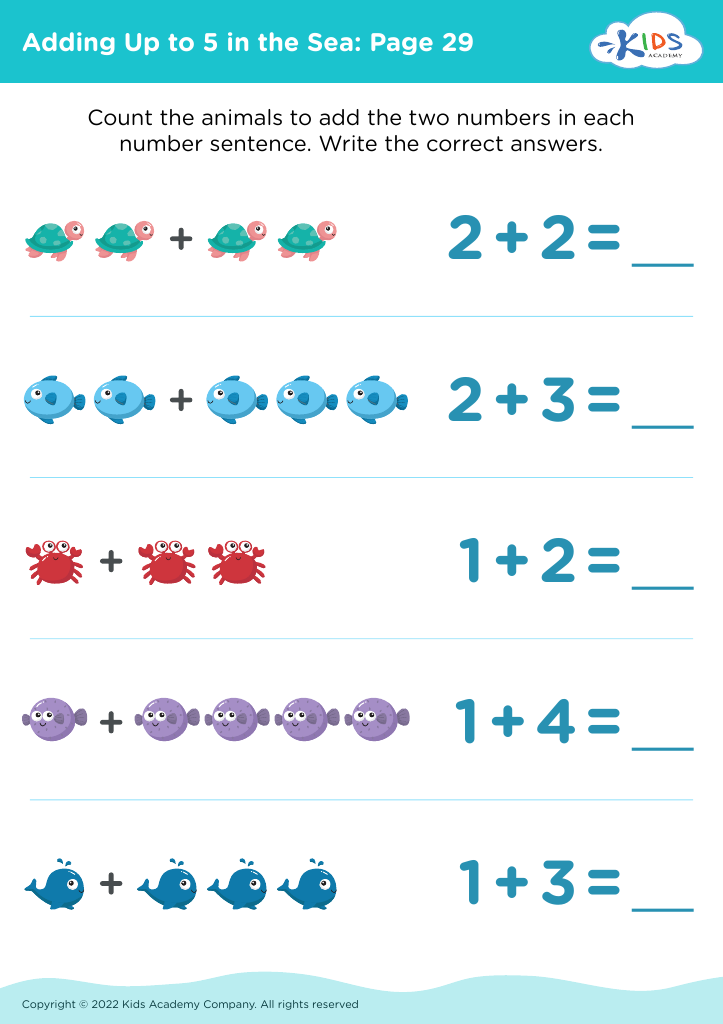
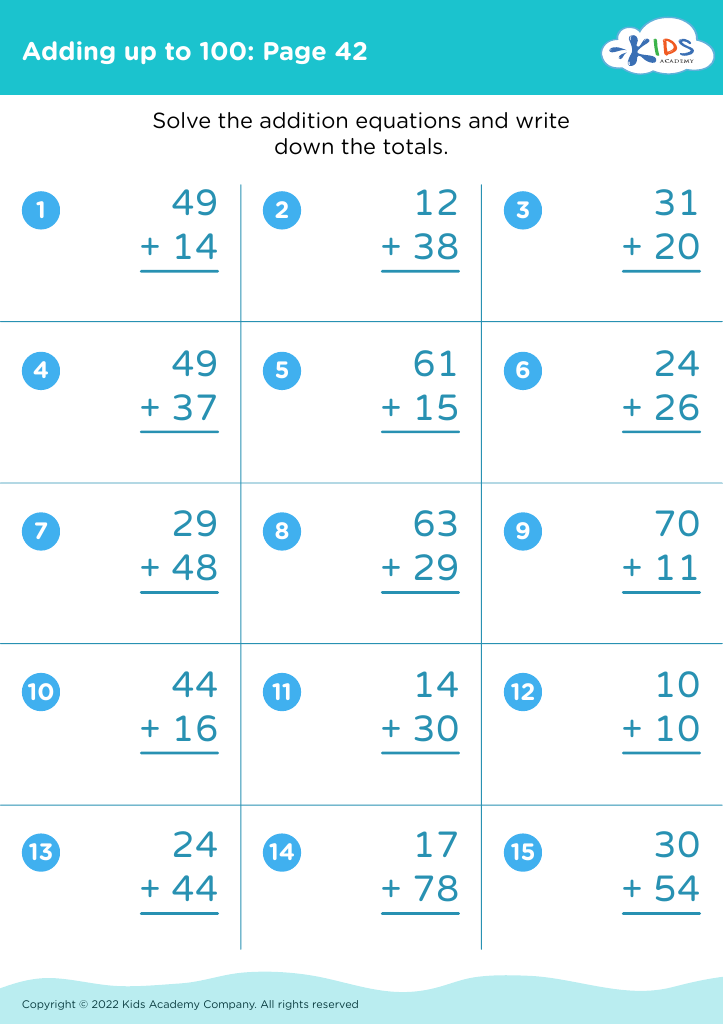
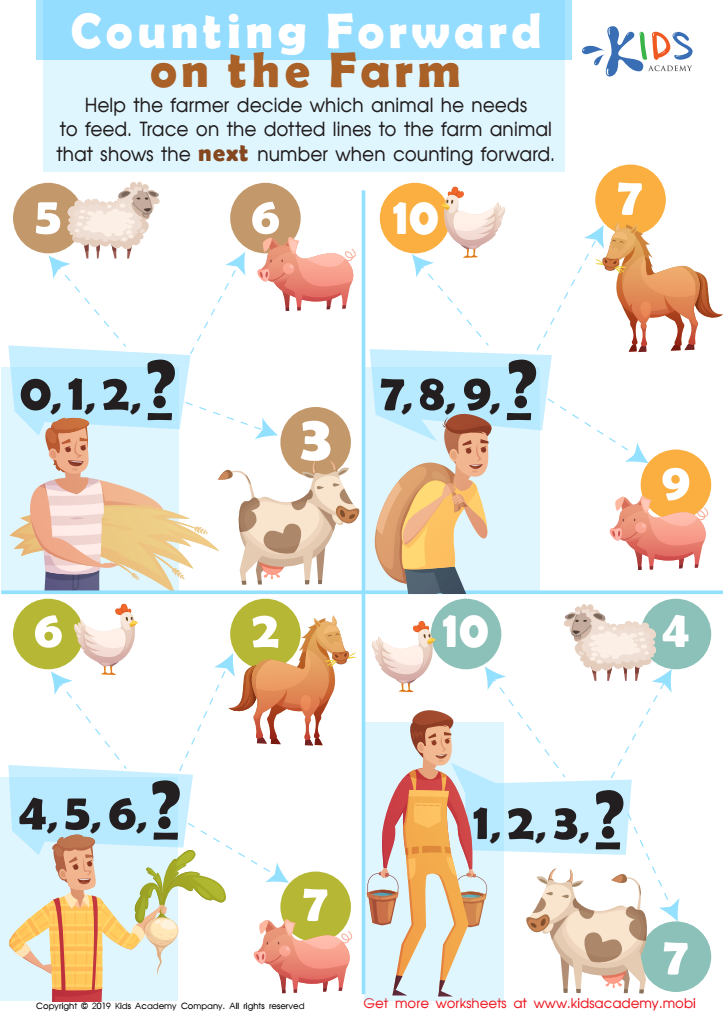
Counting Forward On the Farm Worksheet
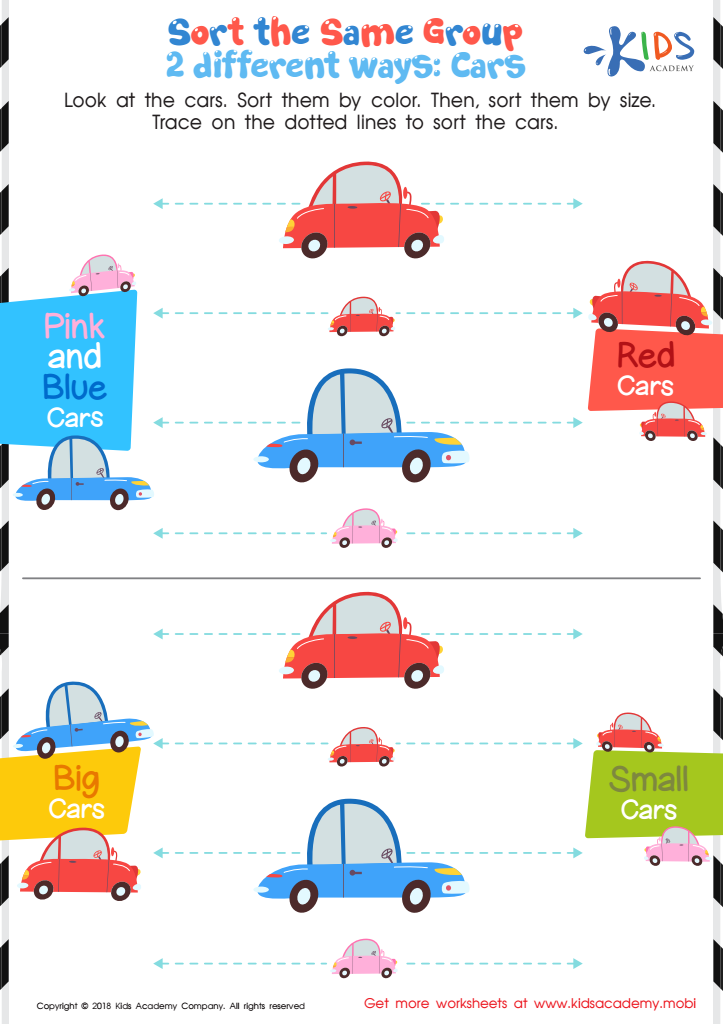
Sort the Same Group 2 Different Ways: Cars Worksheet
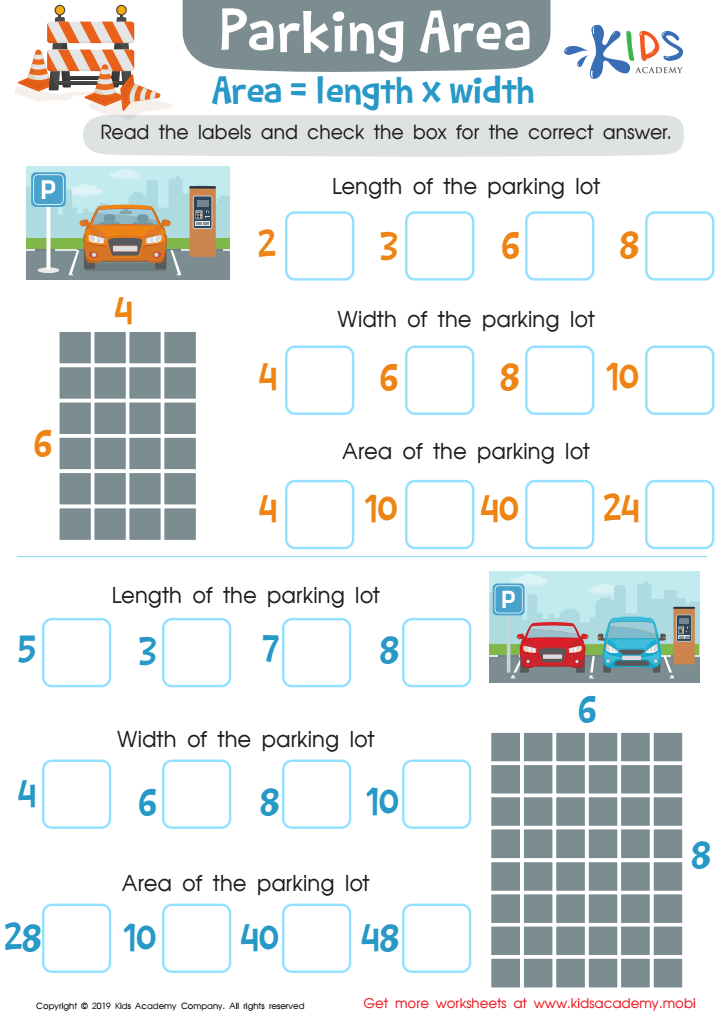
Parking Area Worksheet
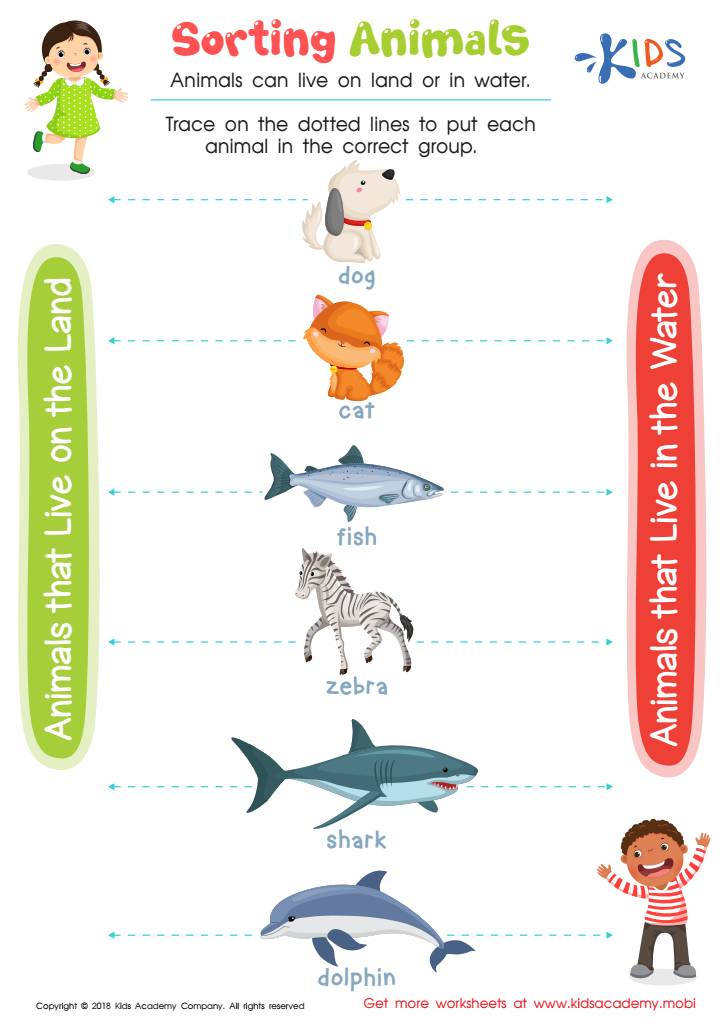
Sorting Animals Worksheet
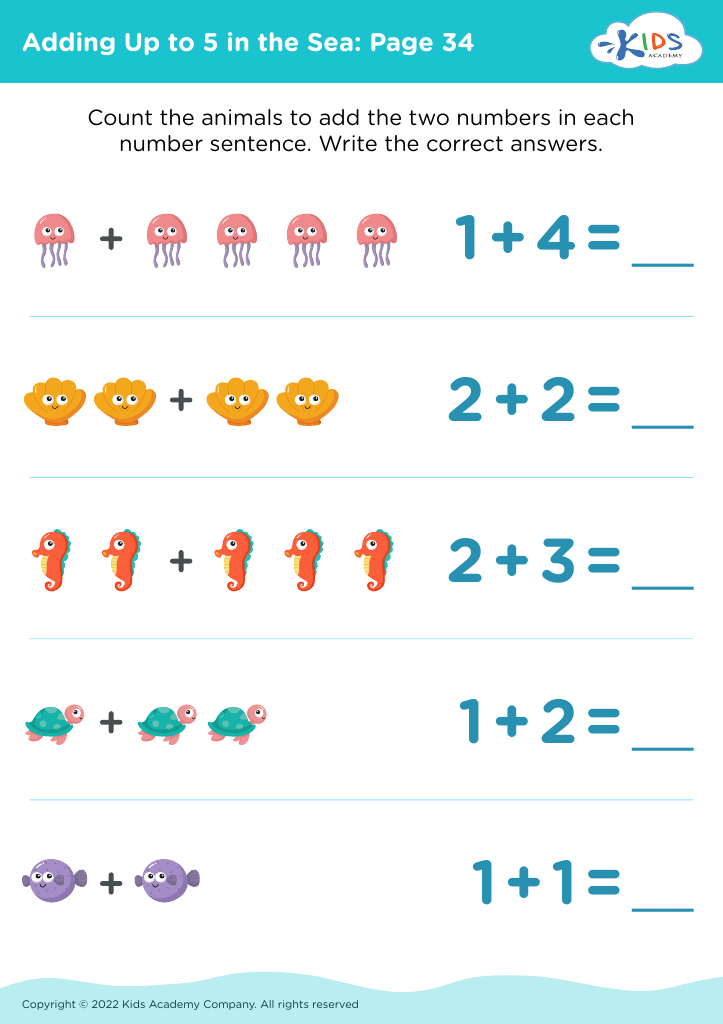

Matching: Shapes and Colors Worksheet
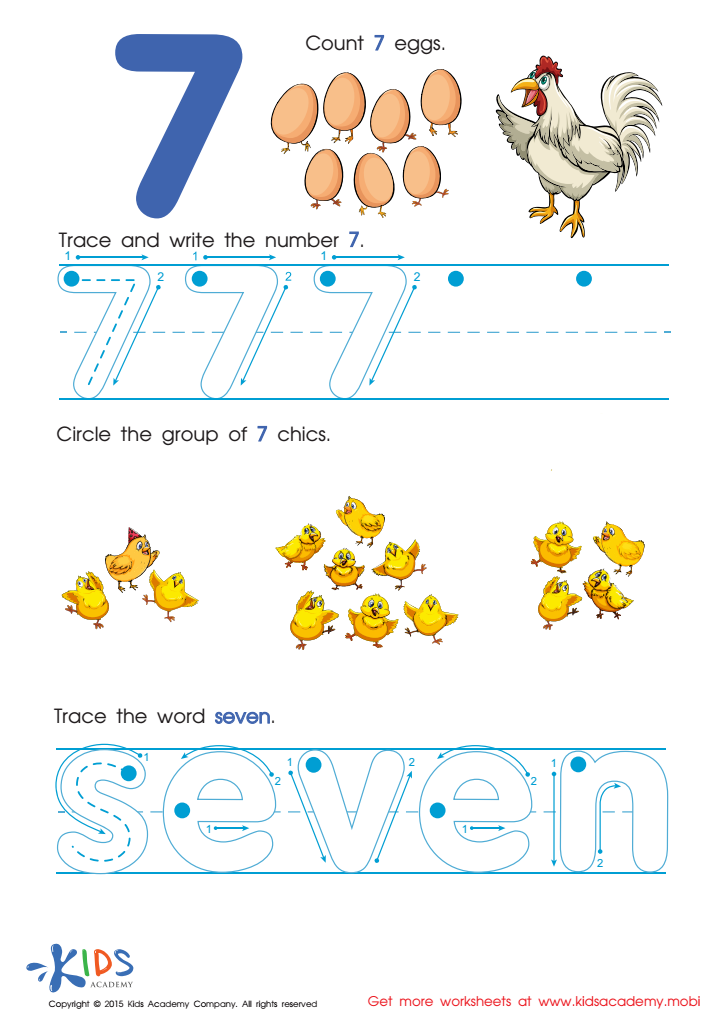
Trace And Write Number 7 with Fun Worksheet



.jpg)
.jpg)



Parents and teachers should care deeply about cognitive development in math for children ages 4-9 because it lays a foundational framework for their future academic success and problem-solving abilities. At this formative stage, the brain is highly plastic and receptive to new information. Introducing basic math concepts like counting, shapes, and simple arithmetic helps develop critical thinking, logical reasoning, and spatial awareness.
Cognitive development in math equips children with essential life skills, such as the ability to compare quantities, understand sequences, and recognize patterns. These skills are not only pivotal in mathematics but are also transferable to other academic subjects and everyday activities. Mastery of early math concepts cultivates confidence and a positive attitude toward learning, which can have long-term benefits both inside and outside the classroom.
Moreover, strong cognitive skills in math foster more effective problem-solving strategies. This ability to critically analyze and resolve problems is crucial in a rapidly evolving world where adaptability and innovative thinking are key. Through math, children also learn to set goals, persevere through challenges, and achieve a sense of accomplishment—traits that are valuable throughout their lives.
Investing time and resources into cognitive development in math during these early years can result in a more well-rounded, competent, and confident individual, capable of tackling both academic and real-world challenges with ease.








