Improving counting skills Math Worksheets for Ages 4-9
24 filtered results
-
From - To
Boost your child's mathematical foundation with our "Improving Counting Skills Math Worksheets" tailored for ages 4-9. These engaging resources are designed to enhance counting proficiency through fun and interactive activities. From simple number recognition to complex counting patterns, our worksheets cover a wide range of skills suitable for preschoolers to early elementary students. With colorful illustrations and exercises, children stay motivated while progressively developing their abilities. Ideal for both classroom and at-home practice, these worksheets ensure a solid grasp of counting principles essential for future math success. Start fostering a love for math today with our expertly crafted worksheets!
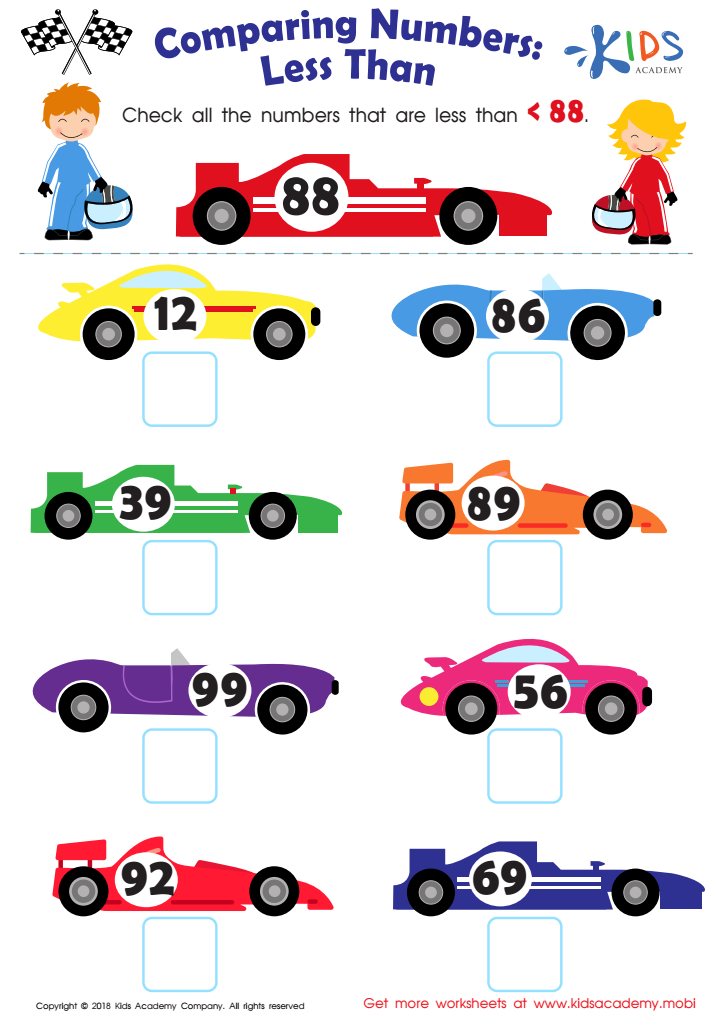
Less Than Worksheet
 Assign to My Students
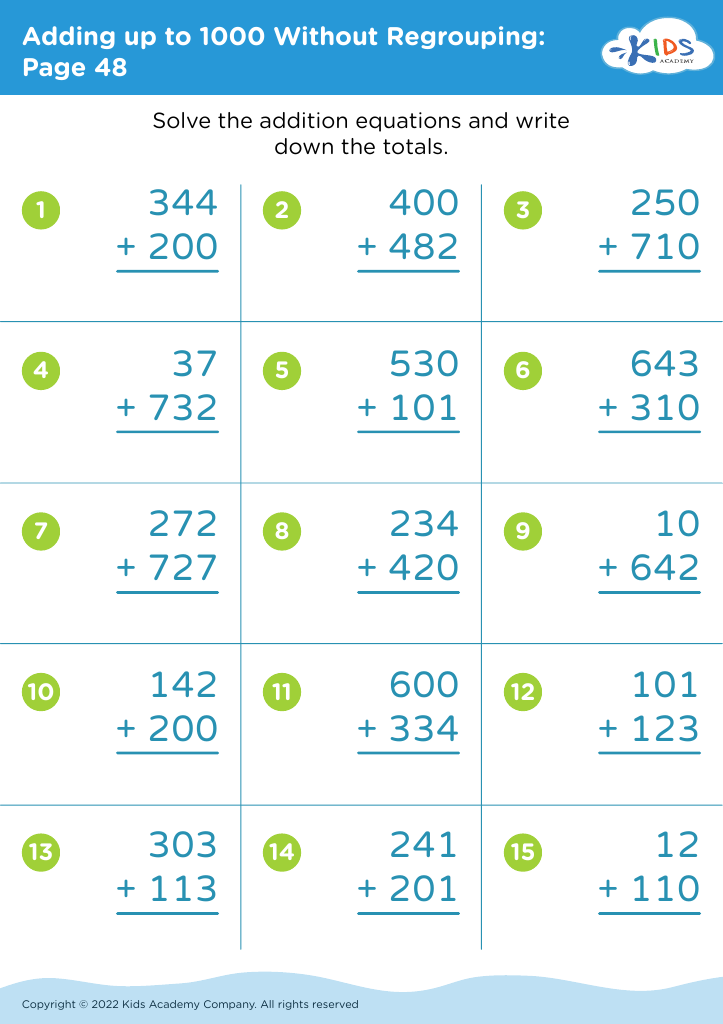
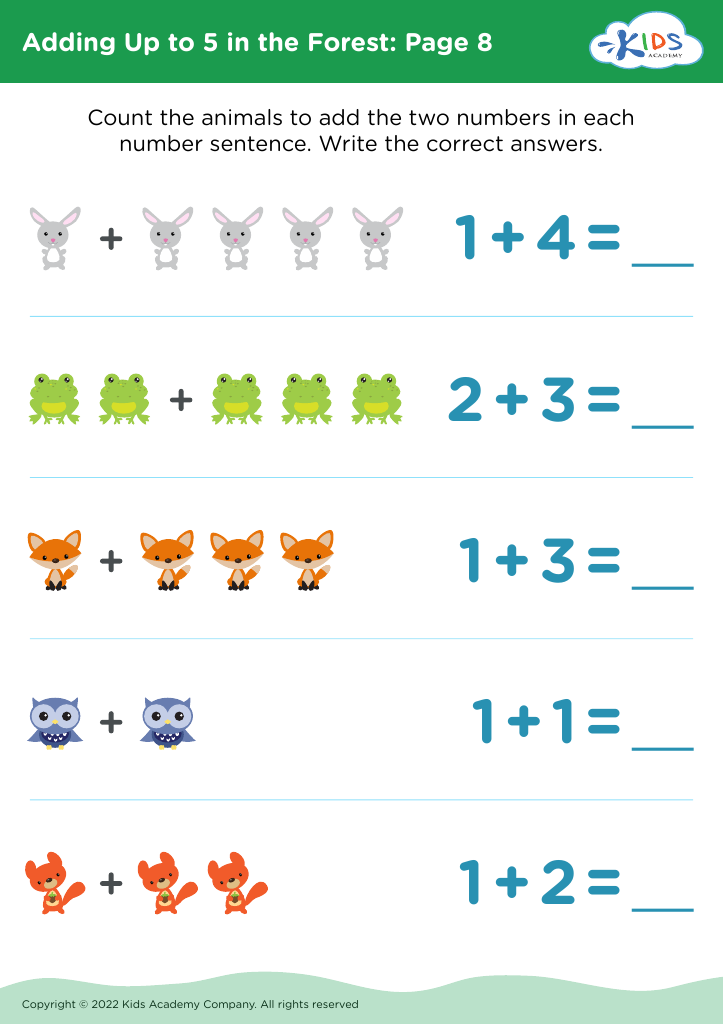
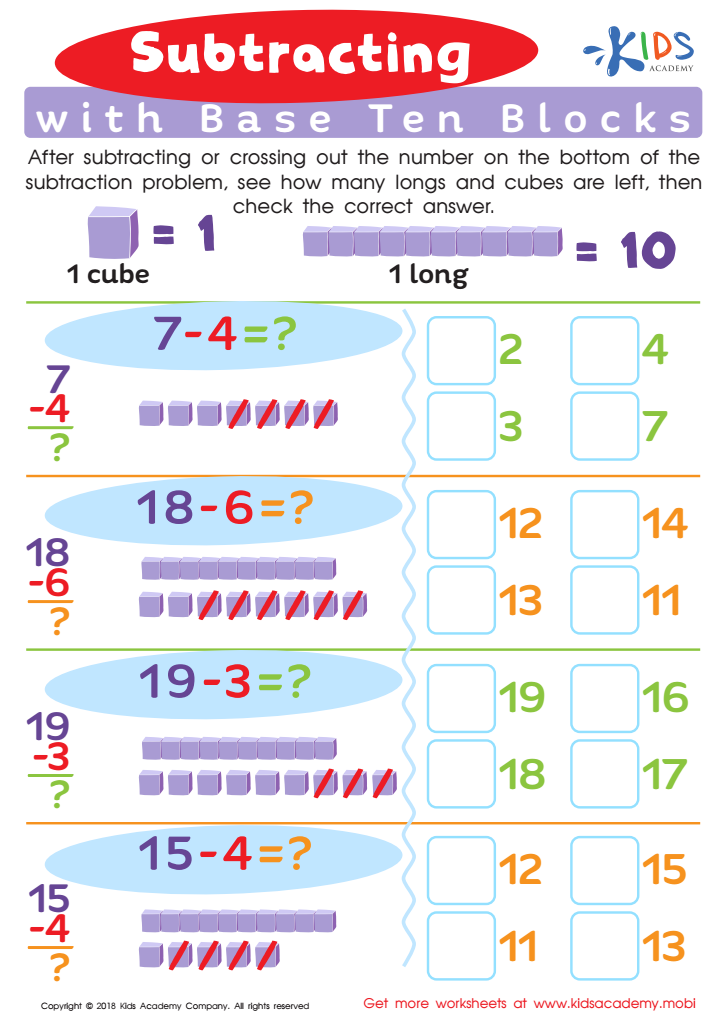
Subtracting With Base 10 Blocks Worksheet
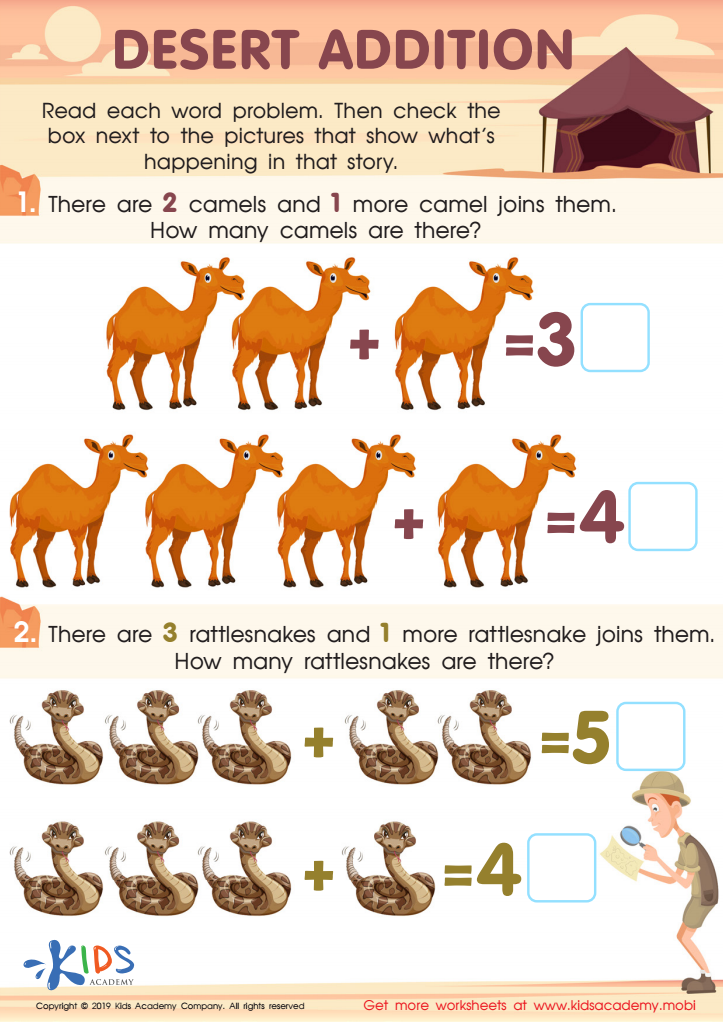
Desert Addition Worksheet
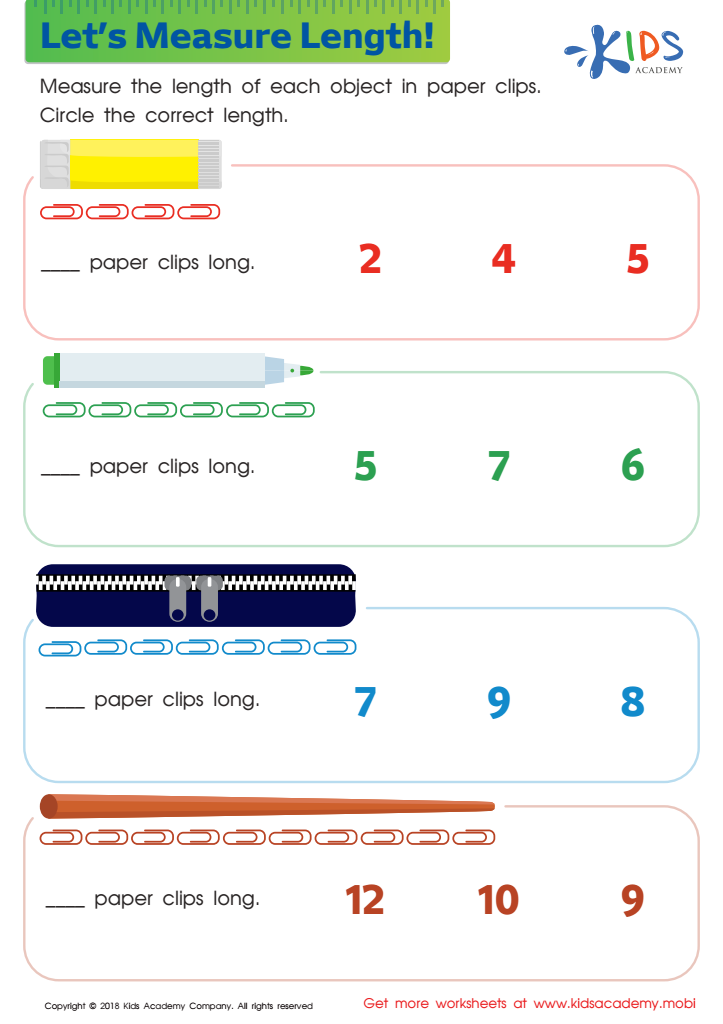
Lets Measure Length Worksheet
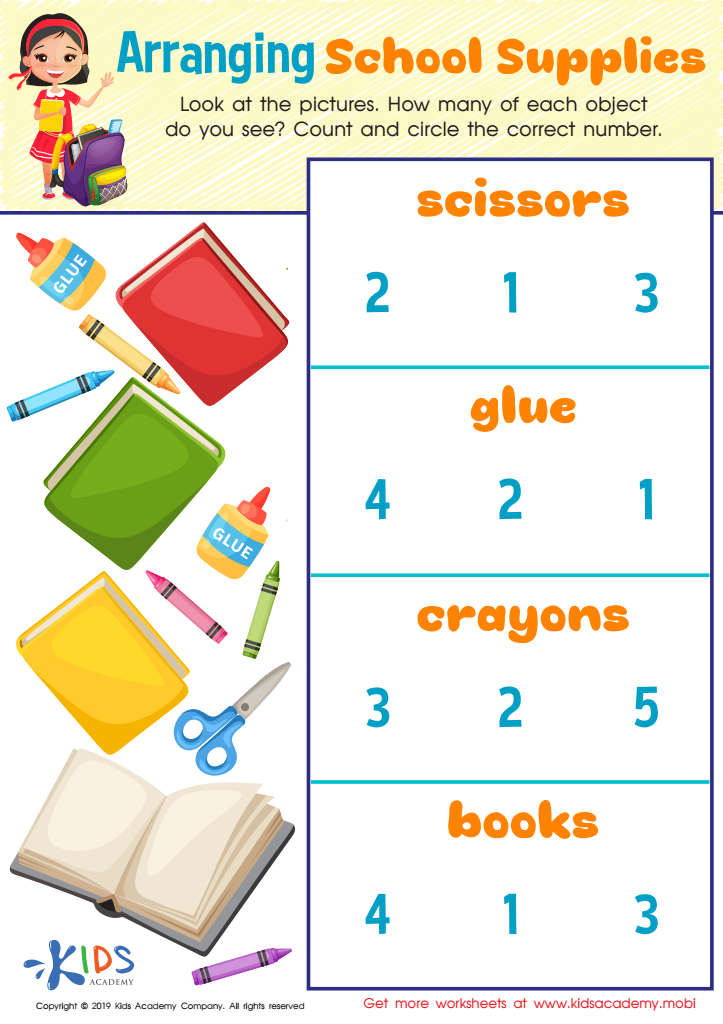
Arranging School Supplies Worksheet
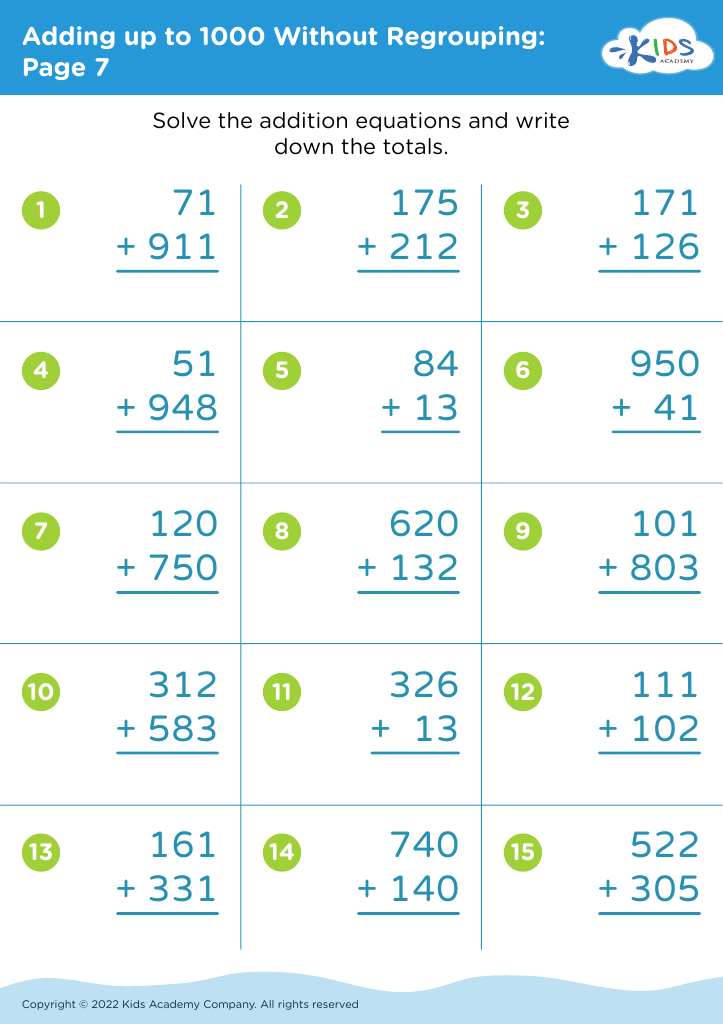
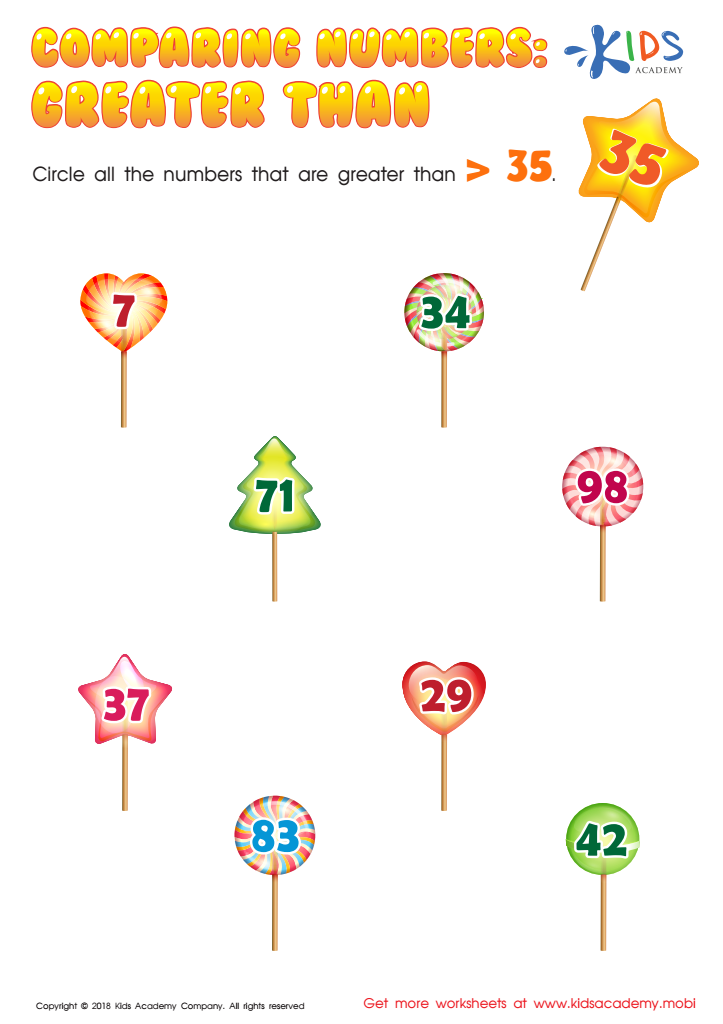
Greater Than Worksheet
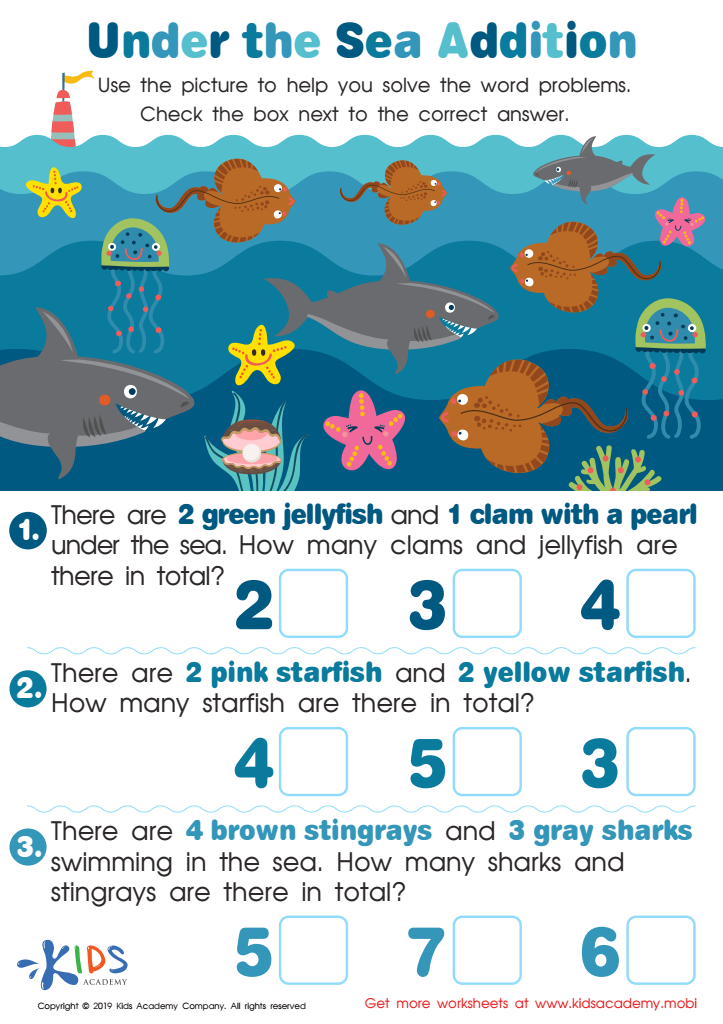
Under the Sea Addition Worksheet
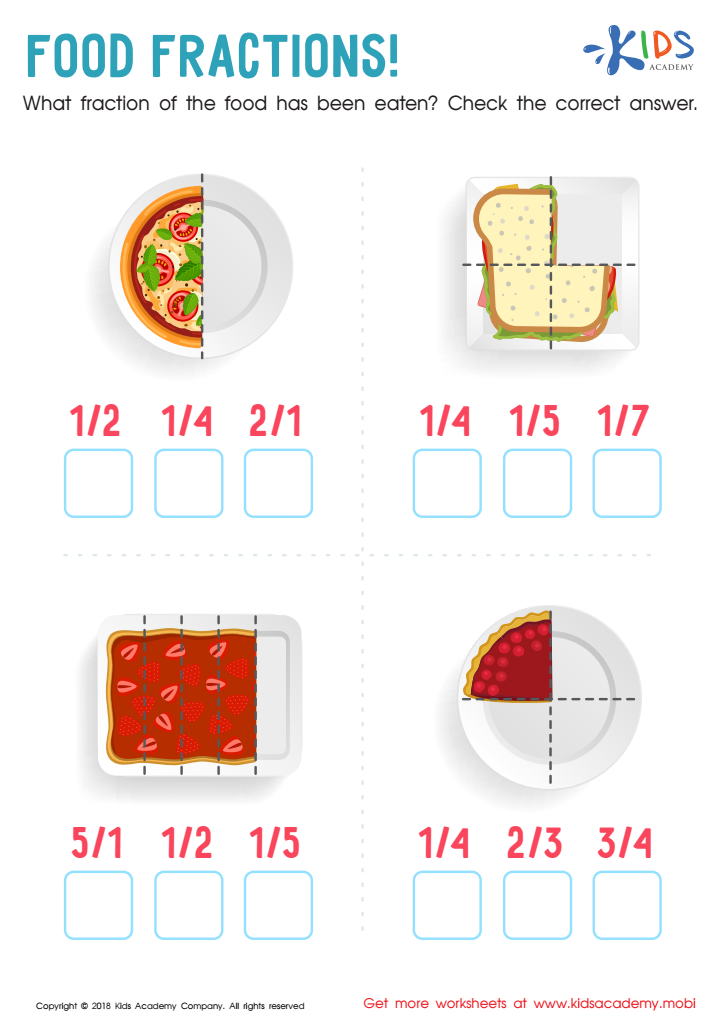
Food Fractions Worksheet
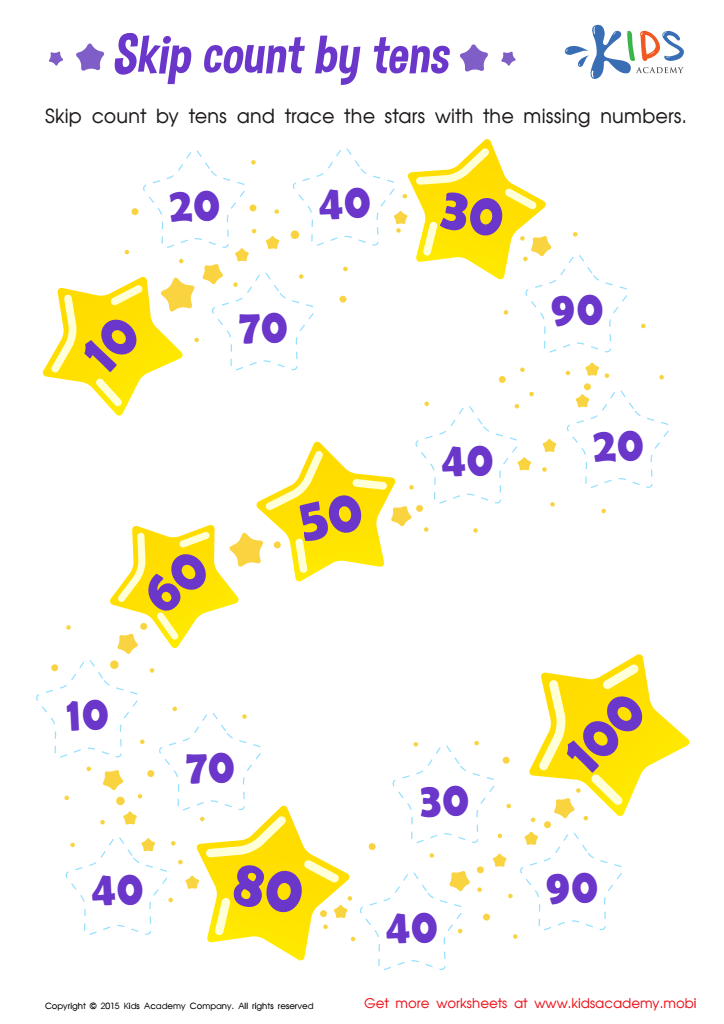
Learn dozens: Skip Count by Tens Printable
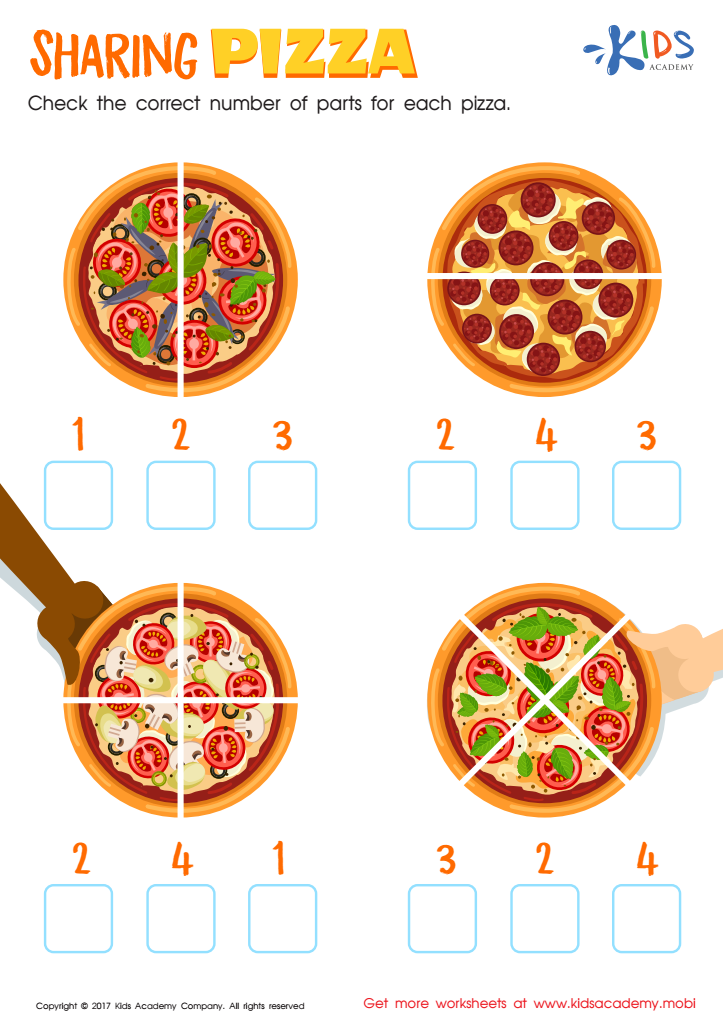
Sharing Pizza Worksheet
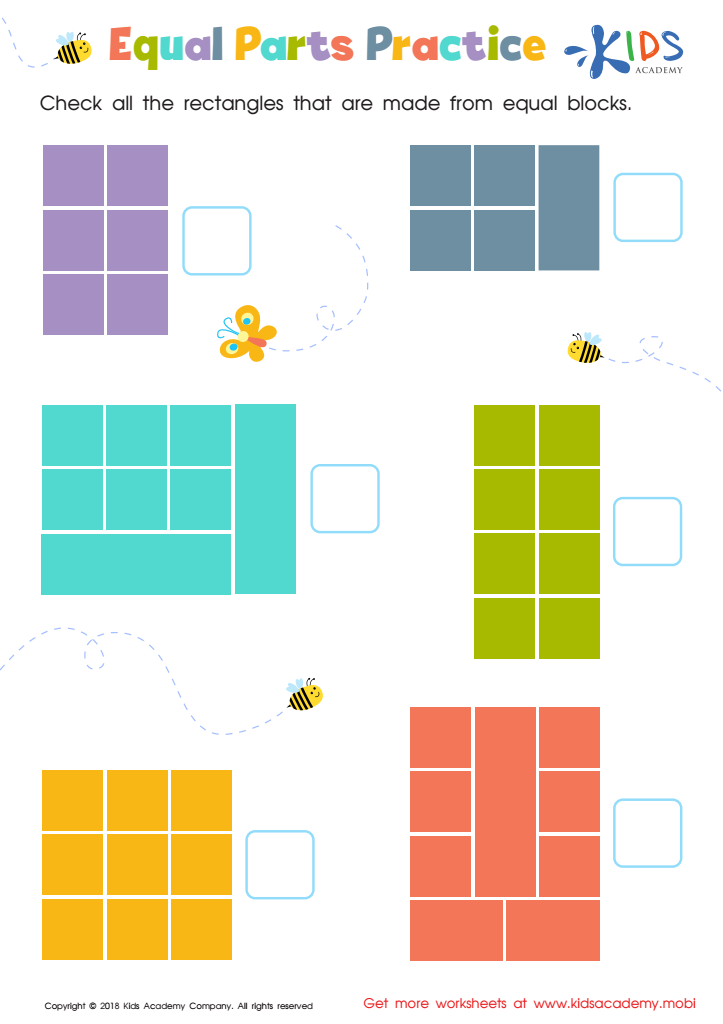
Equal Parts Practice Worksheet
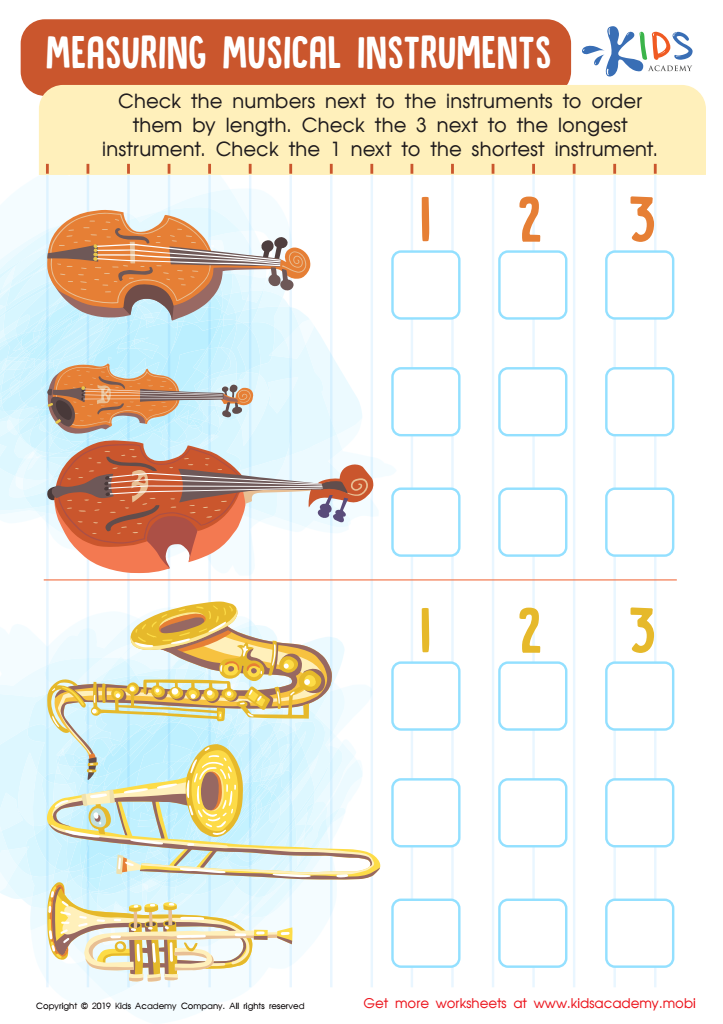
Measuring Musical Instruments Worksheet
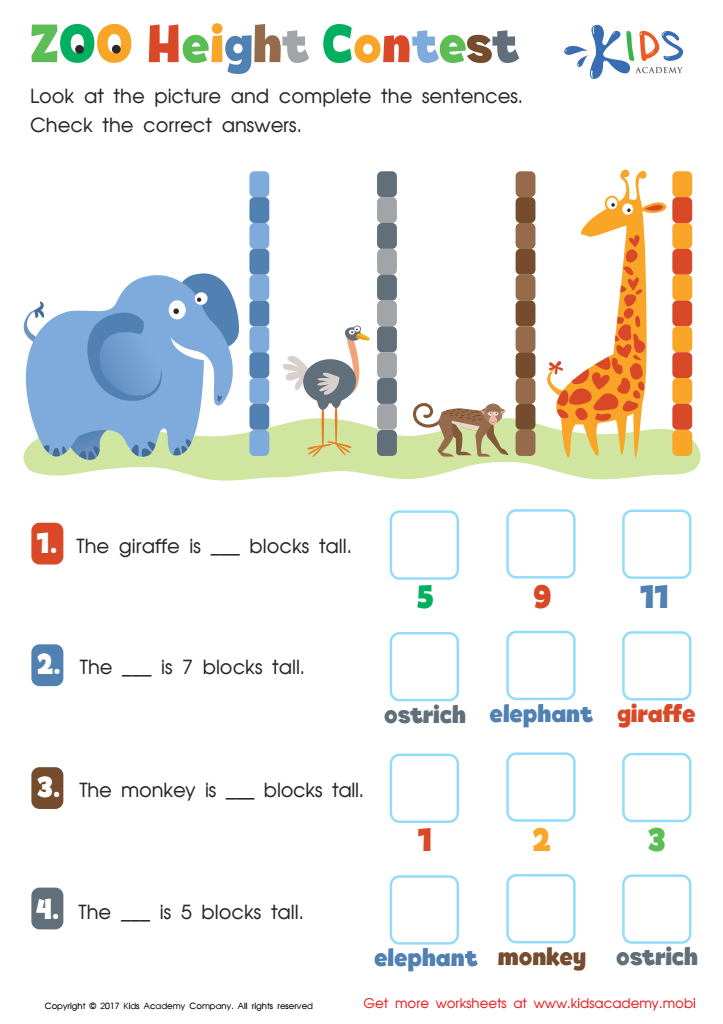
Zoo Height Contest Worksheet
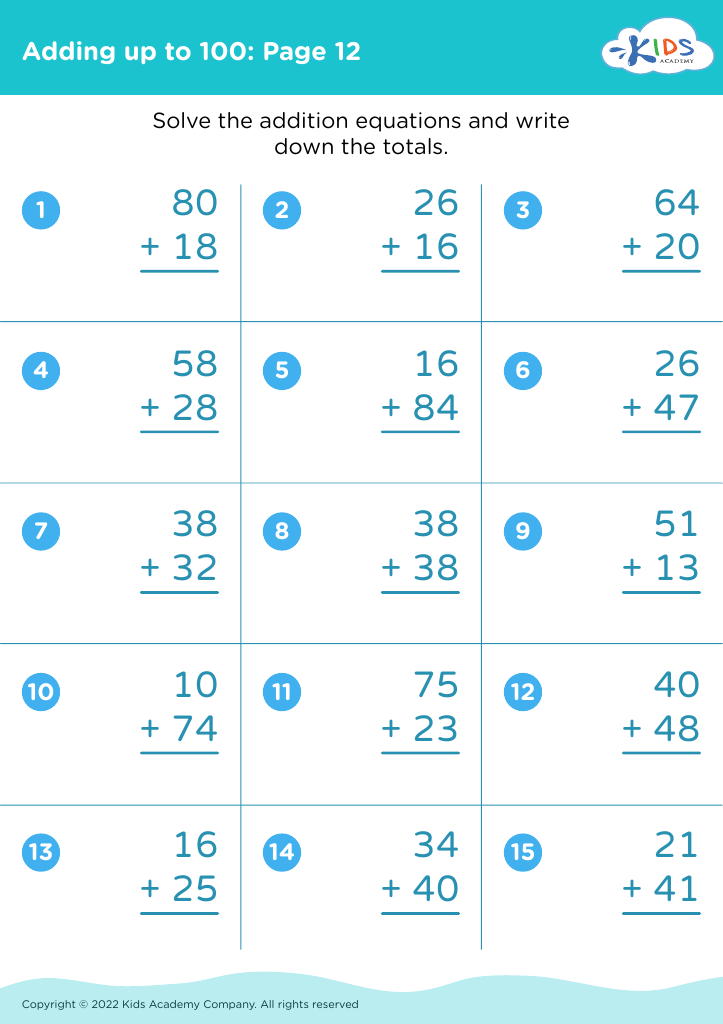
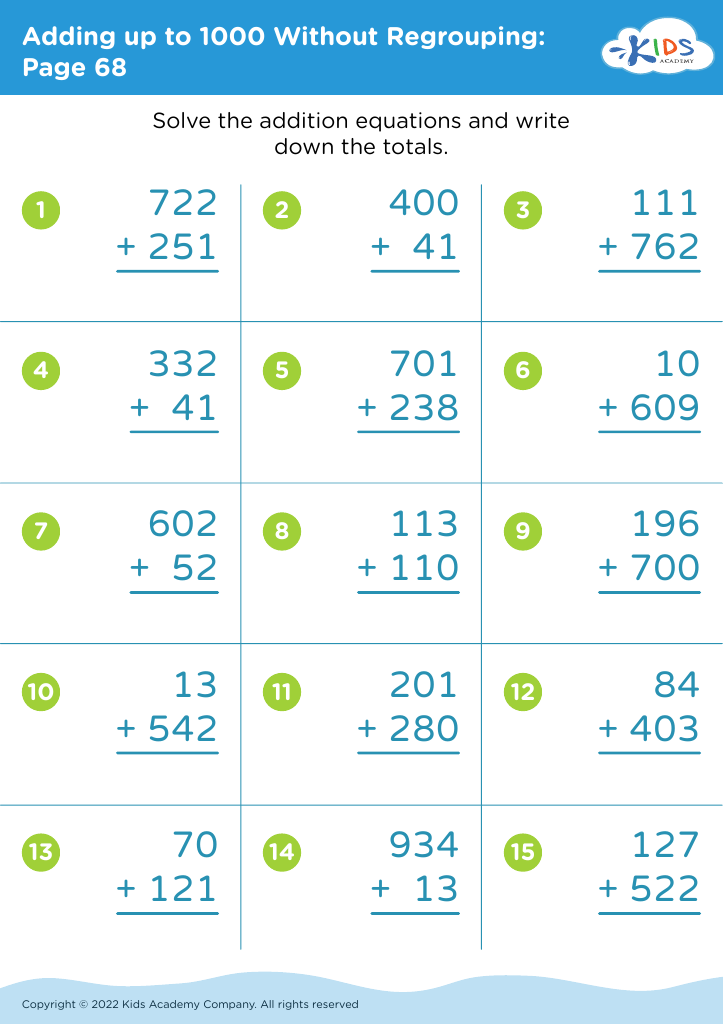
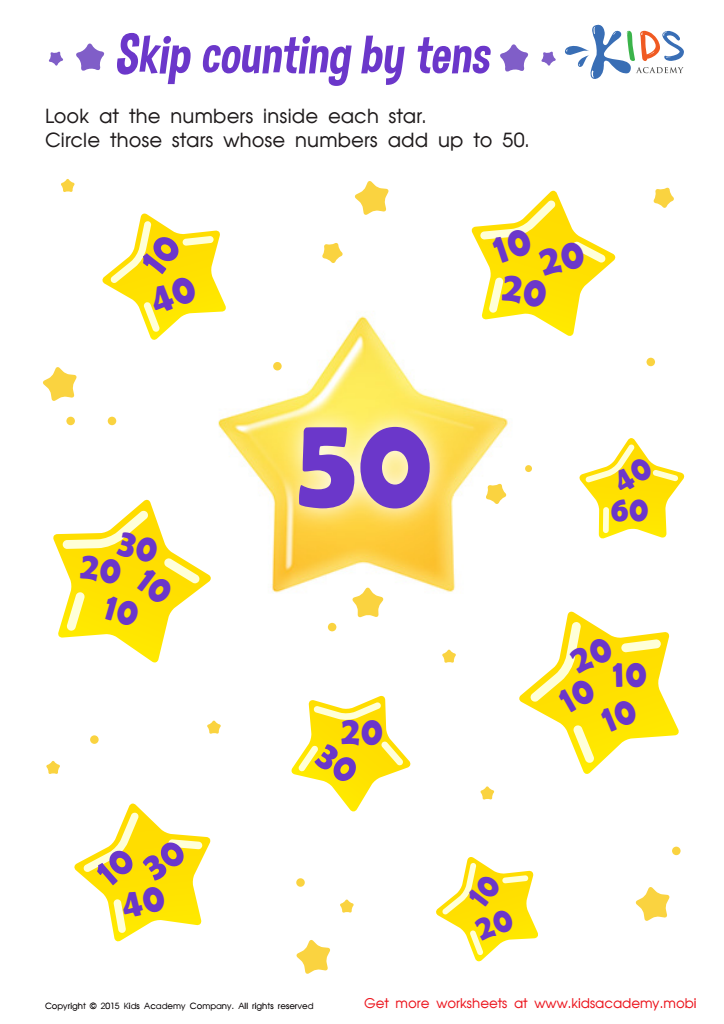
Learn Dozens: Skip Counting by Tens Printable
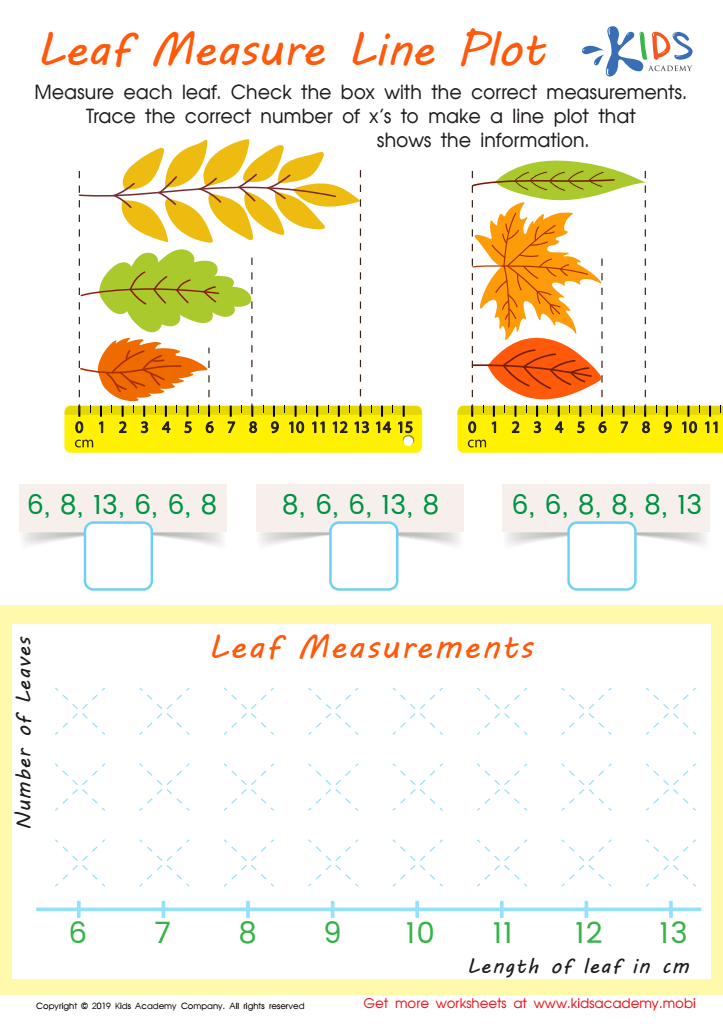
Leaf Measure Line Plot Worksheet








Counting is a fundamental building block for all future math learning, making it crucial for children ages 4-9. At this developmental stage, their brains are exceptionally receptive to grasping basic numerical concepts. Being proficient in counting enhances their ability to understand more complex mathematical principles such as addition, subtraction, multiplication, and division later on.
For parents and teachers, fostering strong counting skills lays a solid educational foundation. It supports not just math performance, but also enhances problem-solving and critical thinking skills. Children who confidently grasp counting tend to develop a positive attitude toward math, making them more likely to approach the subject with curiosity and confidence.
Moreover, counting is essential for daily life skills. Whether navigating through time, managing money, or even cooking, counting is integral. Early mastery of these skills boosts children's independence and real-world efficacy.
From an academic perspective, early competence in counting correlates with greater overall academic success. It triggers a cognitive domino effect, resulting in improved literacy and comprehension skills because both areas often interrelate.
For these reasons, investing in improving counting skills during early childhood is crucial. Parents and teachers can use games, interactive tools, and real-world examples to make learning enjoyable and effective, ensuring that children develop robust numerical foundations.








