Problem-Solving Skills Subtraction Worksheets for Ages 4-9
19 filtered results
-
From - To
Enhance your child's mathematical abilities with our engaging Problem-Solving Skills Subtraction Worksheets for ages 4-9. These carefully crafted worksheets blend fun with learning to foster critical thinking and develop essential subtraction skills. Designed by educational experts, our resources feature a variety of subtraction problems and real-world scenarios that challenge young minds to think analytically. Through interactive exercises and playful illustrations, children can tackle simple to complex subtraction tasks at their own pace. Ideal for both classroom and home use, these worksheets build a strong foundation in math, encouraging a lifelong love for learning. Start exploring today!
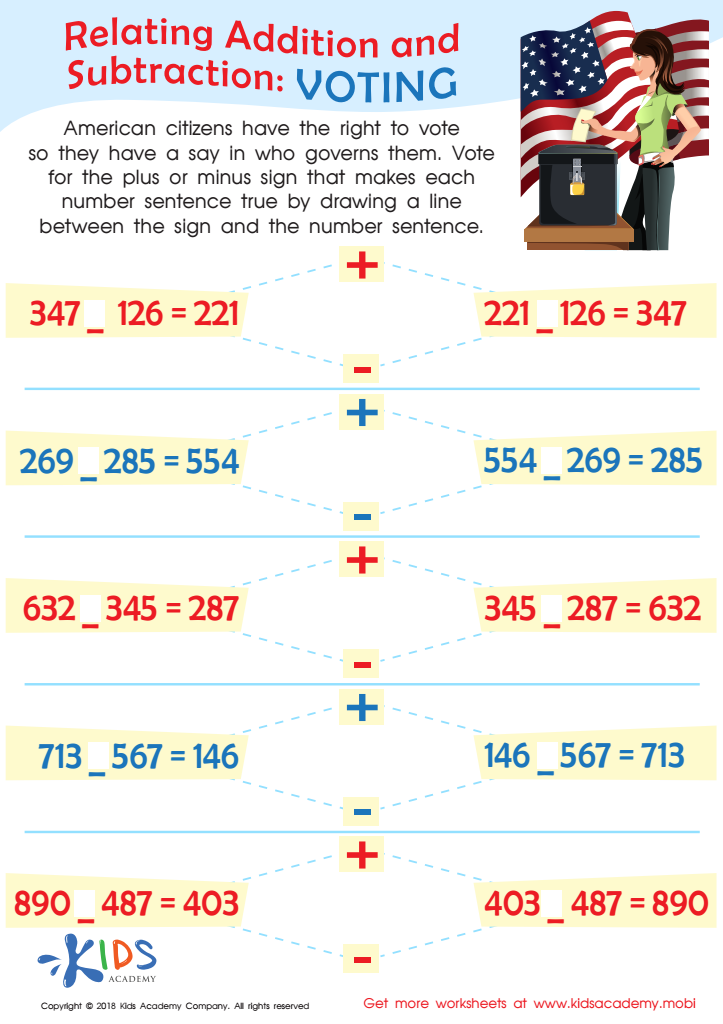
Voting Worksheet
 Assign to My Students
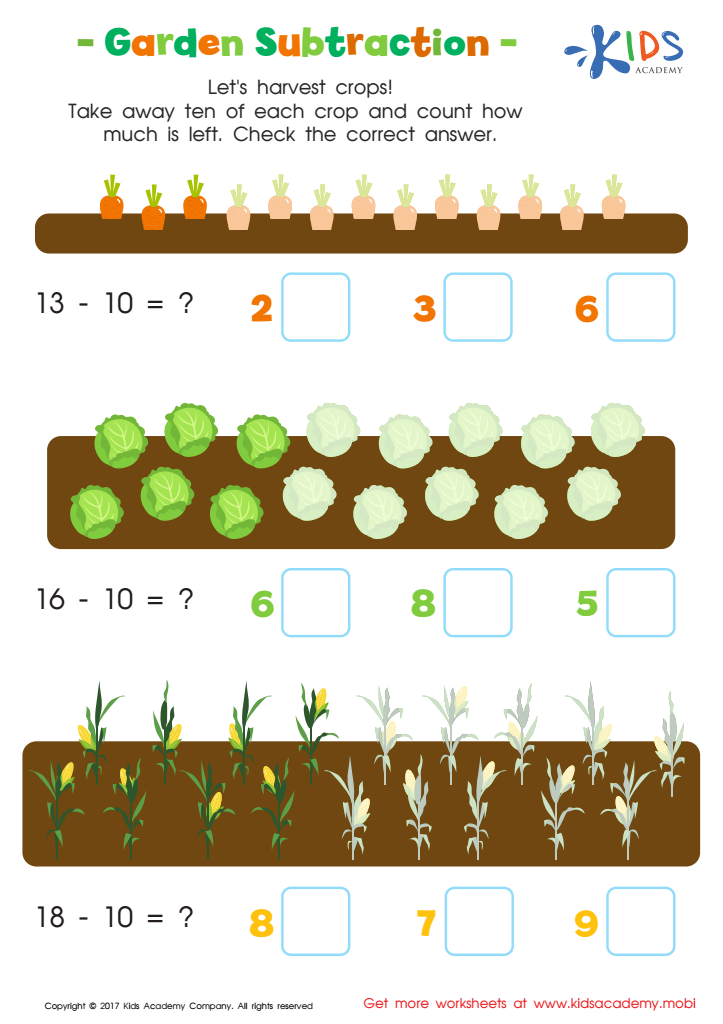
Garden Subtraction Worksheet
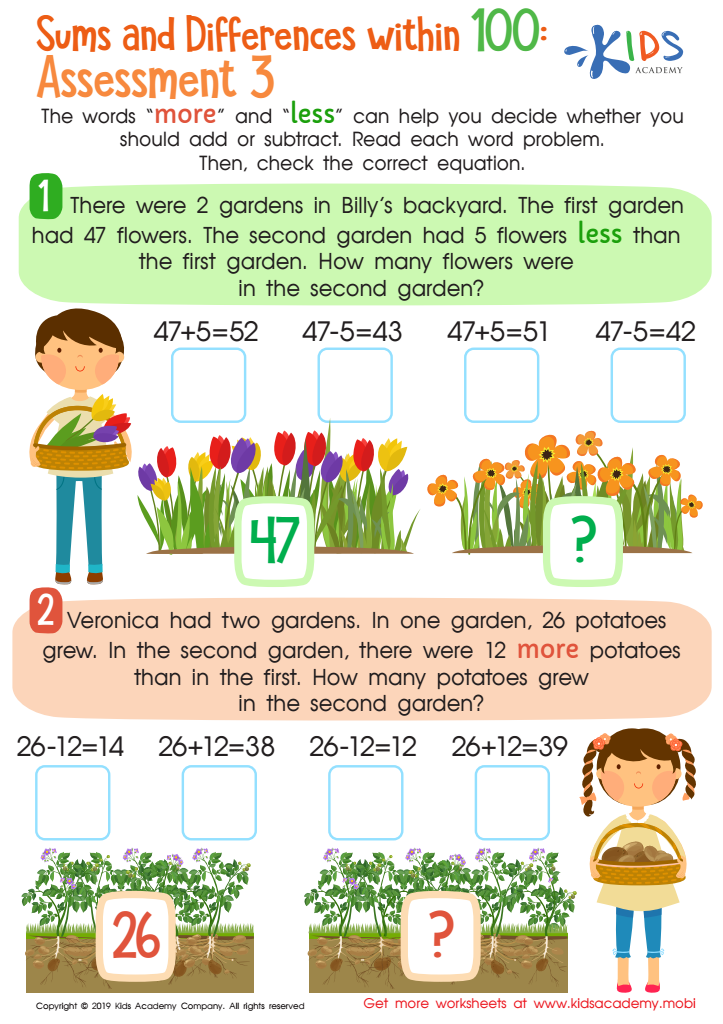
Sums and Differences Within 1 - Assessment 1 Worksheet
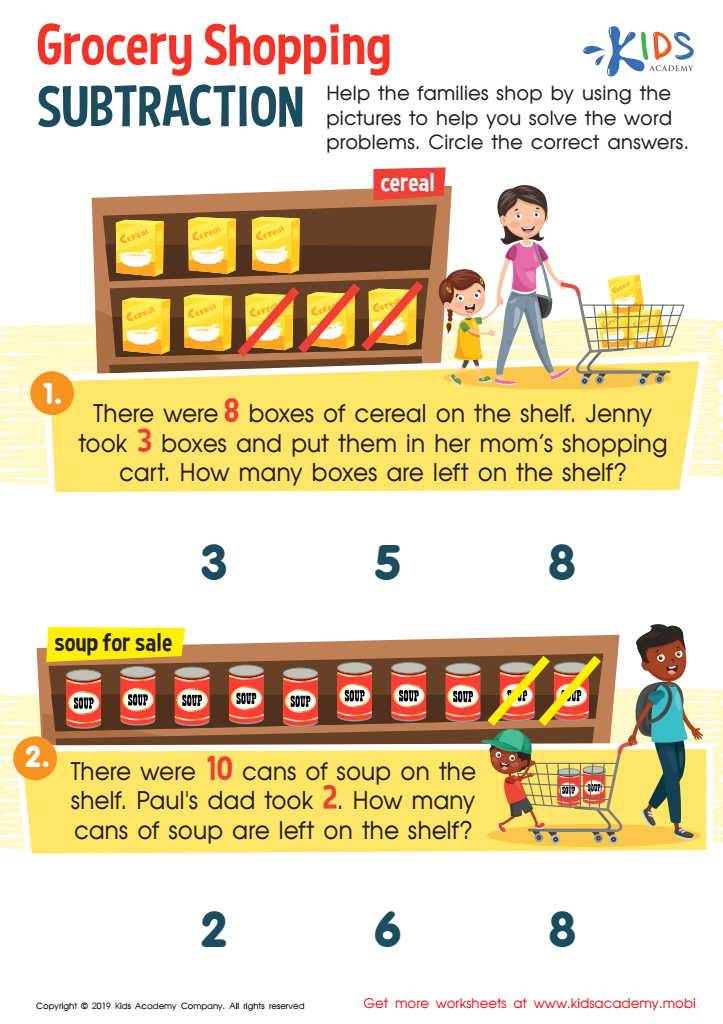
Grocery Shopping Subtraction Worksheet
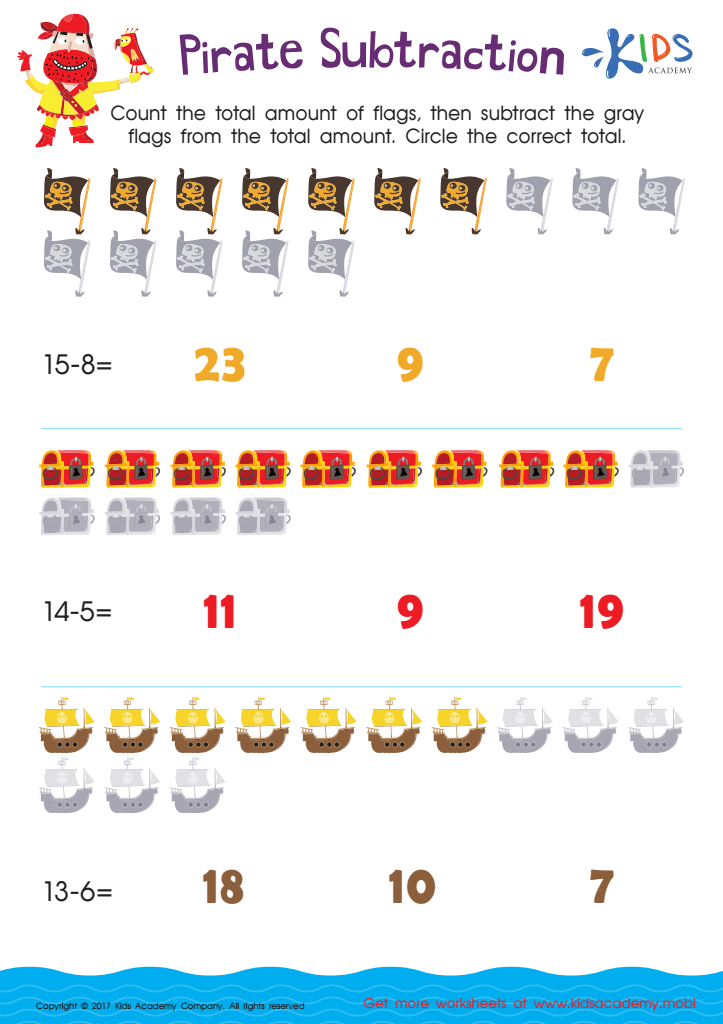
Pirate Subtraction Substraction Worksheet
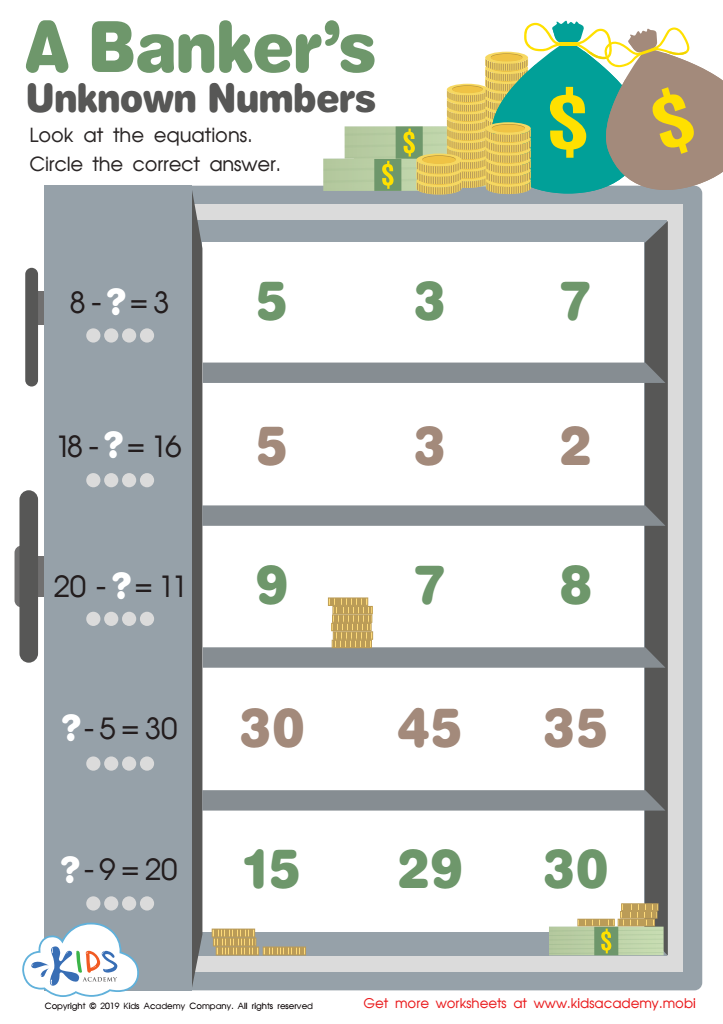
A Banker's Unknown Numbers Worksheet
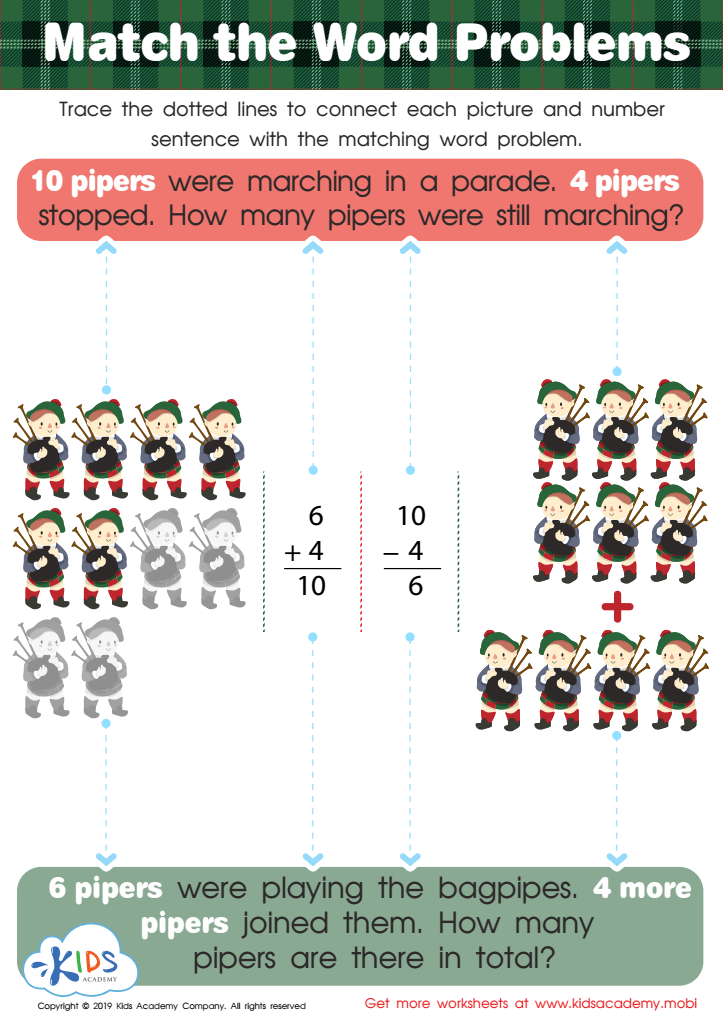
Match the Word Problems Worksheet
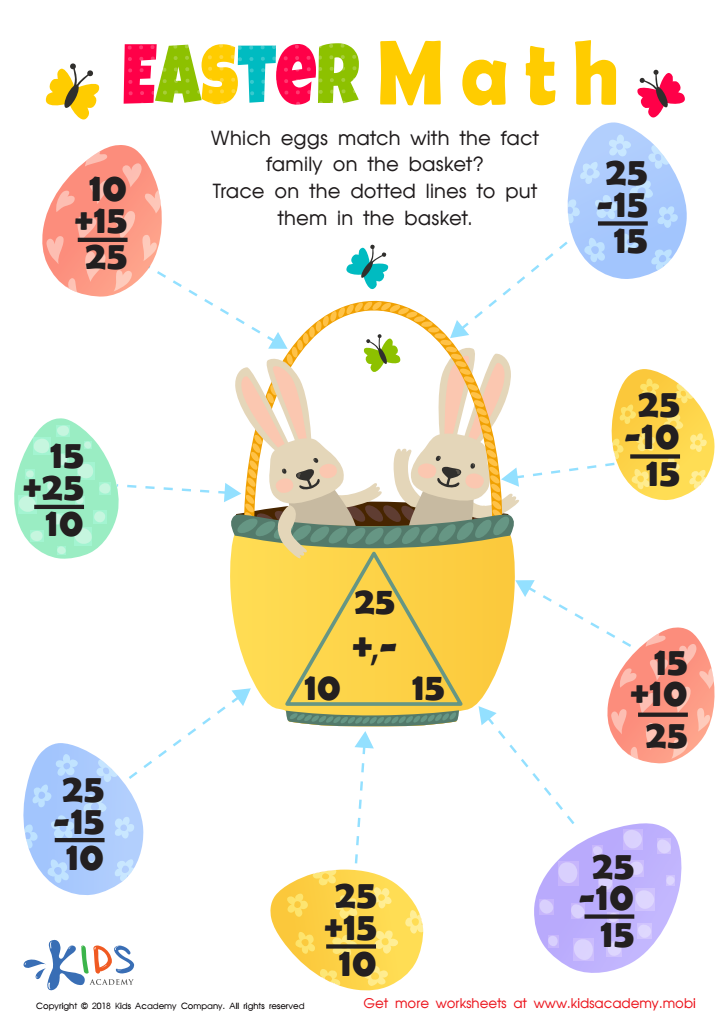
Fact Families: Easter Math Worksheet
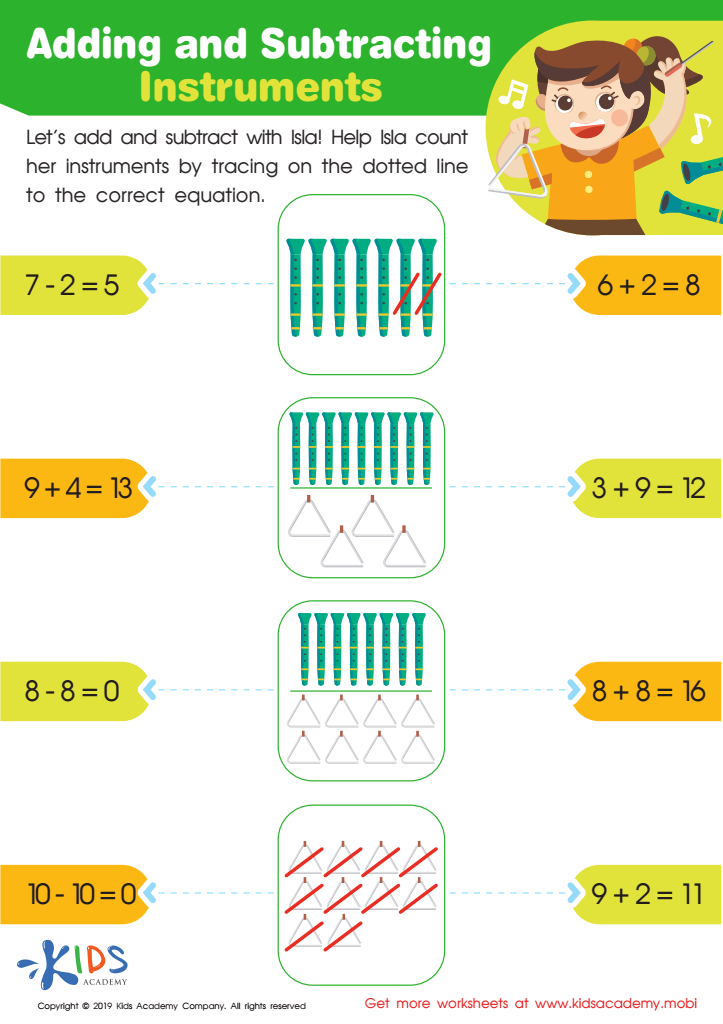
Adding and Subtracting: Instruments Worksheet
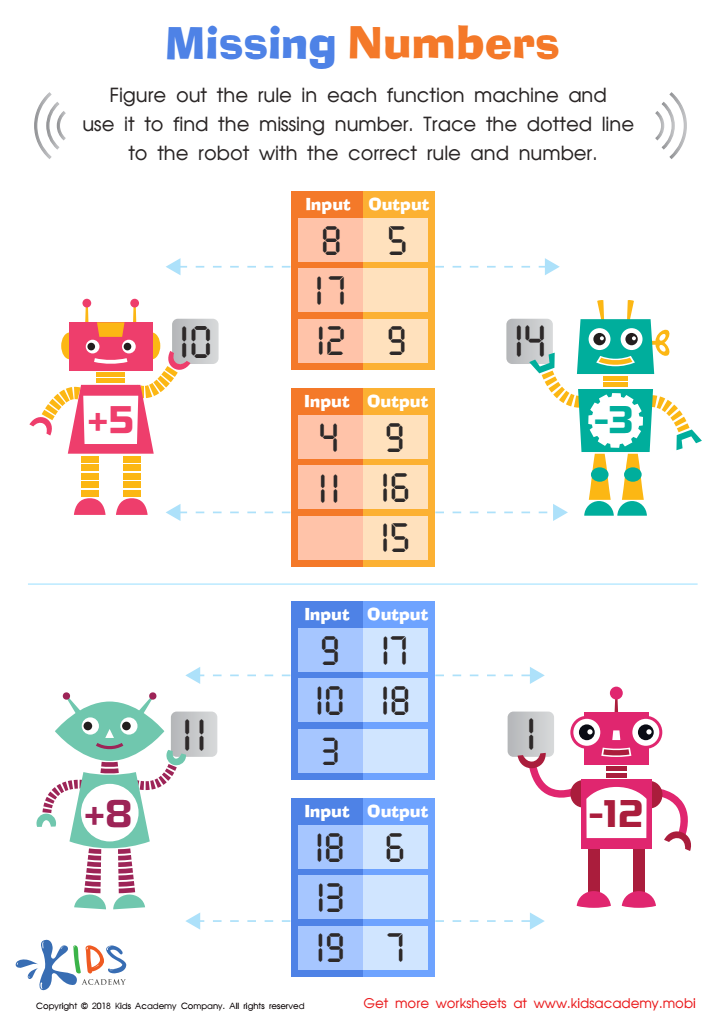
Missing Numbers Worksheet
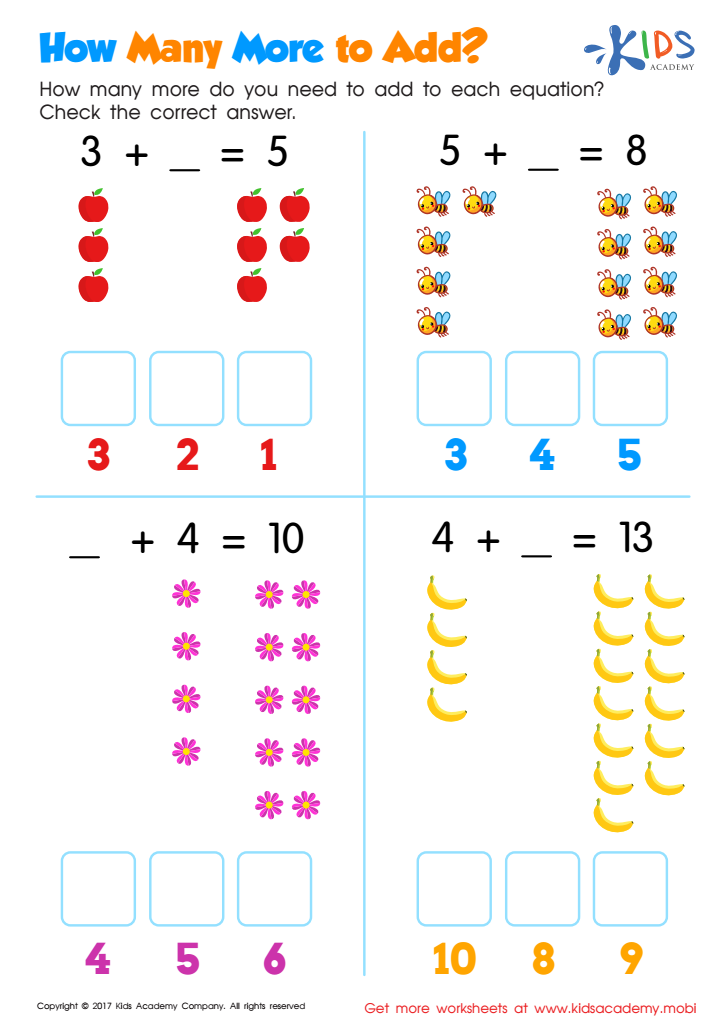
How Many More to Add Worksheet
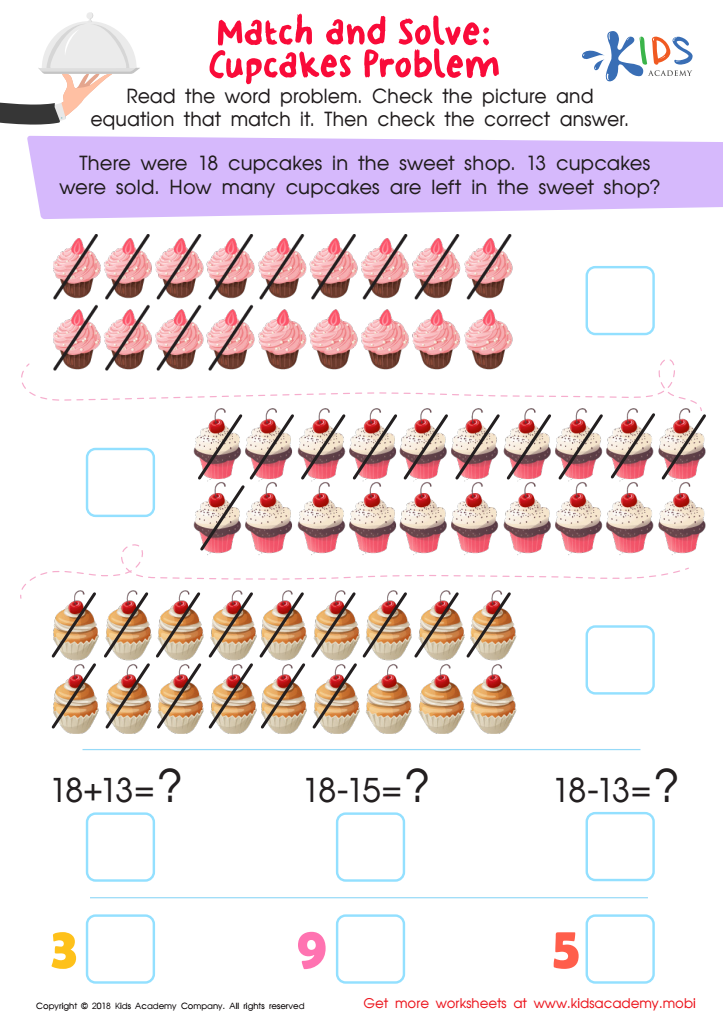
Match and Solve: Cupcakes Problem Worksheet
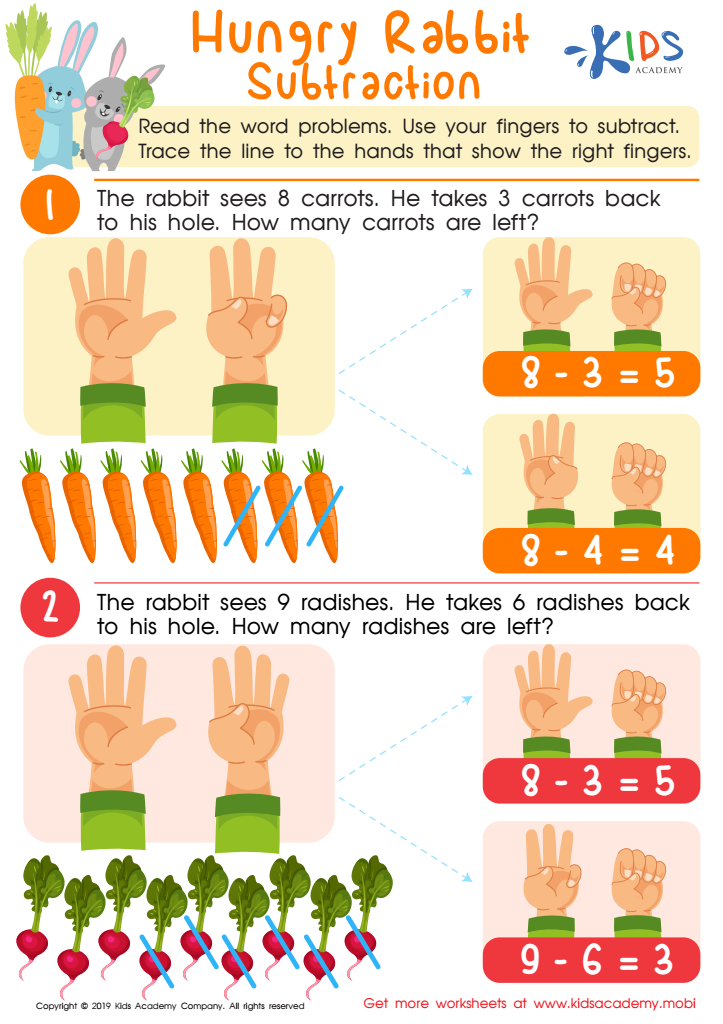
Hungry Rabbit Subtraction Worksheet
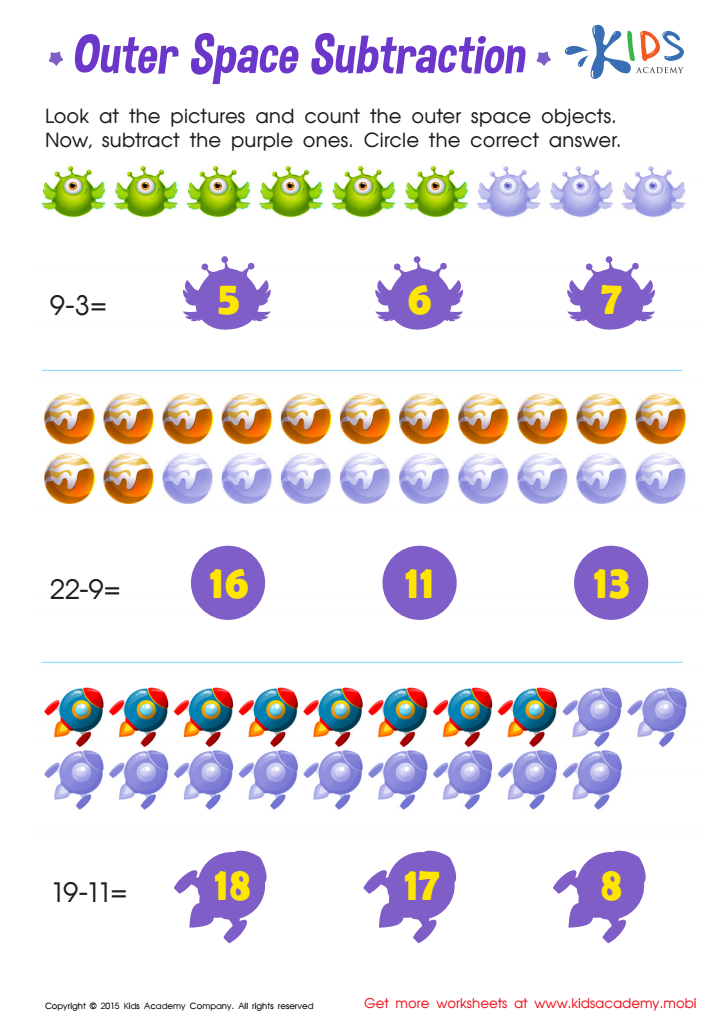
Outer Space Substraction Worksheet
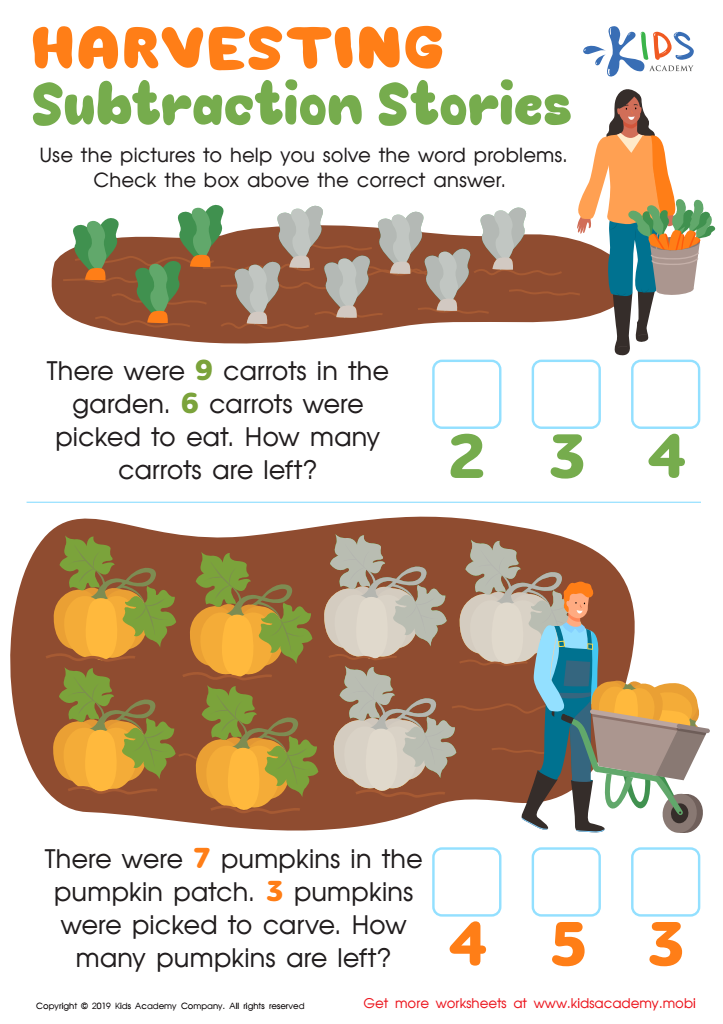
Harvesting Subtraction Stories Worksheet
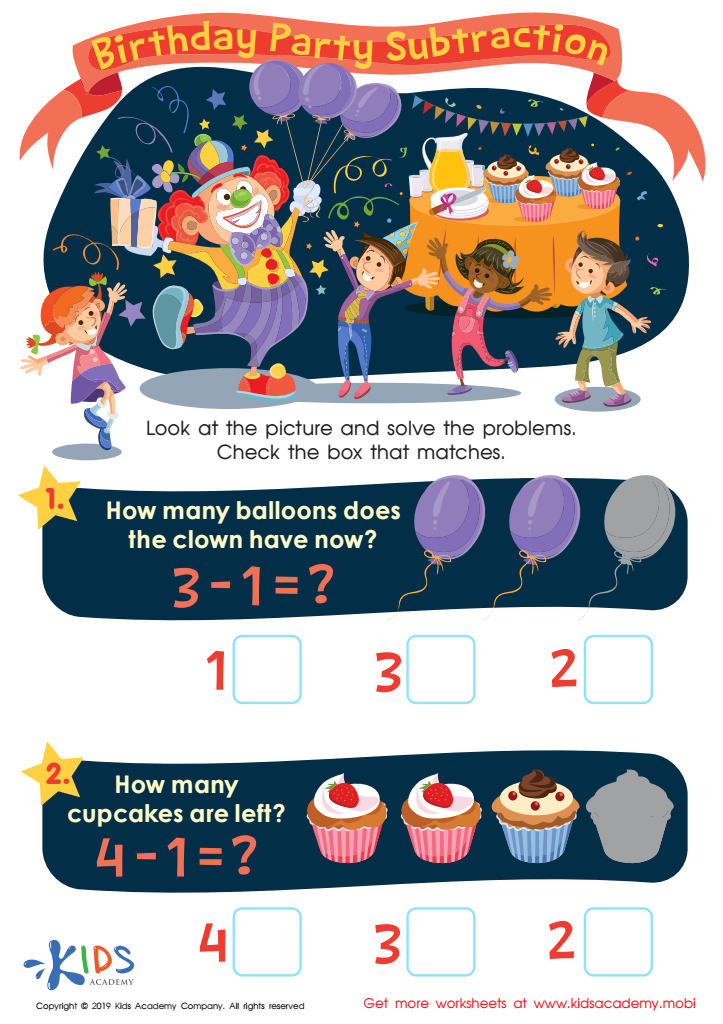
Birthday Party Subtraction Worksheet
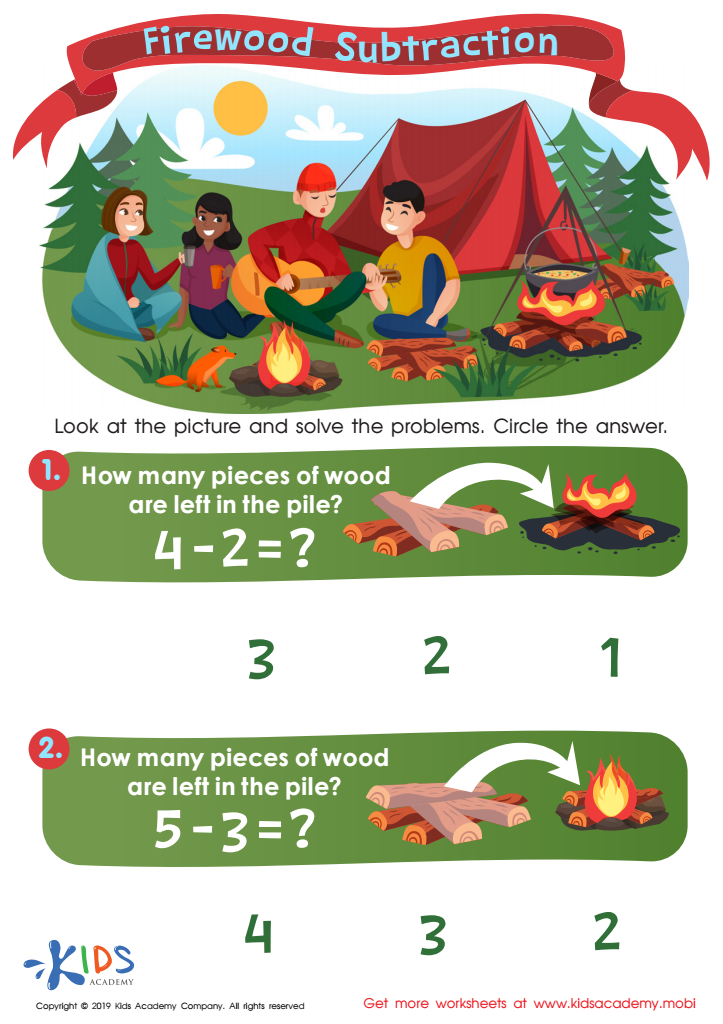
Firewood Subtraction Worksheet
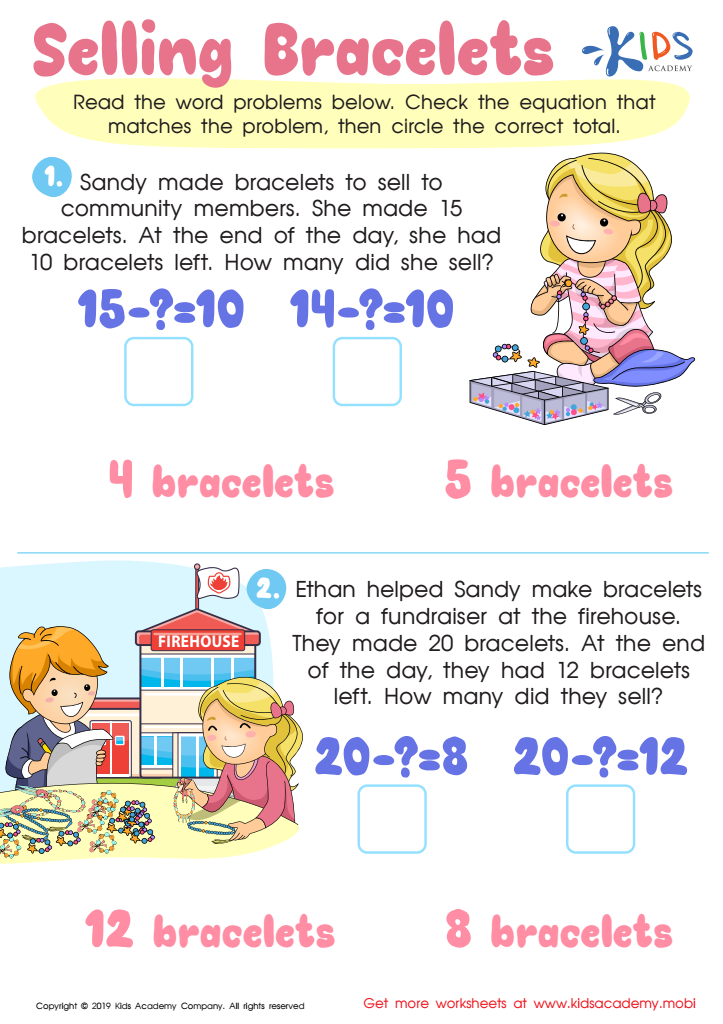
Selling the Bracelets Worksheet
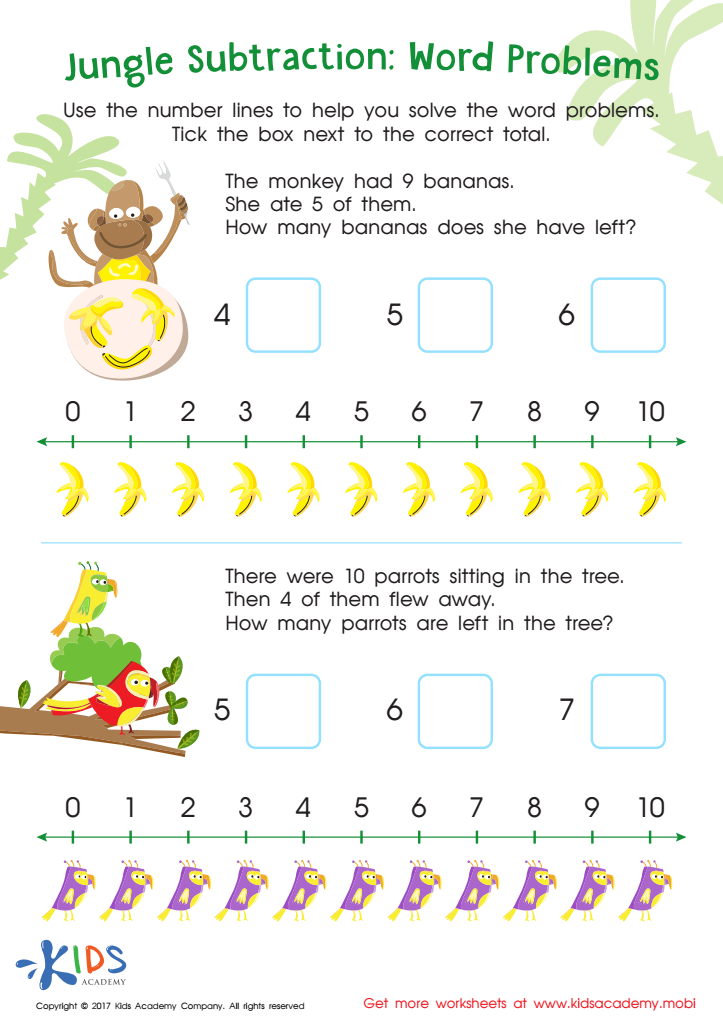
Jungle Subtraction Word Problems Substraction Worksheet








Parents and teachers should care about problem-solving skills, particularly subtraction, for children ages 4-9 because early mathematical abilities are crucial in developing a child's overall cognitive skills. Subtraction is not only about understanding how to take away but also fosters critical thinking. When children learn subtraction, they grasp the concept of reversing or undoing addition, which is foundational for more complex math problems later on.
Furthermore, solving subtraction problems encourages logical reasoning and decision-making. These skills can be transferred to everyday situations where children need to think critically and make informed choices. For example, if a child has a certain number of toys and some are taken away, understanding subtraction helps them figure out what remains.
Additionally, early mastery of subtraction builds confidence. When parents and teachers guide children through subtraction problems using manipulatives or real-world scenarios, they help them see abstract numbers in concrete terms. This ease with numbers and problem solving can translate to improved academic performance in the future and boost self-esteem.
Lastly, mathematical engagement through subtraction in this age range aligns with their developmental stage. It's a prime time when children are enthusiastic about learning and can absorb foundational concepts that set the stage for lifelong learning and curiosity in math.








