Problem-Solving Skills Word Problems Worksheets for Ages 4-9 - Page 2
44 filtered results
-
From - To
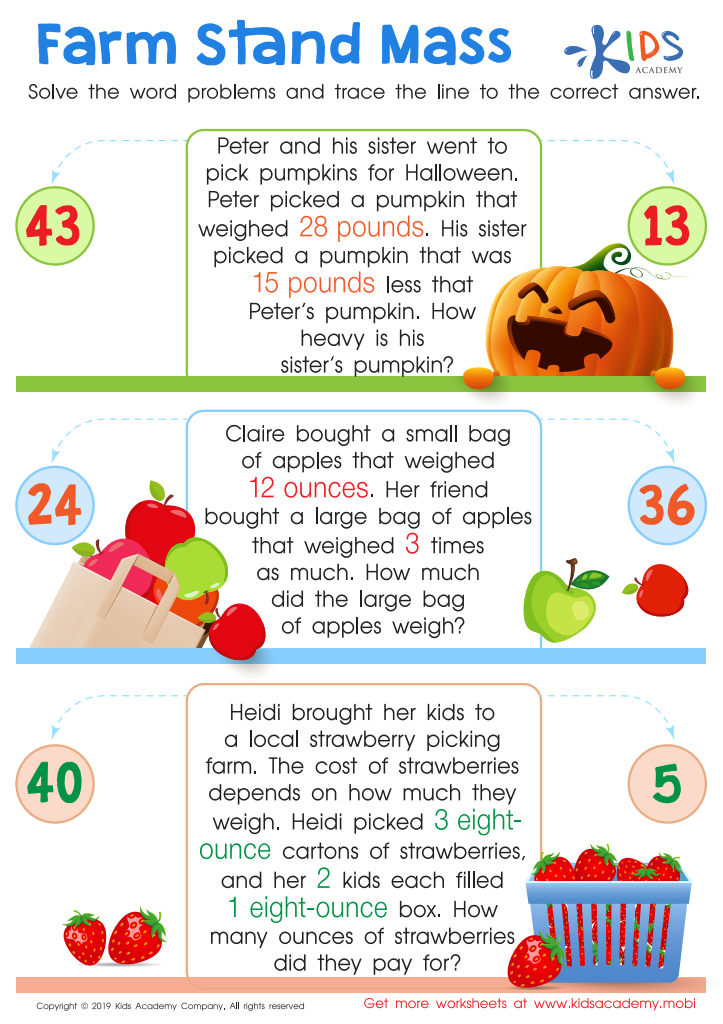
Farm Stand Mass Worksheet
 Assign to My Students
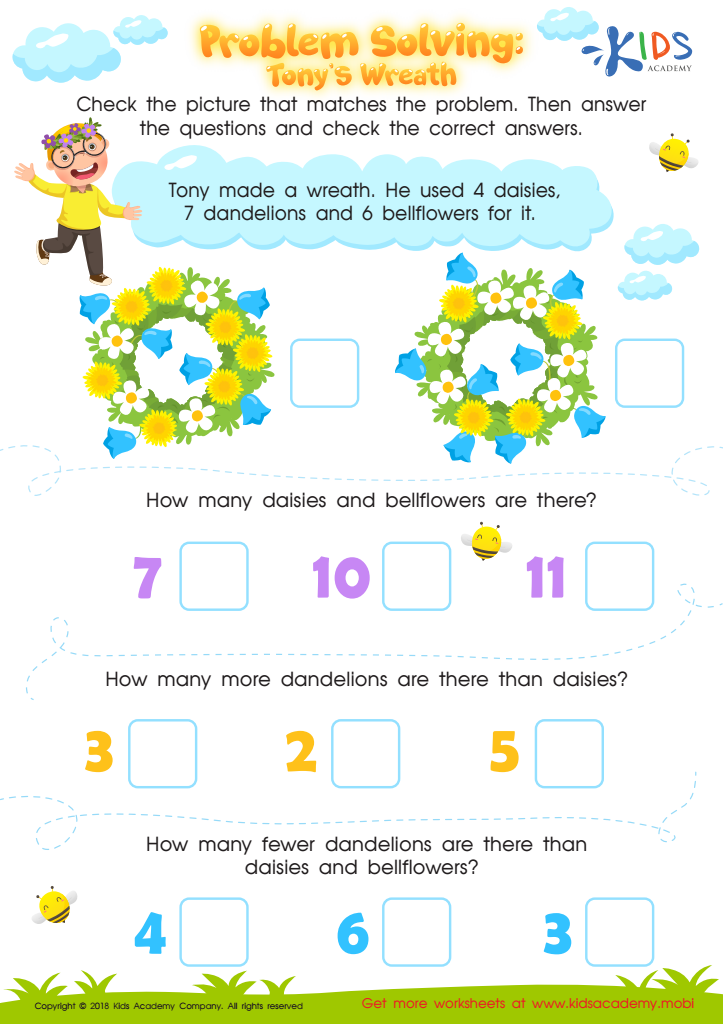
Problem Solving: Tony's Wreath Worksheet
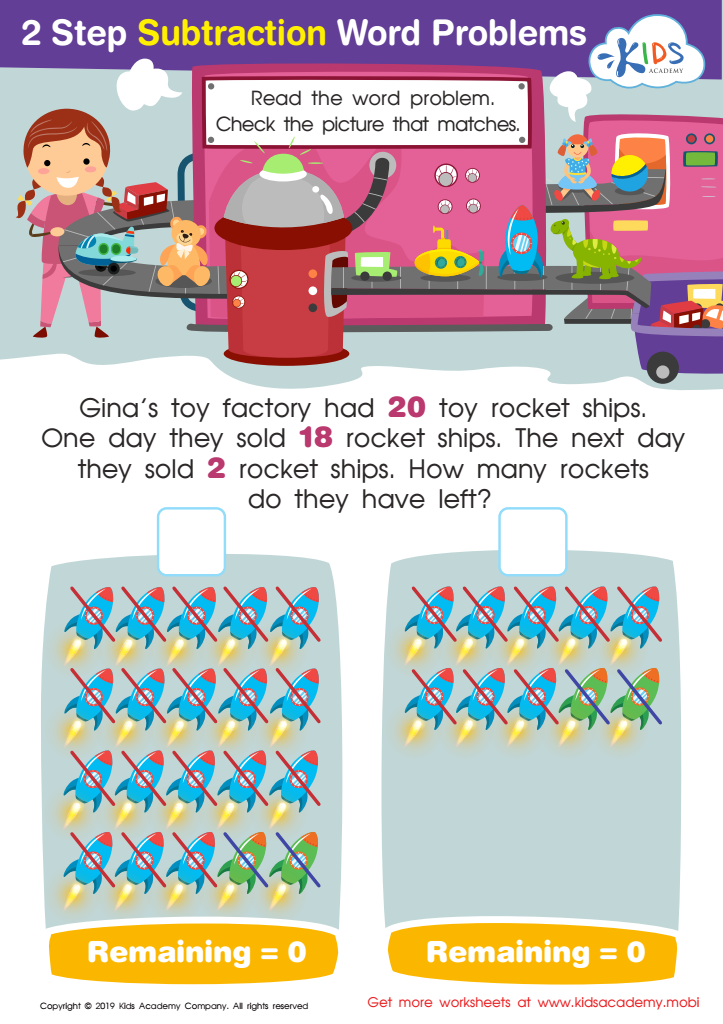
Step Subtraction Word Problems Worksheet
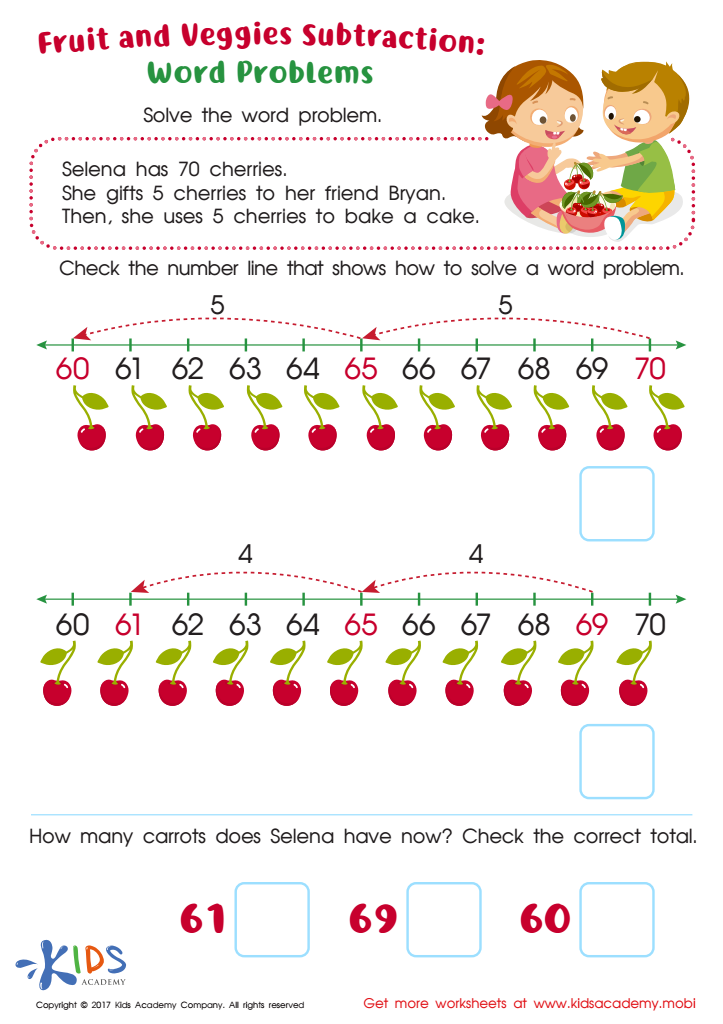
Subtraction Word Problems Free Printable
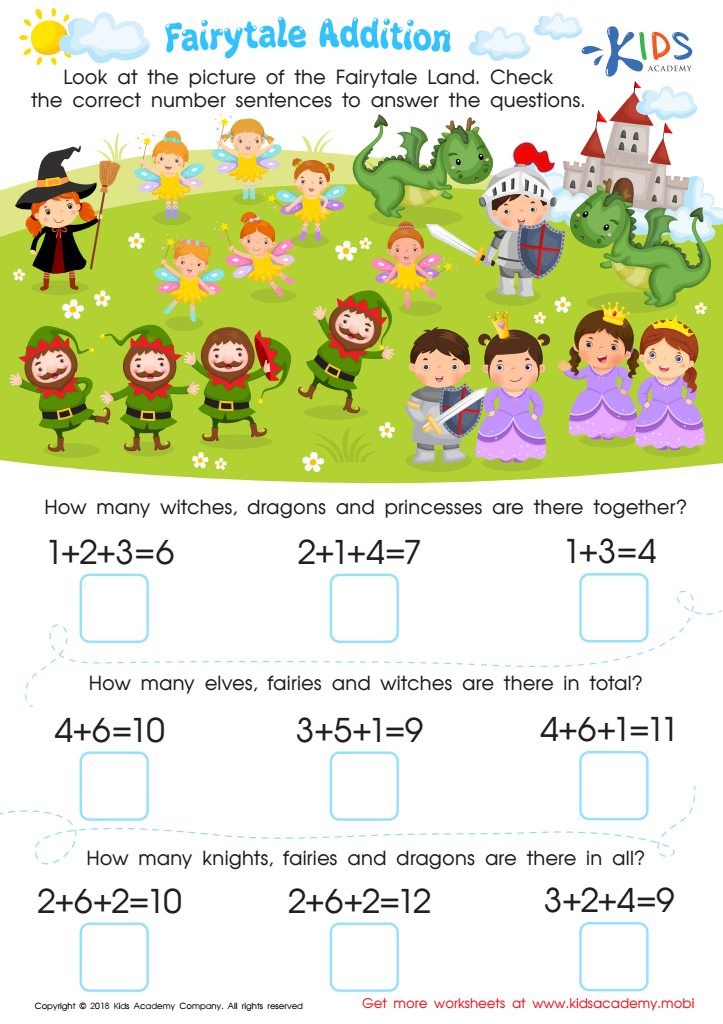
Fairytale Addition Worksheet
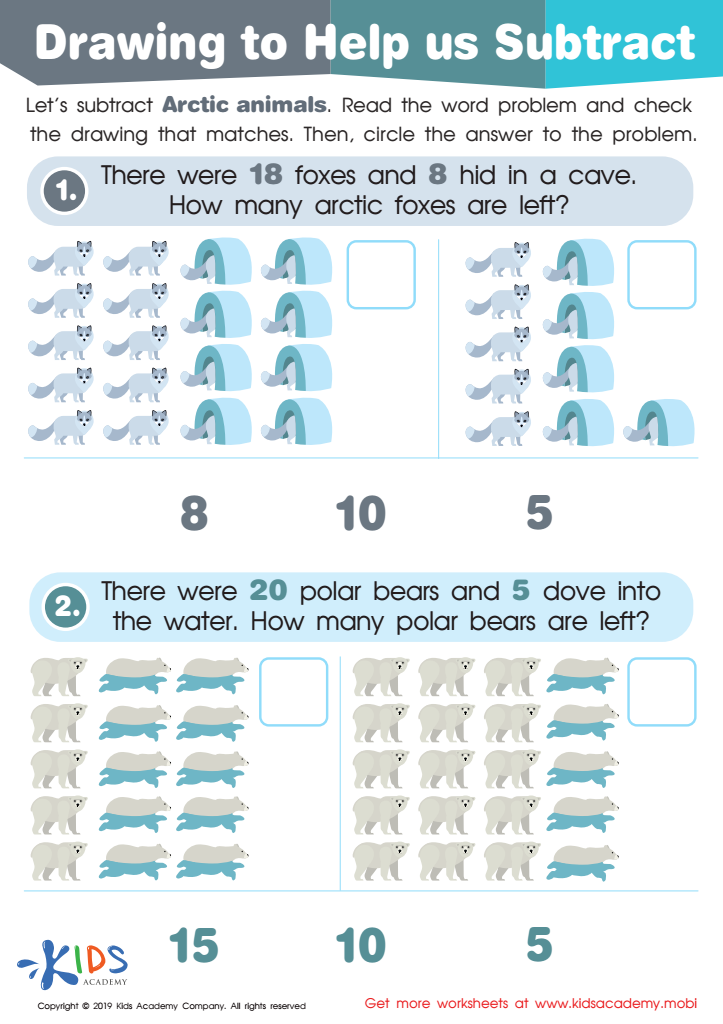
Drawing to Help Us Subtract Worksheet
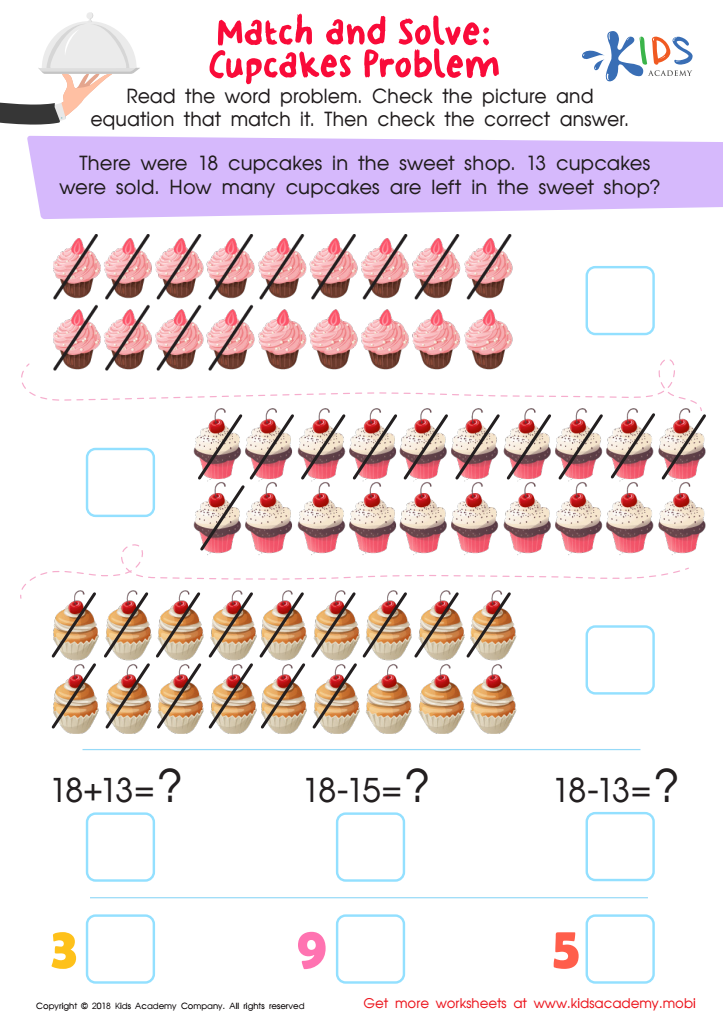
Match and Solve: Cupcakes Problem Worksheet
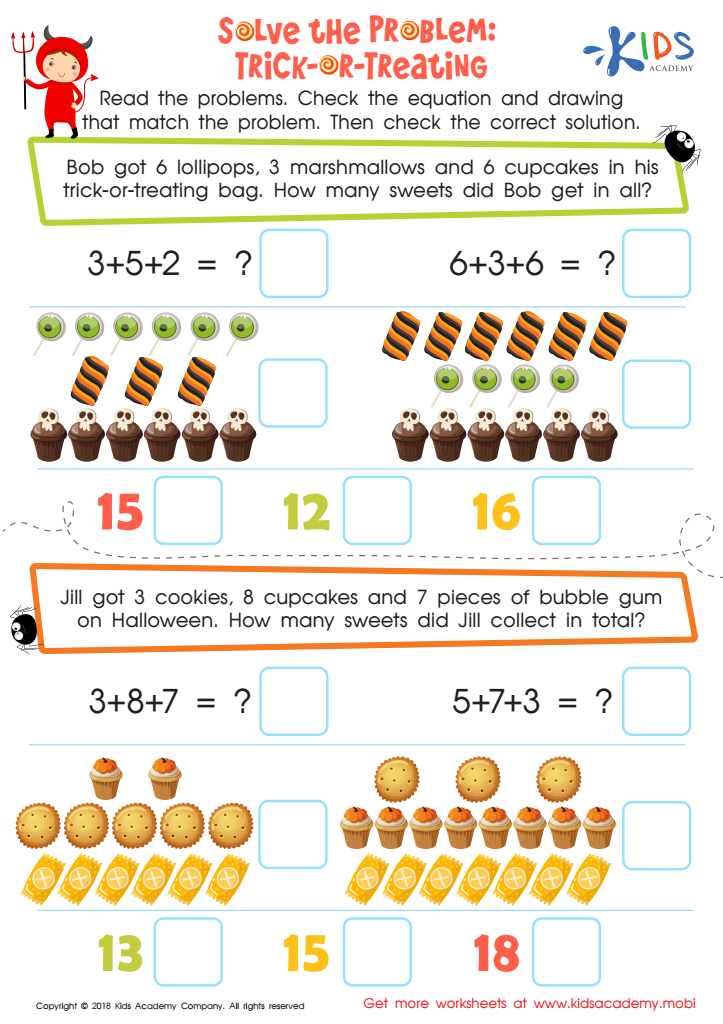
Solve the Problem: Trick–or–treating Worksheet
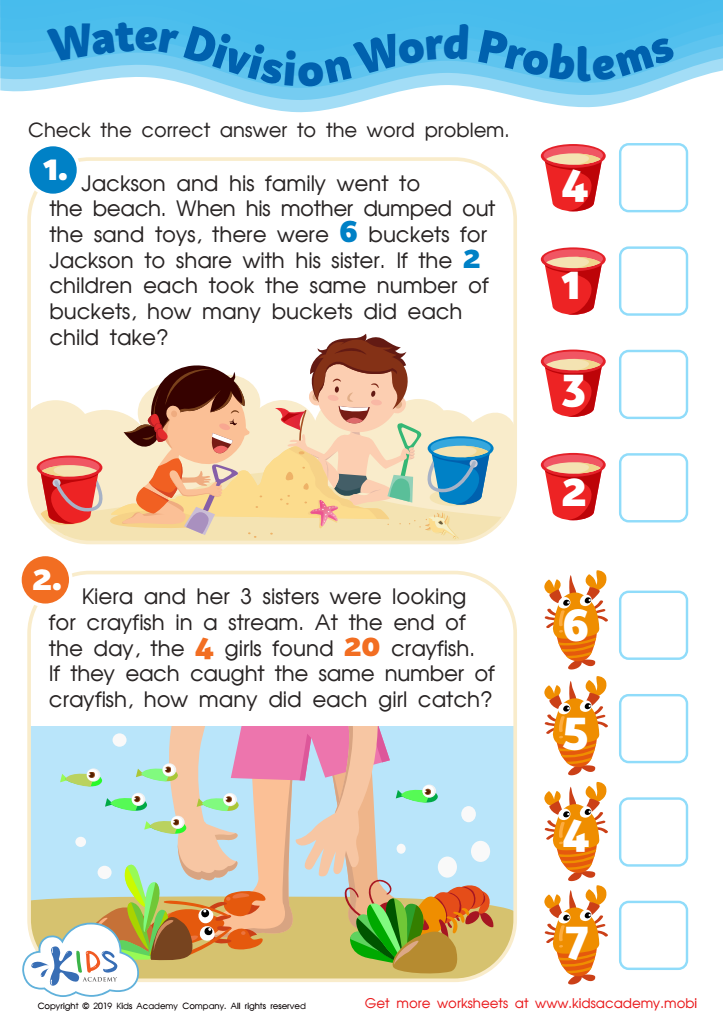
Water Division Word Problems Worksheet
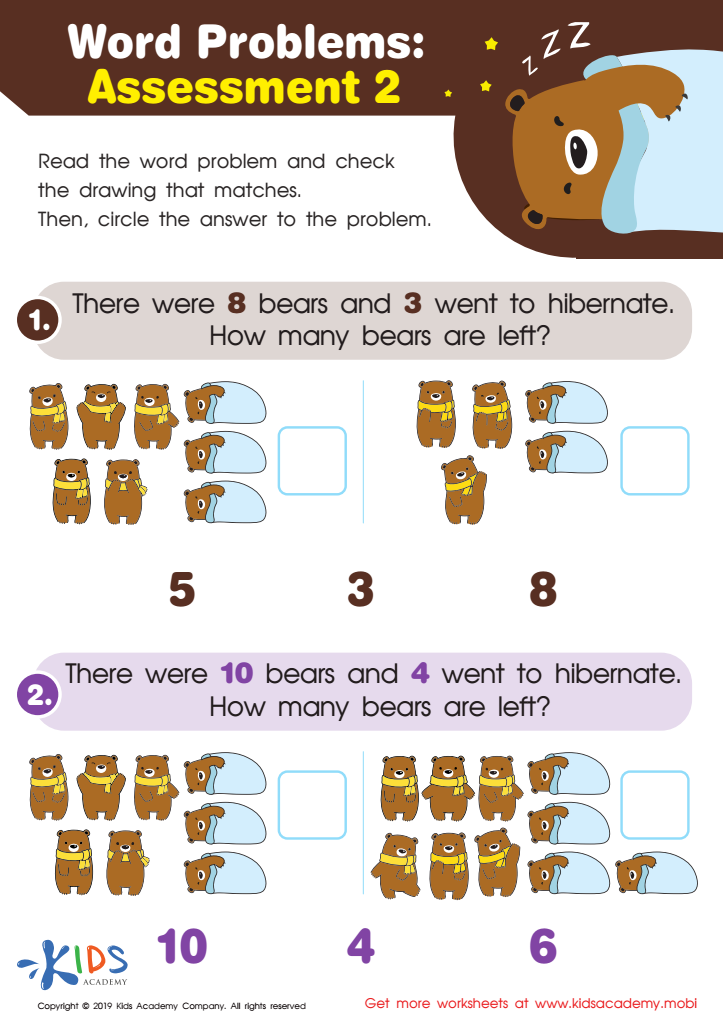
Word Problems: Assessment 2 Worksheet
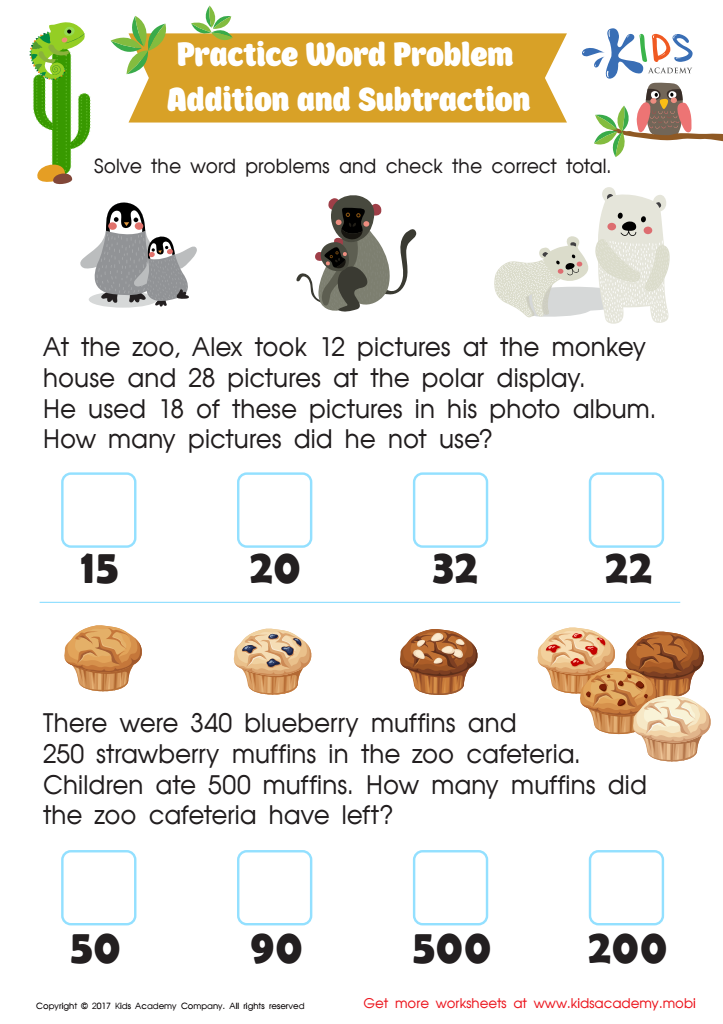
Addition and Subtraction: Word Problems Worksheet
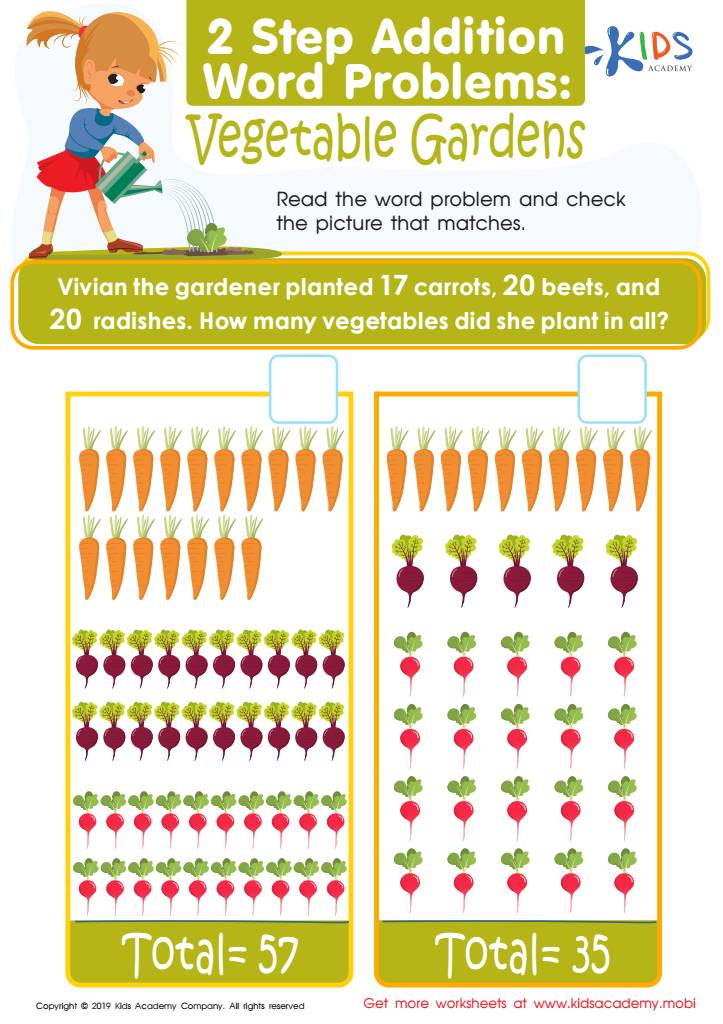
Vegetable Gardens Worksheet
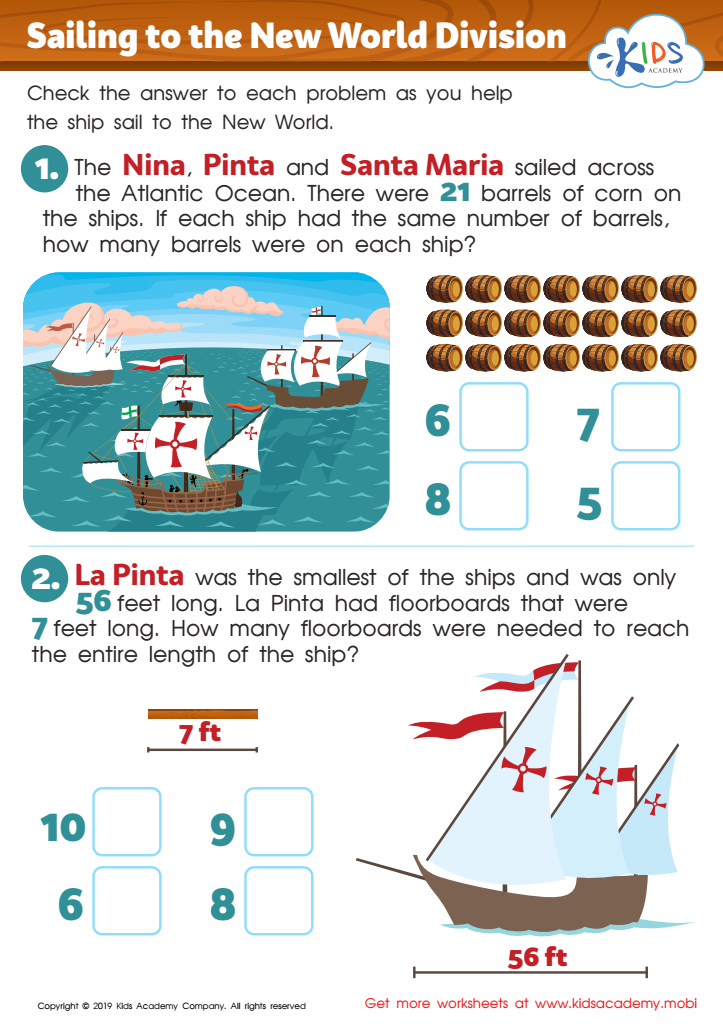
Sailing to the New World Division Worksheet
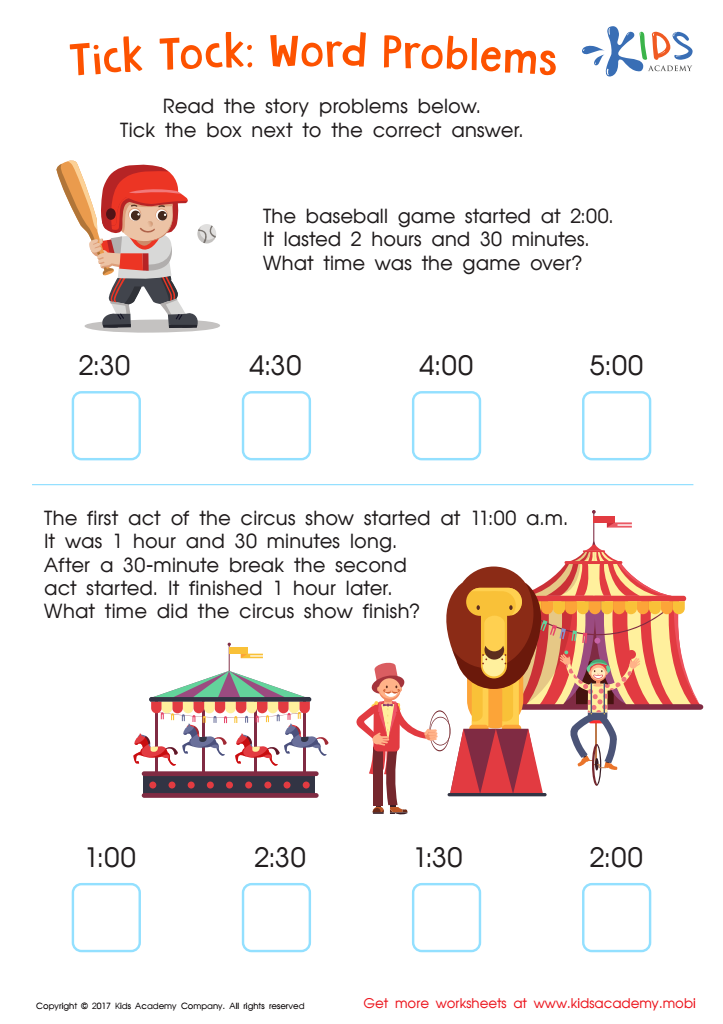
Tick Tock Word Problems Time Worksheet
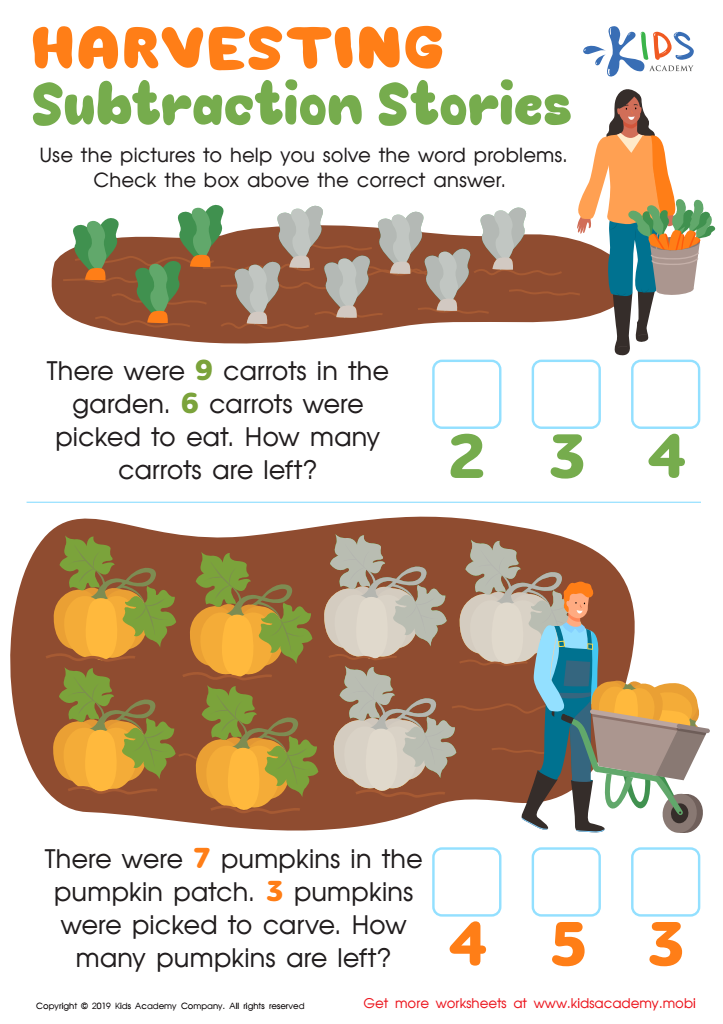
Harvesting Subtraction Stories Worksheet
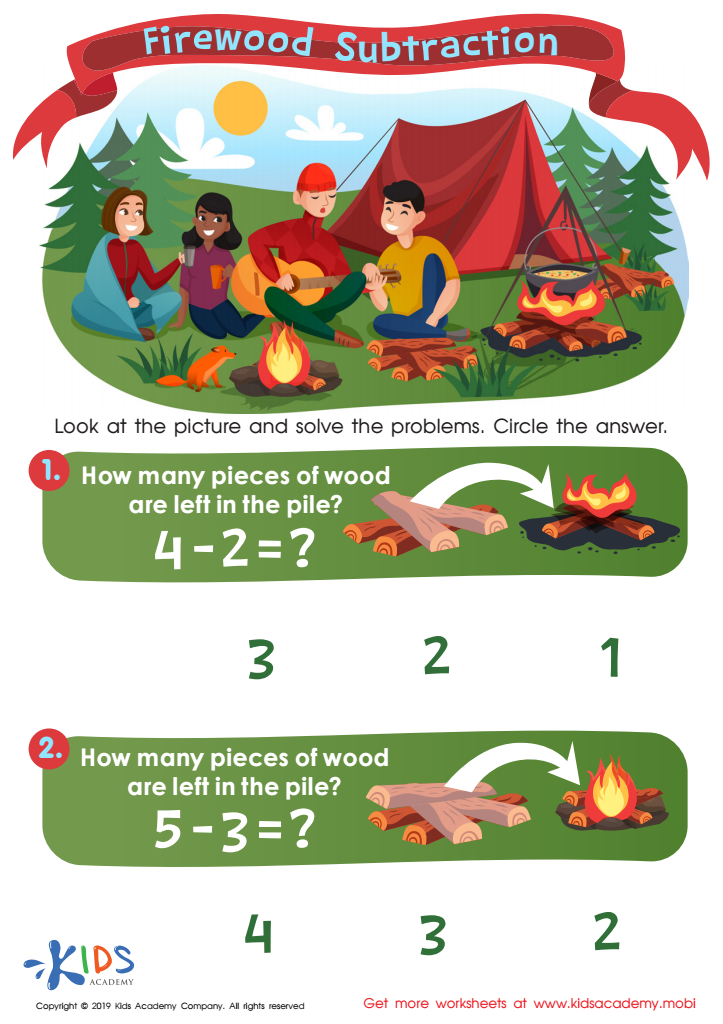
Firewood Subtraction Worksheet
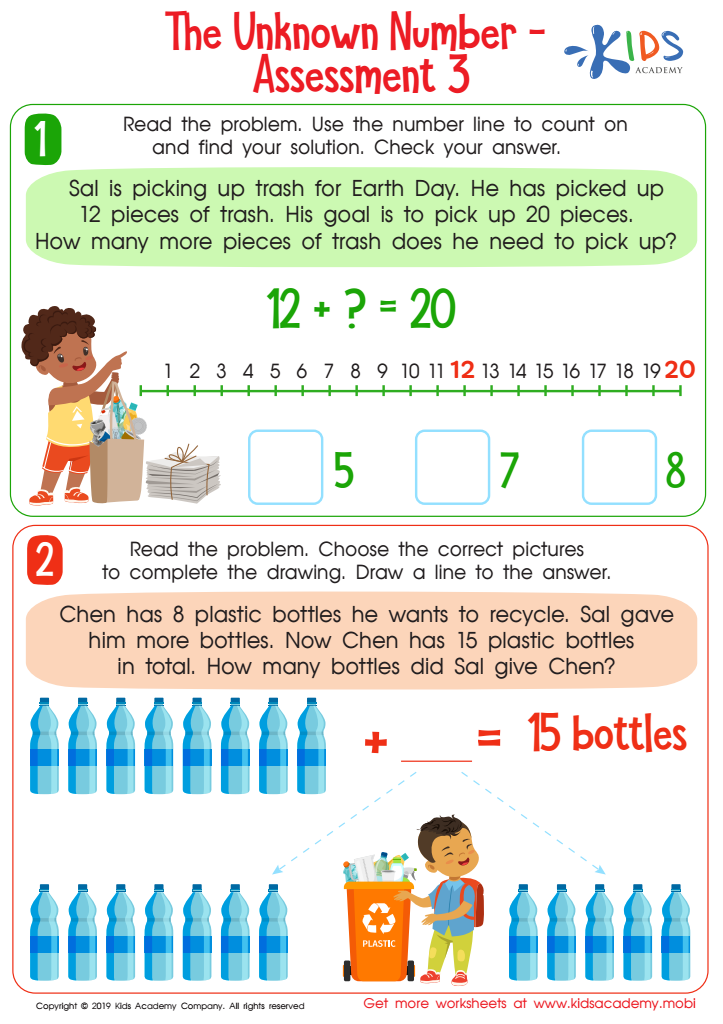
The Unknown Number - Assessment 3 Worksheet
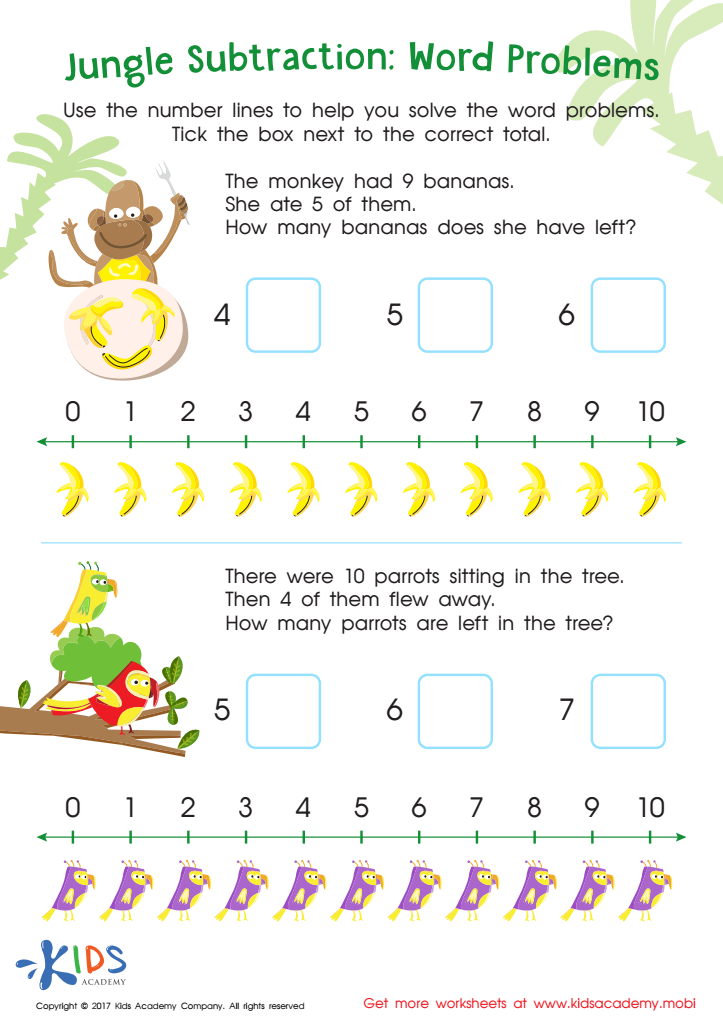
Jungle Subtraction Word Problems Substraction Worksheet
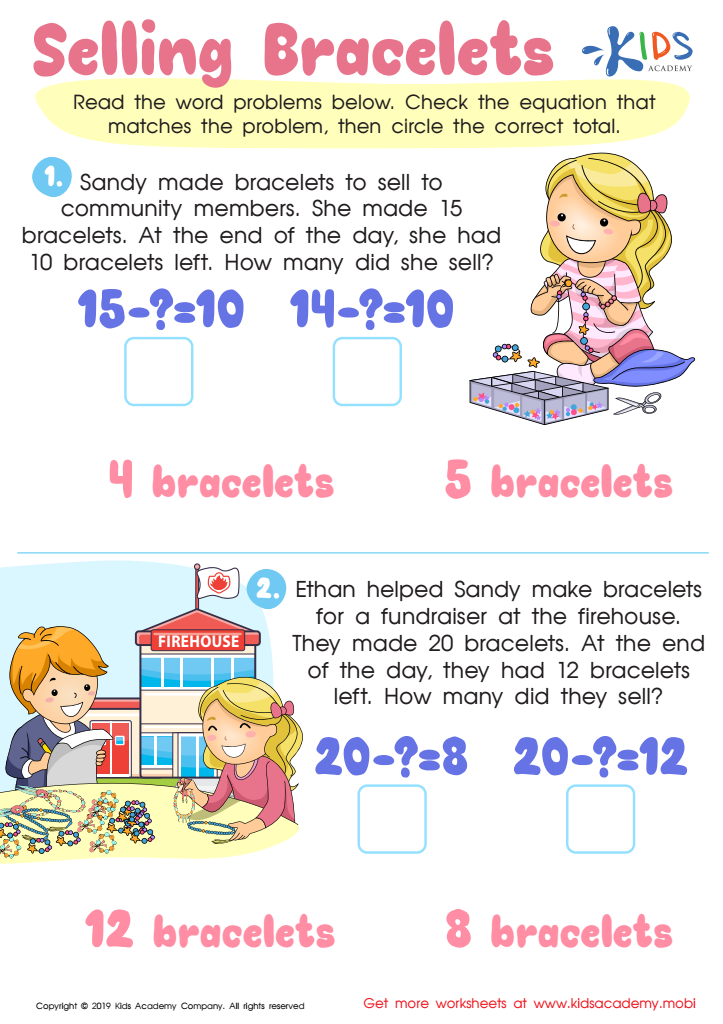
Selling the Bracelets Worksheet
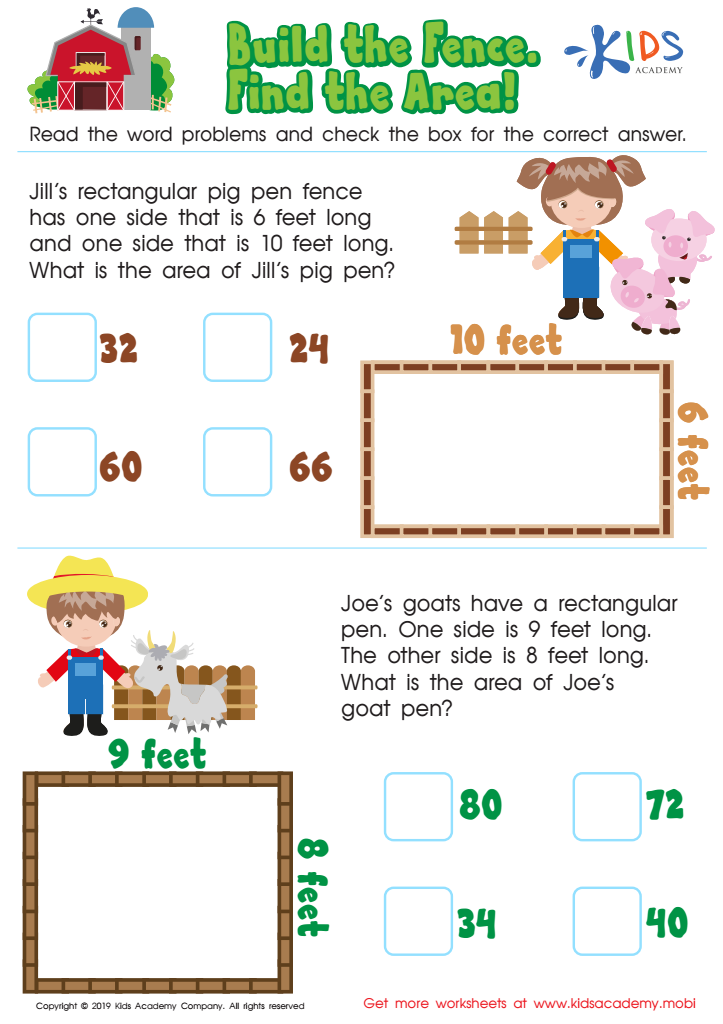
Build the Fence, Find the Area Worksheet






.jpg)

Problem-solving skills are essential for children aged 4-9 as they lay the foundation for critical thinking, decision-making, and resilience. Engaging with word problems helps students learn to analyze scenarios, identify relevant information, and develop logical reasoning. These skills go beyond math, translating into everyday situations in their lives.
For parents and teachers, fostering these skills early on encourages a growth mindset. Children learn that mistakes are a part of learning, helping them become more adaptable and confident in facing challenges. As they tackle word problems, they enhance their vocabulary, comprehension, and communication skills, which are vital in their overall academic development.
Moreover, problem-solving skills improve collaboration and social interactions, as children often work in groups to solve challenges. This cultivates teamwork and empathy, preparing them for future social dynamics. By prioritizing word problems in learning, caregivers can better equip children with the tools necessary for success in school and life.
In summary, problem-solving with word problems is crucial for cognitive development, fostering a love for learning, and teaching children how to approach challenges creatively and effectively. A strong foundation in these skills will benefit children well into adulthood, influencing their academic, personal, and professional journeys.








