Classification skills Science Worksheets for Ages 4-9
5 filtered results
-
From - To
Enhance your child's understanding of the world around them with our engaging Classification Skills Science Worksheets, designed for ages 4-9. These interactive resources help young learners develop essential classification skills through fun activities involving sorting, categorizing, and identifying different objects, animals, and plants. Perfect for both the classroom and home learning, our worksheets encourage critical thinking and promote early science concepts. Each worksheet is crafted to keep children entertained while fostering their analytical abilities. Discover the joy of learning as your child explores the fascinating realm of science with our vibrant and educational worksheets today!
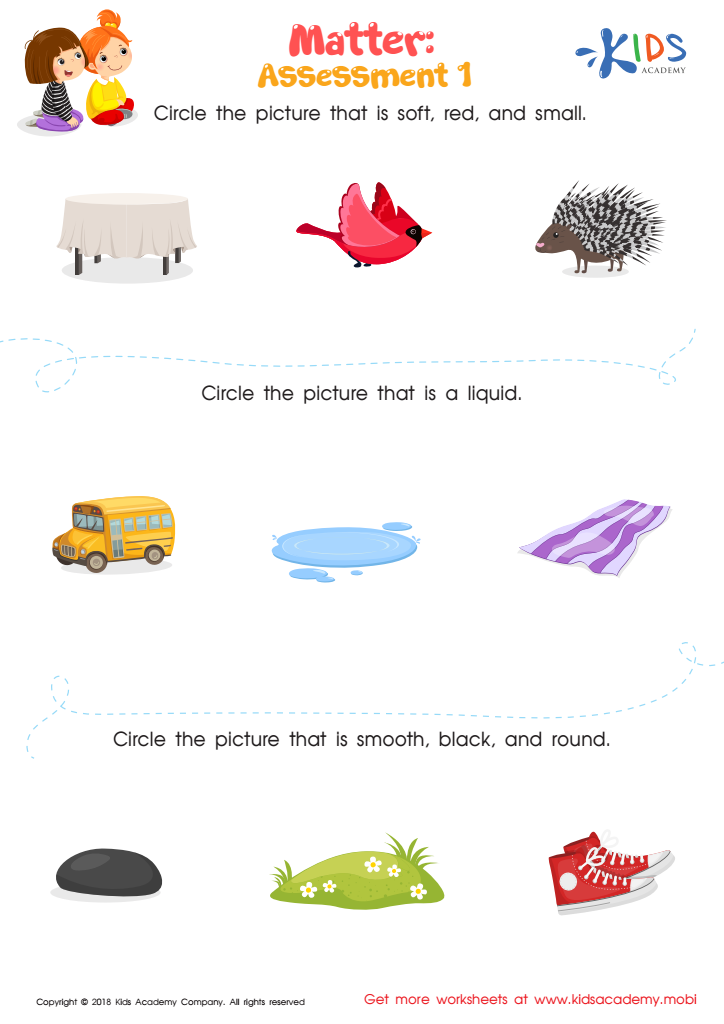
Matter: Assessment 1 Worksheet
 Assign to My Students
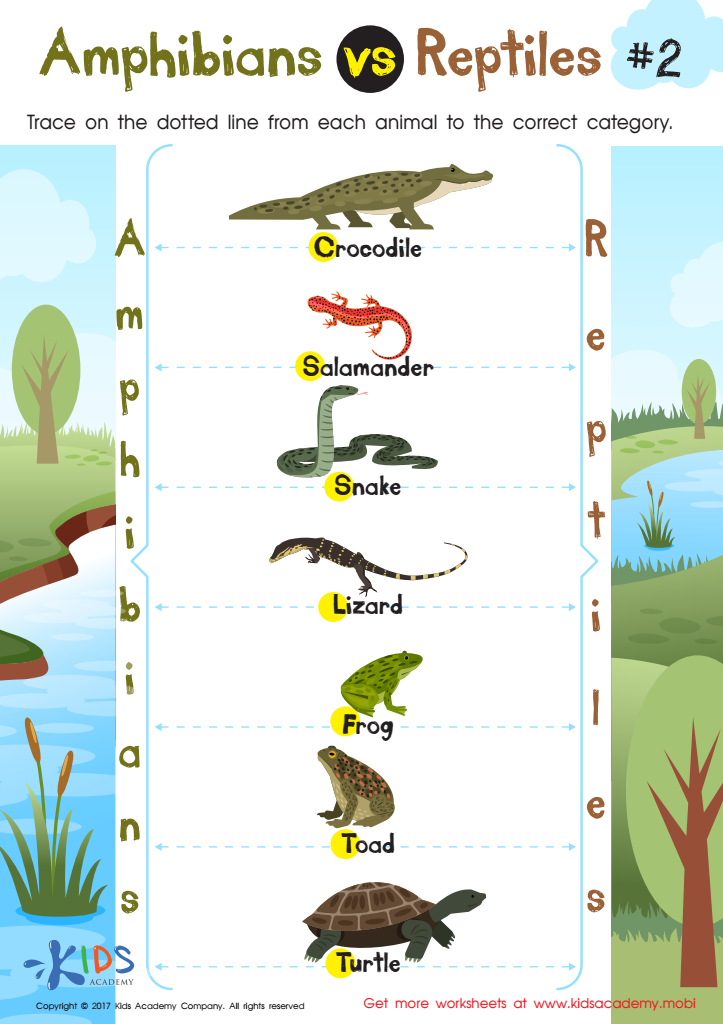
Amphibians vs Reptiles Worksheet for 3rd Grade
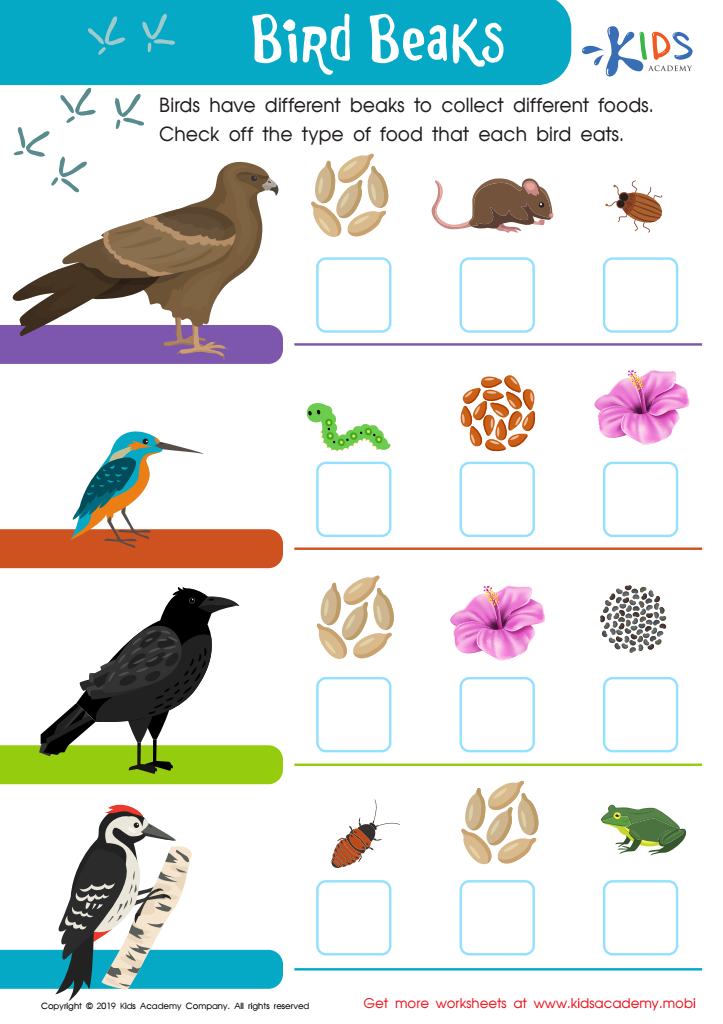
Bird Beaks Worksheet
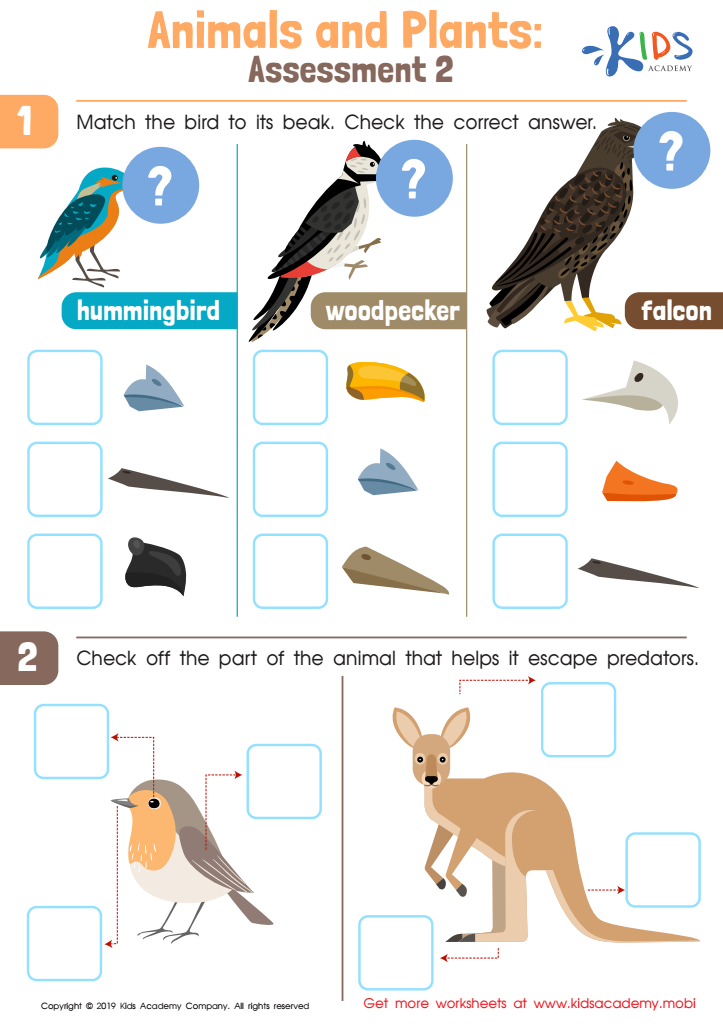
Animals and Plants: Assessment 2 Worksheet
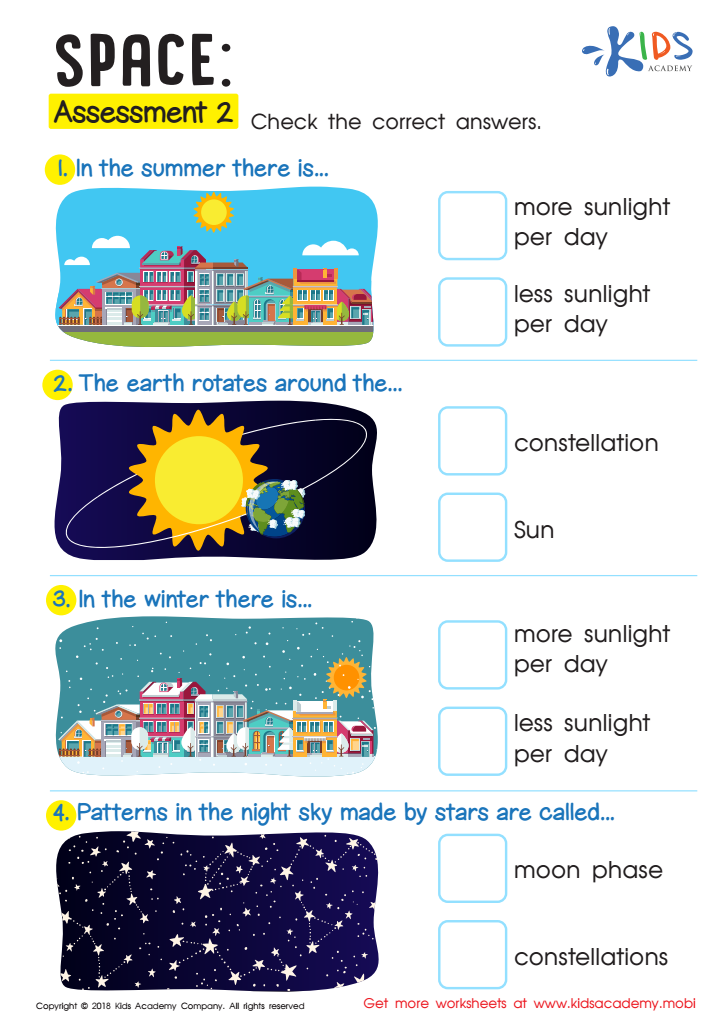
Space: Assessment 2 Worksheet




Classification skills are essential for children ages 4-9 as they form the foundation for critical thinking and scientific reasoning. Developing the ability to categorize and organize objects, animals, and concepts enables young learners to make sense of the world around them. This critical skill aids in enhancing cognitive development, as children learn to recognize relationships and patterns, facilitating better understanding and retention of knowledge.
Parents and teachers play a pivotal role in fostering these skills through interactive activities and real-life experiences. Engaging children in classifying items by size, color, shape, or function promotes observation and inquiry, key components of scientific learning. As children progress through classification tasks, they gain confidence in their decision-making and analytical abilities.
Furthermore, classification introduces foundational concepts in science, such as taxonomy in biology and organization in chemistry. By nurturing these skills early on, educators help children to build them into more complex scientific concepts later in life. Ultimately, classification skills empower young children to explore, ask questions, and cultivate a sense of curiosity while laying the groundwork for lifelong learning in science and other disciplines. Investing time in these skills will benefit both academic achievements and personal development.







