Fine Motor Skills Plants and Animals Worksheets for Ages 4-9
5 filtered results
-
From - To
Discover engaging "Fine Motor Skills Plants and Animals Worksheets for Ages 4-9" designed to boost young learners' dexterity while exploring nature. Our carefully crafted worksheets integrate fun tracing, coloring, cutting, and matching activities centered around captivating themes of plants and animals. Ideal for kids aged 4 to 9, these printables enhance fine motor skills and hand-eye coordination, laying a strong foundation for handwriting and other essential tasks. Perfect for both classroom and home learning, our worksheets make skill development enjoyable and educational. Inspire a love for science and nature while supporting crucial motor skills growth. Download, print, and watch your little ones flourish!
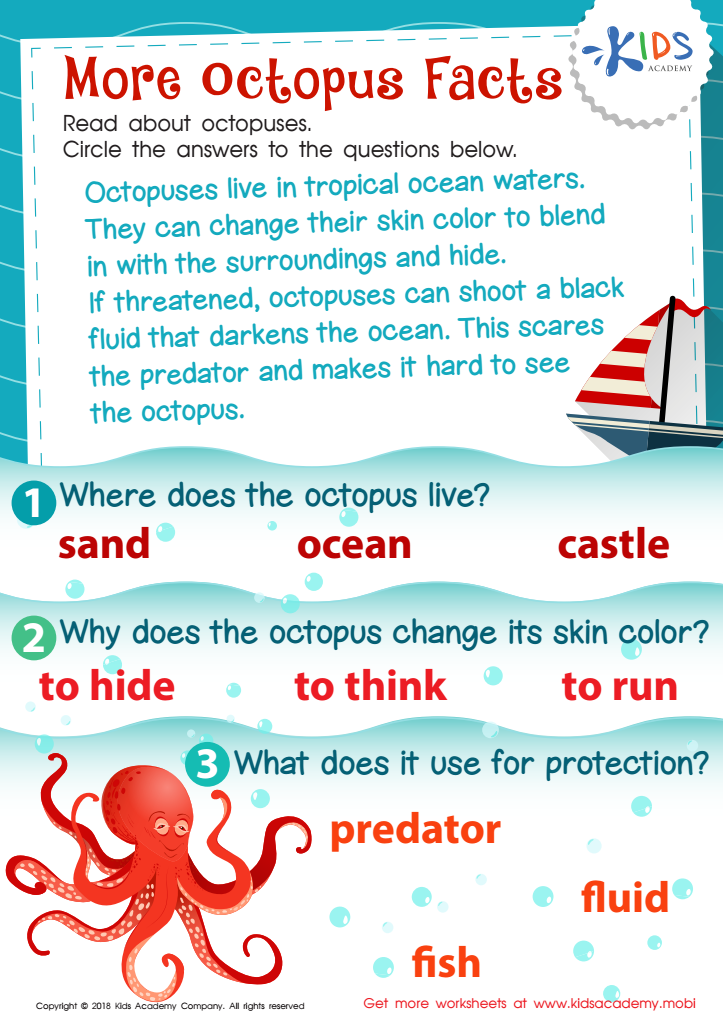
More Octopus Facts Worksheet
 Assign to My Students











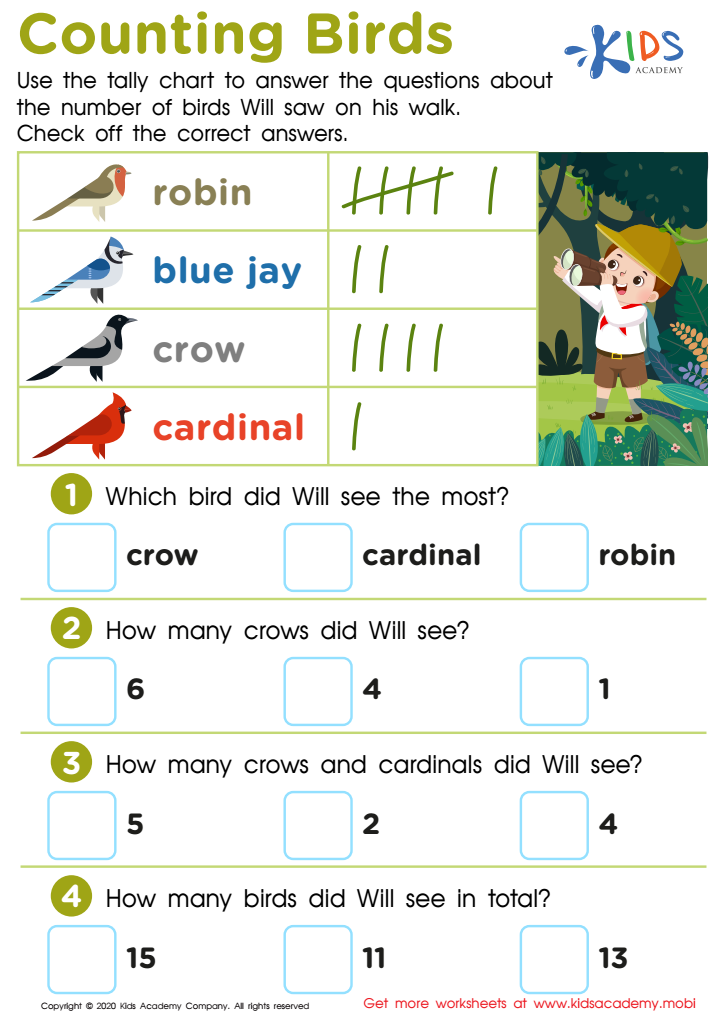
Counting Birds Worksheet
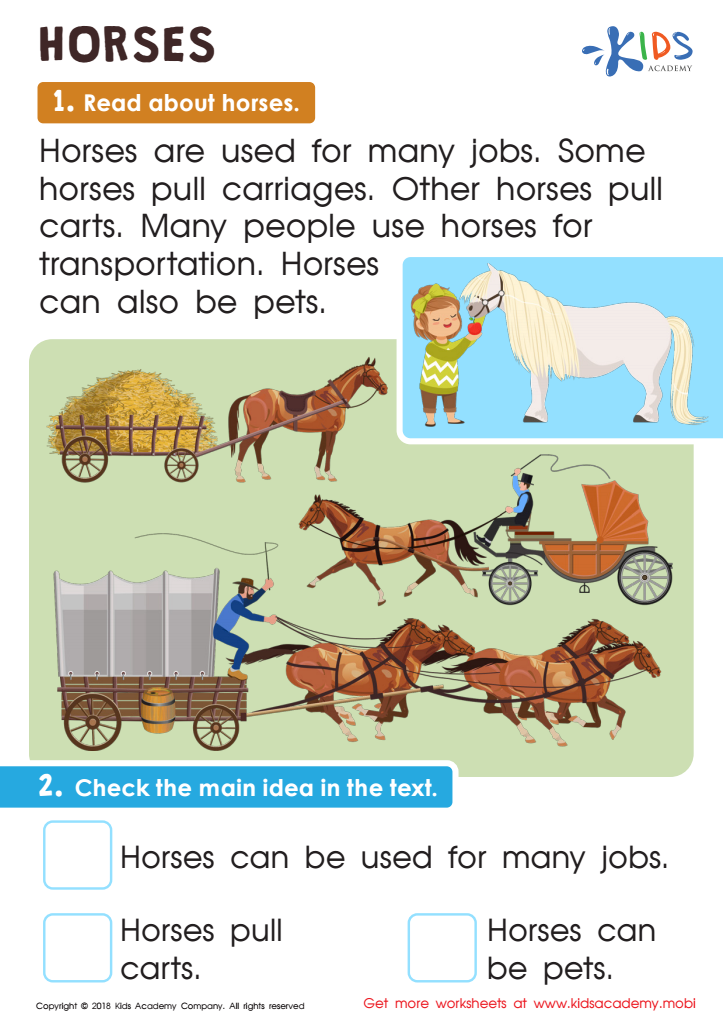
Horses Worksheet
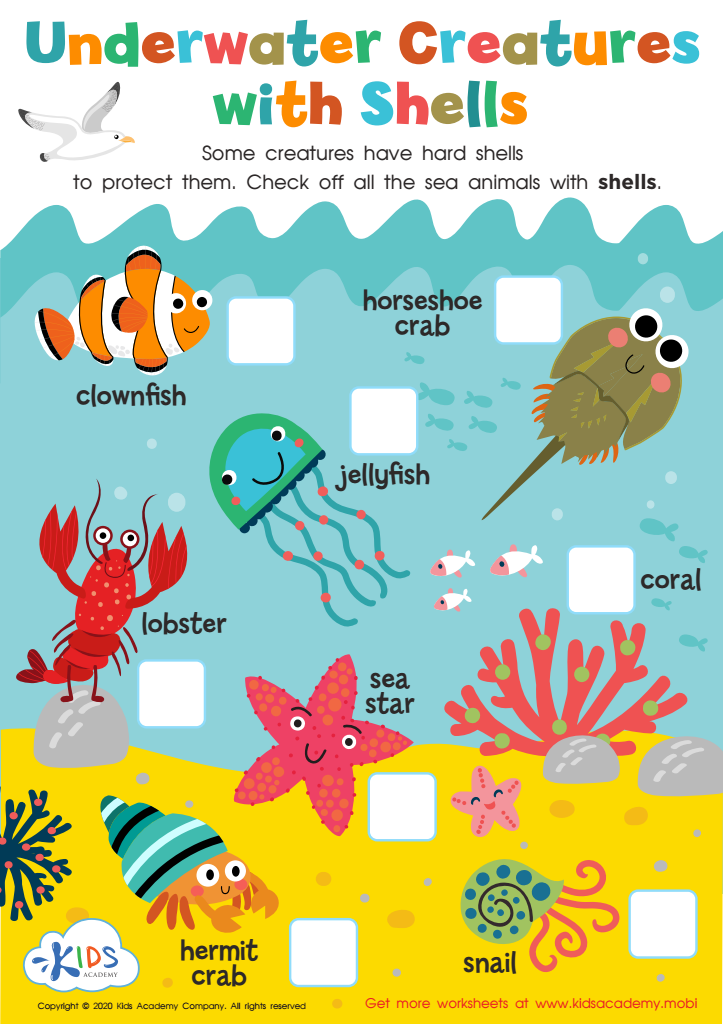
Underwater Creatures with Shells Worksheet
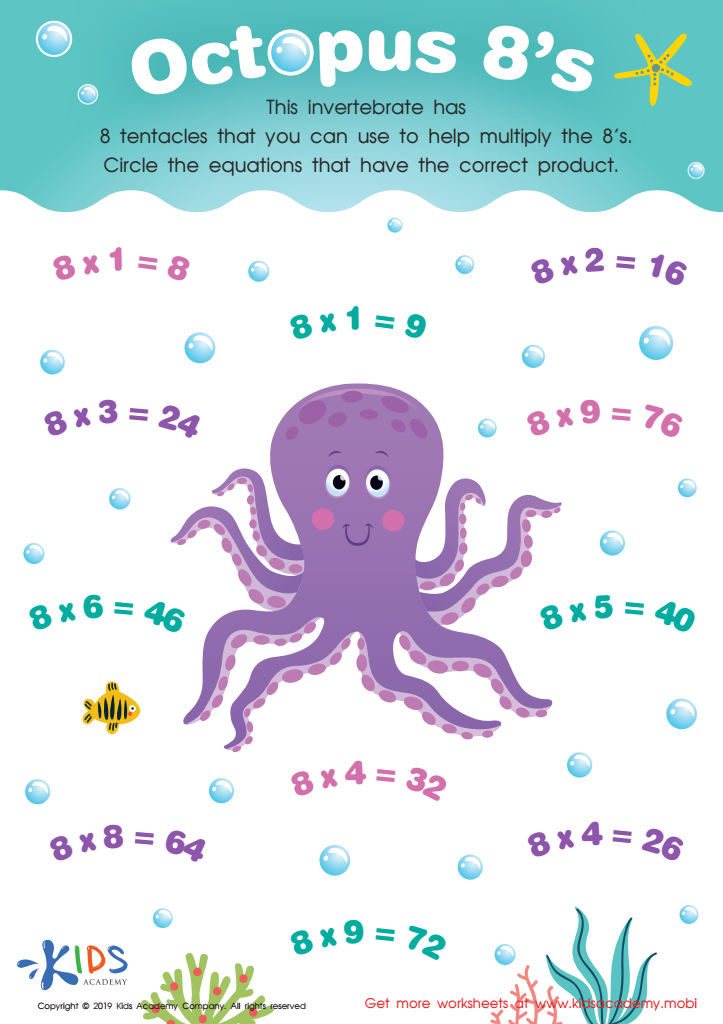
Octopus 8’s Worksheet








Fine motor skills refer to the control and coordination of small muscles, particularly in the hands and fingers, essential for daily activities. For children aged 4-9, developing these skills is critical, and engaging them through themes like plants and animals can make the learning process fun and effective.
Fine motor skills are foundational for handwriting, cutting with scissors, buttoning clothes, and other activities that promote independence. Children who have strong fine motor skills are better able to succeed in school because they can manage classroom tasks more efficiently. When young learners engage in activities that involve handling seeds, planting, watering plants, and interacting with small animal figures or parts (such as assembling animal models or playing with fabric fur), they naturally practice precision and control.
Incorporating plants and animals adds an educational element, fostering an appreciation for nature and encouraging curiosity about the world around them. For example, planting seeds can teach patience and responsibility, while drawing animals enhances observation skills and creativity.
By choosing themed activities that are both engaging and educational, parents and teachers can ensure children are developing crucial fine motor skills while fueling their interest in science and the environment. This holistic approach supports not only physical and cognitive development but also emotional and social growth.








