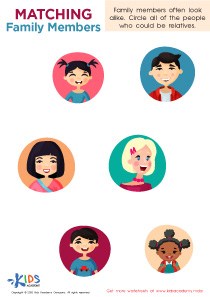
Reading comprehension Social Studies Worksheets for Ages 4-9 - Page 2
87 filtered results
-
From - To
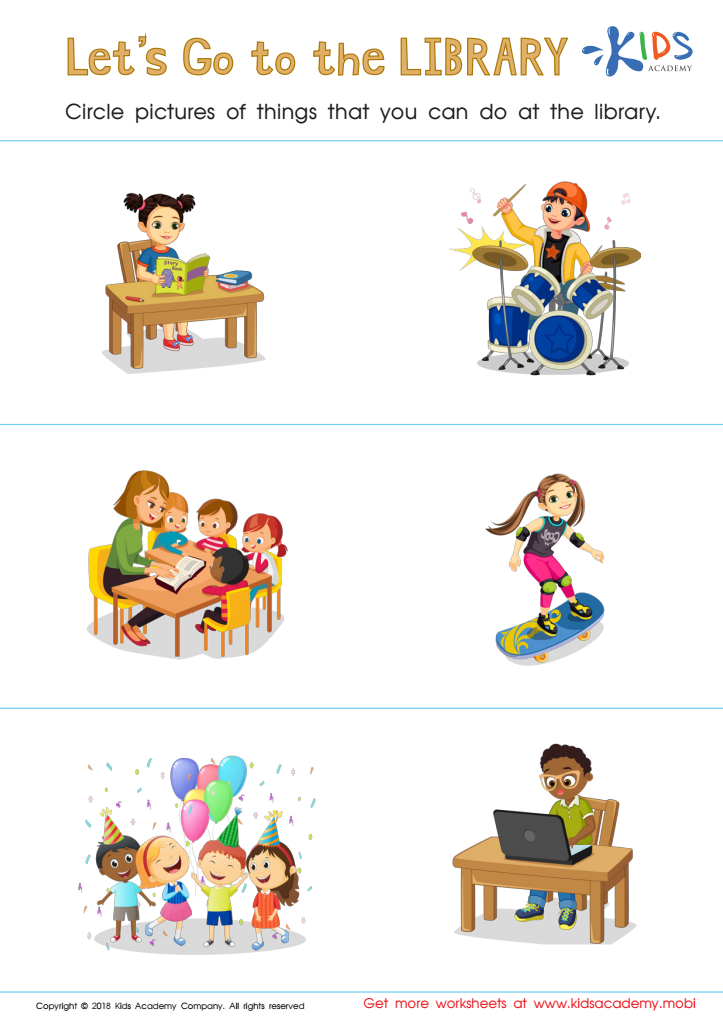
Let's Go to the Library! Worksheet
 Assign to My Students

The Arctic Region Worksheet
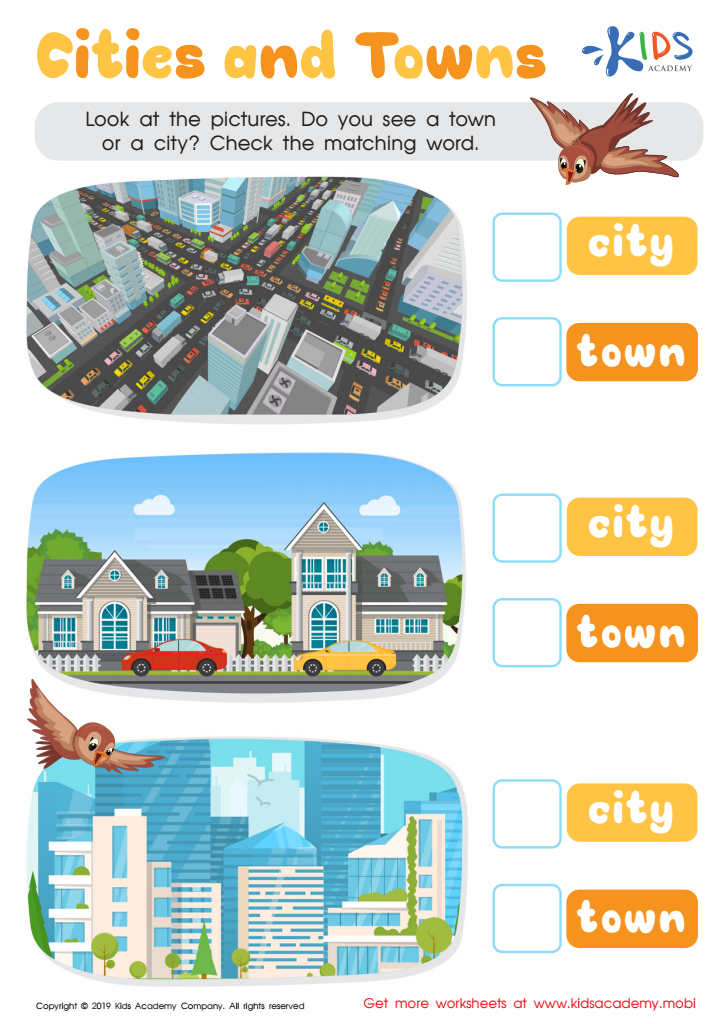
Cities and Towns Worksheet
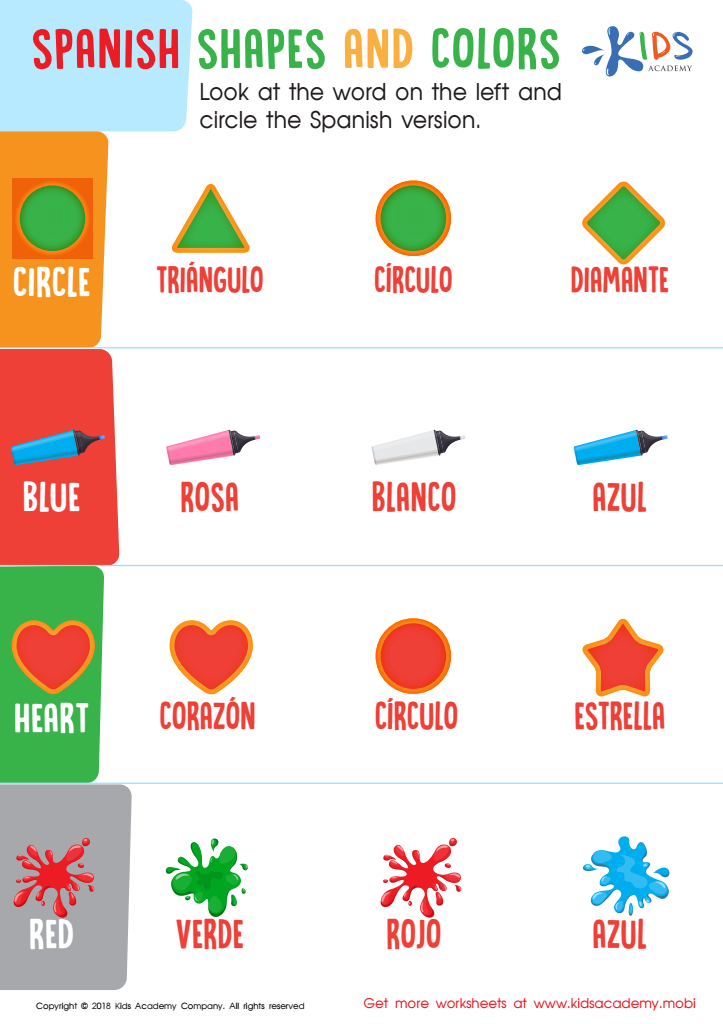
Spanish Shapes and Colors Worksheet
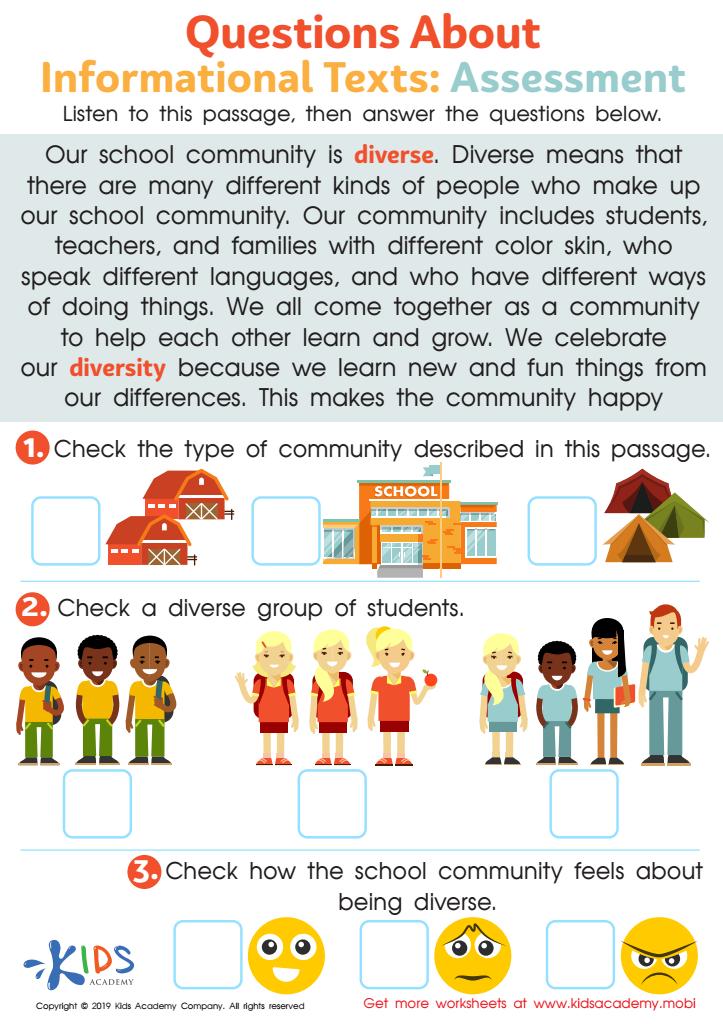
Questions About Informational Texts: Assessment 1 Worksheet
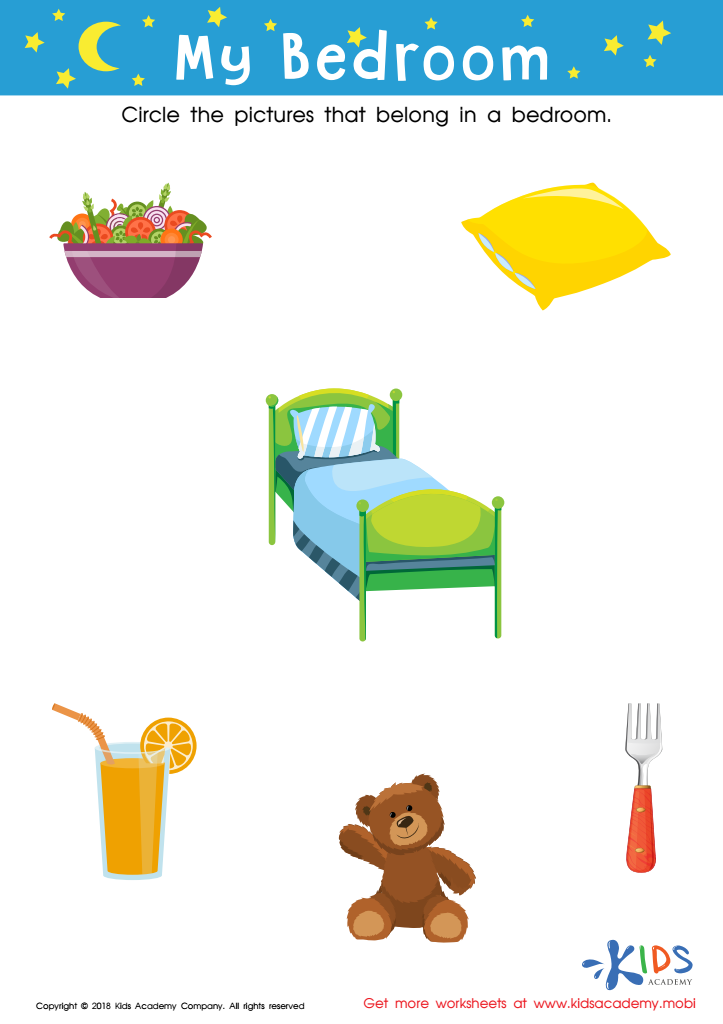
My Bedroom Worksheet
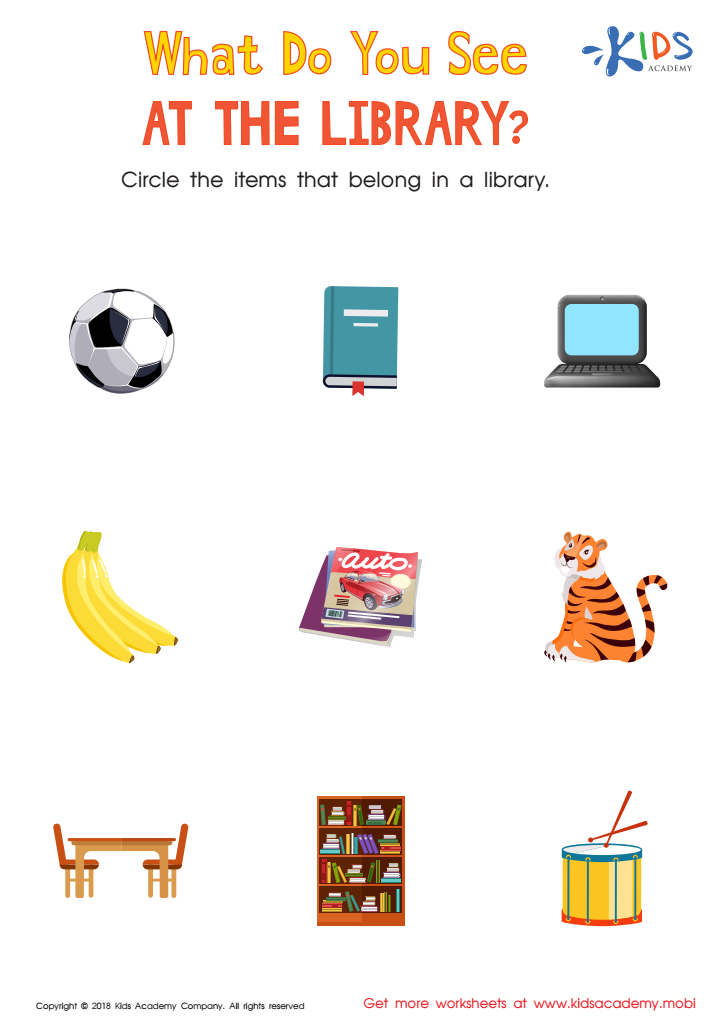
What Do you See at the Library? Worksheet
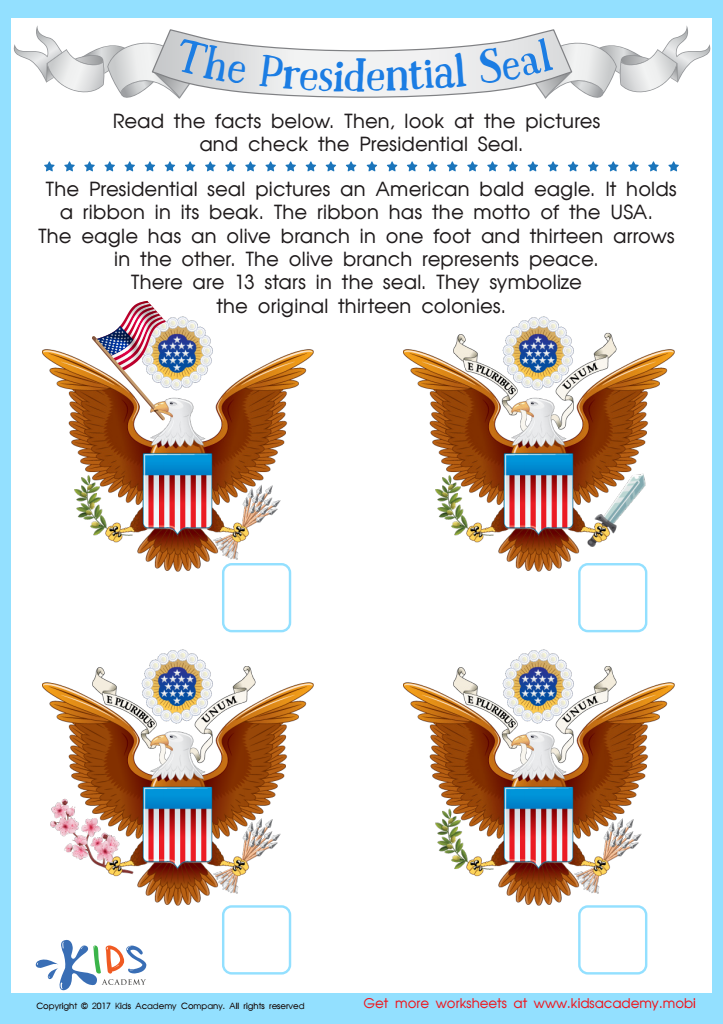
The Presidential Symbol Worksheet
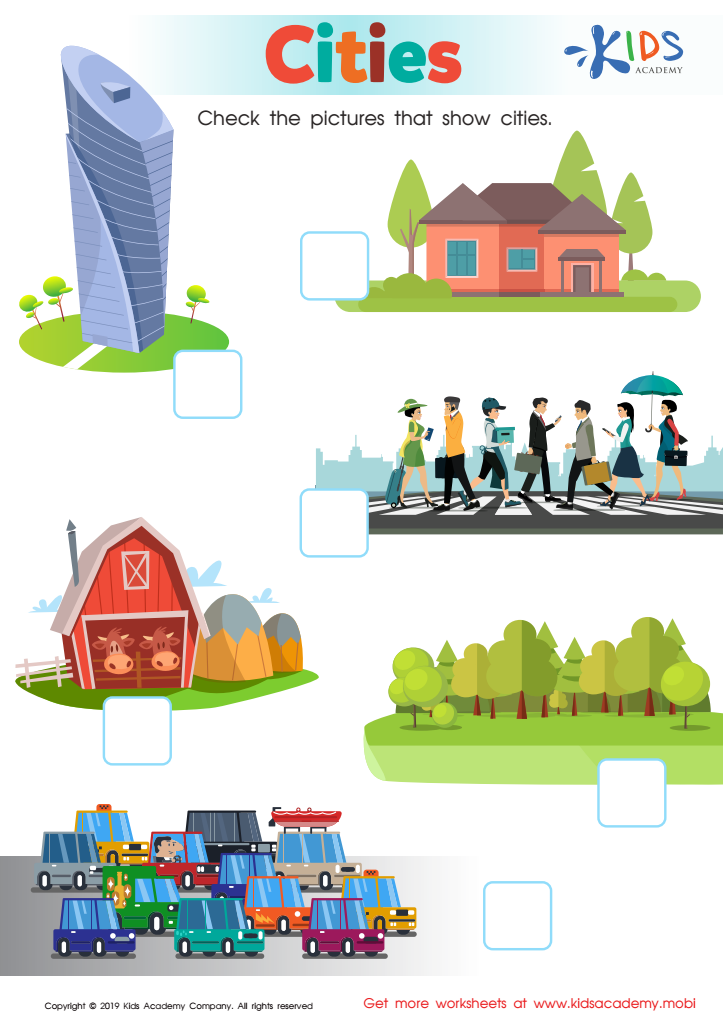
Cities Worksheet
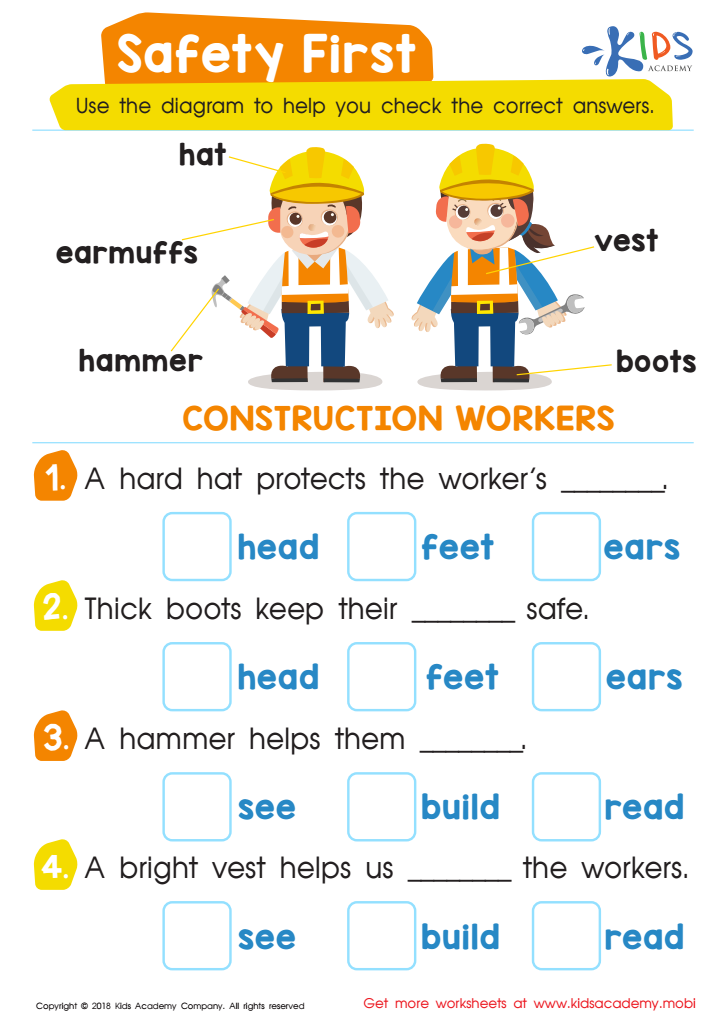
Safety First Worksheet
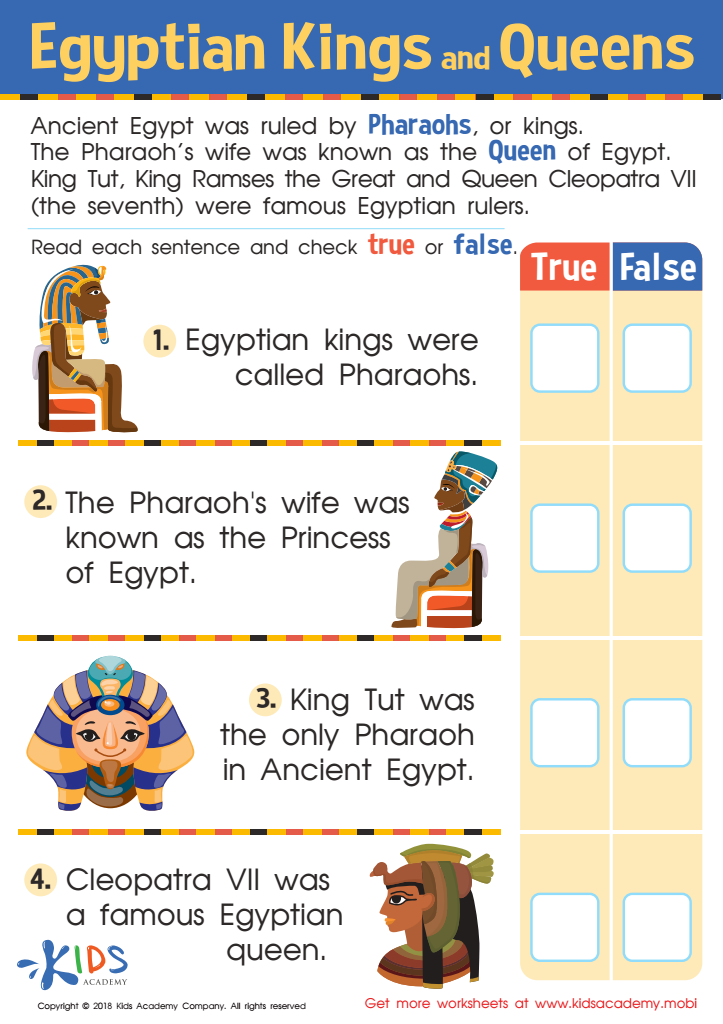
Egyptian Kings and Queens Worksheet
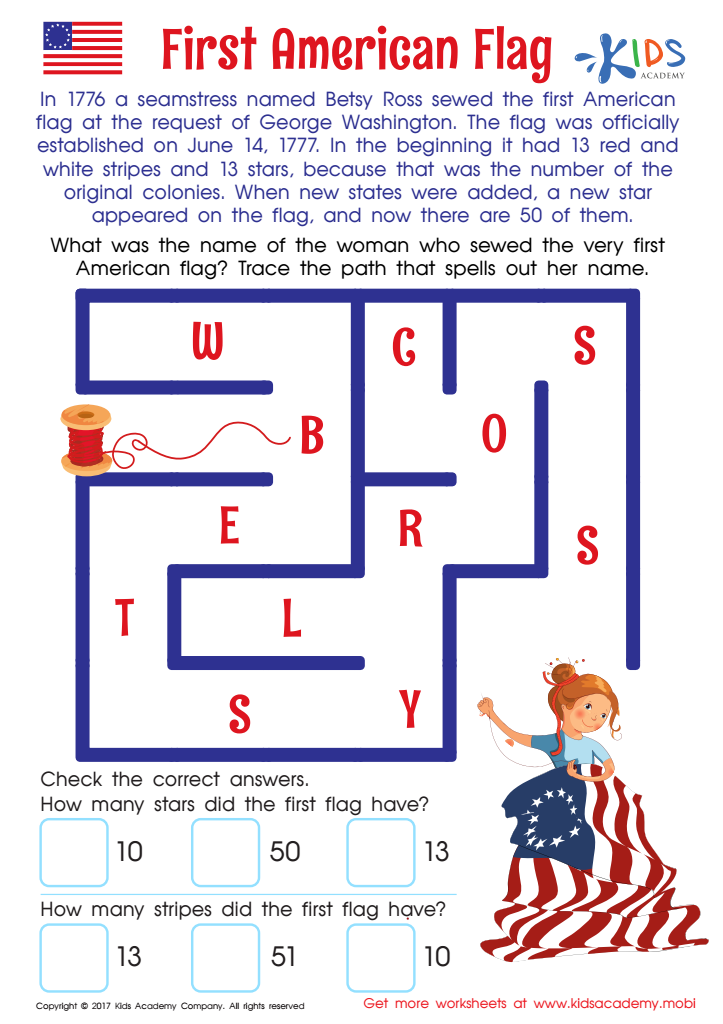
First American Flag Worksheet
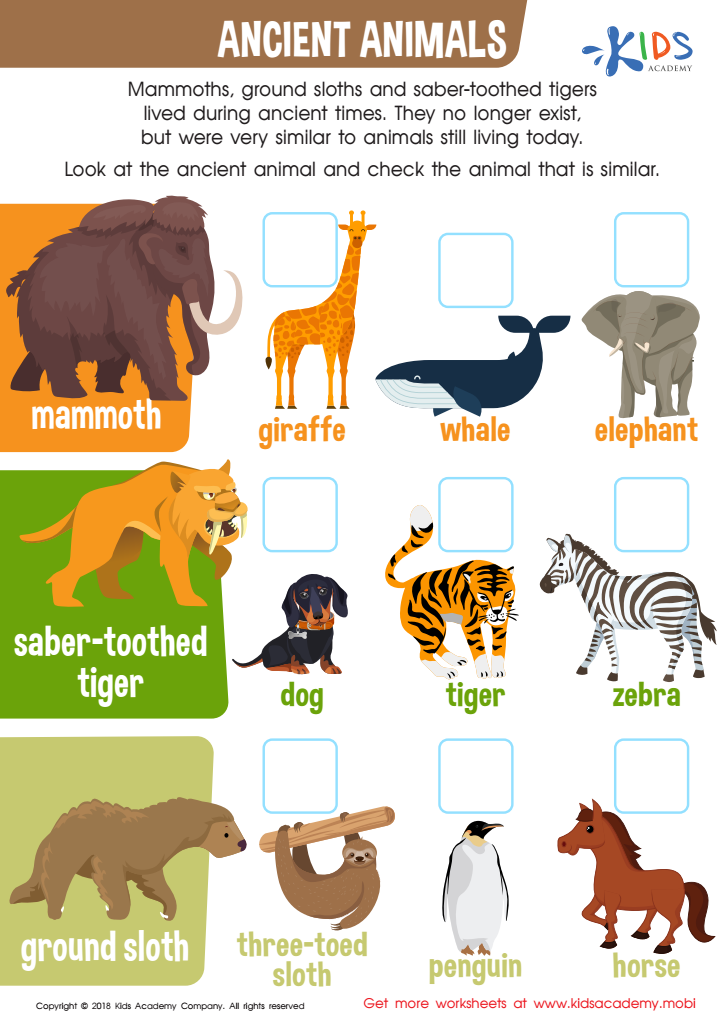
Ancient Animals Worksheet
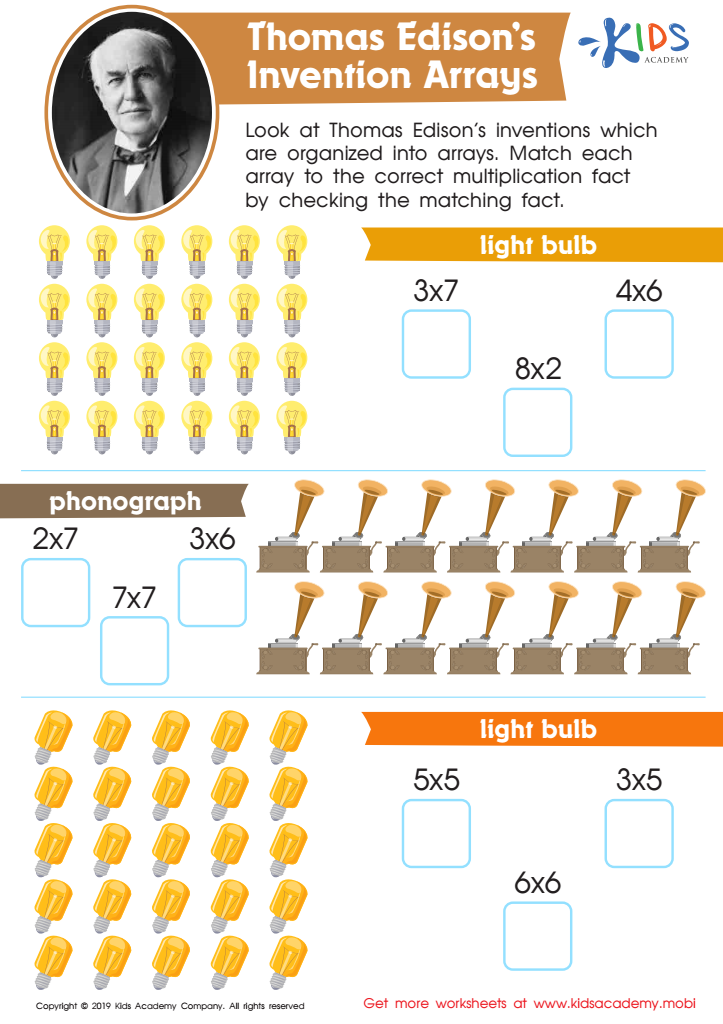
Thomas Edison’s Invention Arrays Worksheet
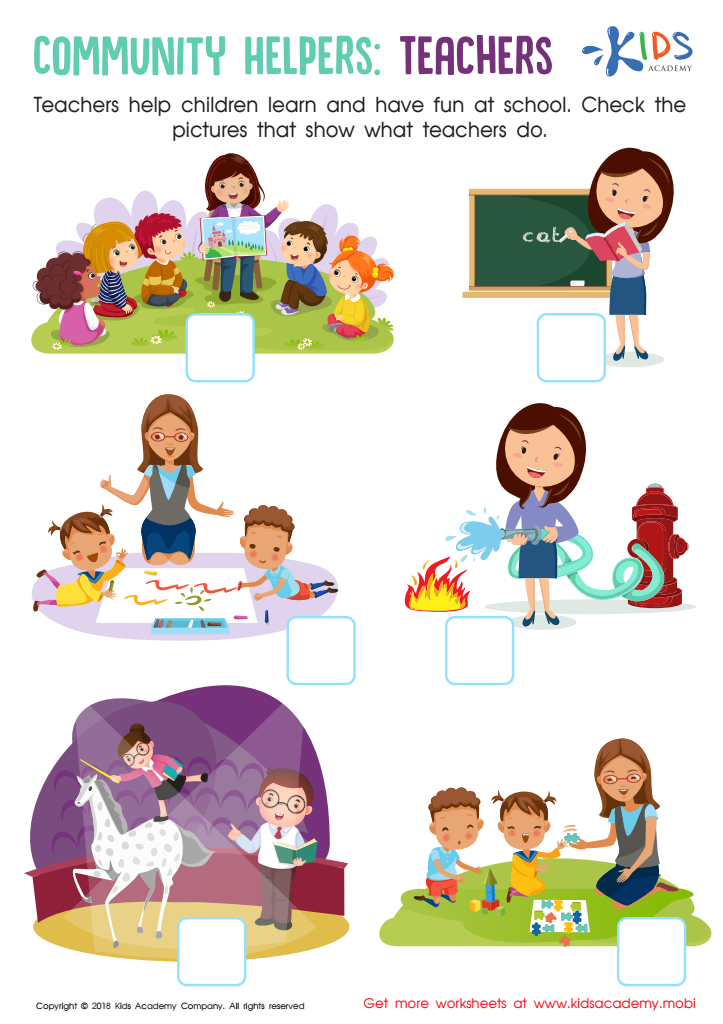
Teachers Community Helpers Worksheet
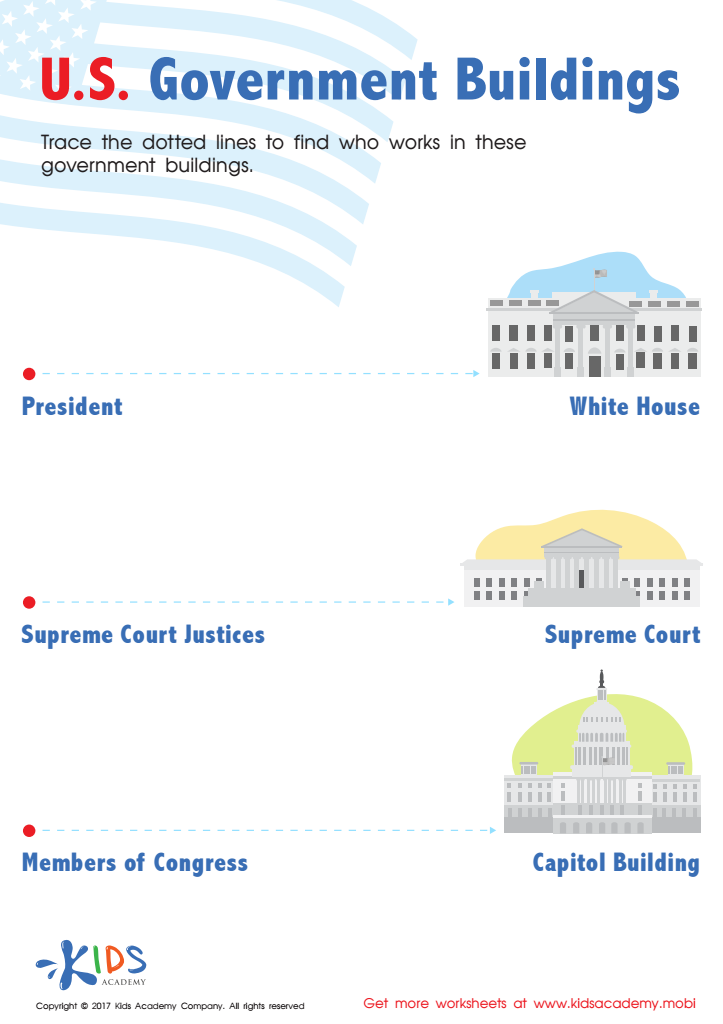
US Government Buildings Printable
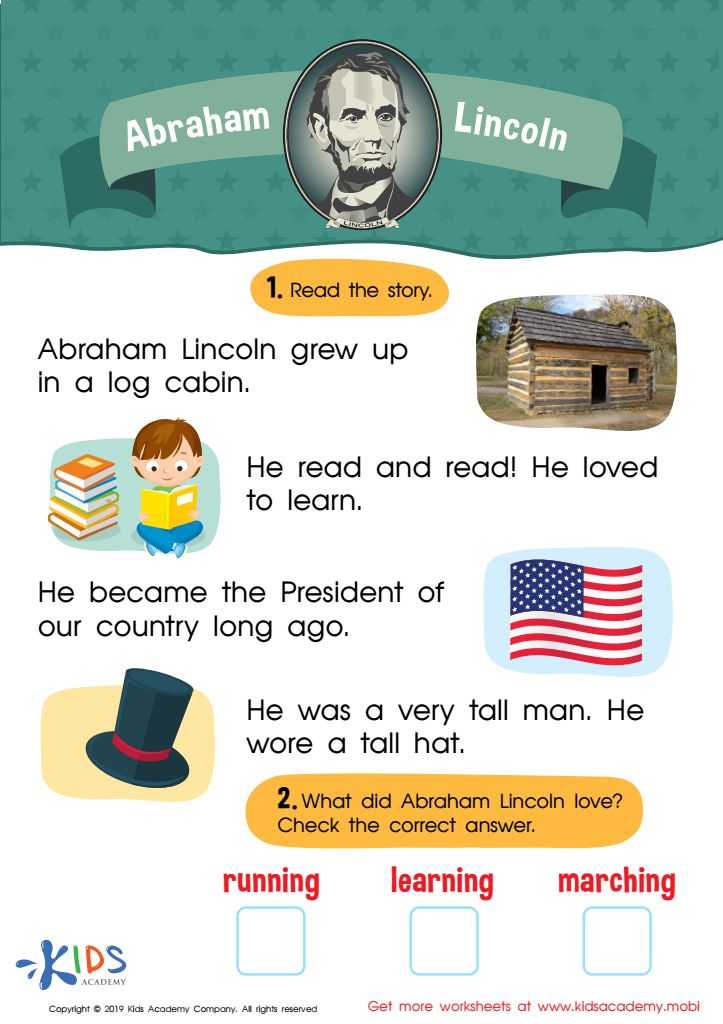
Abraham Lincoln Worksheet
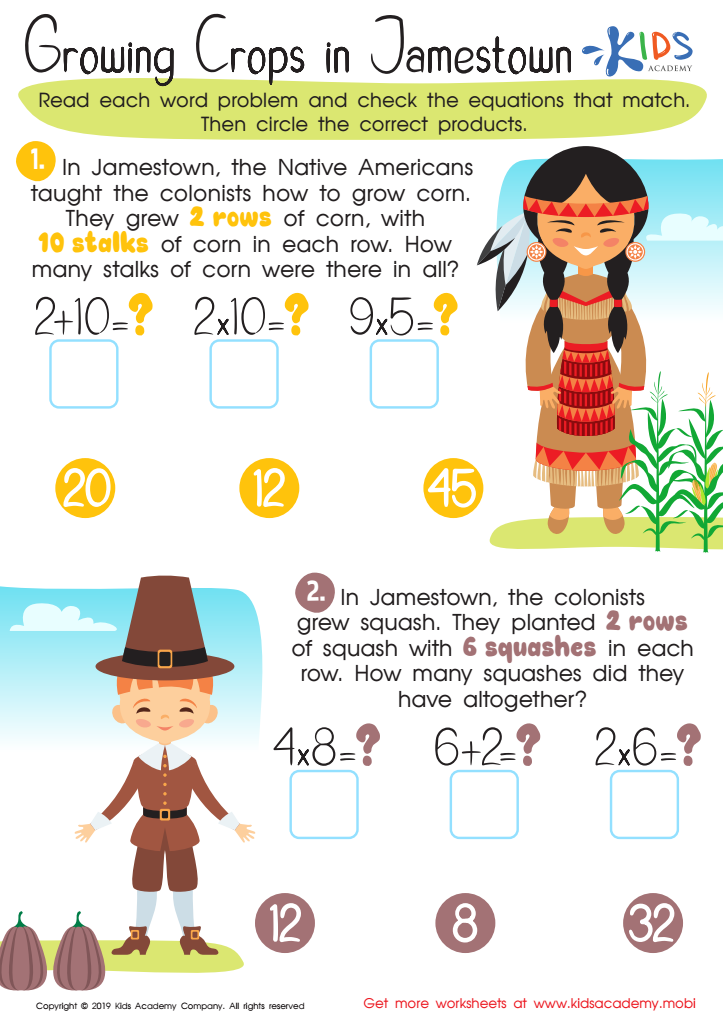
Growing Jamestown Worksheet
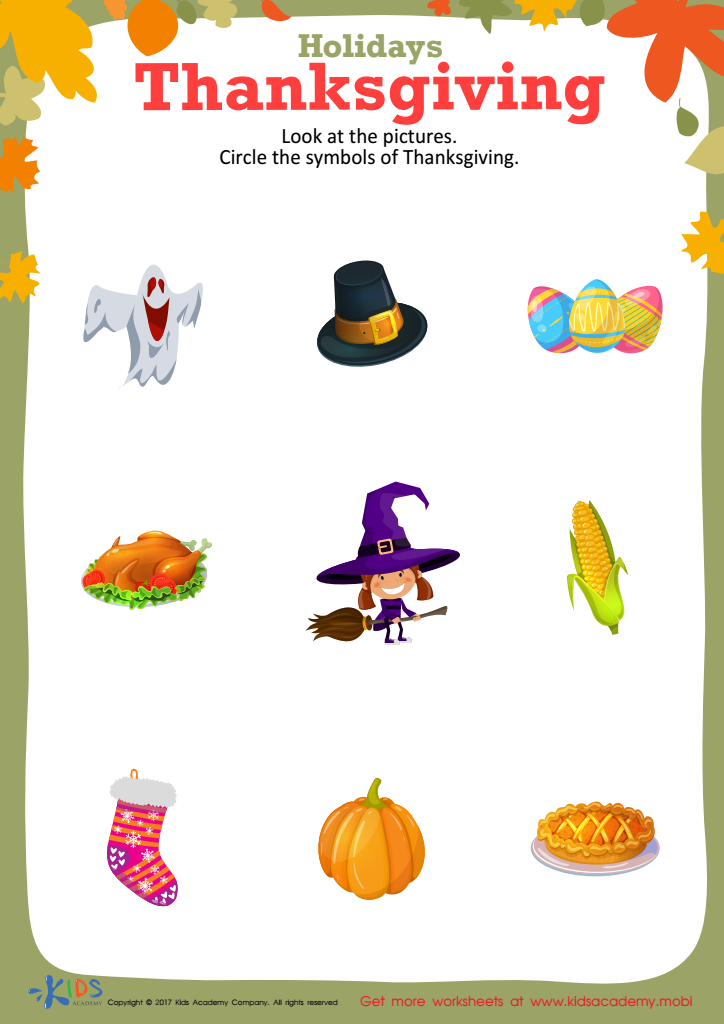
Thanksgiving Holiday Printable

National Parks Printable

Chinese Zodiac Printable
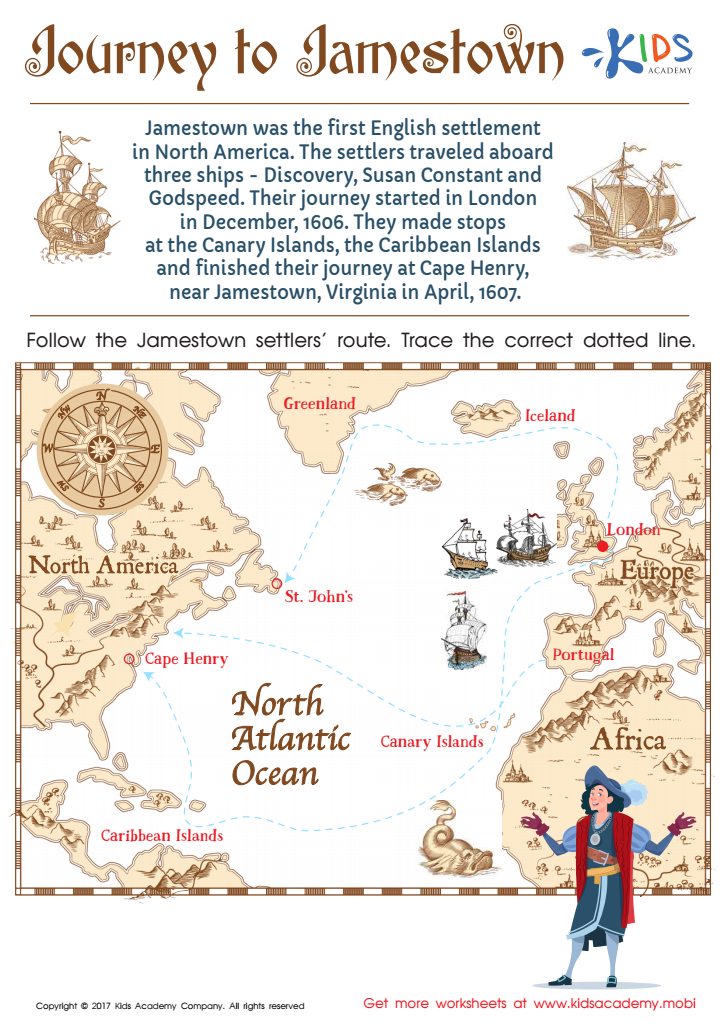
Journey to Jamestown Worksheet
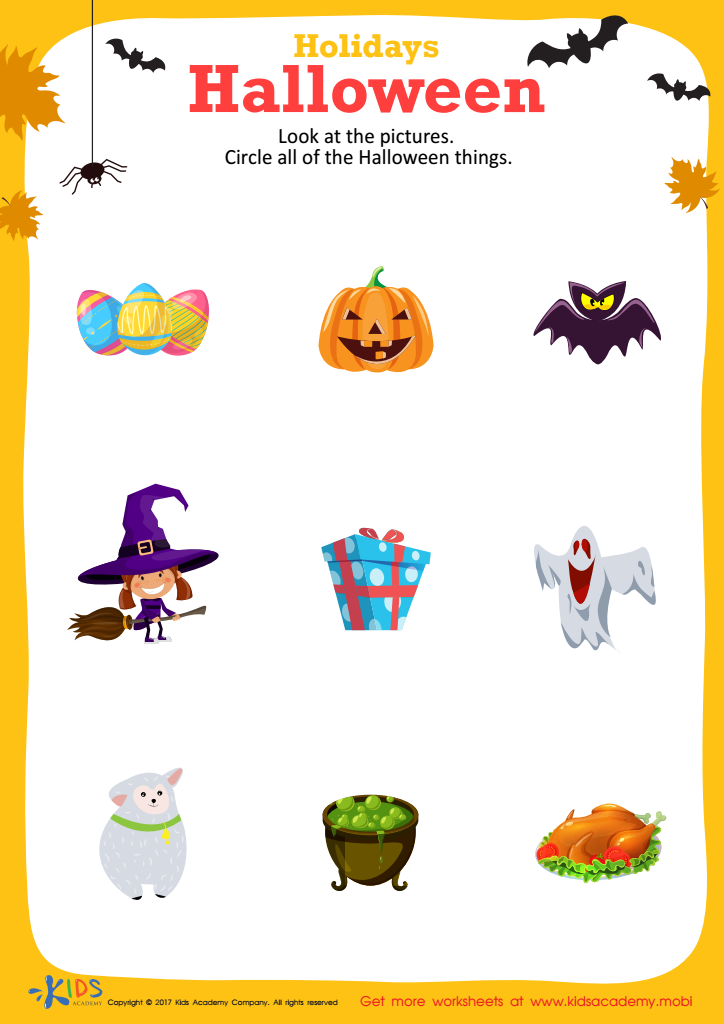
Halloween Holiday Worksheet
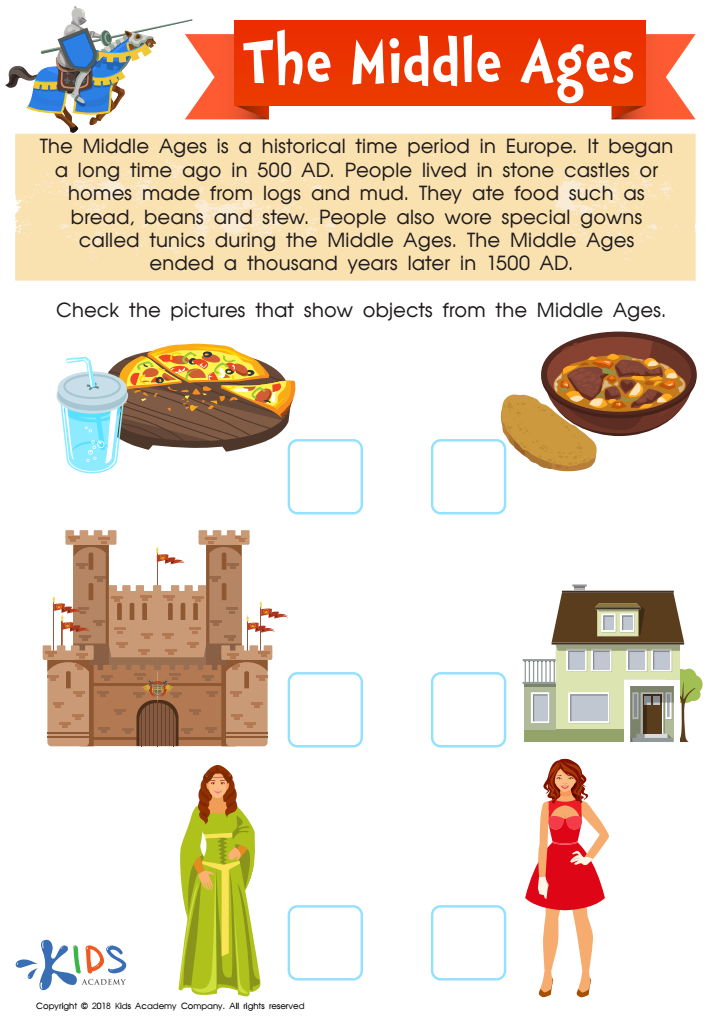
The Middle Ages Worksheet







Reading comprehension within Social Studies for children ages 4 to 9 is vital as it lays the foundation for multiple aspects of their overall development. Firstly, it supports literacy skills by encouraging young learners to decode text, recognize vocabulary, and understand sentences. This early practice is essential for developing proficient readers. Secondly, it expands a child's worldview and cultural awareness. By reading about different communities, histories, and ecosystems, children begin to appreciate diversity and understand societal structures. This can foster empathy and social skills, helping them relate better to others.
Furthermore, integrating social studies content enhances critical thinking. Young children start asking questions about why things happen and how different people solve problems. This curiosity is crucial for cognitive development and enhances logical reasoning and decision-making skills.
Lastly, such comprehension skills are foundational for academic success across subjects. Strong readers perform better across the curriculum because they can grasp complex instructions and connect cross-disciplinary concepts more efficiently. As a result, they often experience higher self-esteem and greater confidence in their academic abilities.
Therefore, supporting reading comprehension in social studies equips children with essential life skills and prepares them for future educational pursuits, making it a critical aspect of early education that parents and teachers should prioritize.