Vocabulary expansion Science Worksheets for 4-Year-Olds
7 filtered results
-
From - To
Boost your child's language and science skills with our Vocabulary Expansion Science Worksheets designed specifically for 4-year-olds. Our fun, engaging activities introduce young learners to essential science concepts and new words, enhancing their understanding of the world around them. With colorful illustrations and age-appropriate exercises, these worksheets support vocabulary development while sparking curiosity for scientific learning. Ideal for preschoolers, each worksheet combines visual elements with interactive challenges, making learning both enjoyable and effective. Perfect for in-classroom use or at-home enrichment, our worksheets lay a strong foundation for academic success and lifelong learning.
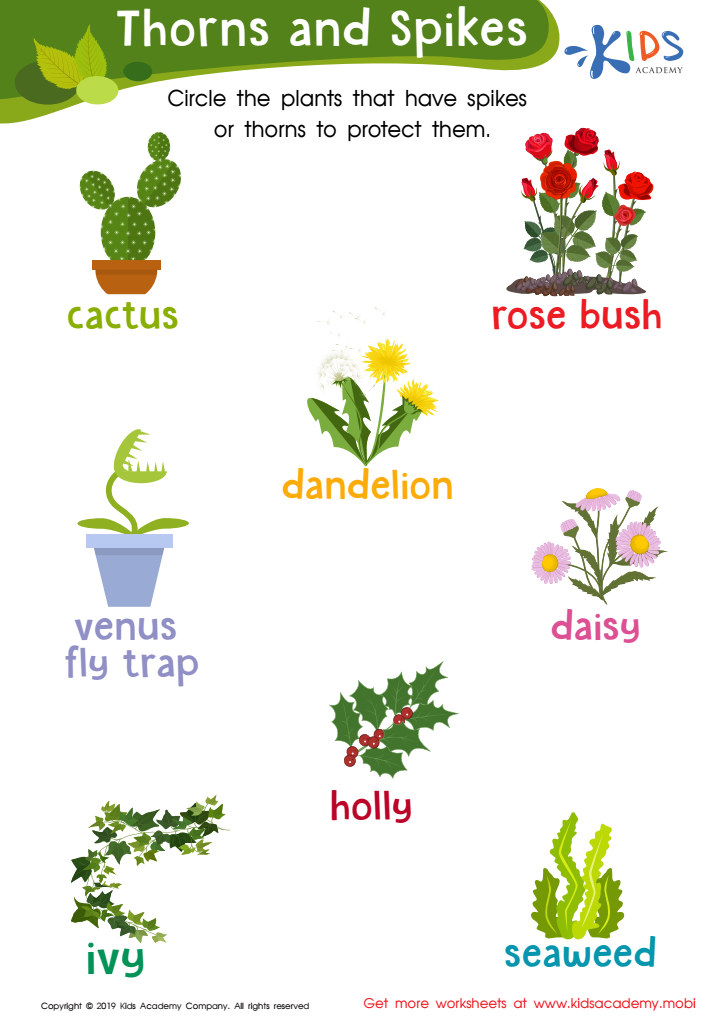
Thorns and Spikes Worksheet
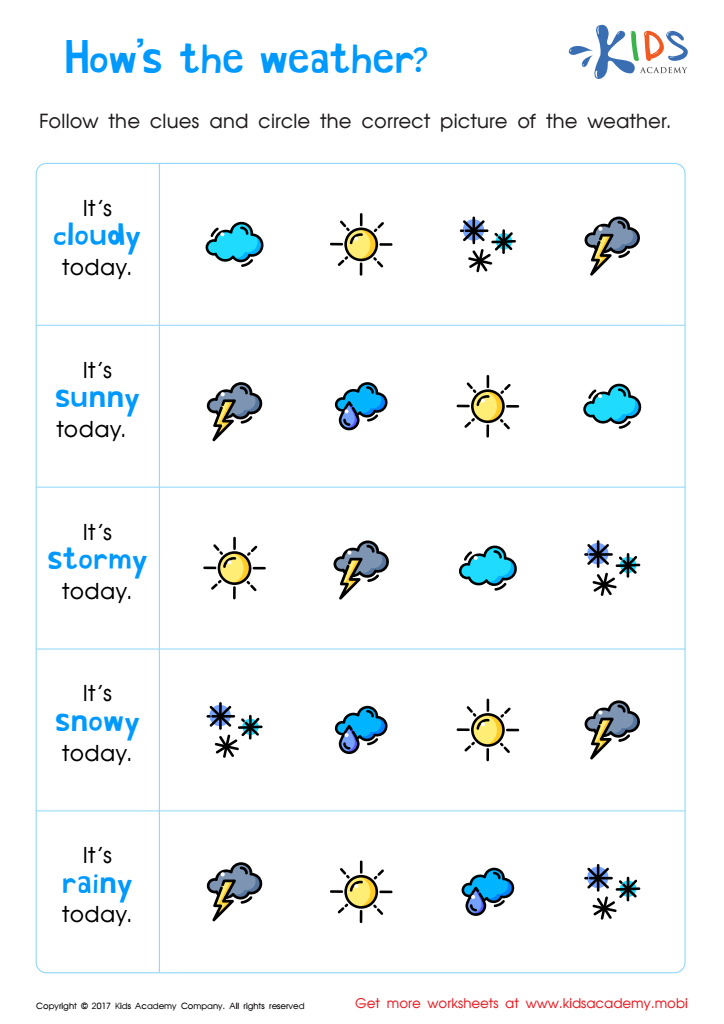
Hows the Weather Worksheet
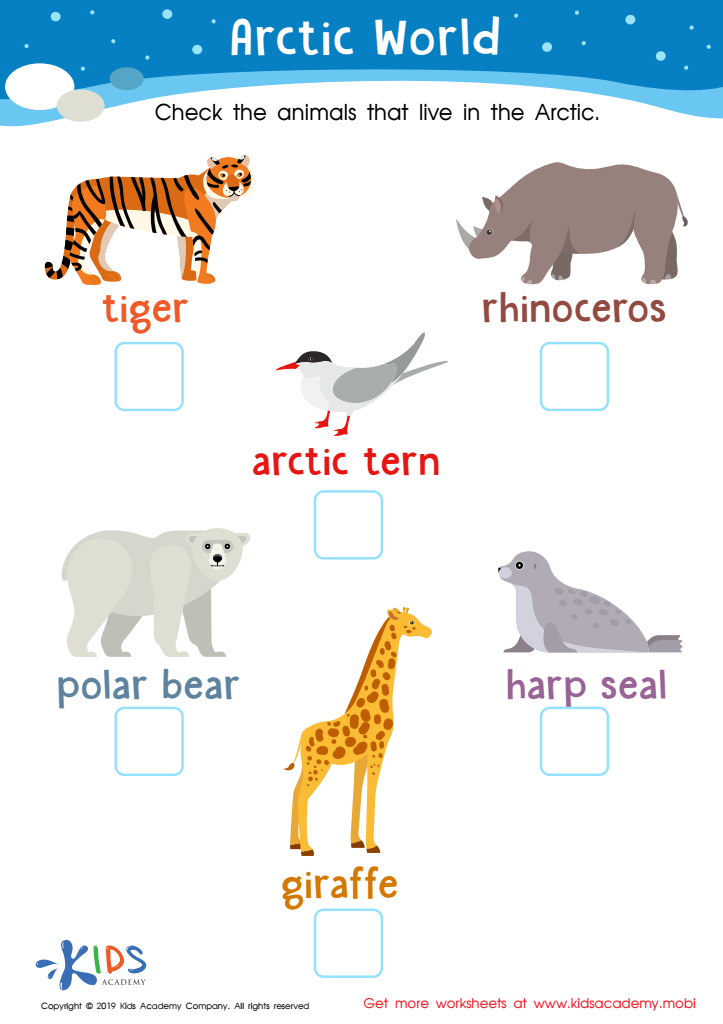
Arctic World Worksheet
Jungle Plants Worksheet
 Assign to My Students
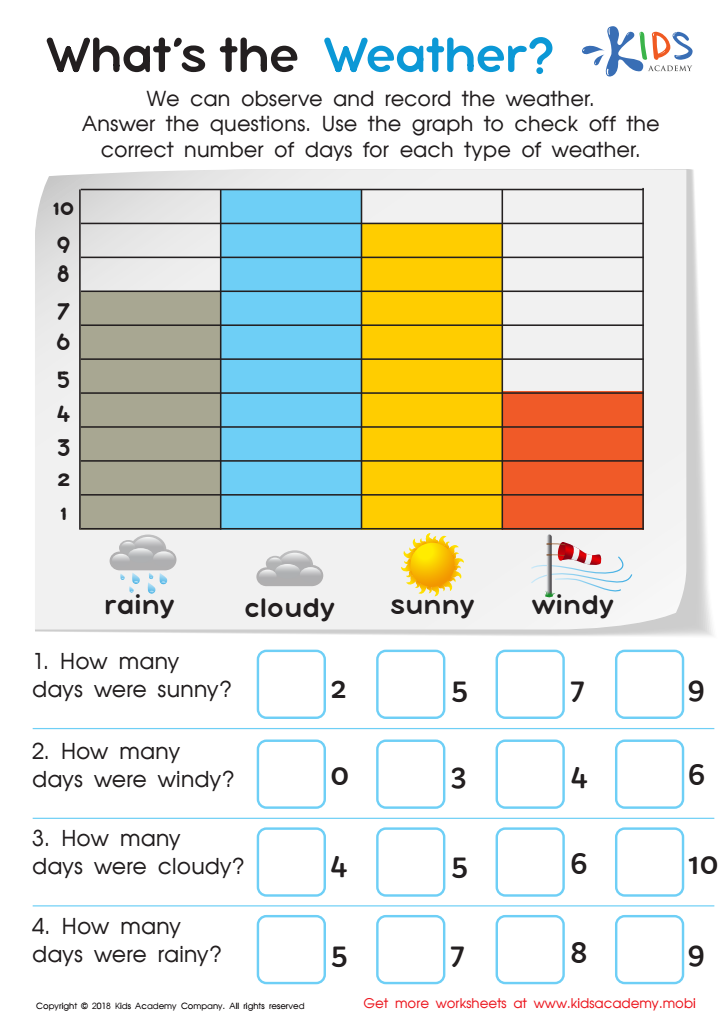
What's the Weather? Worksheet







Vocabulary expansion in 4-year-olds is crucial because it lays the groundwork for future learning and cognitive development. At this age, children are like sponges, absorbing new words and concepts rapidly. By enriching their vocabulary, we are strengthening their communication skills. This is important because a strong vocabulary helps children express their thoughts, needs, and emotions more clearly, reducing frustration and enabling better social interactions.
Moreover, vocabulary expansion enhances early literacy. A richer vocabulary sets the stage for easier reading comprehension when they start school. Children who enter kindergarten with a robust vocabulary are more likely to succeed academically because they can better understand instructions, express ideas in writing and speech, and engage with complex texts.
Parents and teachers should also recognize that vocabulary growth positively affects cognitive development. It fosters critical thinking and problem-solving skills as children learn to categorize and conceptualize the world around them. Engaging in activities that promote vocabulary—like reading stories, playing word games, and having conversations—can be enjoyable and bonding experiences, further nurturing a child’s love for learning.
In summary, focusing on vocabulary expansion in 4-year-olds boosts communication, literacy, cognitive skills, and fosters an environment for enthusiastic learning, setting the stage for lifelong academic and social success.







