Shape Recognition Math Worksheets for Ages 5-6 - Page 2
65 filtered results
-
From - To
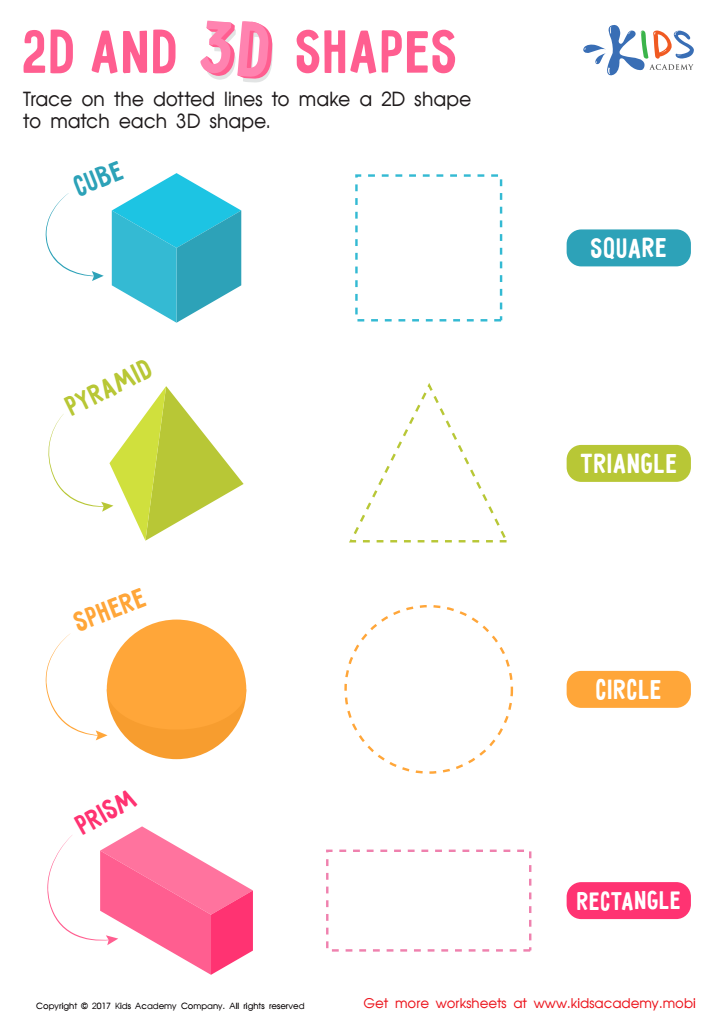
2D and 3D Shapes Worksheet
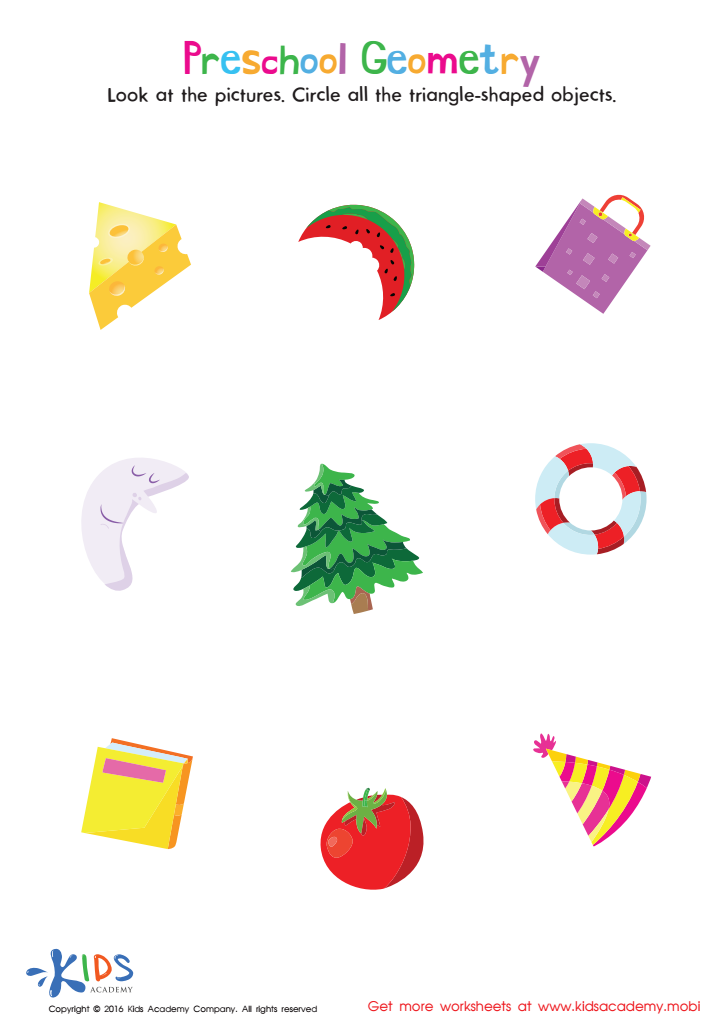
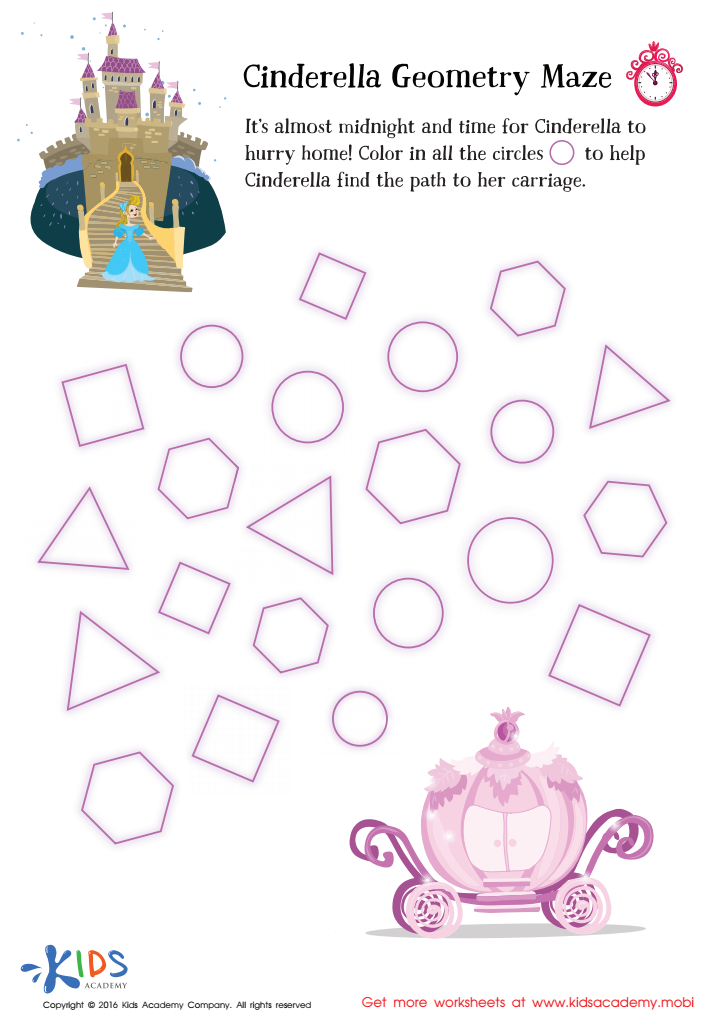
Cinderella Geometry Maze Worksheet
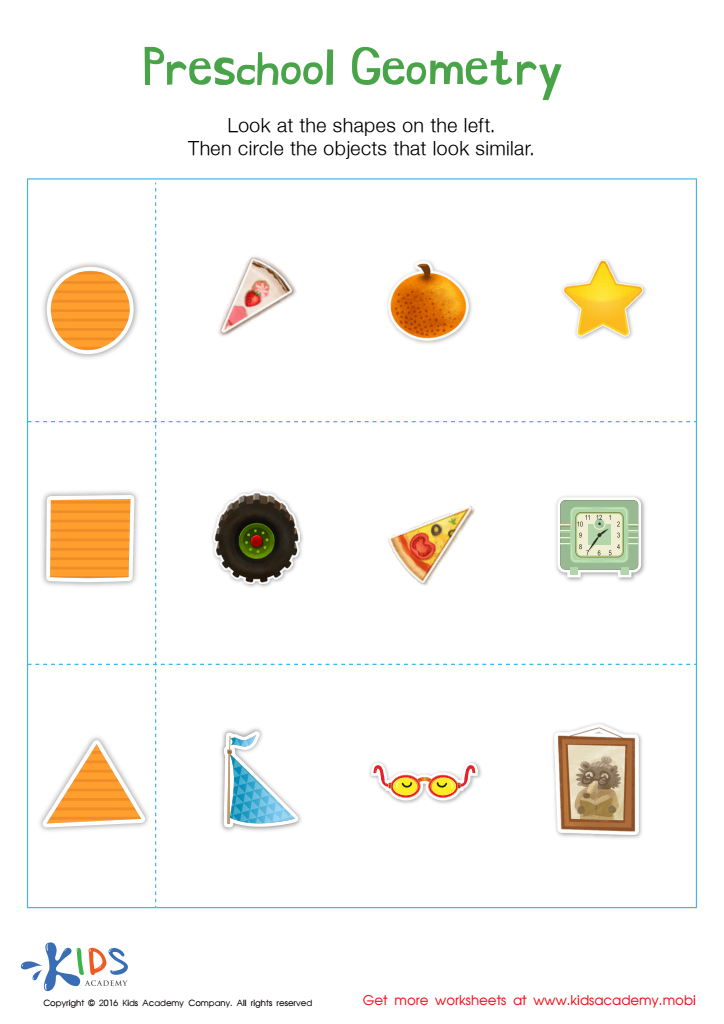
Preschool Geometry Match Up Worksheet
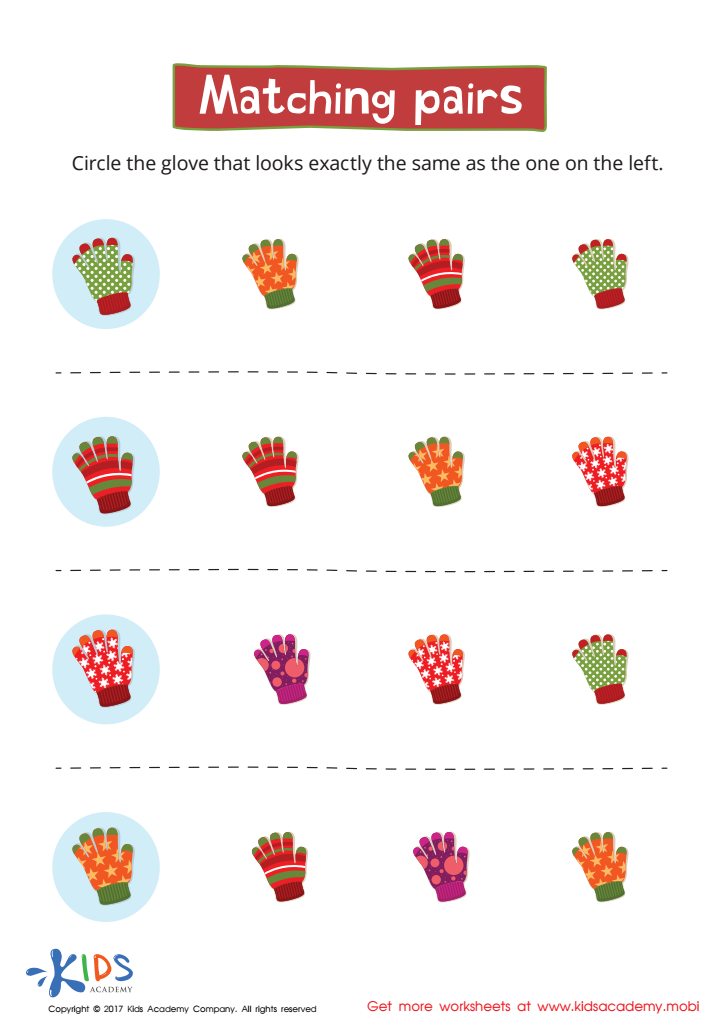
Matching: Matching Pairs Worksheet
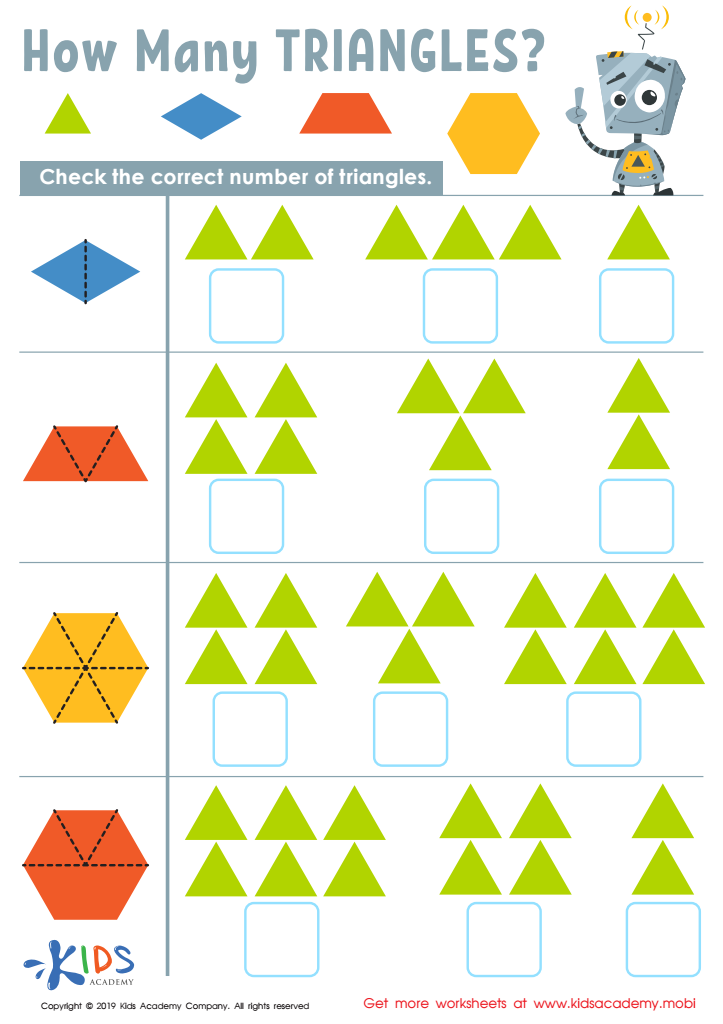
How Many Triangles Worksheet
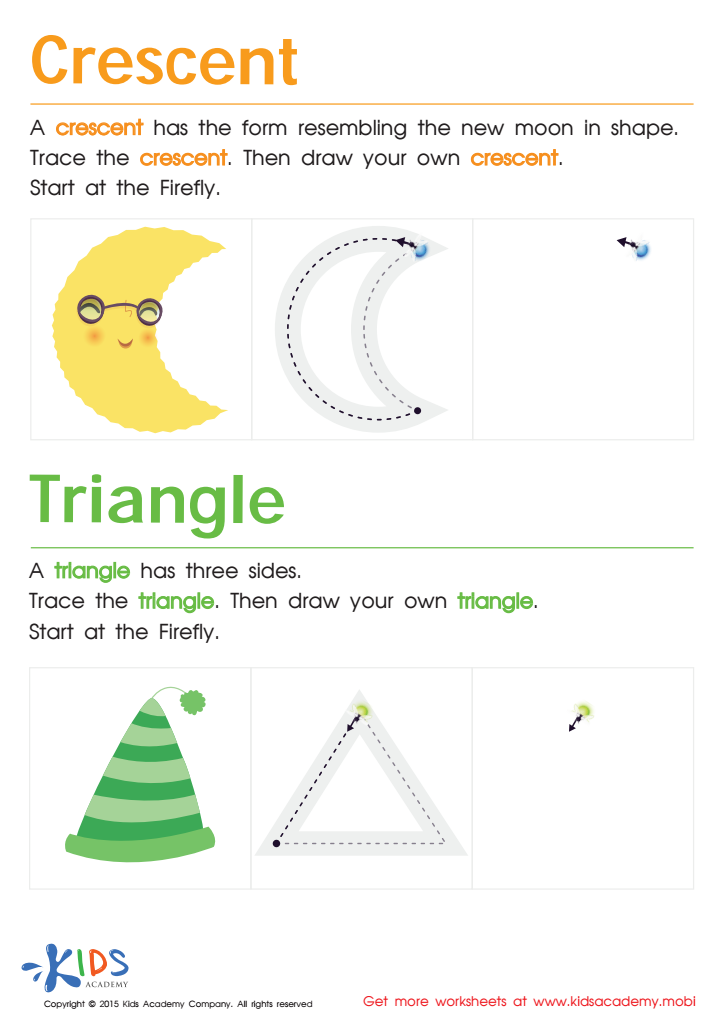
Learning to Draw Crescents And Triangles Worksheet
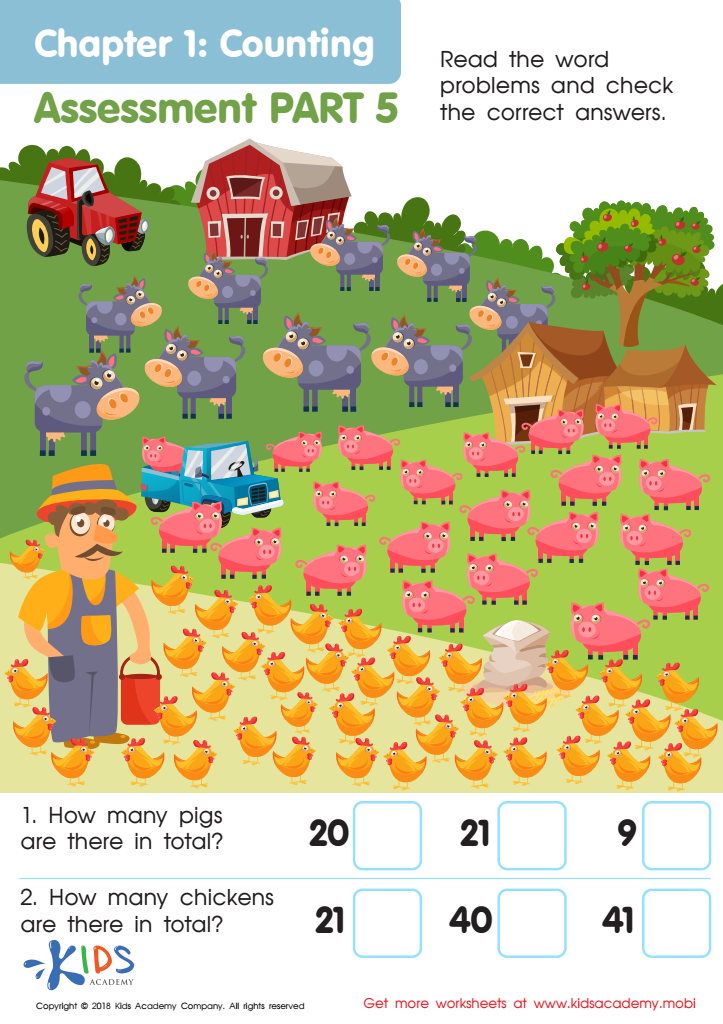
Counting: Assessment 5 Worksheet
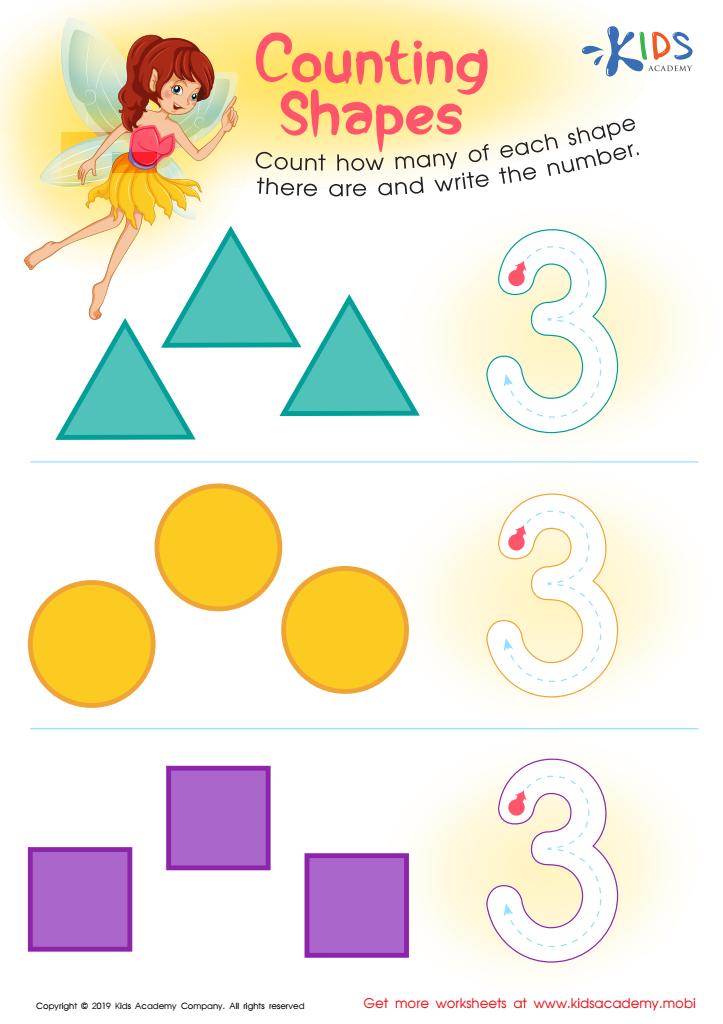
Counting Shapes Worksheet
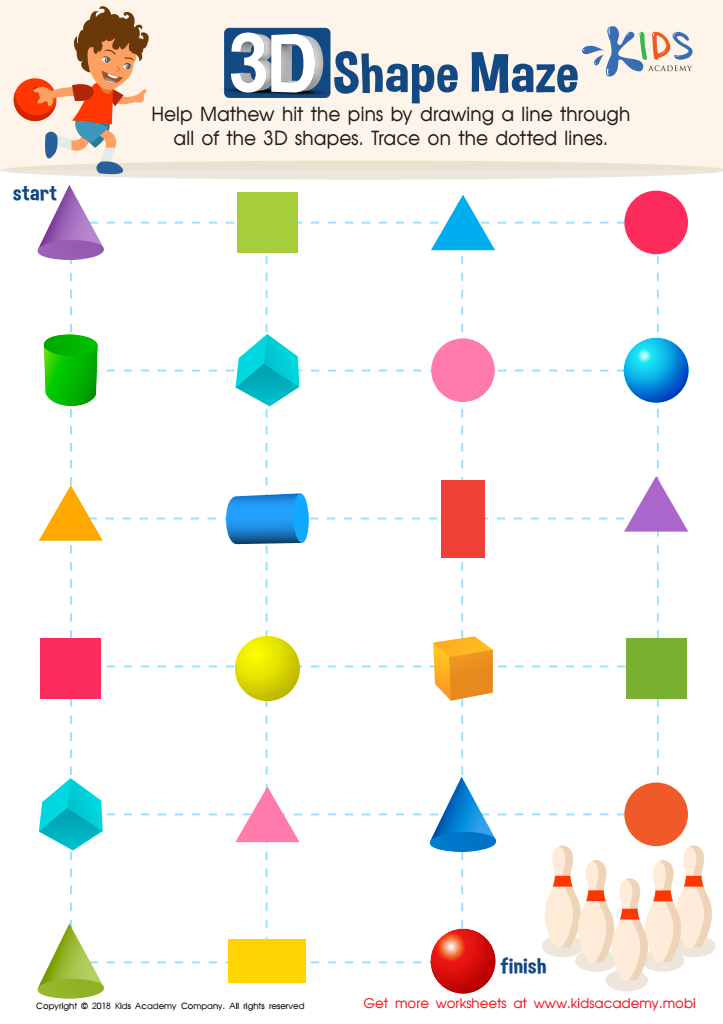
Shapes Maze Geometry Worksheet
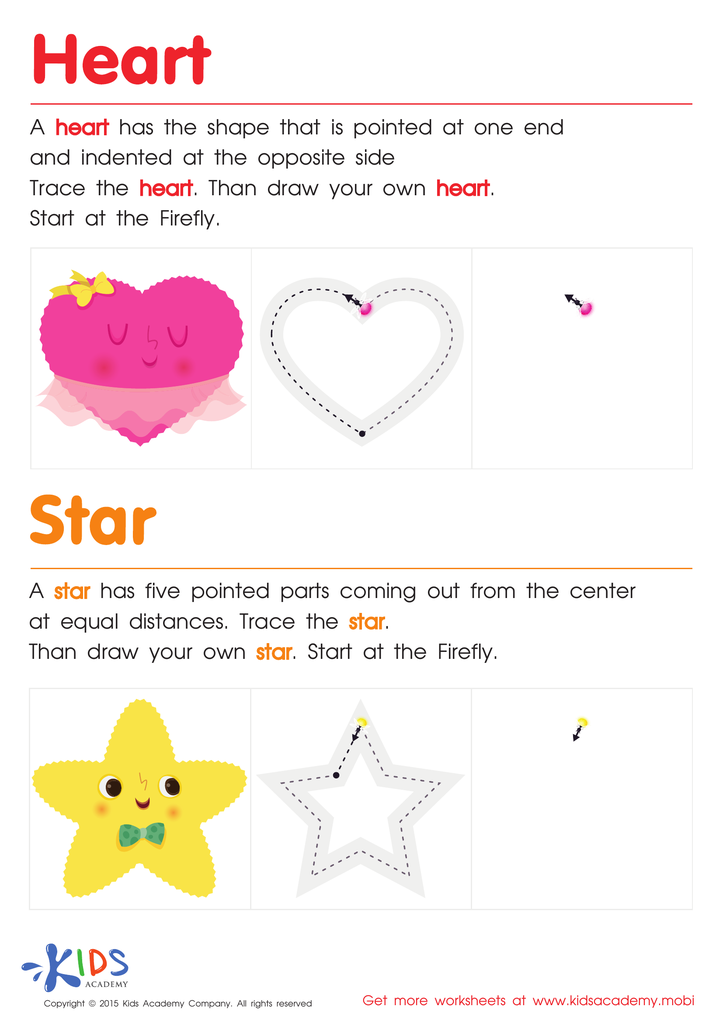
Let's Learn to Draw Hearts And Stars Printable
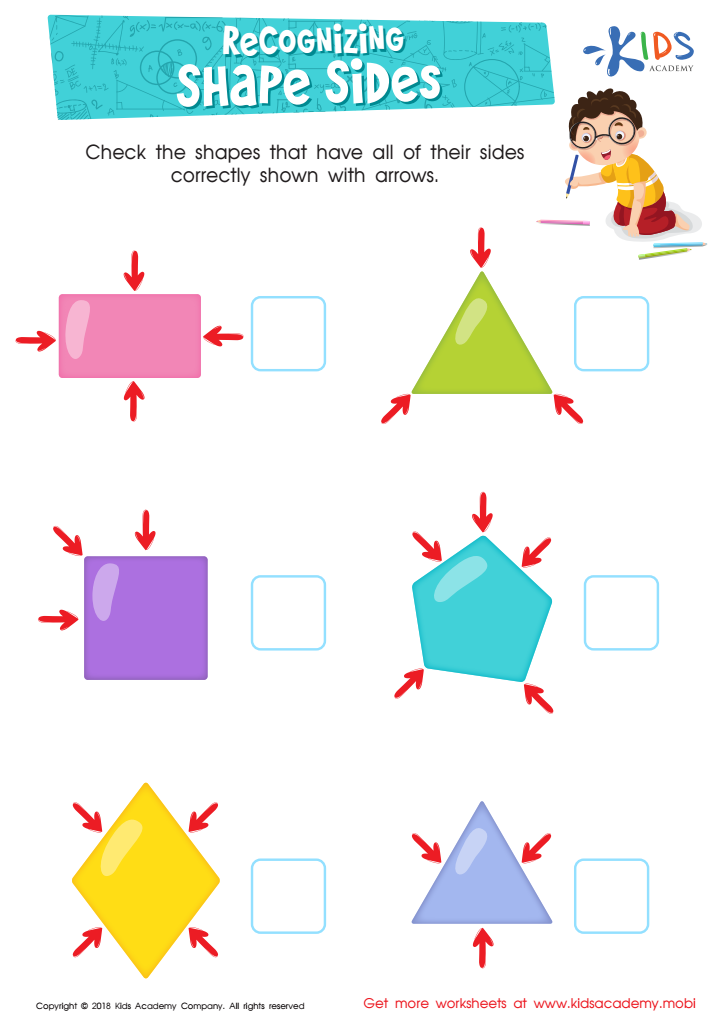
Recognizing Shape Sides Worksheet
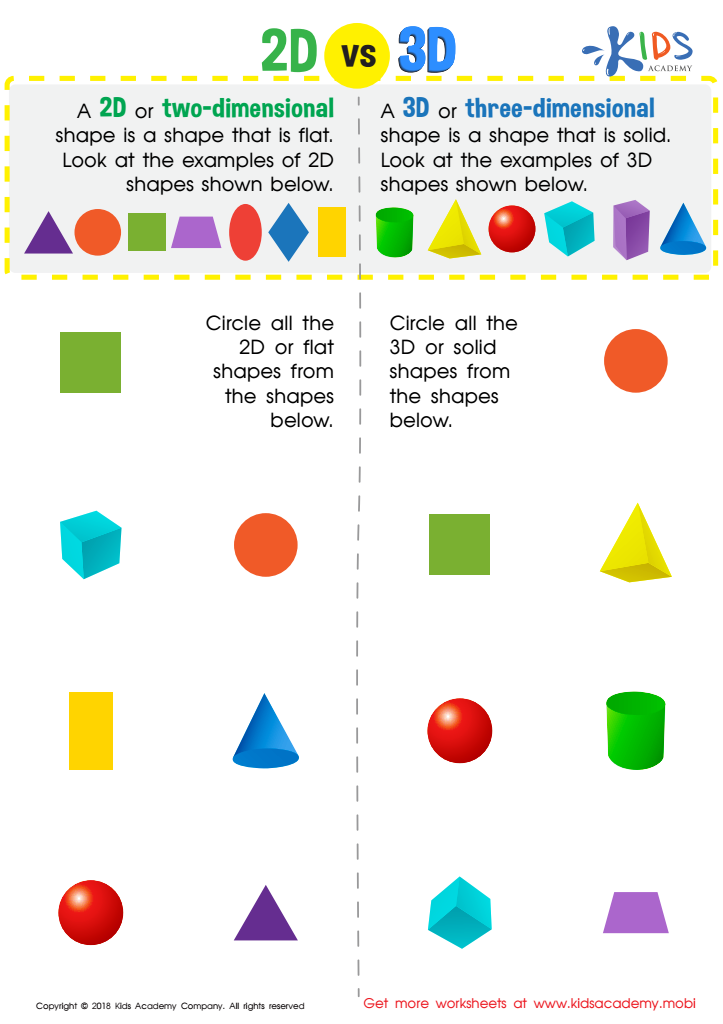
2D vs 3D Shapes Worksheet
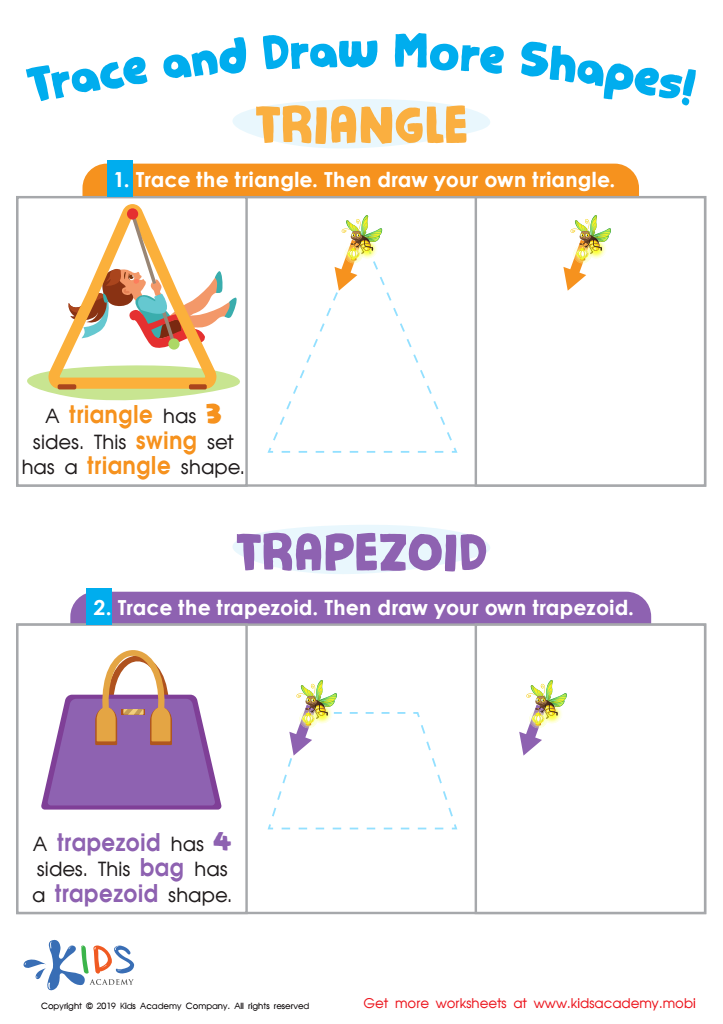
Trace and Draw More Shapes Worksheet
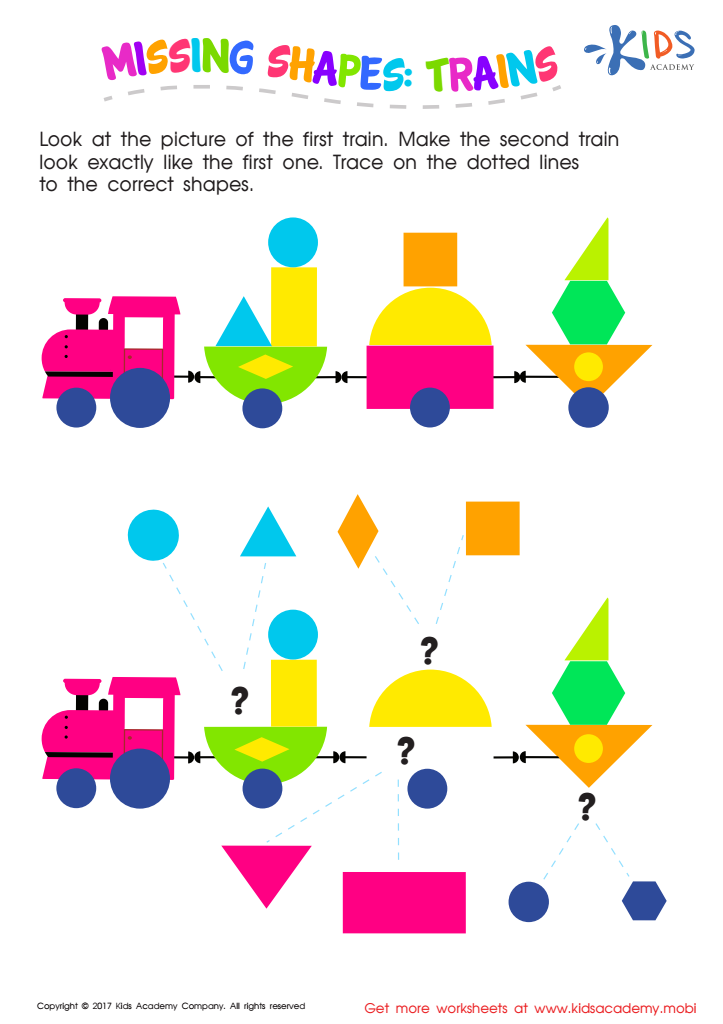
Missing Shapes: Trains Worksheet
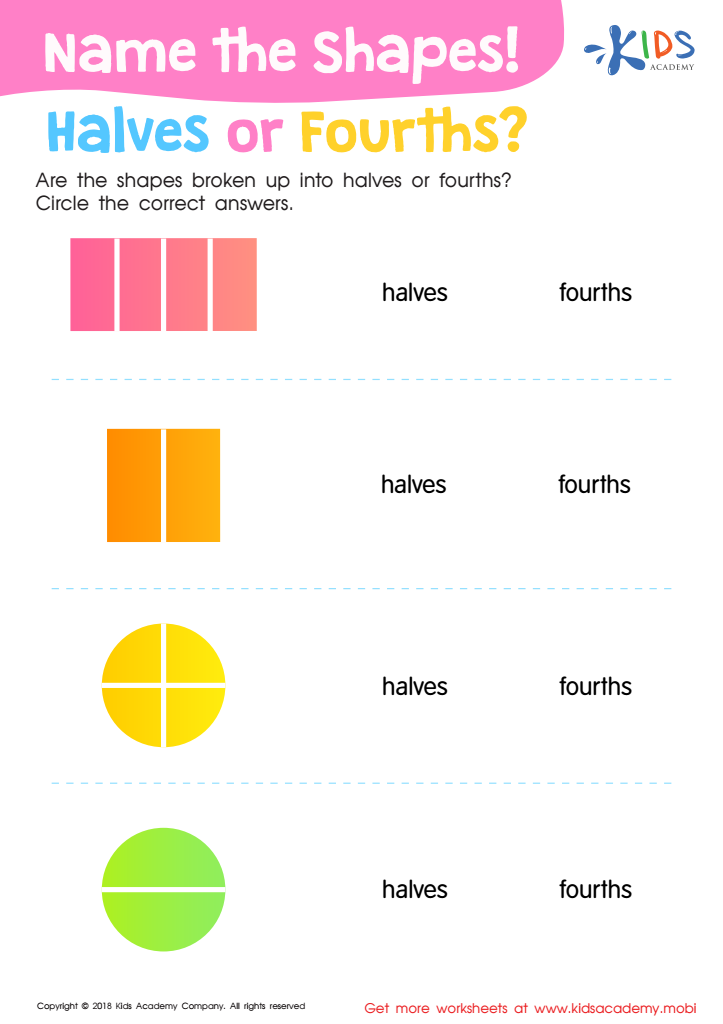
Name the Shapes Halves or Fourths? Worksheet
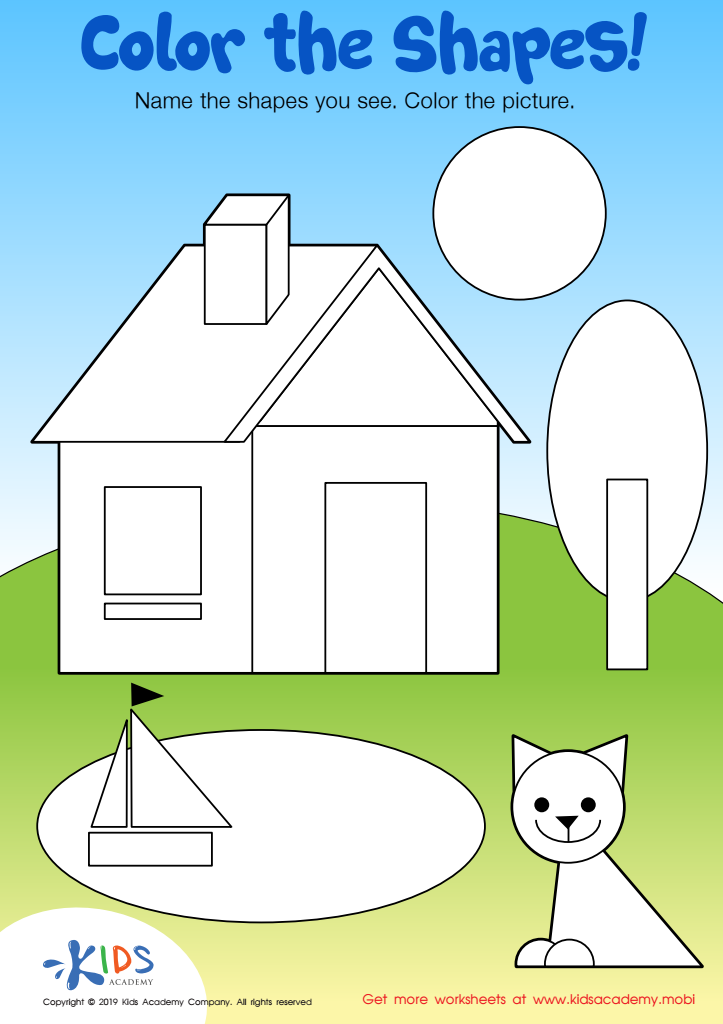
Color the Shapes Worksheet
 Assign to My Students
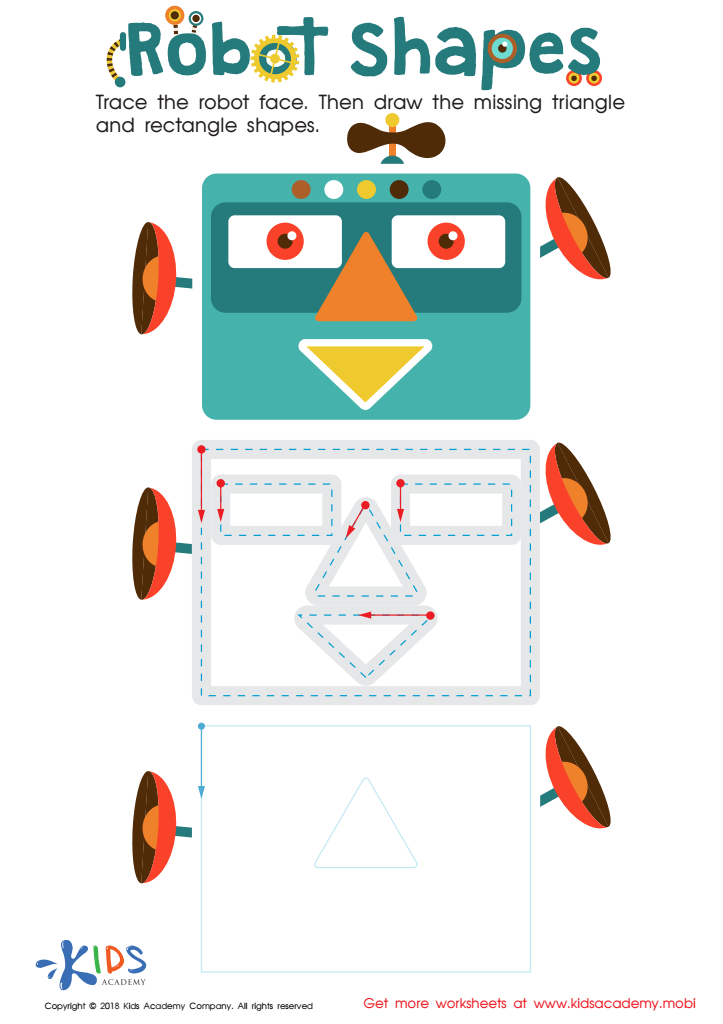
Robot Shapes Worksheet
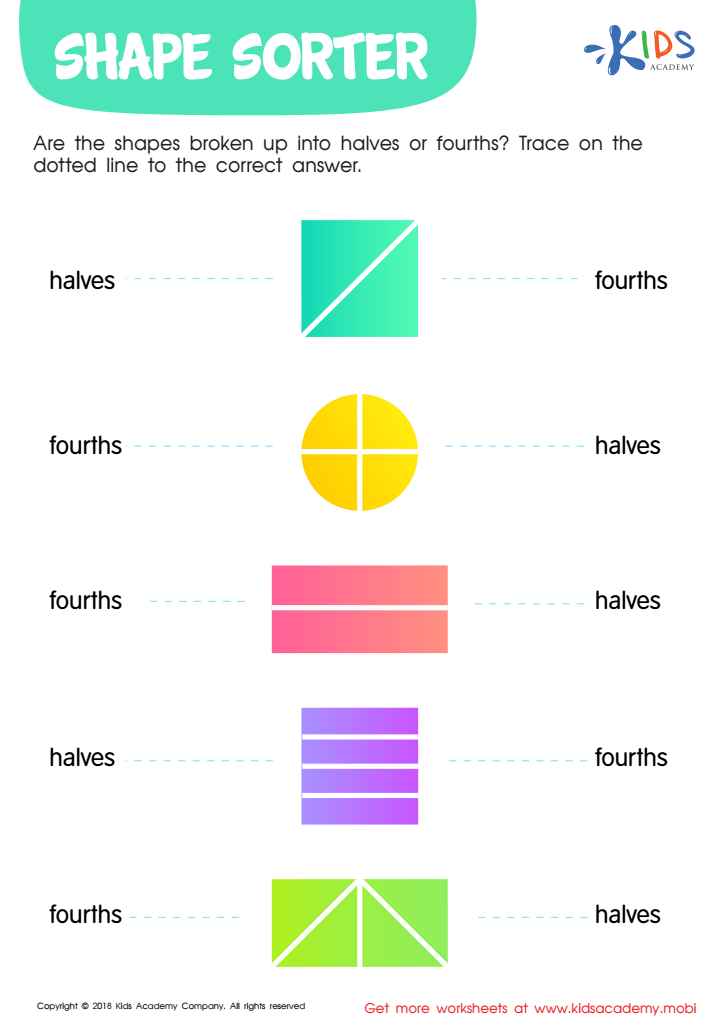
Shape Sorter Worksheet
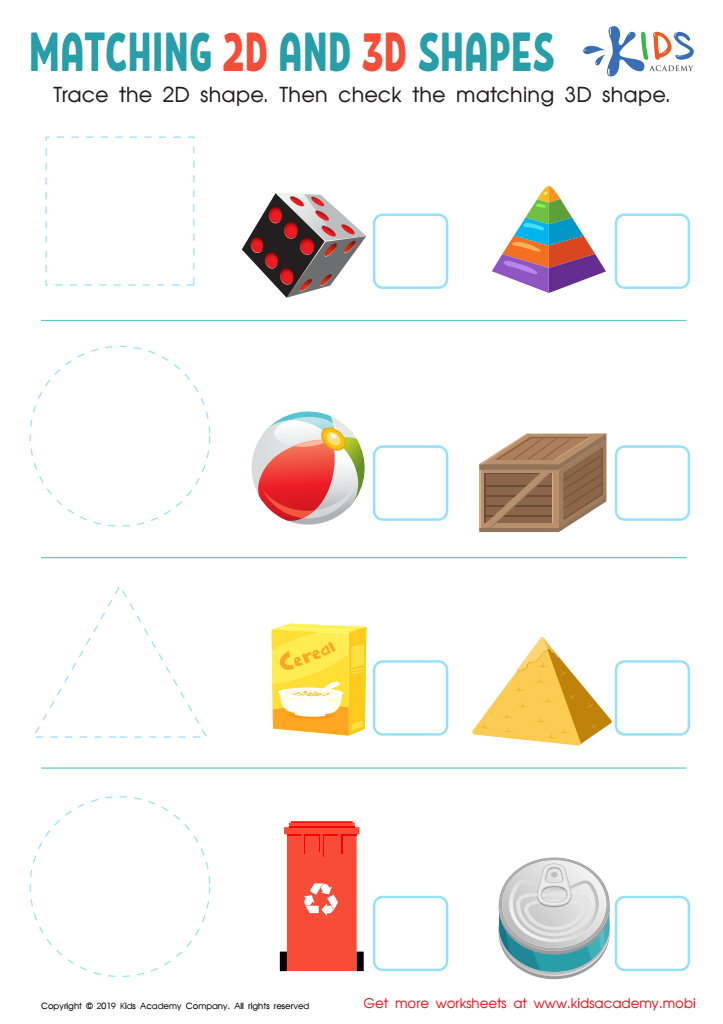
Matching 2D and 3D Shapes Worksheet
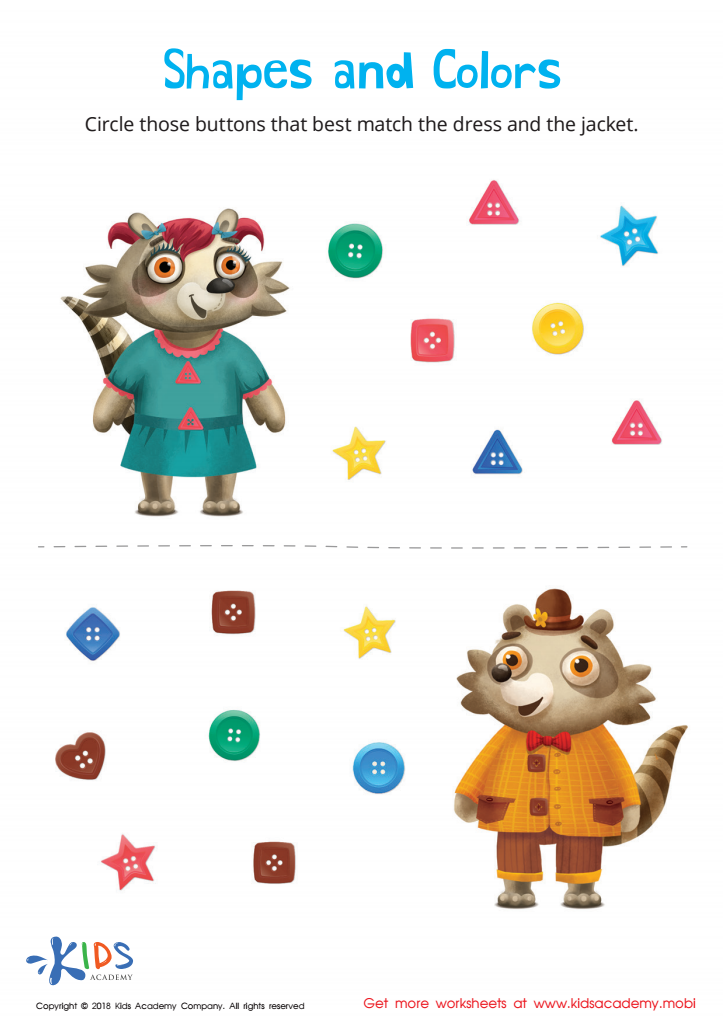
Shapes and Colors Worksheet
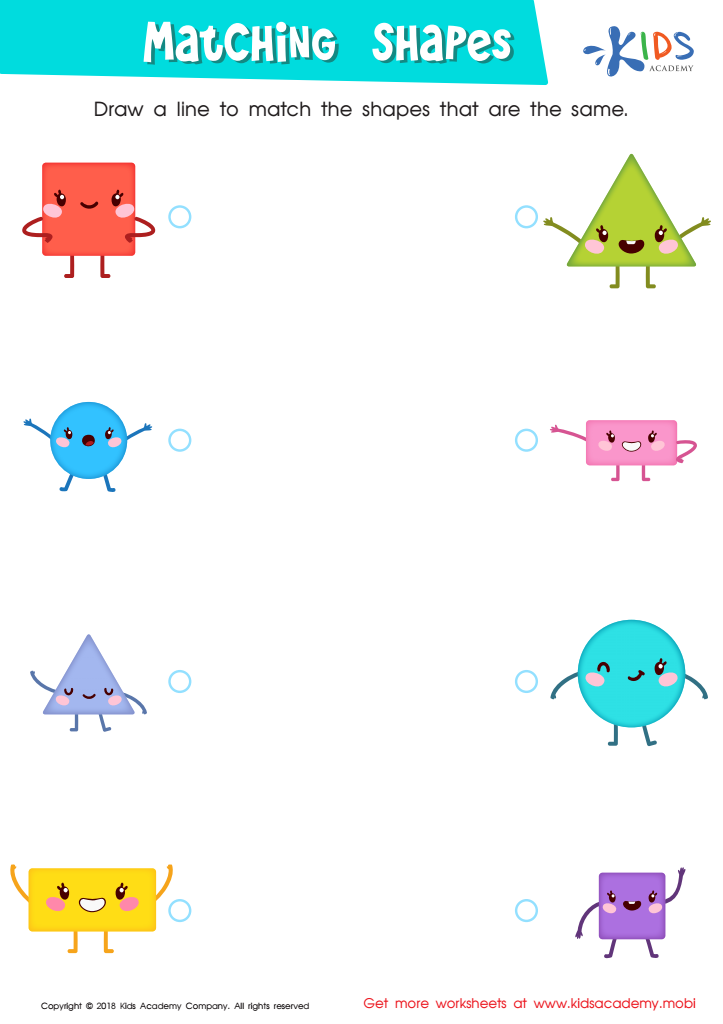
Matching Shapes Worksheet
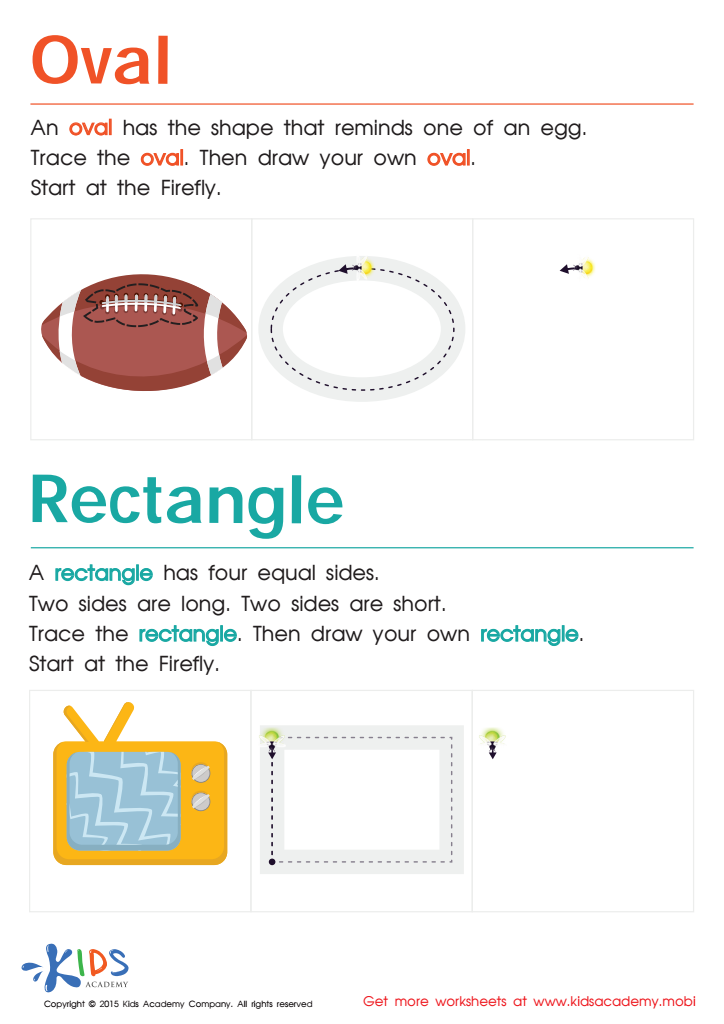
Easy Drawing of Ovals And Rectangles Worksheet
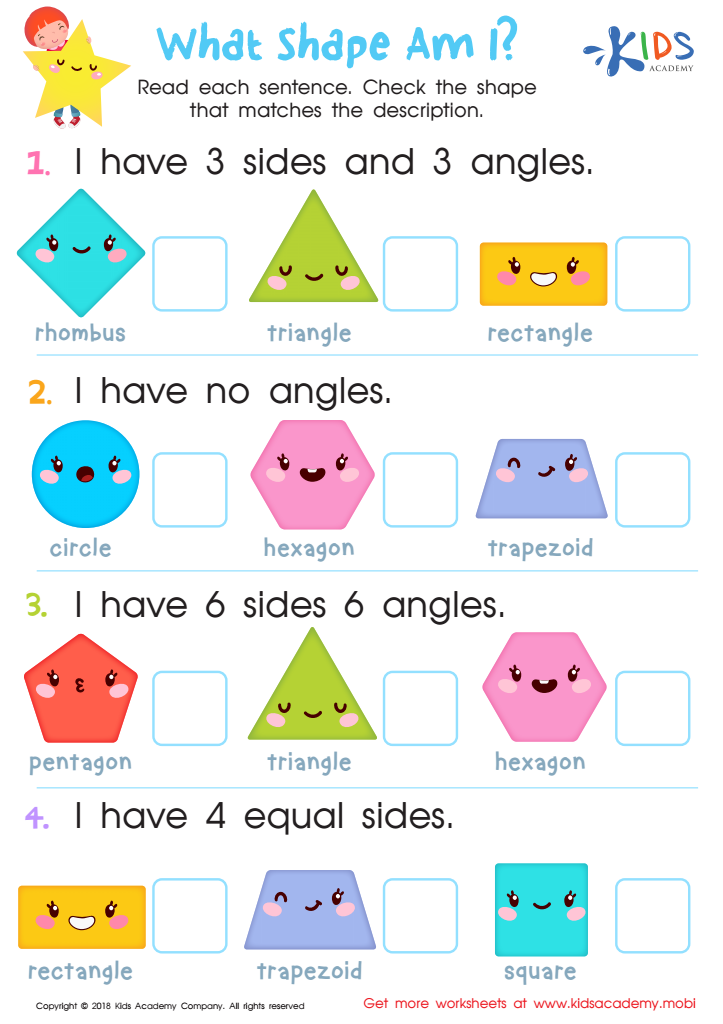
What Shape Am I? Worksheet





Shape recognition is a crucial building block in early math education, especially for children ages 5-6. During this developmental stage, children are naturally curious and eager to understand the world around them. Recognizing shapes helps them make sense of their environment as shapes are fundamental to our daily lives—found in everything from architecture to nature.
By focusing on shape recognition, parents and teachers enable children to develop spatial awareness, which is essential for more advanced mathematical concepts later on. Shapes form the basis for understanding more complex ideas like geometry, measurement, and problem-solving. Engaging in shape-related activities promotes critical thinking and enhances cognitive skills.
Moreover, shape recognition encourages the development of fine motor skills as children draw, trace, or build shapes using hands-on materials. This kinesthetic learning supports their overall development by integrating physical movement with intellectual growth.
In addition to academic advantages, understanding shapes fosters creativity and self-expression. As children learn to identify and manipulate shapes, they can begin to express their ideas artistically, reinforcing their learning. Therefore, parents and teachers should prioritize shape recognition as it lays a solid foundation for future academic success while nurturing a child's creativity and problem-solving abilities.








