Number identification Worksheets for Ages 5-7
23 filtered results
-
From - To
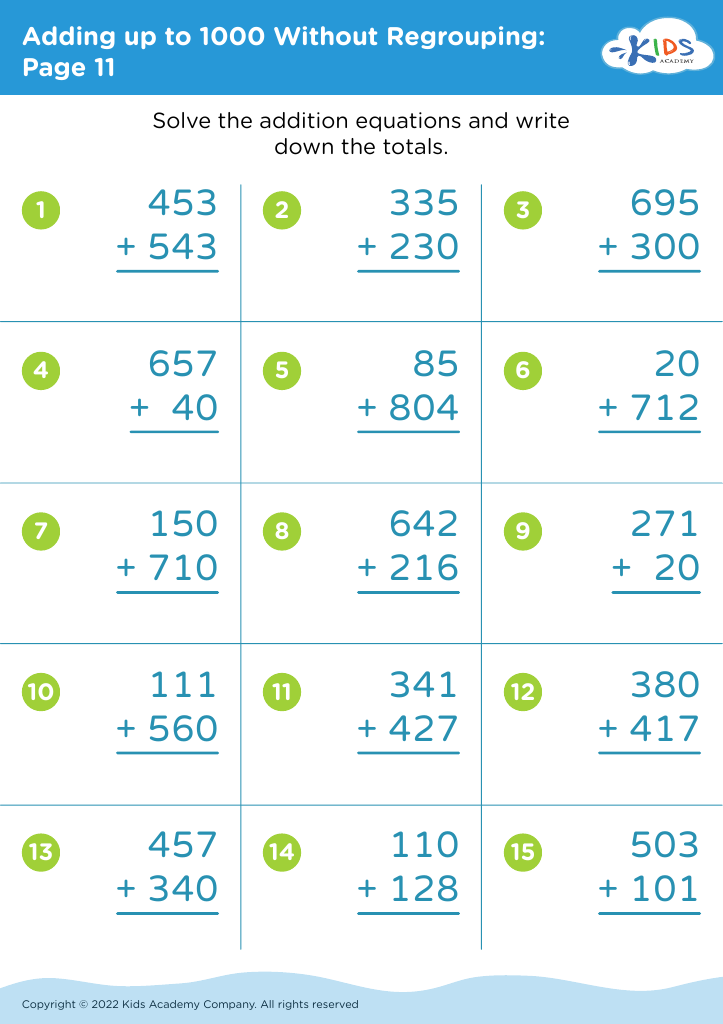
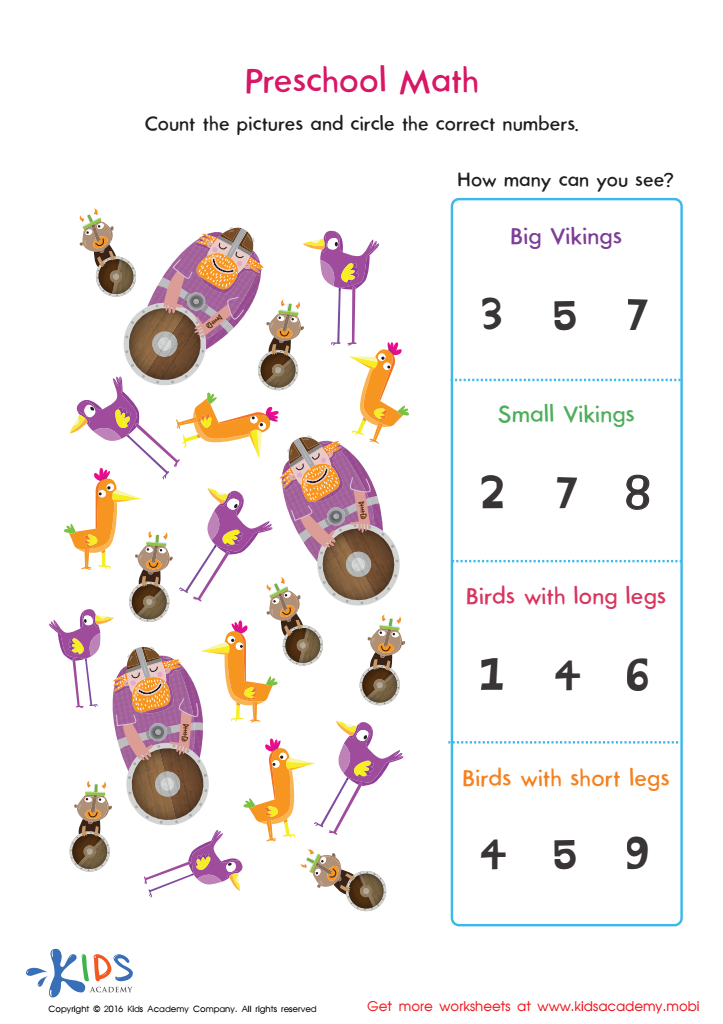
Discover our engaging Number Identification Worksheets for ages 5-7, designed to help young learners master essential math skills! These fun, interactive worksheets feature vibrant illustrations and age-appropriate exercises that support number recognition, counting, and basic arithmetic. Tailored to foster a love for learning, our activities encourage children to identify, compare, and work with numbers in a playful way. These resources are perfect for parents and teachers looking to enhance early math education at home or in the classroom. Download our worksheets today and give your child a solid foundation in number identification while enjoying the learning process!
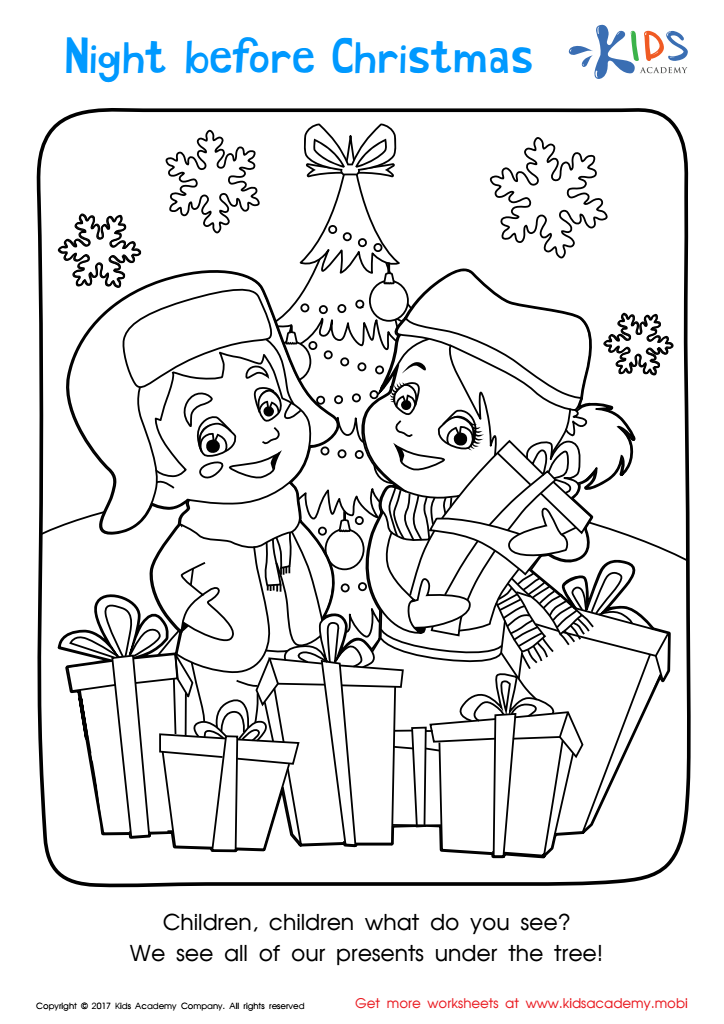
Christmas: Night Before Christmas Printable
 Assign to My Students
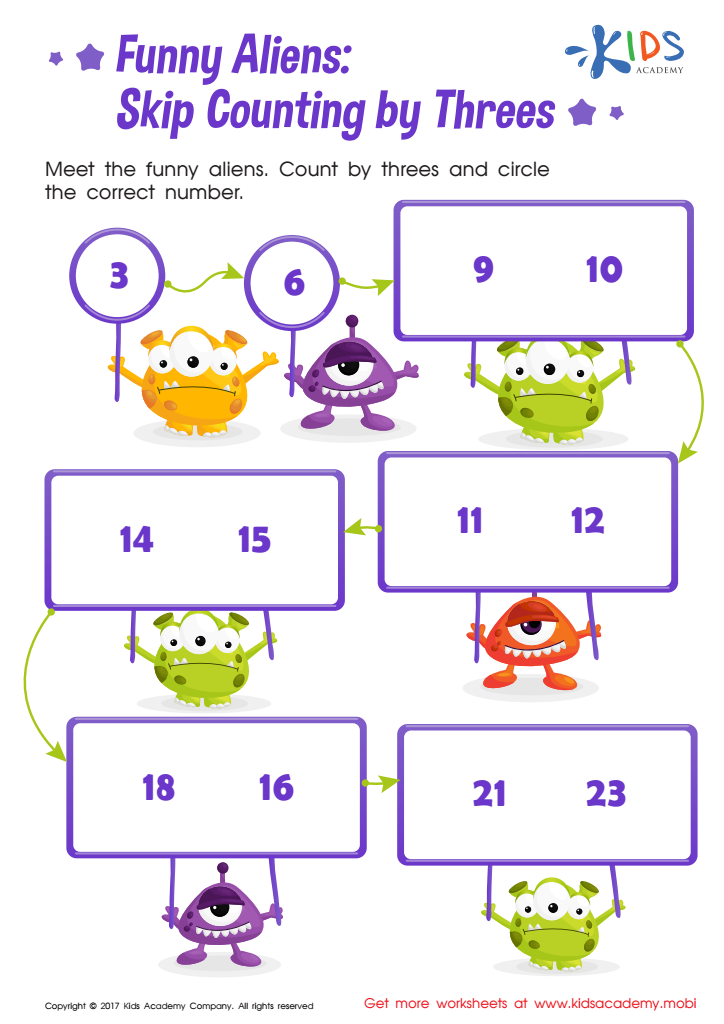
Skip Counting by 3s: Funny Aliens Printable
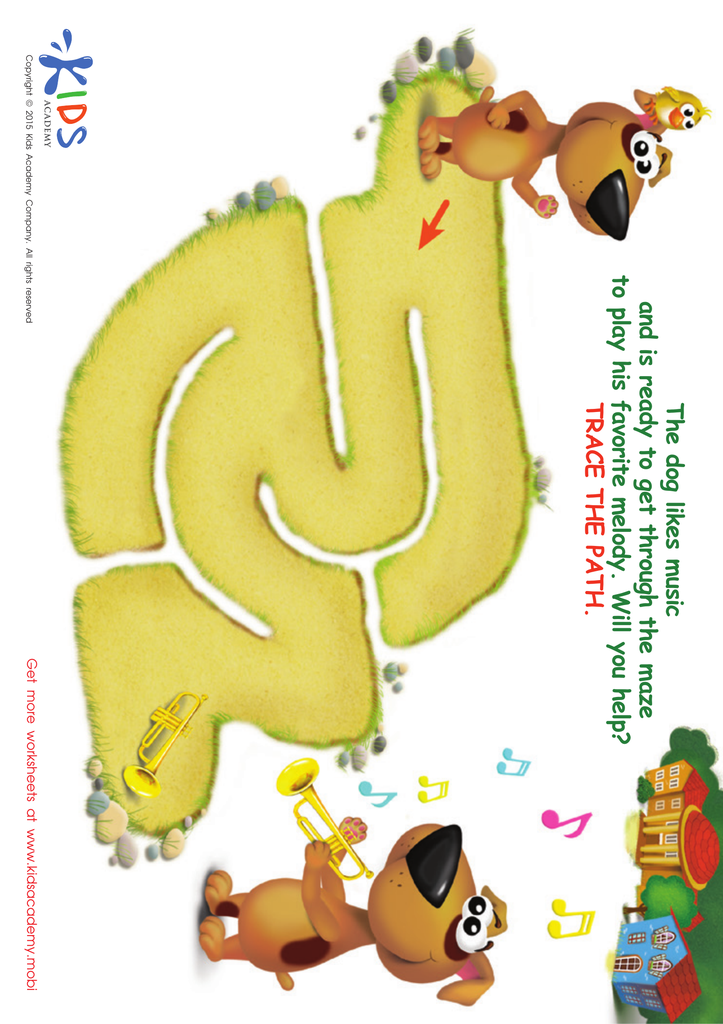
Trumpeter Maze Worksheet
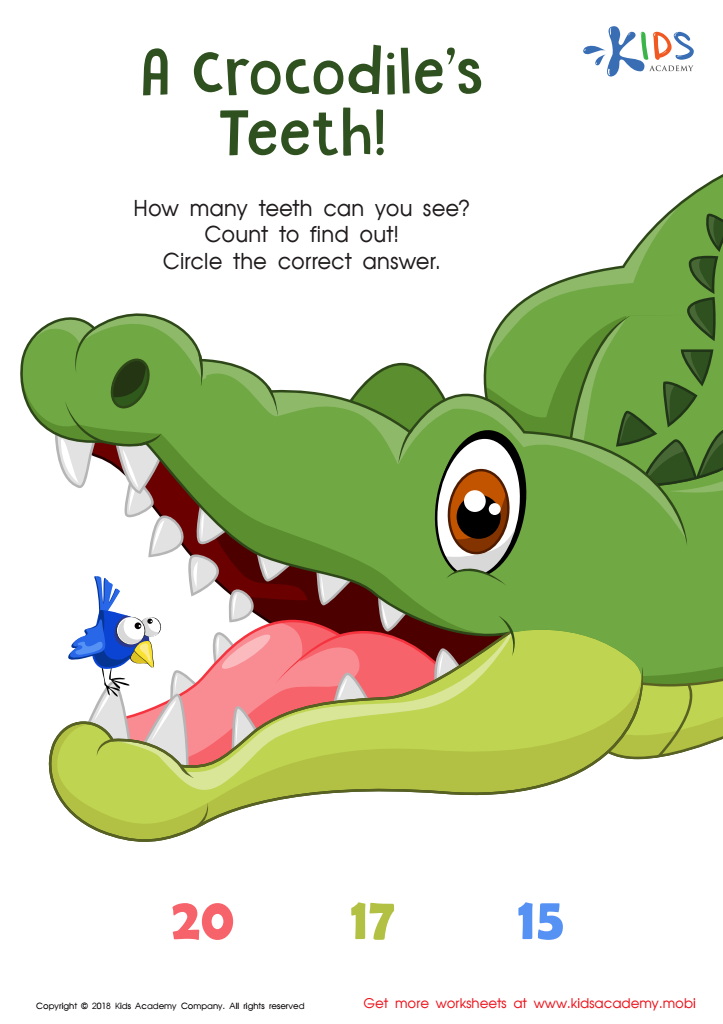
A Crocodile's Teeth Worksheet
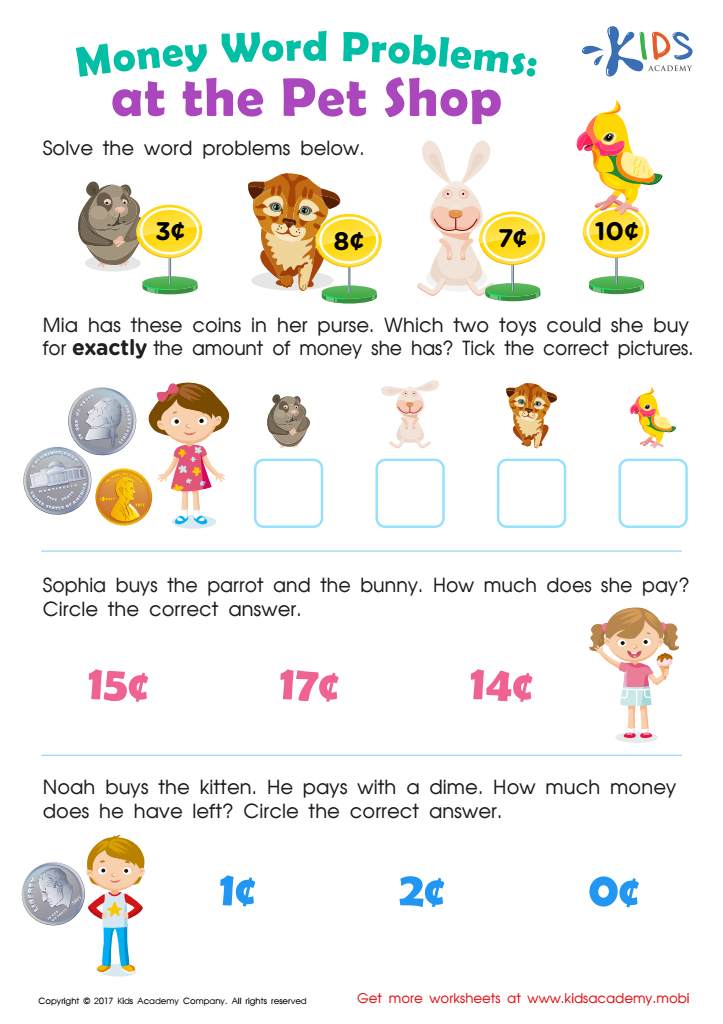
Pet Shop Worksheet

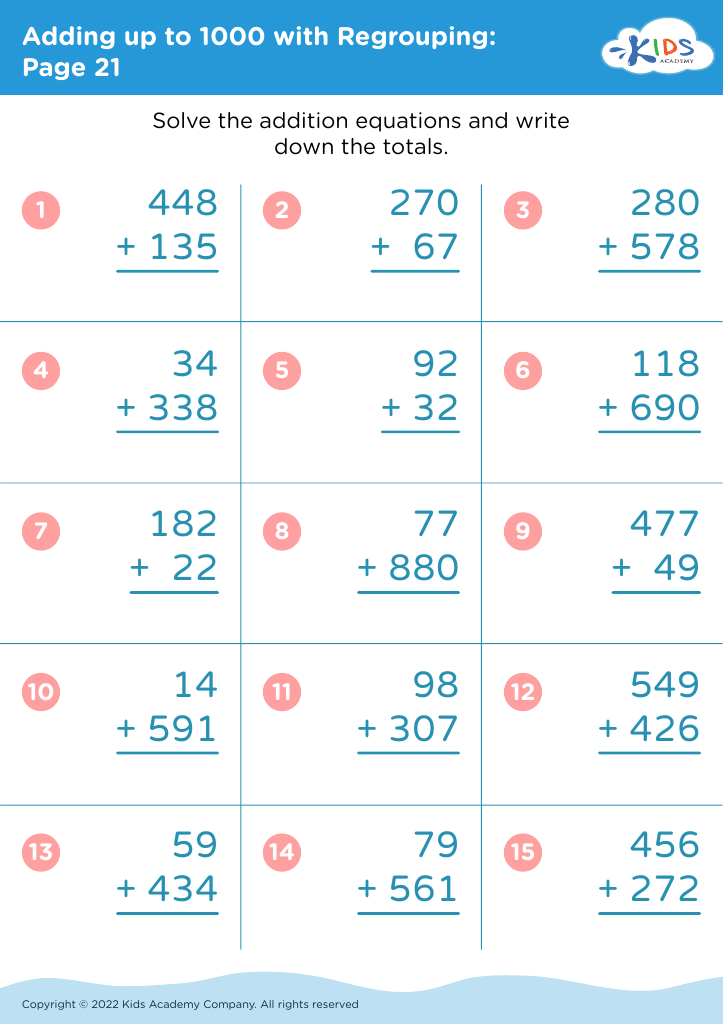
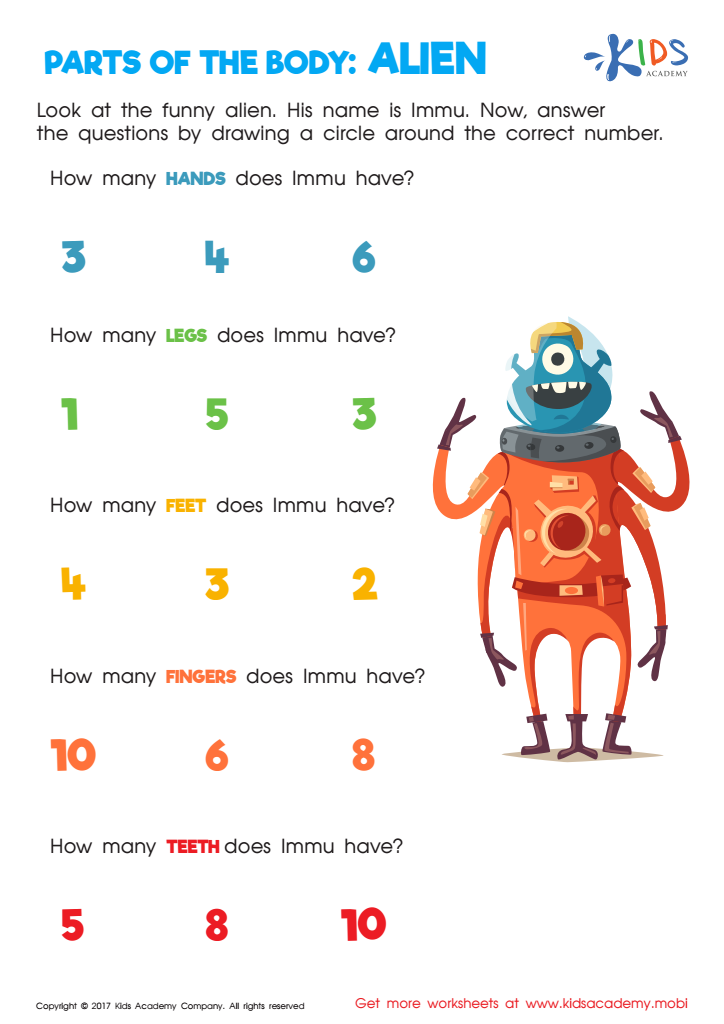
Alien Worksheet
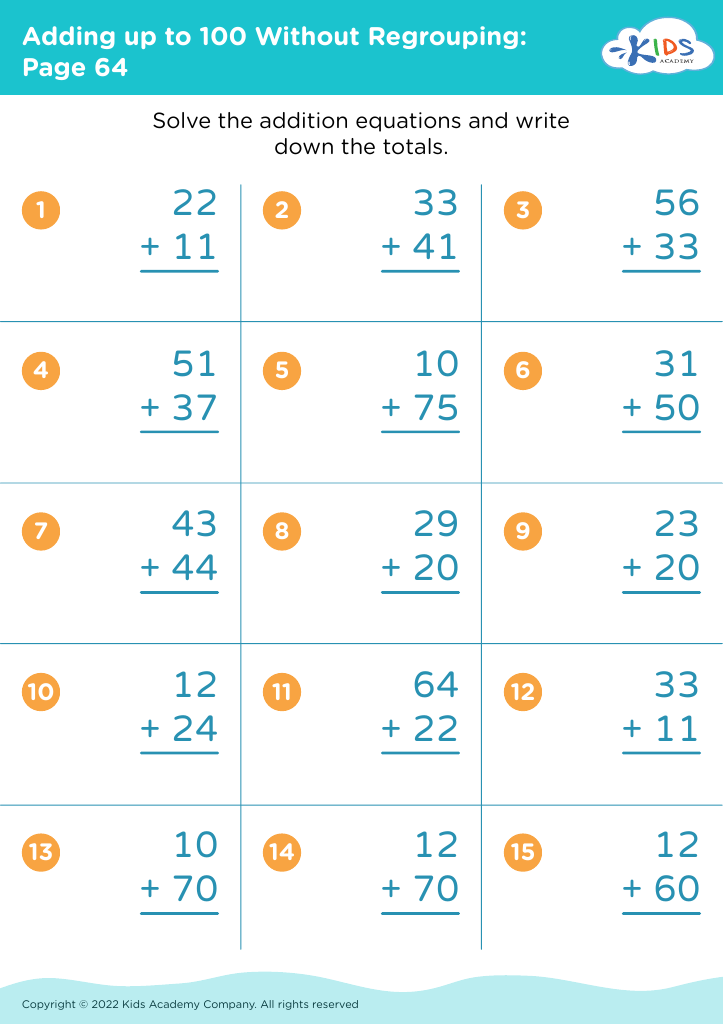
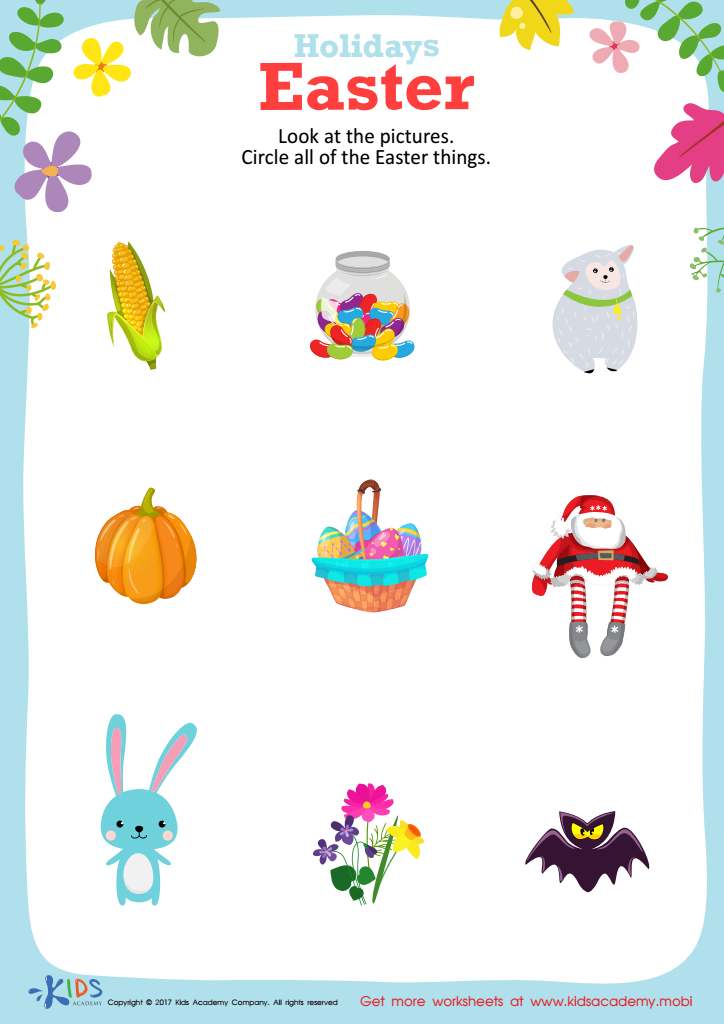
Easter Holiday Printable
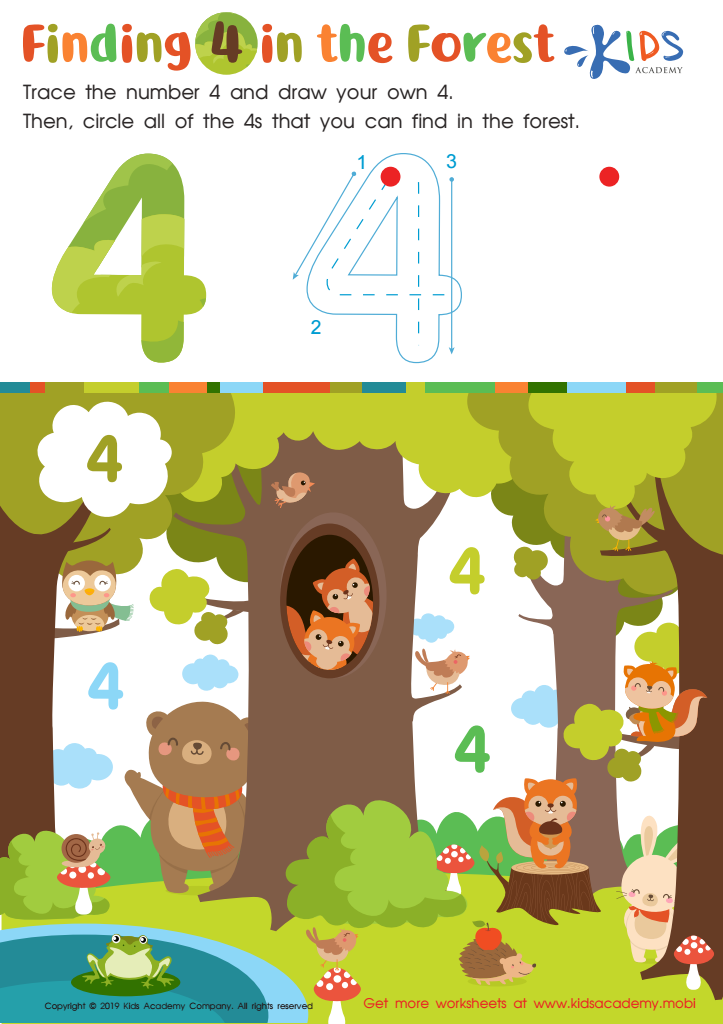
Finding 4 in the Forest Worksheet
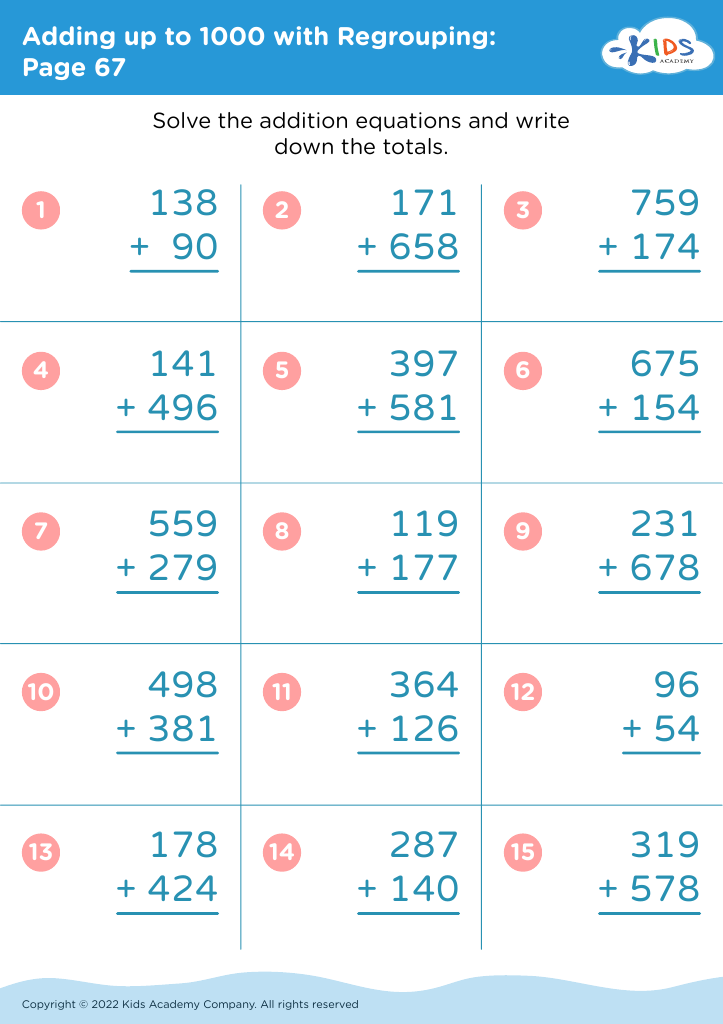
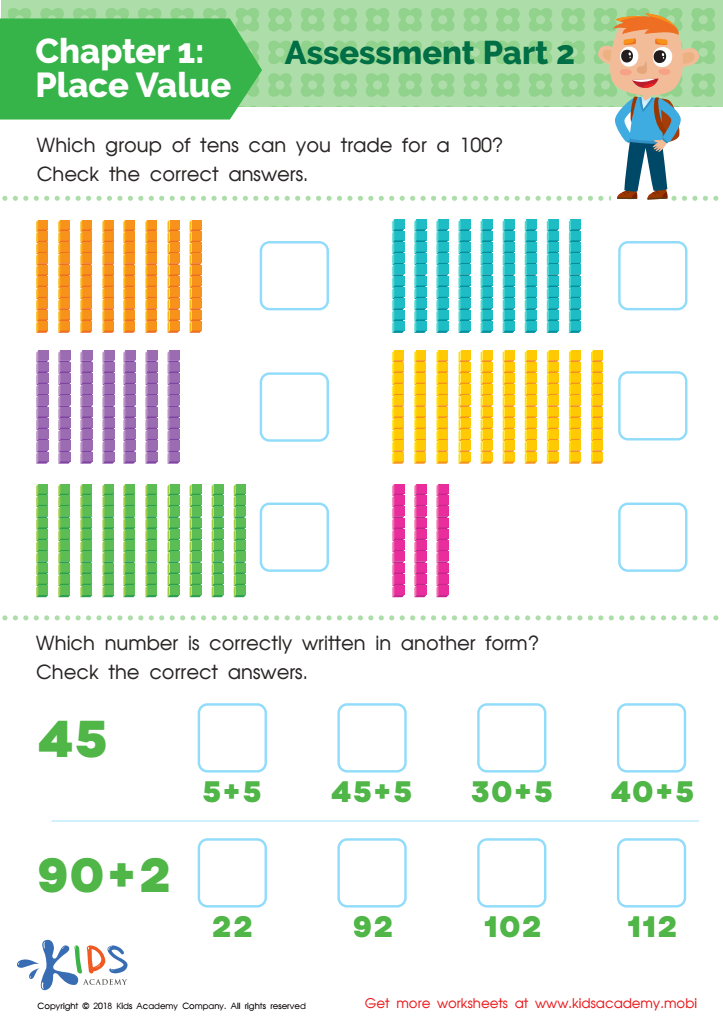
Place Value: Chapter 2 Worksheet
Easter: Easter Eggs Worksheet
Assign to My Students
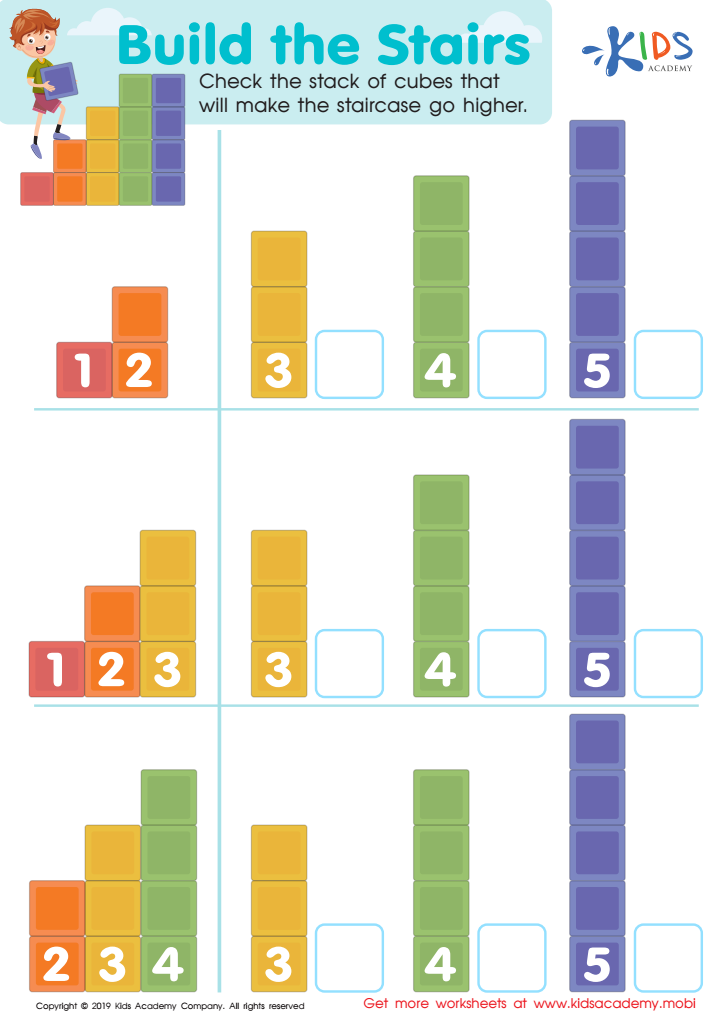
Build the Stairs Worksheet
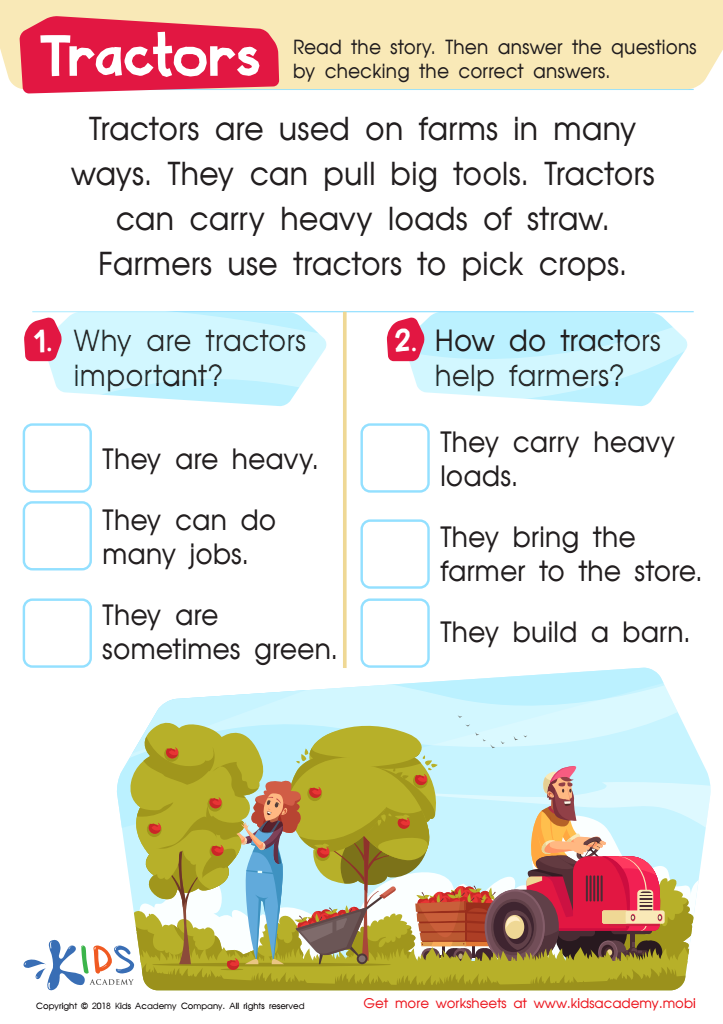
Tractors Worksheet
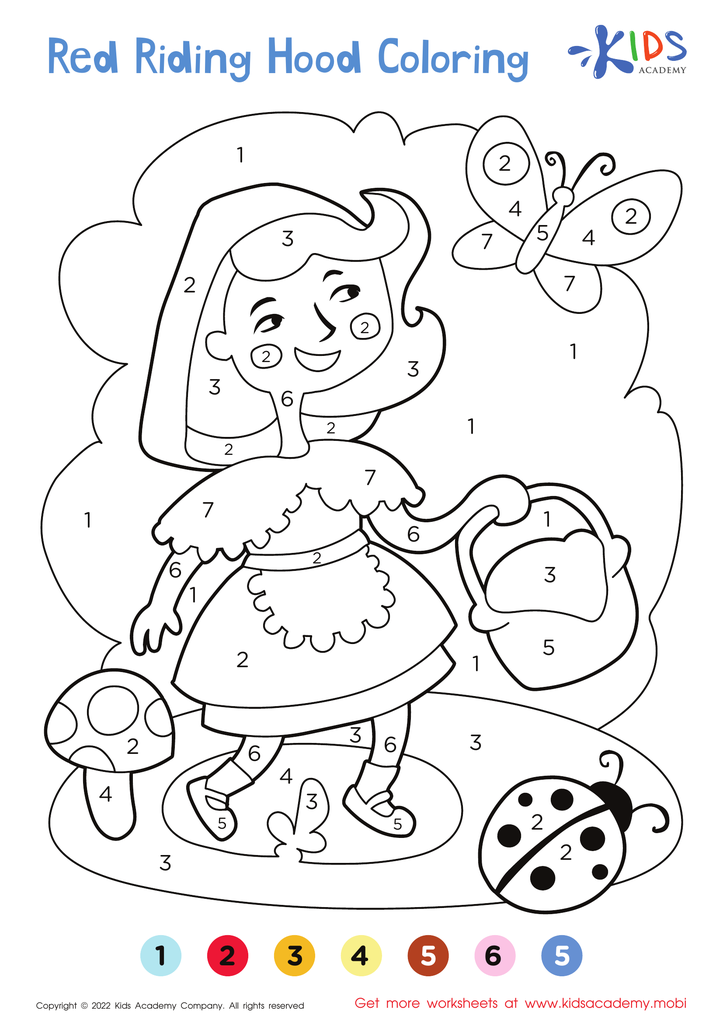
Little Red Riding Hood – Coloring by Numbers







Number identification is a foundational skill for young learners aged 5-7, and both parents and teachers should prioritize it for several compelling reasons. Firstly, recognizing numbers is essential for developing numeracy skills, which are crucial for everyday life. Children who can identify numbers quickly gain confidence in their abilities, easing the way for future mathematical concepts such as addition, subtraction, and even more complex operations.
Moreover, mastering number identification enhances a child's cognitive flexibility and problem-solving skills. These abilities are transferrable across various subjects, ensuring well-rounded academic development. As children associate numbers with their quantities, they begin to understand numerical relationships, which is imperative for logical thinking.
Additionally, number identification plays a vital role in fostering a sense of achievement in young learners. When children correctly identify numbers, they are more likely to participate enthusiastically in math-related activities, laying the groundwork for a positive attitude toward math. Finally, parental and teacher involvement in this process not only strengthens the bond with the child but also creates a supportive learning environment that encourages exploration and curiosity. Thus, prioritizing number identification during these formative years contributes significantly to children's lifelong learning and social-emotional development.








