Number Recognition Worksheets for Ages 5-7
826 filtered results
-
From - To
Our "Number Recognition Worksheets for Ages 5-7" are designed to make learning fun and engaging. Tailored to foster arithmetic and problem-solving skills, these printable activities help young learners spot, identify, and understand numbers. From tracing numbers to identifying number patterns, each worksheet supports the development of essential mathematical foundations. Bright and colorful graphics keep children motivated while stimulating their cognitive and fine motor skills. Perfect for both classroom and home use, our worksheets cater to a variety of learning needs, ensuring personalized and effective education. Unlock your child's potential with interactive and enjoyable number recognition exercises.

Christmas Tree Tracing Winter Words Worksheet
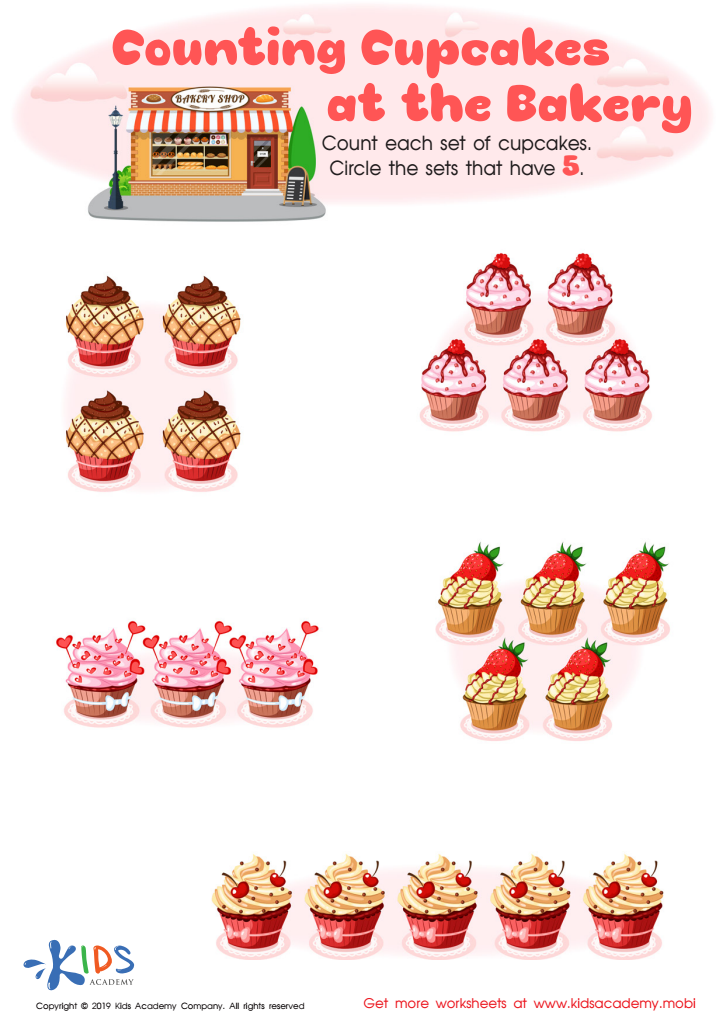
Counting Cupcakes Worksheet
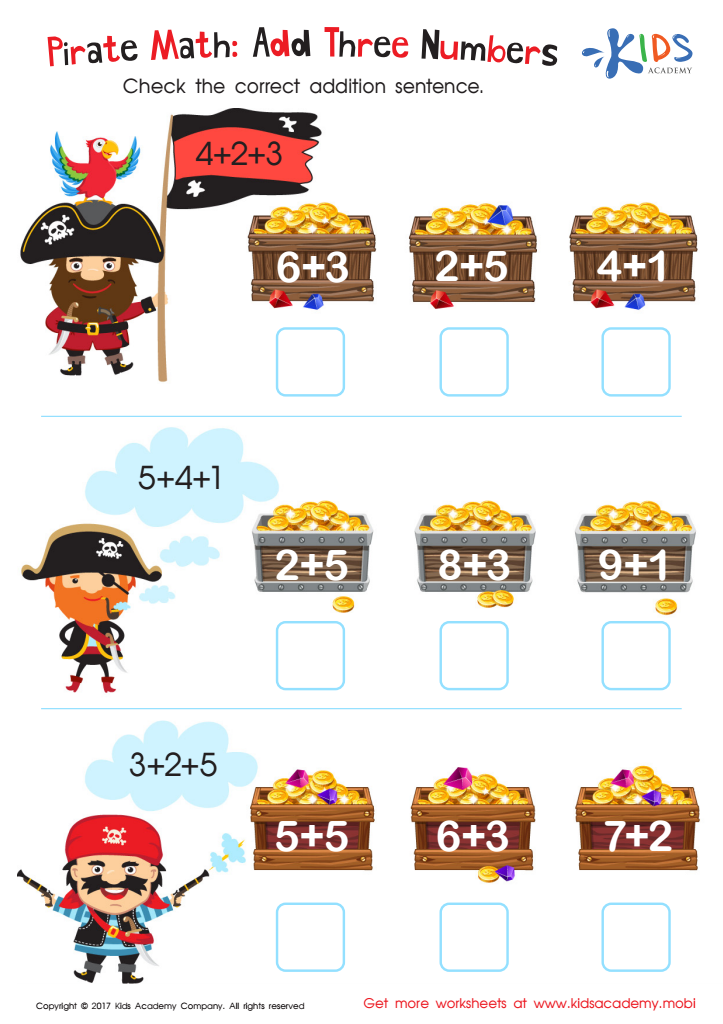
Pirate Math Printable
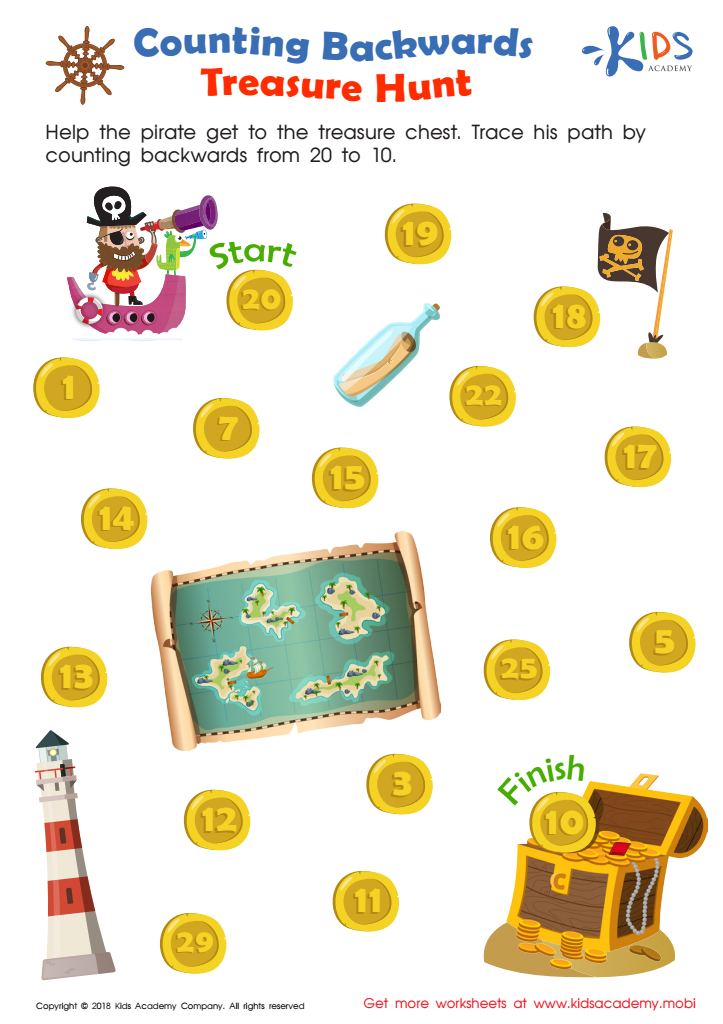
Counting Backwards: Treasure Hunt Worksheet
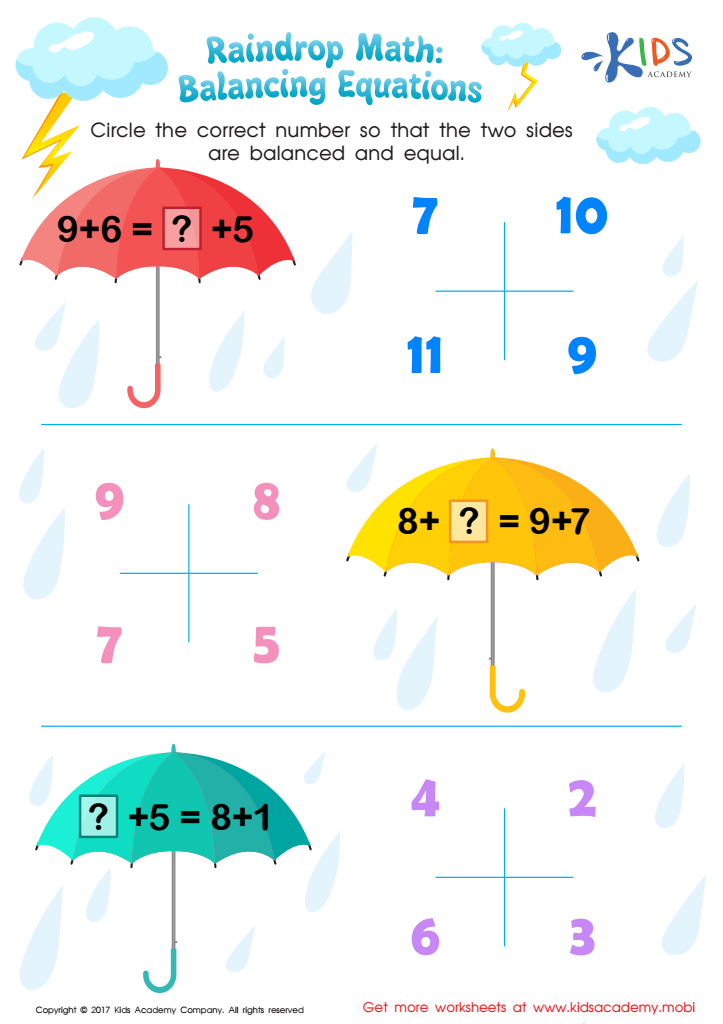
Raindrop Math Printable
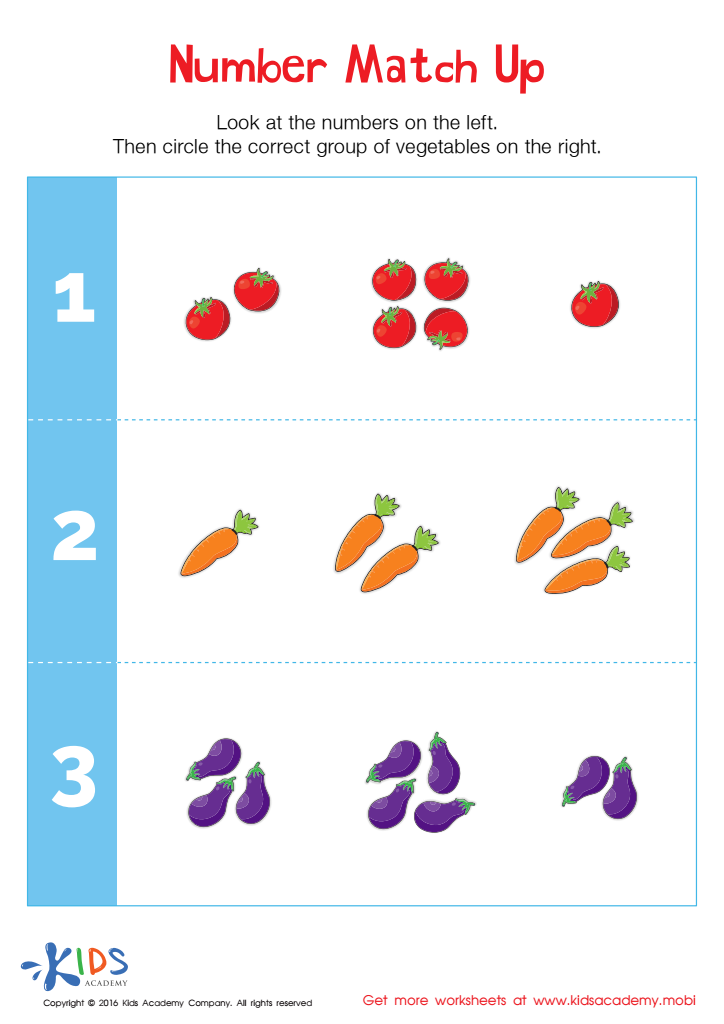
Number Match Up Worksheet
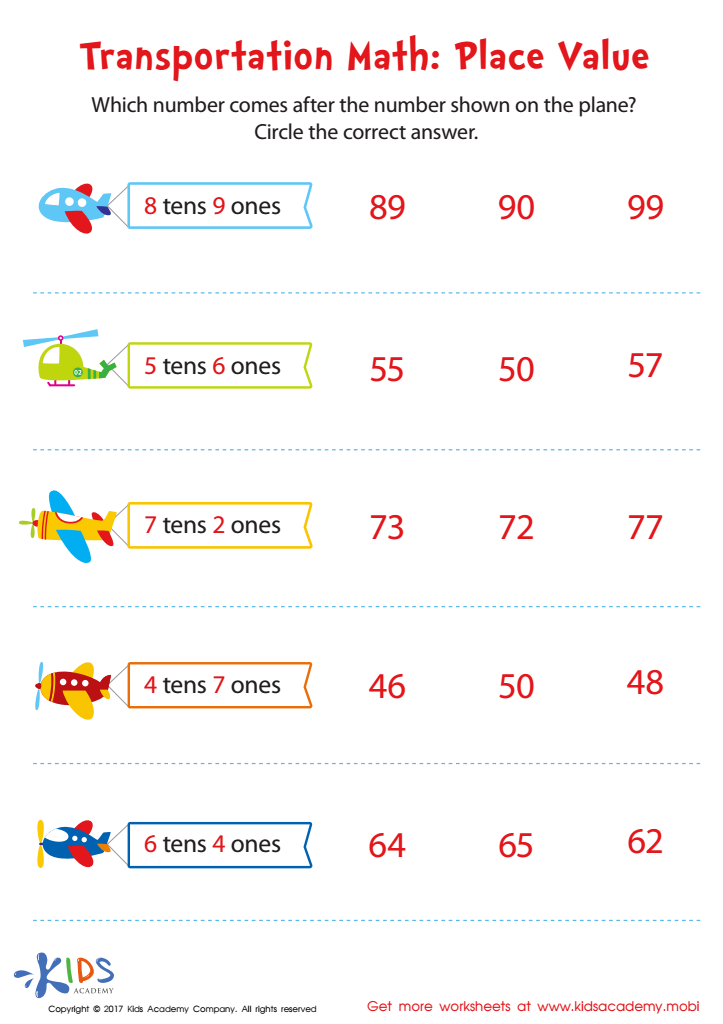
Transportation Math Printable

Number 10 Printable
 Assign to My Students
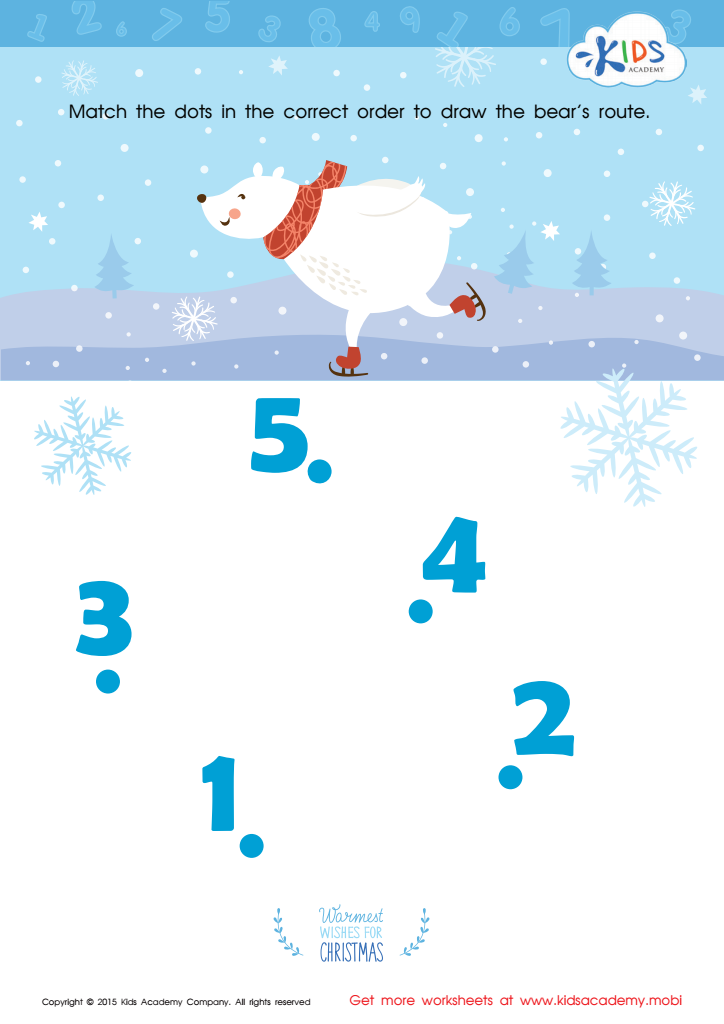
Drawing the Bear's Route by Number Worksheet
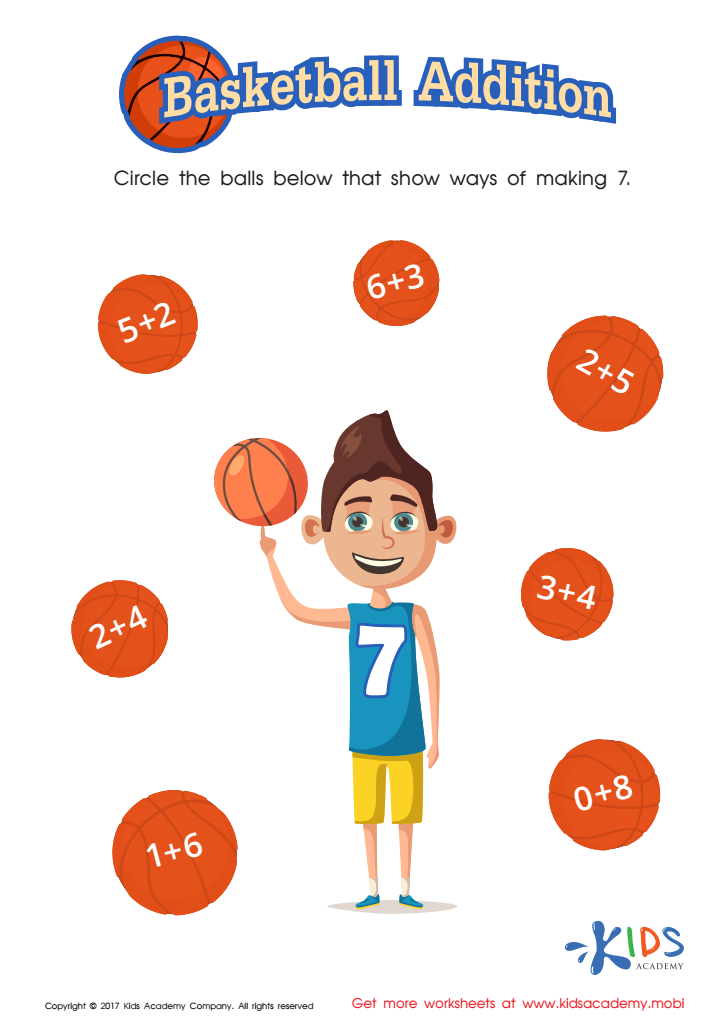
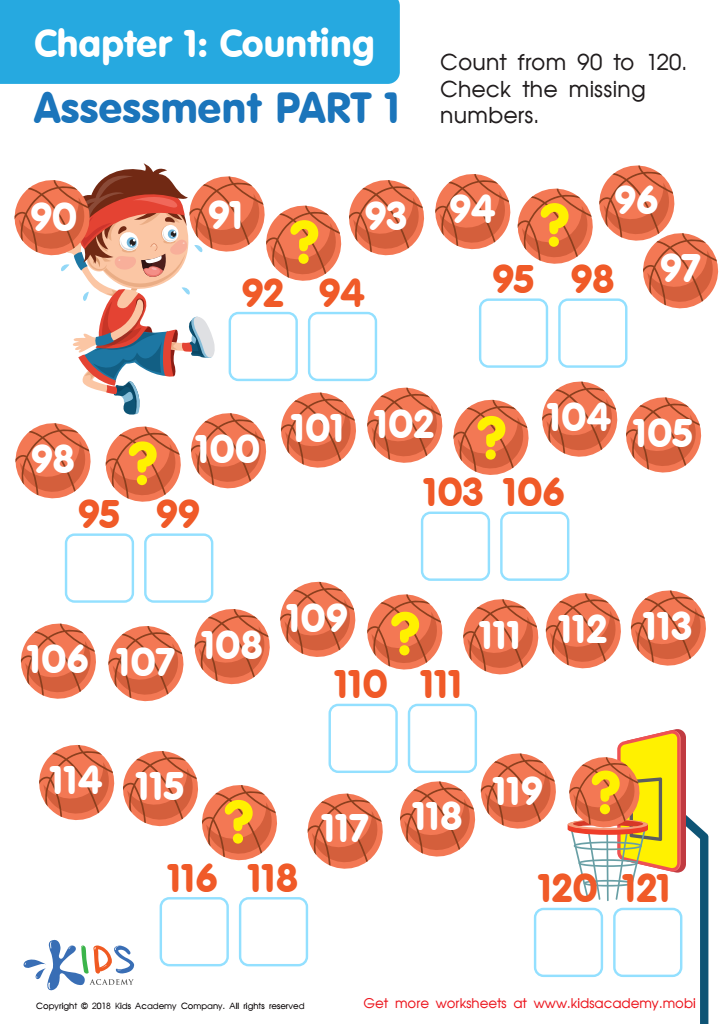
Counting Past 1: Assessment 1 Worksheet
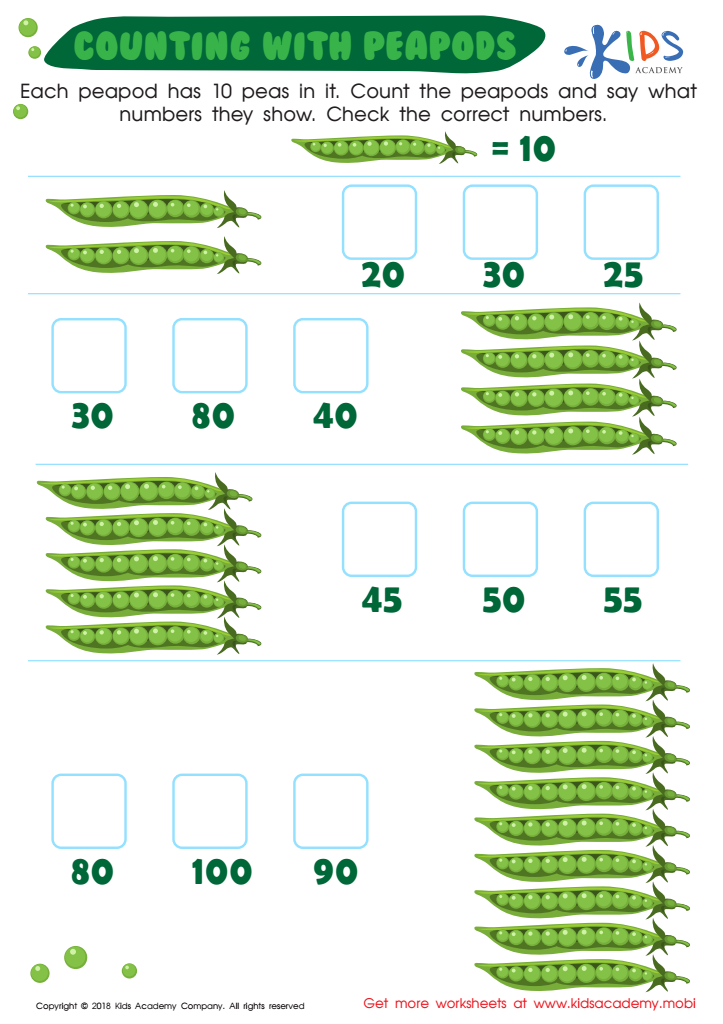
Number Worksheet: Counting With Peapods
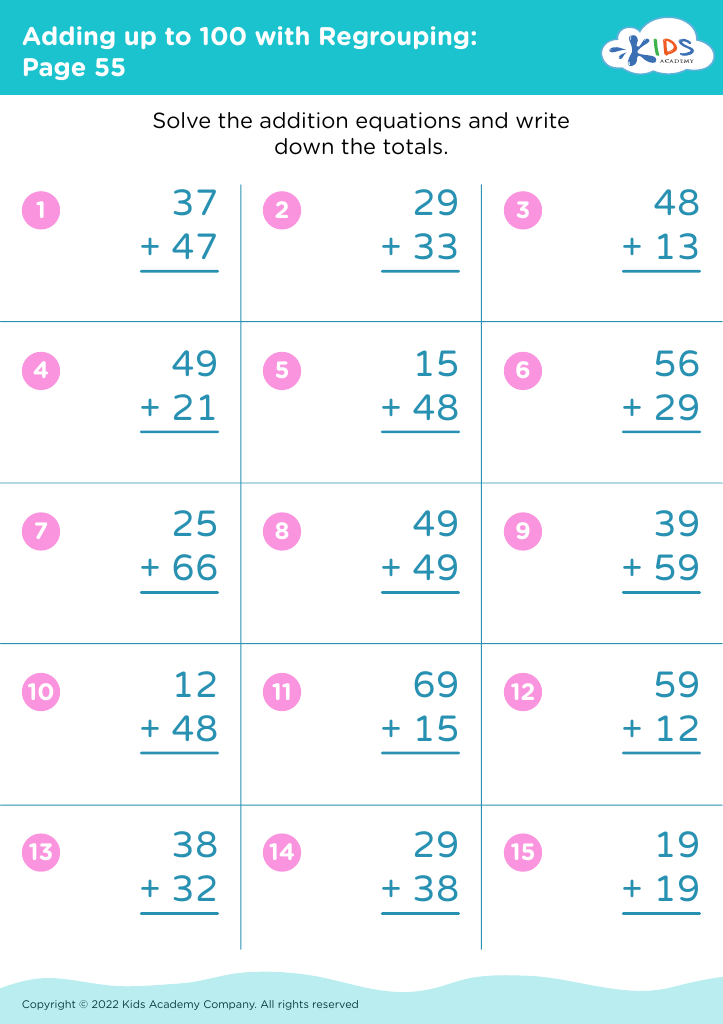
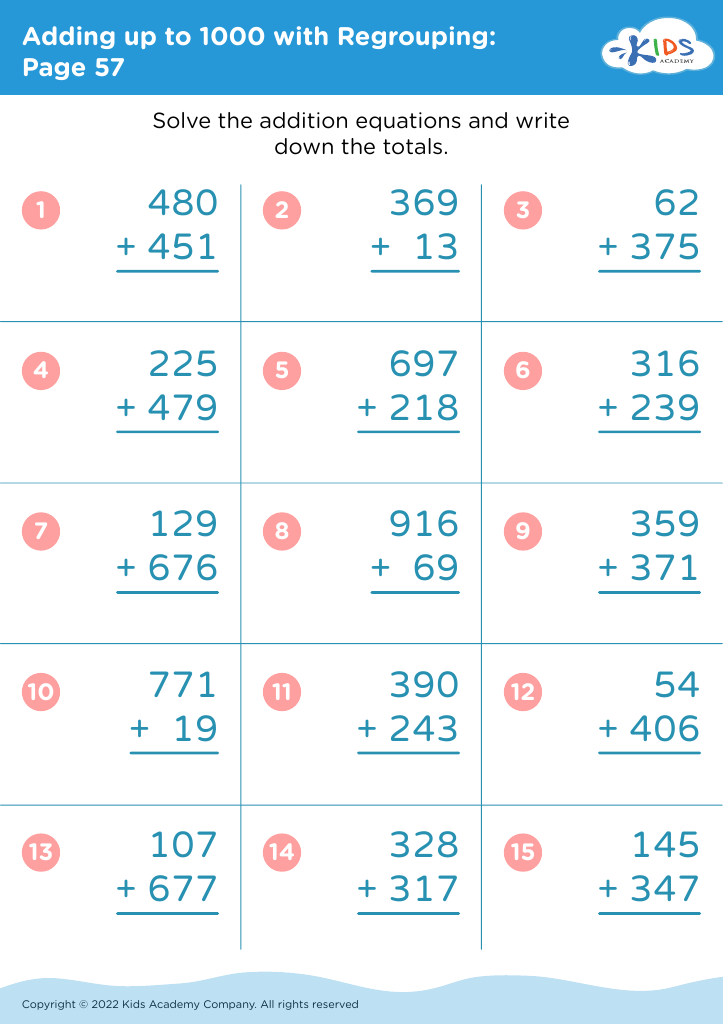
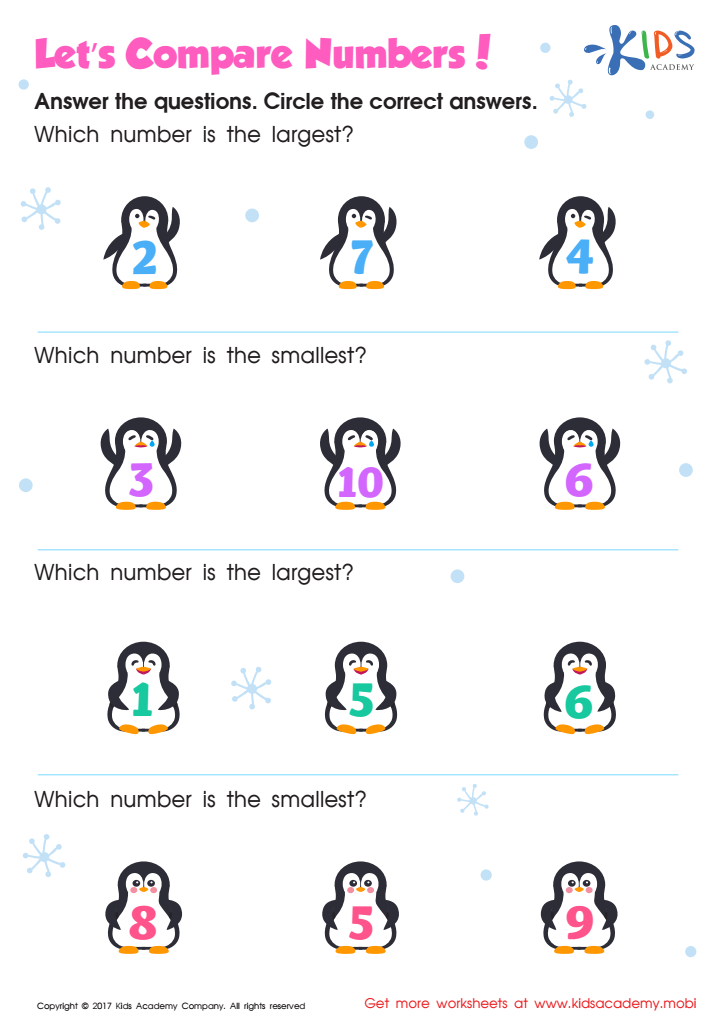
Comparing Numbers 1–10 Worksheet Kindergarten
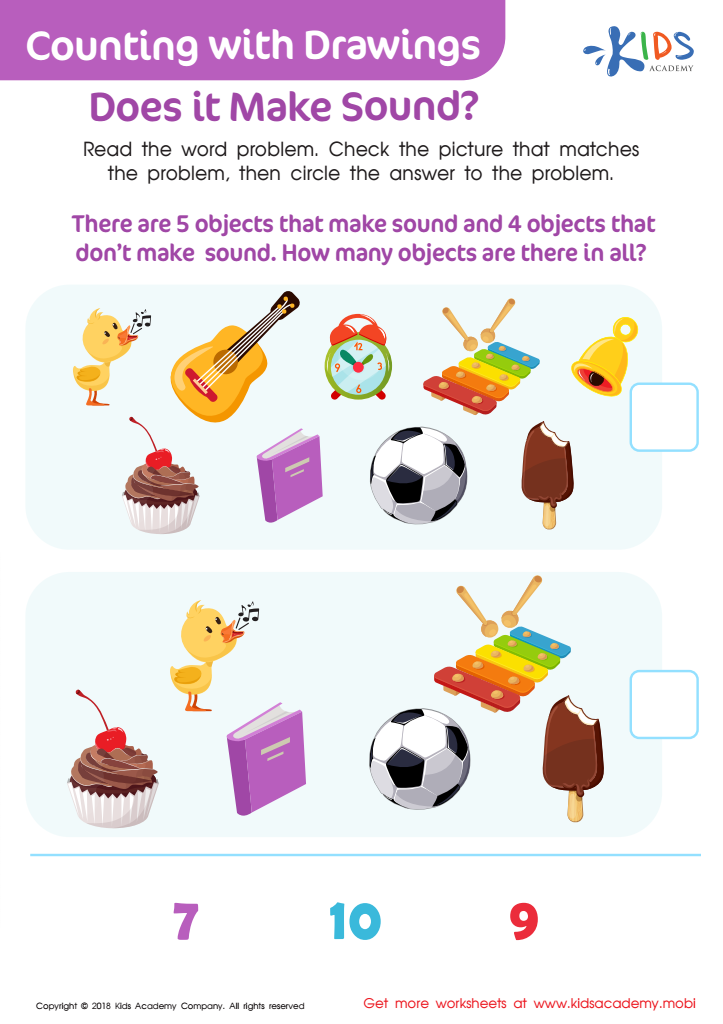
Counting With Drawings. Does It Make Sound? Worksheet
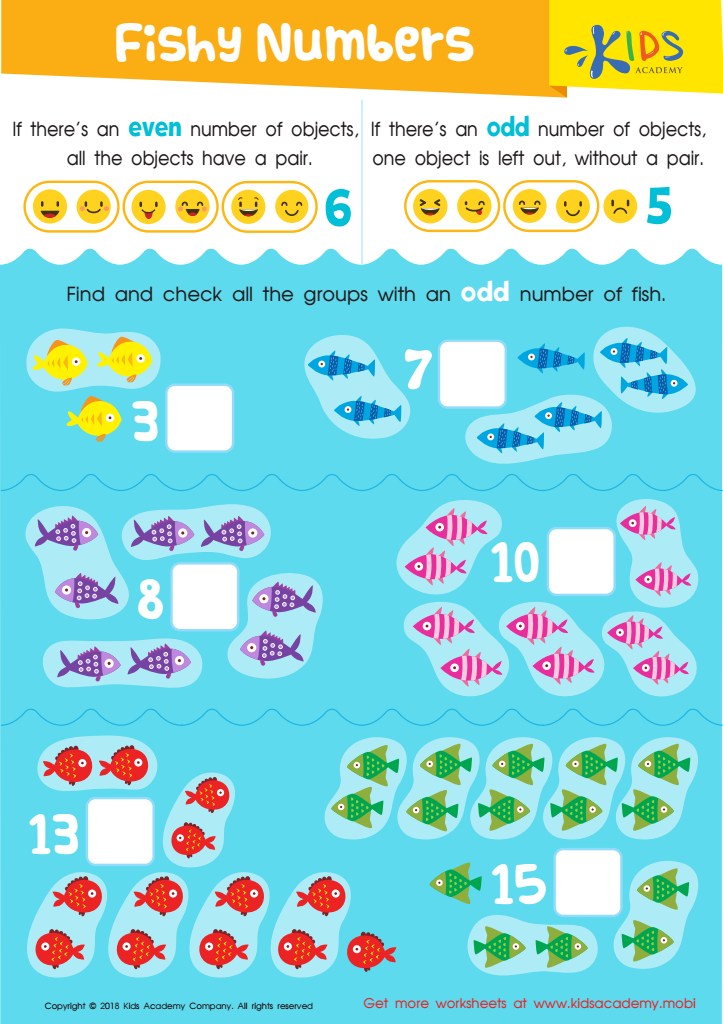
Fishy Numbers Worksheet
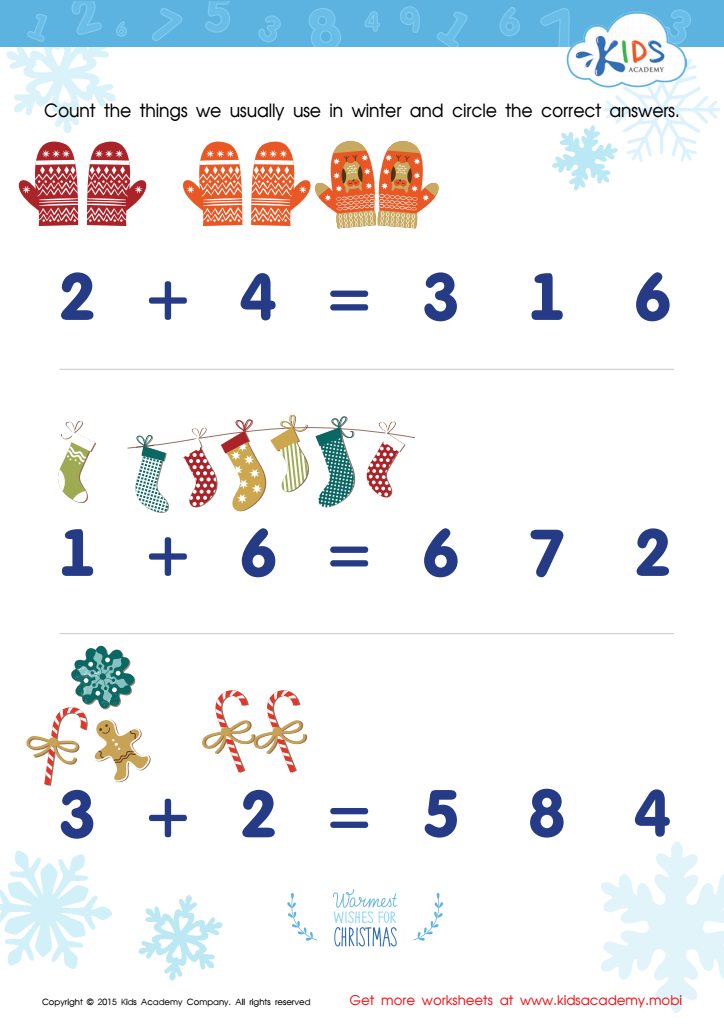
Count Winter Things Worksheet
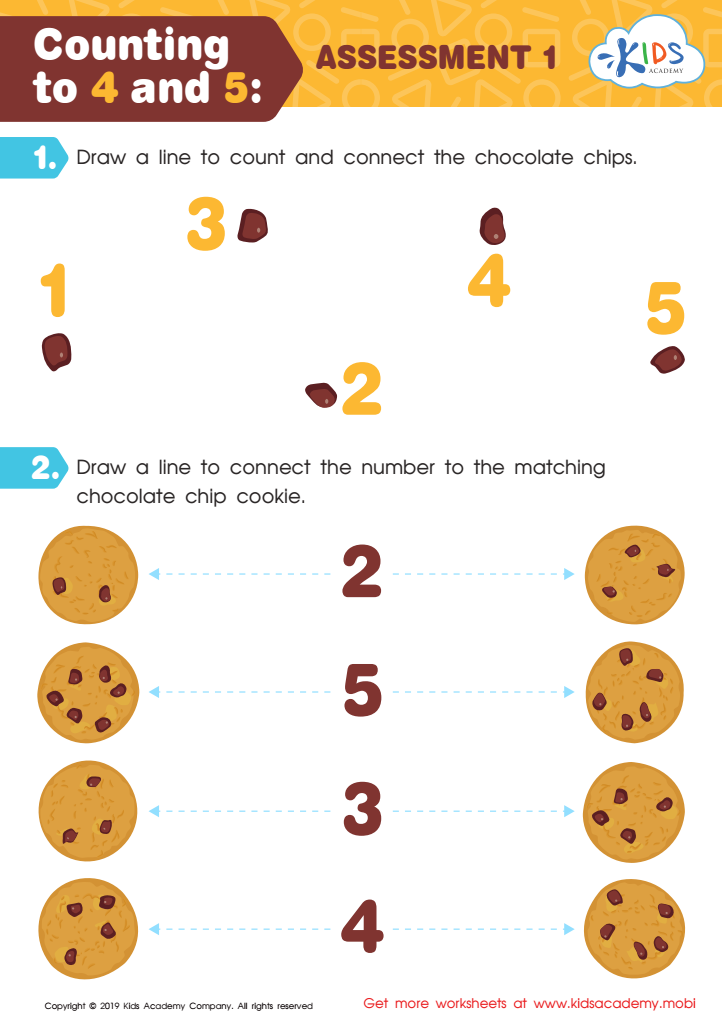
Counting to 4 and 5: Assessment 1 Worksheet
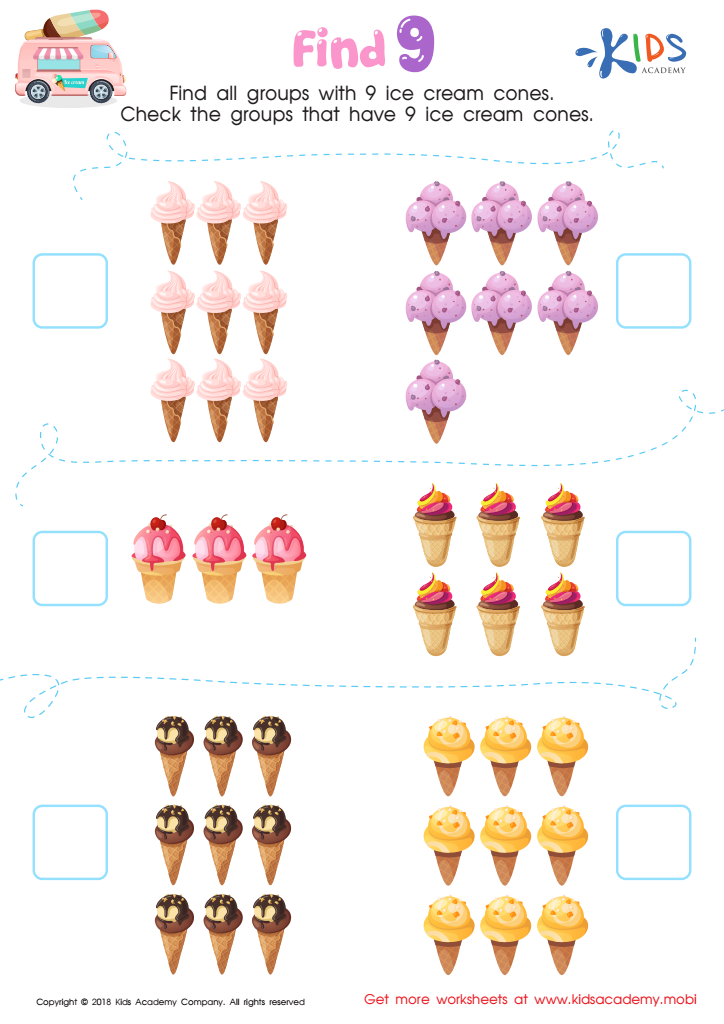
Find 9 Worksheet
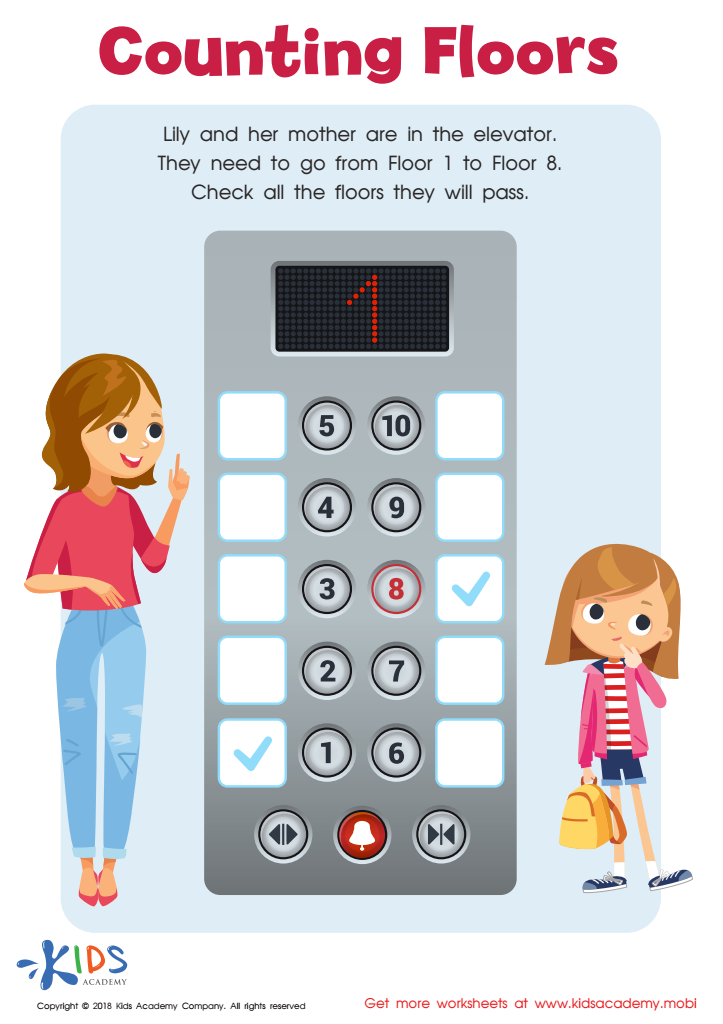
Counting Floors Worksheet








Number recognition is a foundational skill critical for the early stages of a child's education, laying the groundwork for more complex mathematical understanding. For children aged 5-7, developing number recognition is essential as it helps them comprehend and identify numbers, their values, and sequences.
Firstly, number recognition facilitates everyday activities, such as counting objects, reading page numbers, or understanding time. This early competency instills confidence, making children more eager to explore mathematical concepts further. Moreover, it enhances cognitive skills like memory and attention, crucial for overall academic success.
Secondly, number recognition is the precursor to arithmetic skills, such as addition and subtraction, which are fundamental competencies in early education. Without a solid grasp of number recognition, children may struggle with basic math operations, leading to potential difficulties in more advanced math-related subjects in later years.
Additionally, early proficiency in number recognition often correlates with better performance in other subjects. For example, pattern recognition, an essential skill in reading and problem-solving, is reinforced through counting and number identification activities.
Parents and teachers play a pivotal role in nurturing these skills through engaging activities, games, and practical applications. By prioritizing number recognition, they create a positive learning environment that fosters curiosity, supports academic achievement, and nurtures lifelong skills in young learners.








