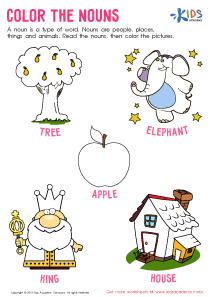
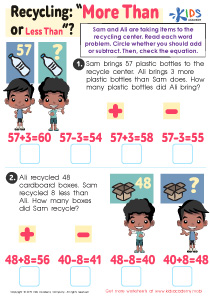
Fine Motor Skills Tracing Numbers Worksheets for Ages 5-7
10 filtered results
-
From - To
Enhance your child's fine motor skills with our engaging Tracing Numbers Worksheets, designed for ages 5-7! These worksheets serve as a fun and interactive way to help young learners practice number formation while developing essential hand-eye coordination and grip control. Each activity encourages children to trace numbers with various patterns and designs, allowing them to build confidence in their writing abilities. Perfect for home or classroom use, these worksheets cater to different learning styles and provide a rewarding way for kids to master their numbers. Give your child the tools they need for academic success while fostering their creativity and concentration!
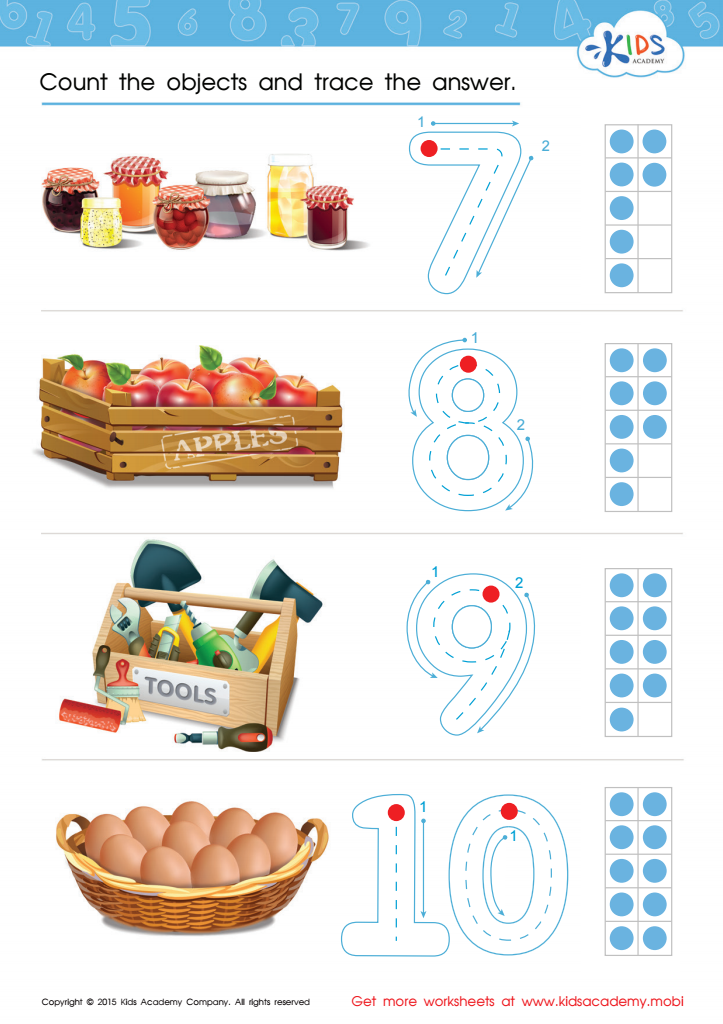
Count and Trace 7 – 10 Worksheet
 Assign to My Students
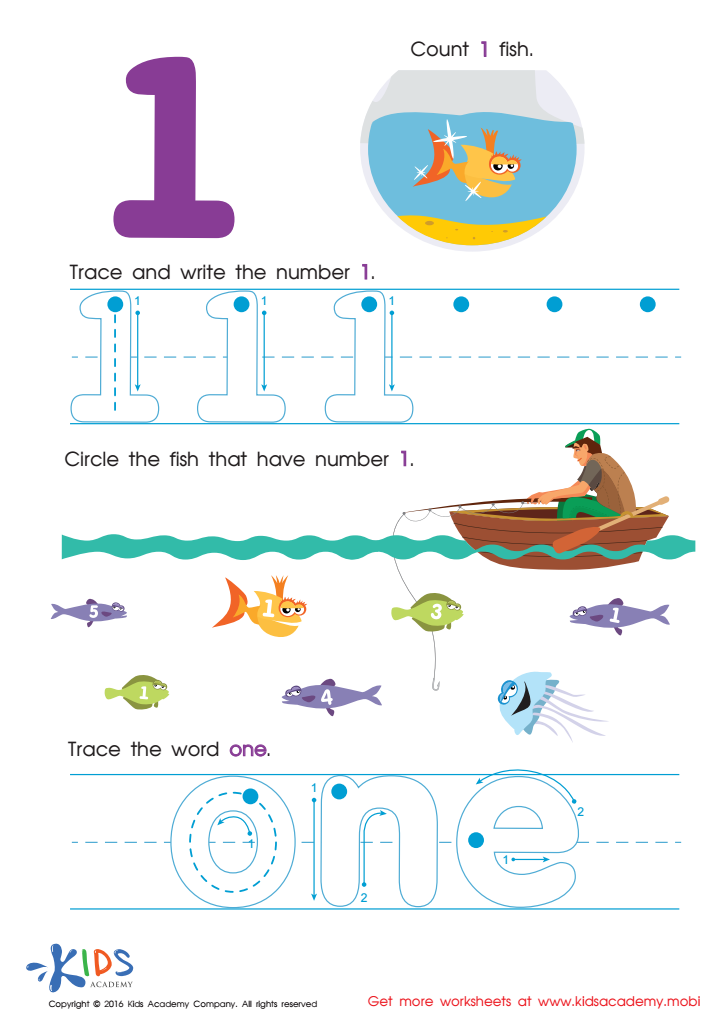
Learning to Write 1 Worksheet
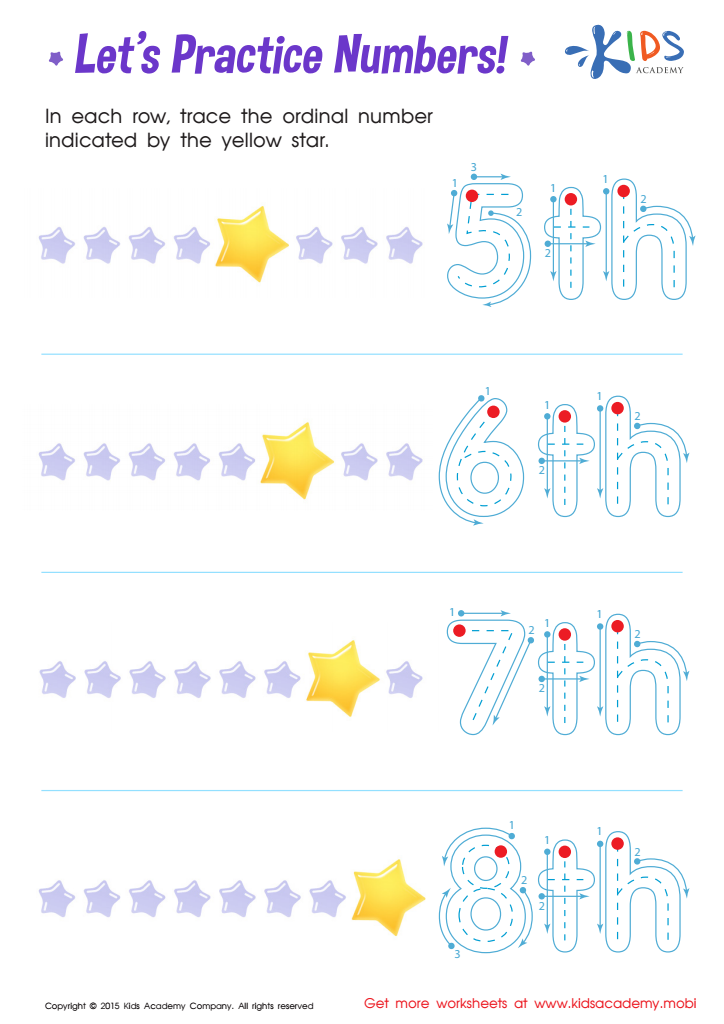
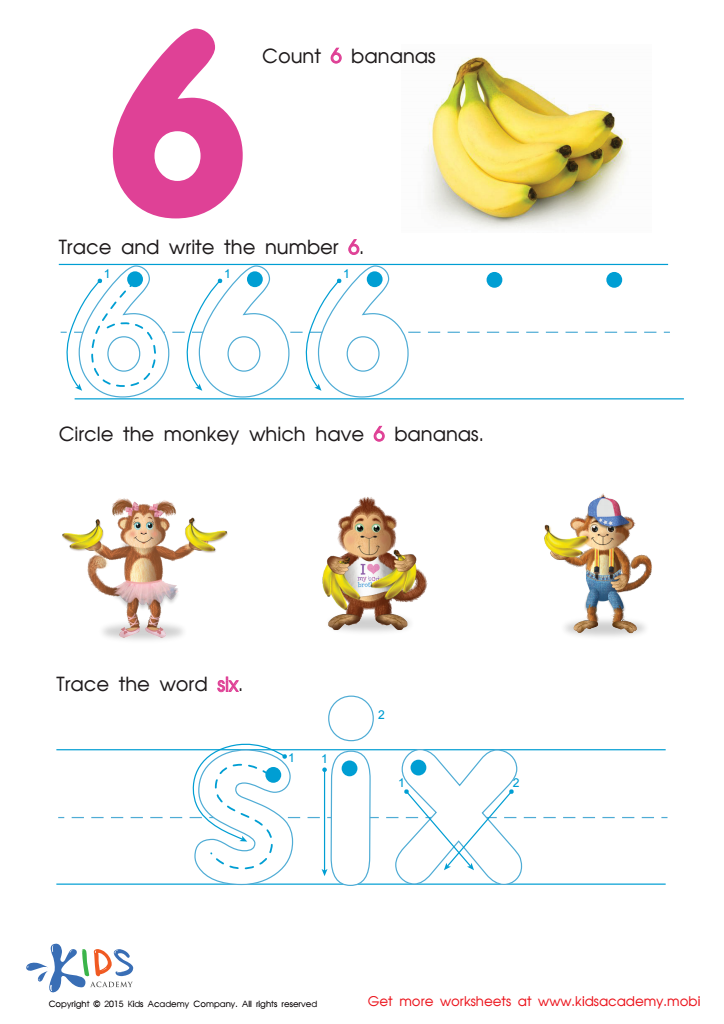
Tracing And Writing Number 6 Worksheet
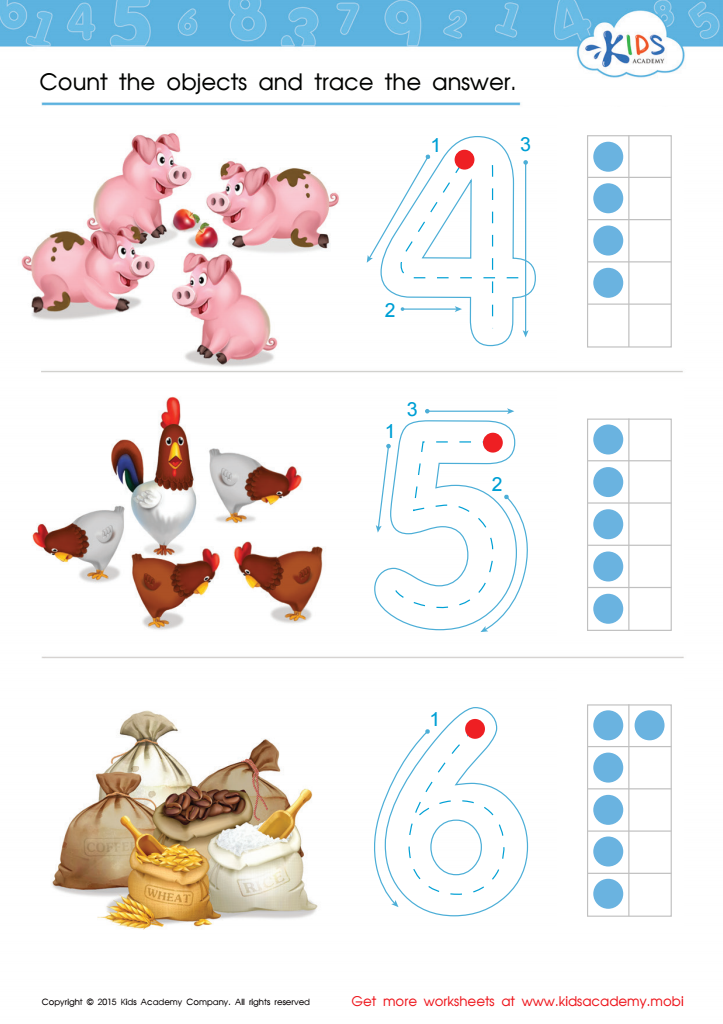
Count and Trace 4 – 6 Worksheet
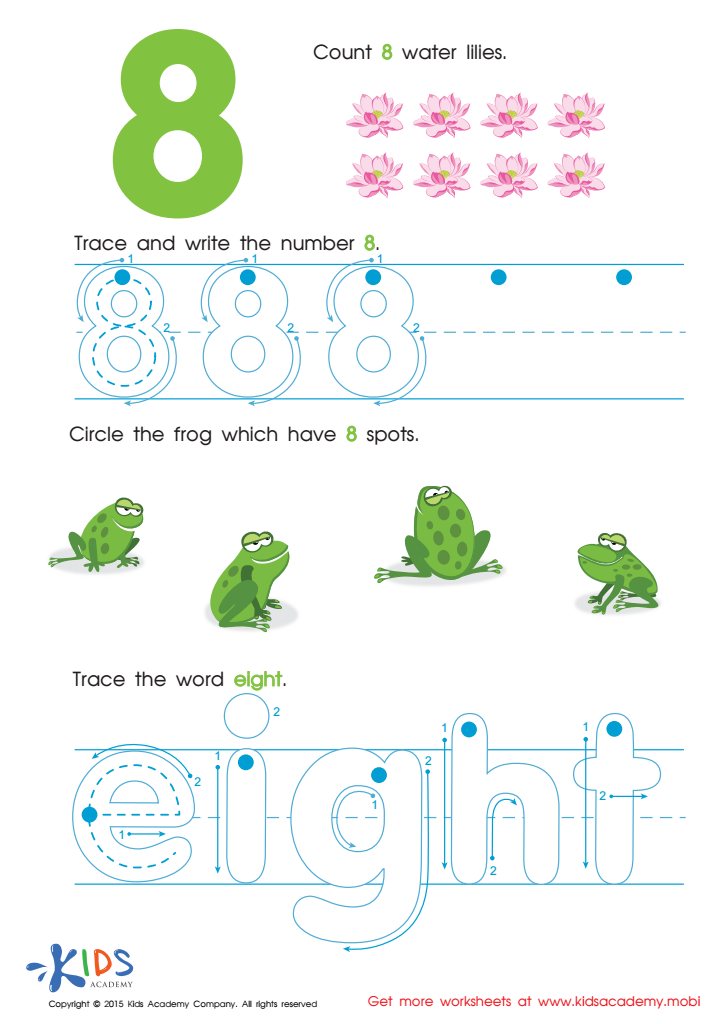
Learn Number 8 Easily Worksheet
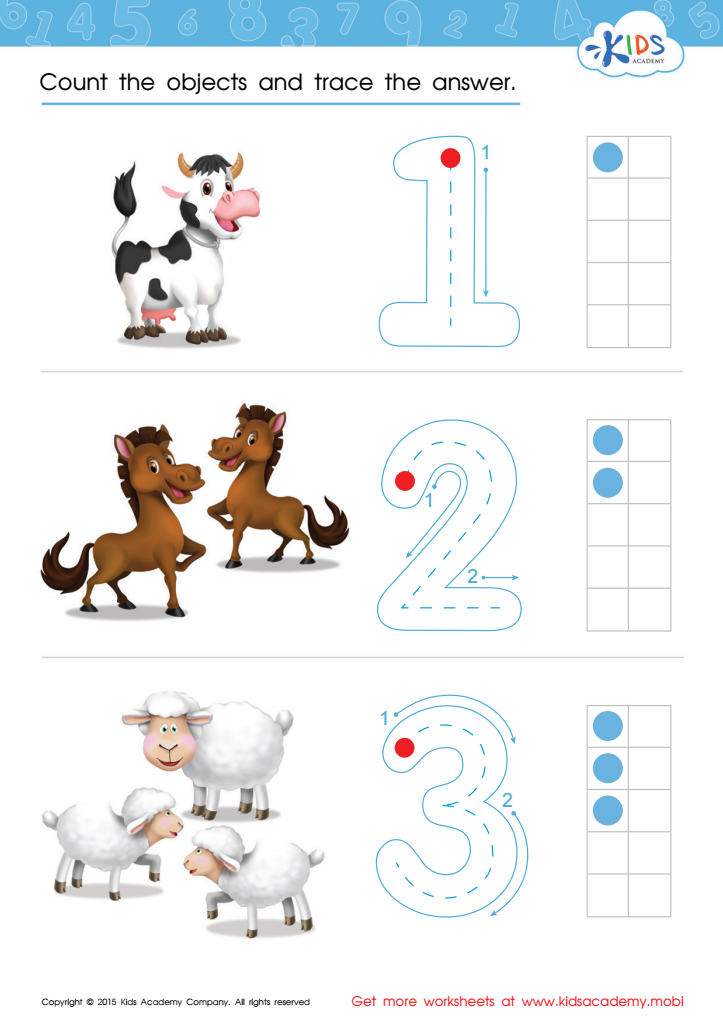
Count and Trace 1 – 3 Worksheet
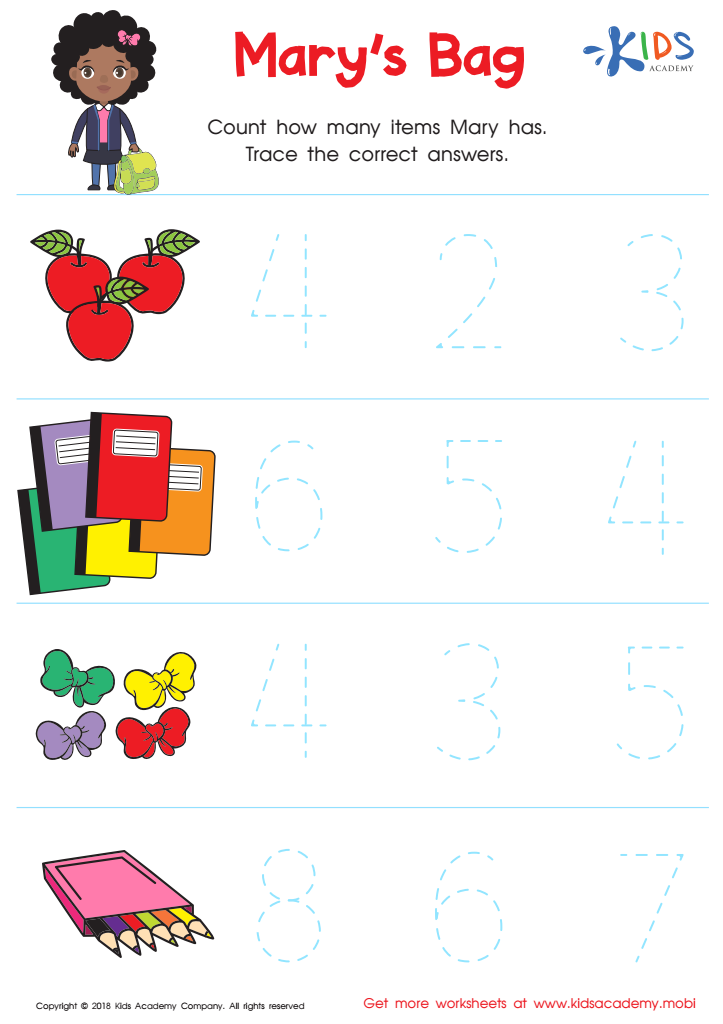
Kindergarten Number Tracing: Mary's Bag Worksheet
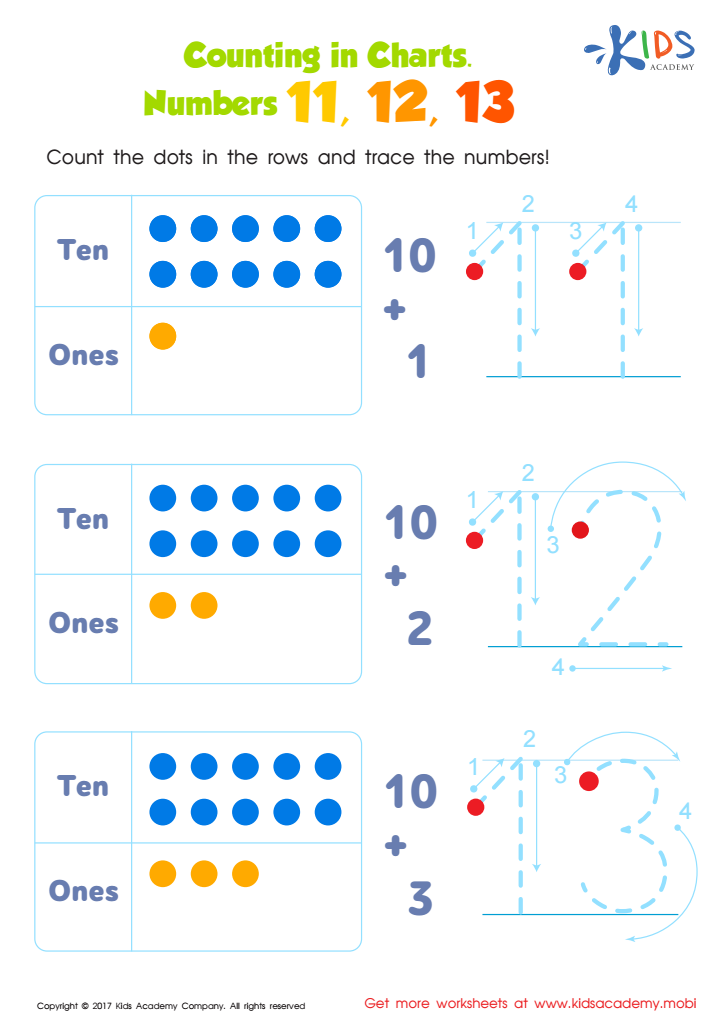
Number Tracing Worksheet For Kindergarten
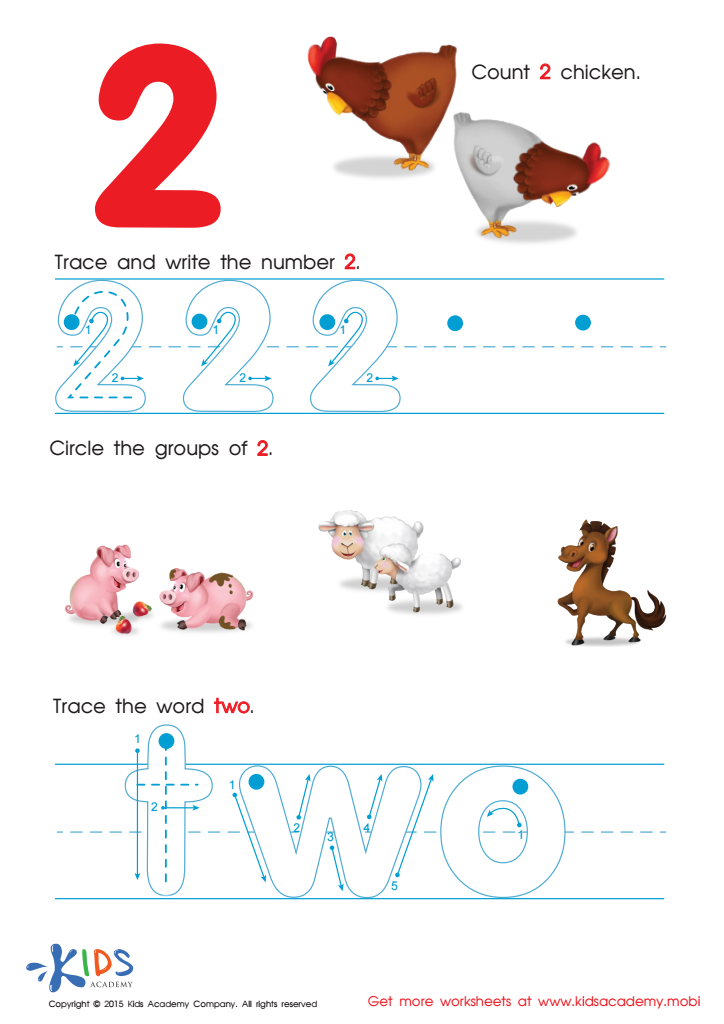
Learn to Write the Number 2 Worksheet








Fine motor skills are crucial for children's overall development, particularly for those ages 5-7 who are often in early elementary school. Tracing numbers is an essential activity that fosters these skills, contributing to a child's ability to perform precise movements with their hands and fingers. When parents and teachers emphasize tracing numbers, they help improve dexterity, hand-eye coordination, and grip strength, which are foundational for various everyday tasks, from writing to tying shoelaces.
Developing fine motor skills through tracing also has academic benefits. As children gain confidence in their ability to write numbers neatly and accurately, they often develop a more positive attitude towards mathematics. This lays the groundwork for their future learning experiences and can foster a lifelong love of numbers. Furthermore, tracing activities enhance cognitive development, as children begin to understand patterns and numerical values.
Engaging children in these exercises can also be a fun, interactive way for parents and teachers to bond with them. By participating in tracing number activities, adults can support their children's learning while reinforcing the importance of patience and concentration. In essence, caring about fine motor skills and numbers during these formative years prepares children for success in both academic and everyday contexts.