Cognitive Development Tracing Shapes Worksheets for Ages 5-7
4 filtered results
-
From - To
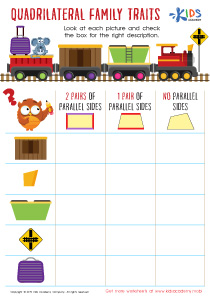
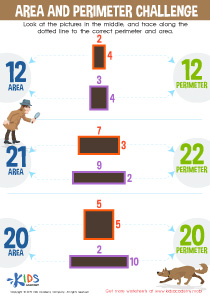
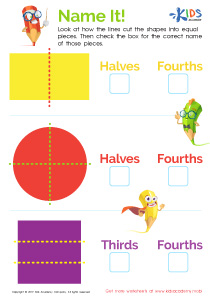
Boost your child's cognitive development with our specially designed Tracing Shapes Worksheets for ages 5-7. Our engaging worksheets focus on enhancing early math skills, spatial awareness, and fine motor control. By tracing basic shapes like circles, squares, and triangles, children reinforce their understanding of geometry while practicing hand-eye coordination. Perfect for home or classroom use, these printable worksheets make learning fun and effective. Easy-to-follow instructions and playful designs ensure that young learners stay motivated and excited about their progress. Start your child’s journey to academic success with our expertly crafted Tracing Shapes Worksheets today!
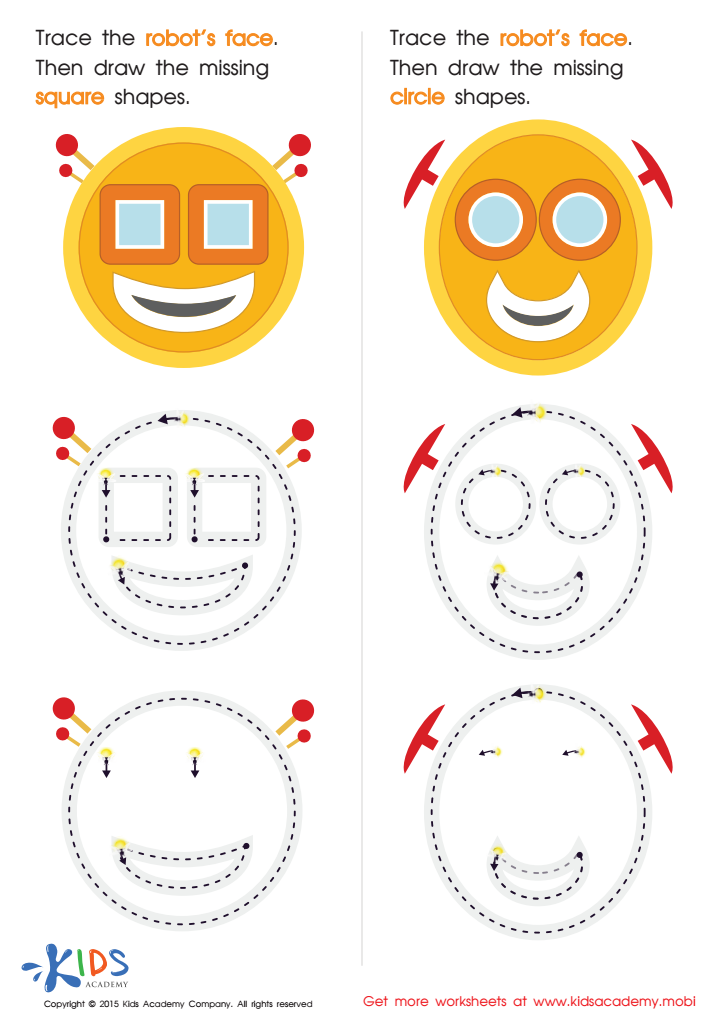
Practicing to Draw Circles And Squares Printable
 Assign to My Students
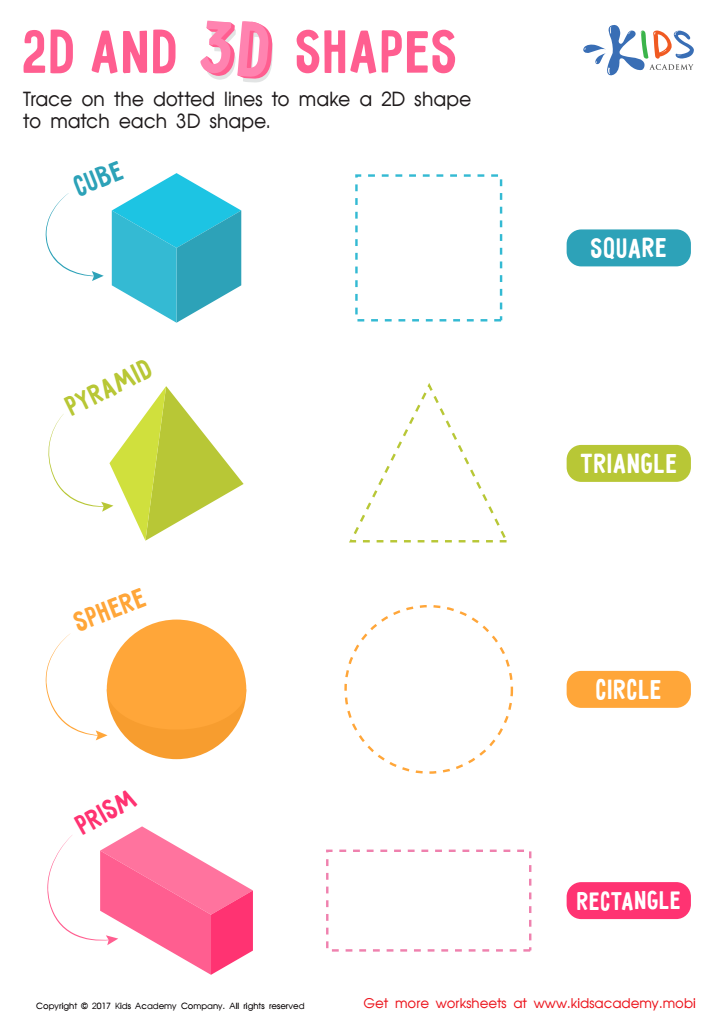
2D and 3D Shapes Worksheet
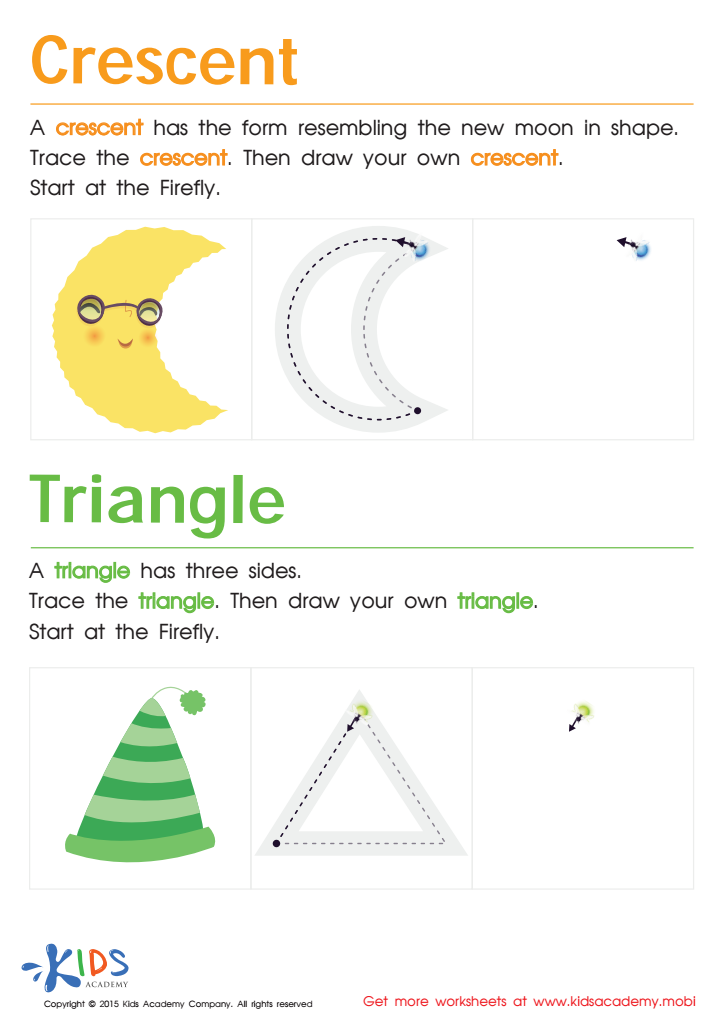
Learning to Draw Crescents And Triangles Worksheet
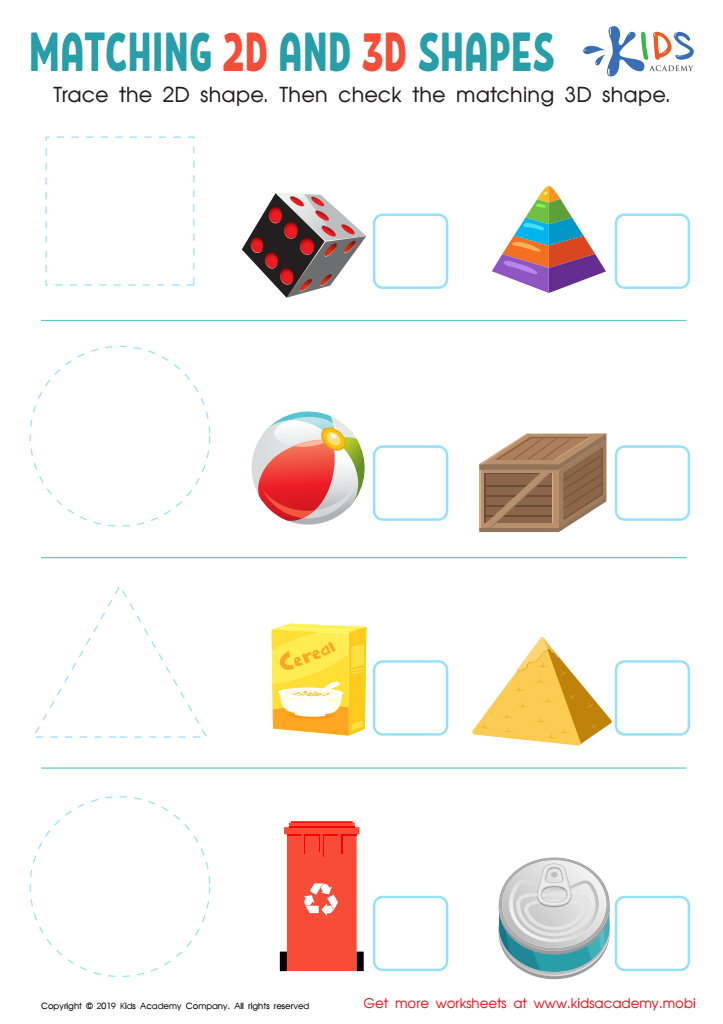
Matching 2D and 3D Shapes Worksheet








Cognitive development tracing shapes for children aged 5-7 plays a crucial role in supporting various aspects of their growth, both academically and personally. During this period, children's brains are highly receptive to learning new skills and concepts. Tracing shapes are more than just drawing; it serves as a multidimensional educational tool.
Firstly, it enhances fine motor skills. As children use their hands to follow the shapes, they build hand-eye coordination and dexterity, which are essential for tasks like writing, cutting, and other small motor activities. Secondly, tracing shapes aids in visual-spatial understanding. Recognizing shapes and observing their properties help children develop geometric thinking, an important foundational skill for mathematics.
Furthermore, cognitive development through tracing promotes concentration and attention to detail. Completing such activities requires focus and patience, traits that are beneficial for all areas of learning and everyday life. It also nurtures problem-solving abilities as children figure out where to start and how to mimic the shape accurately.
In addition to cognitive benefits, tracing shapes provides emotional rewards, such as a sense of accomplishment and increased self-confidence when tasks are completed successfully. By integrating tracing activities into the learning environment, parents and teachers can provide children with compelling opportunities to develop critical cognitive and motor skills that will support lifelong learning.