Rhyming Words Worksheets for Ages 5-7 - Page 2
27 filtered results
-
From - To
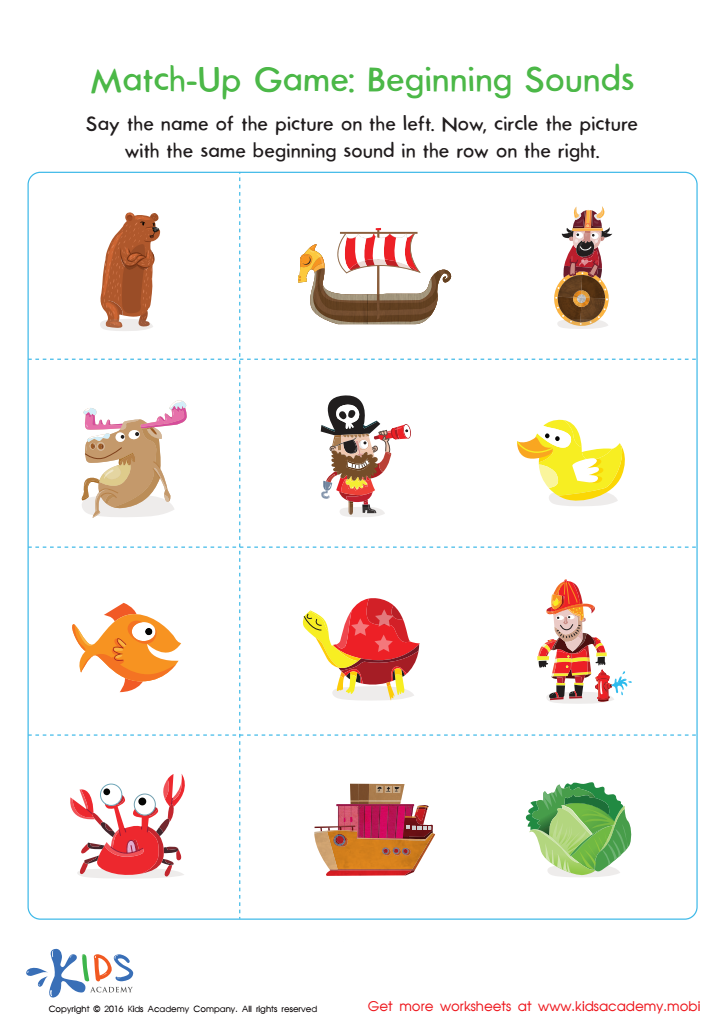
Match–Up Game: Beginning Sounds Worksheet
 Assign to My Students
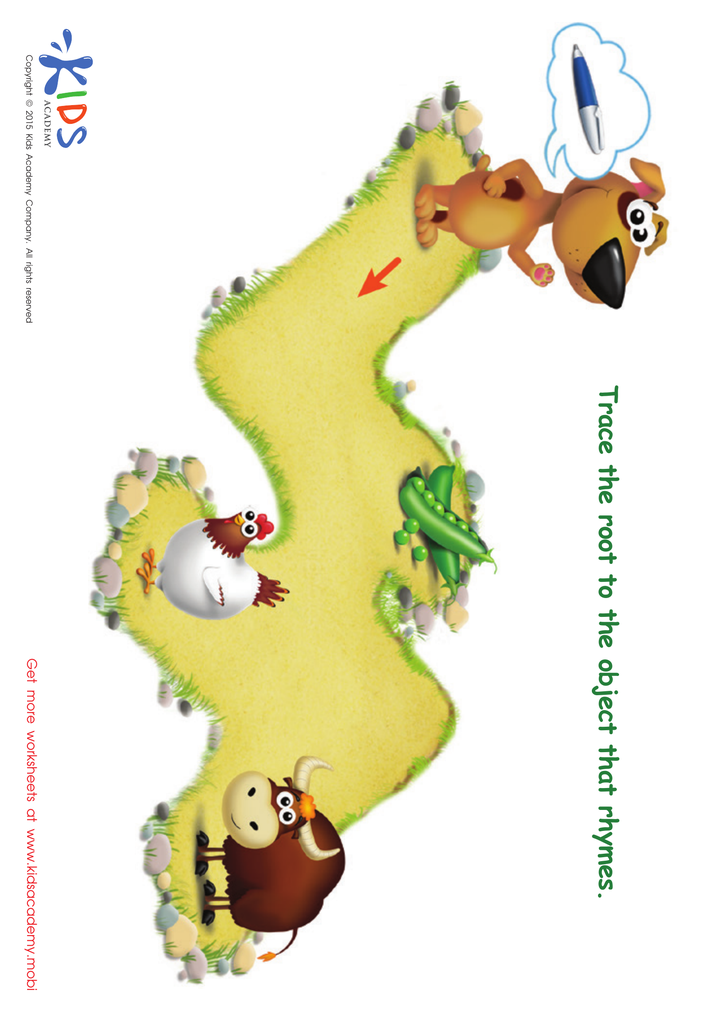
Pen Rhyming Words Worksheet
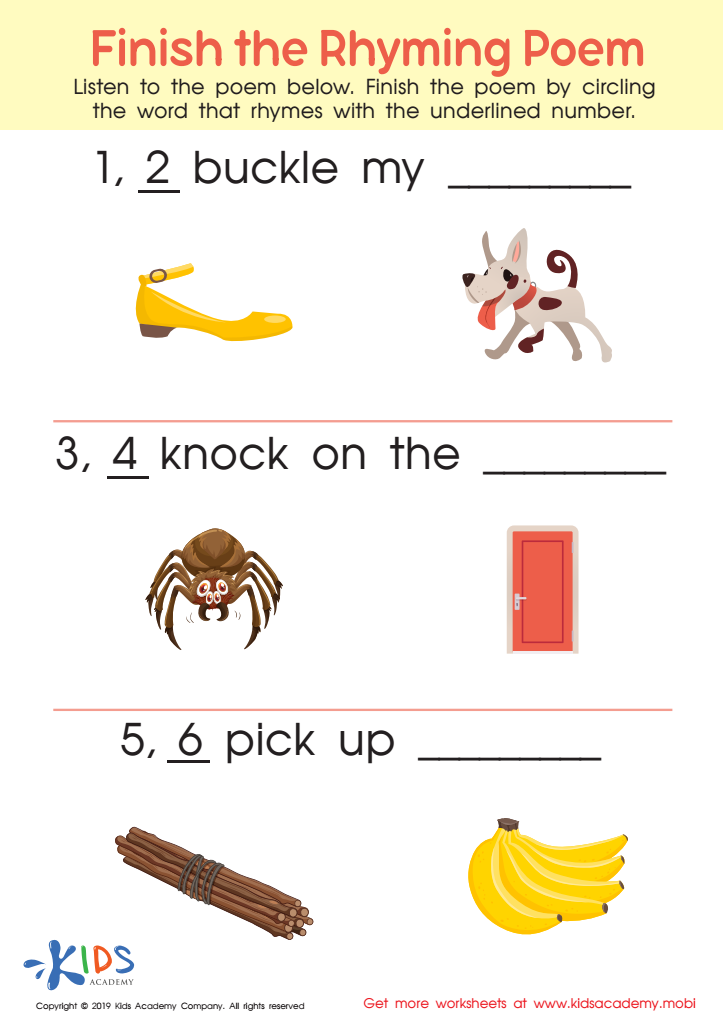
Finish Rhyming Poem Worksheet








Rhyming words play a crucial role in early language development for children aged 5–7. They not only enhance phonemic awareness but also foster essential literacy skills. When children engage with rhymes, they begin to identify sounds within words, making it easier for them to recognize patterns and develop their vocabulary. This auditory skill is foundational for reading and spelling, as it sharpens their ability to decode words.
Additionally, rhyming activities are a fun and creative way to stimulate children's imagination. Whether through songs, nursery rhymes, or simple games, these activities encourage participation and engagement, making learning enjoyable. Furthermore, rhyming can cultivate social skills, allowing children to share and learn together in group settings.
Teachers and parents should also recognize that exposure to rhyming words enhances cognitive development. It encourages children to think critically, make connections, and find meaning within language. This foundational skill is not only instrumental in literacy but is also linked to problem-solving and reasoning.
Incorporating rhyming exercises into daily routines not only prepares children for academic success but also instills a lifelong love of language and reading. Therefore, valuing and prioritizing rhyming words is essential for nurturing well-rounded, capable learners.








