Reading comprehension Community Worksheets for Ages 5-7 - Page 2
29 filtered results
-
From - To
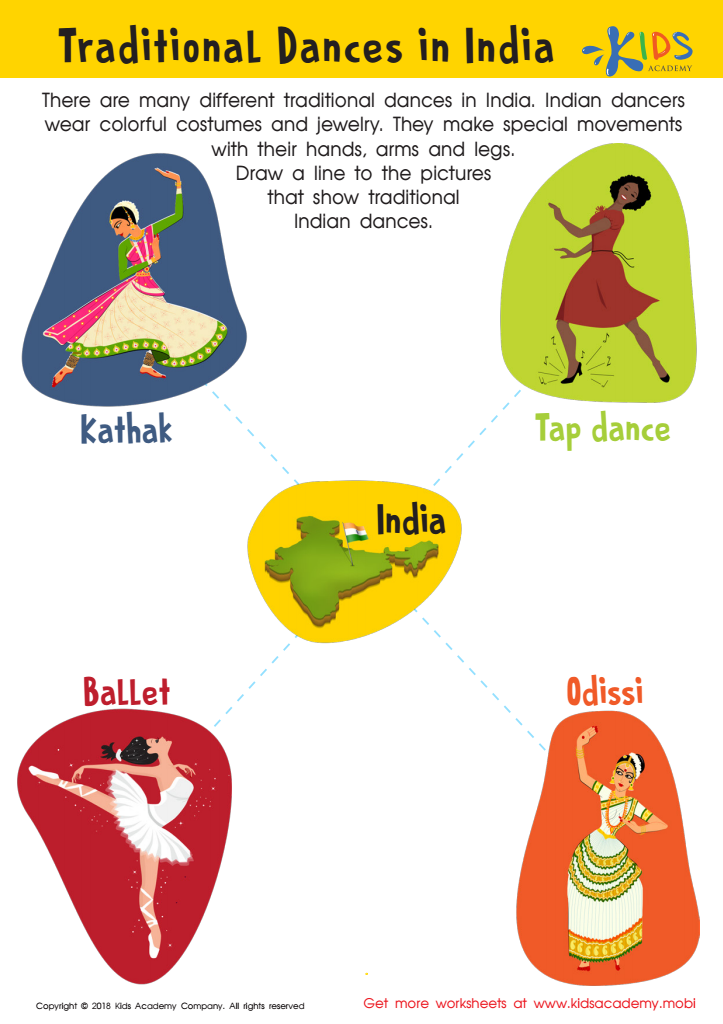
Traditional Dances in India Worksheet
 Assign to My Students
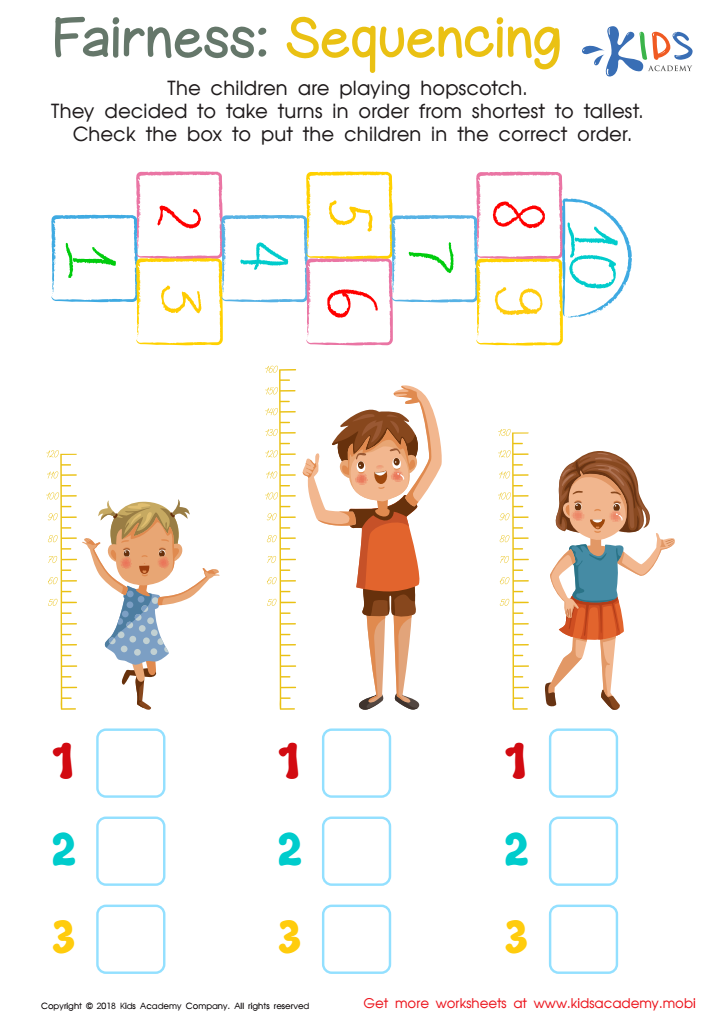
Fairness: Sequencing Worksheet
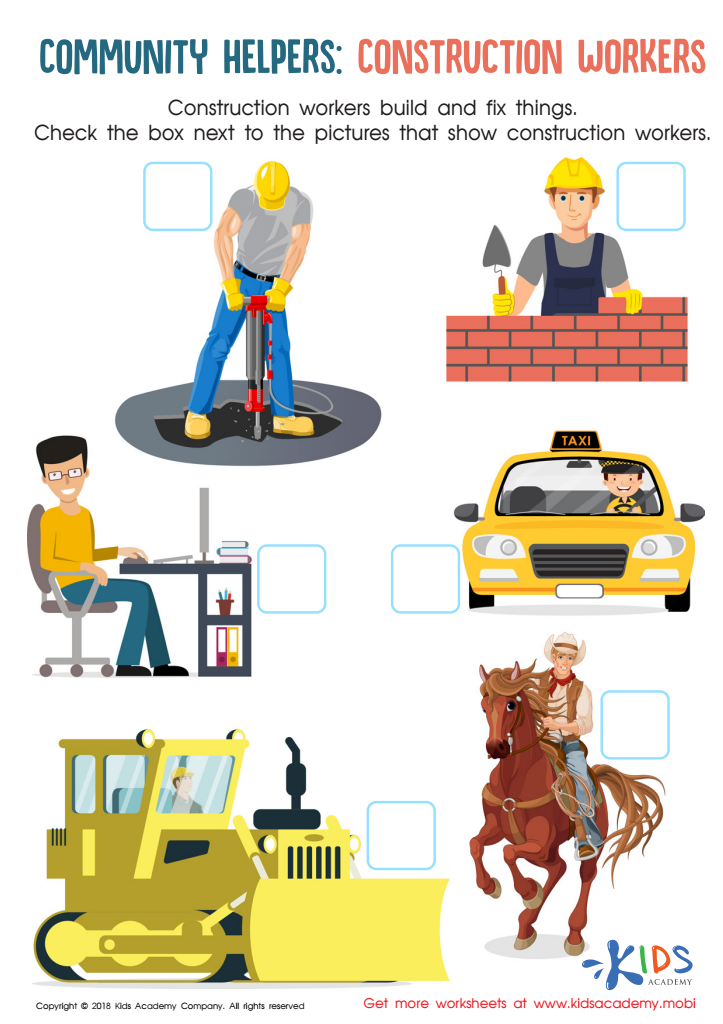
Construction Workers Community Helpers Worksheet
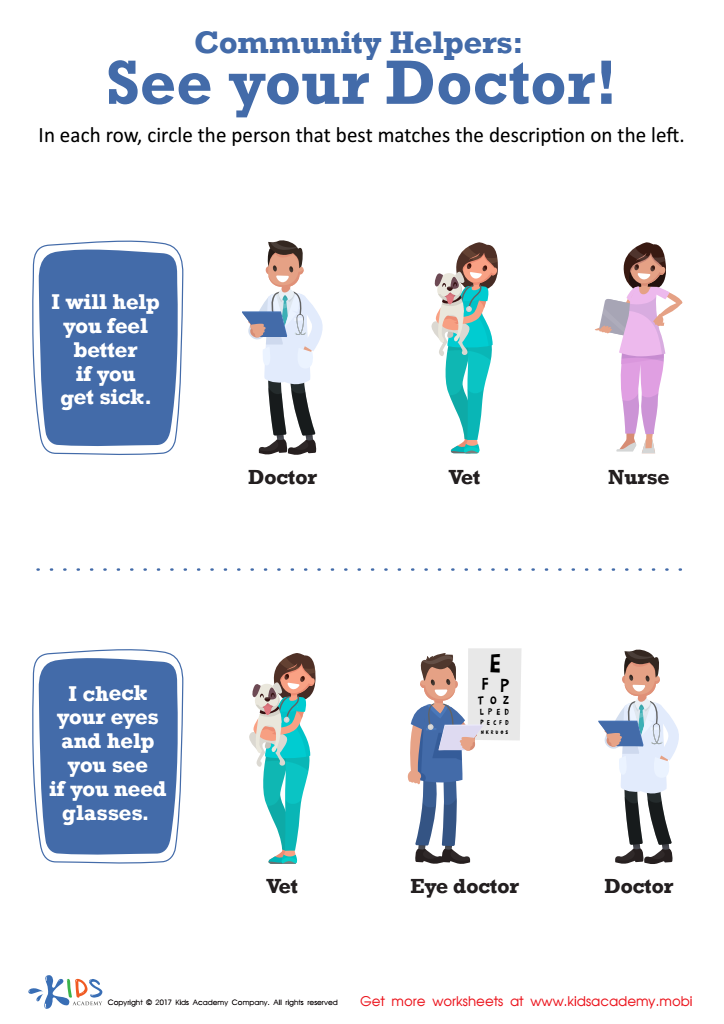
See Your Doctor (Part 1) Printable
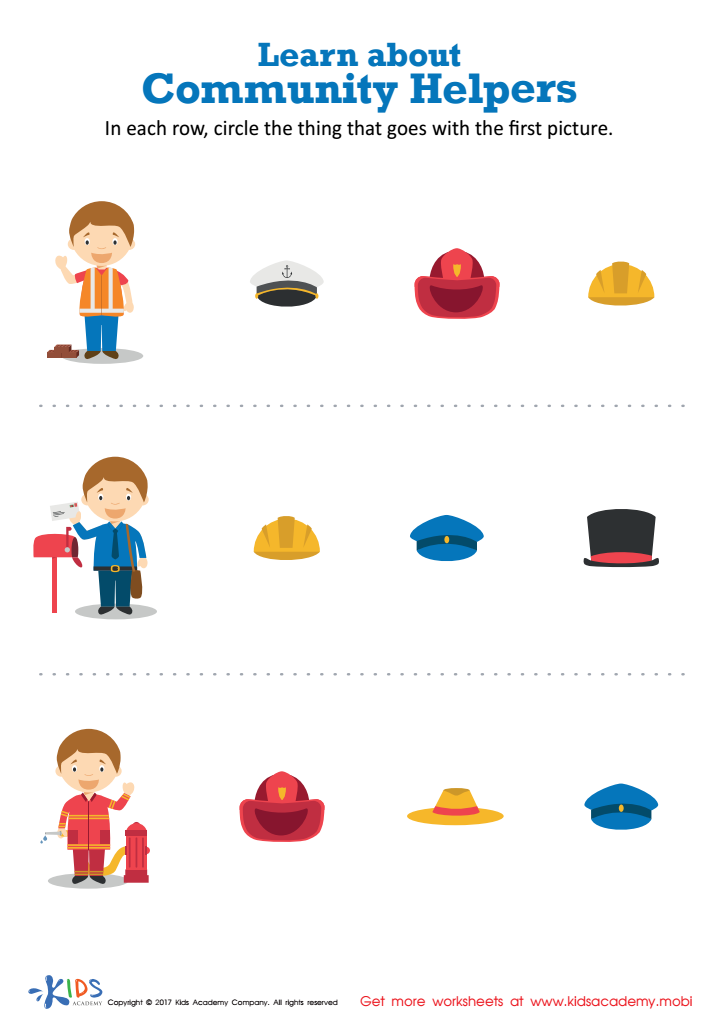
Learn about Community Helpers Printable








Parents and teachers should prioritize reading comprehension for children ages 5-7 because it forms the cornerstone of lifelong learning and literacy skills. At this young age, children are developing foundational abilities that will influence their academic journey. Strong reading comprehension helps youngsters understand and engage with stories and informational texts, fostering critical thinking and aiding their overall cognitive development.
Skills gained through effective reading comprehension strategies—such as summarizing, predicting, and questioning—not only enhance literacy but also bolster vocabulary development, which is crucial during these formative years. Children equipped with strong comprehension skills are more likely to enjoy reading, making it a pleasurable activity rather than a chore, thus promoting a positive relationship with literature.
Moreover, reading comprehension is closely linked to academic success across subjects, as students learn to interpret instructions, analyze content, and express ideas clearly. Early engagement in reading activities also supports social-emotional development, encouraging empathy and social connections through stories and discussions.
By fostering a reading comprehension community among parents, teachers, and children, we create a supportive environment that motivates young learners, instills confidence, and promotes collaboration, ultimately setting the stage for a successful educational experience and a love for reading that lasts a lifetime.








