Critical Thinking Social Studies Worksheets for Ages 5-7
17 filtered results
-
From - To
Introduce your young learners to the fascinating world of social studies with our Critical Thinking Social Studies Worksheets for Ages 5-7! These engaging and educational printables are designed to stimulate young minds, fostering essential critical thinking skills while exploring topics in geography, history, culture, and more. Each worksheet is crafted to challenge students to think deeply, analyze information, and make connections to the world around them. Perfect for classroom use or homeschooling, our worksheets make learning fun and interactive. Equip your child with the foundational skills they need to succeed while sparking a lifelong interest in social studies.
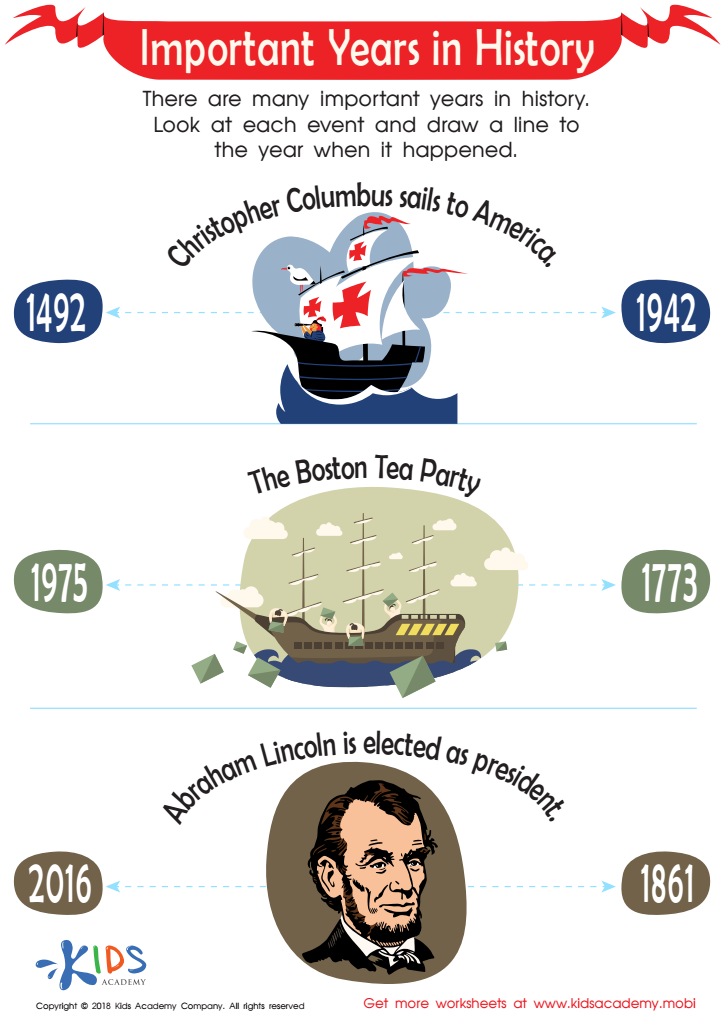
Important Years in History Worksheet
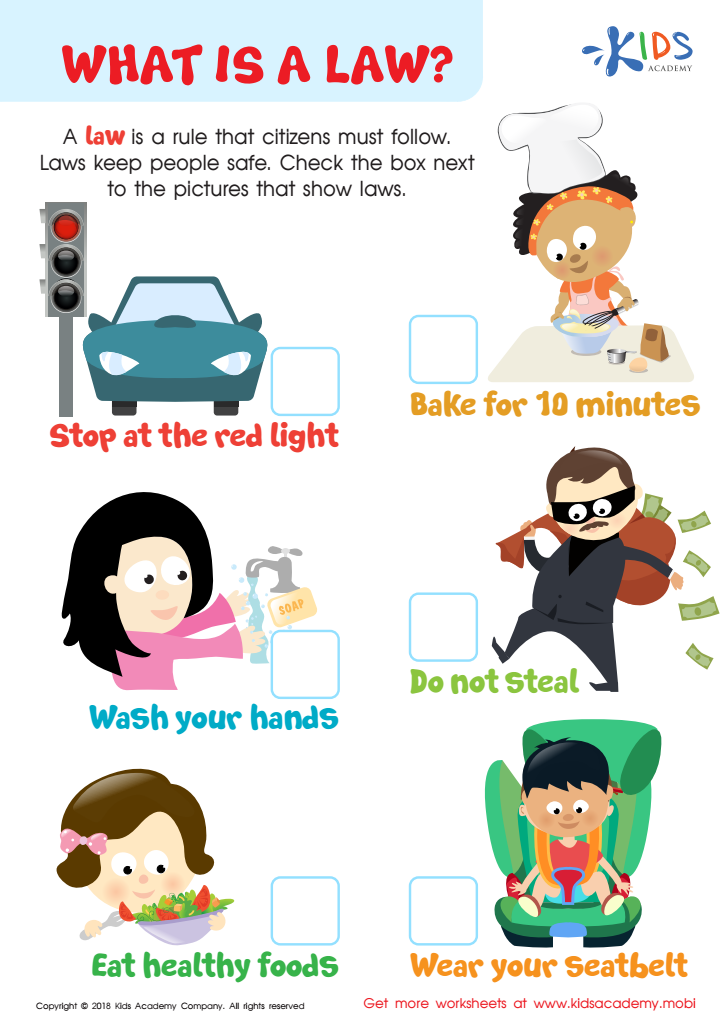
What is a Law? Worksheet
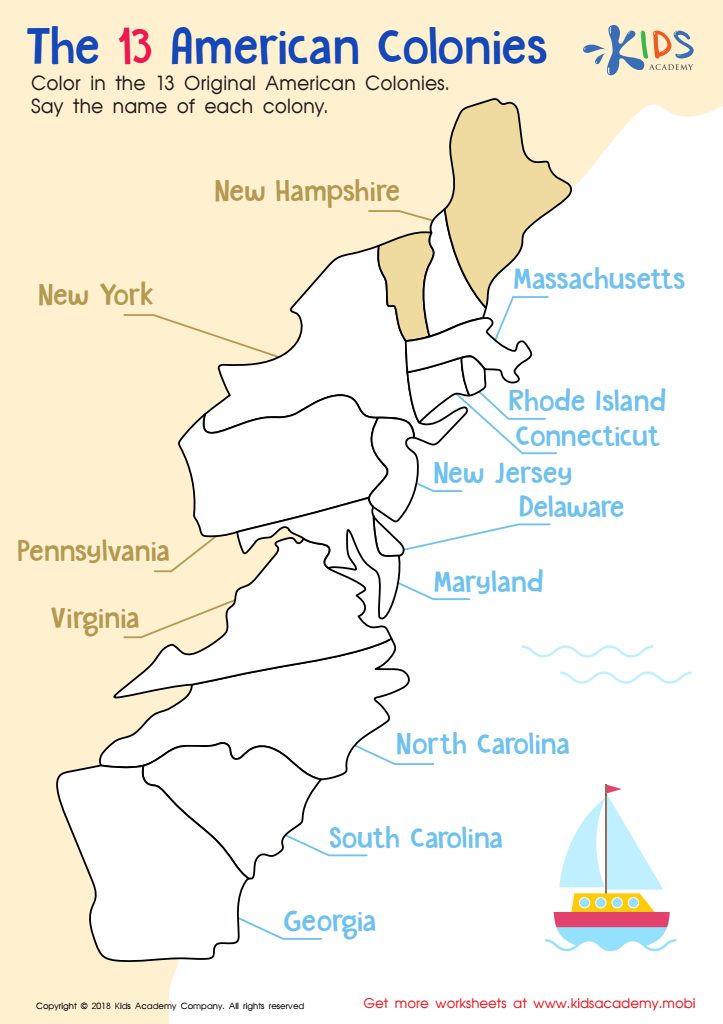
The 13 American Colonies Worksheet
 Assign to My Students
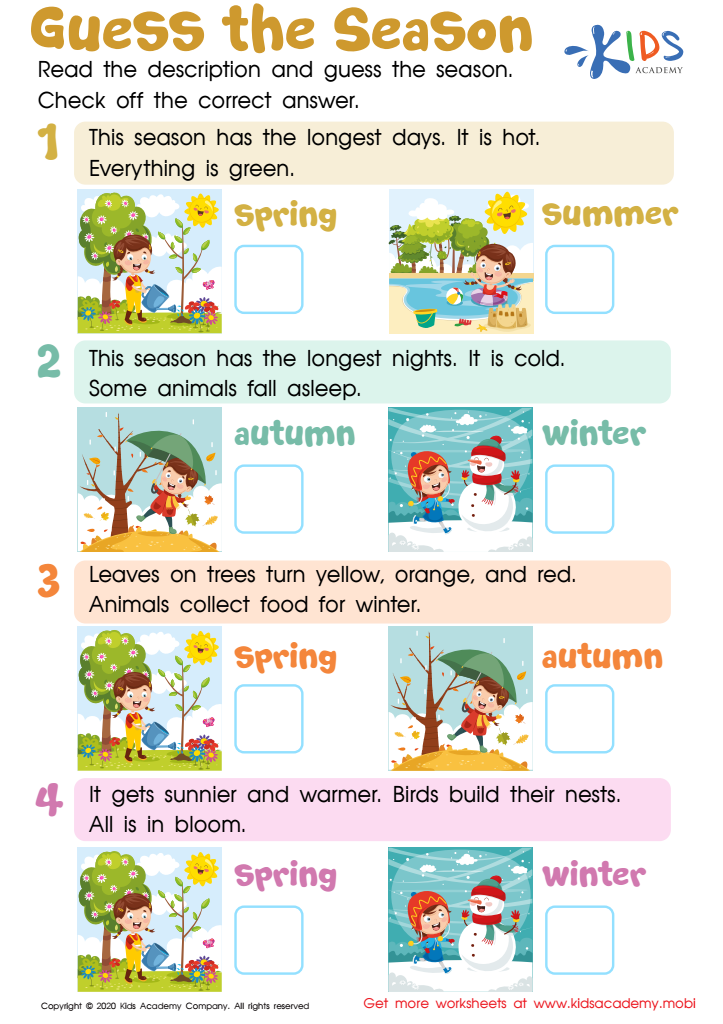
Guess the Season Worksheet
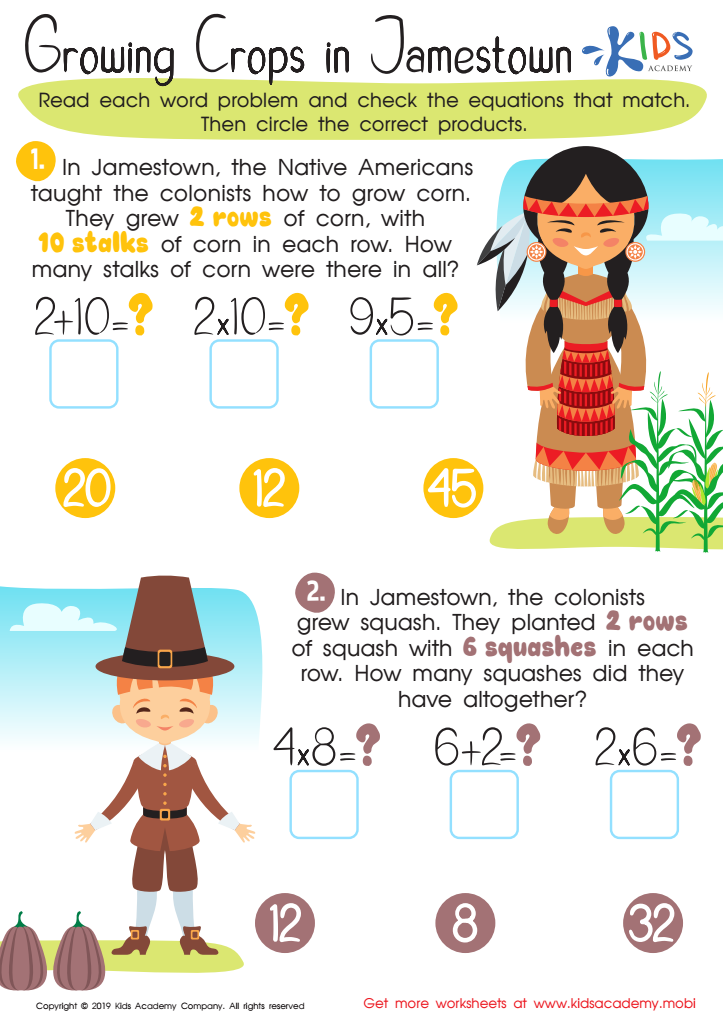
Growing Jamestown Worksheet
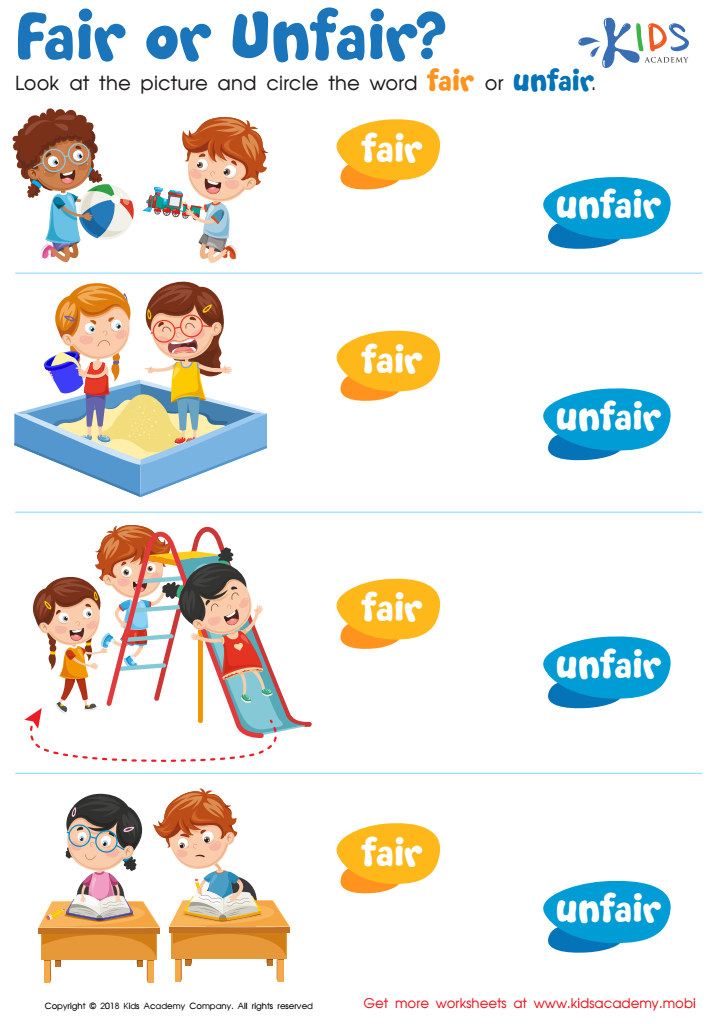
Fair or Unfair Worksheet
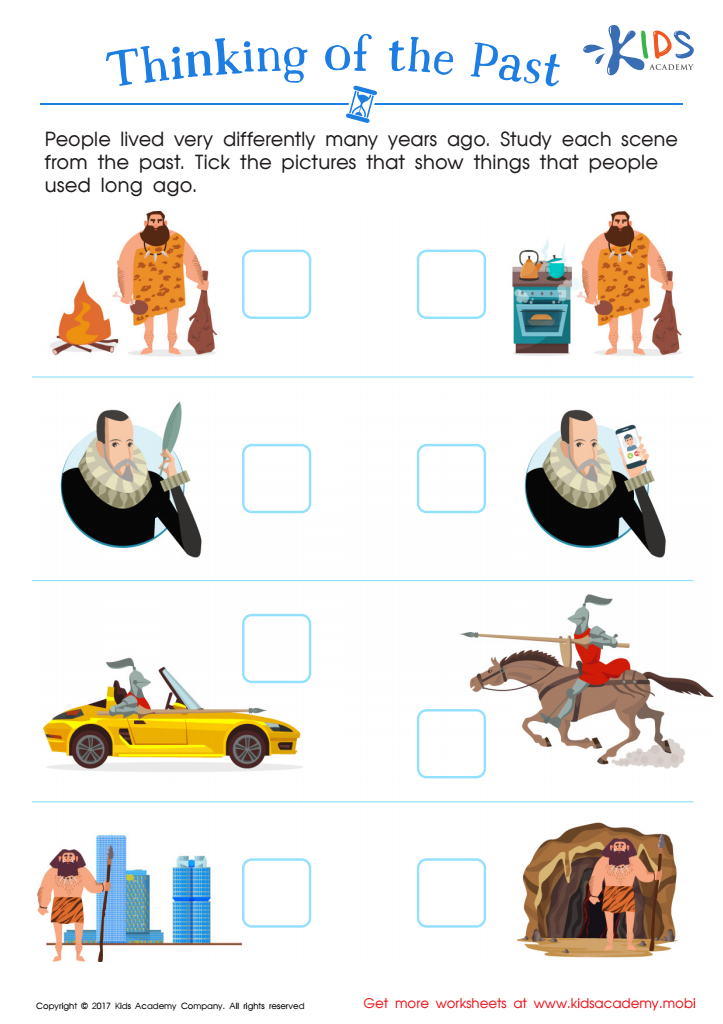
Thinking Past Printable

Thanksgiving Holiday Printable
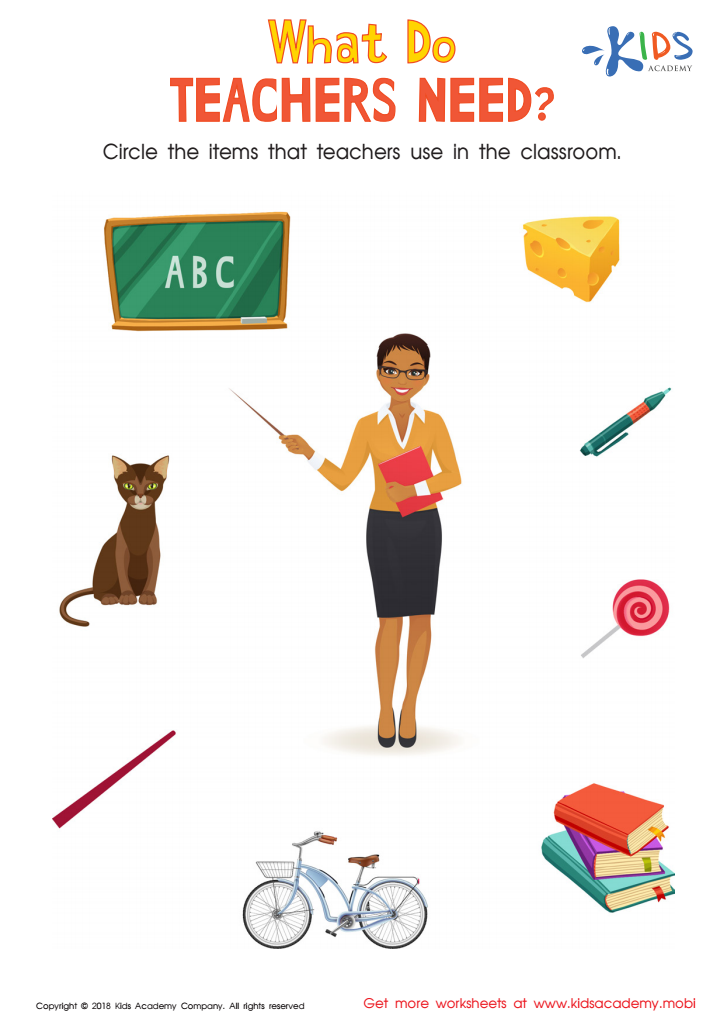
What Do Teachers Need Worksheet
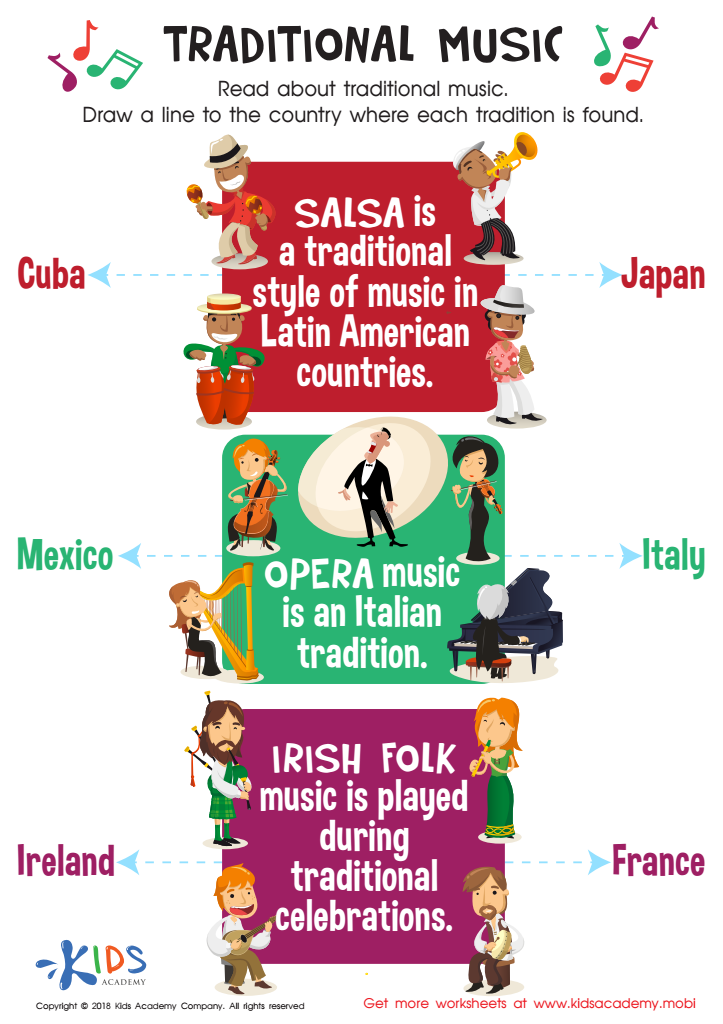
Traditional Music Worksheet
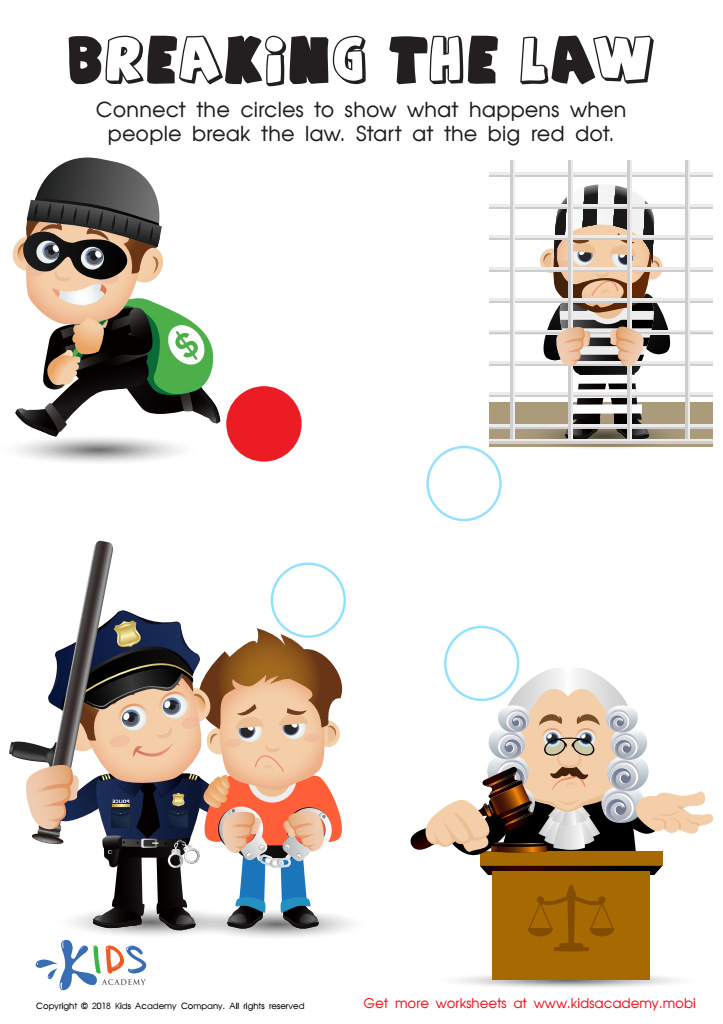
Breaking the Law Worksheet
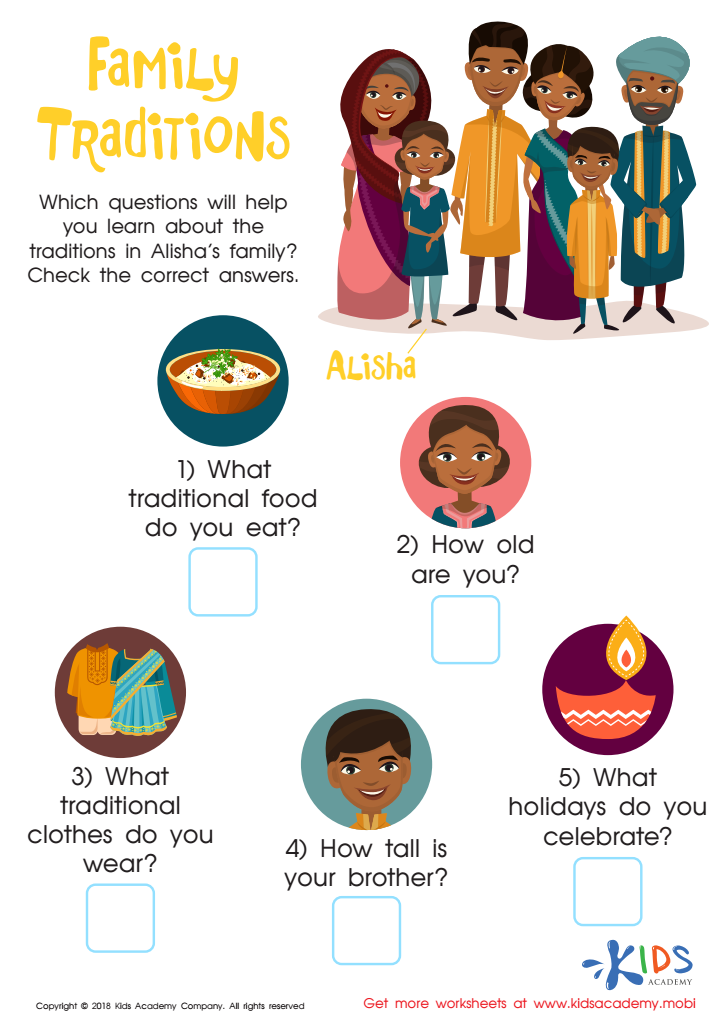
Family Traditions Worksheet

Assessment: First Thanksgiving Worksheet
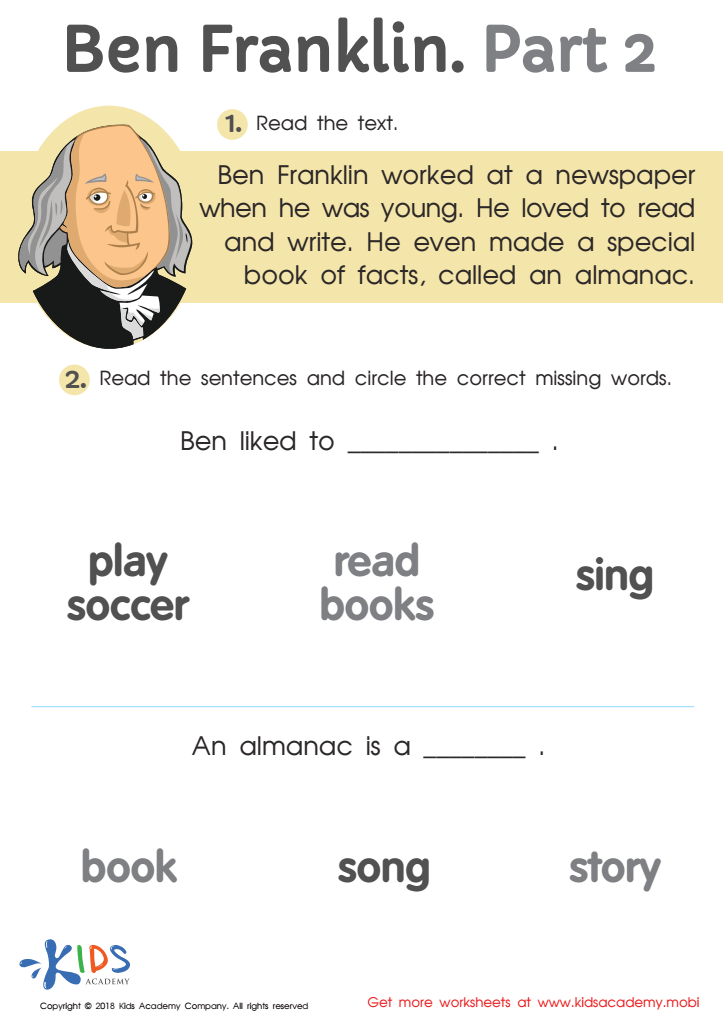
Ben Franklin Part 2 Worksheet
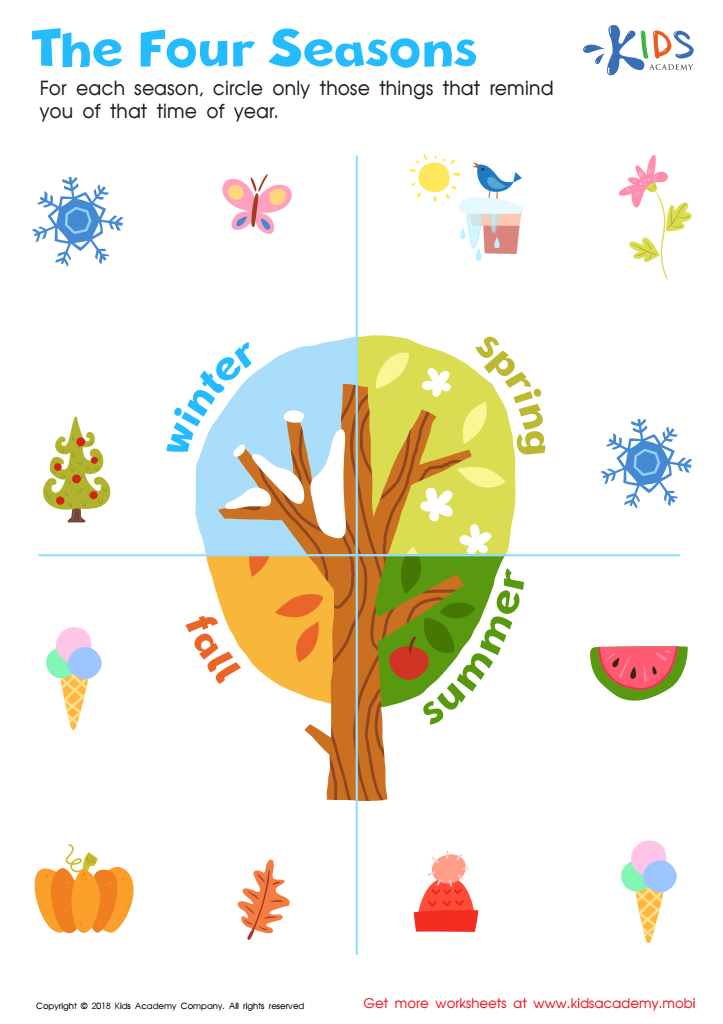
The Four Seasons Worksheet
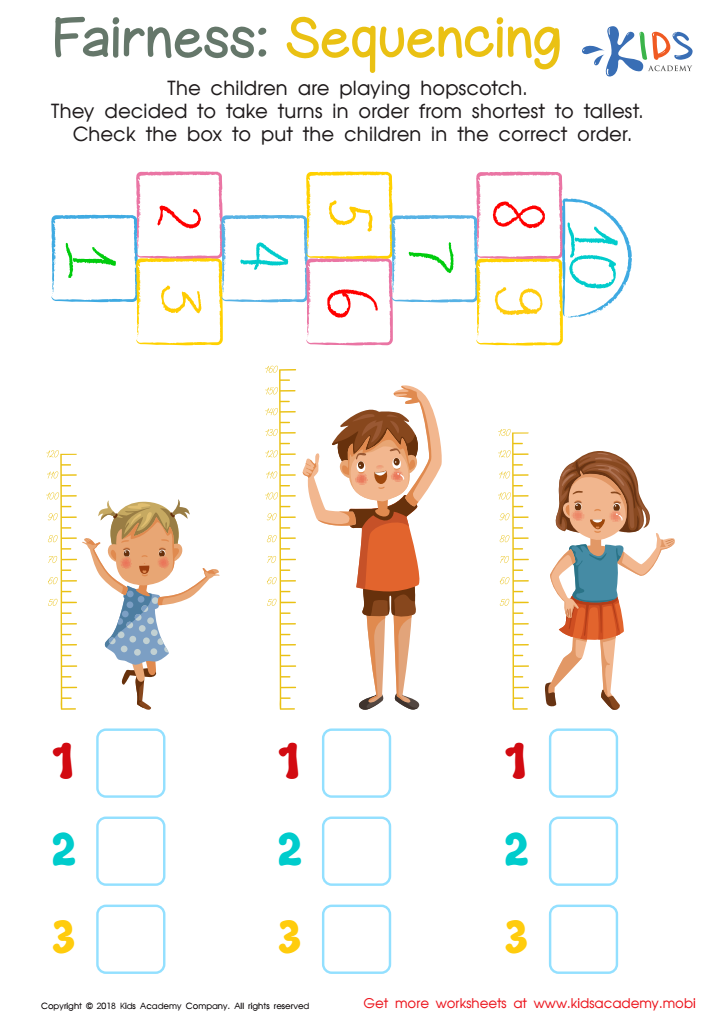
Fairness: Sequencing Worksheet
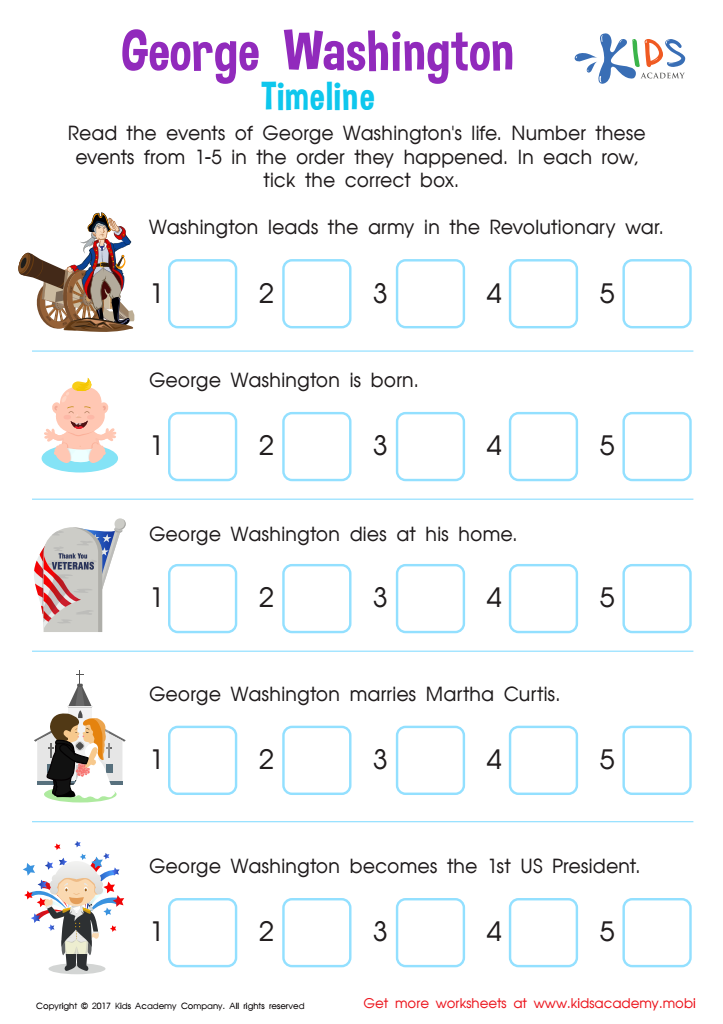
George Washington Timeline Worksheet





Critical Thinking Social Studies for ages 5-7 plays a vital role in shaping the foundation of a child's intellectual and emotional development. By introducing young minds to critical thinking early on, educators and parents enable children to develop essential reasoning and problem-solving skills that are crucial for lifelong learning and active citizenship.
Firstly, engaging children in critical thinking activities in a social studies context helps them to understand their place in the world. It encourages them to ask questions about their community, history, and the diverse cultures that make up society. This lays the groundwork for empathy and respect for others, promoting social harmony and cooperation.
Secondly, fostering critical thinking skills helps children to become independent thinkers. They learn to analyze information, recognize patterns, and draw conclusions based on evidence rather than assumptions. This intellectual independence empowers them to challenge stereotypes, differentiate between fact and opinion, and make informed decisions.
Lastly, an early focus on critical thinking in social studies cultivates curiosity and a love for learning. By making learning engaging and relevant, we support children in becoming proactive learners who are not afraid to explore new ideas and perspectives. This not only prepares them for academic success but also for active, informed participation in their communities as they grow.








