Long Vowels Worksheets for Ages 5-8 - Page 2
36 filtered results
-
From - To
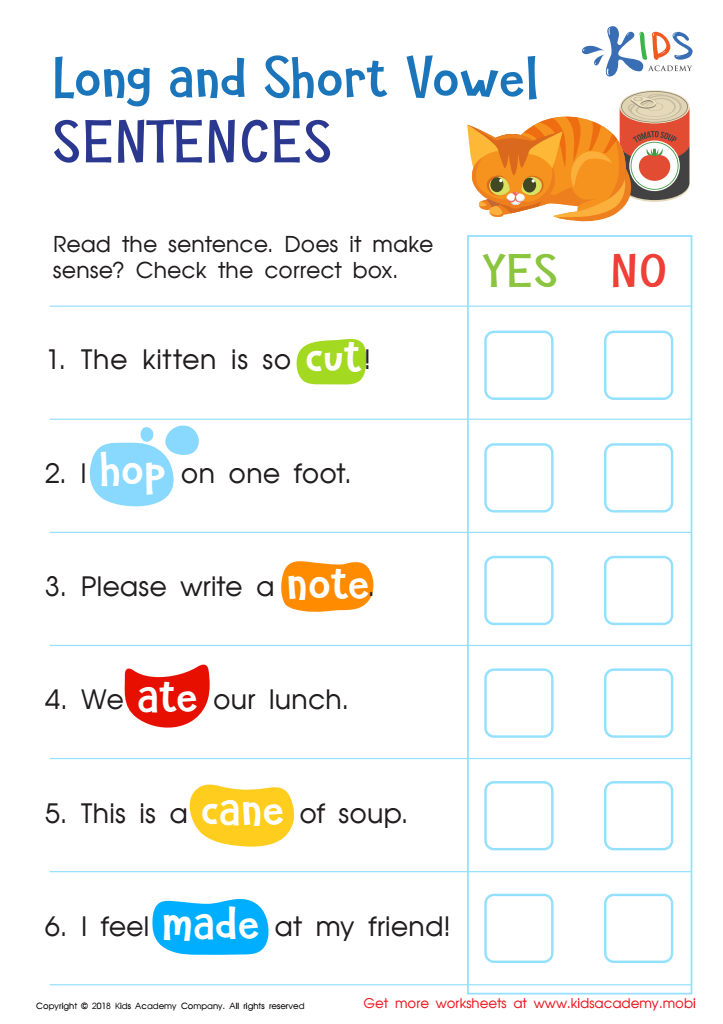
Long and Short Vowel Sentences: Assessment Worksheet
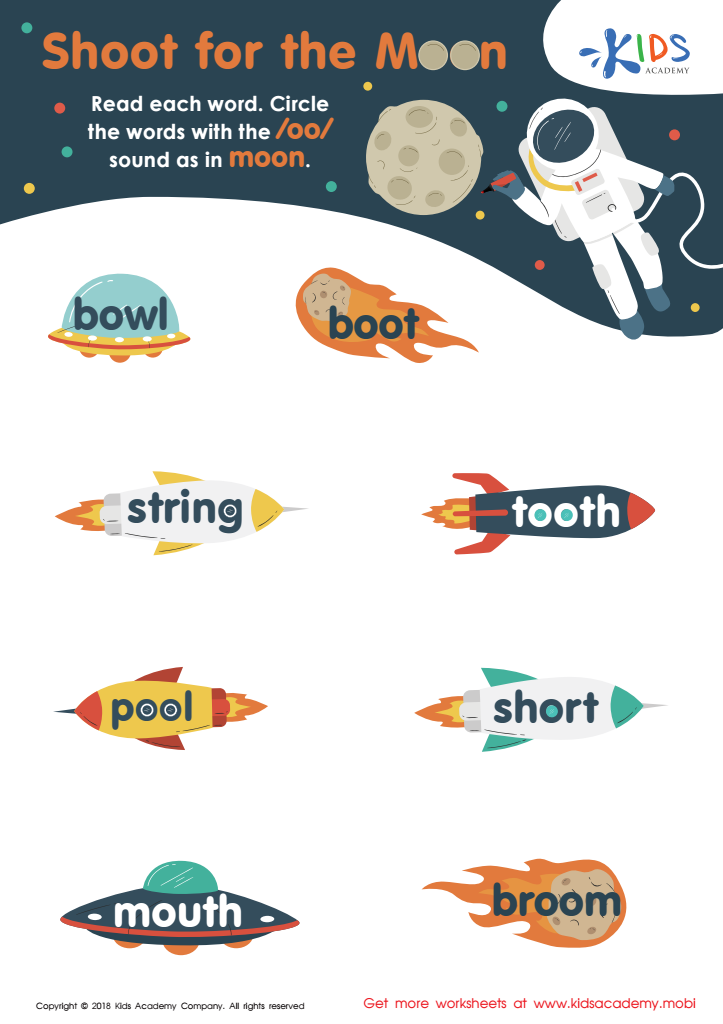
Reading: Shoot for the Moon Worksheet
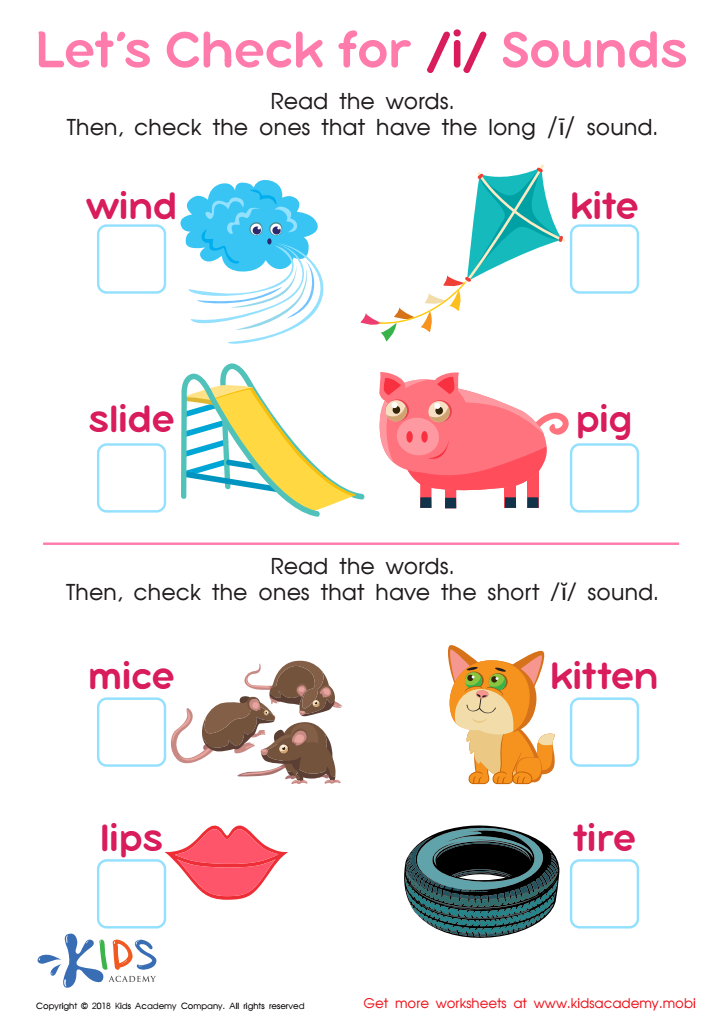
Let's Check for «i» Sounds Worksheet

Long and Short E Worksheet
 Assign to My Students
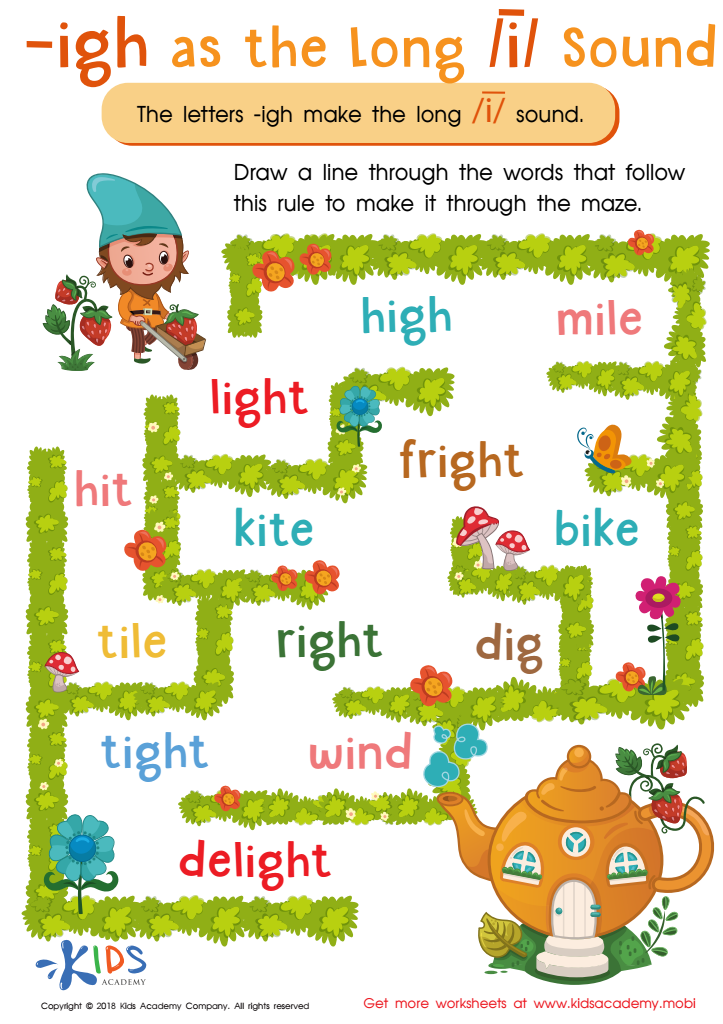
Reading: IGH as Long I Worksheet
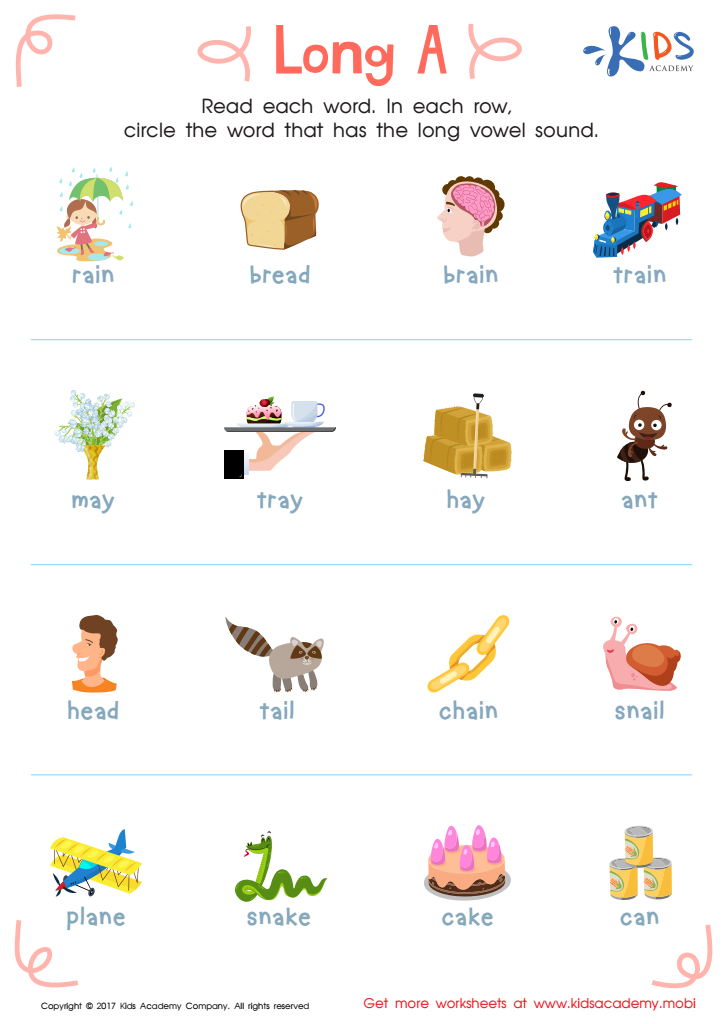
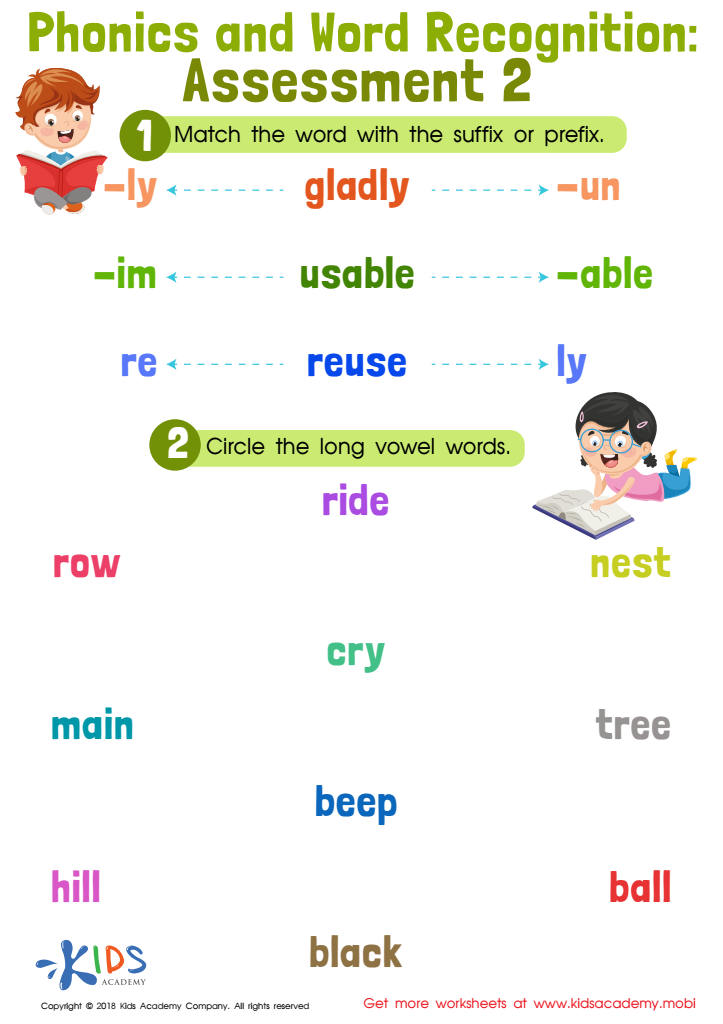
Phonics and Word Recognition: Assessment 2
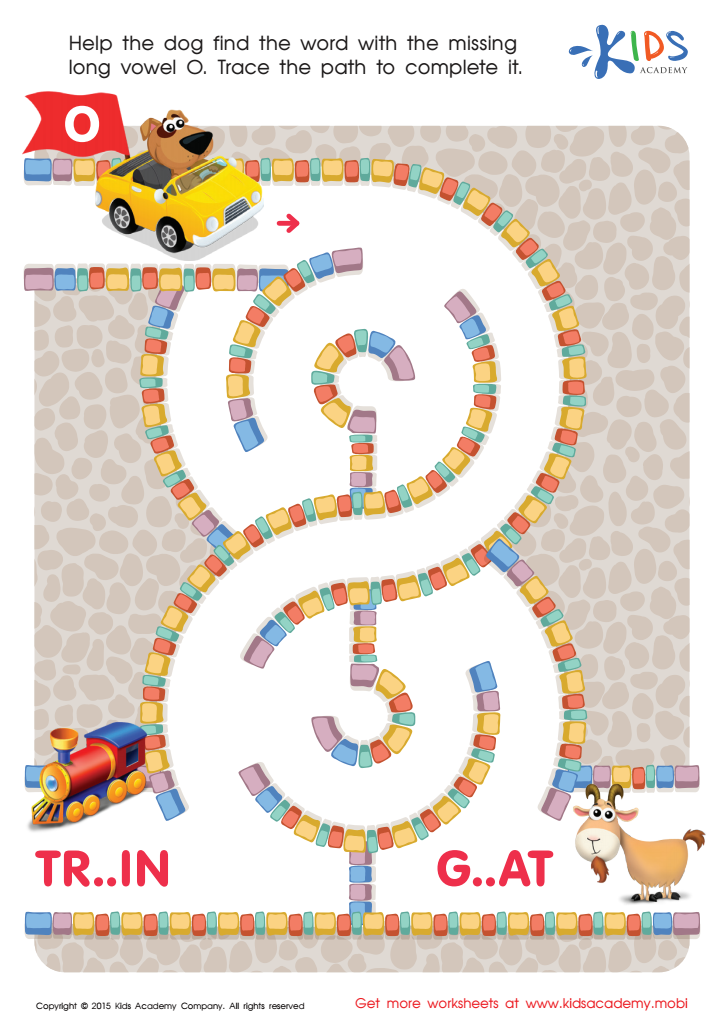
Long Vowel Sound O Worksheet
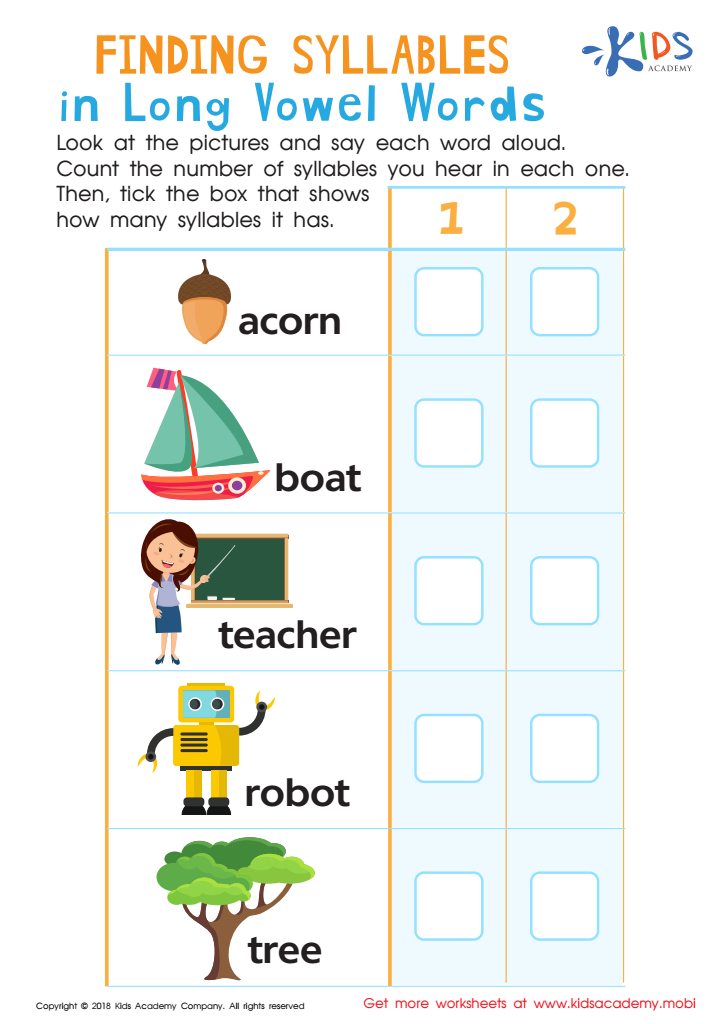
Finding Syllables in Long Vowel Words Worksheet
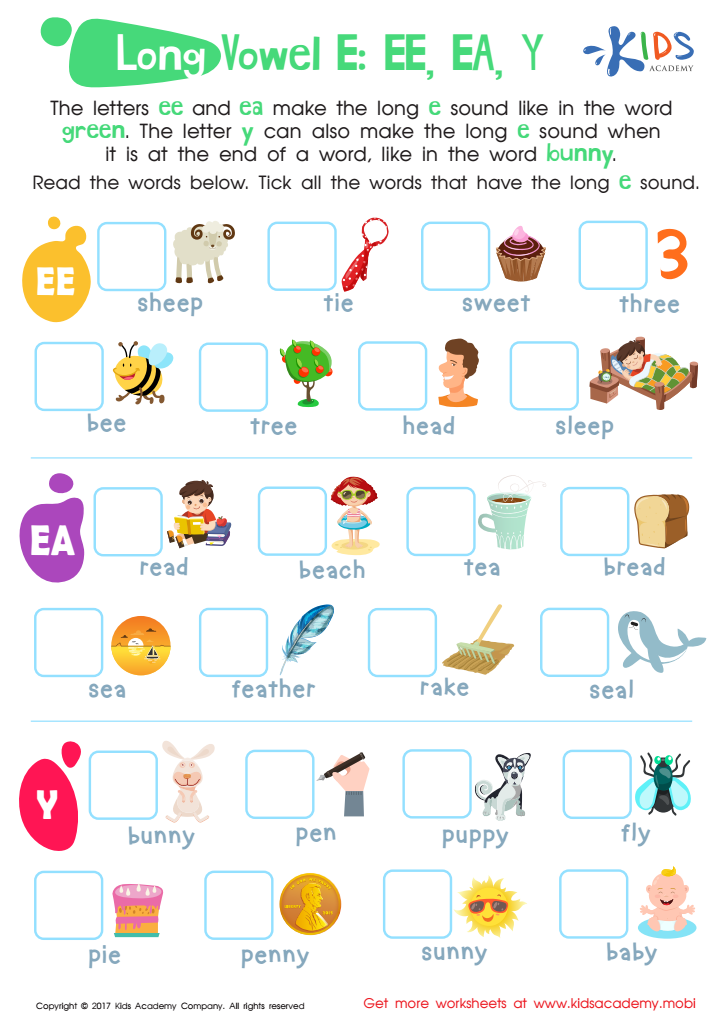
Long Vowel E Printable
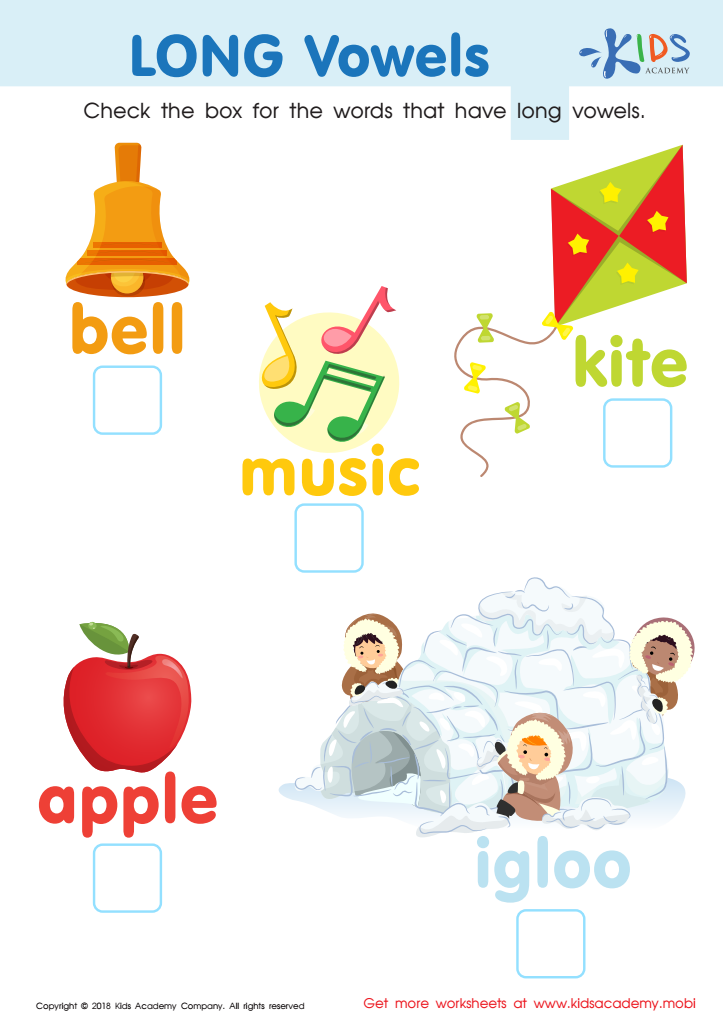
long vowels Worksheet
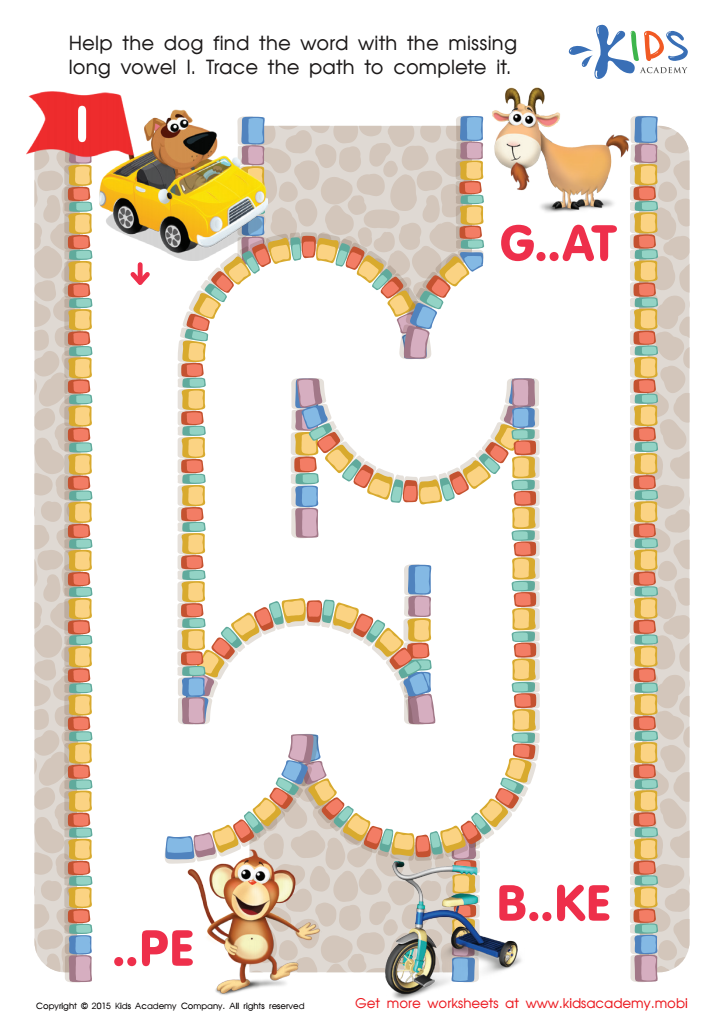
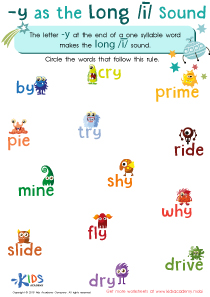
Long Vowel Sound I Worksheet



Long vowels are crucial for early readers, typically aged 5-8, as they form the foundation of literacy skills. Understanding long vowel sounds can significantly enhance a child's reading and writing abilities, making it essential for parents and teachers to prioritize this aspect of language.
Firstly, long vowels distinguish between different words, helping to avoid confusion. For example, the long 'a' in "cake" differs from the short 'a' in "cat." Recognizing this can significantly improve children's comprehension and decoding abilities.
Additionally, long vowels are integral to phonics instruction, which is fundamental in helping young learners understand language structure. By mastering these sounds, children can generalize rules for reading and spelling, thereby increasing their vocabulary and fluency.
Supporting a child's understanding of long vowels also boosts their confidence as readers. Once they grasp these sounds, they are more likely to engage with books and improve their overall literacy skills.
By focusing on long vowels, parents and teachers not only enhance reading skills but also foster a lifelong love for learning. Investing time in this aspect of literacy education lays the groundwork for future success in language arts and builds critical cognitive and communication skills.