Animals Worksheets for Ages 5-8 - Page 2
26 filtered results
-
From - To
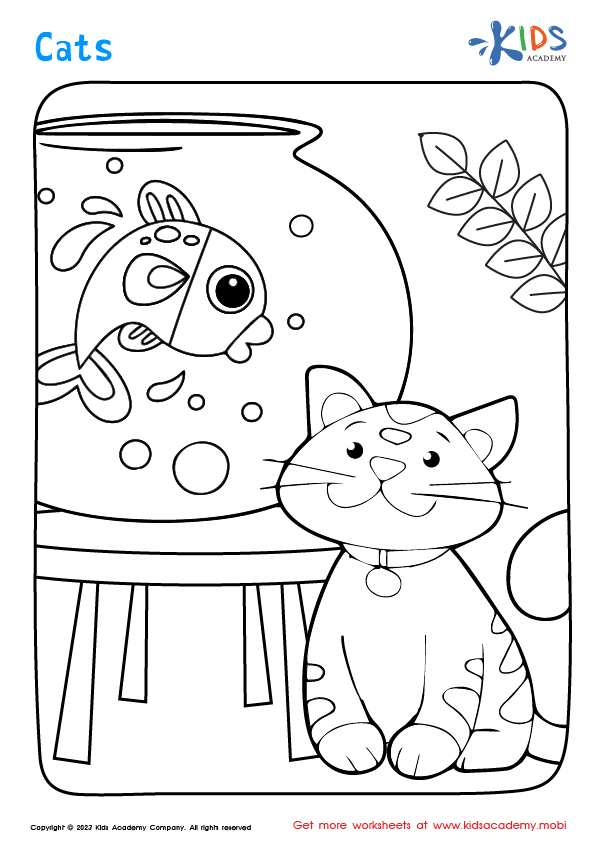
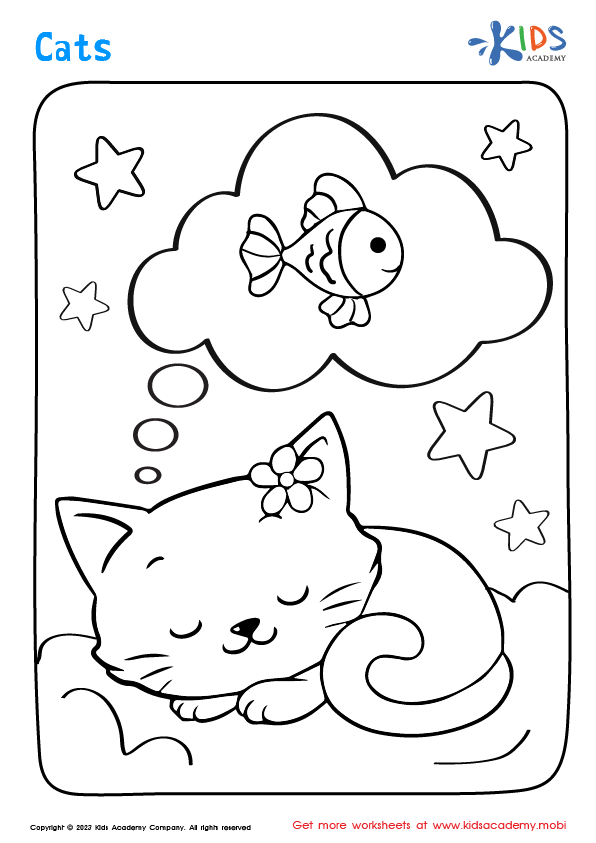








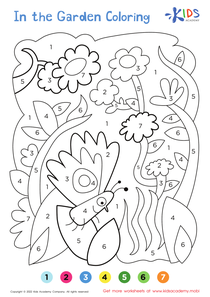
Parents and teachers should prioritize teaching children about animals because it fosters a sense of empathy, curiosity, and environmental stewardship. Introducing kids ages 5-8 to animals encourages emotional development by helping them understand and care for living beings other than themselves. This form of interaction cultivates compassion and can improve social skills as children learn to express kindness and sensitivity.
Moreover, learning about animals ignites curiosity and a love for science. Kids become fascinated by the diverse characteristics and behaviors of animals, leading to increased attention to biology, ecology, and geography. This interest can form a strong foundation for future learning and a greater appreciation for the natural world.
Environmental stewardship is another critical outcome. Teaching children about animals and their habitats emphasizes the importance of conservation efforts and responsible behavior towards nature. Understanding the interconnection between humans, animals, and the environment helps kids see the value of protecting our planet for future generations.
Incorporating animals into educational curricula or daily conversations also provides engaging, hands-on learning experiences. Activities like visiting zoos, reading books about wildlife, and interacting with pets can be both fun and educational, creating lasting memories while imparting valuable life lessons. Overall, fostering a child’s interest in animals ultimately nurtures a thoughtful, well-rounded, and caring individual.