2D Shapes Worksheets for Ages 5-8 - Page 4
75 filtered results
-
From - To
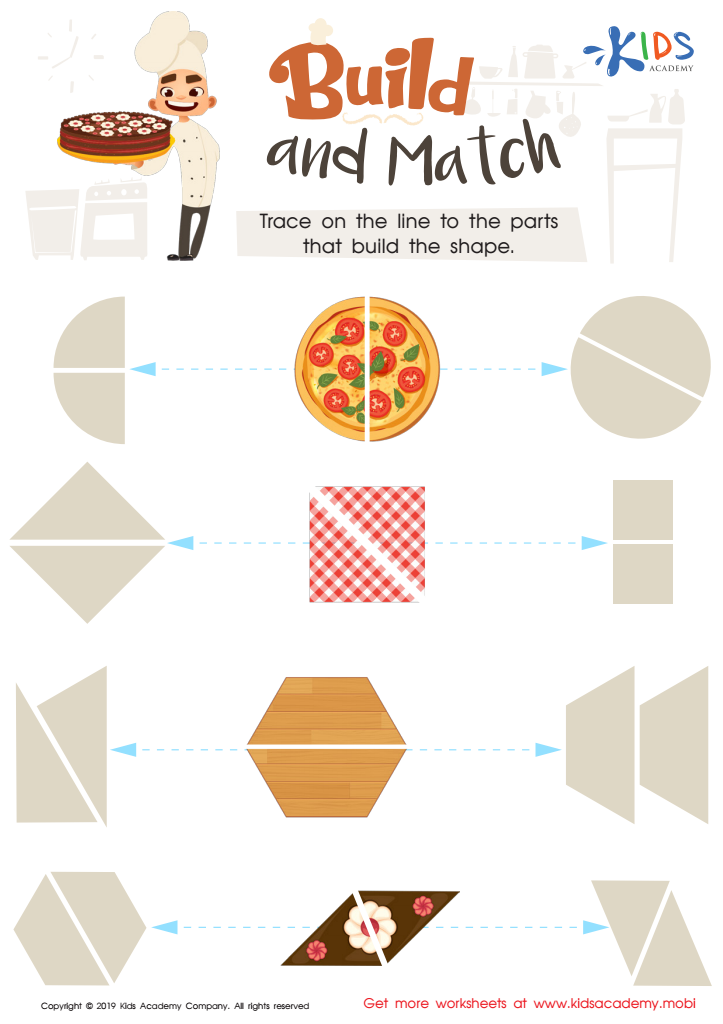
Build and Match Worksheet
 Assign to My Students











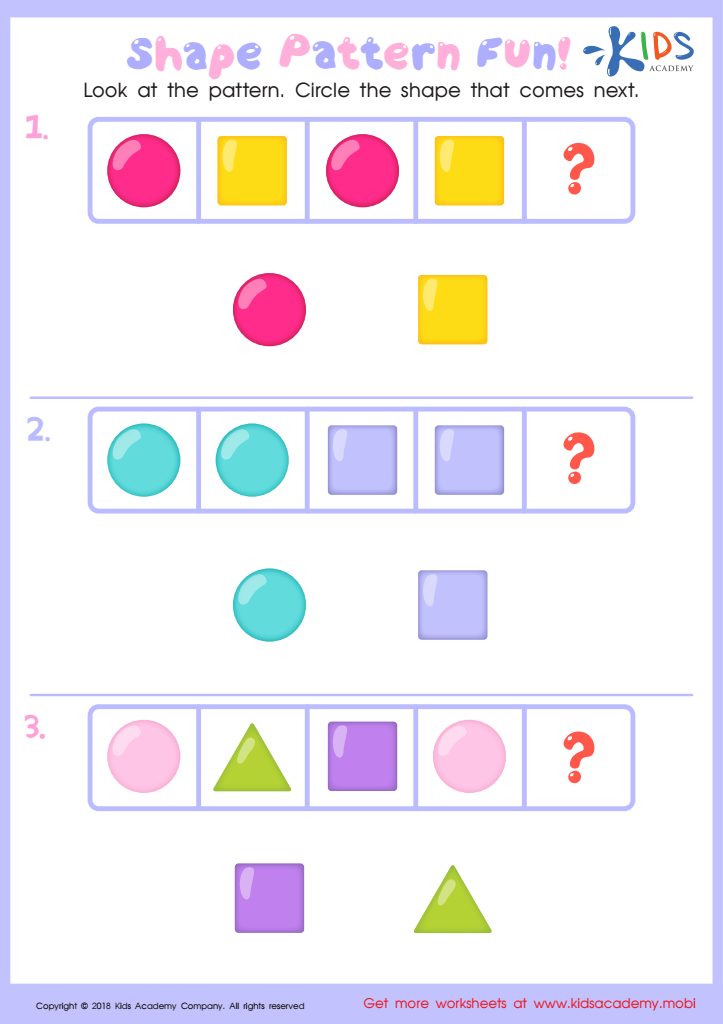
Shape Pattern Fun Worksheet
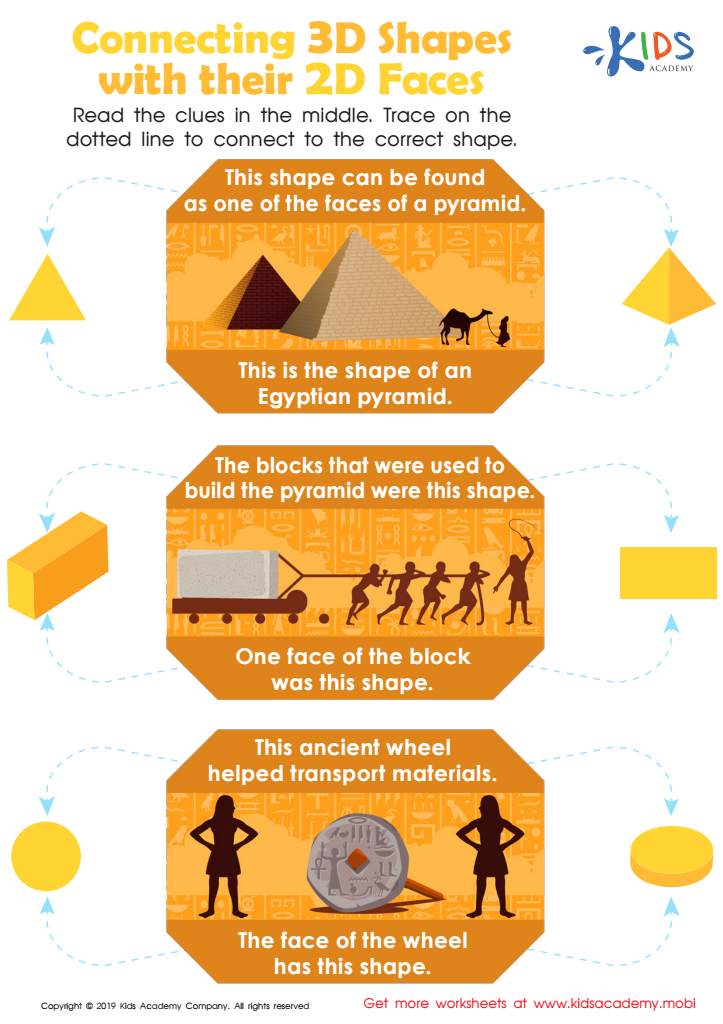
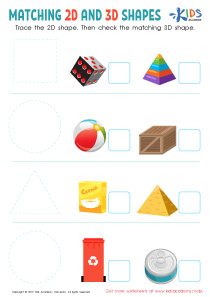
Connecting 3D Shapes with Their 2d Faces Worksheet








Understanding 2D shapes is fundamental for young children, especially those ages 5-8, as it lays the groundwork for many critical cognitive and developmental skills. First and foremost, recognizing and categorizing shapes helps kids develop spatial awareness, which is crucial for tasks such as reading and writing. For example, distinguishing different shapes' sizes and understanding their orientation and position aids children in letter recognition and word spacing.
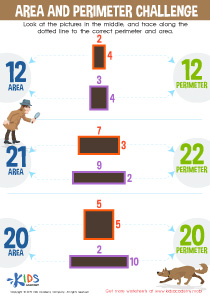
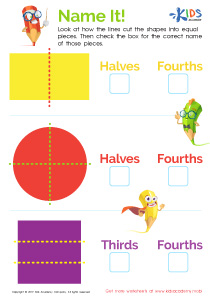
In addition, learning about 2D shapes fosters mathematical skills and problem-solving abilities. Shapes are a foundational element of geometry, teaching concepts like symmetry, perimeter, and area. As children engage with shapes, they begin to develop pattern recognition abilities, a critical aspect of logical thinking and future mathematical understanding.
Moreover, learning about shapes enhances fine motor skills through drawing, cutting, and manipulating different forms. Creating and interacting with shapes require precise movements and control, boosting hand-eye coordination.
Socially, discussing and exploring shapes helps build language skills and vocabulary. Describing shapes' attributes (like sides and corners) promotes detailed observation and articulation.
Ultimately, teachers and parents should prioritize 2D shapes for young learners because it provides an institutional framework combining cognitive, motor, and language development, all of which contribute to a child's overall academic success and confidence.