Problem-Solving Skills Math Worksheets for Ages 5-8 - Page 12
313 filtered results
-
From - To
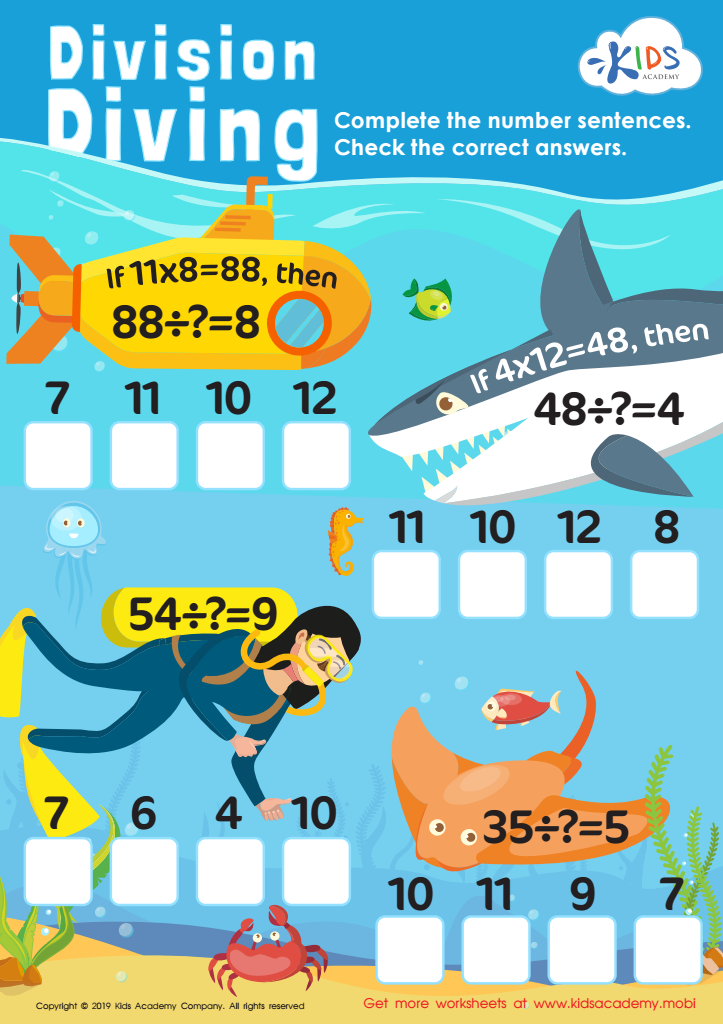
Division Diving Worksheet
 Assign to My Students
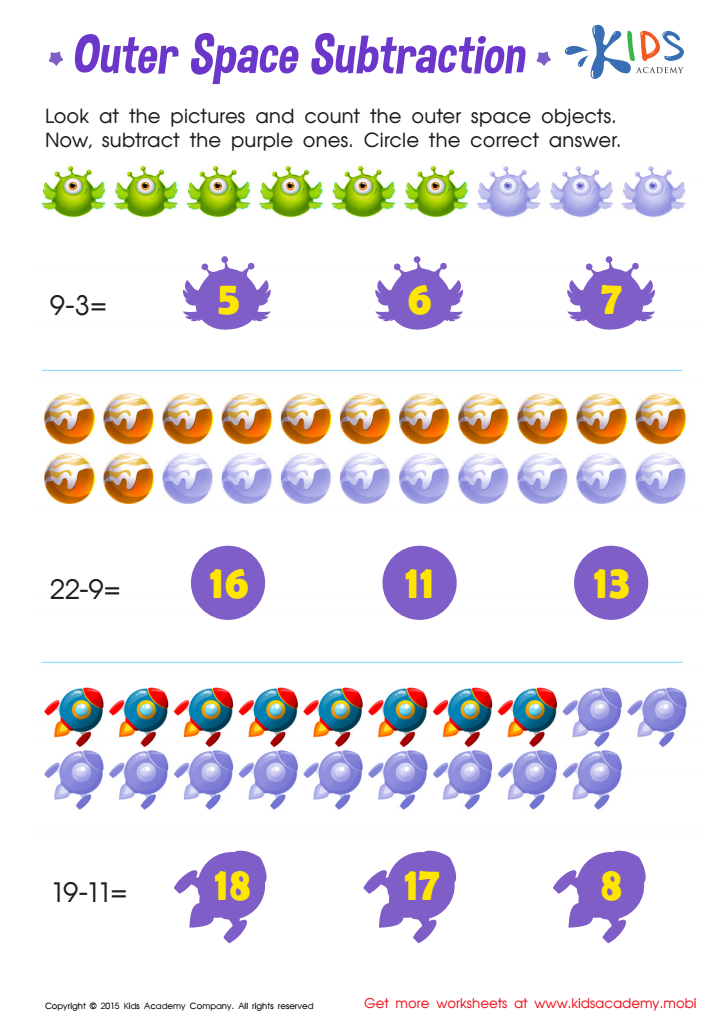
Outer Space Substraction Worksheet

Haystack Steps Worksheet
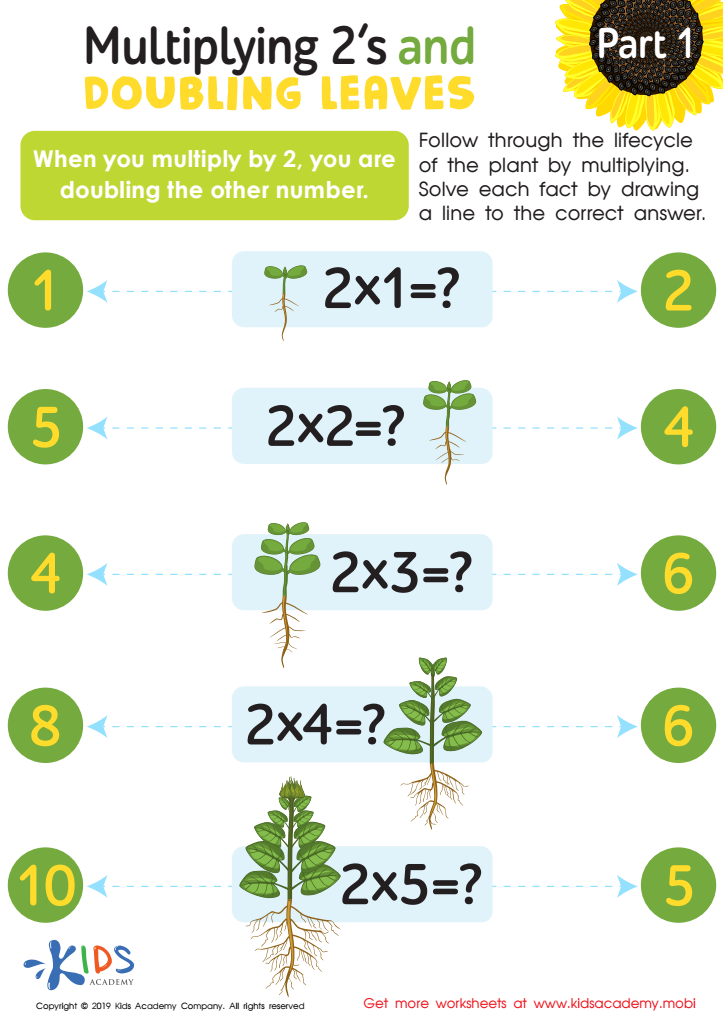
Multiplying 2’s and Doubling Leaves Part 1 Worksheet

The Unknown Number with the Moon Phases Worksheet
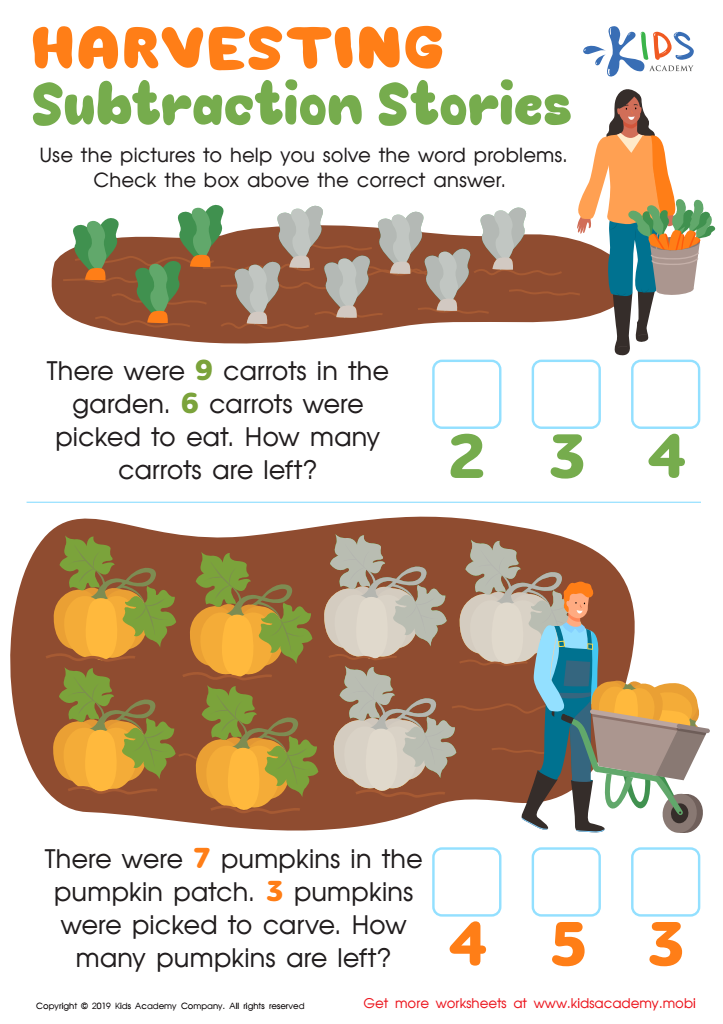
Harvesting Subtraction Stories Worksheet
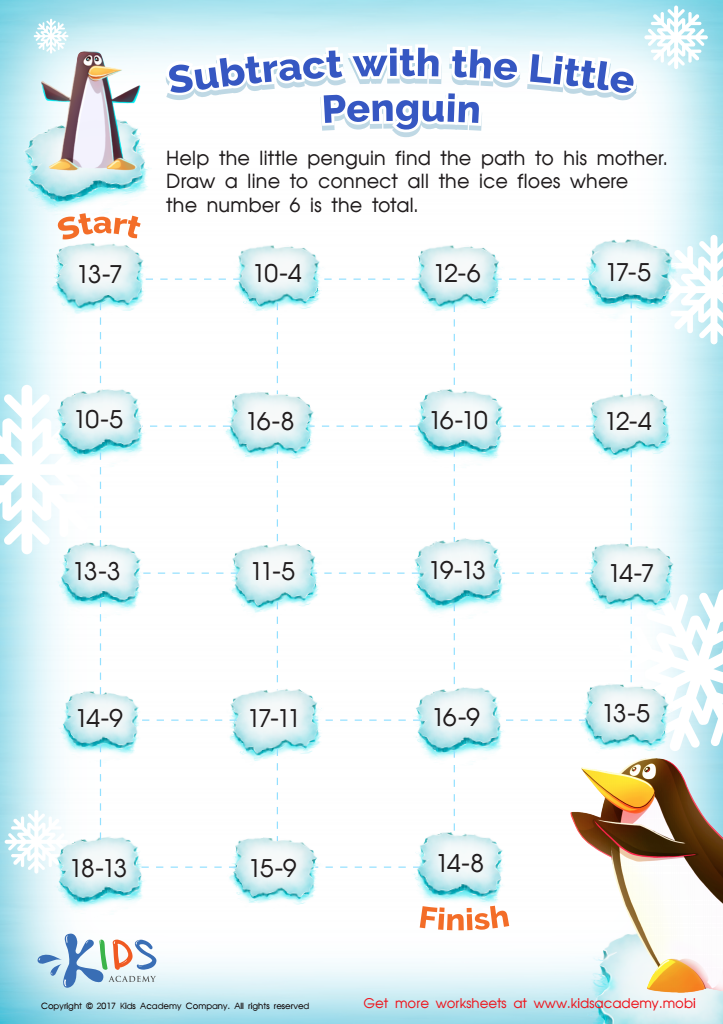
Subtract With The Little Penguin Substraction Worksheet
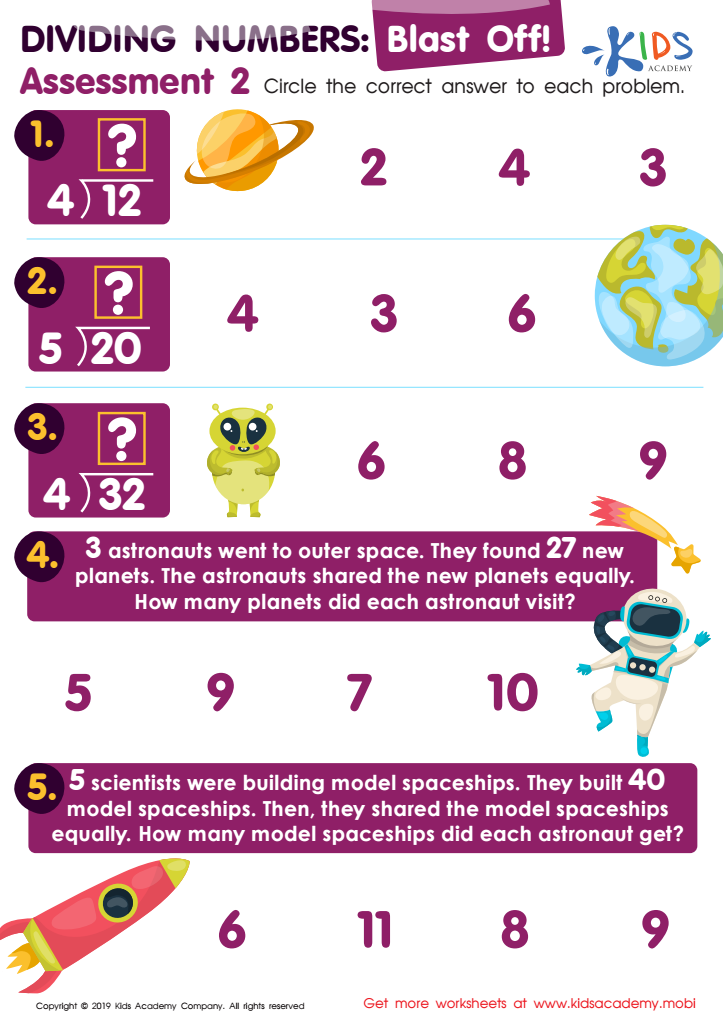
Dividing Numbers Assessment 2 Worksheet
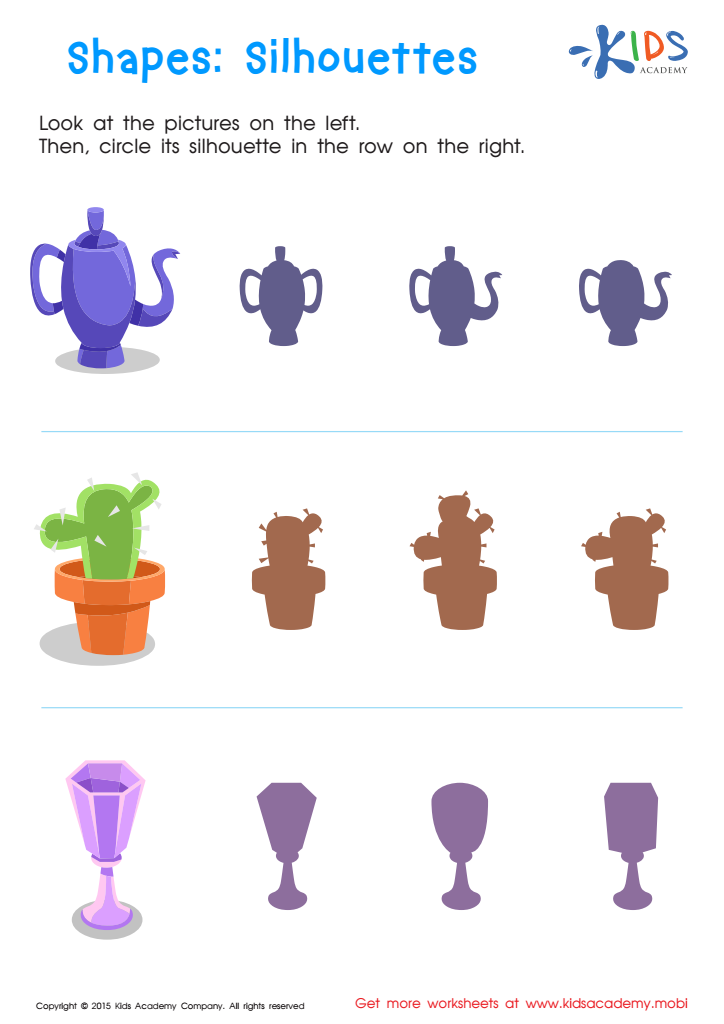
Silhouettes – Shapes Worksheet
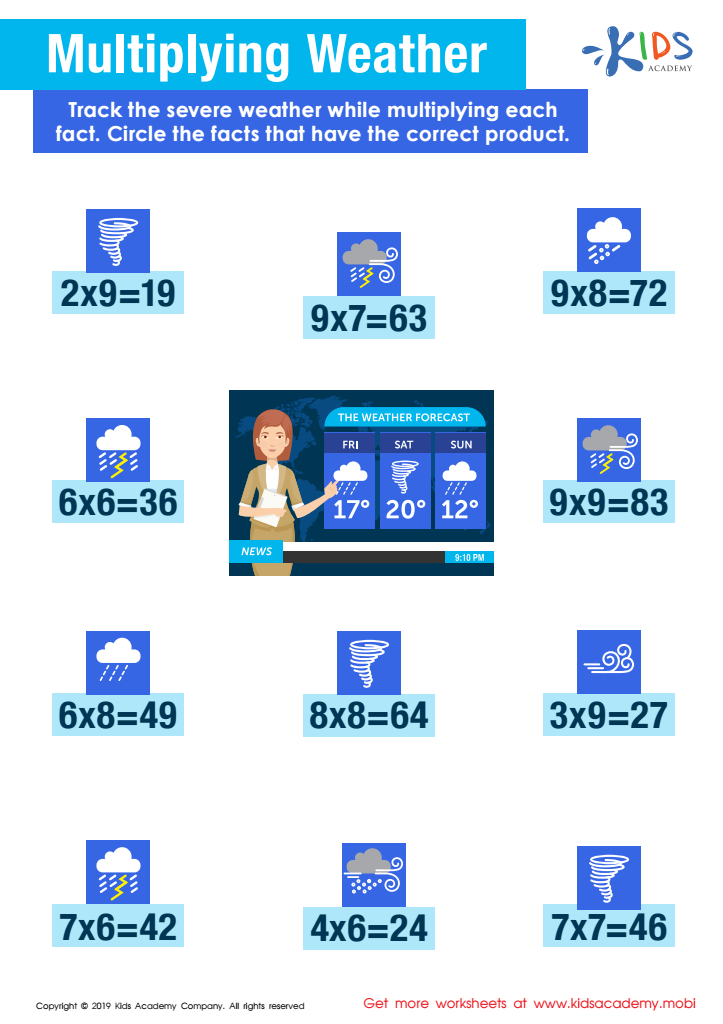
Multiplying Weather Worksheet
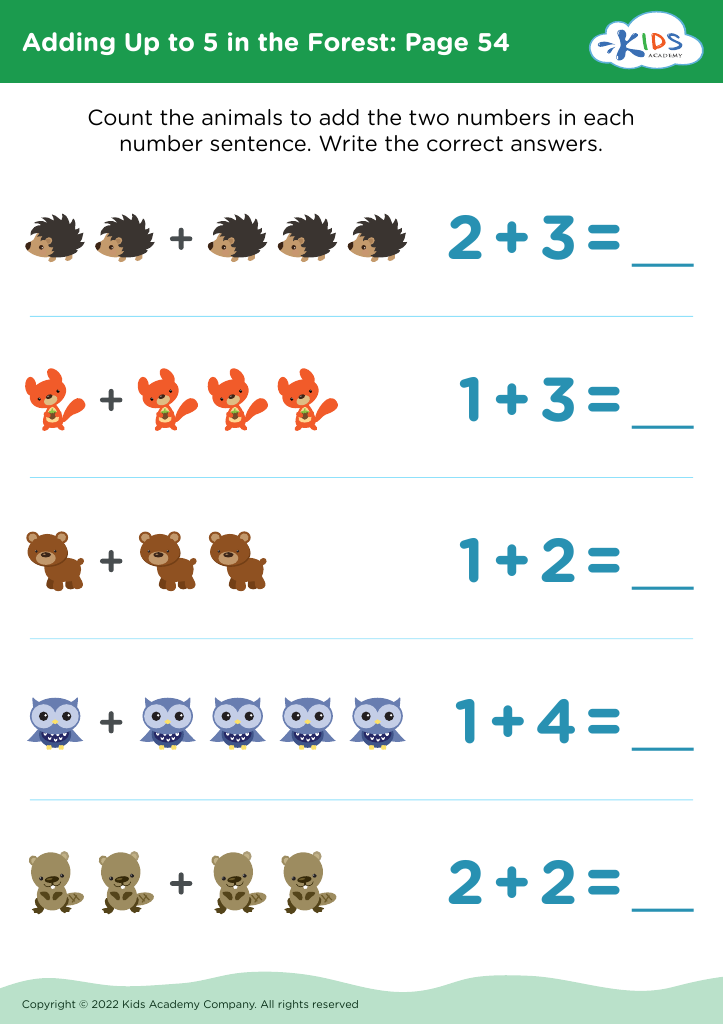
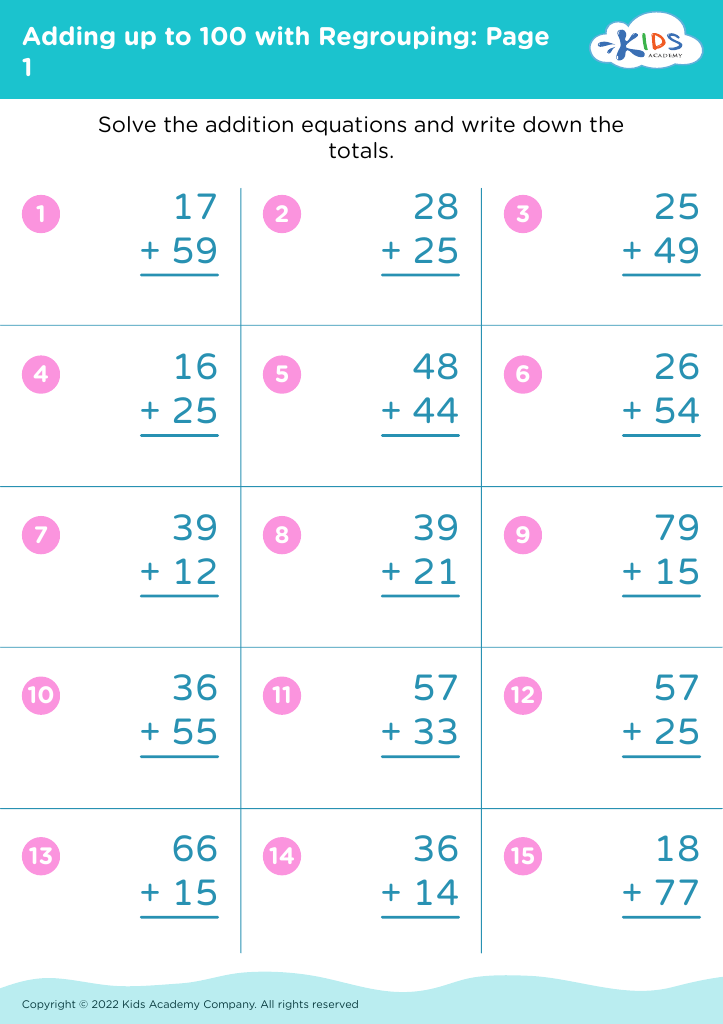
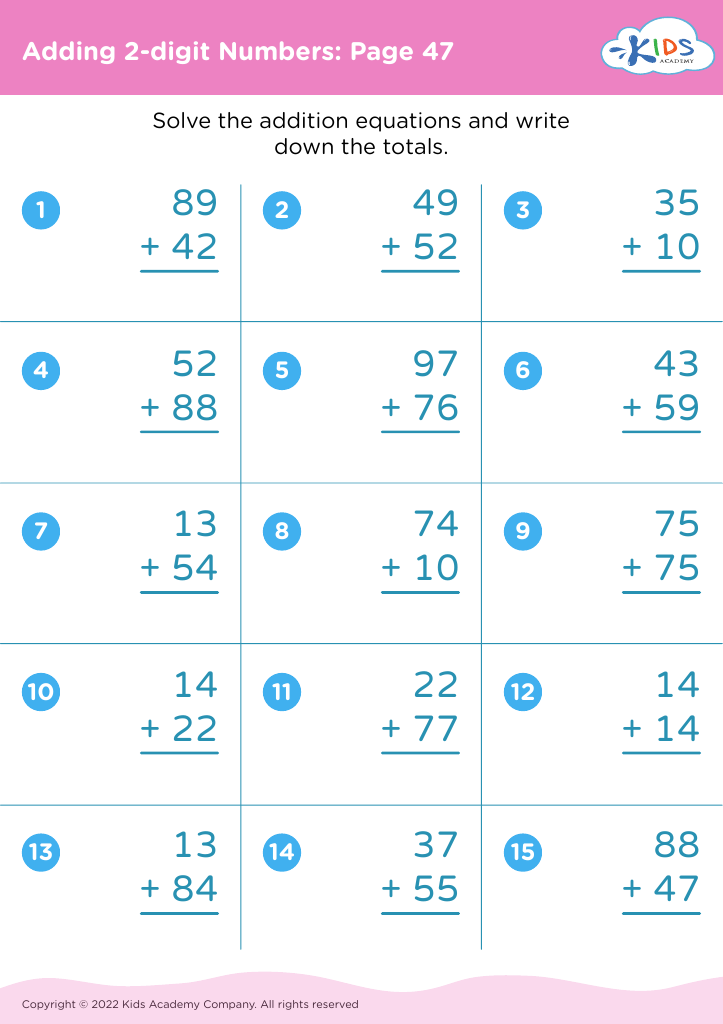
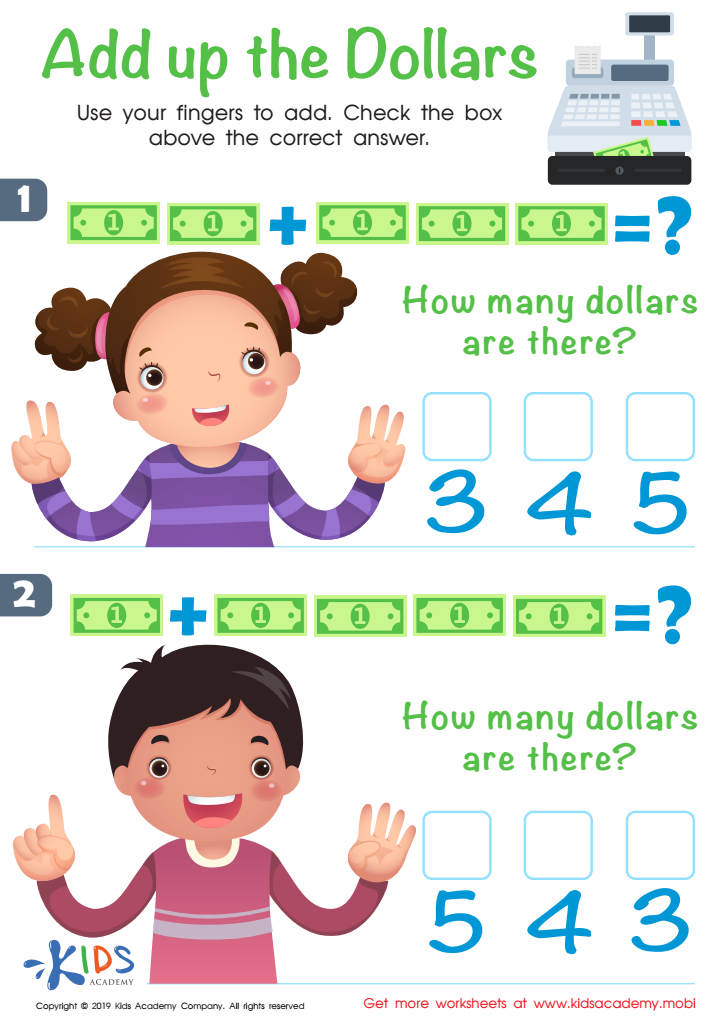
Add up the Dollars Worksheet
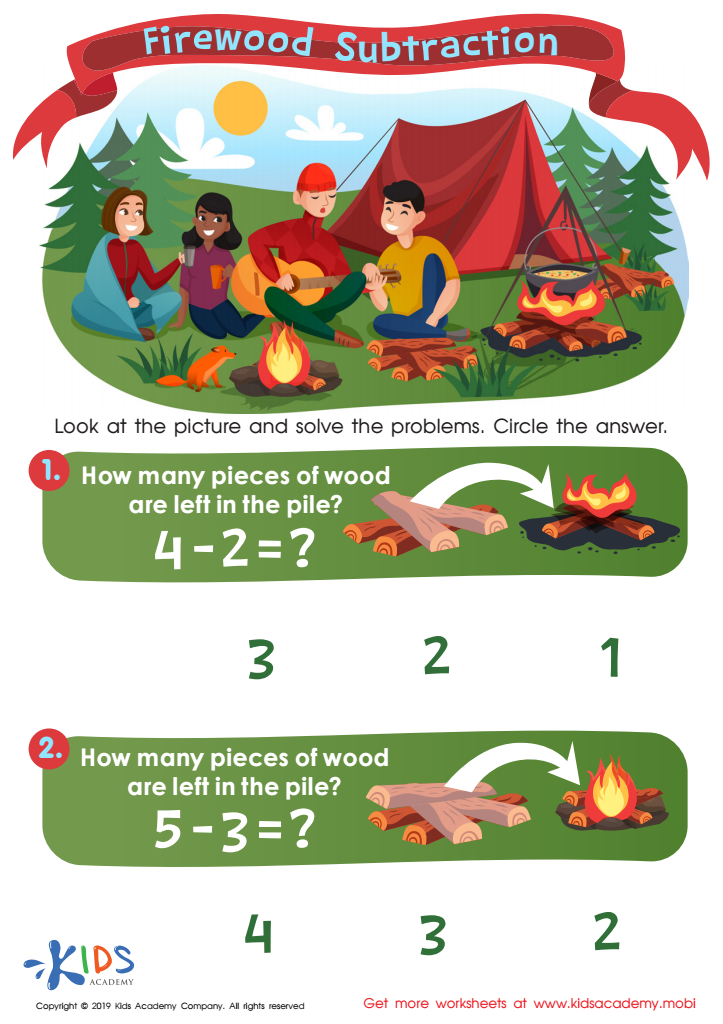
Firewood Subtraction Worksheet
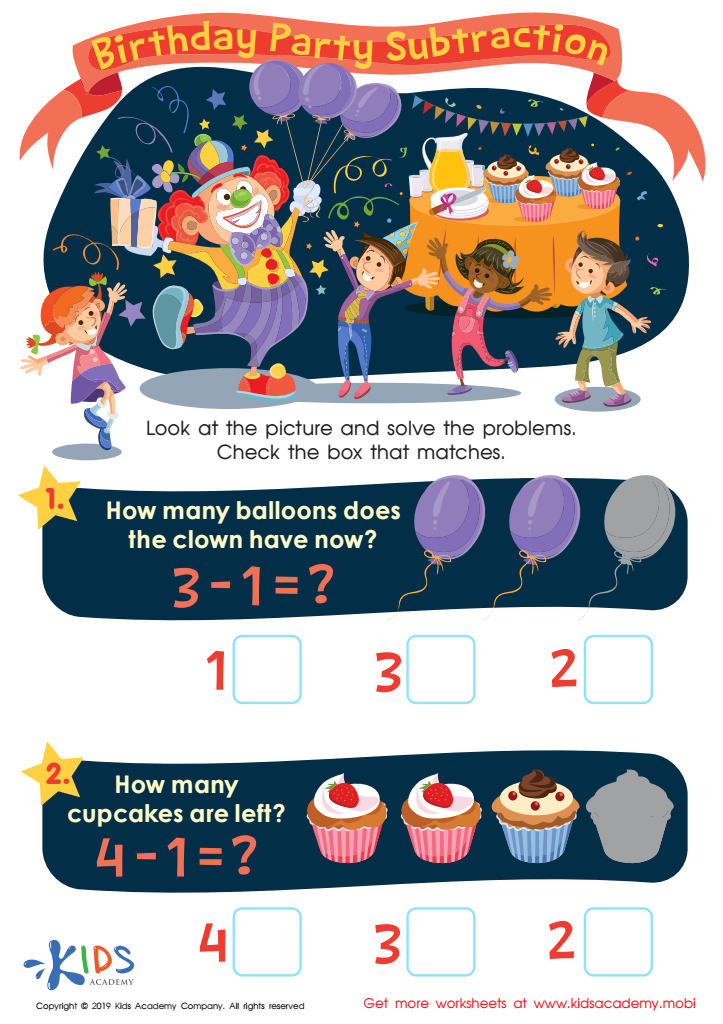
Birthday Party Subtraction Worksheet
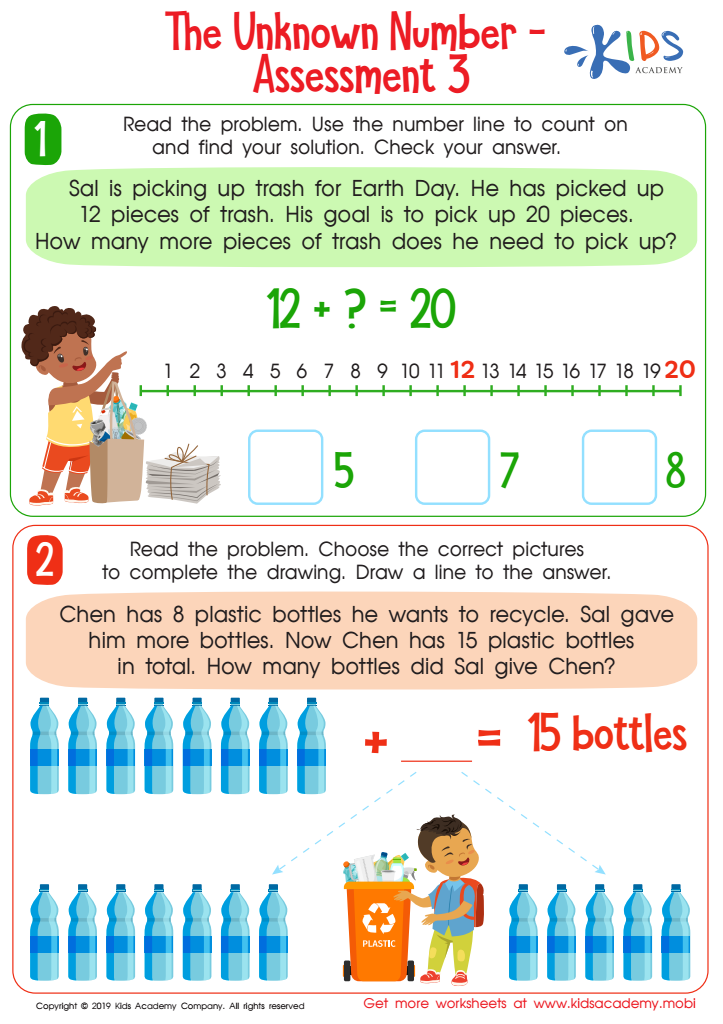
The Unknown Number - Assessment 3 Worksheet
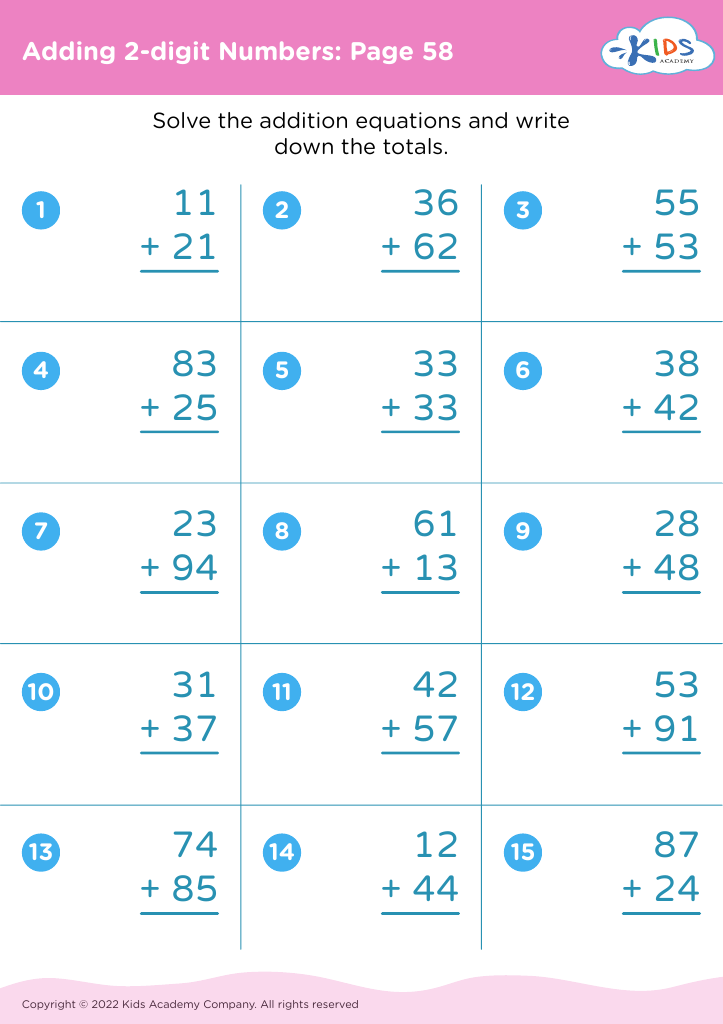
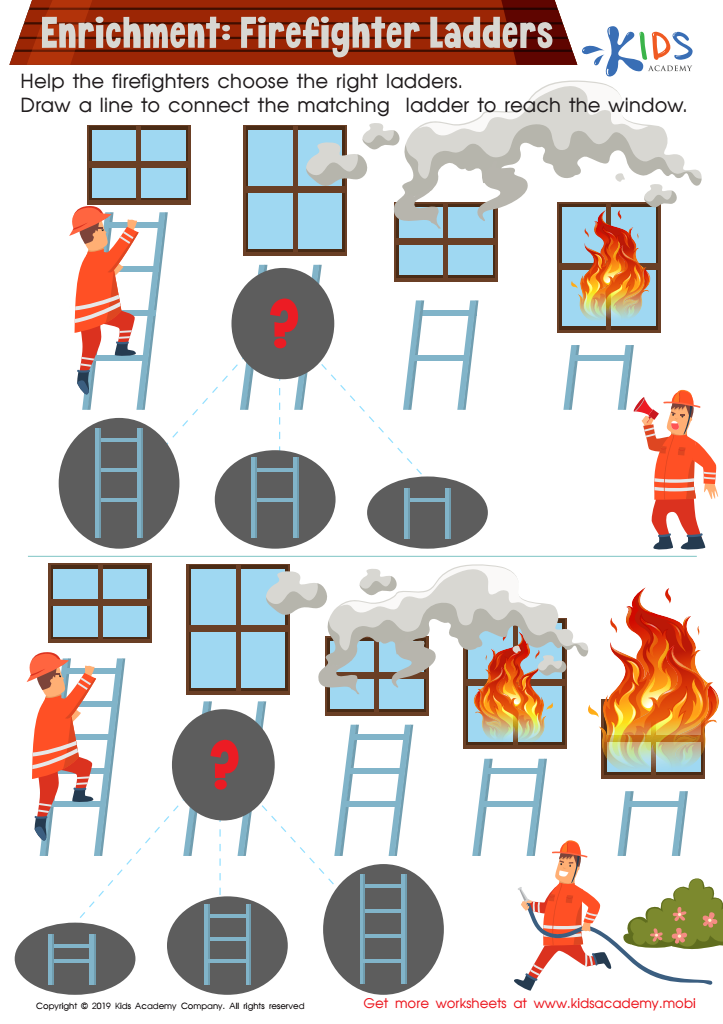
Enrichment: Firefighter Ladders Worksheet
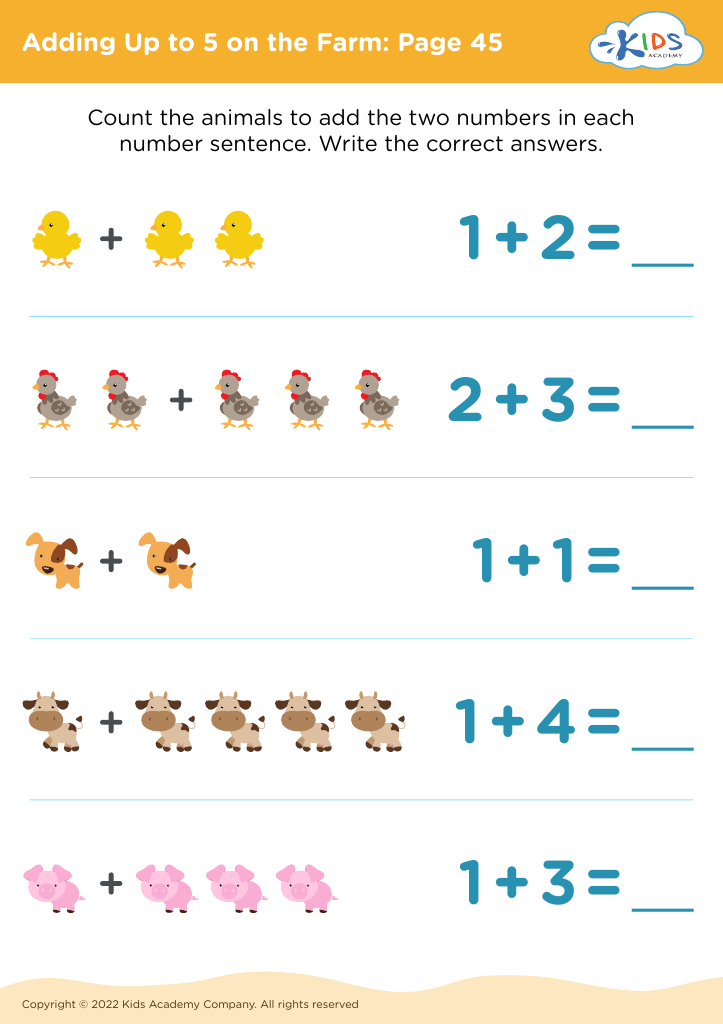








Problem-solving skills are crucial for children aged 5-8 as they establish foundational abilities that influence not only their mathematical understanding but also their overall cognitive development. At this crucial age, children are learning to think critically, analyze situations, and develop resilience when faced with challenges. Engaging in mathematical problem-solving helps them practice these essential skills in a fun and interactive manner.
Parents and teachers should care about nurturing these abilities because they lay the groundwork for later, more complex mathematical concepts. Problem-solving encourages children to explore various strategies, fostering creativity and flexibility in their thinking. Moreover, these skills promote a growth mindset, teaching children that mistakes are part of the learning process and that persistence leads to improvement.
Additionally, strong problem-solving skills are integral to lifelong learning, preparing children for everyday challenges beyond the classroom. As they encounter real-world situations—like budgeting or planning—these skills enable them to analyze problems, think logically, and make informed decisions. By prioritizing problem-solving in math education, parents and teachers equip children with tools that benefit them academically and personally, contributing to their overall development as confident and capable individuals.








