Problem-Solving Skills Word Problems Worksheets for Ages 5-8 - Page 2
44 filtered results
-
From - To
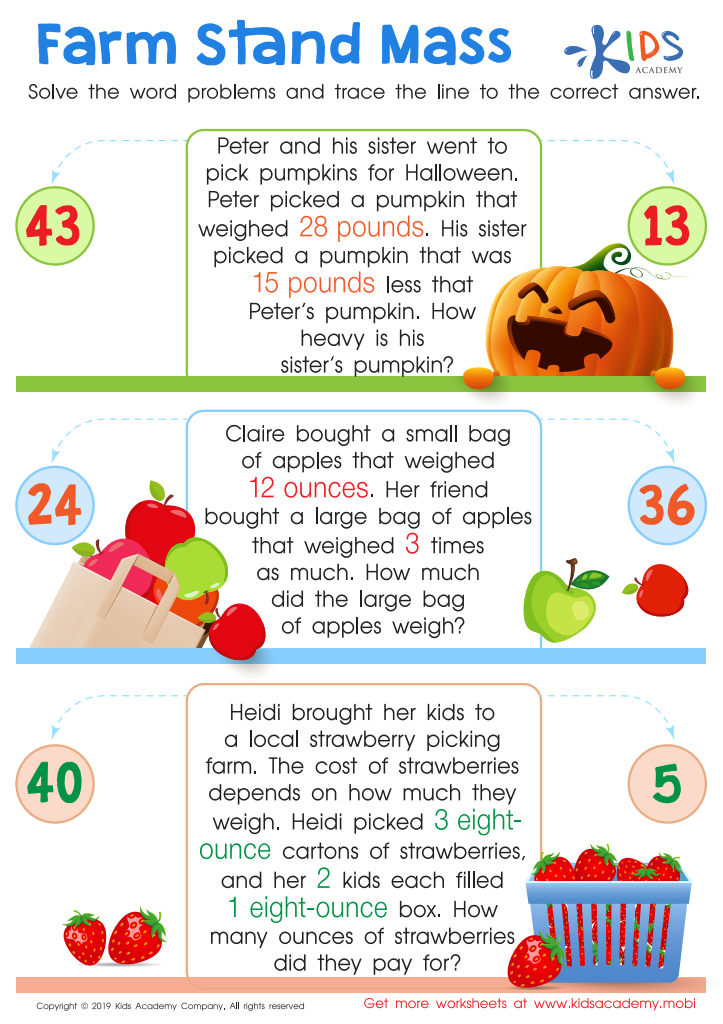
Farm Stand Mass Worksheet
 Assign to My Students
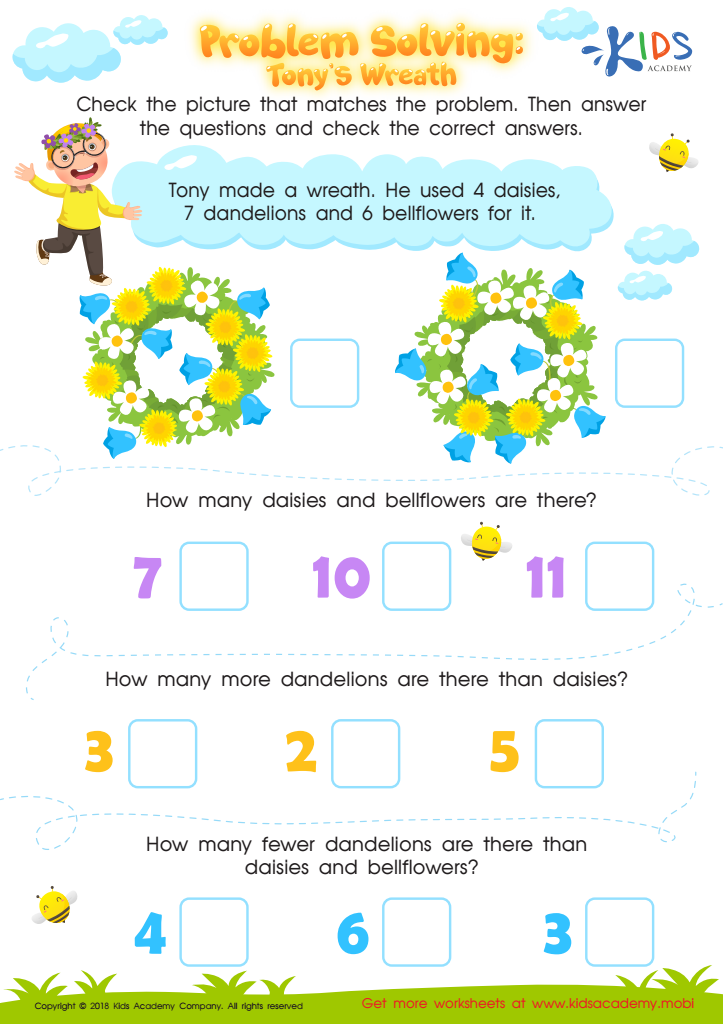
Problem Solving: Tony's Wreath Worksheet
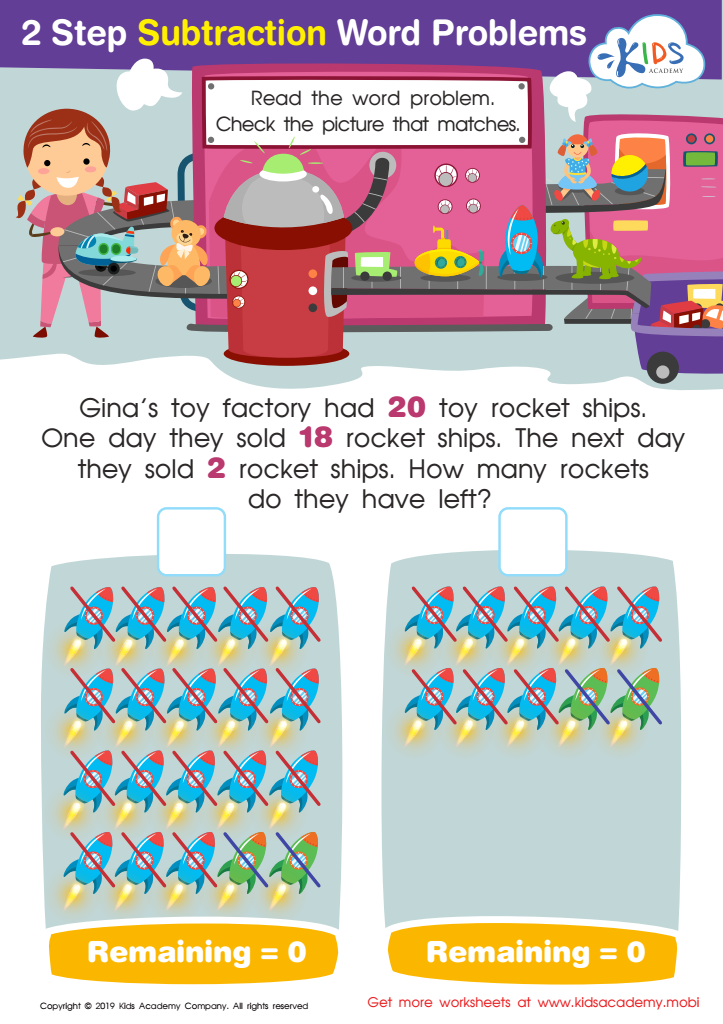
Step Subtraction Word Problems Worksheet
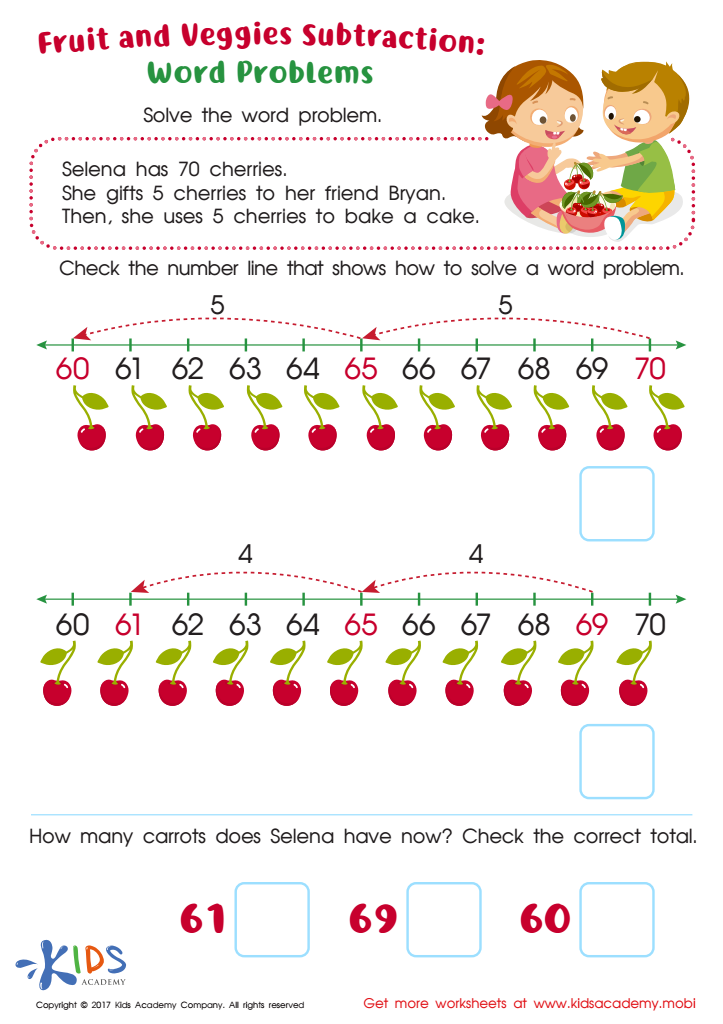
Subtraction Word Problems Free Printable
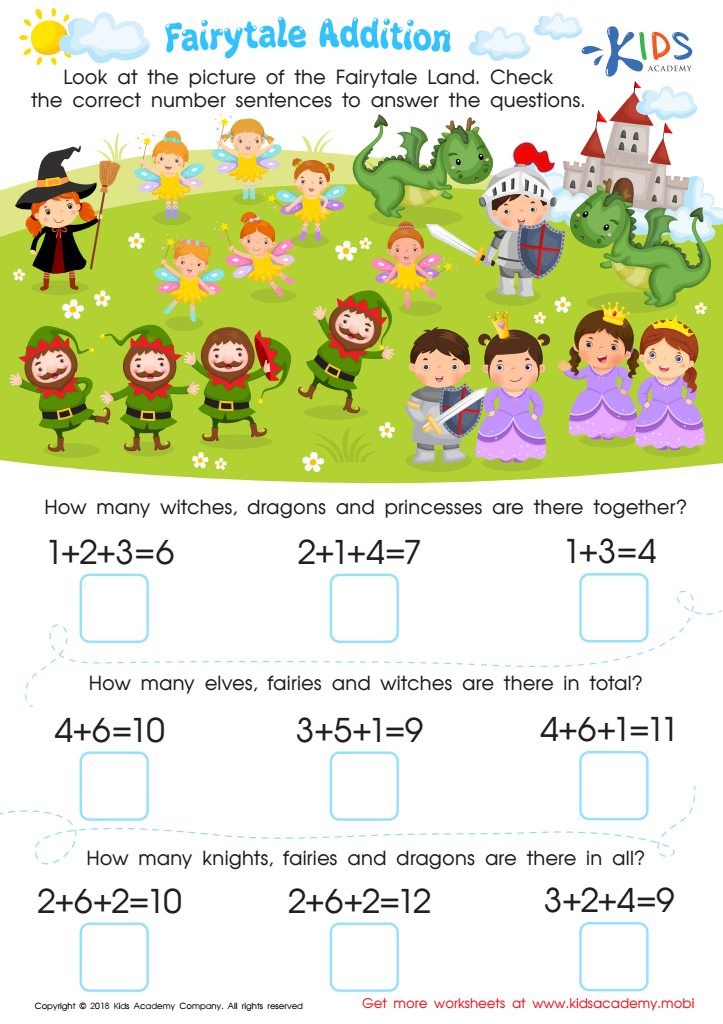
Fairytale Addition Worksheet
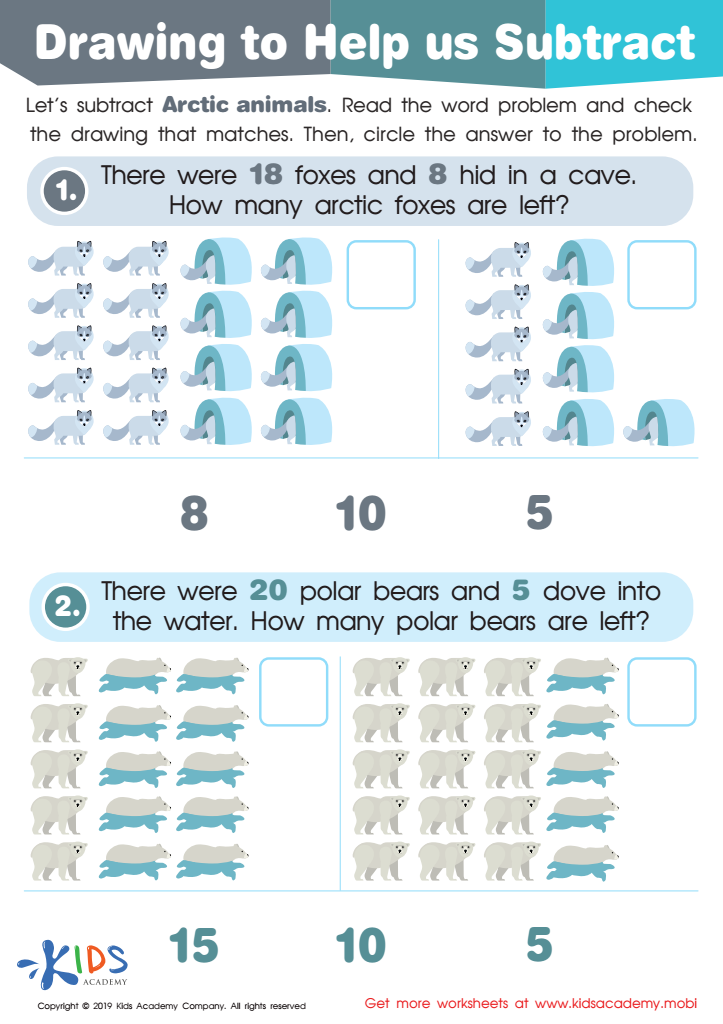
Drawing to Help Us Subtract Worksheet
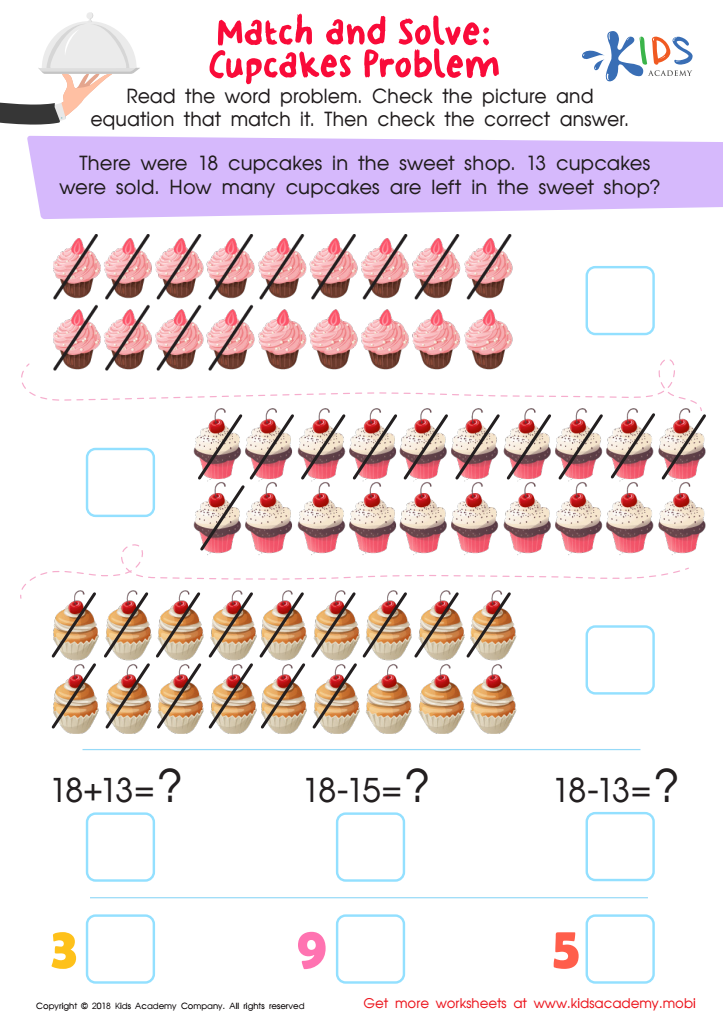
Match and Solve: Cupcakes Problem Worksheet
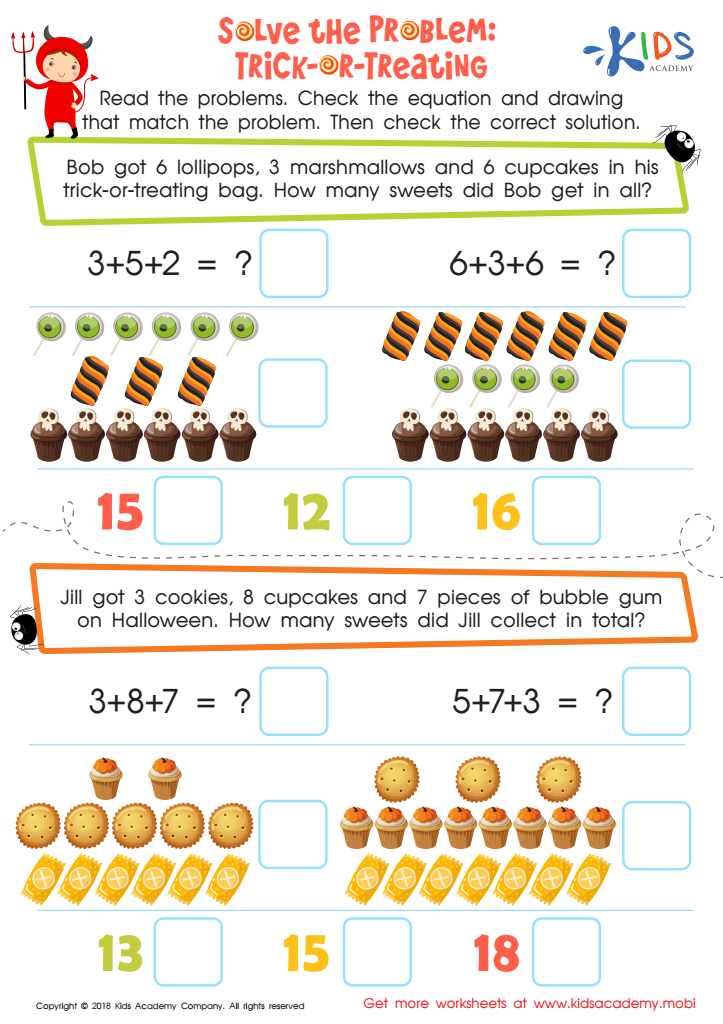
Solve the Problem: Trick–or–treating Worksheet
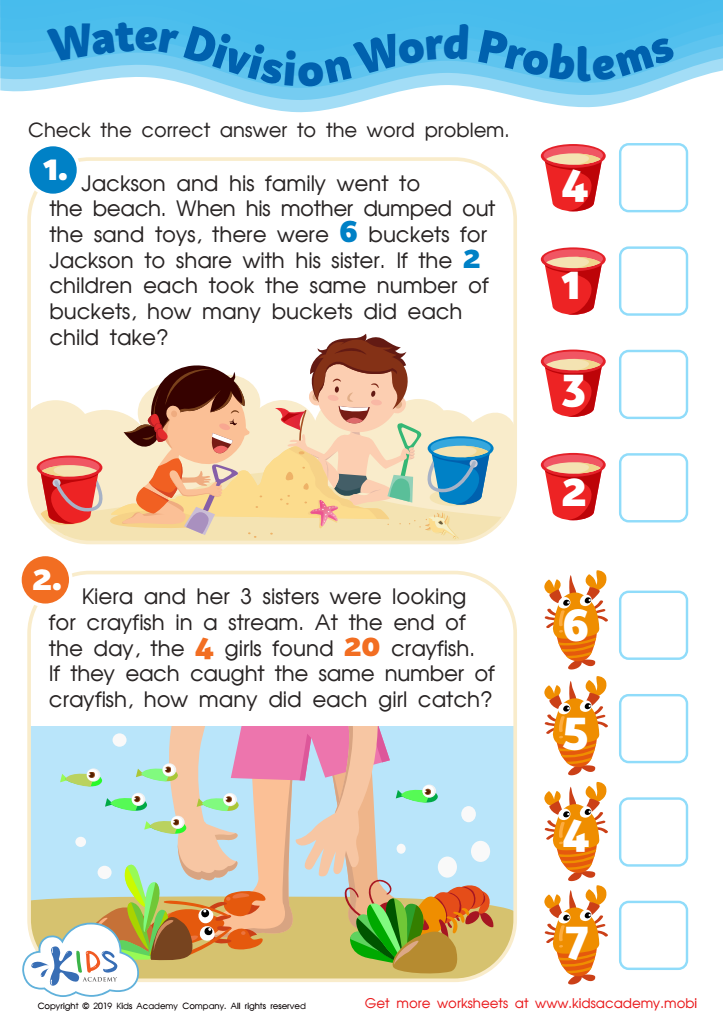
Water Division Word Problems Worksheet
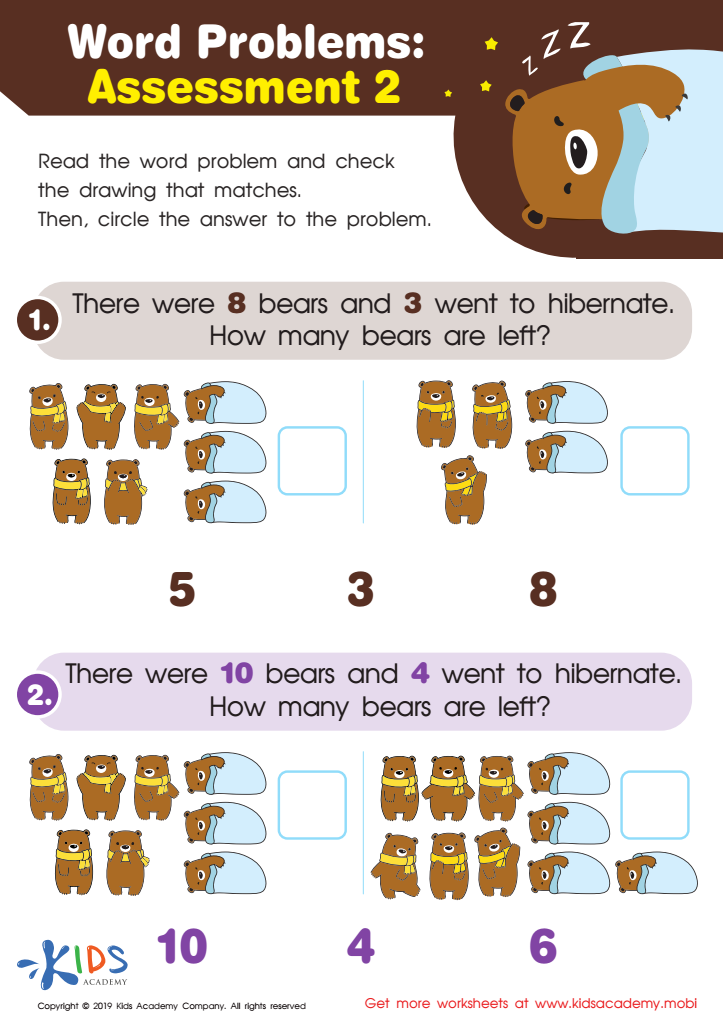
Word Problems: Assessment 2 Worksheet
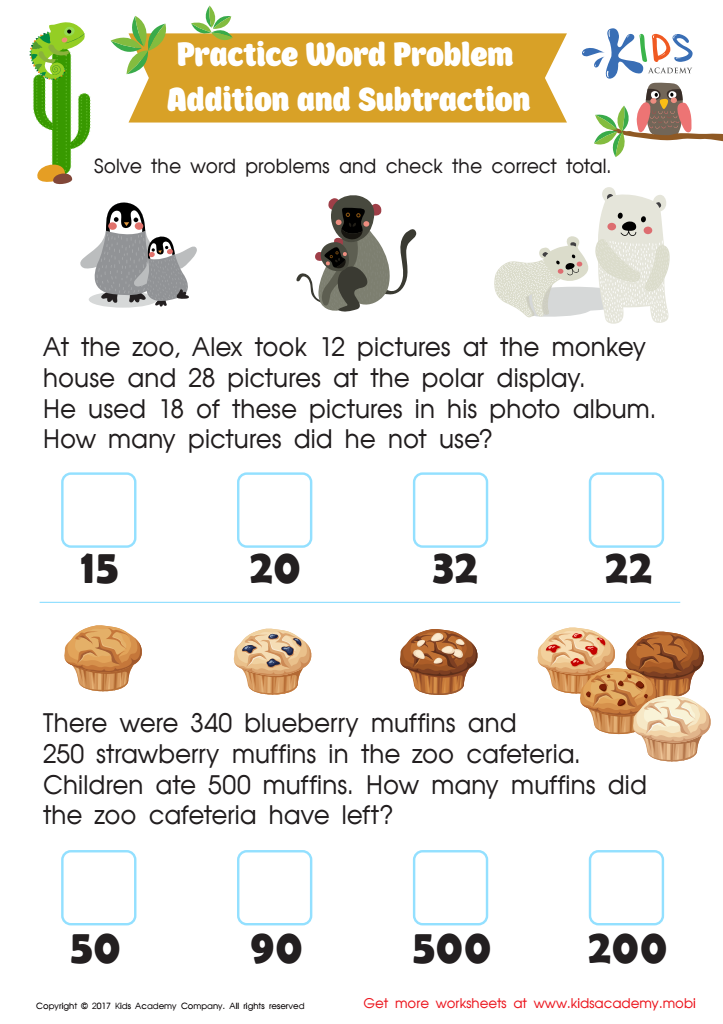
Addition and Subtraction: Word Problems Worksheet
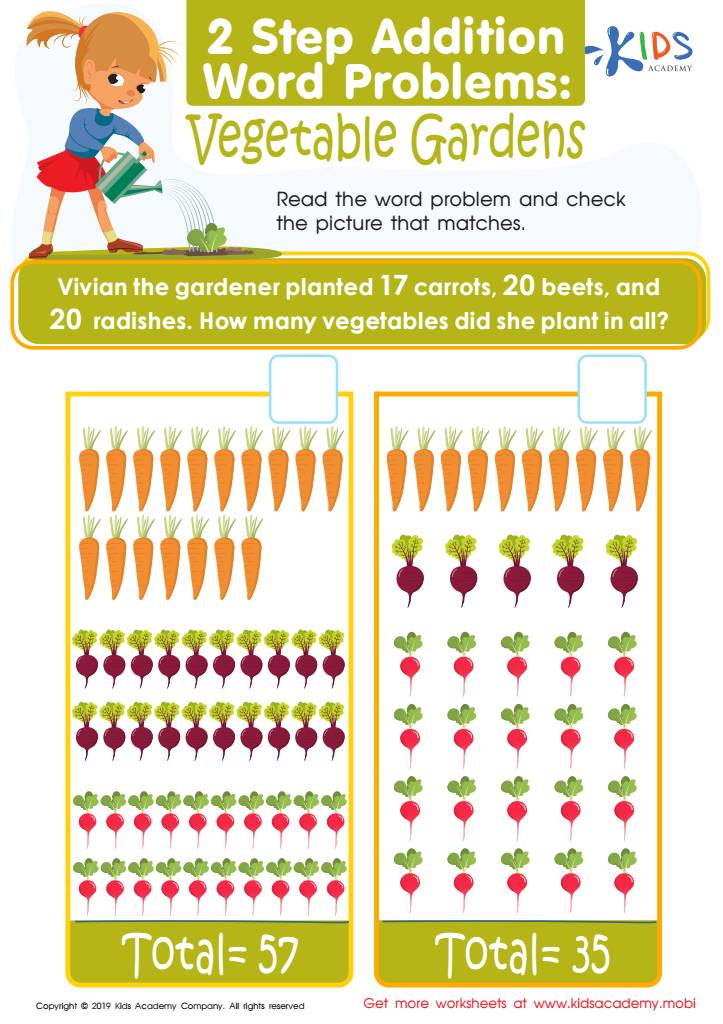
Vegetable Gardens Worksheet
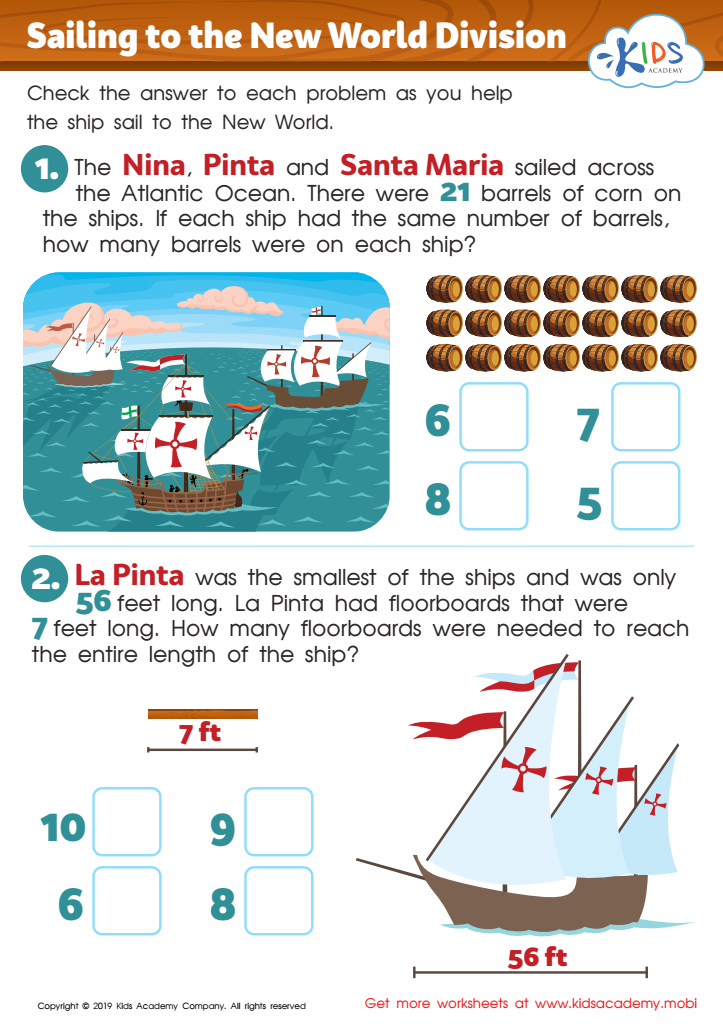
Sailing to the New World Division Worksheet
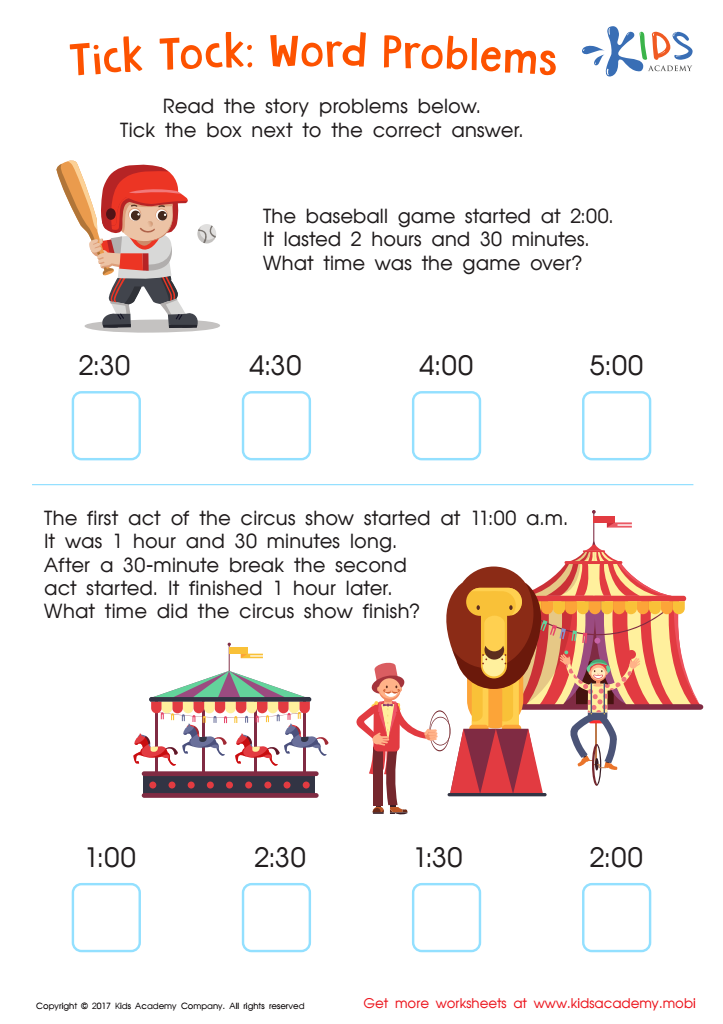
Tick Tock Word Problems Time Worksheet
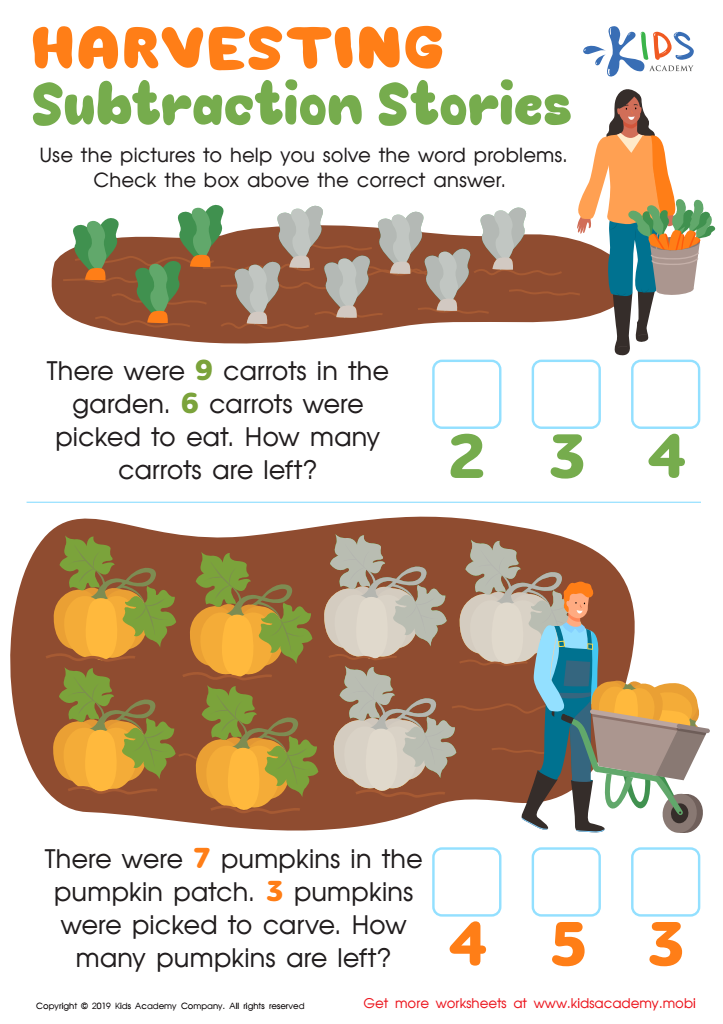
Harvesting Subtraction Stories Worksheet
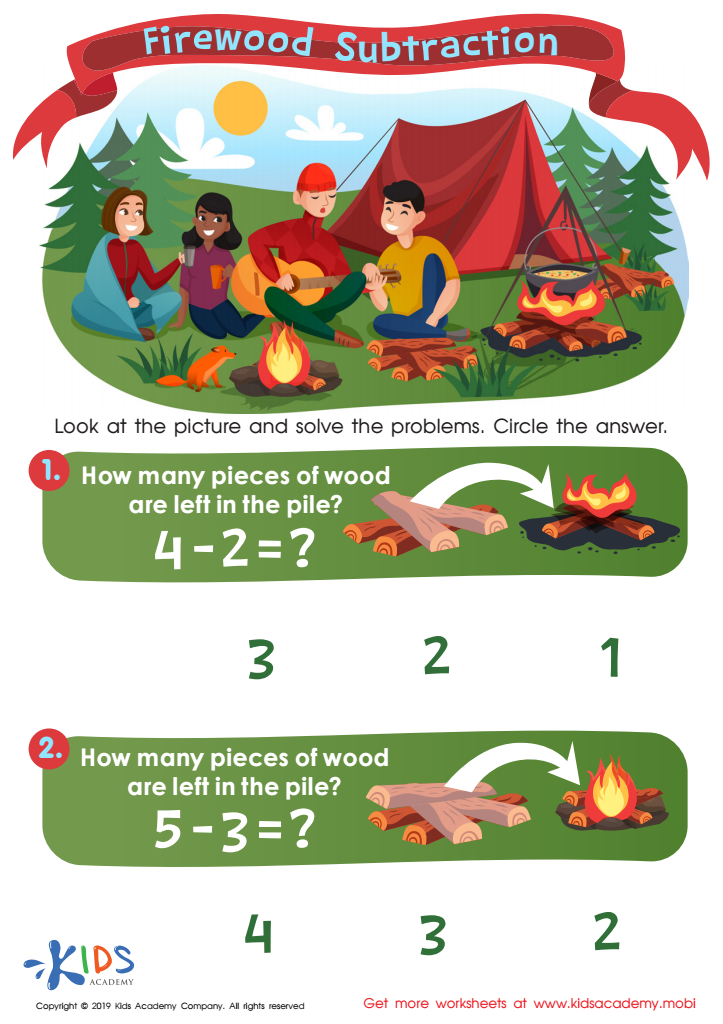
Firewood Subtraction Worksheet
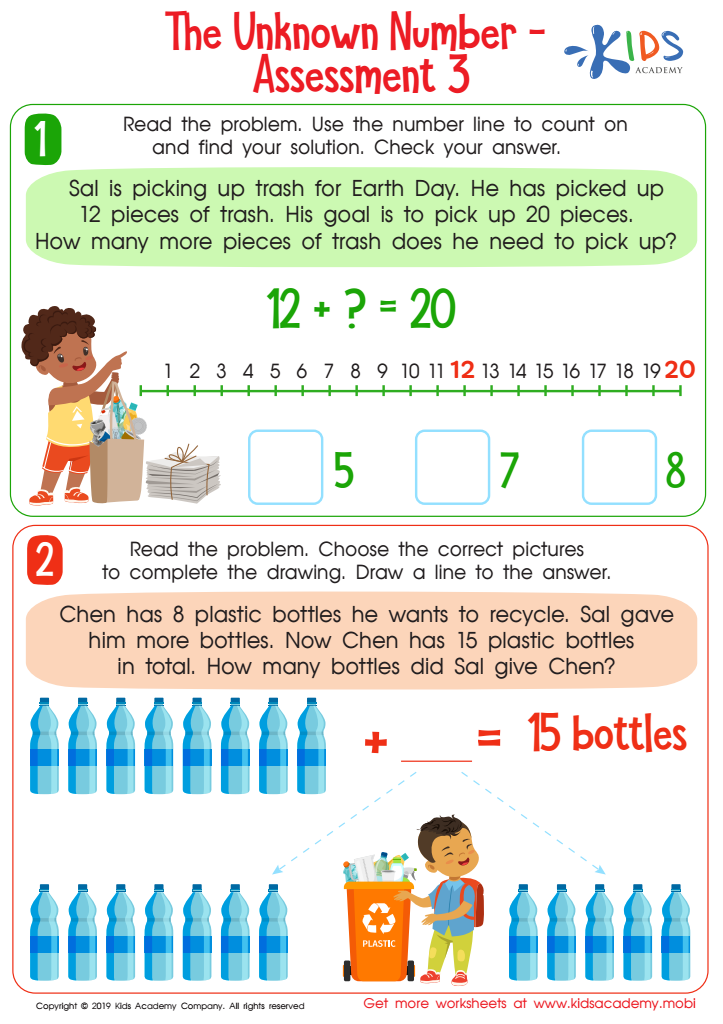
The Unknown Number - Assessment 3 Worksheet
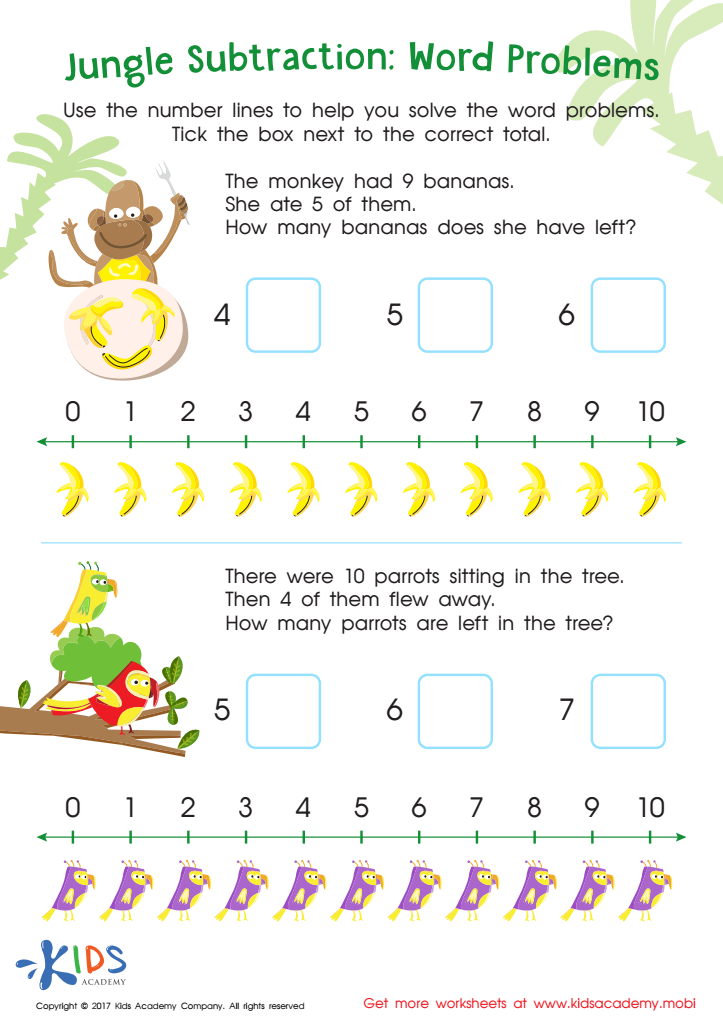
Jungle Subtraction Word Problems Substraction Worksheet
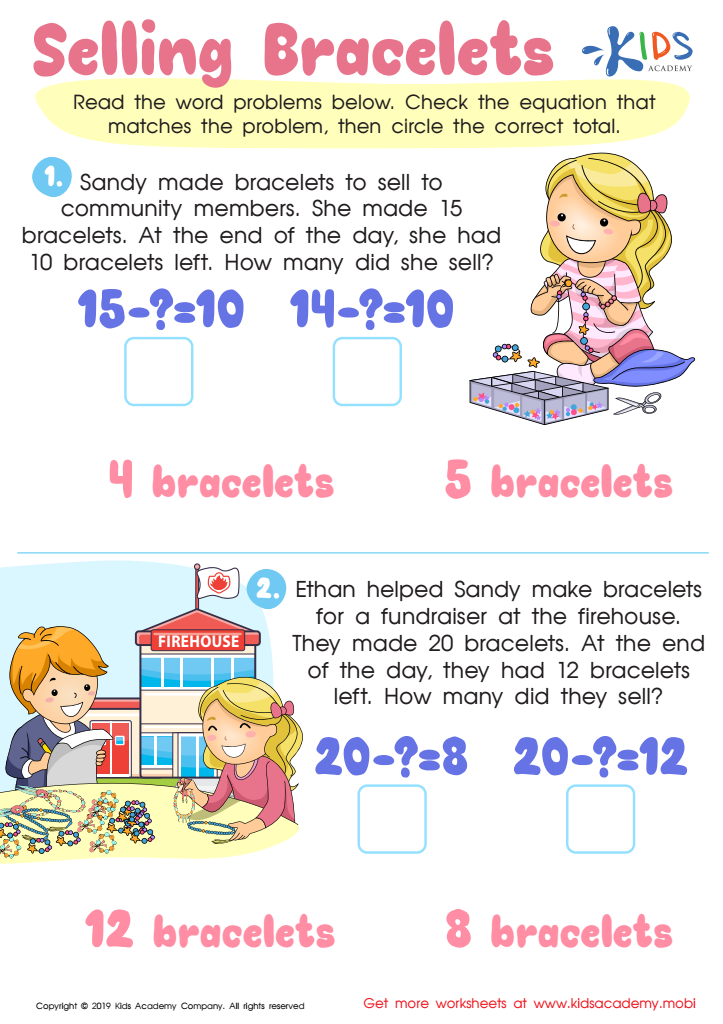
Selling the Bracelets Worksheet
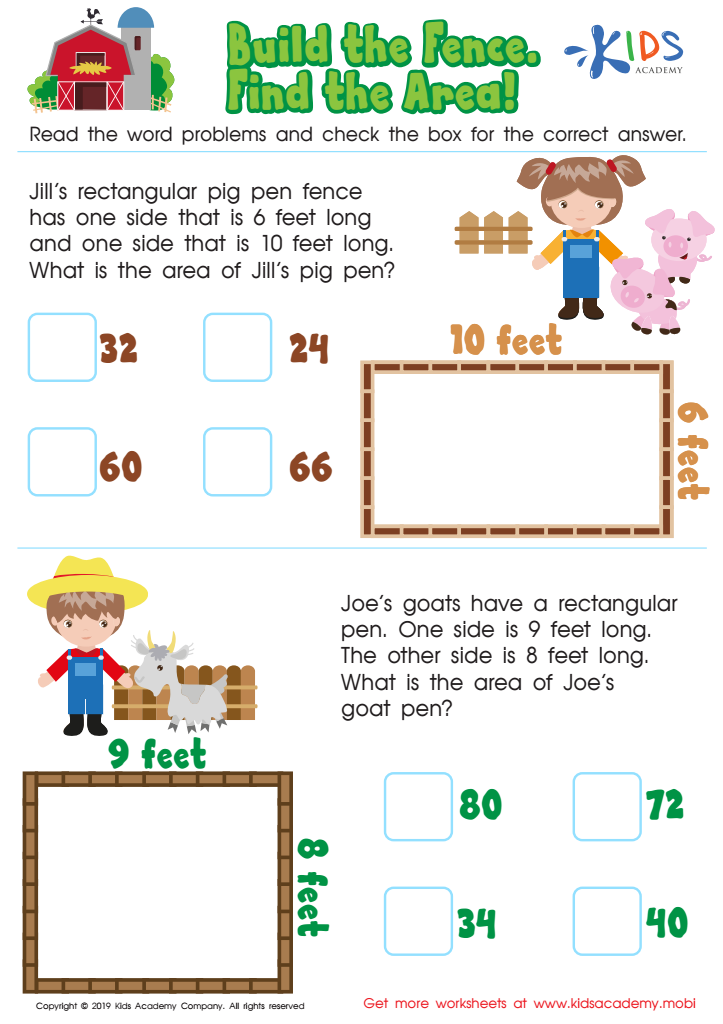
Build the Fence, Find the Area Worksheet








Problem-solving skills are crucial for children aged 5-8 as they foster critical thinking, creativity, and resilience, which are foundational for future success. Word problems play a vital role in this developmental stage by embedding these skills in everyday scenarios, making learning both applicable and engaging.
By engaging with word problems, children learn to decode language and mathematical concepts simultaneously. This dual processing helps to enhance their reading comprehension and numerical literacy. For instance, when they encounter a problem about sharing apples among friends, they must understand the story, identify the mathematical operations involved, and apply logical thinking to find a solution. This multifaceted approach to problem-solving promotes cognitive flexibility and mental endurance.
Moreover, word problems encourage perseverance. Children learn that some problems may require multiple attempts and different strategies. This resilience is crucial not only in academics but also in everyday life, as it fosters a growth mindset.
Additionally, these problems often involve real-world applications, reinforcing the relevance of mathematical concepts. When children see the practical use of what they are learning, their motivation and interest in the subject increase.
In summary, parents and teachers should prioritize problem-solving word problems for young children as they build essential skills, enhance cognitive development, and inspire a lifelong love for learning.








