Critical Thinking Reading Worksheets for Ages 5-8 - Page 3
68 filtered results
-
From - To
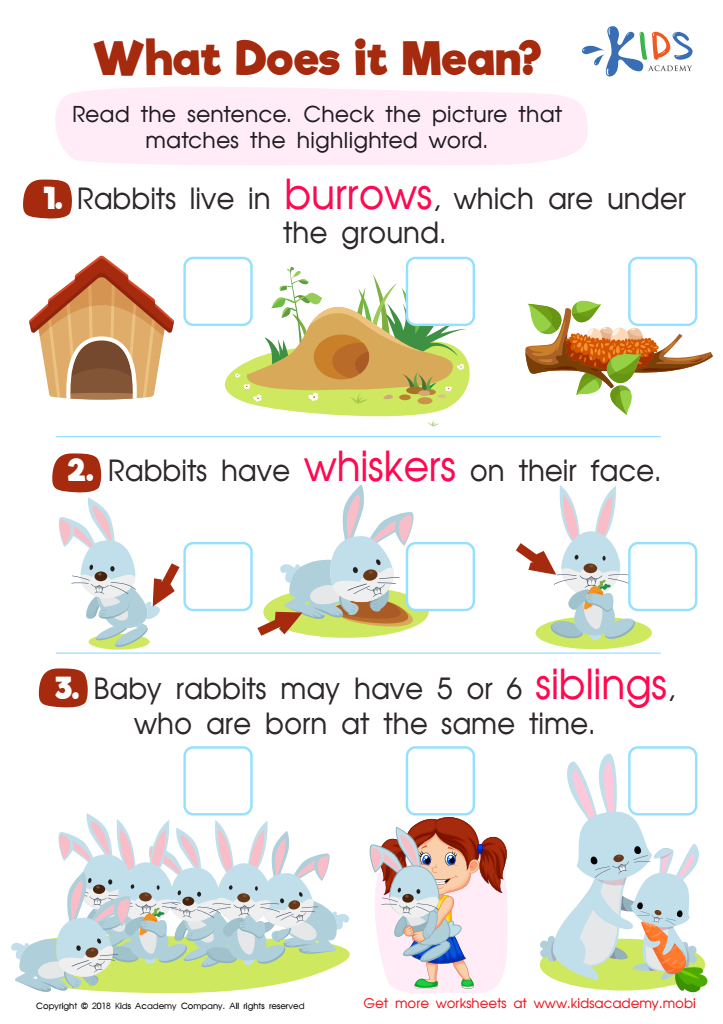
What Does It Mean? Worksheet
 Assign to My Students
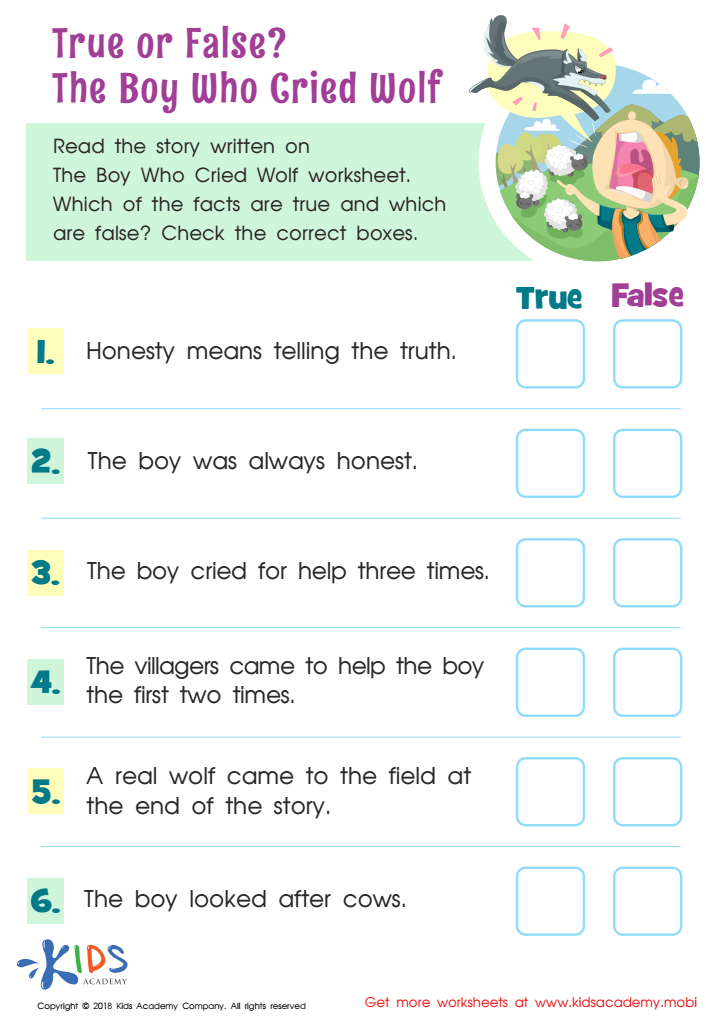
True or False? The Boy Who Cried Wolf Worksheet
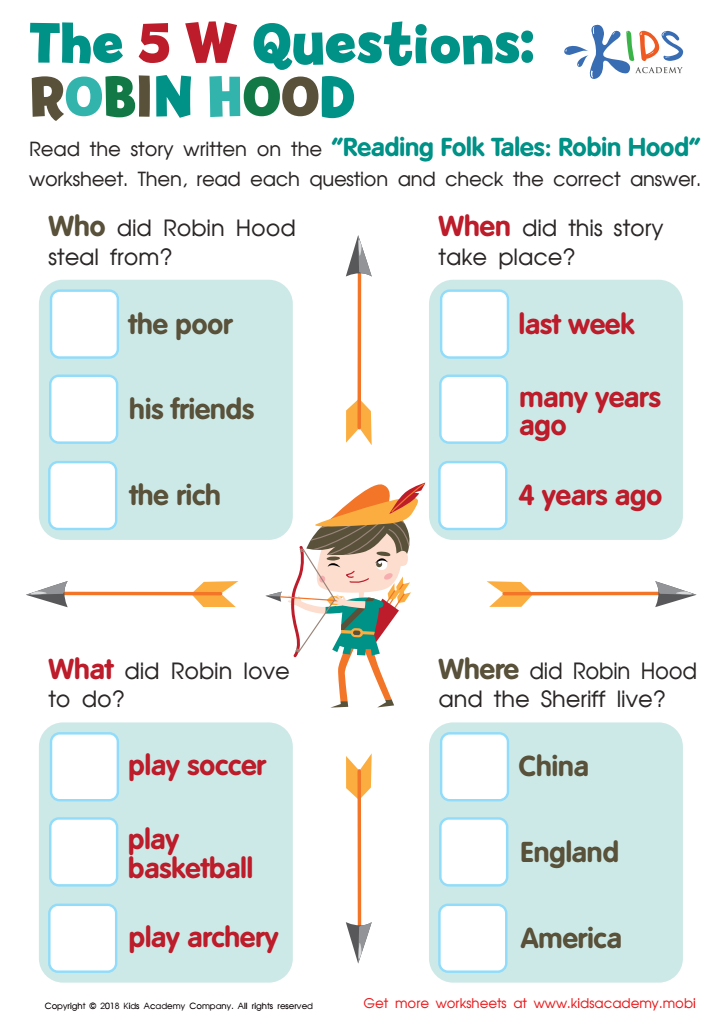
The 5 W Questions: Robin Hood Worksheet
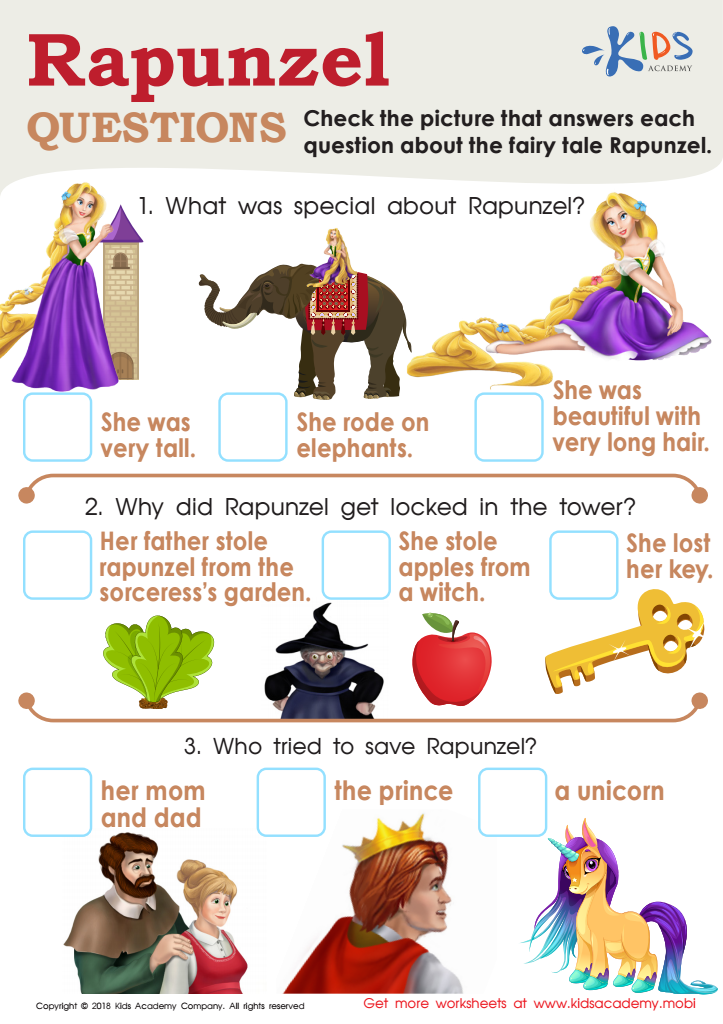
Rapunzel Questions Worksheet
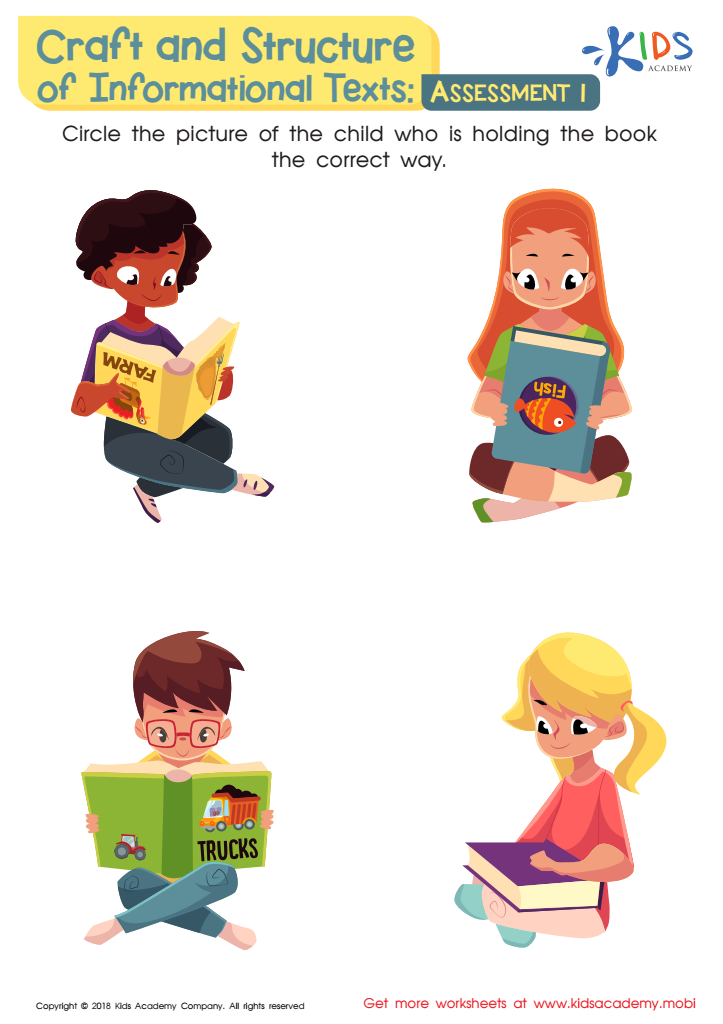
Craft and Structure of Informational Texts: Assessment 1 Worksheet
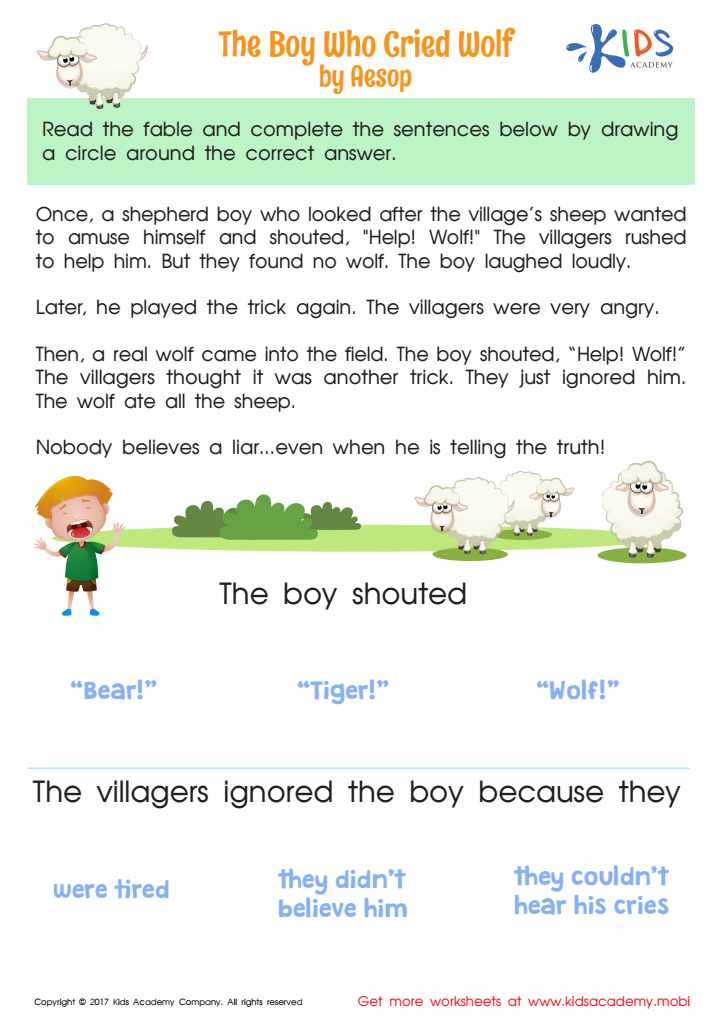
The Boy Who Cried Wolf Worksheet

Assessment: First Thanksgiving Worksheet
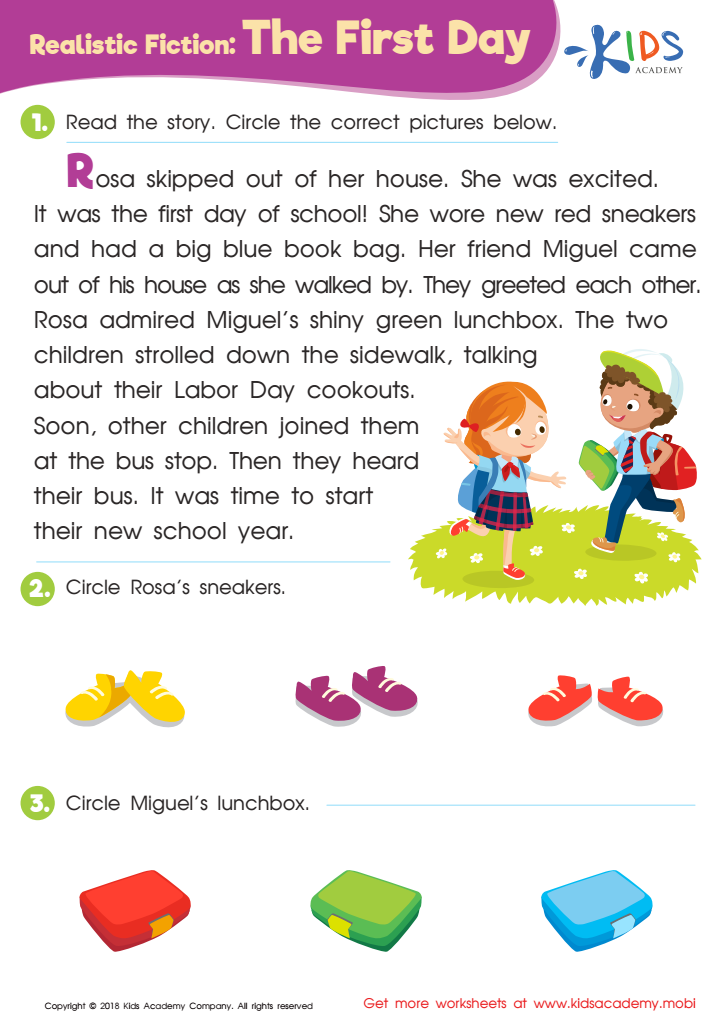
Realistic Fiction: The First Day Worksheet
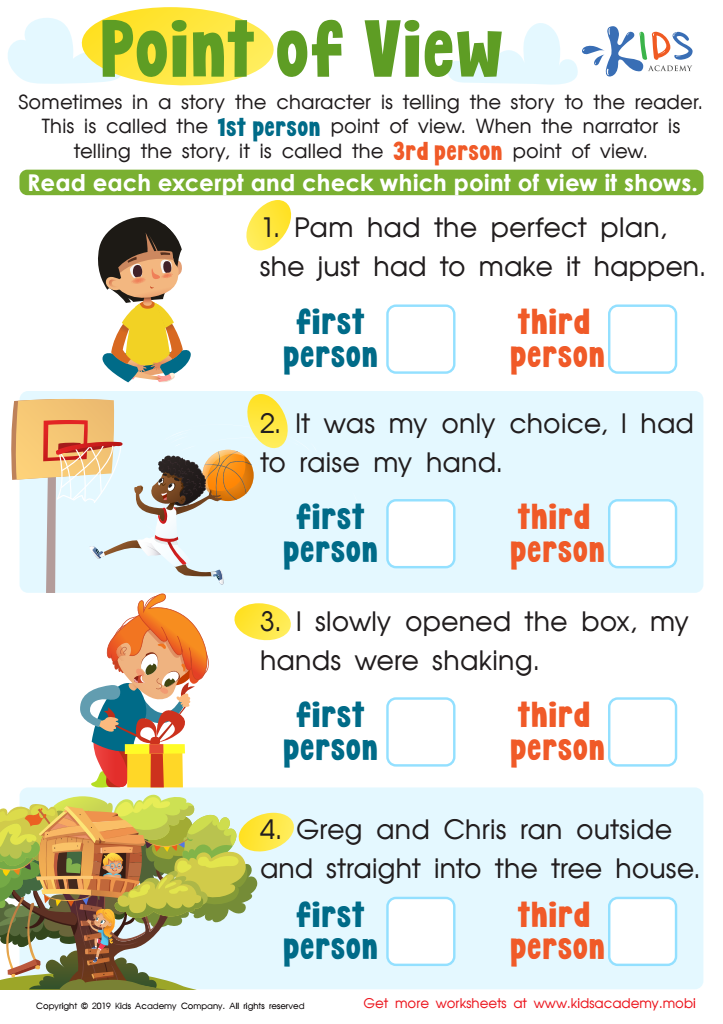
Point of View Printable
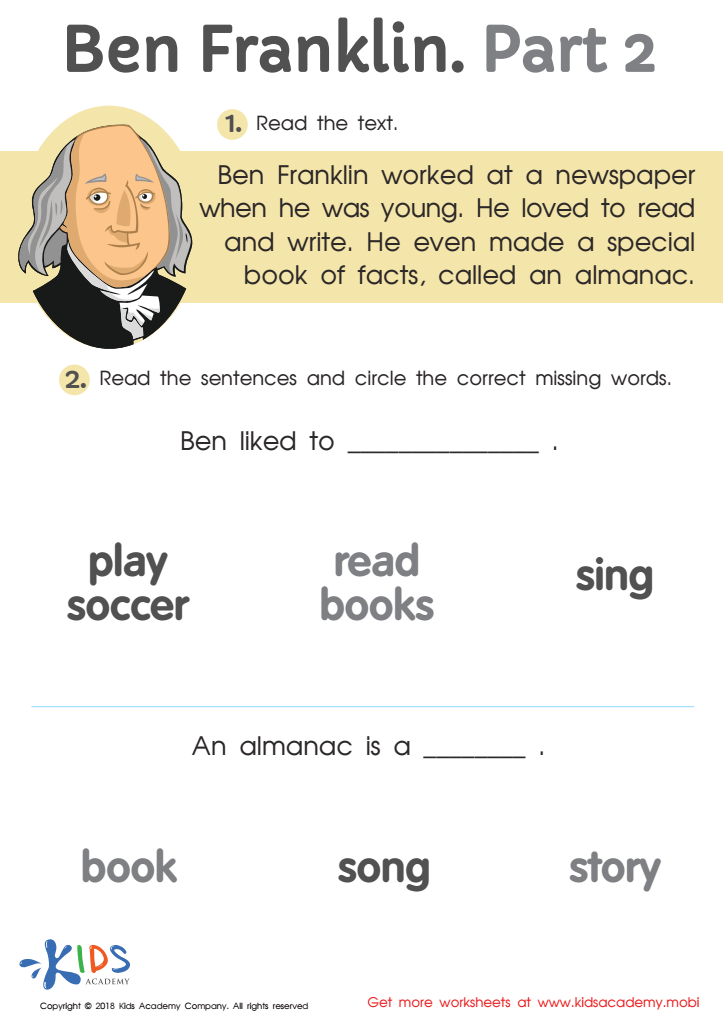
Ben Franklin Part 2 Worksheet
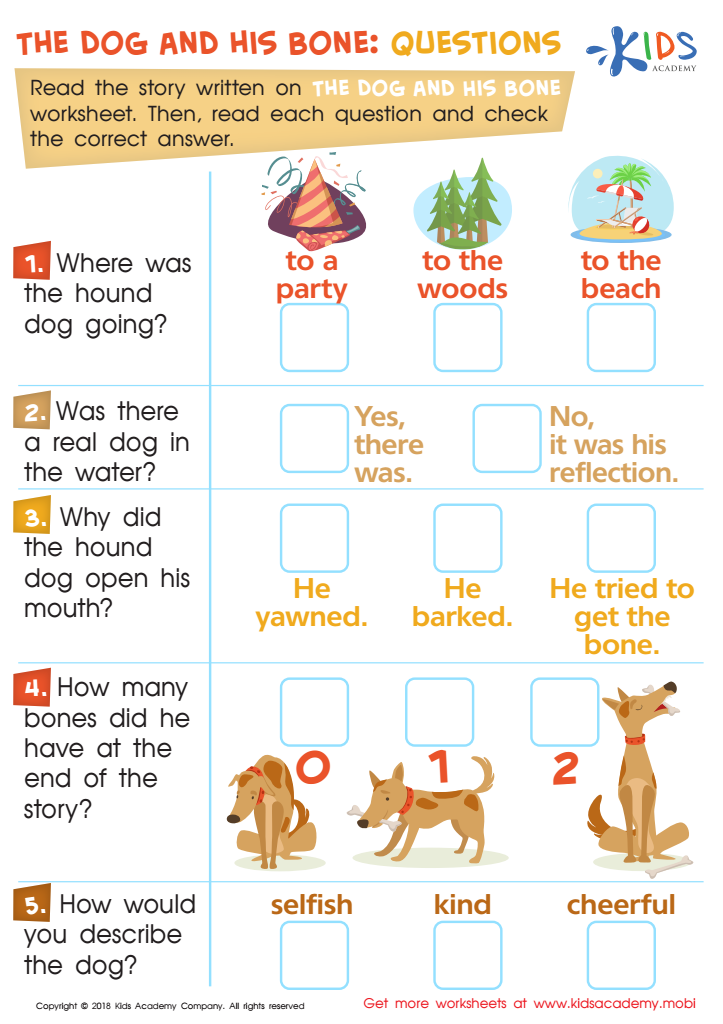
The Dog and His Bone: Questions Worksheet
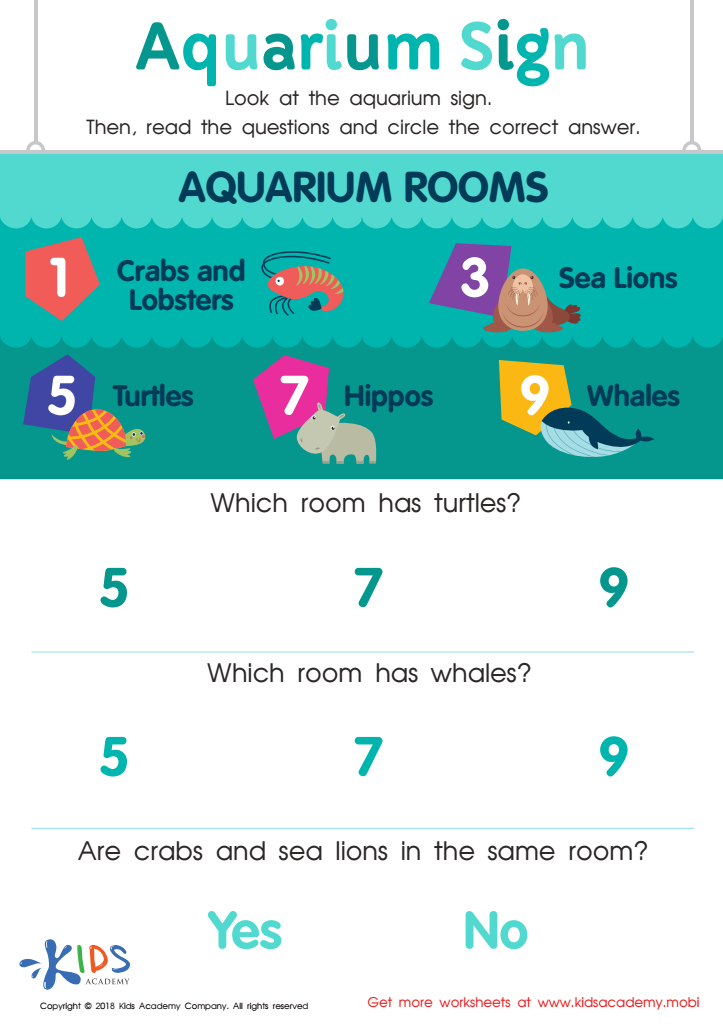
Assessment: Aquarium Sign Worksheet
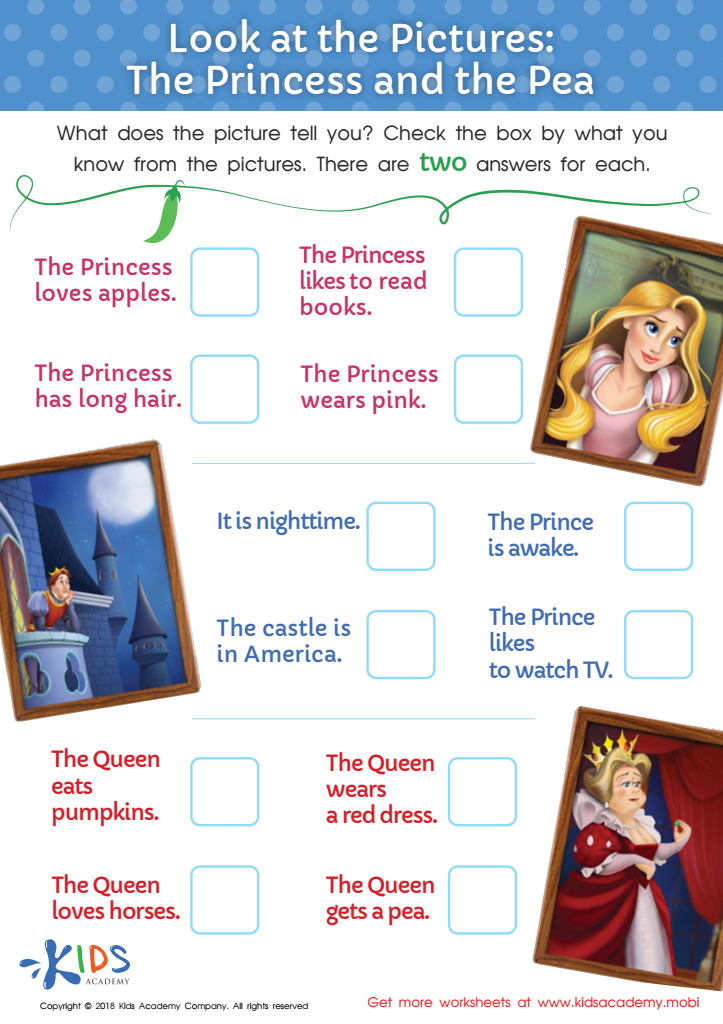
Look at the Pictures: The Princess and the Pea Worksheet
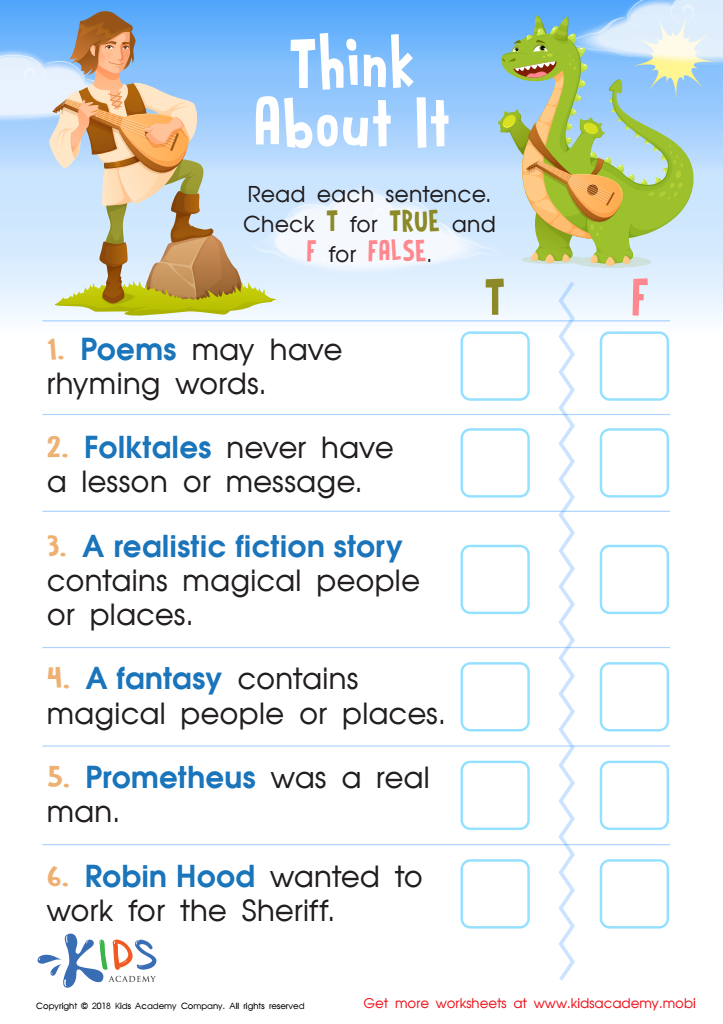
Think About It: Assessment Worksheet
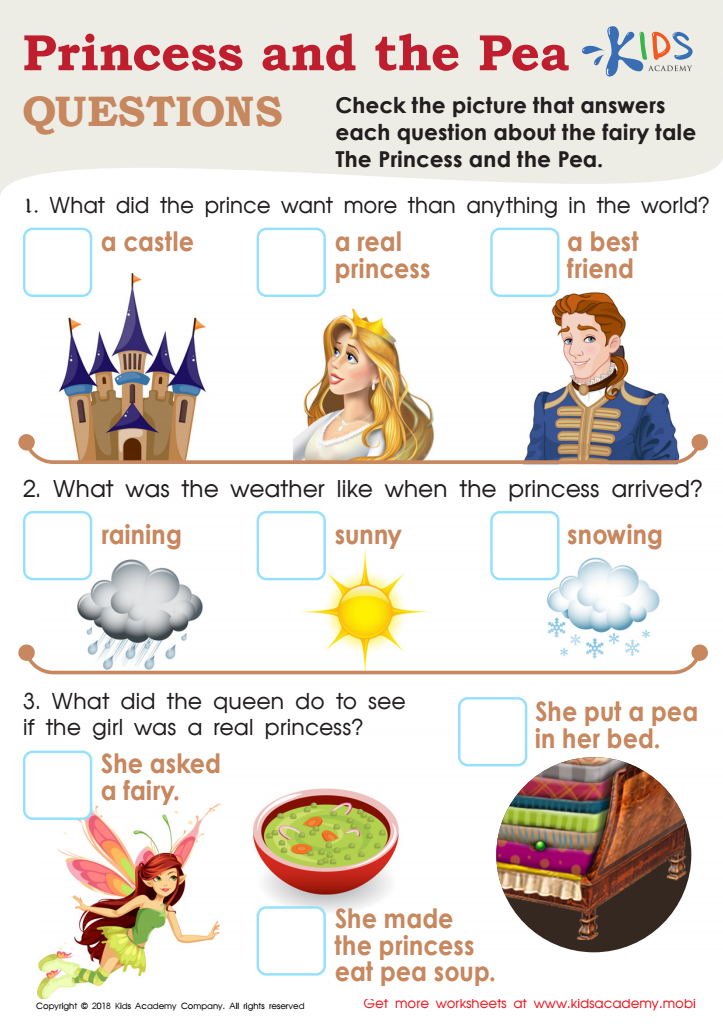
Princess and the Pea Questions Worksheet
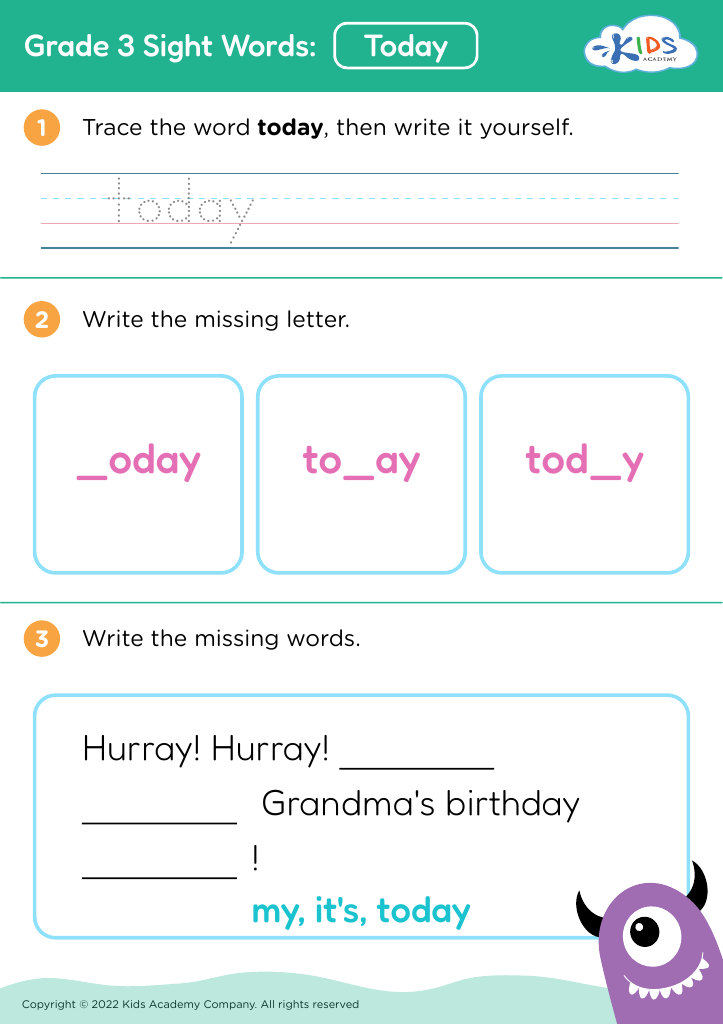
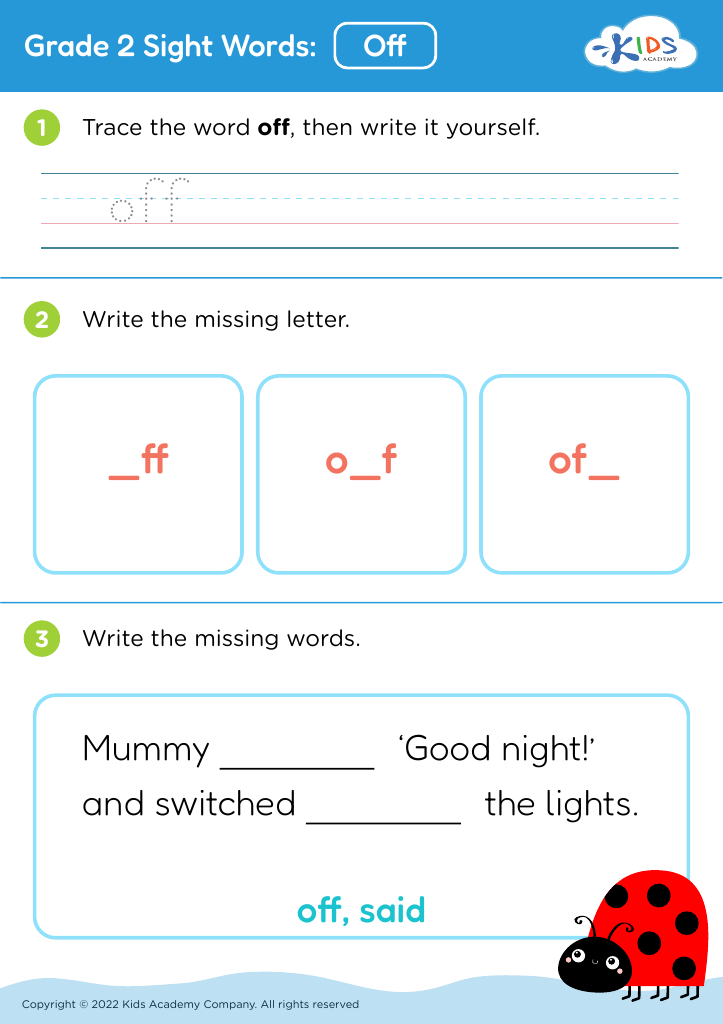
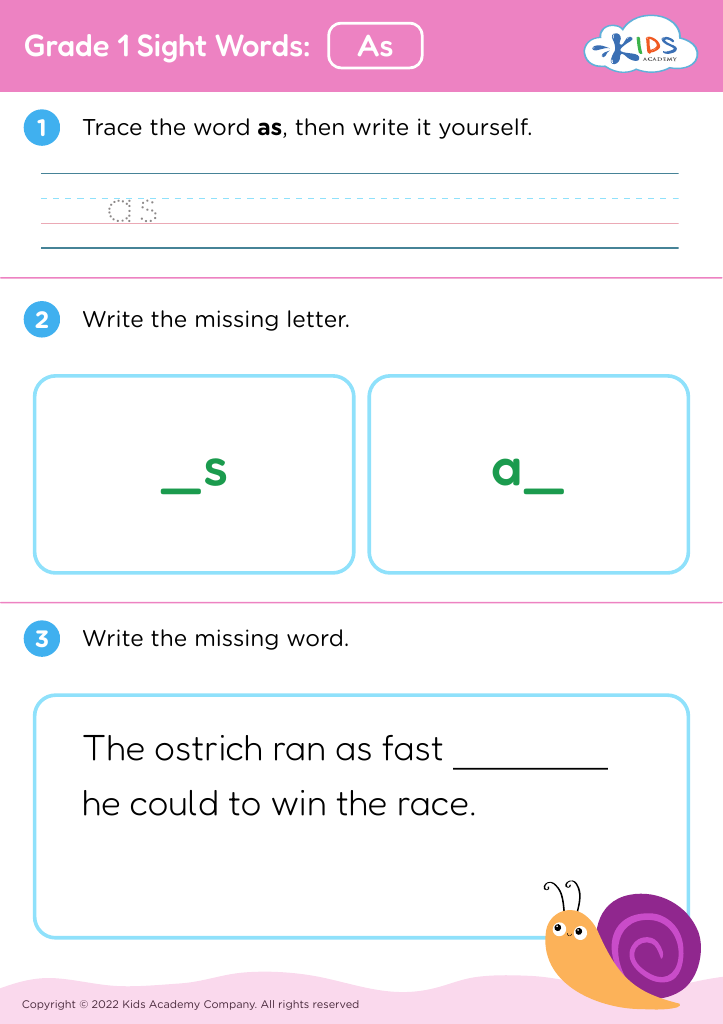
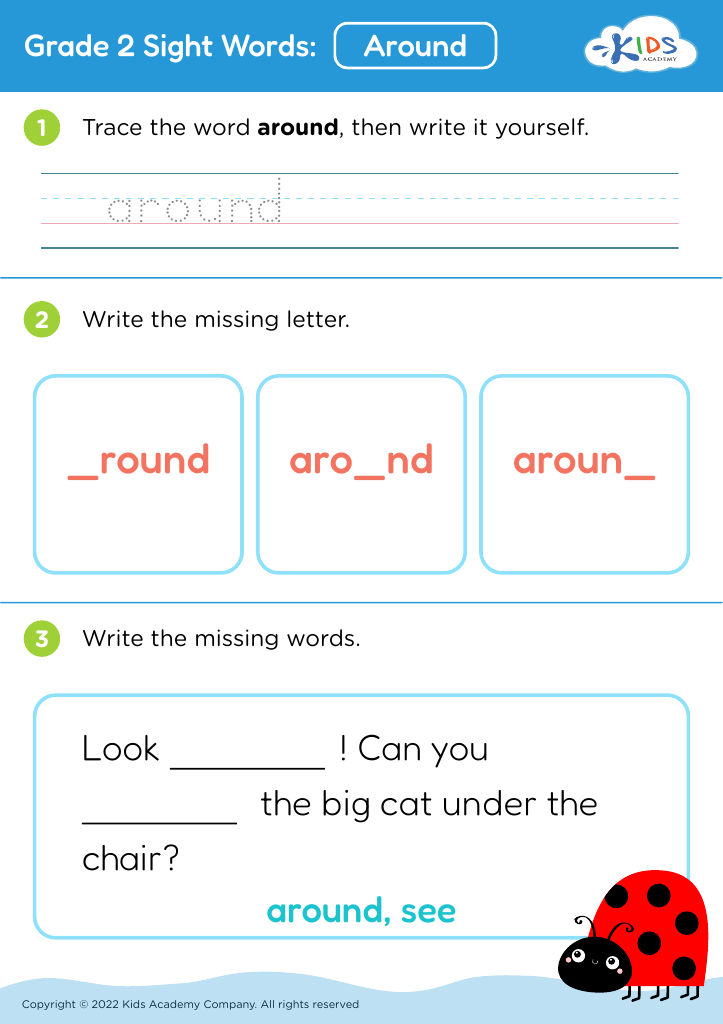
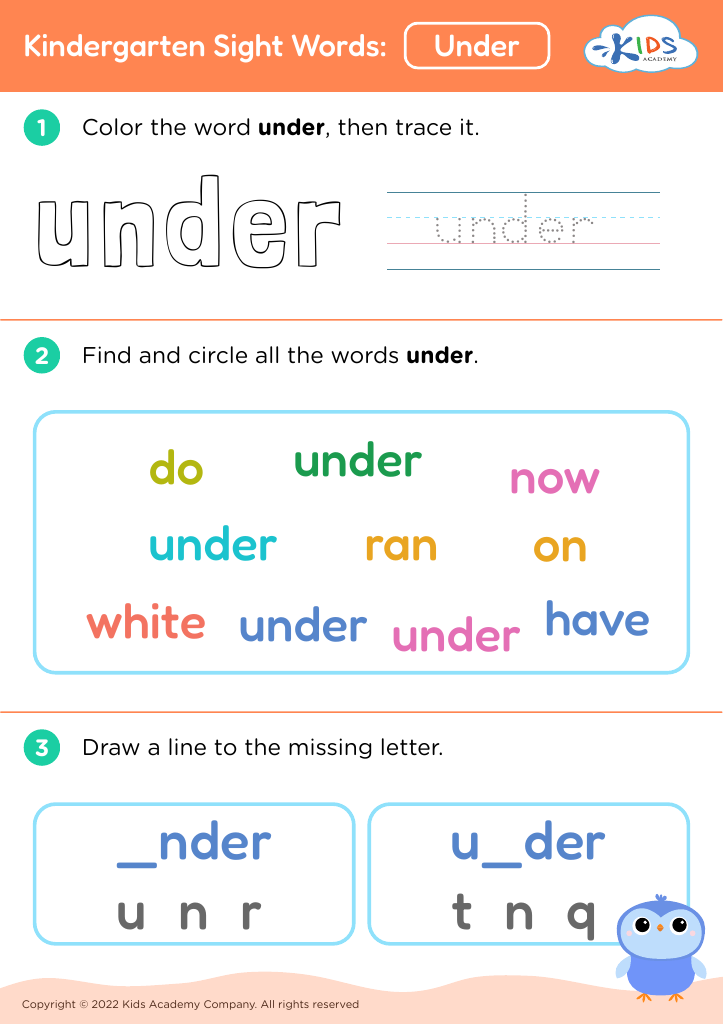







Critical thinking reading for ages 5-8 is essential for early childhood development, as it lays the foundation for lifelong learning. This age group is crucial for cognitive growth, where children start to develop the ability to analyze, question, and make sense of the world around them. Instilling critical thinking skills through reading helps children to not only understand the stories and texts but also encourages them to ask questions, draw conclusions, and make comparisons.
Parents and teachers should care because these skills aid literacy development and enhance comprehension. Children who can think critically about what they read are more prepared to engage in discussions, make predictions, and identify underlying themes in literature. This process fosters curiosity and a love for reading, making literacy a more enriching experience rather than just a task.
Moreover, critical thinking encourages problem-solving abilities and builds confidence in children to express their ideas and thoughts. In an increasingly complex world, being able to evaluate information and recognize biases is vital. By promoting critical thinking from a young age, parents and teachers can help shape well-rounded, informed individuals who approach both academic challenges and real-life situations with a critical eye. Ultimately, this skillset empowers children in their educational journeys and beyond.








