Geography knowledge Science Worksheets for Ages 5-8
3 filtered results
-
From - To
Discover our engaging Geography Knowledge Science Worksheets for ages 5-8, designed to ignite curiosity about the world! These printable worksheets help young learners explore essential geographical concepts, including maps, continents, and natural features. Through fun activities and colorful illustrations, children will develop critical skills such as spatial awareness, cultural appreciation, and environmental understanding. Our worksheets are perfect for classroom and home use, ensuring a comprehensive learning experience. Encourage creativity and foster a love for geography with our thoughtfully crafted resources that make learning enjoyable and impactful. Bring the world closer to your young explorers today!
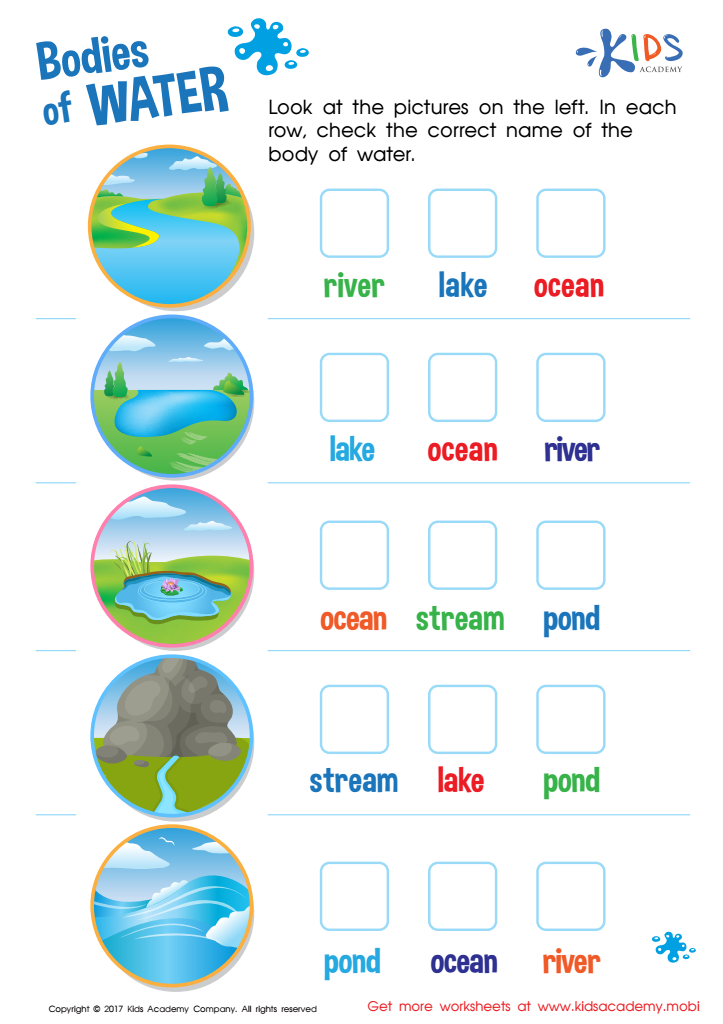
Bodies of Water Worksheet
 Assign to My Students
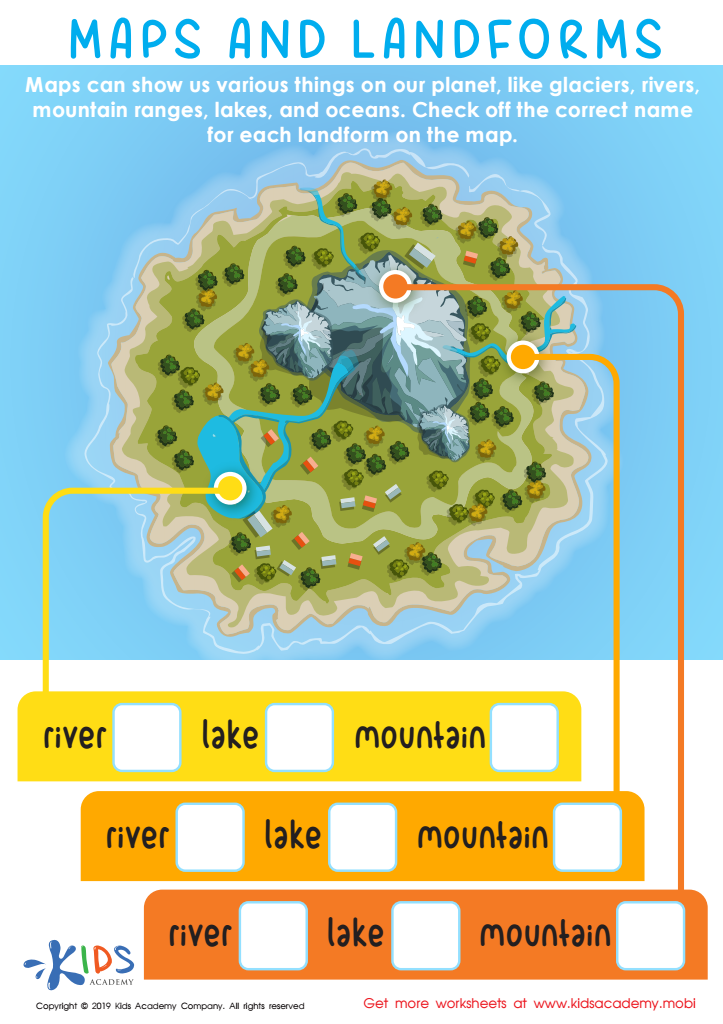
Maps and Landforms Worksheet
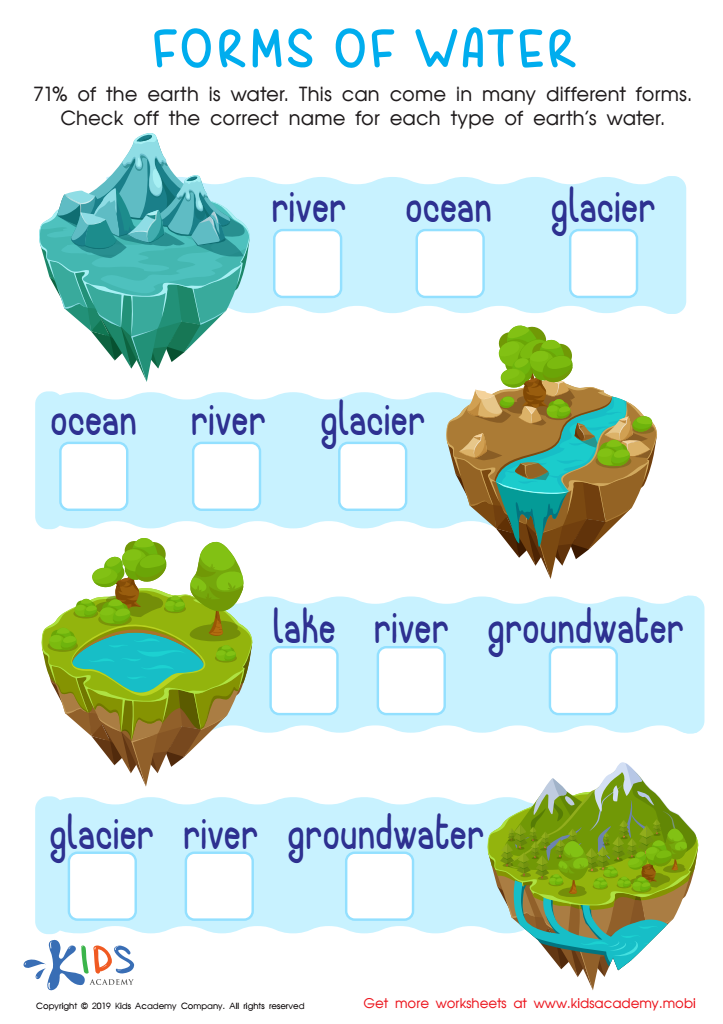
Forms of Water Worksheet





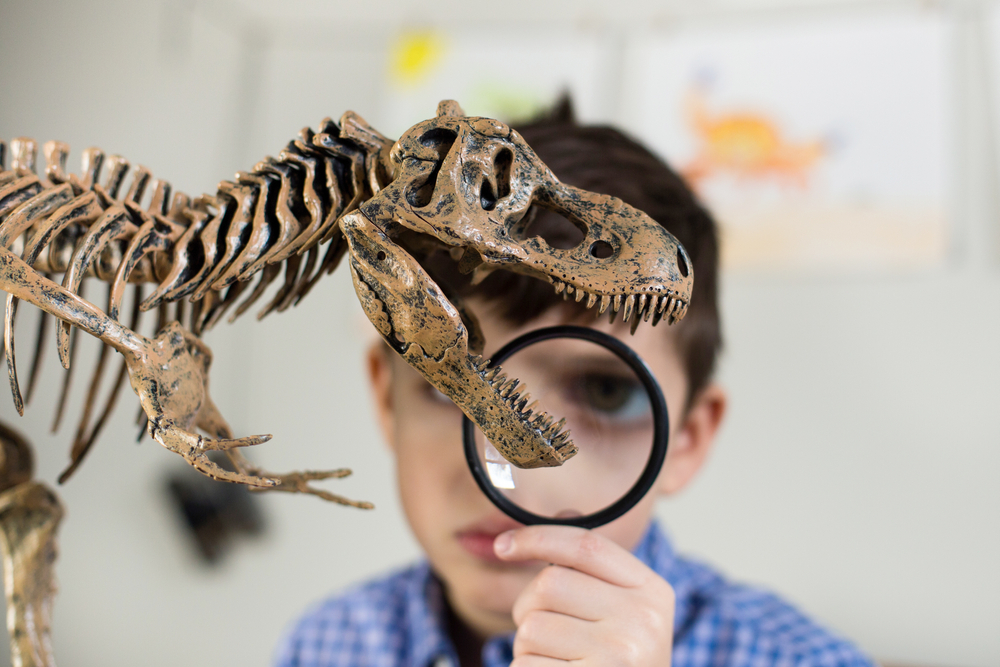
Parents and teachers should prioritize geography and science knowledge for children aged 5-8 because these subjects foster critical thinking, curiosity, and a sense of connection to the world. At this young age, children are naturally inquisitive, and introducing them to the basics of geography and science can satisfy that curiosity and build foundational skills.
Understanding geography helps children comprehend the world around them, including different cultures, landscapes, and environments. It encourages respect for diversity and promotes global awareness, preparing them for life in an interconnected world. For instance, learning about maps and places can strengthen their spatial awareness and appreciation for nature and communities.
Simultaneously, science education at this age builds a foundation for inquiry-based learning. Guiding children through simple experiments and natural phenomena allows them to explore concepts such as matter, weather, and ecosystems. This hands-on approach not only sparks interest but also teaches them problem-solving skills and the scientific method.
Overall, geography and science education in early childhood cultivates a well-rounded knowledge base, encouraging lifelong learning and curiosity. By supporting their children's engagement with these subjects, parents and teachers lay the groundwork for informed, compassionate future global citizens.







