Learning about ecosystems Science Worksheets for Ages 5-8
4 filtered results
-
From - To
Explore our engaging "Learning about Ecosystems" science worksheets for children ages 5-8! Designed to ignite curiosity and foster a love for nature, these worksheets introduce foundational concepts of ecosystems, habitats, and the interdependence of plants and animals. Fun activities encourage critical thinking and creativity, allowing young learners to color, sort, and match various elements of ecosystems. Ideal for classroom use or at-home learning, these resources promote environmental awareness while developing essential skills in science and observation. Dive into the wonders of nature with our interactive worksheets, perfect for nurturing the next generation of eco-conscious thinkers! Start your adventure today!
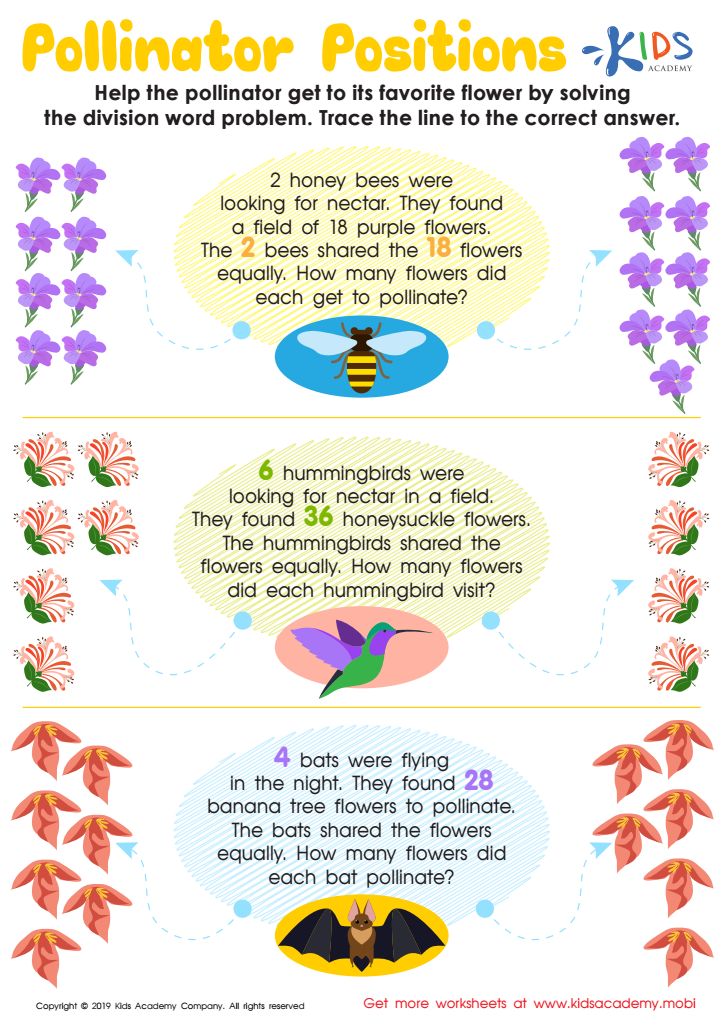
Pollinator Positions Worksheet
 Assign to My Students
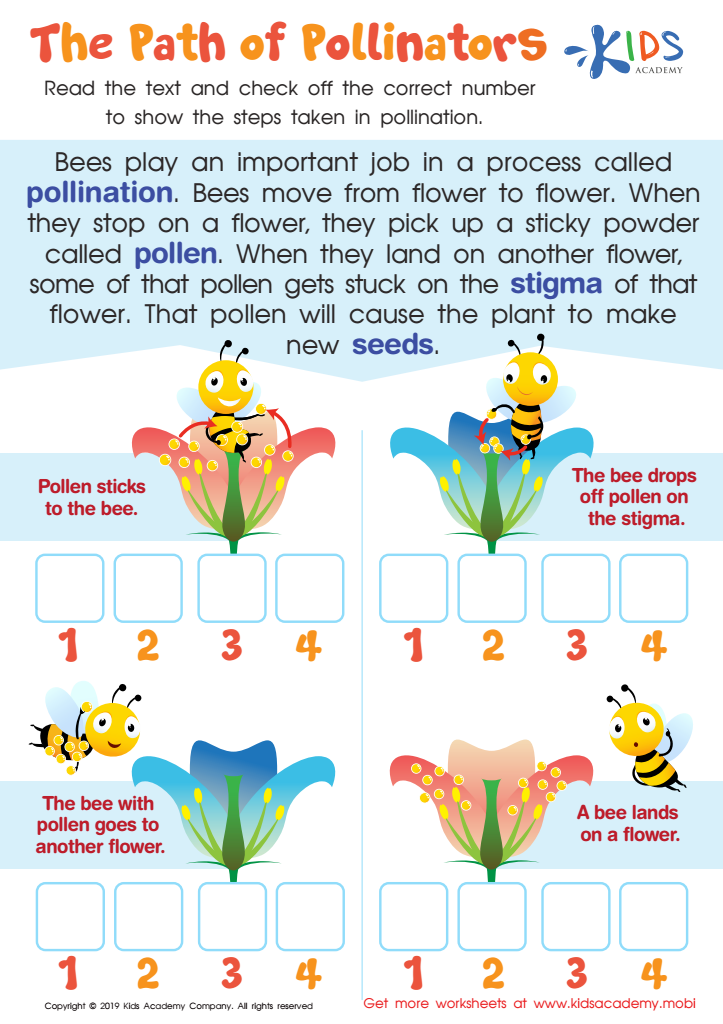
The Path of Pollinators Worksheet
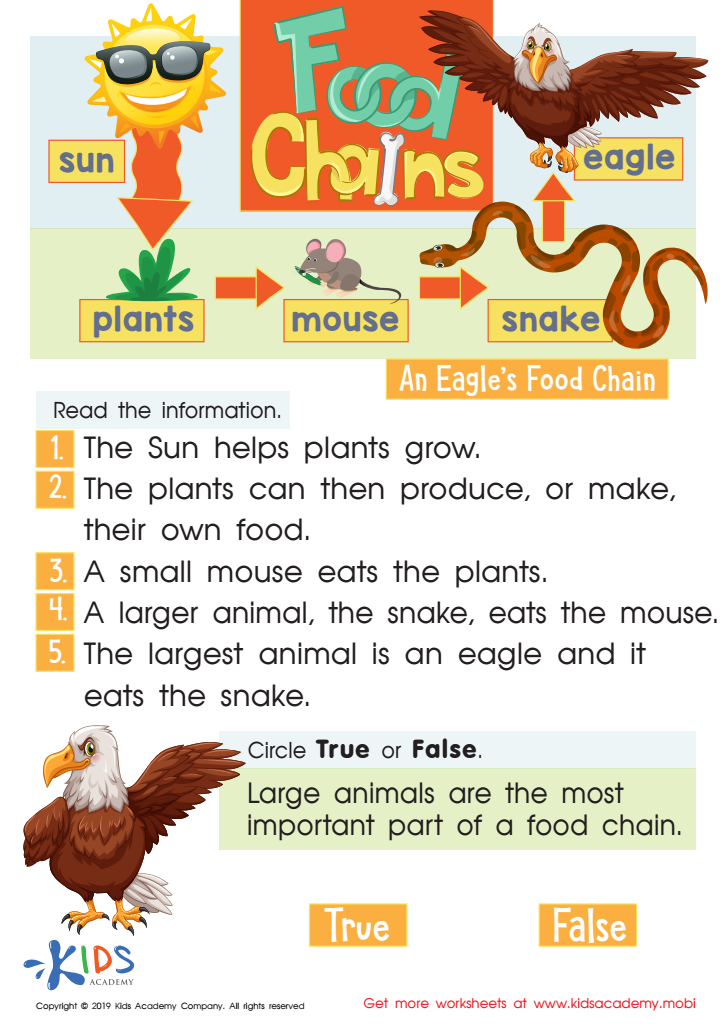
Food Chains Worksheet
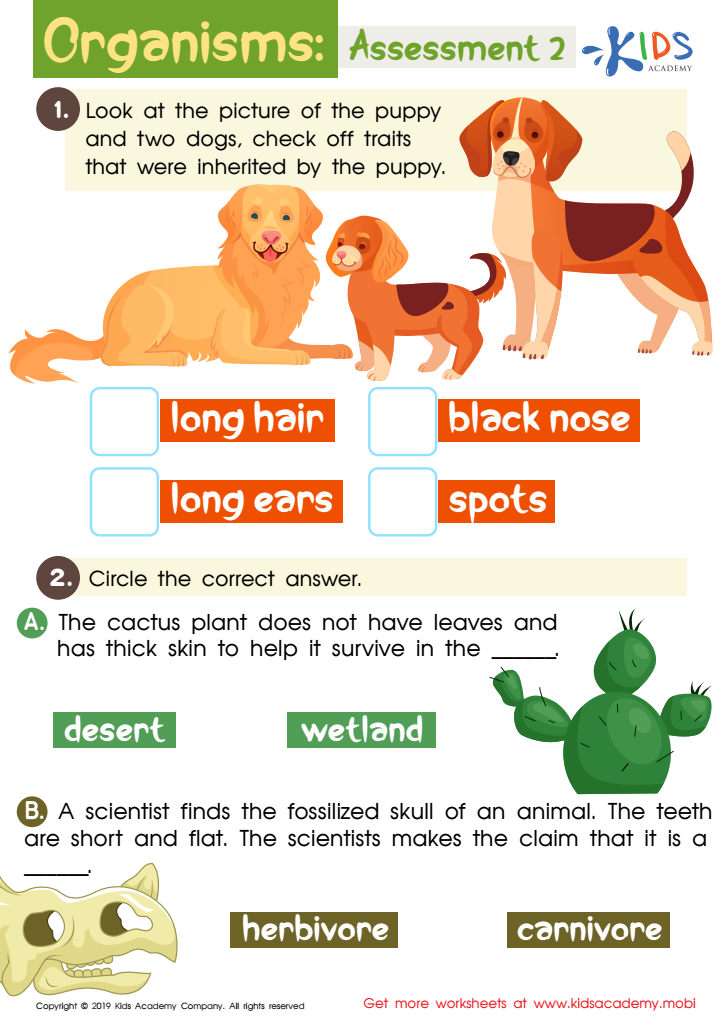
Organisms: Assessment 2 Worksheet








Understanding ecosystems is crucial for children aged 5-8, as it lays a foundational understanding of the natural world. At this tender age, children are naturally curious about their surroundings, and engaging them in ecosystem science harnesses this curiosity while promoting a sense of wonder and responsibility towards nature.
Learning about ecosystems helps children grasp the interconnectedness of living organisms and their environments, which fosters empathy for animals and plants. By exploring topics such as food chains and habitats, children begin to recognize the importance of biodiversity and how each creature plays a vital role in maintaining balance within an ecosystem.
Furthermore, early exposure to environmental education instills values of stewardship and conservation. Kids learn that their actions, like recycling or reducing waste, can positively impact the planet, empowering them to make responsible choices as they grow.
Incorporating hands-on activities, like nature walks or classroom experiments, makes learning enjoyable and memorable. Such experiences not only enhance scientific understanding but also support social-emotional growth, as collaborative projects cultivate teamwork and communication skills.
For parents and teachers, fostering an awareness of ecosystems helps nurture environmentally conscious citizens, laying the groundwork for a sustainable future. By engaging young learners in ecosystem science, we cultivate a generation ready to take care of our planet.







