Animal identification Plants and Animals Worksheets for Ages 5-8
5 filtered results
-
From - To
Introduce your little explorers to the fascinating world of plants and animals with our Animal Identification Worksheets designed specifically for ages 5-8! These engaging printables help young learners recognize and differentiate between various animals and their habitats through fun activities and colorful illustrations. Each worksheet fosters essential skills, enhances observational abilities, and encourages curiosity about the natural world. Perfect for classroom or homeschool settings, our resources promote interactive learning and critical thinking. Spark your child's interest in biology and ecology while making learning exciting. Browse our collection of worksheets today and watch your child's knowledge of flora and fauna flourish!
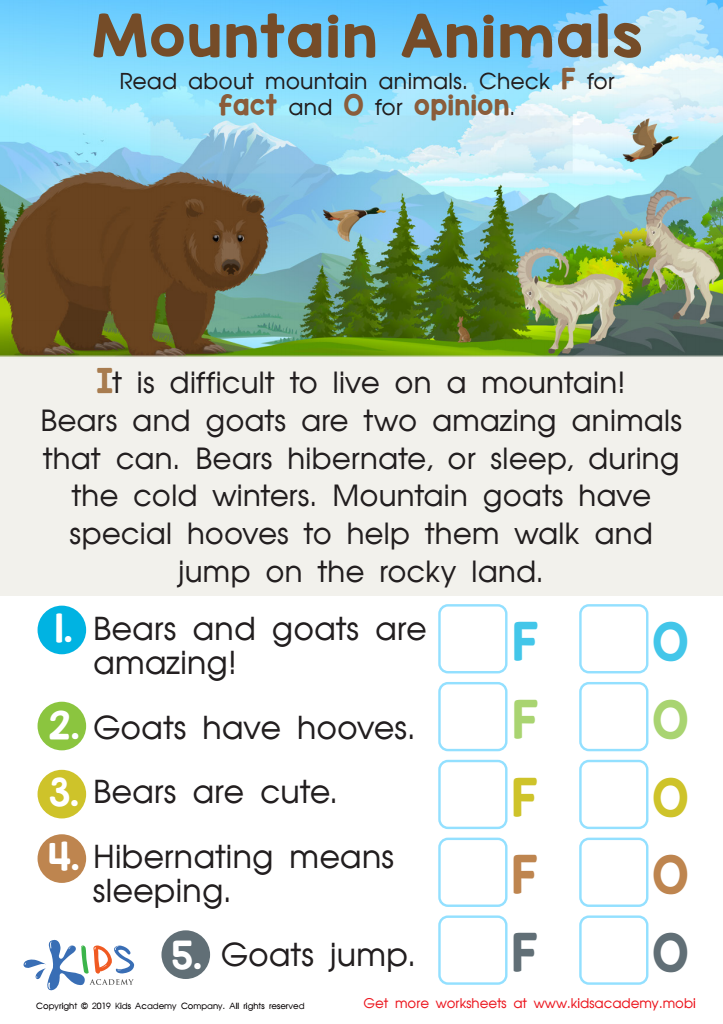
Mountain Animals Worksheet
 Assign to My Students
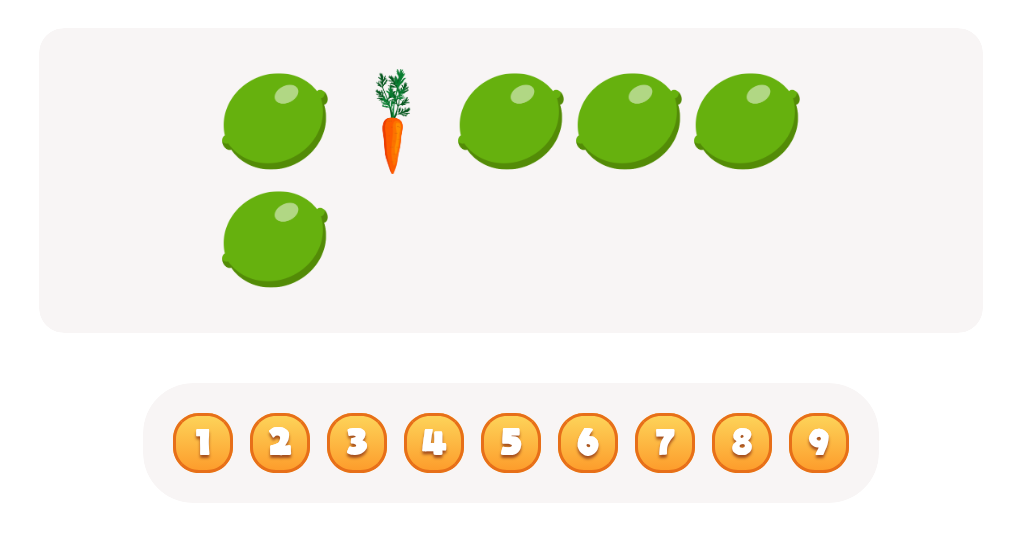


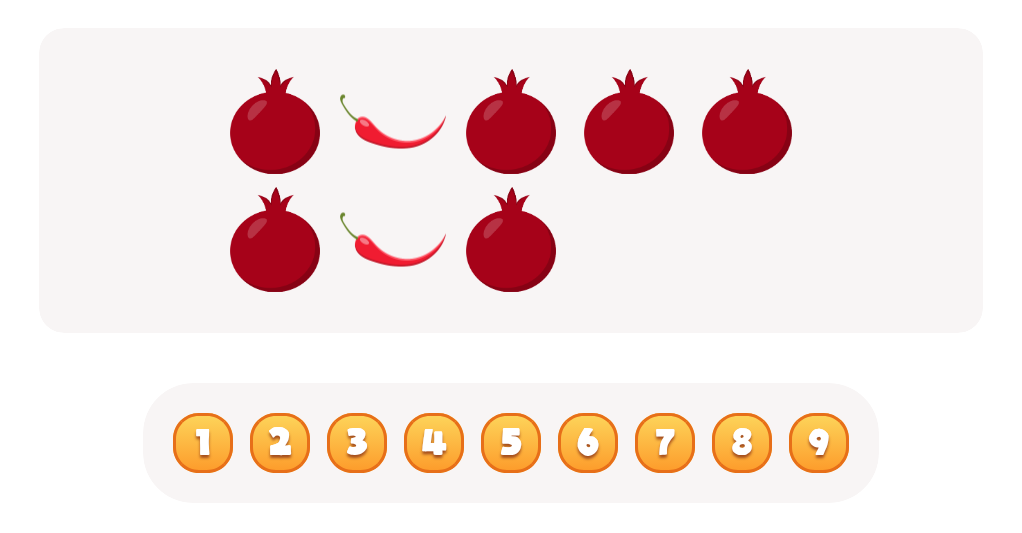
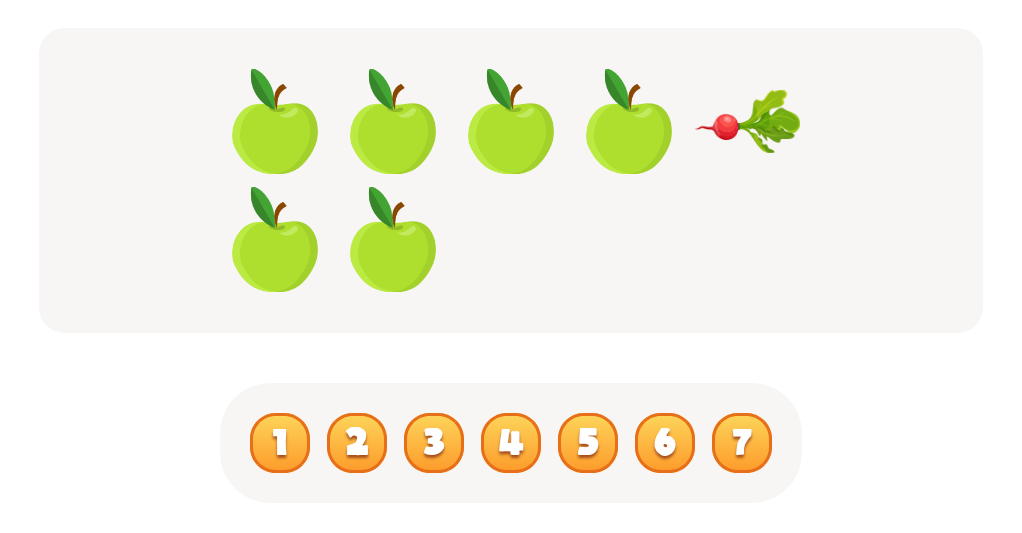

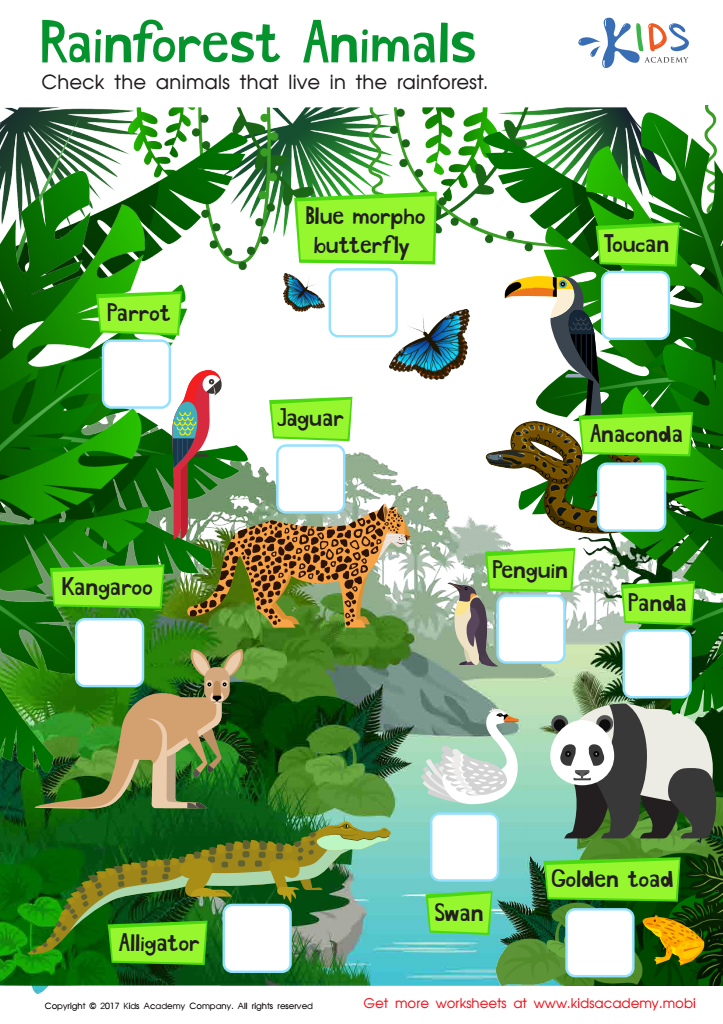
Rainforest Animals Worksheet
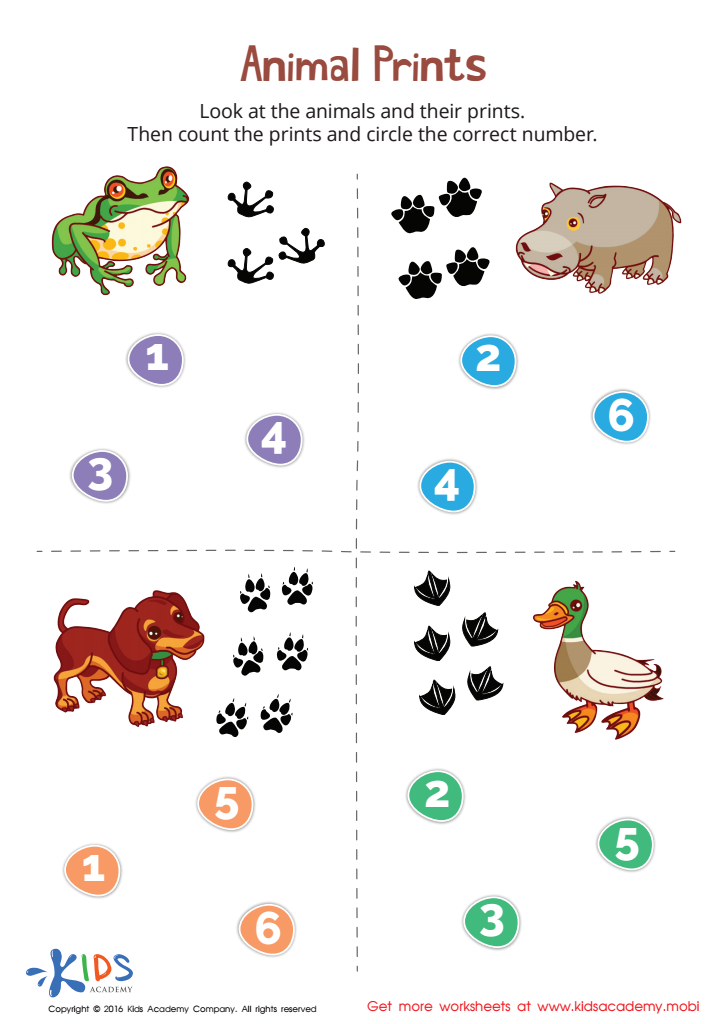
Animal Prints Match-Up Worksheet
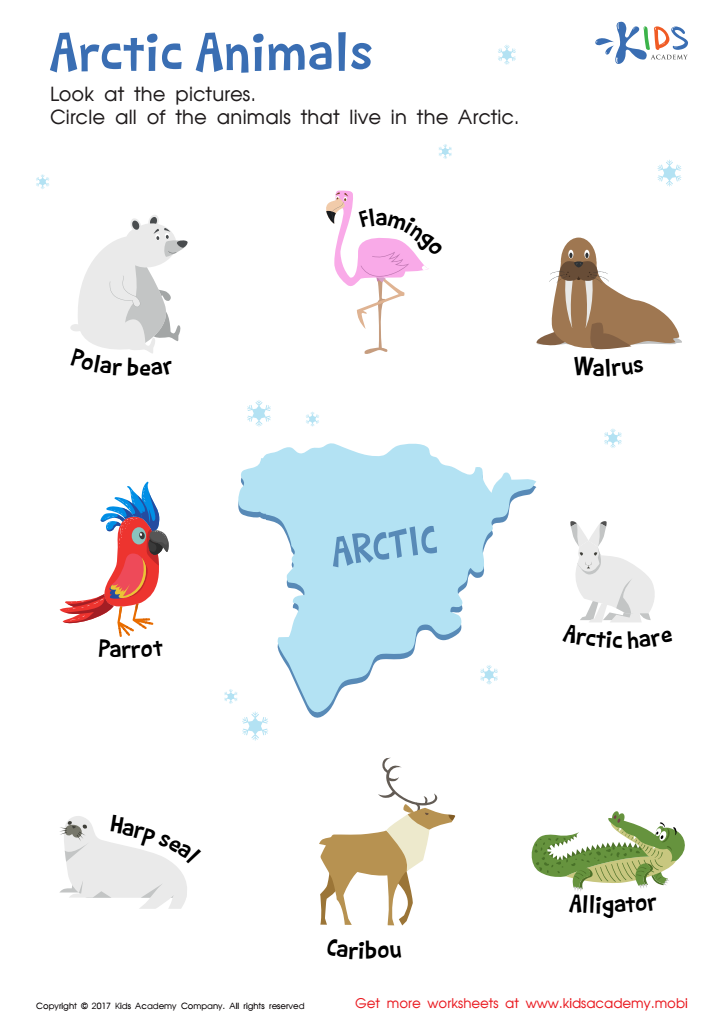
Arctic Animals Worksheet
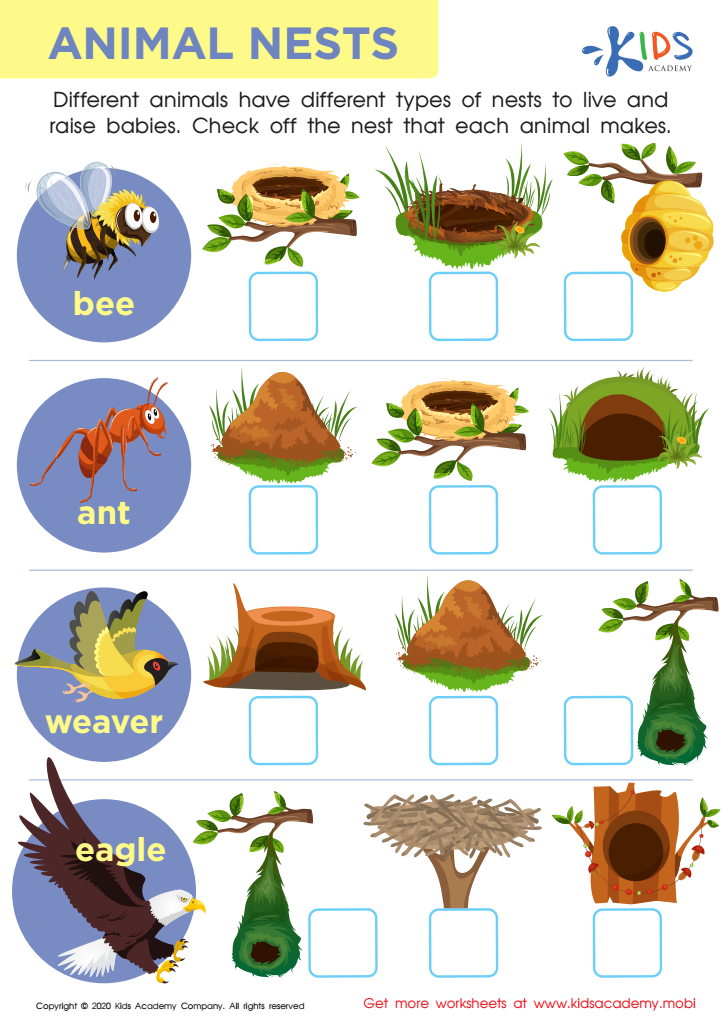
Animal Nests Worksheet






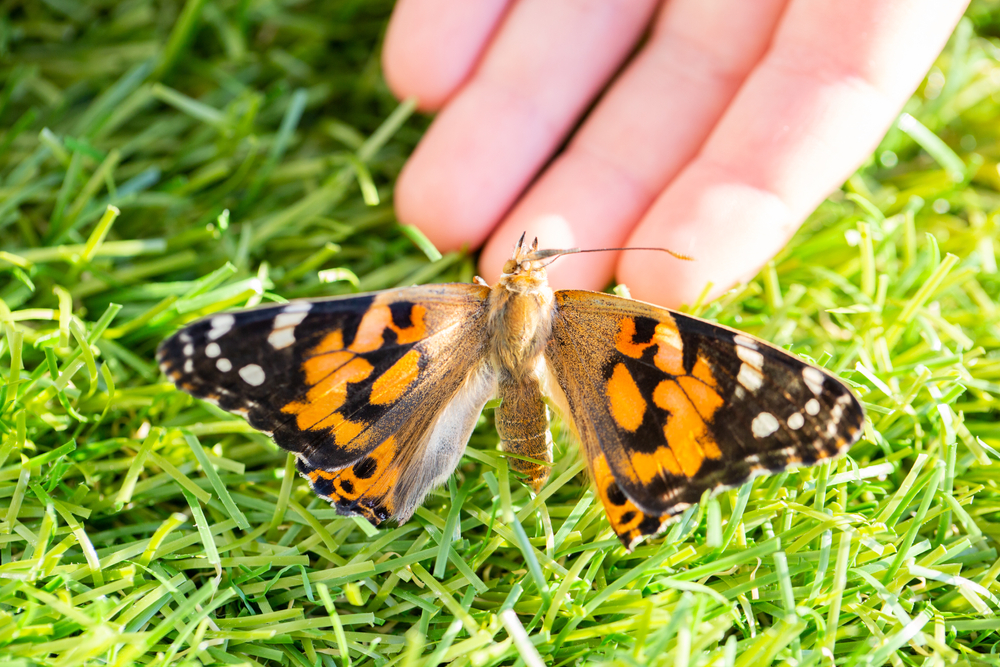

Animal identification is crucial for children aged 5-8 as it fosters a sense of curiosity and connection to the natural world. Understanding different species offers children a chance to learn about diversity within ecosystems, emphasizing the uniqueness and importance of each organism. This foundational knowledge not only enhances their awareness but also nurtures empathy toward animals, fostering responsible behavior toward wildlife and the environment.
For teachers and parents, integrating animal identification into the curriculum or daily discussions provides opportunities for collaborative learning. Engaging children in hands-on activities—like nature walks or sorting animals—improves their observational skills, critical thinking, and enhances their vocabulary. This interaction strengthens the bond between children and nature, encouraging outdoor exploration and play.
Additionally, discussions around animal identification can seamlessly link to broader themes like habitats, food chains, and conservation, laying the groundwork for understanding environmental stewardship. Teaching this topic cultivates responsible, informed citizens who potentially advocate for wildlife and ecosystem protection in the future. Ultimately, the interest and love for nature sparked by learning about animals form a foundation that enriches children's lives, cultivating lifelong learners and nurturing their appreciation for the planet.








