Learning about ecosystems Plants and Animals Worksheets for Ages 5-8
4 filtered results
-
From - To
Discover the wonders of ecosystems with our engaging "Learning about Ecosystems: Plants and Animals Worksheets" designed specifically for children aged 5-8. These interactive worksheets make learning fun as young learners explore the vital relationships between plants and animals in various environments. Each worksheet is thoughtfully crafted to enhance critical thinking skills while fostering a love for nature. Children will enjoy coloring, matching, and solving puzzles that introduce key concepts of ecosystems, food chains, and habitats. Perfect for both classroom settings and home learning, these resources encourage hands-on learning and help kids grasp the importance of protecting our planet's diverse ecosystems. Explore today!
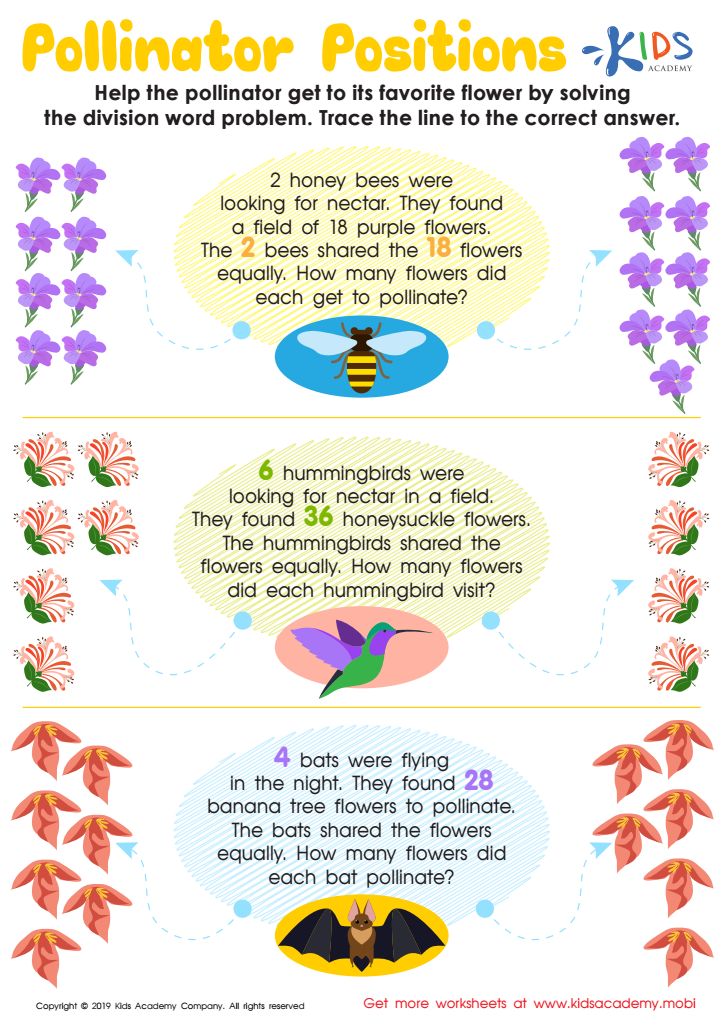
Pollinator Positions Worksheet
 Assign to My Students
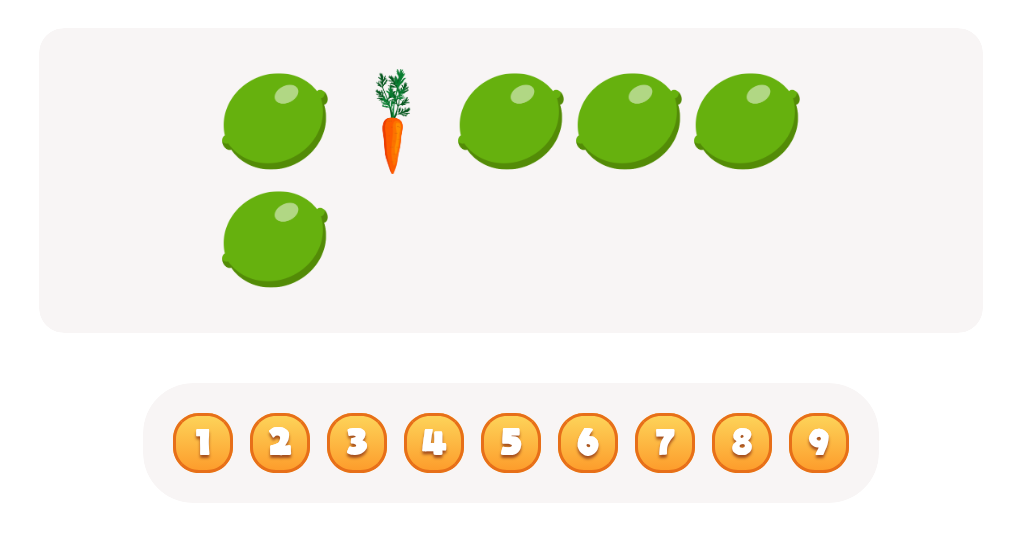

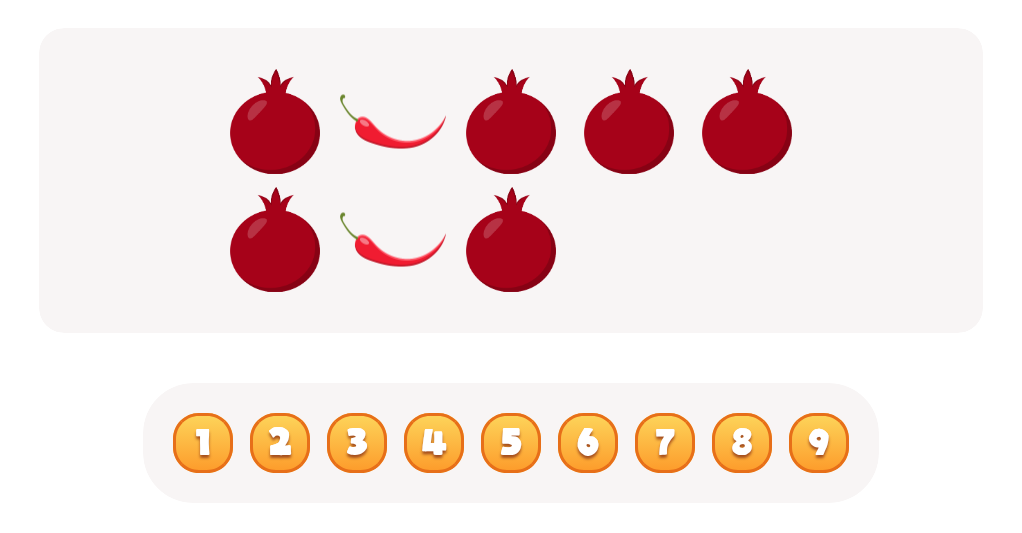
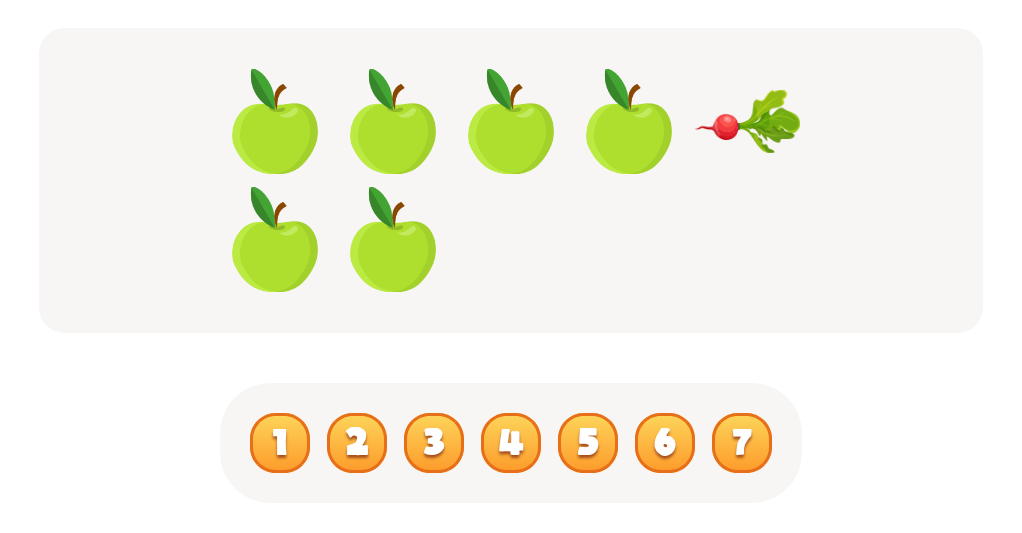
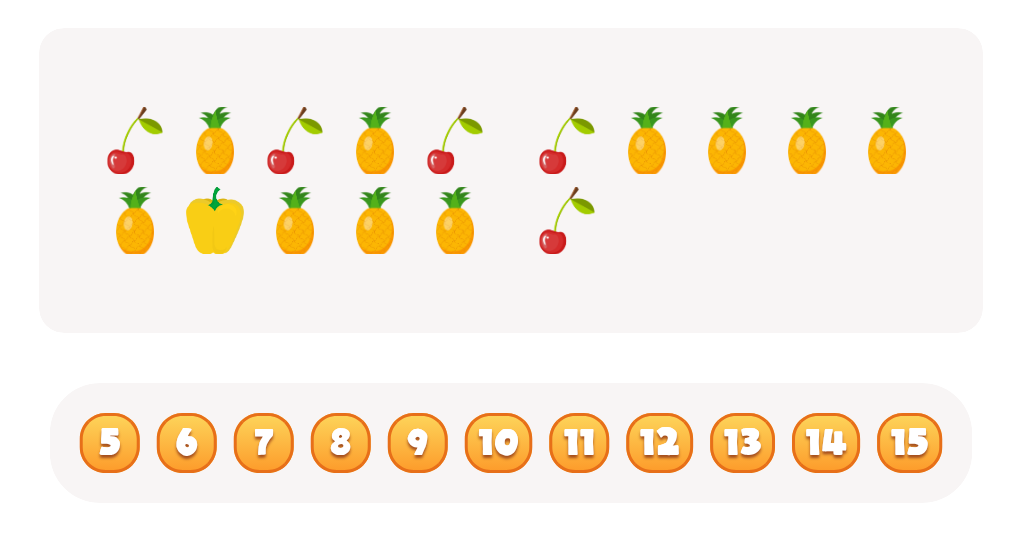
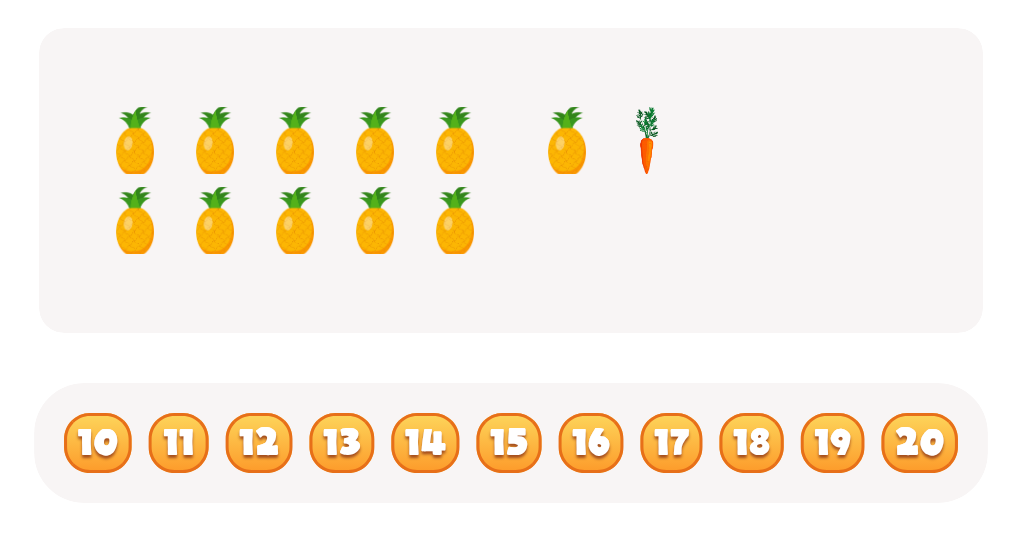
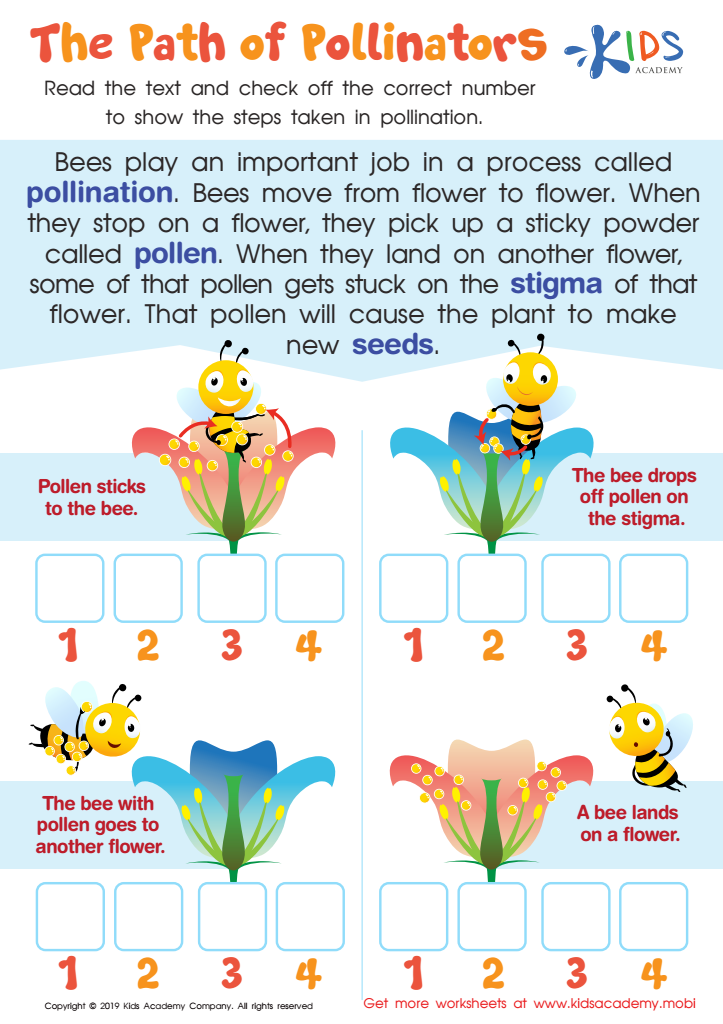
The Path of Pollinators Worksheet
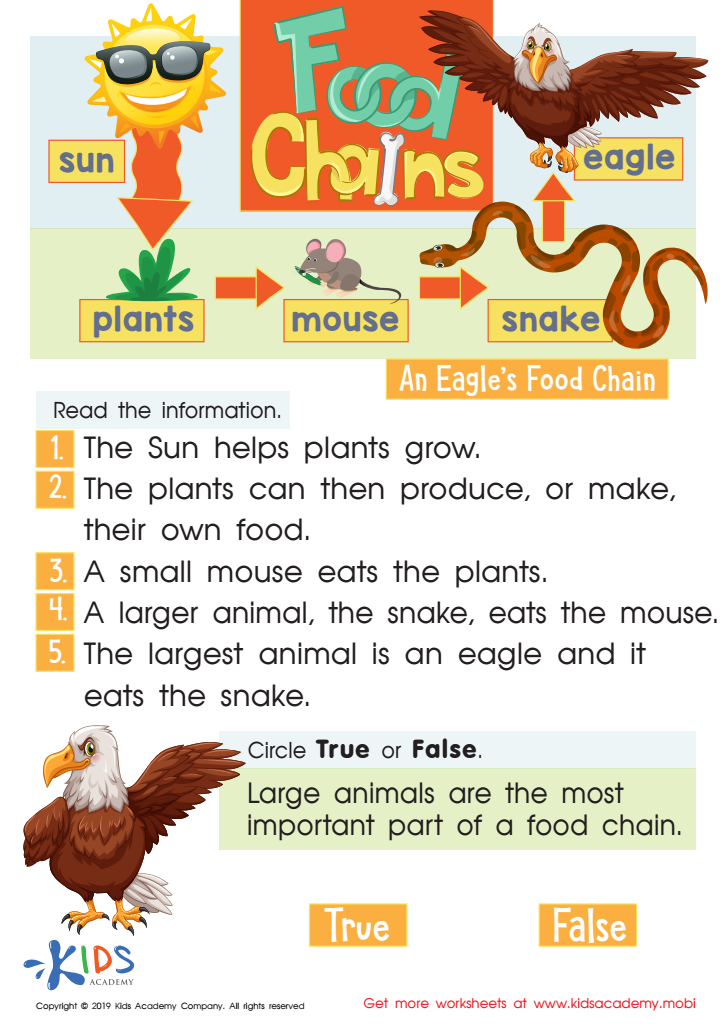
Food Chains Worksheet
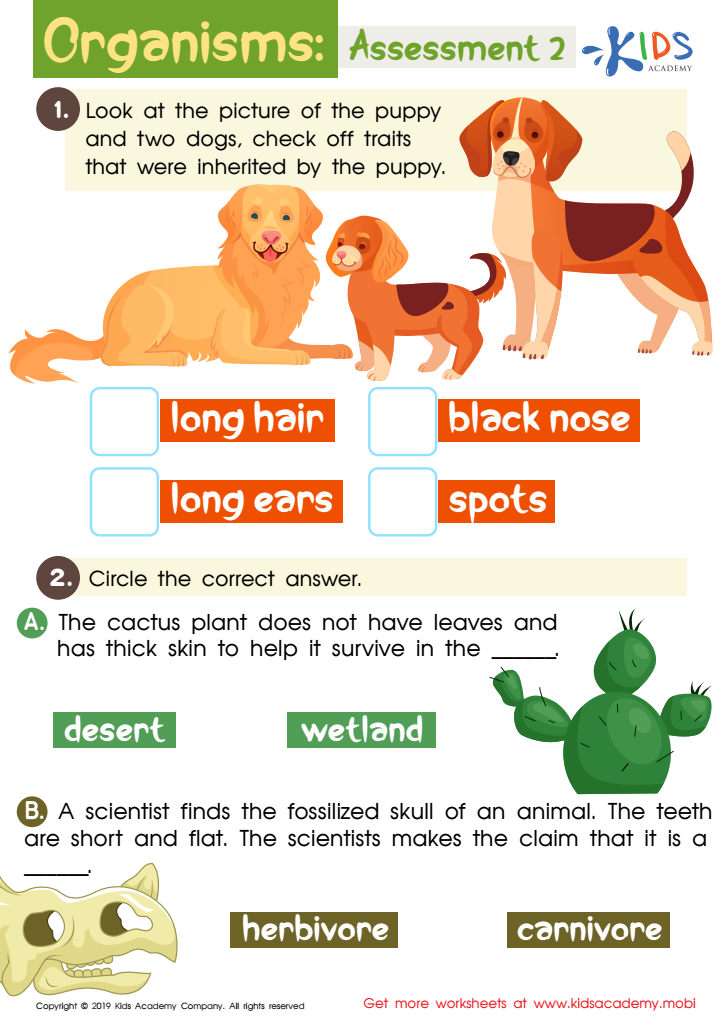
Organisms: Assessment 2 Worksheet







Parents and teachers should care about teaching children aged 5-8 about ecosystems, plants, and animals for several compelling reasons. First, children are naturally curious about the world around them, and understanding ecosystems helps foster this curiosity. Learning about plants and animals encourages exploration and discovery, which are essential to early developmental stages.
Second, this knowledge promotes environmental stewardship. As children learn about the interdependence of living organisms within ecosystems, they develop a sense of responsibility towards the environment. This foundational understanding urges them to care for nature, leading to more sustainable behaviors in the future.
Additionally, teaching ecosystems strengthens critical thinking skills. Children explore concepts like habitats, food chains, and ecological balance, encouraging them to ask questions, make observations, and form conclusions.
Moreover, these lessons promote social-emotional skills. Discussing topics like endangered species or habitats in danger can cultivate empathy and inspire teamwork in preserving our planet.
Lastly, understanding ecosystems supports a diverse set of academic skills, forming connections to science, math, art, and more. In sum, lessons about ecosystems, plants, and animals create aware, engaged citizens ready to contribute positively to the world.