Social Studies Worksheets for Ages 5-8 - Page 14
314 filtered results
-
From - To
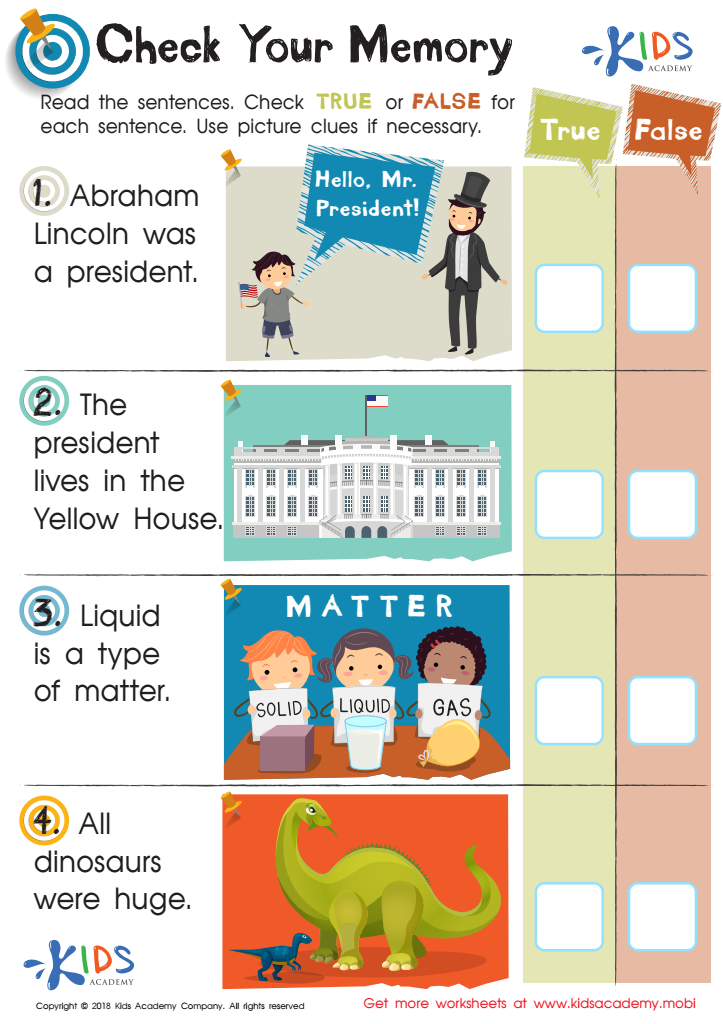
Check Memory Worksheet
 Assign to My Students
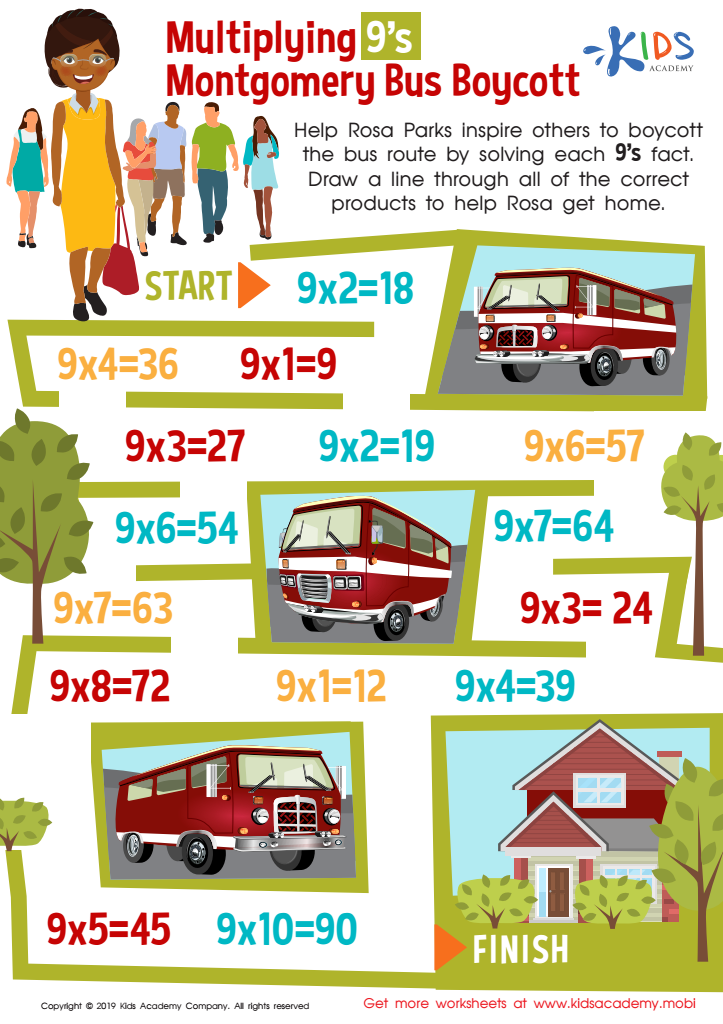
Multiplying 9’s Montgomery Bus Boycott Worksheet








Social Studies is a vital component of early education for children aged 5-8, as it lays the foundation for understanding the world around them. At this age, children are naturally curious and eager to learn about different cultures, communities, and histories. By integrating Social Studies into their education, parents and teachers can help children develop critical thinking skills, empathy, and a sense of belonging.
Engaging with Social Studies at this age allows children to explore concepts like family, community, and the roles of individuals within society. It encourages them to ask questions, make connections, and understand the diversity of backgrounds and perspectives that make up their world. Learning about different cultures fosters appreciation and respect for others, laying the groundwork for a more inclusive and harmonious society.
Moreover, Social Studies helps children develop early literacy and numeracy skills through interactive activities such as storytelling, mapping, and role-playing. It connects directly to their everyday experiences, facilitating meaningful discussions that enhance comprehension and retention.
By prioritizing Social Studies in early education, parents and teachers instill a lifelong love of learning, promote active citizenship, and nurture well-rounded individuals who are capable of contributing positively to their communities.