Cursive Writing Worksheets for Ages 5-8 - Page 2
26 filtered results
-
From - To
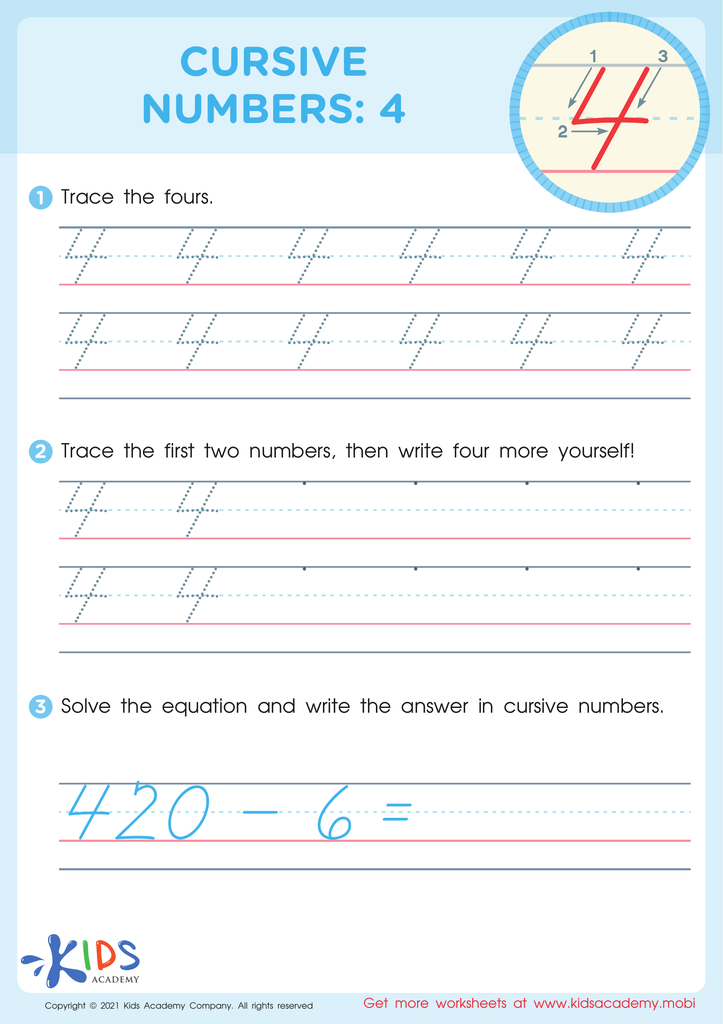
Cursive Numbers: 4 Worksheet
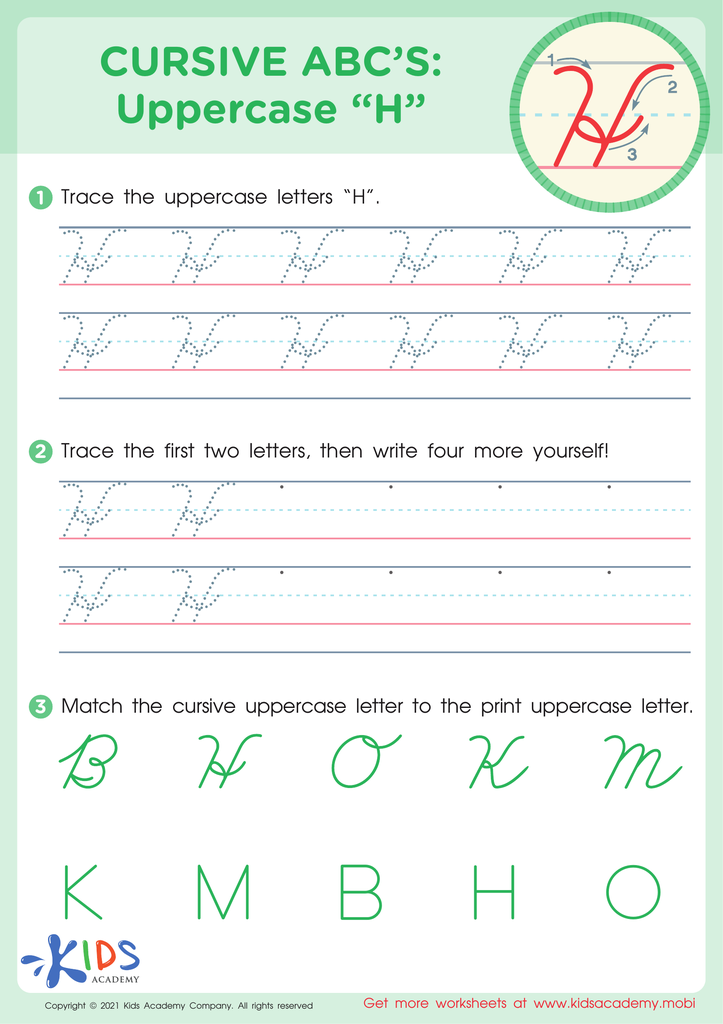
Cursive ABCs: Uppercase H






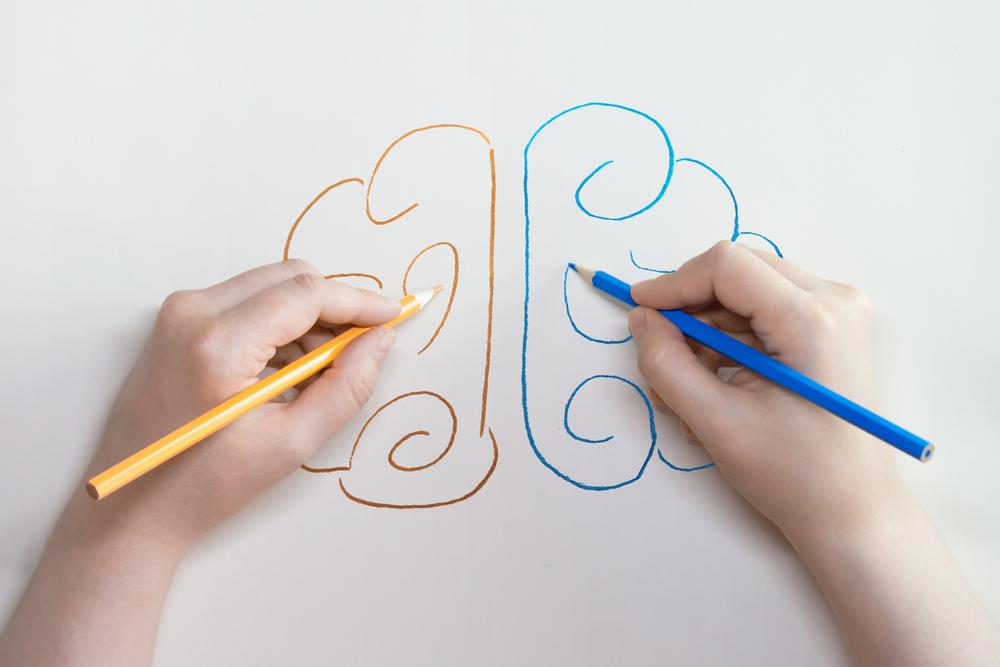

Cursive writing plays a vital role in the literacy development of children aged 5-8, making it important for both parents and teachers to care. One of the primary benefits of cursive writing is that it helps children develop fine motor skills and hand-eye coordination, which are essential for overall writing proficiency. Unlike print, cursive letters are often fluidly connected, promoting smoother hand movements and speed in writing.
Moreover, cursive writing encourages cognitive development. The practice of joining letters requires children to engage in critical thinking and enhance their memory, which are vital skills for learning. Research suggests that writing in cursive can benefit reading fluency, as it reinforces word recognition and overall language fluency.
Additionally, cursive writing fosters a unique sense of identity and creativity. Children often take pride in their personal handwriting style, offering an important method for self-expression. This can build confidence and motivation in their writing endeavors.
Ultimately, instilling a love for cursive writing at an early age enriches children's educational experiences, supports their academic progress, and equips them with essential communication skills that will serve them throughout their lives. Thus, parents and teachers should prioritize cursive writing in their teaching approaches.








