Number Sequencing Worksheets for Ages 5-9 - Page 2
44 filtered results
-
From - To
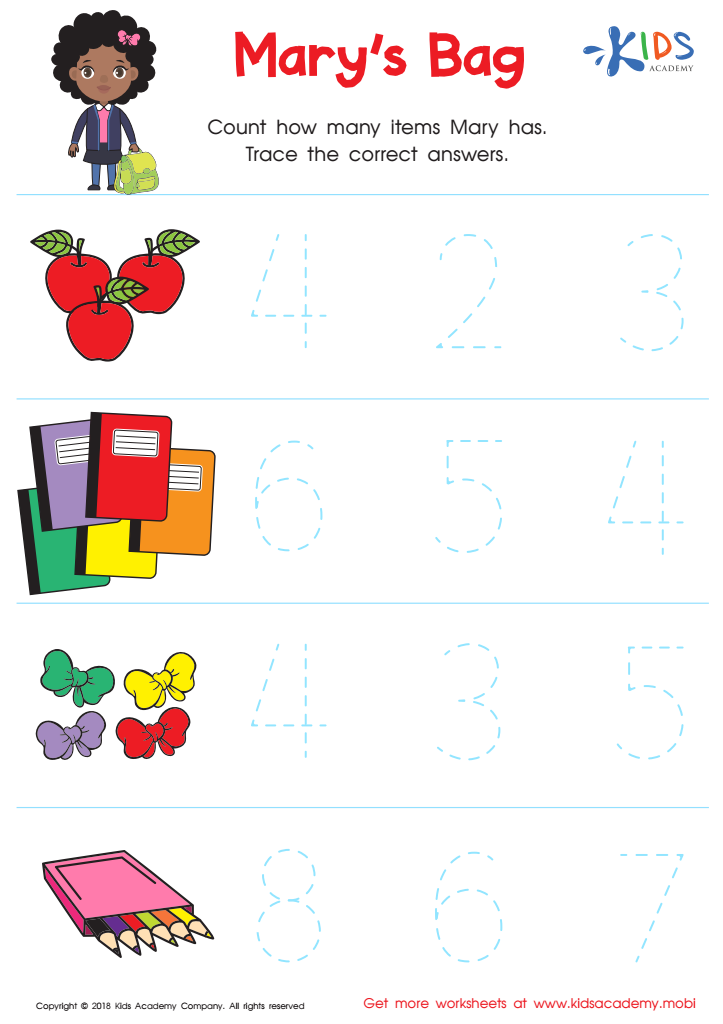
Kindergarten Number Tracing: Mary's Bag Worksheet
 Assign to My Students
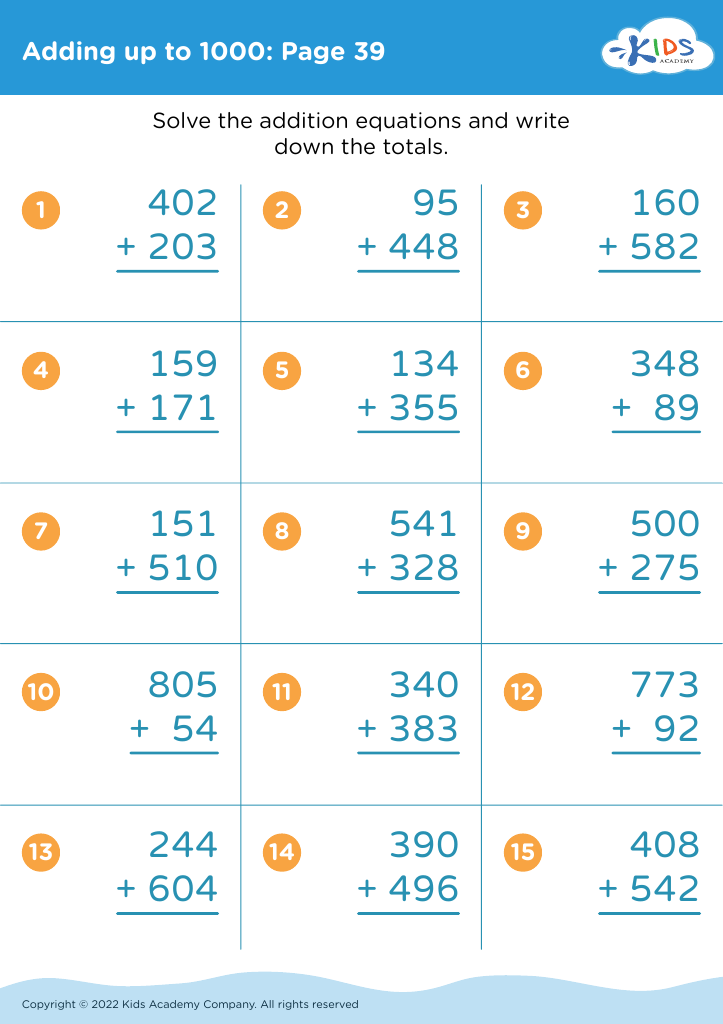
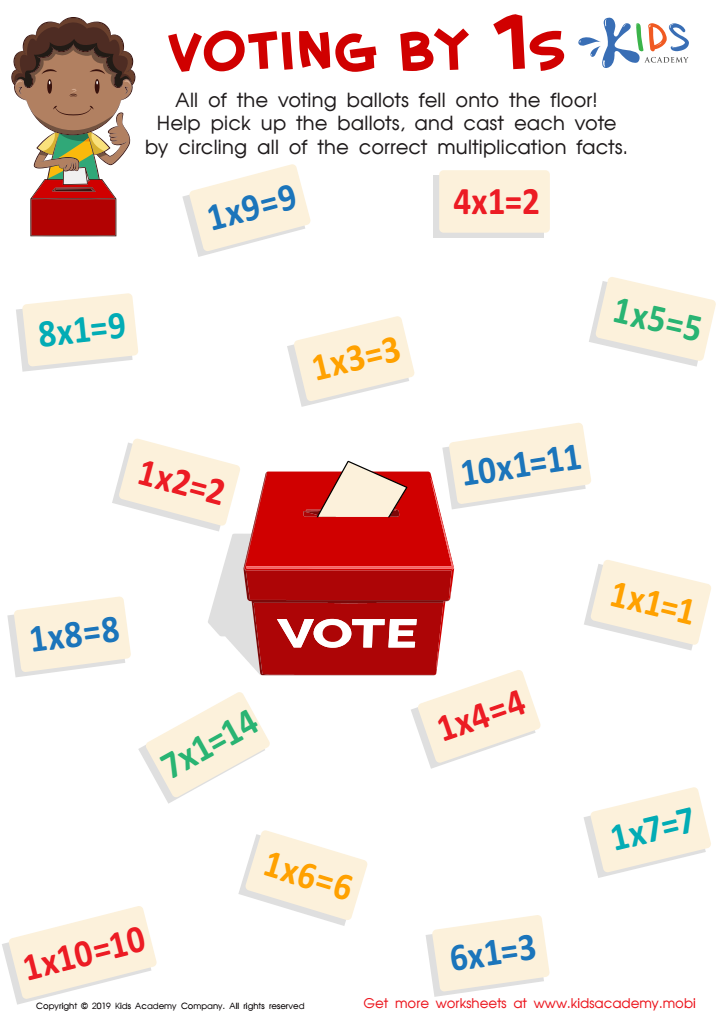
Voting by 1s Worksheet
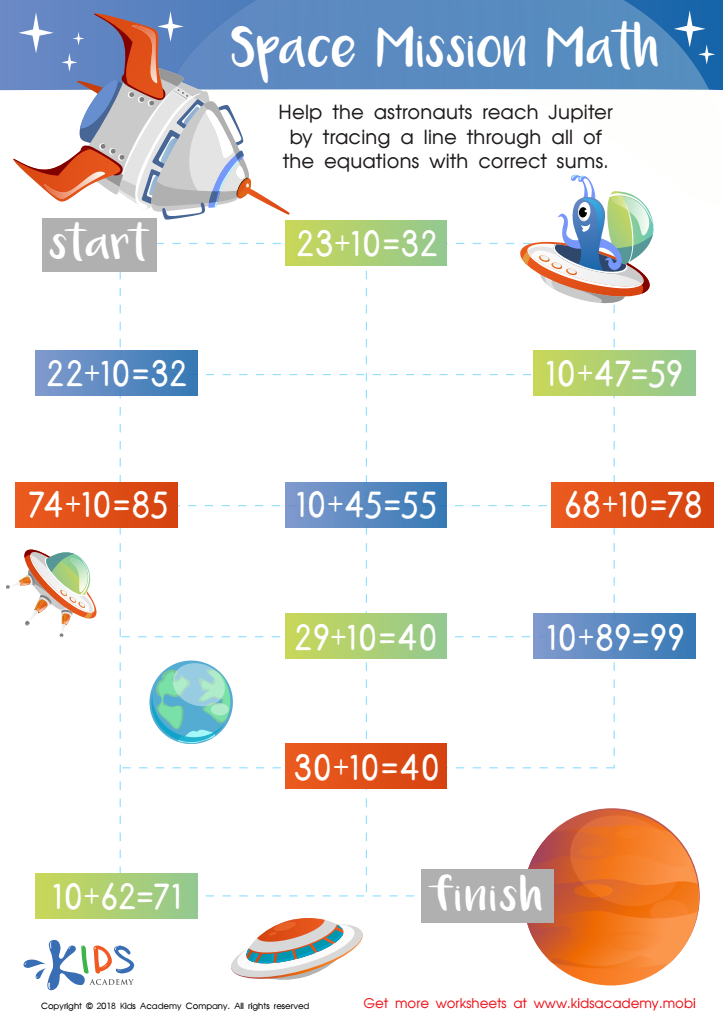
Space Mission Math Worksheet
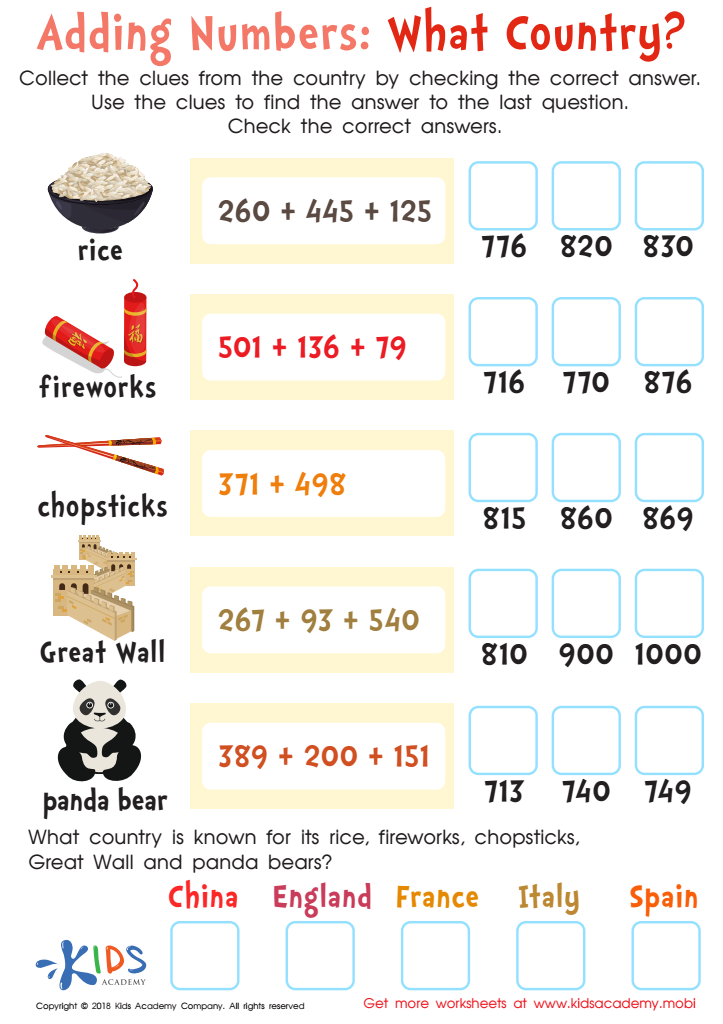
Adding Numbers: What Country Worksheet
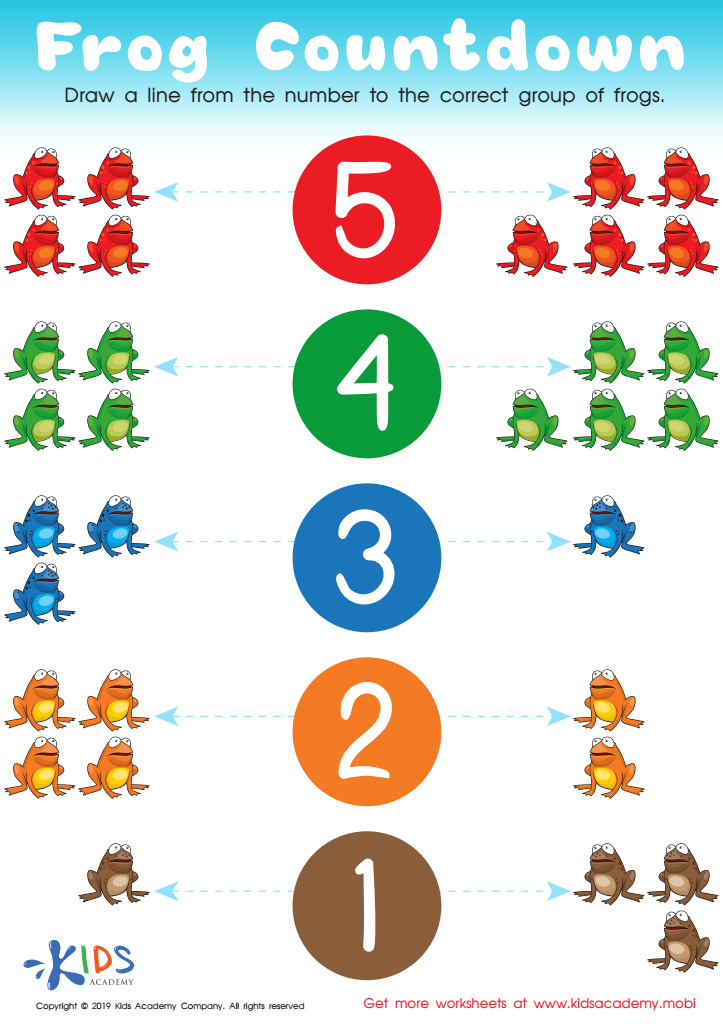
Frog Countdown Worksheet

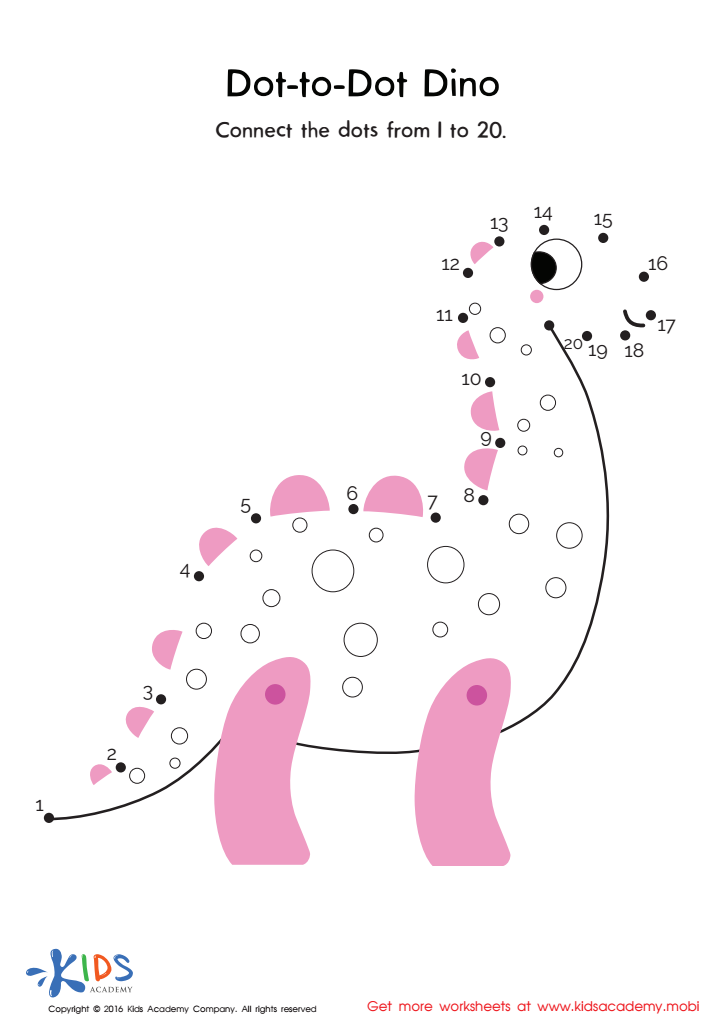
Pirate Ship Connect Dots Worksheet
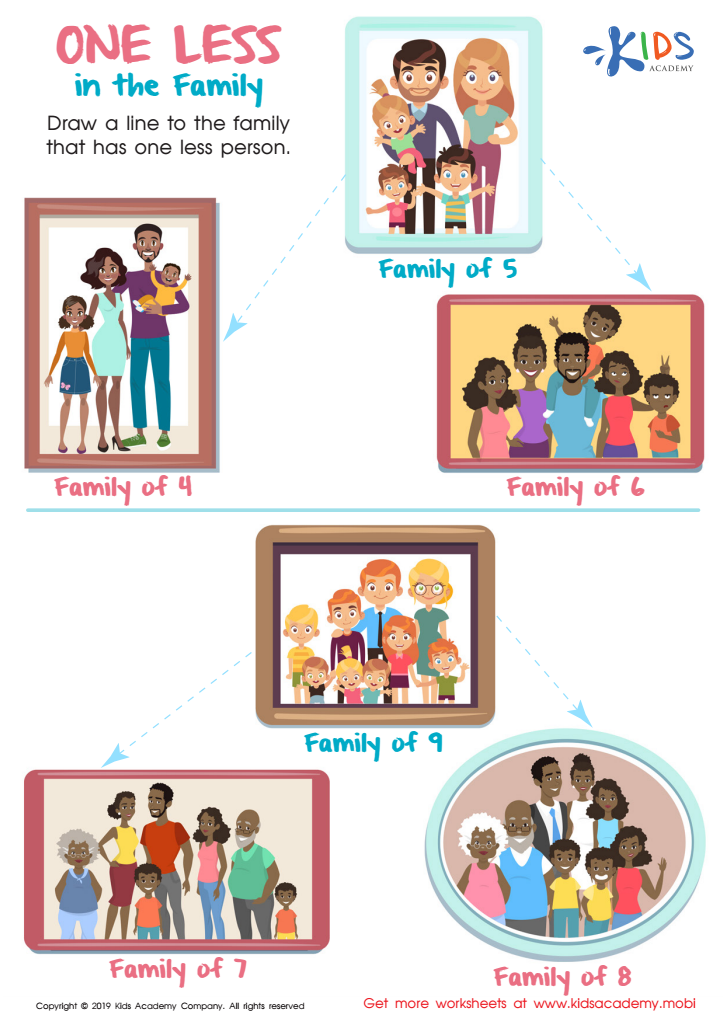
One Less in the Family Worksheet
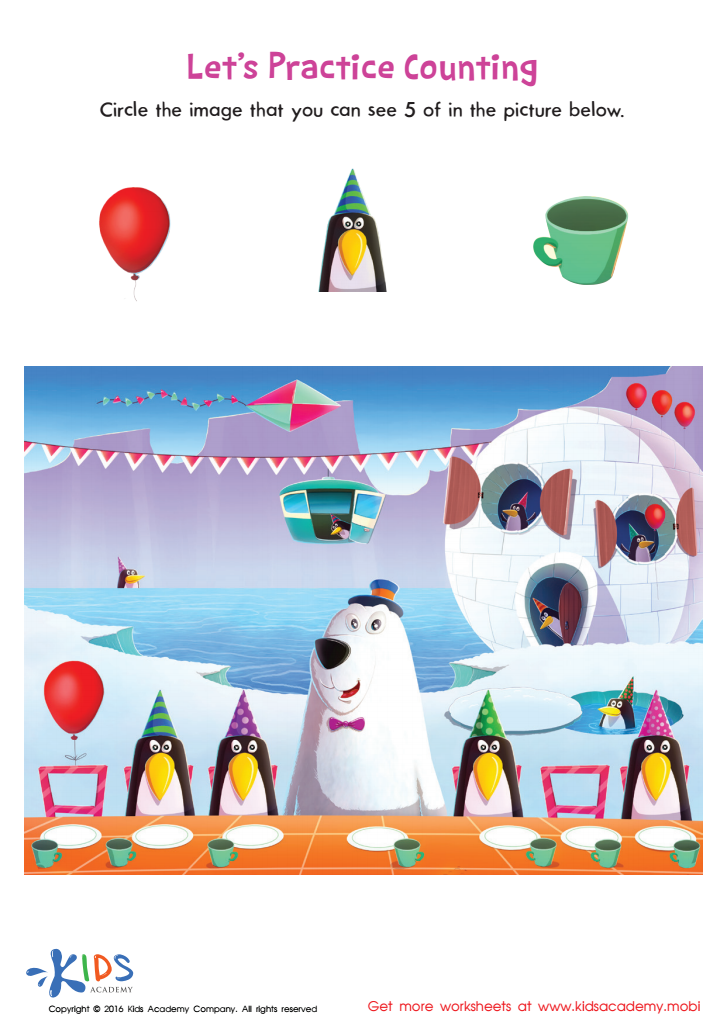
Counting Worksheet: Let's Practice Counting
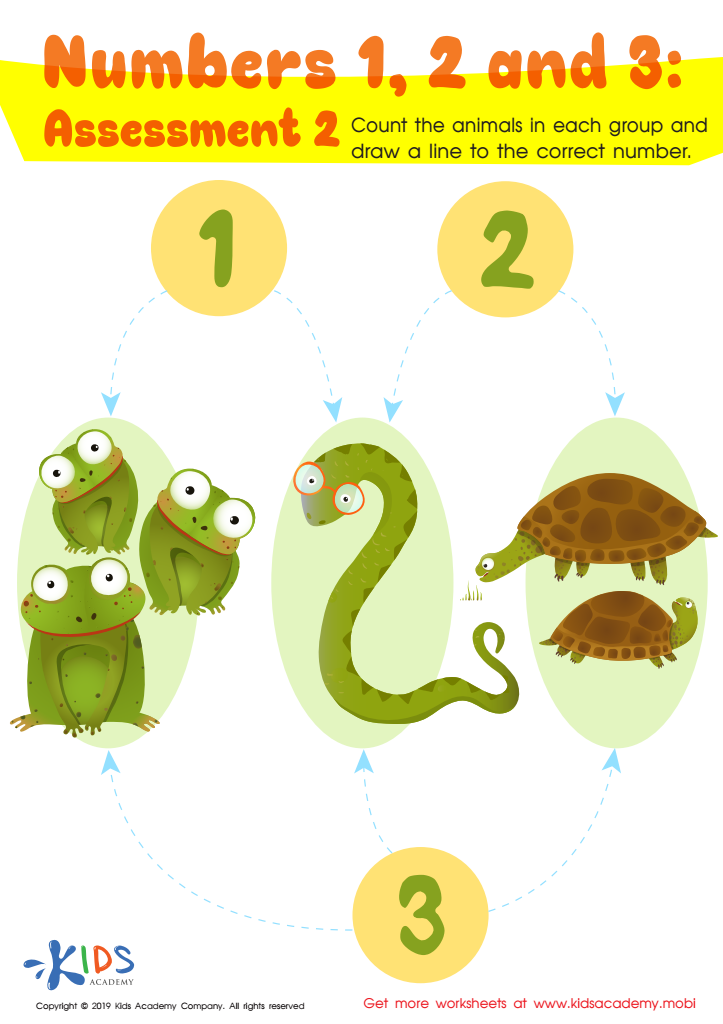
Numbers 1, 2 and 3: Assessment 2 Worksheet
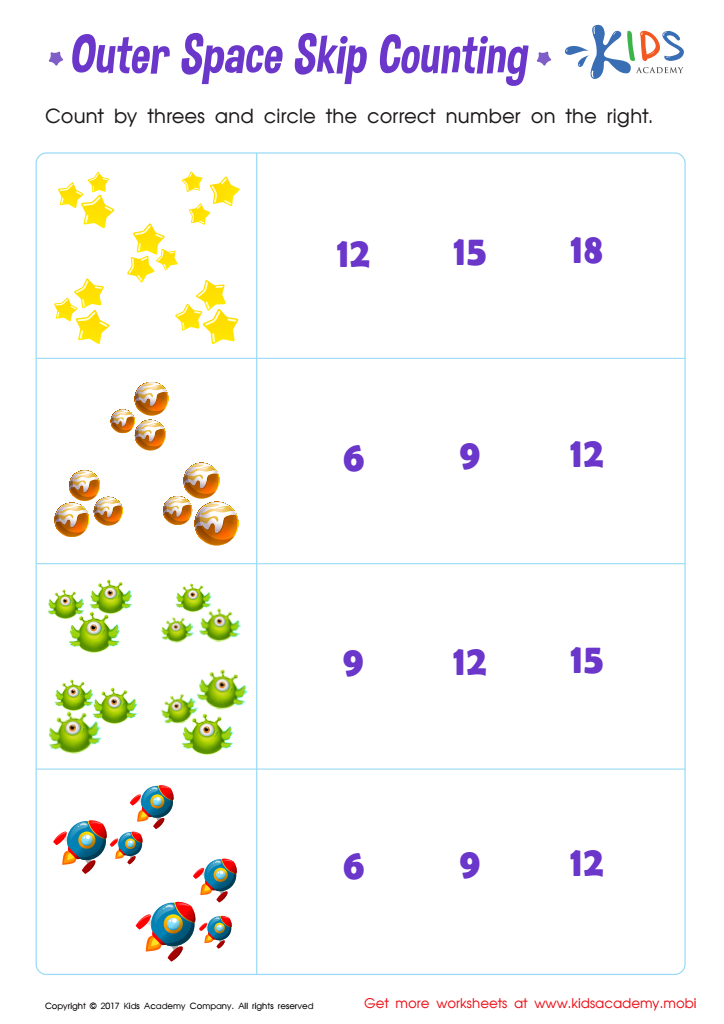
Skip Counting by 3s: Outer Space Skip Counting Printable
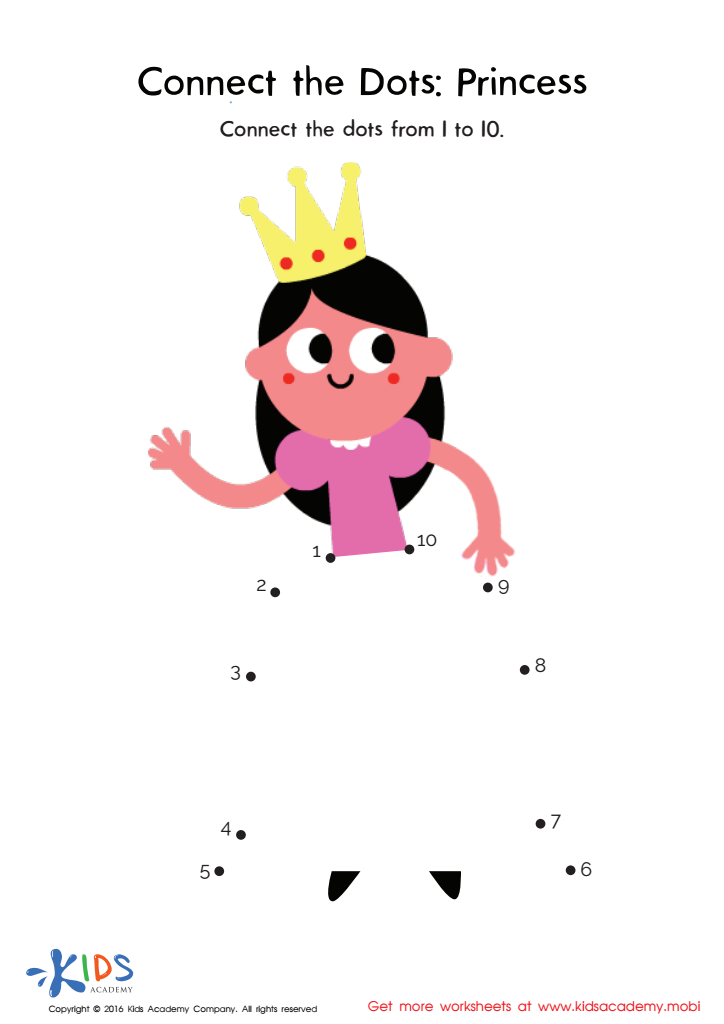
Princess Connect Dots Worksheet
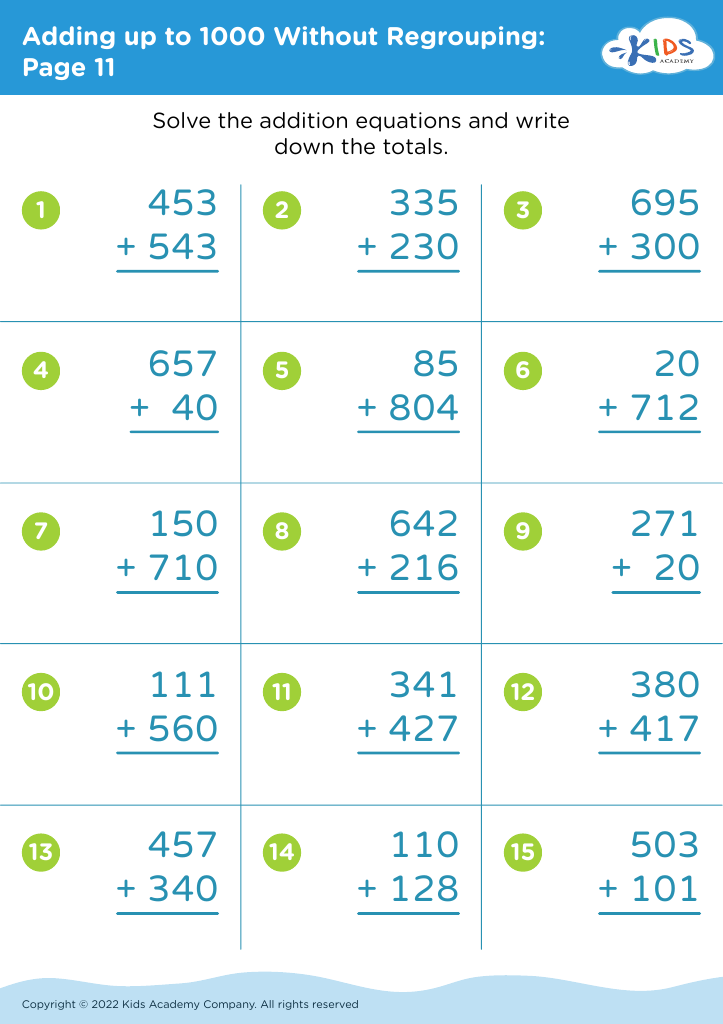
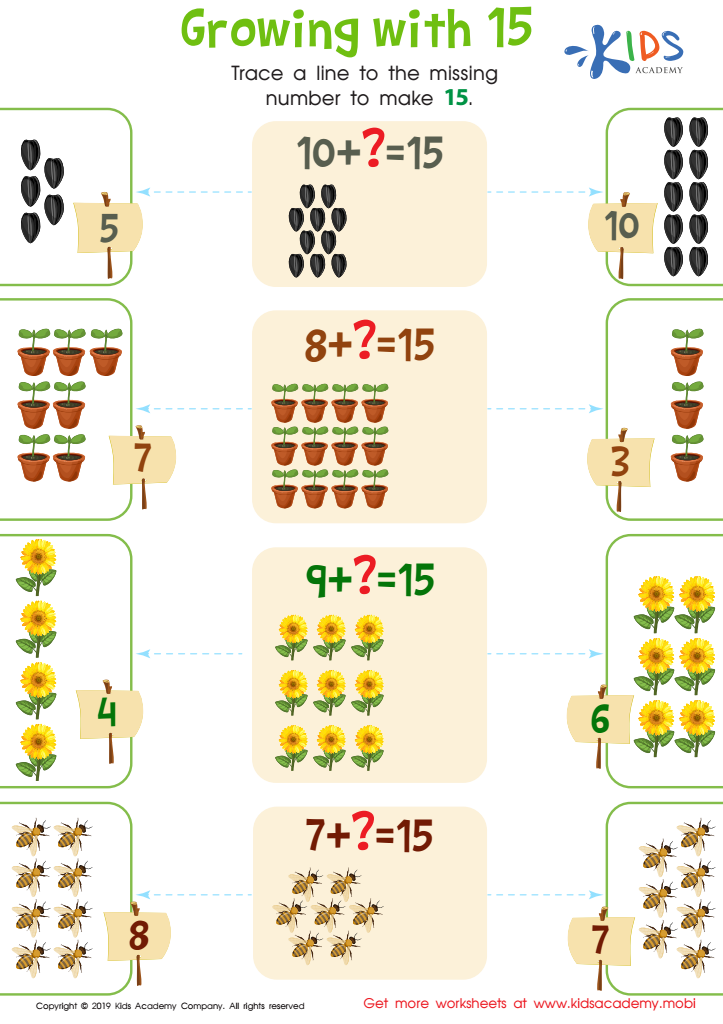
Growing with 15 Worksheet
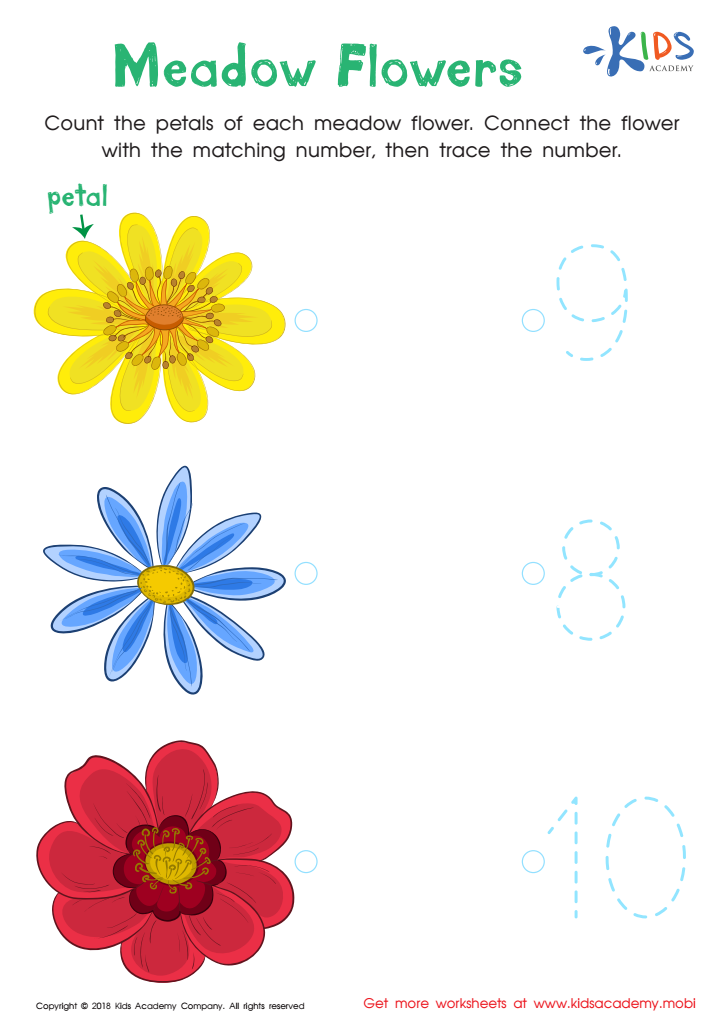
Kindergarten Number Tracing: Medow Flowers Worksheet



.jpg)


Number sequencing is a critical foundational skill for children ages 5-9 that plays a significant role in their academic and cognitive development. Understanding number sequences helps young learners grasp the concept of order and patterns, key components of mathematical thinking.
First, it enhances their numerical literacy by teaching them how numbers progress, paving the way for more complex arithmetic operations like addition, subtraction, and multiplication. Recognizing patterns within these sequences supports problem-solving skills, enabling children to predict and project outcomes.
Secondly, number sequencing is deeply intertwined with everyday activities. It builds a fundamental framework for other essential life skills such as telling time, counting money, and even understanding measurements. The ability to sequence numbers successfully nurtures critical thinking, organizational skills, and attention to detail.
For teachers, incorporating number sequencing in lessons can solidify classroom learning and make abstract concepts tangible. For parents, reinforcing these skills at home through games and simple activities not only supports academic progress but also fosters a love for learning and encourages parental engagement in their child’s education.
Therefore, both teachers and parents should prioritize number sequencing, recognizing it as a foundational building block that supports broader academic skills and real-world applications. Investing time and resources in this area can significantly influence a child’s long-term academic journey and quantitative reasoning abilities.








