Shape Recognition Worksheets for 5-Year-Olds - Page 2
65 filtered results
-
From - To
Let's Check! Assessment Worksheet
First Words: What Doesn't Belong Worksheet
Cinderella Geometry Maze Worksheet
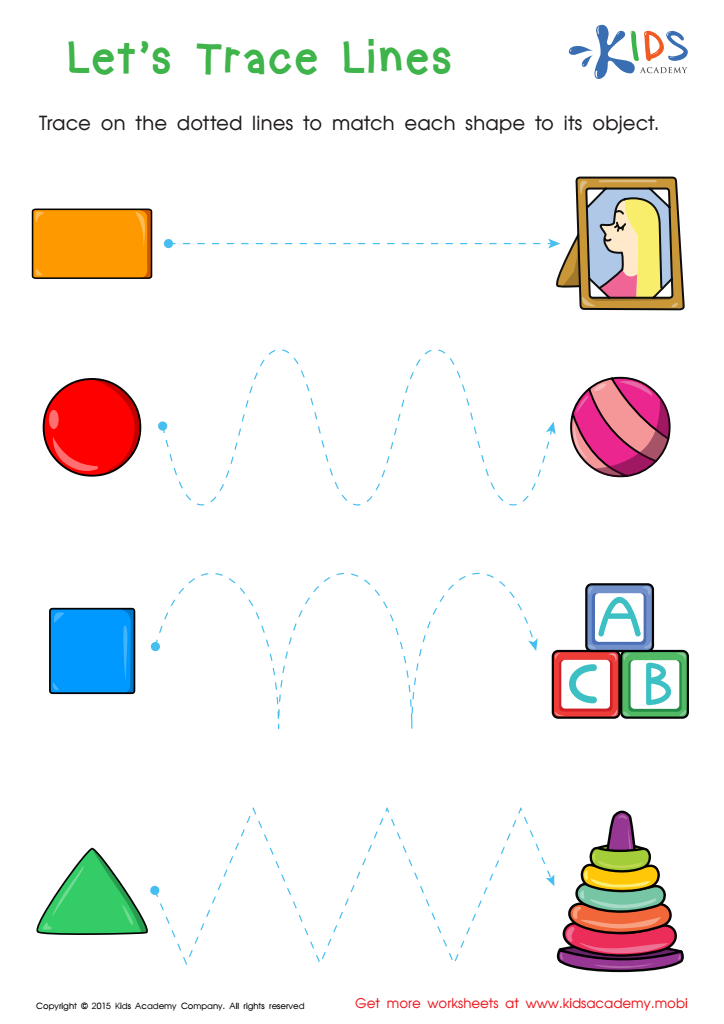
First Words: Let's Trace Lines Worksheet
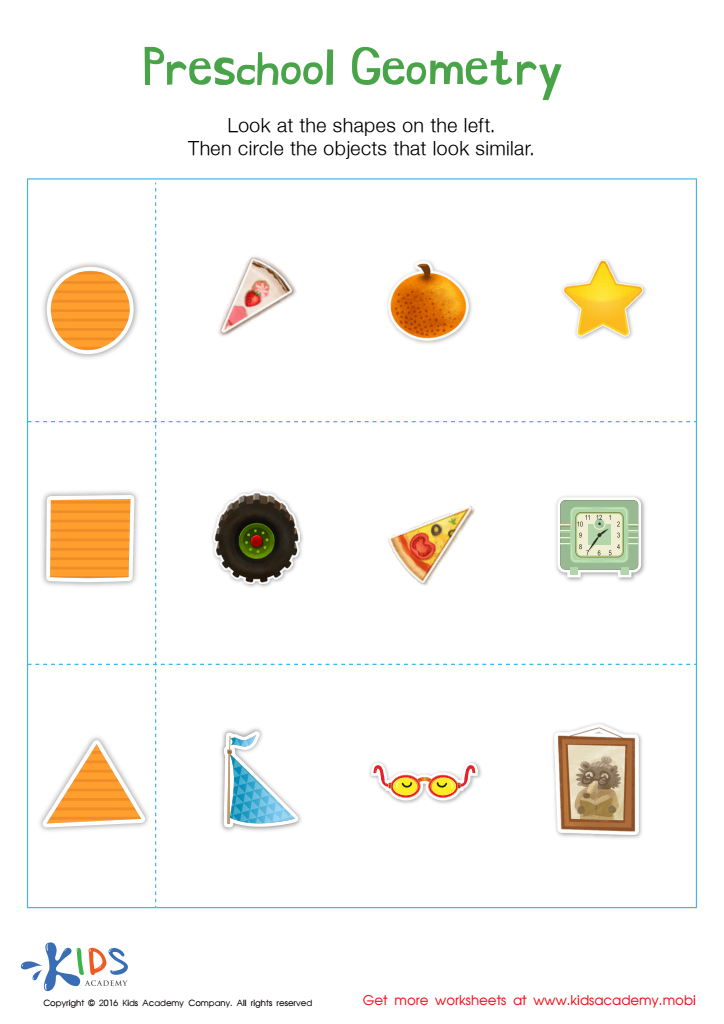
Preschool Geometry Match Up Worksheet
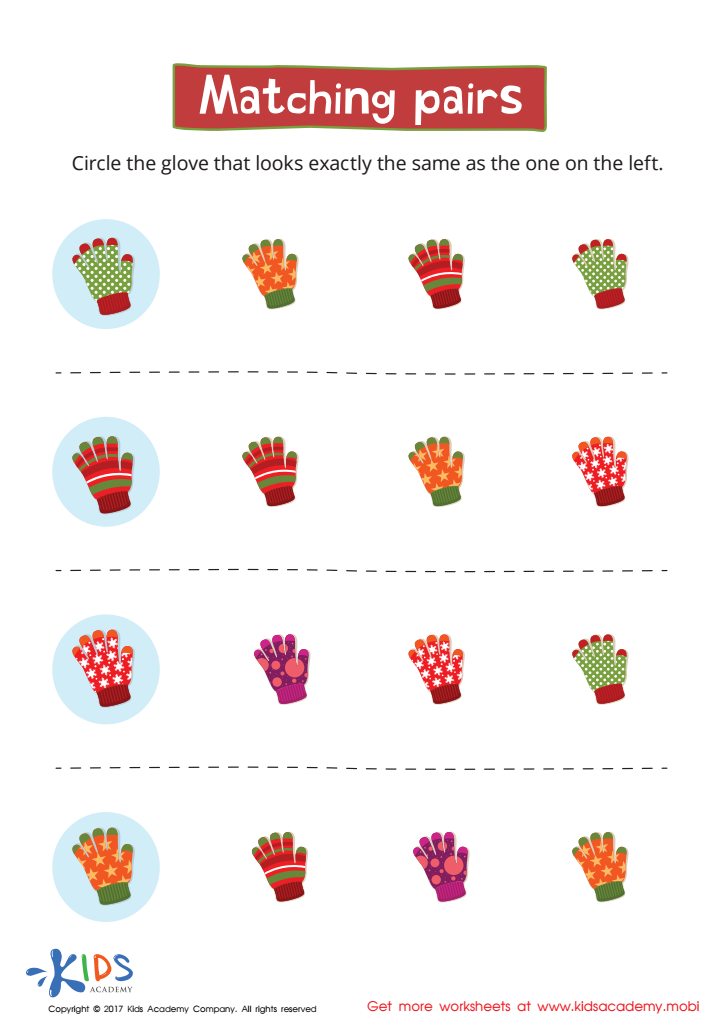
Matching: Matching Pairs Worksheet
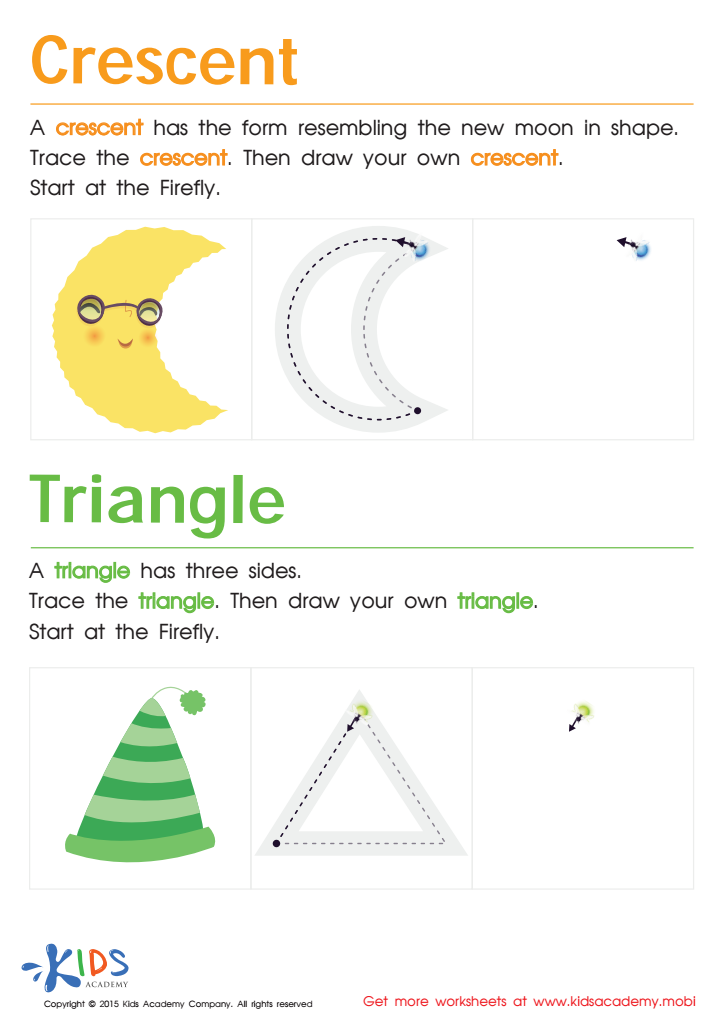
Learning to Draw Crescents And Triangles Worksheet
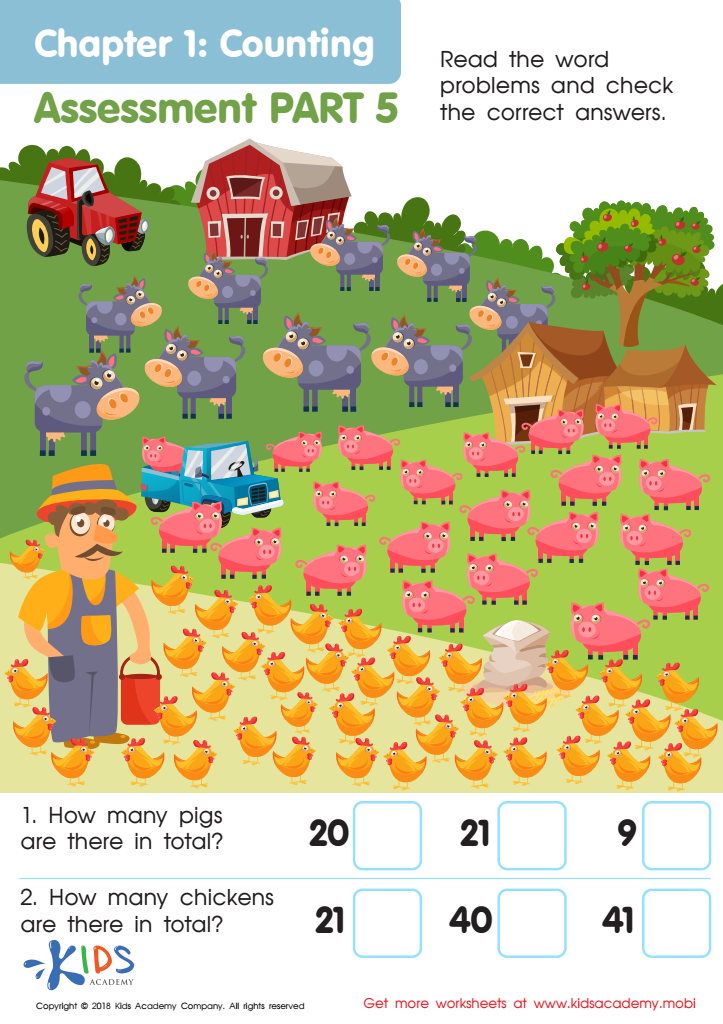
Counting: Assessment 5 Worksheet
Boat Rhyming Words Worksheet
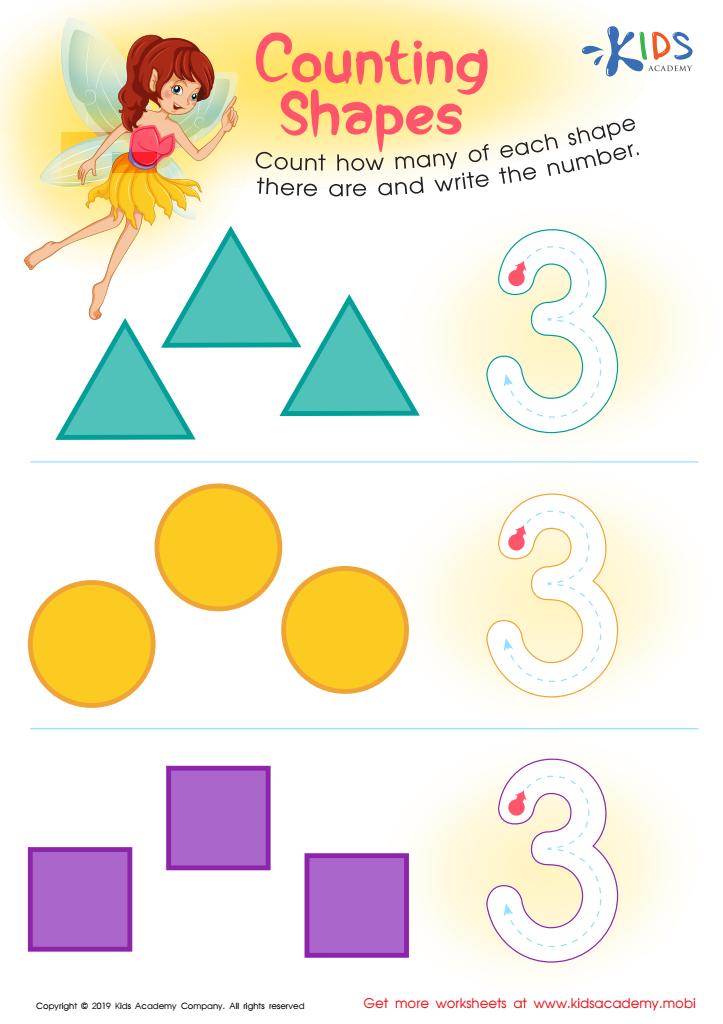
Counting Shapes Worksheet
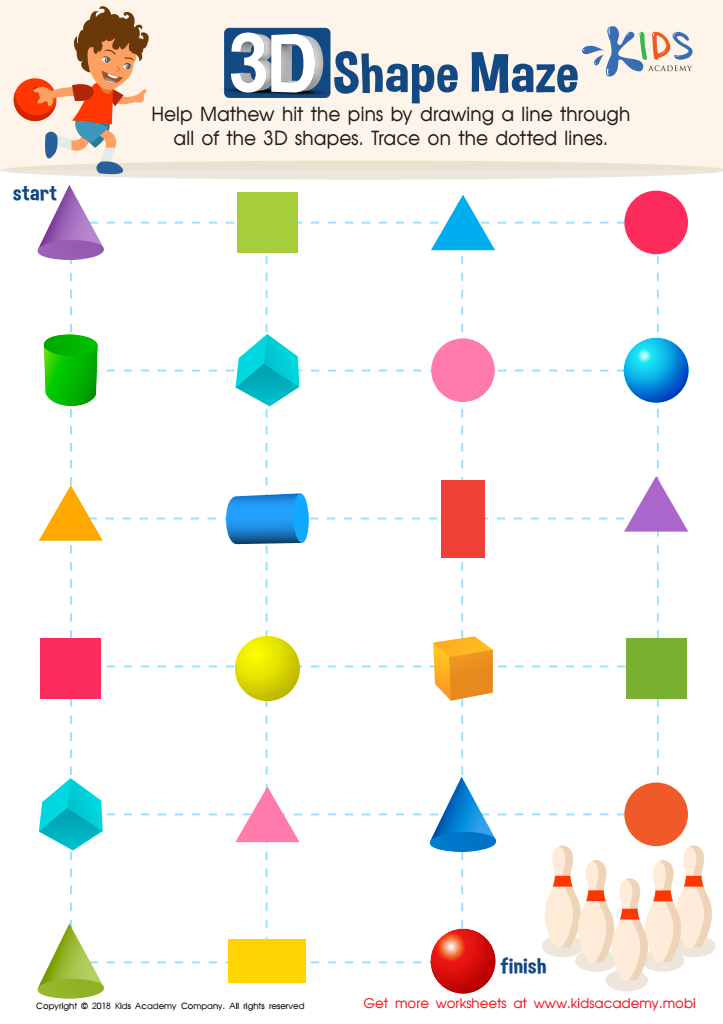
Shapes Maze Geometry Worksheet
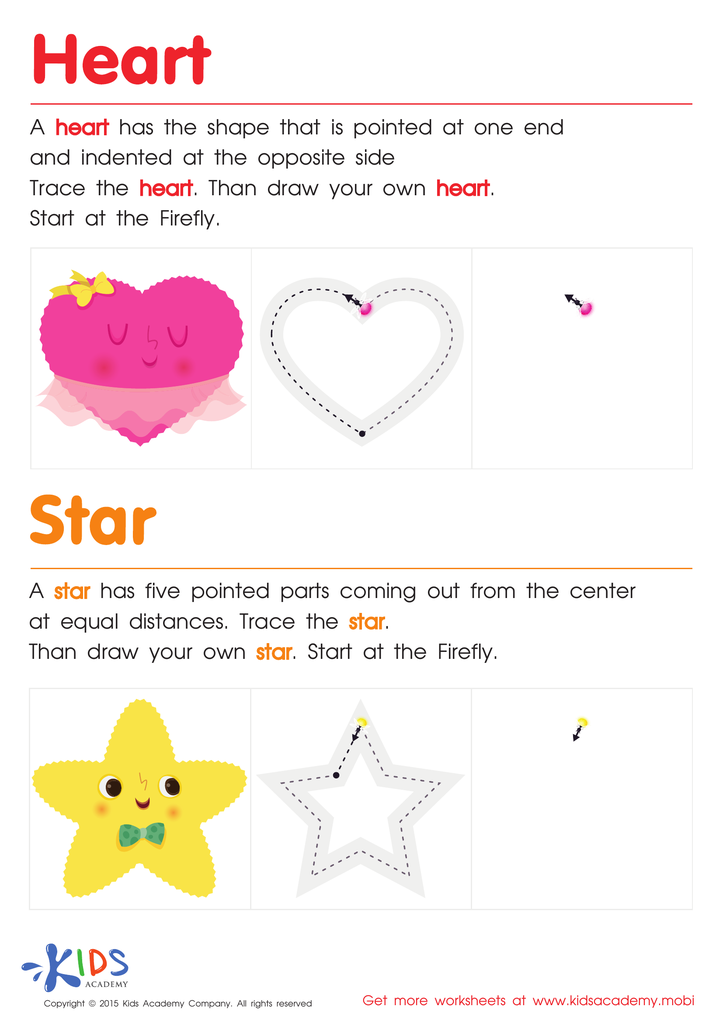
Let's Learn to Draw Hearts And Stars Printable
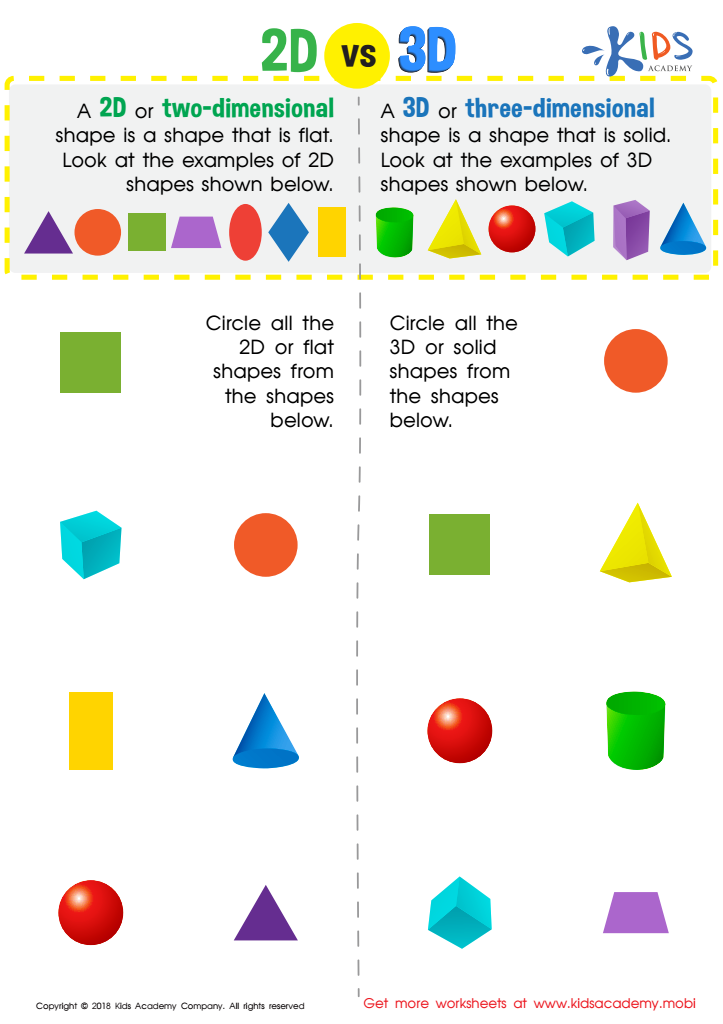
2D vs 3D Shapes Worksheet
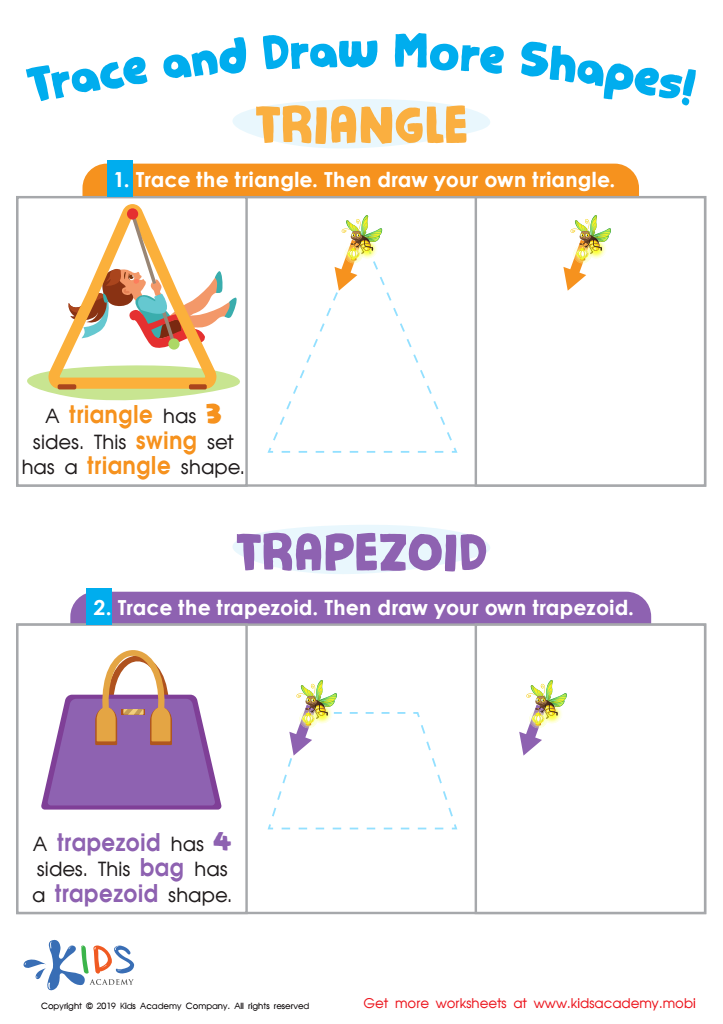
Trace and Draw More Shapes Worksheet
Curved Lines Tracing Worksheet
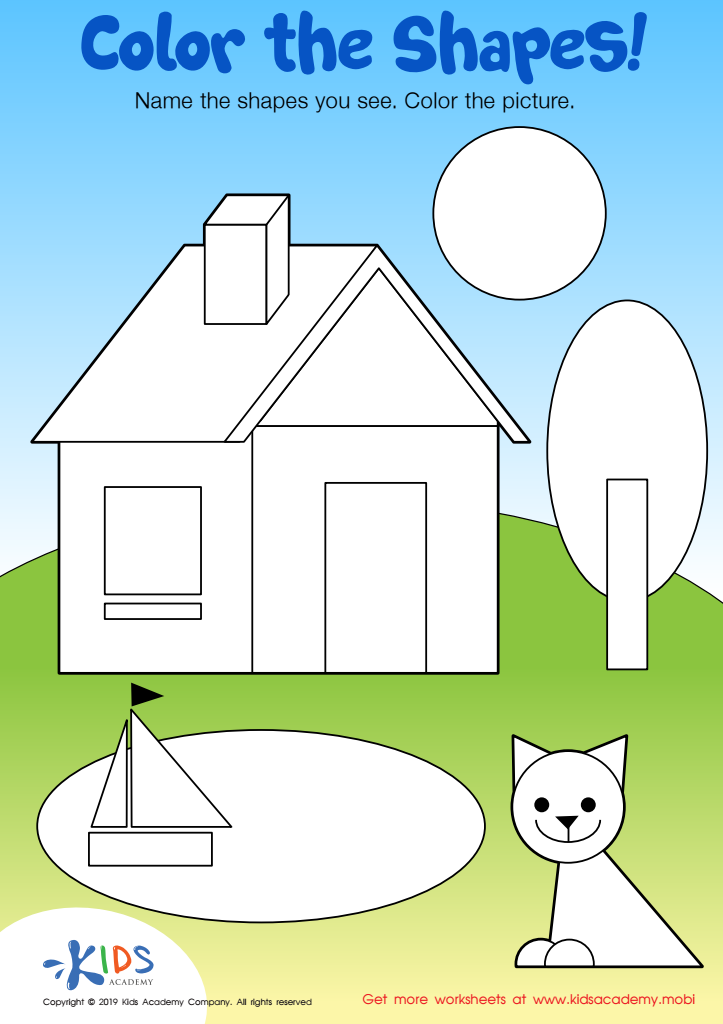
Color the Shapes Worksheet
 Assign to My Students
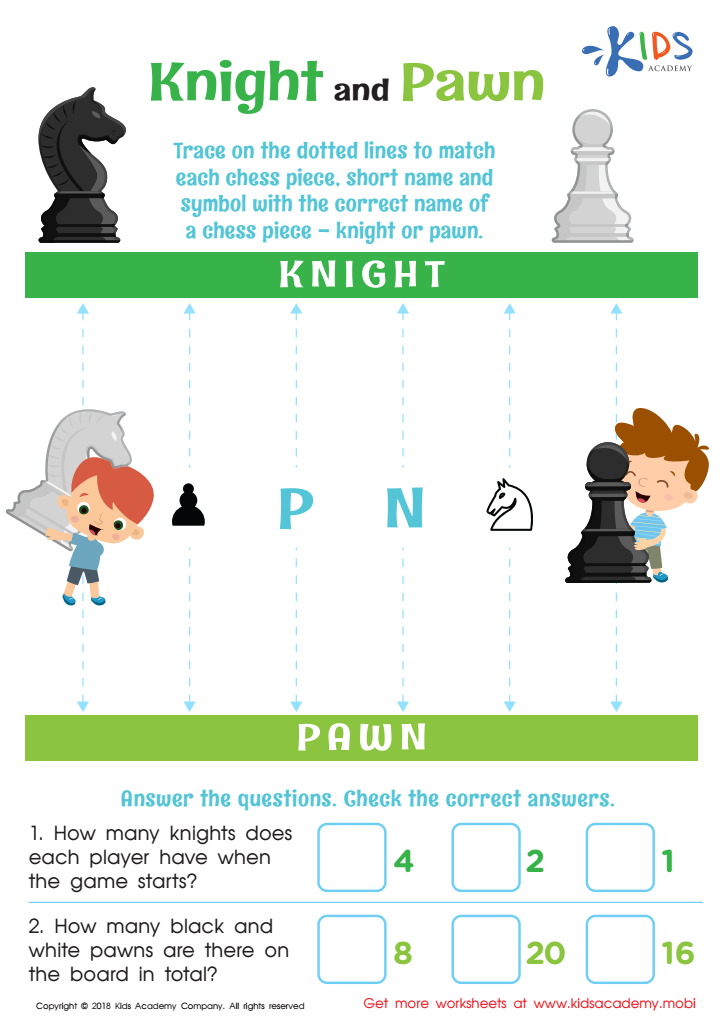
Knight and Pawn Worksheet
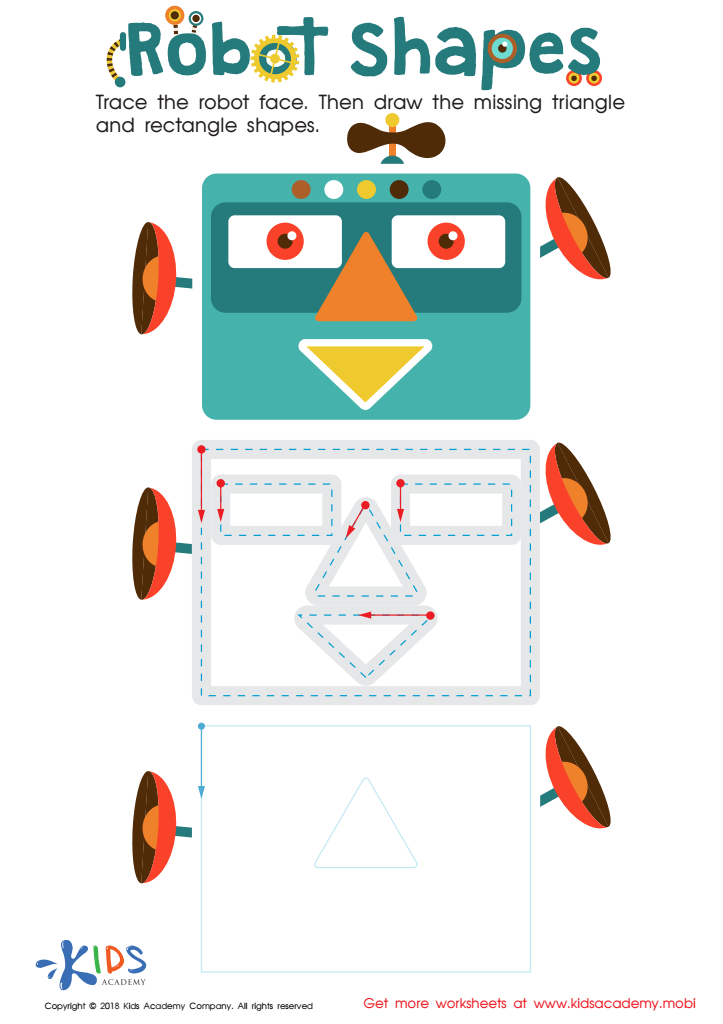
Robot Shapes Worksheet
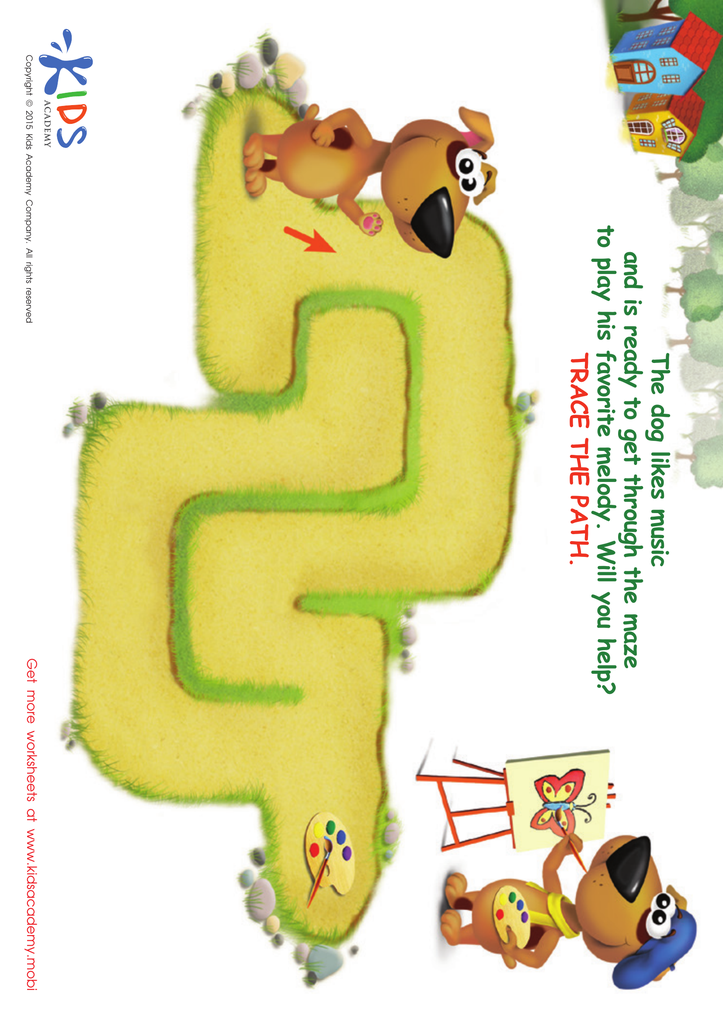
Artist Maze Worksheet
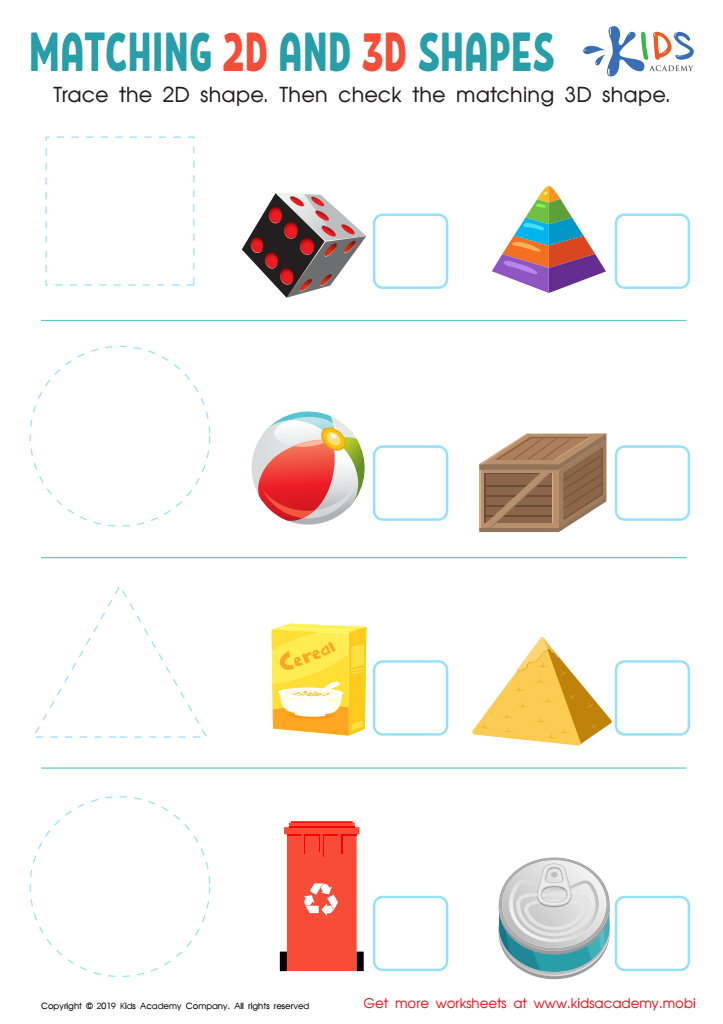
Matching 2D and 3D Shapes Worksheet
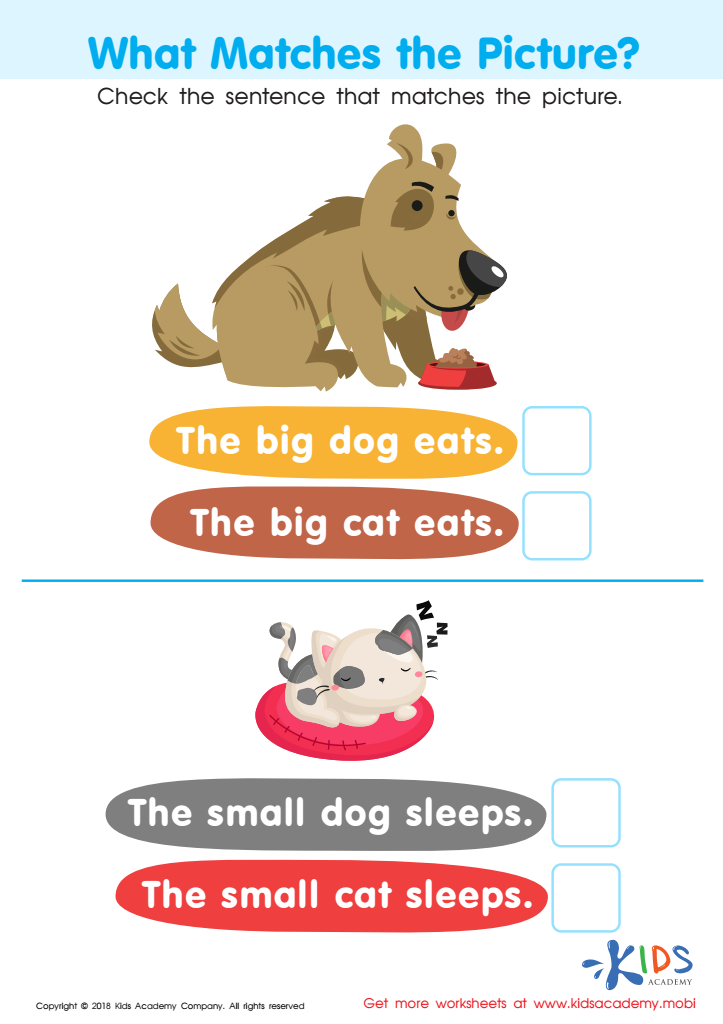
What Matches the Picture? Worksheet
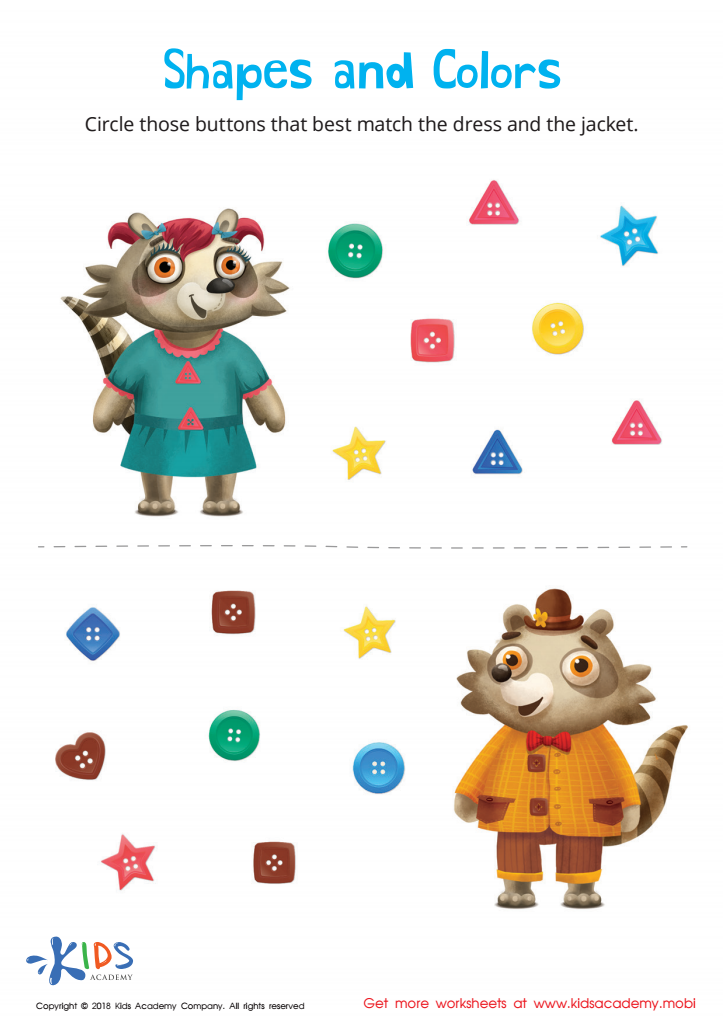
Shapes and Colors Worksheet
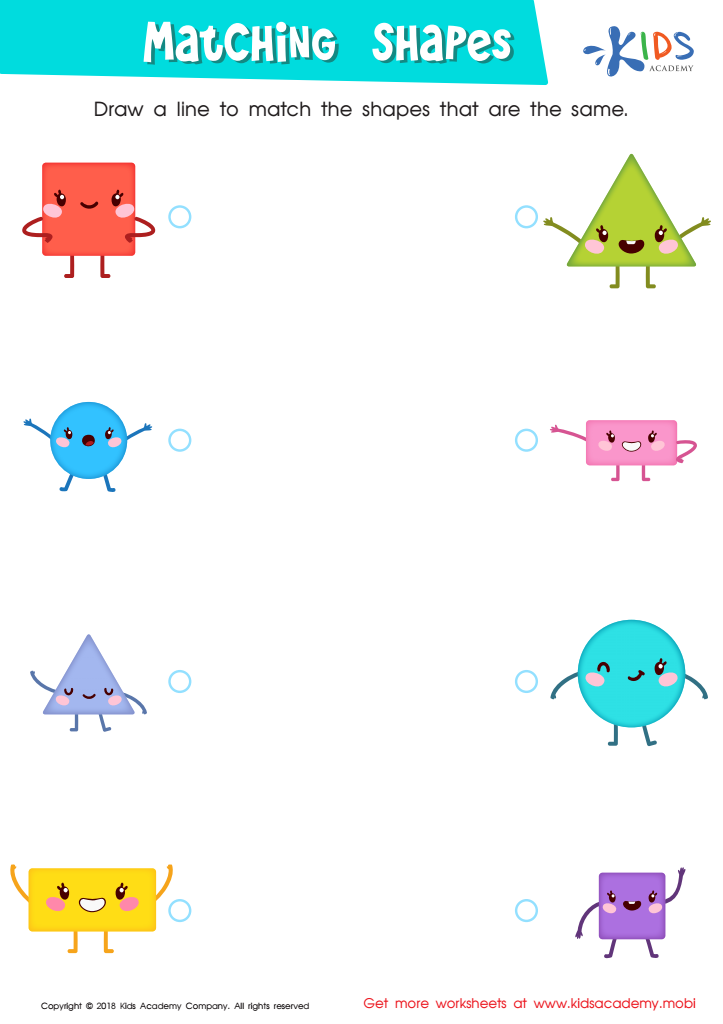
Matching Shapes Worksheet







Shape recognition is a fundamental building block in early childhood education that holds significant importance for 5-year-olds. Understanding shapes is not just about identifying circles, squares, or triangles; it plays a crucial role in cognitive development, problem-solving skills, and spatial awareness. When children learn to recognize shapes, they enhance their ability to categorize and organize information, which is essential for later mathematical concepts and critical thinking.
Additionally, shape recognition fosters creativity and imagination. Many art activities involve shapes, enabling children to explore their artistic expression while improving their motor skills. Furthermore, recognizing shapes influences various areas of learning, from literacy—where letters have distinct shapes—to everyday activities, such as recognizing signs and objects in their environment.
Engaging in shape recognition can also improve communication skills. As parents and teachers discuss shapes with children, they expand their vocabulary and encourage expressive language. Social interaction during shape-related games can strengthen teamwork and cooperation.
Ultimately, investing time in shape recognition lays a solid foundation for a child’s academic journey, supports their overall development, and prepares them for more complex concepts in math and science in the future. It is a simple yet powerful tool integral to holistic child development.








