Fine Motor Skills Worksheets for Ages 6-7 - Page 2
328 filtered results
-
From - To
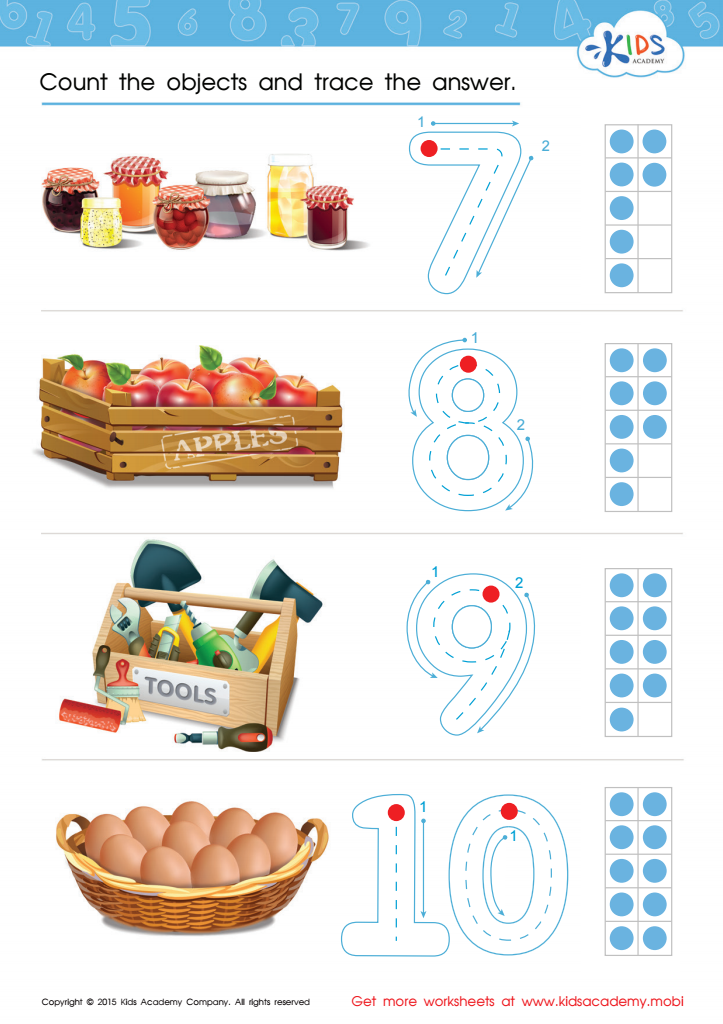
Count and Trace 7 – 10 Worksheet
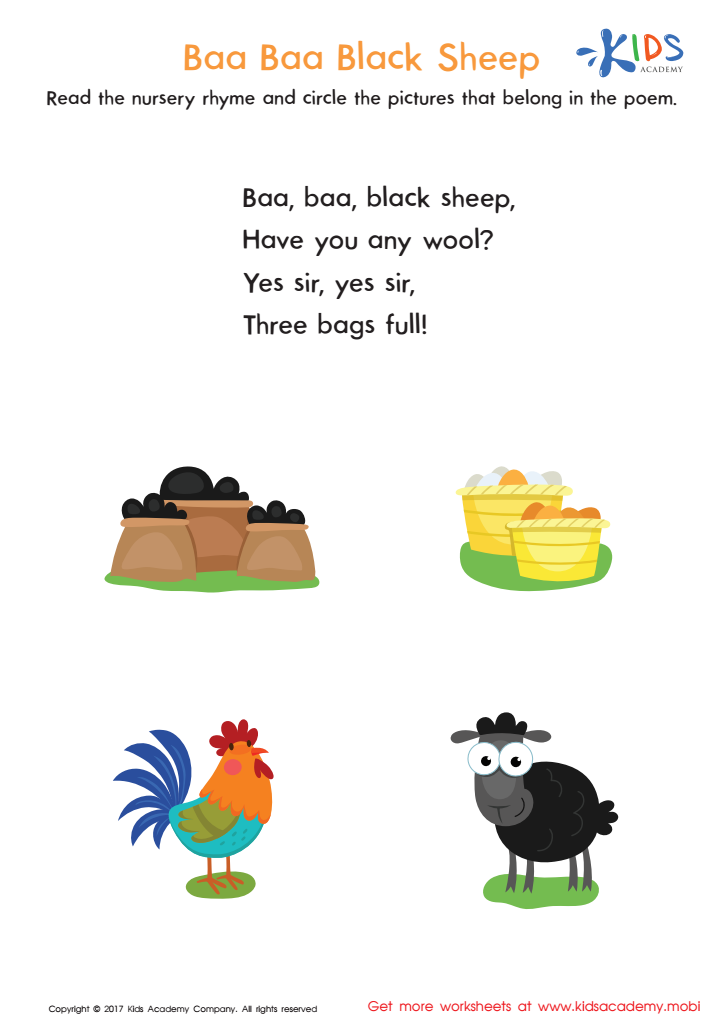
Baa Baa Black Sheep Printable
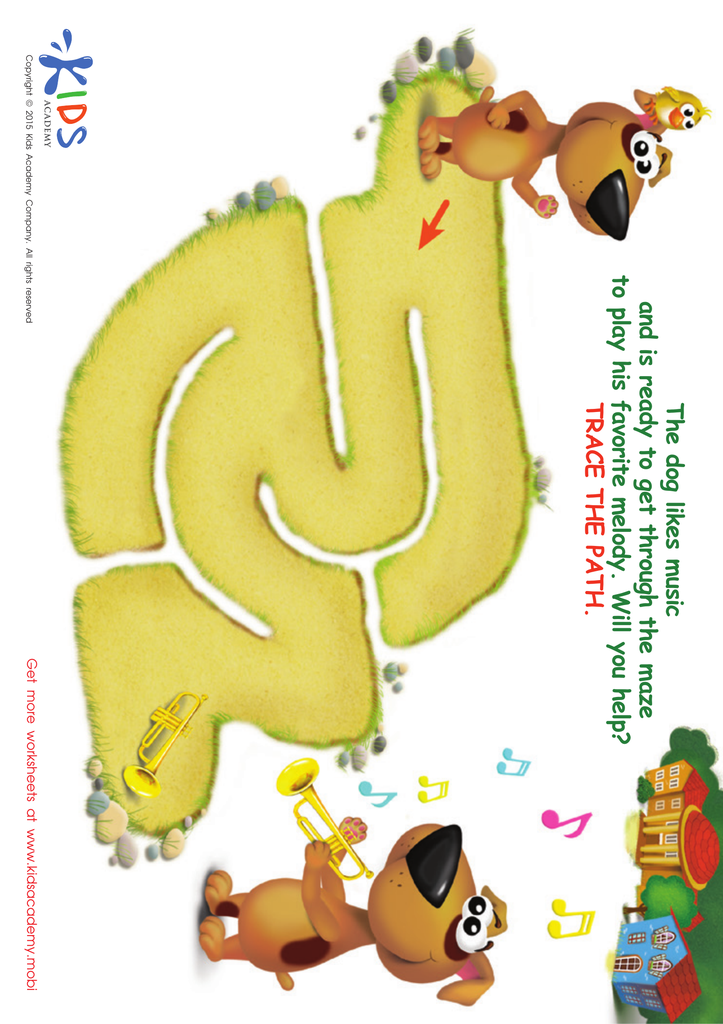
Trumpeter Maze Worksheet
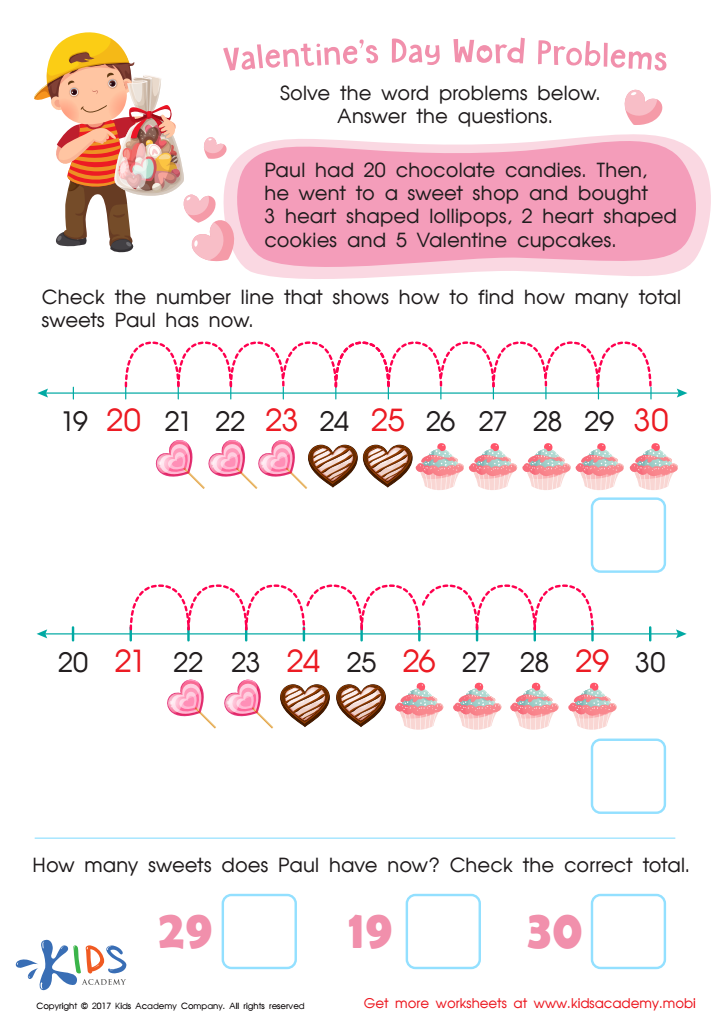
Valentines Day 2 Printable
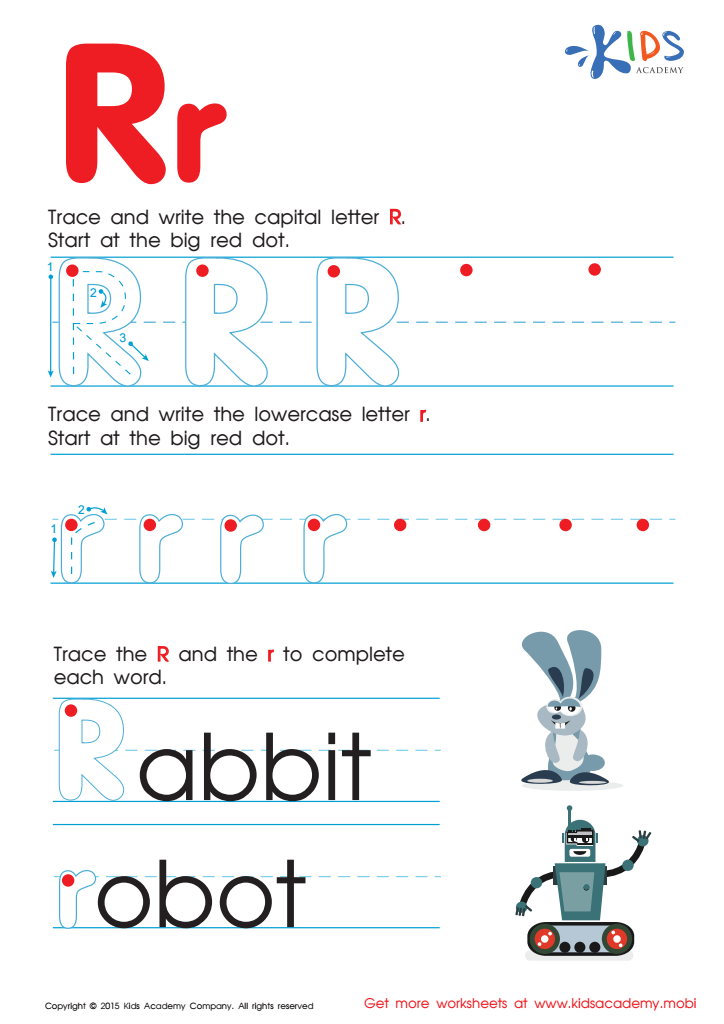
Letter R Tracing Page
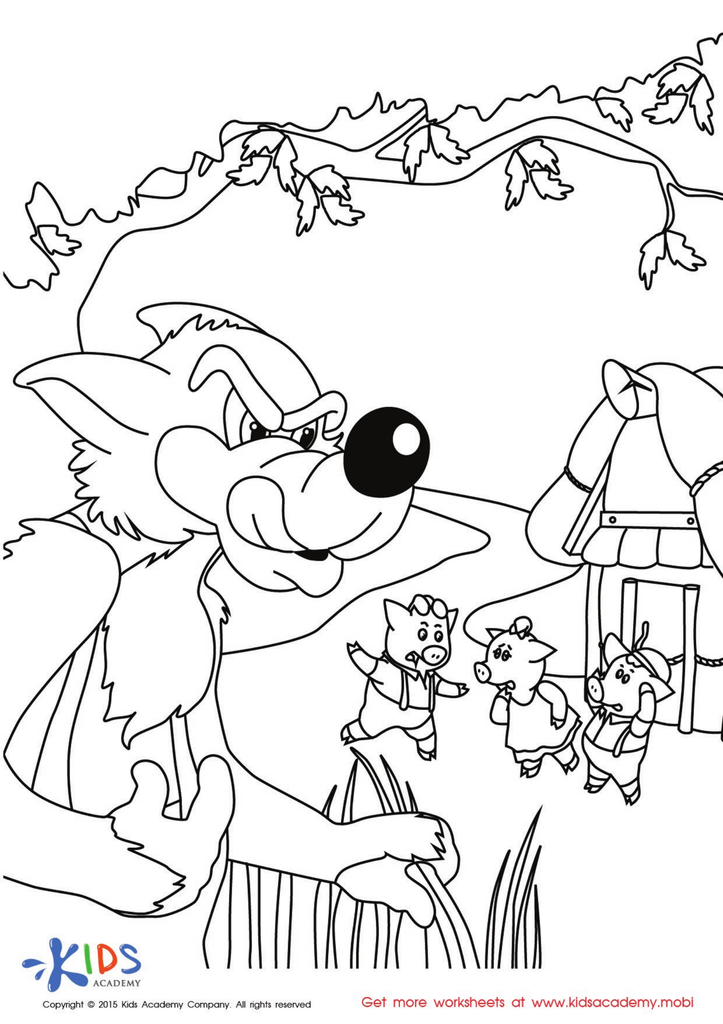
The Story of the Three Little Pigs Coloring Worksheet
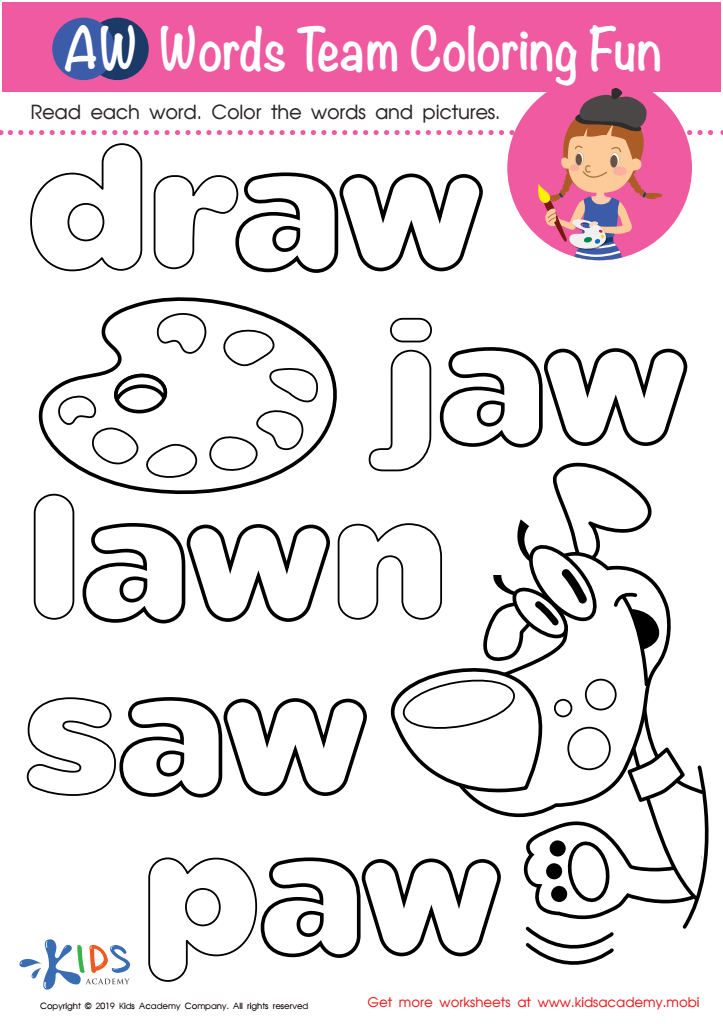
AW Words Team Coloring Fun Worksheet
 Assign to My Students
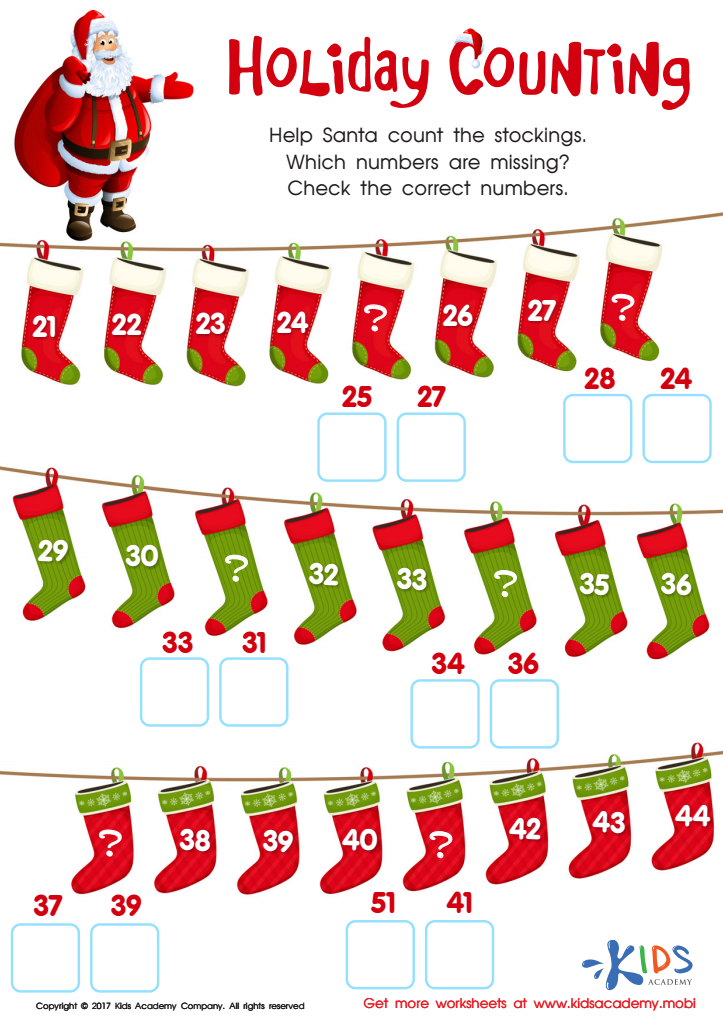
Holiday Counting Worksheet
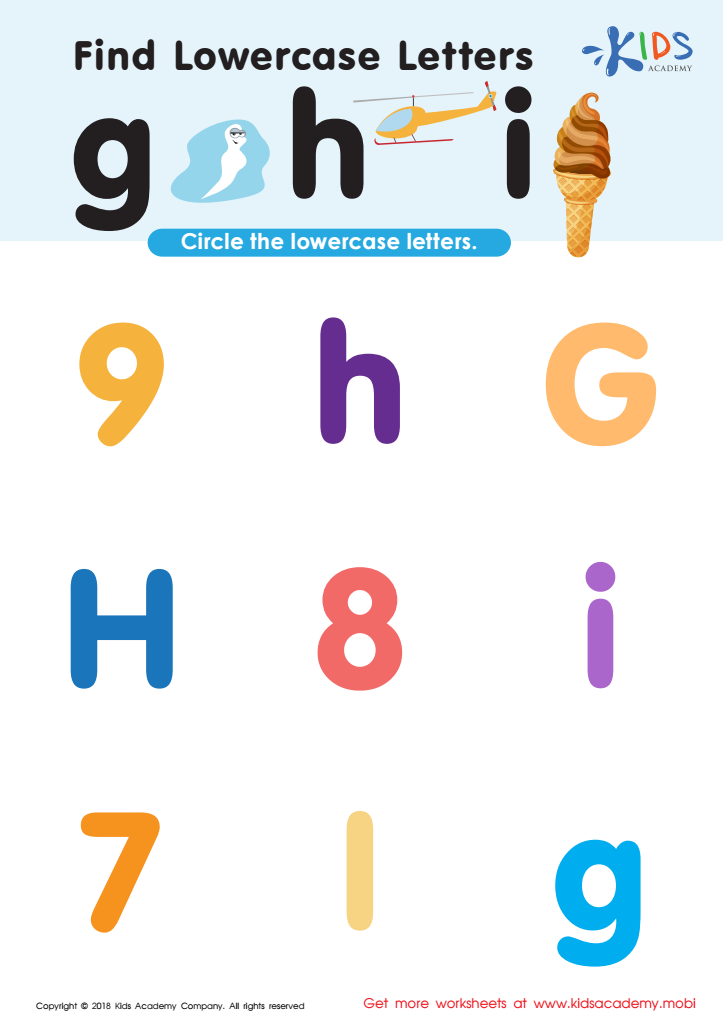
Find Lowercase Letters g h i Worksheet
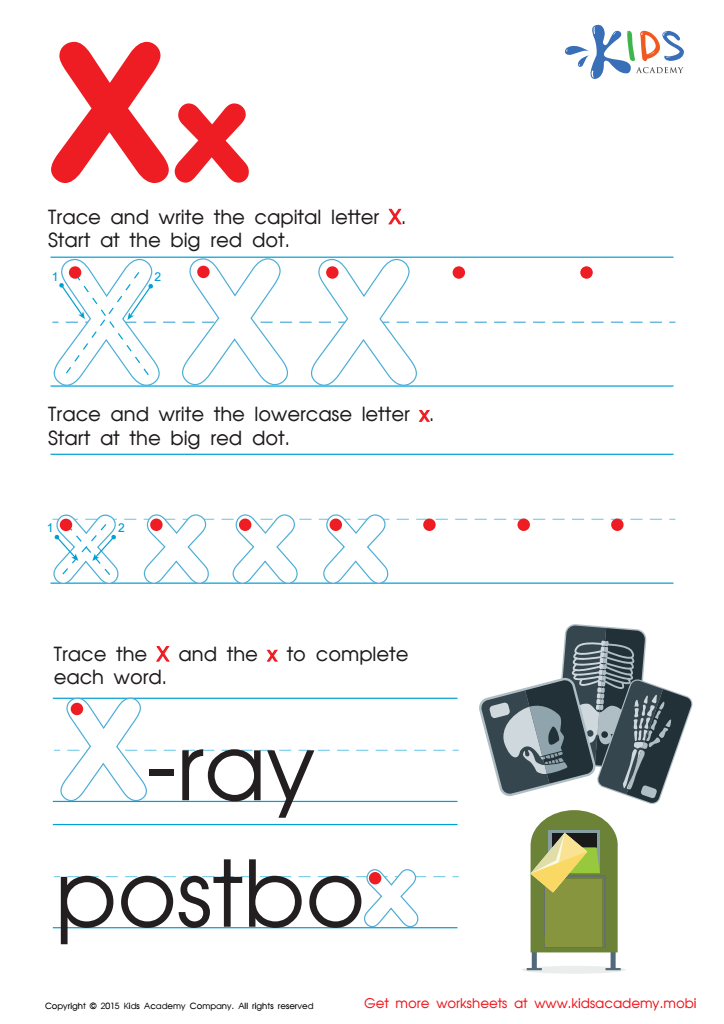
Letter X Tracing Page
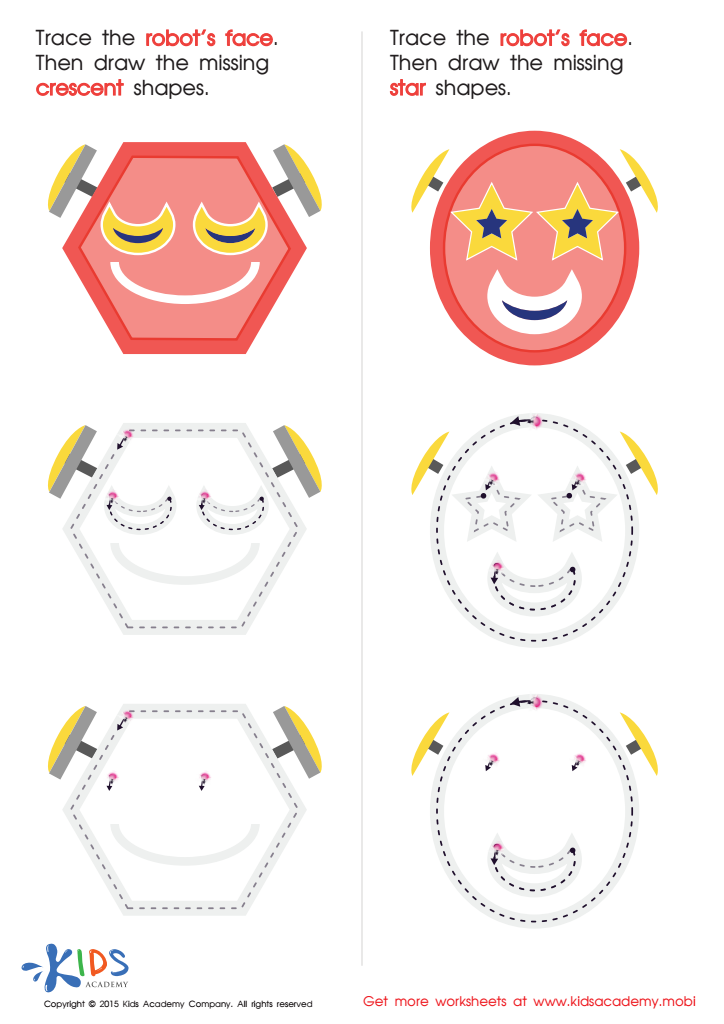
Composing a Robot's Face of Crescents And Stars Worksheet
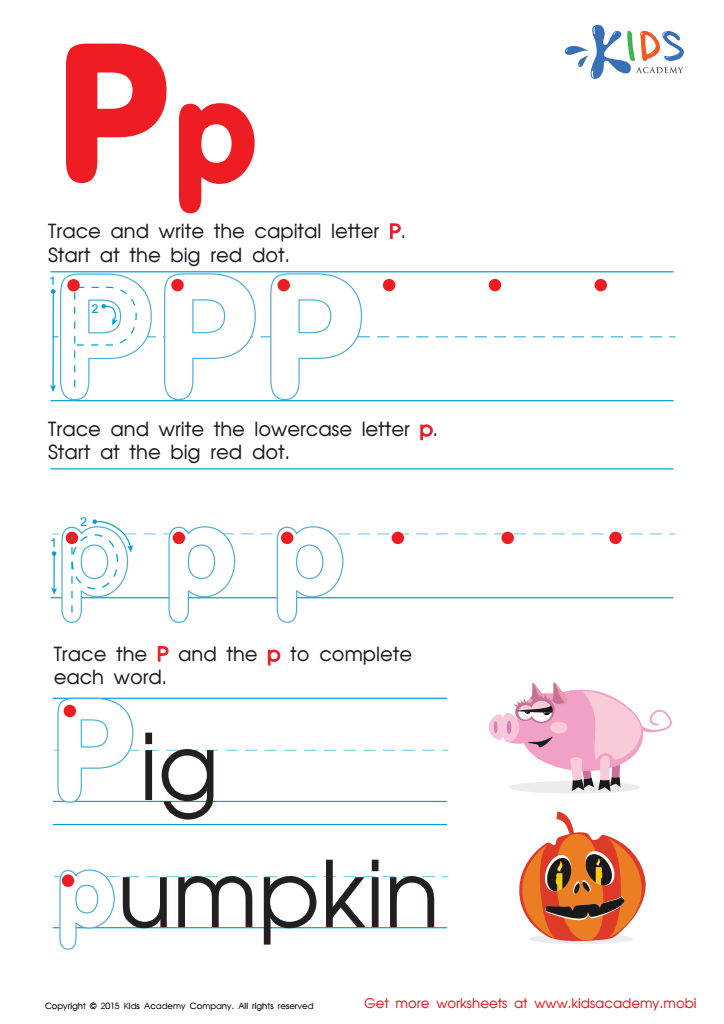
Letter P Tracing Page
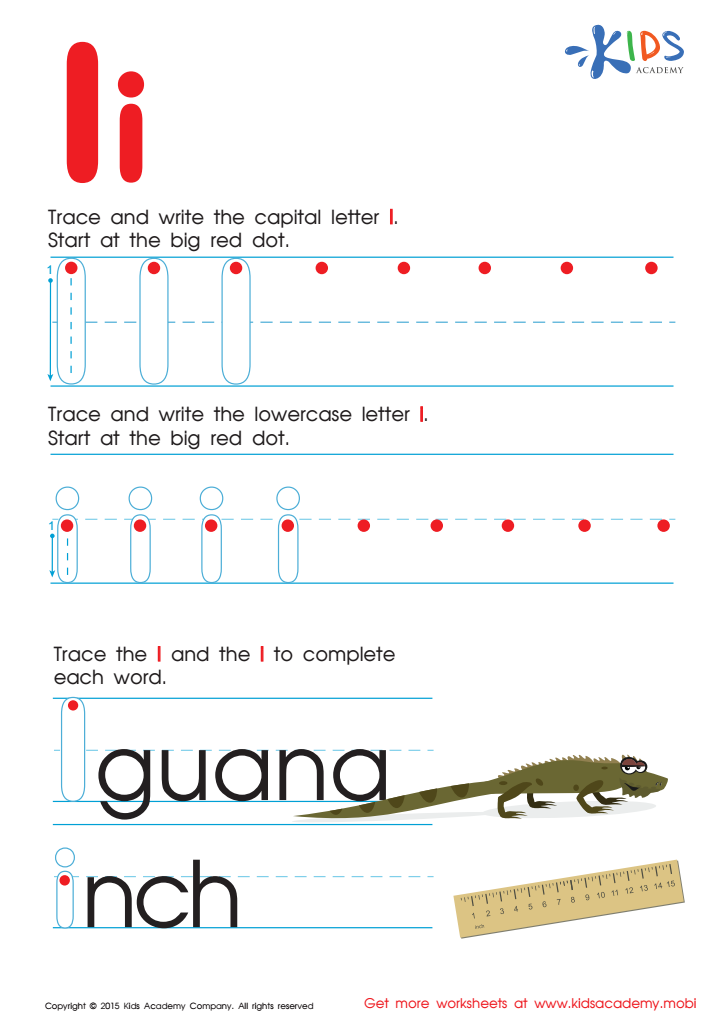
Letter I Tracing Page
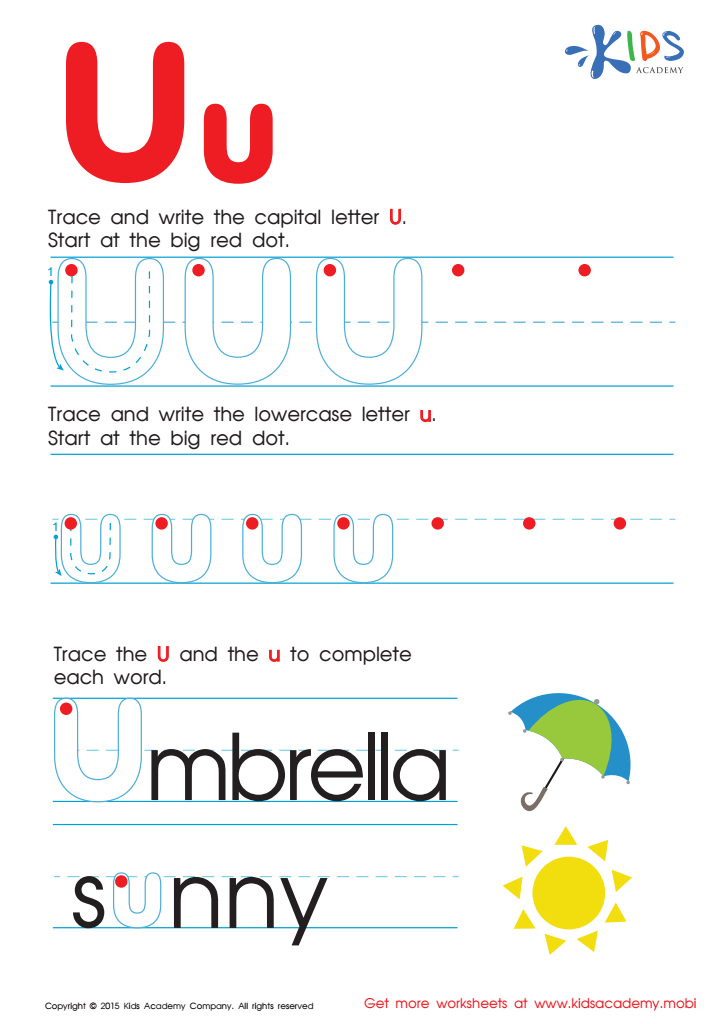
Letter U Tracing Page
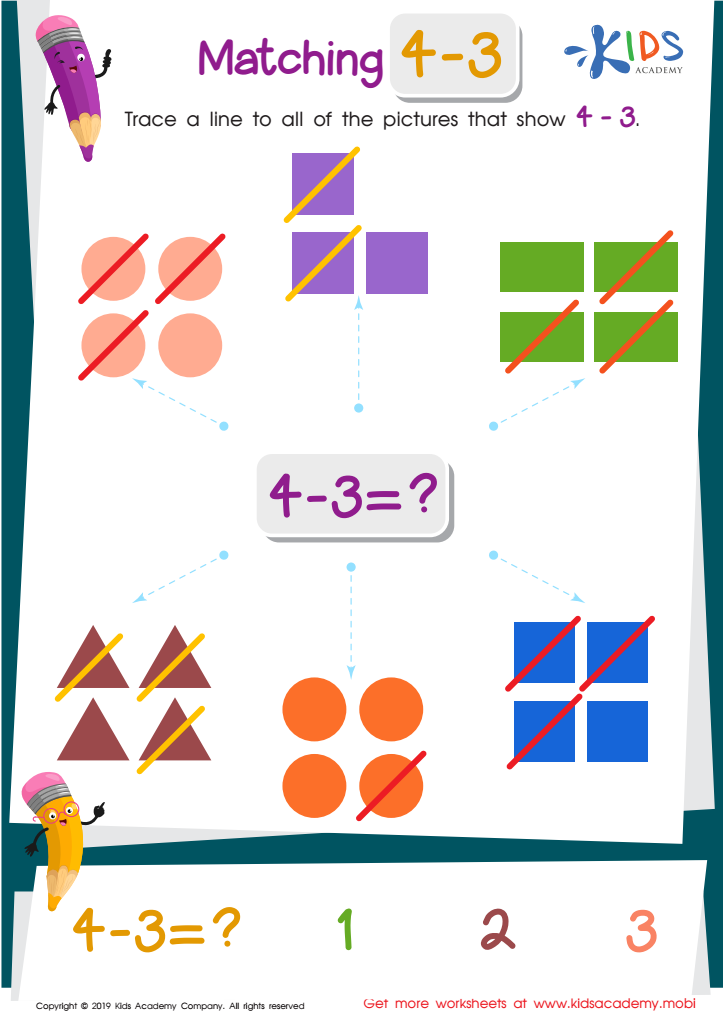
Matching 4 – 3 Worksheet
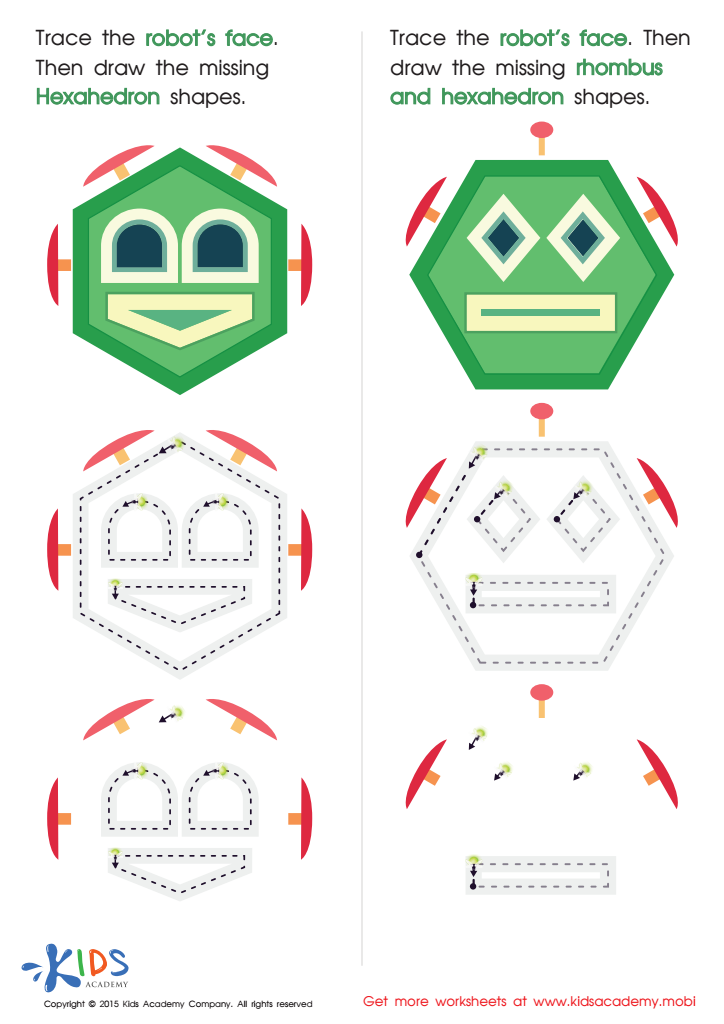
Practice Drawing Hexahedrons And a Rhombus Worksheet
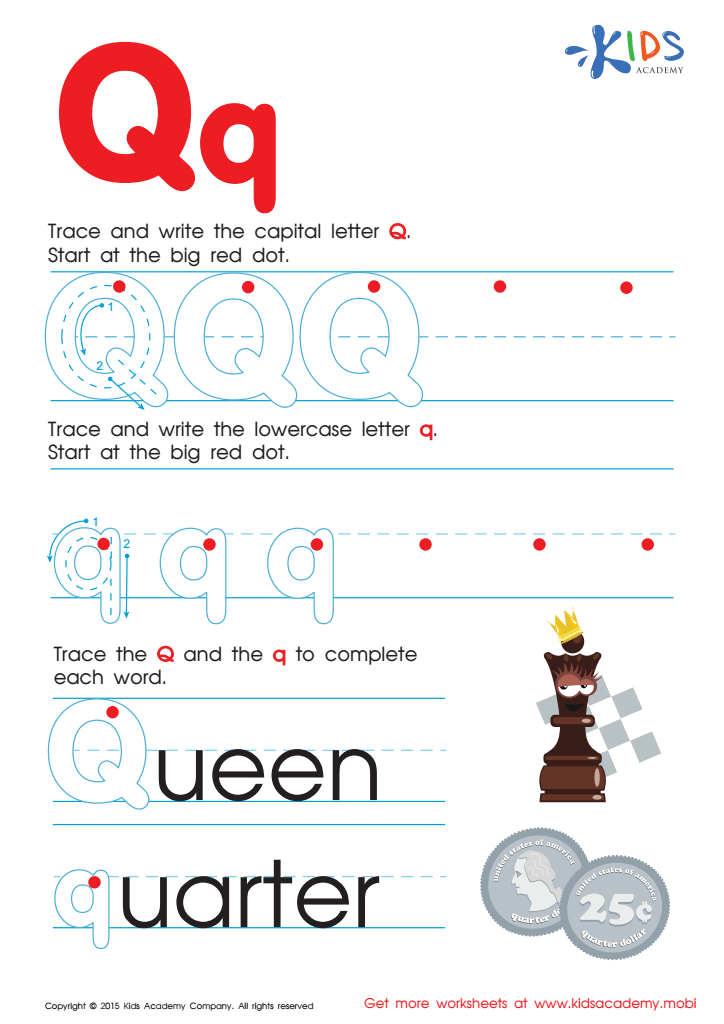
Letter Q Tracing Page
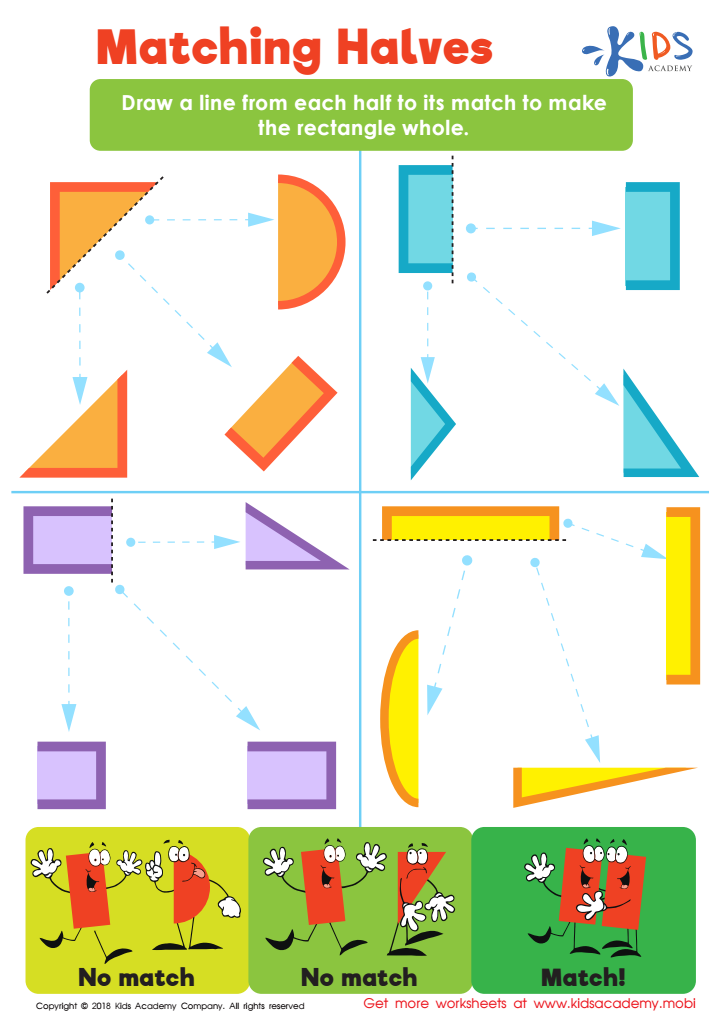
Matching Halves Worksheet
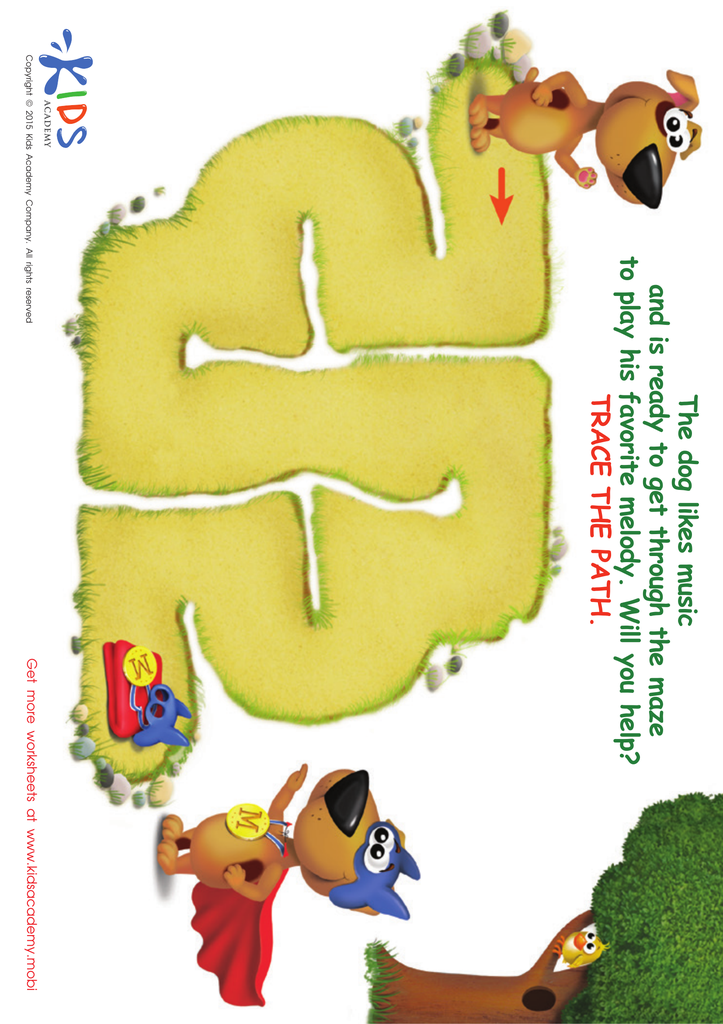
Superman Maze Worksheet
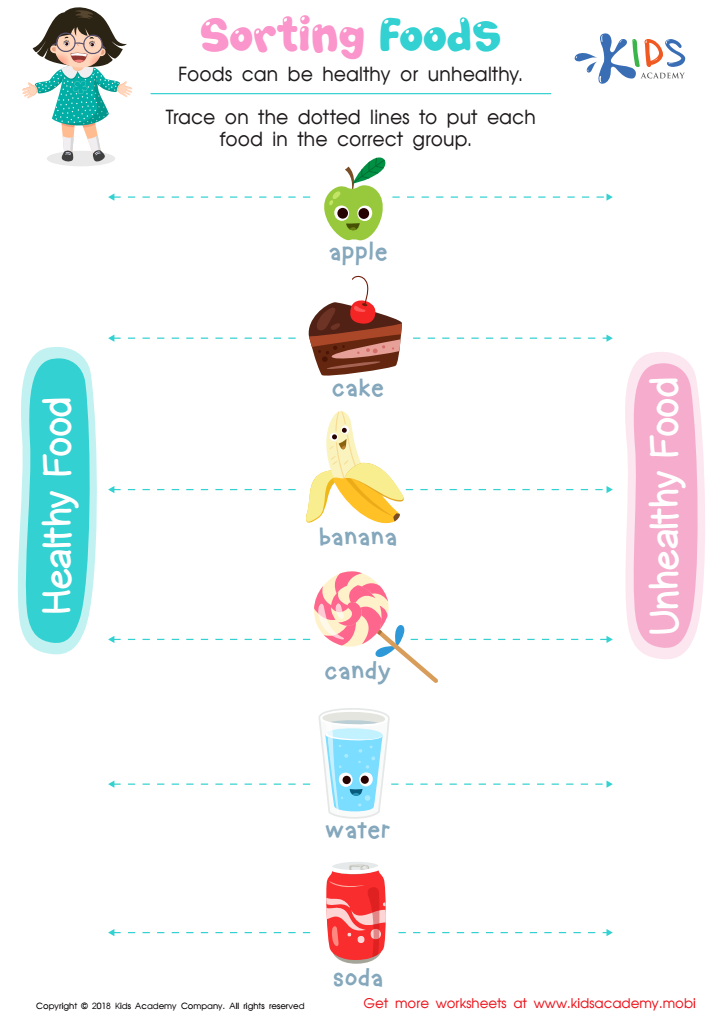
Sorting Food Worksheet
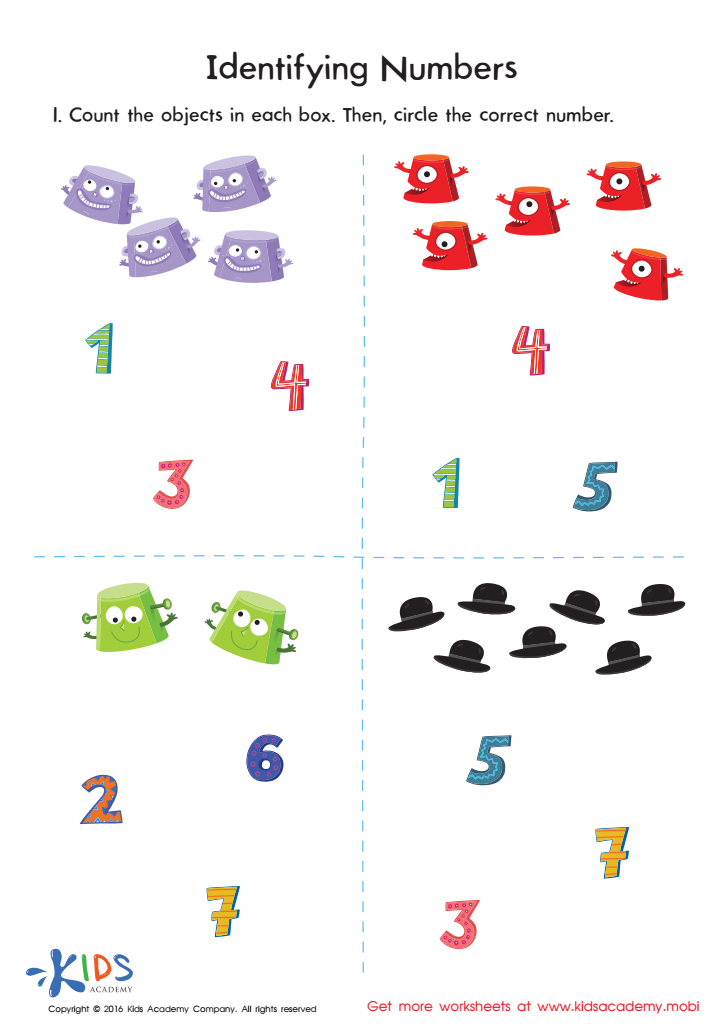
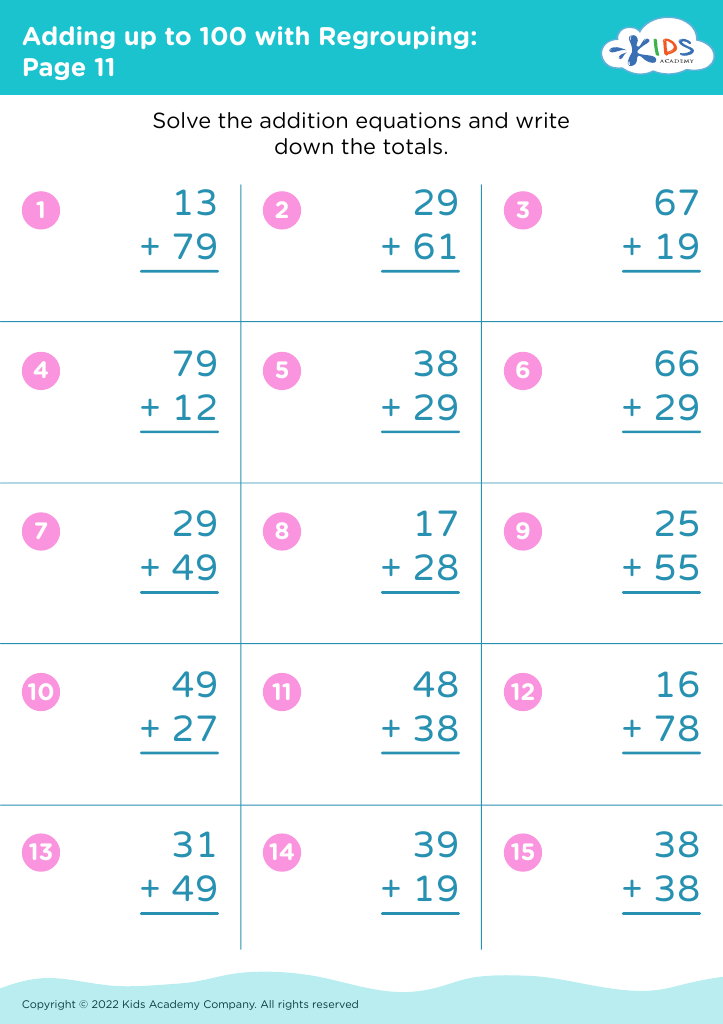







.jpg)
Fine motor skills in children aged 6-7 are critical as they form the foundation for various essential tasks and academic activities. These skills involve the coordination of small muscles, especially those in the hands and fingers, with the eyes, enabling precise movements and dexterity. When children develop fine motor skills proficiently, they become more adept at performing everyday activities such as writing, buttoning clothes, and using utensils. This not only fosters independent living skills but also boosts their confidence.
In the academic realm, mastery of fine motor skills directly impacts their ability to write legibly and quickly, an important factor in literacy and communication. Writing tasks at this age often require prolonged periods of focus and control, and children with underdeveloped fine motor skills may struggle, leading to frustration and potential academic setbacks.
Additionally, fine motor activities like drawing, cutting with scissors, and building with small blocks enhance cognitive development by engaging children in problem-solving and creativity. Parents and teachers who prioritize the development of these skills provide children with tools for better academic achievement, emotional well-being, and lifelong independence. Ensuring that fine motor skills are honed through fun, engaging, and varied activities helps set children on a path to success, both in school and in their personal lives.








