Shape Recognition Worksheets for Ages 6-7 - Page 2
117 filtered results
-
From - To
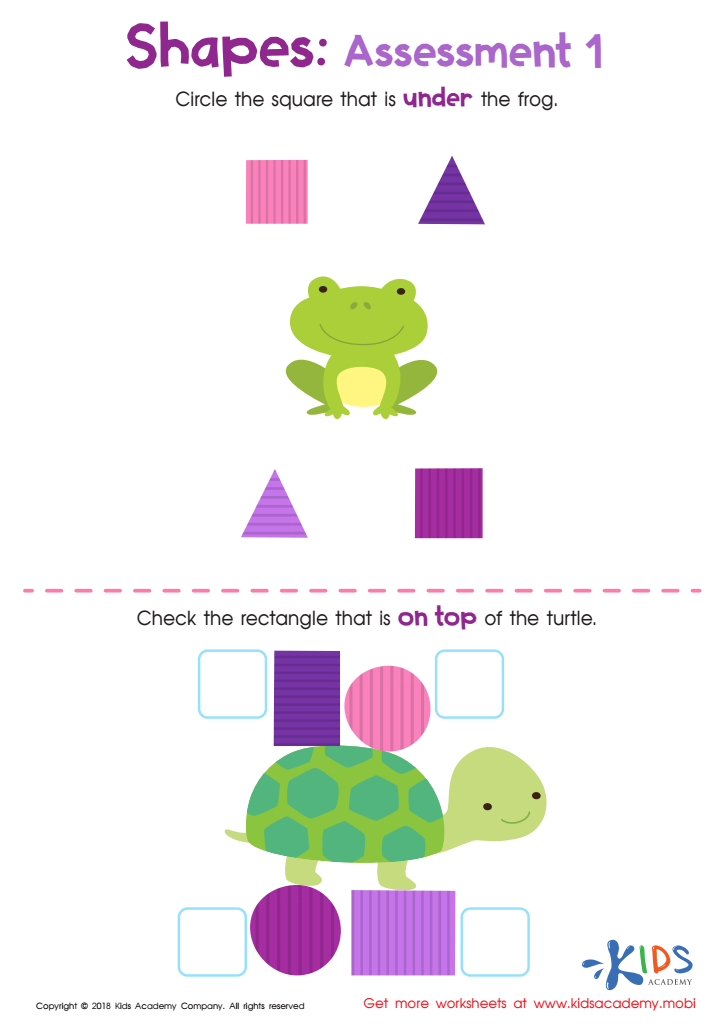
Geometry – Assessment 1 Worksheet
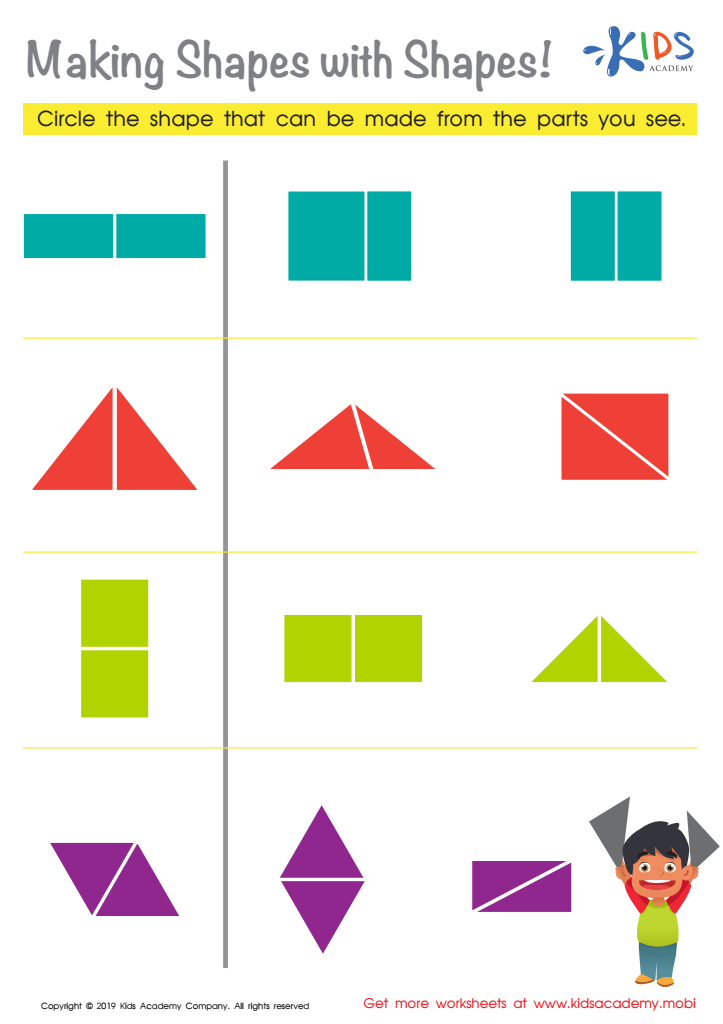
Making Shapes with Shapes Worksheet
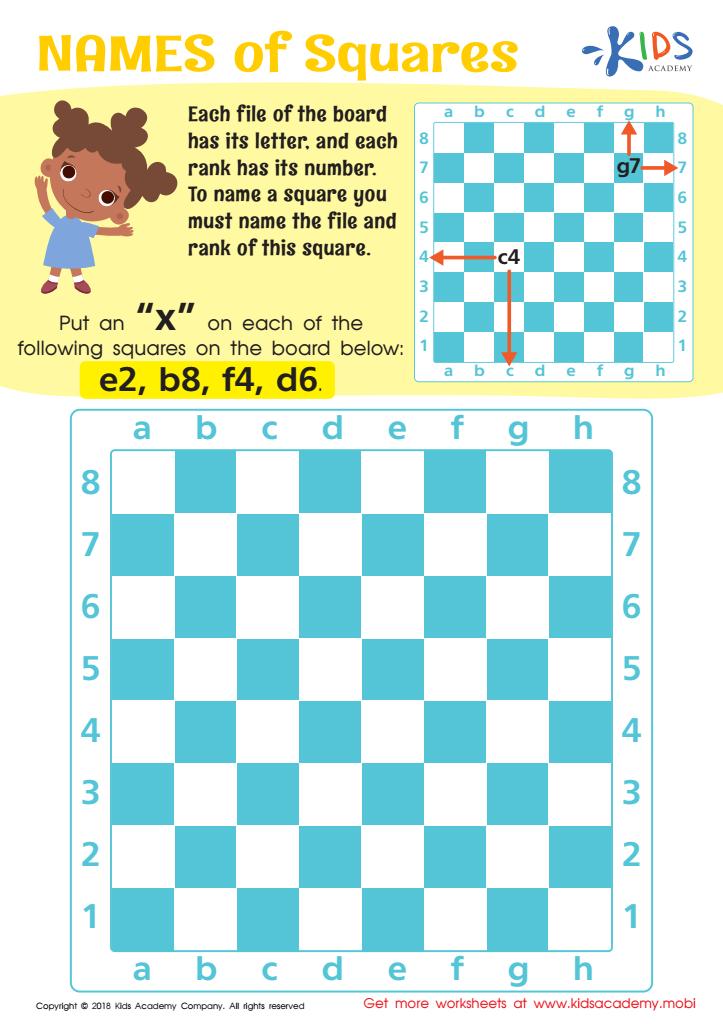
Names of Squares Worksheet
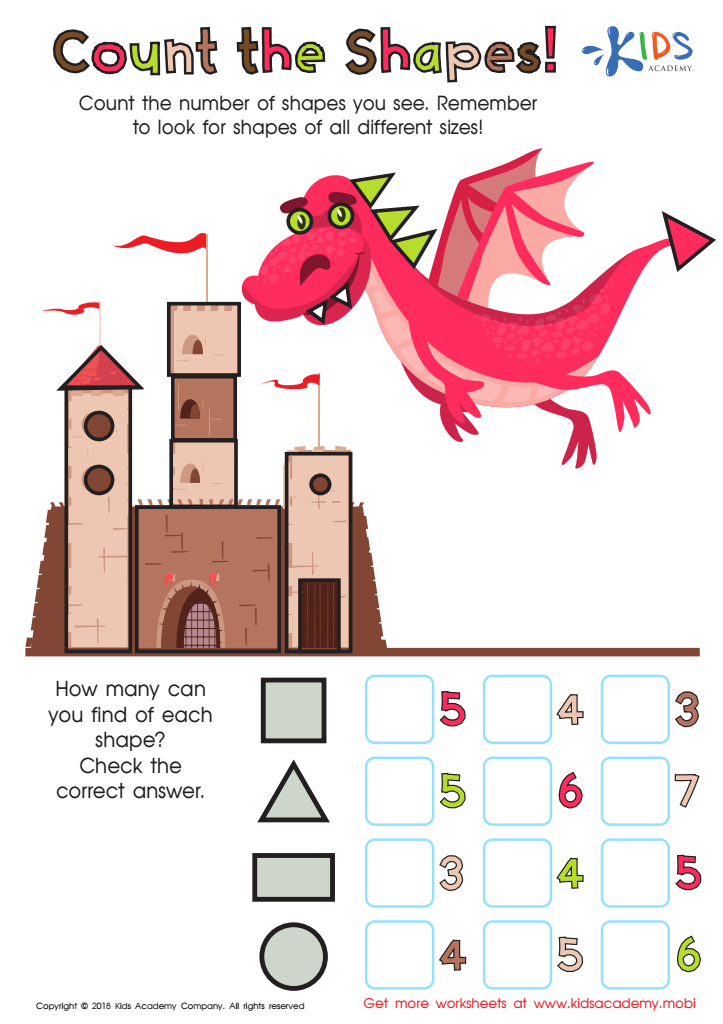
Count the Shapes Worksheet
Halloween: A Funny Monster Worksheet
 Assign to My Students
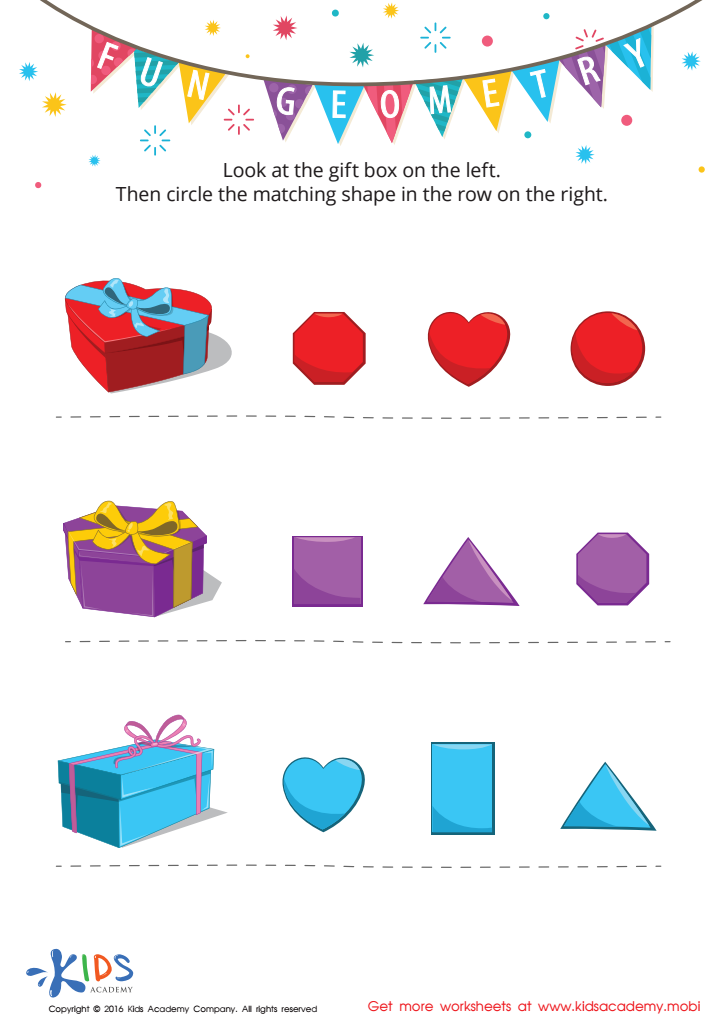
Fun Geometry Worksheet
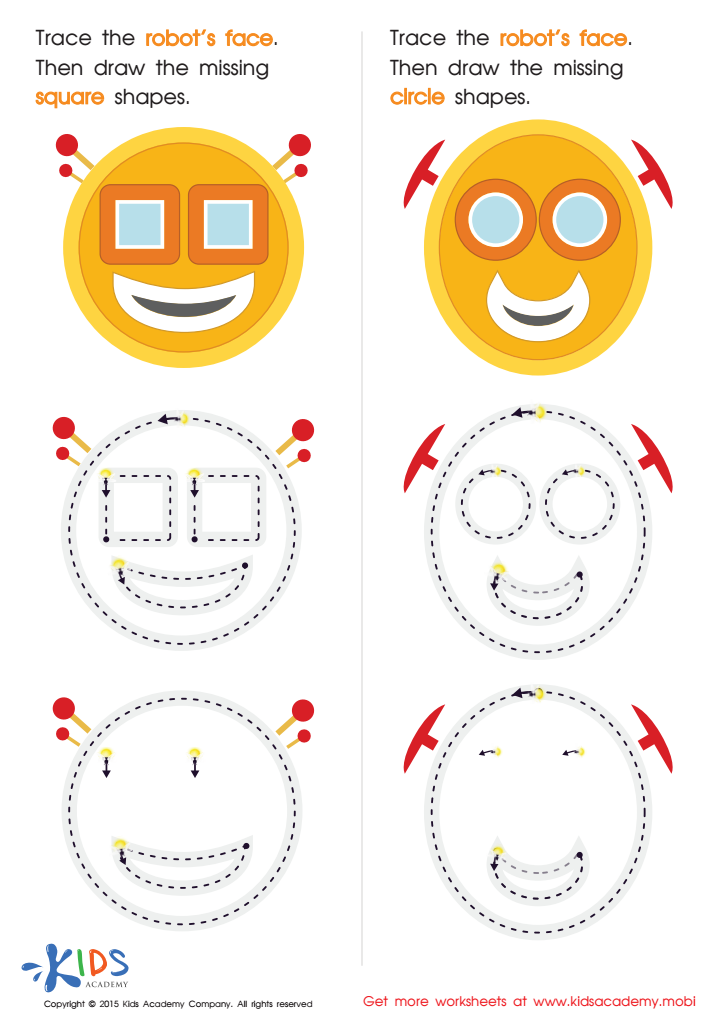
Practicing to Draw Circles And Squares Printable
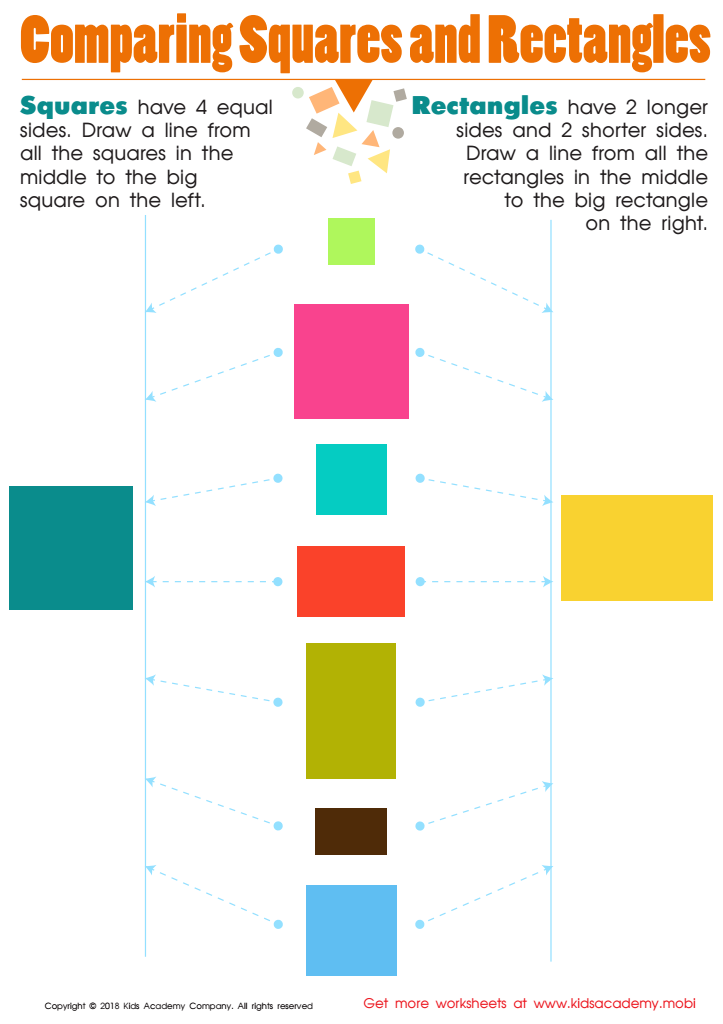
Comparing Squares Rectangles Worksheet
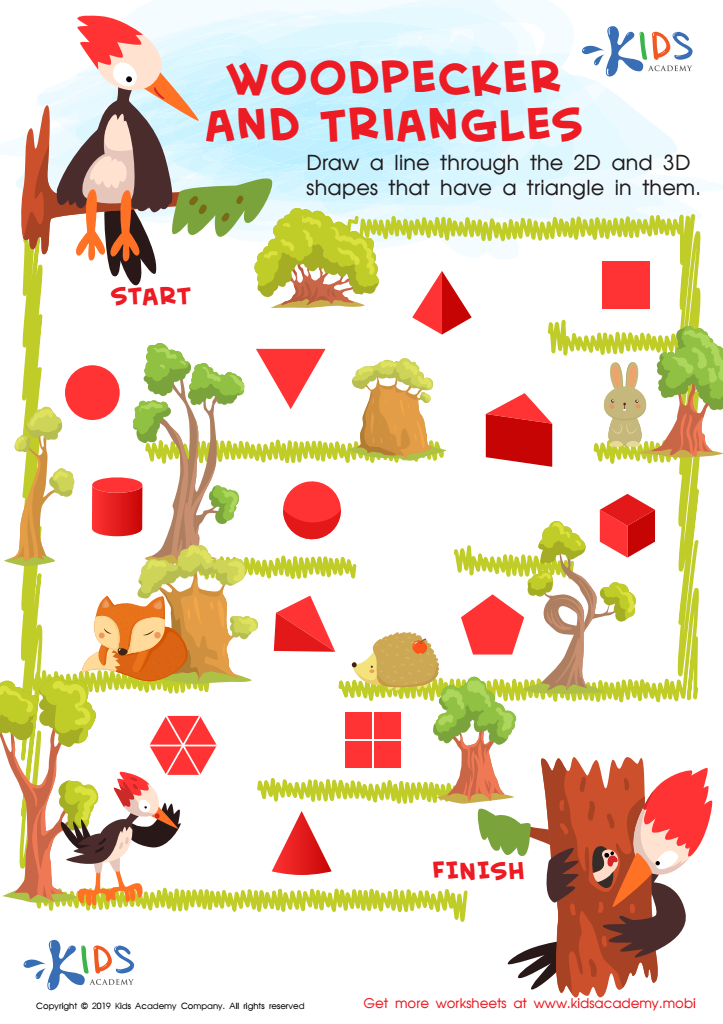
Woodpecker and Triangles Worksheet
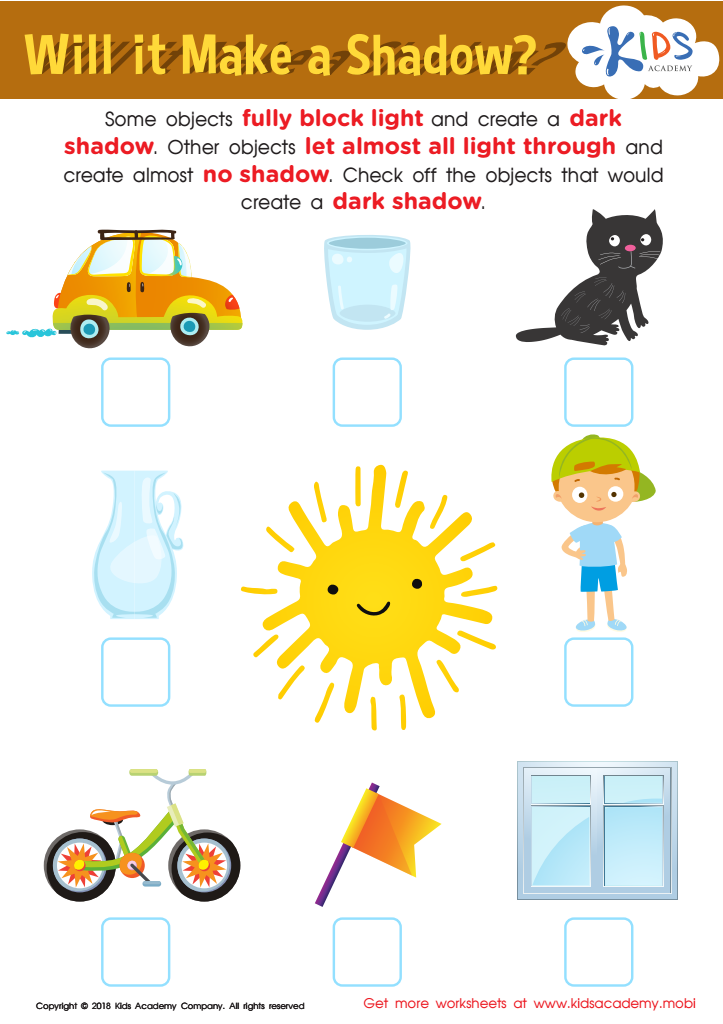
Will It Make a Shadow? Worksheet
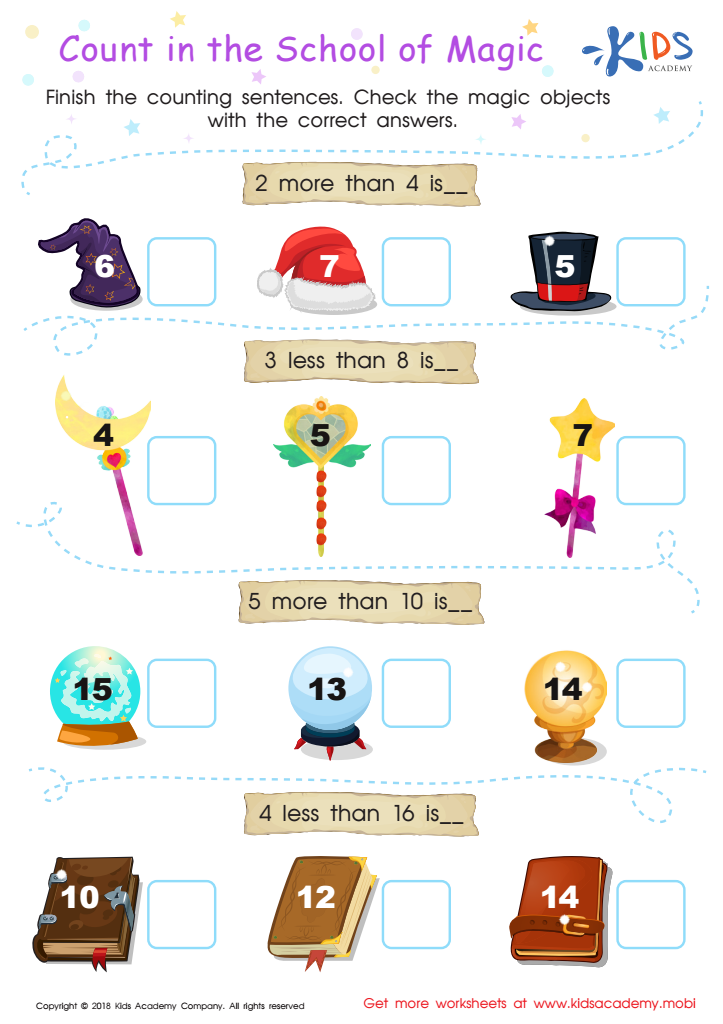
Count in the School of Magic Worksheet
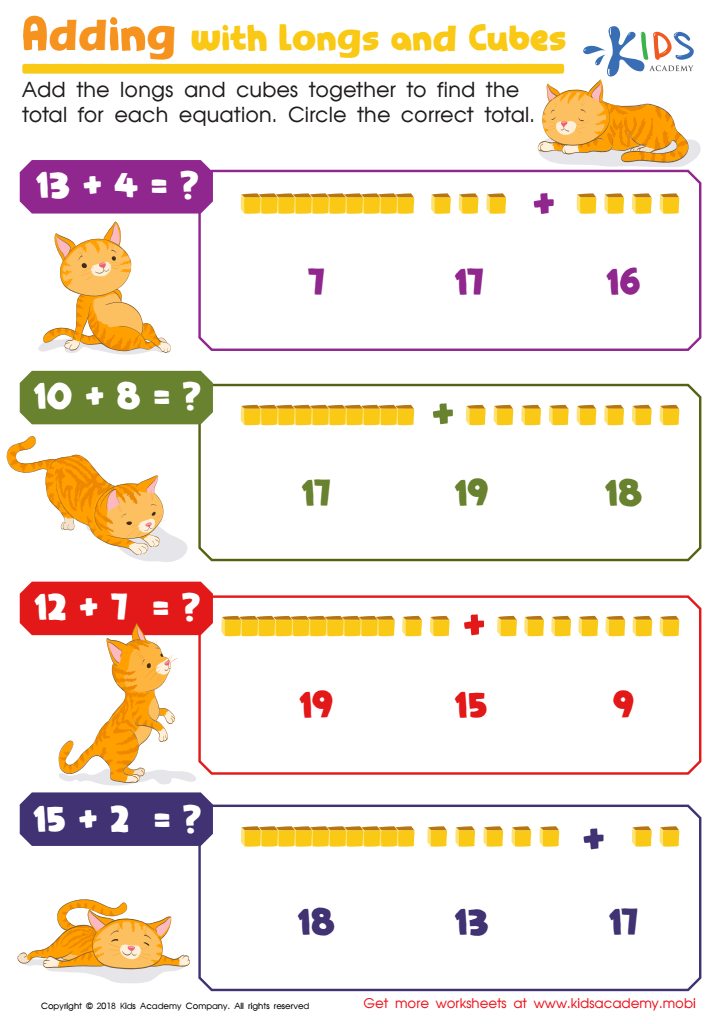
Adding With Longs and Cubes Worksheet
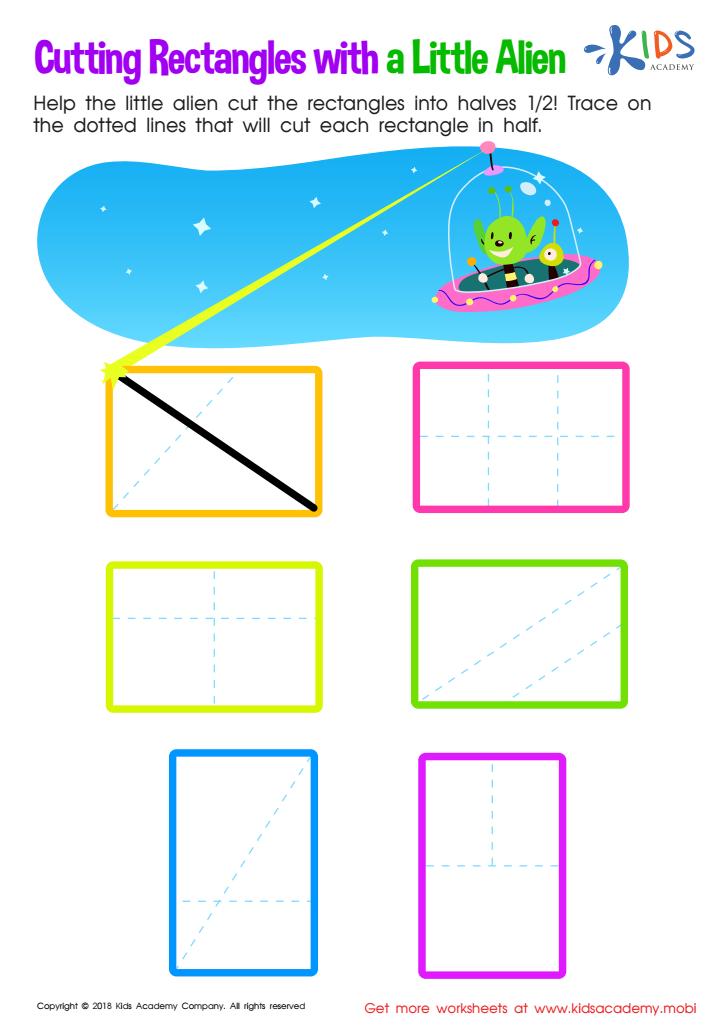
Cutting Rectangles with Alien Worksheet
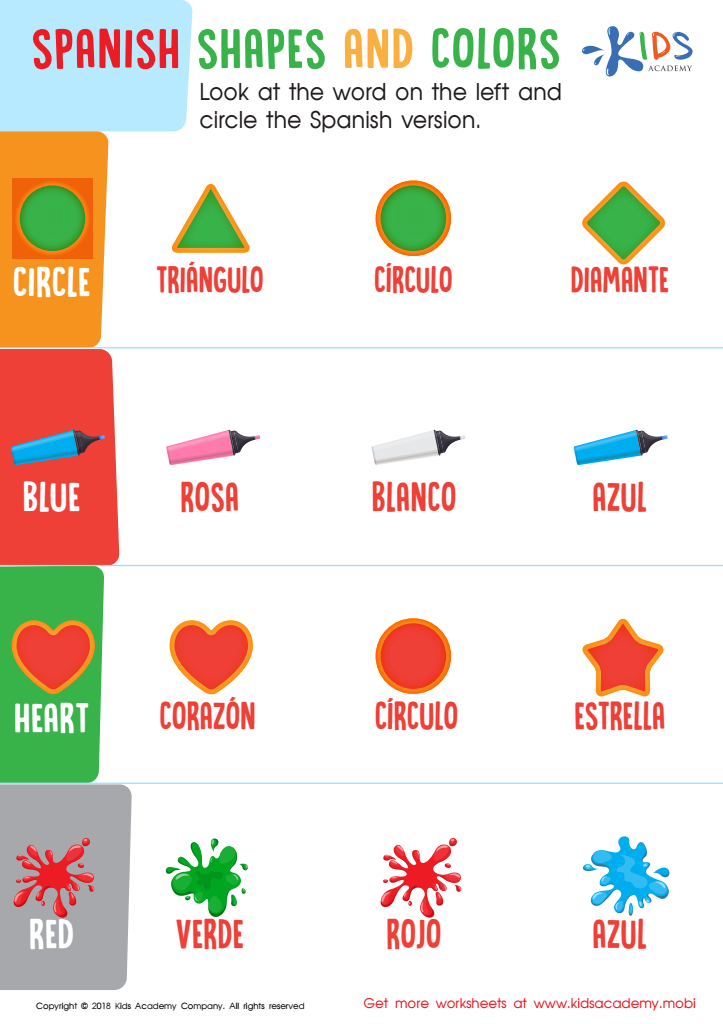
Spanish Shapes and Colors Worksheet
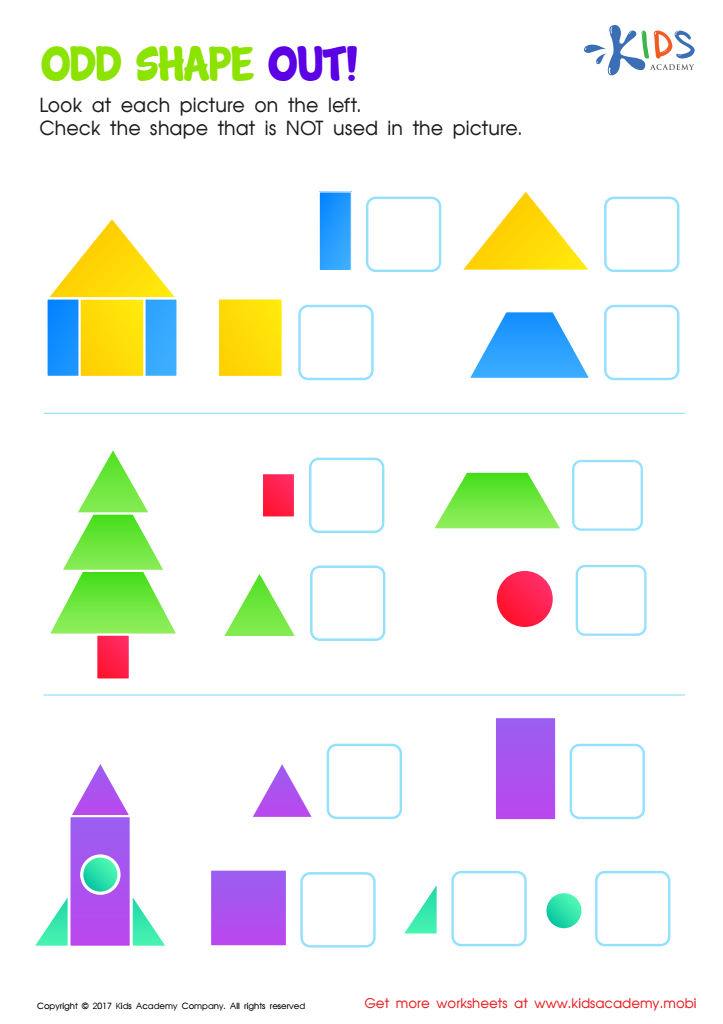
Odd Shape Out Worksheet for Grade 1
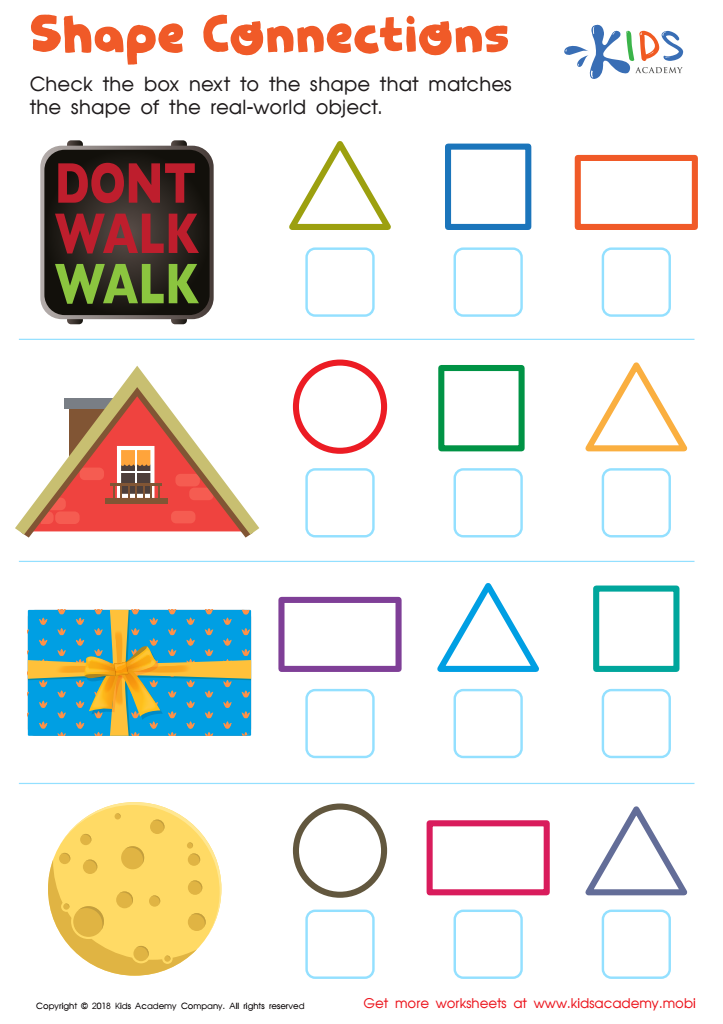
Shape Connections Worksheet
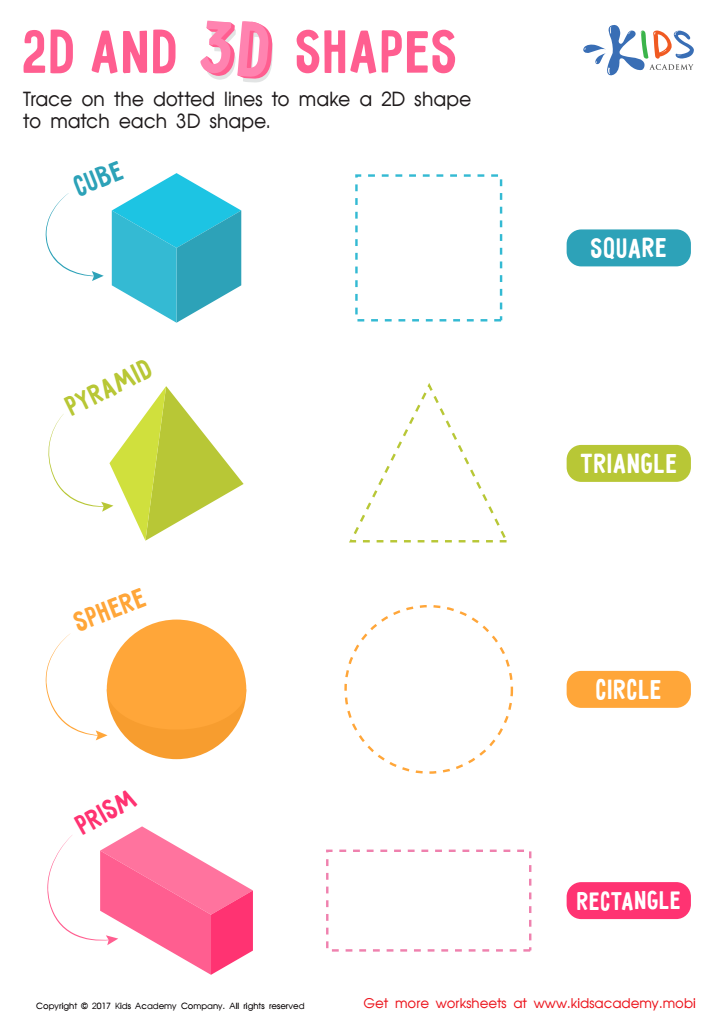
2D and 3D Shapes Worksheet

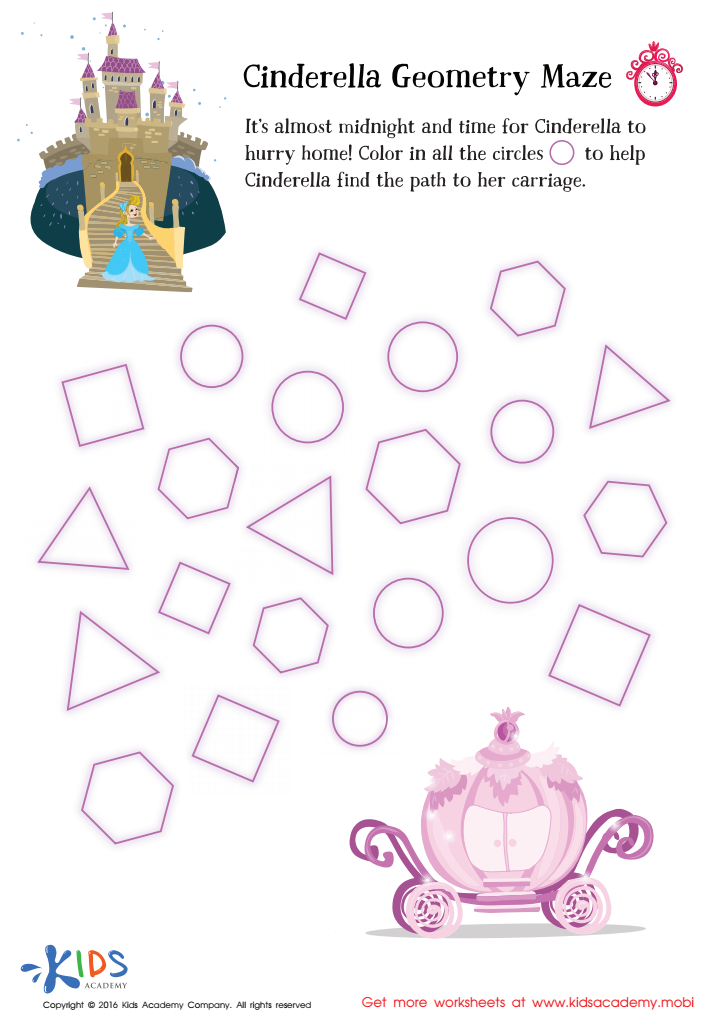
Cinderella Geometry Maze Worksheet
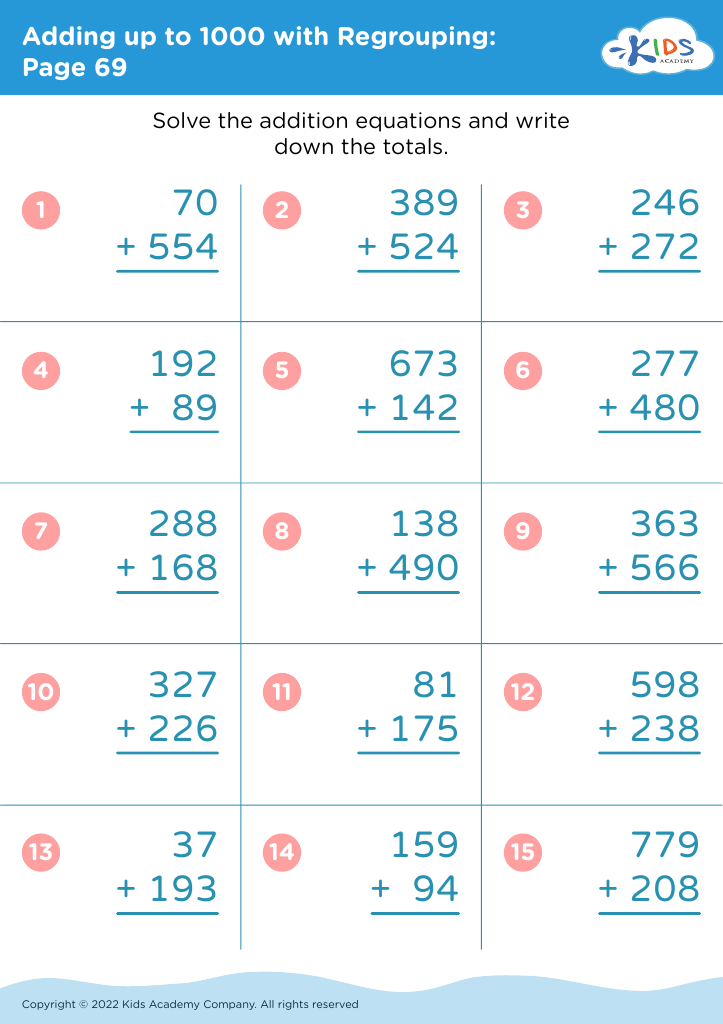




%20(1).jpg)



Shape recognition is a fundamental skill for children aged 6-7 years that plays a crucial role in their cognitive development and everyday experiences. At this age, children are building their understanding of geometry and spatial awareness, which serves as a foundation for more complex math concepts in the future. Recognizing shapes helps children identify patterns, make classifications, and develop problem-solving skills, which are essential for their academic success.
Furthermore, shape recognition is not just about mathematics. It enhances visual perception and fine motor skills as children engage in activities like drawing, cutting, and painting shapes. As children learn to differentiate shapes, they also improve their language skills by describing these shapes and discussing their characteristics.
Parents and teachers should prioritize shape recognition because it contributes to a child’s confidence and ability to navigate their environment. For instance, being able to recognize shapes aids in tasks such as reading maps, identifying objects, and even organizing their surroundings. Moreover, early proficiency in shape recognition sets the stage for a positive attitude toward learning, fostering a love for exploration and curiosity that can last a lifetime. Thus, investing time in shape recognition activities is vital for a well-rounded educational experience.








