Shape Recognition Math Worksheets for Ages 6-7 - Page 2
96 filtered results
-
From - To
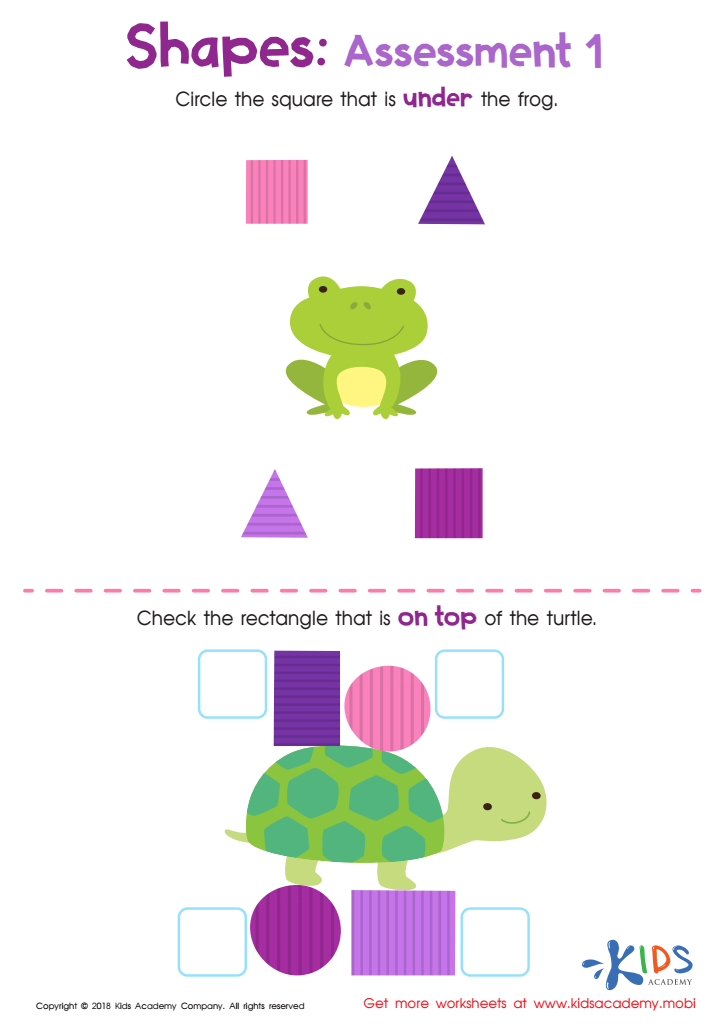
Geometry – Assessment 1 Worksheet
 Assign to My Students
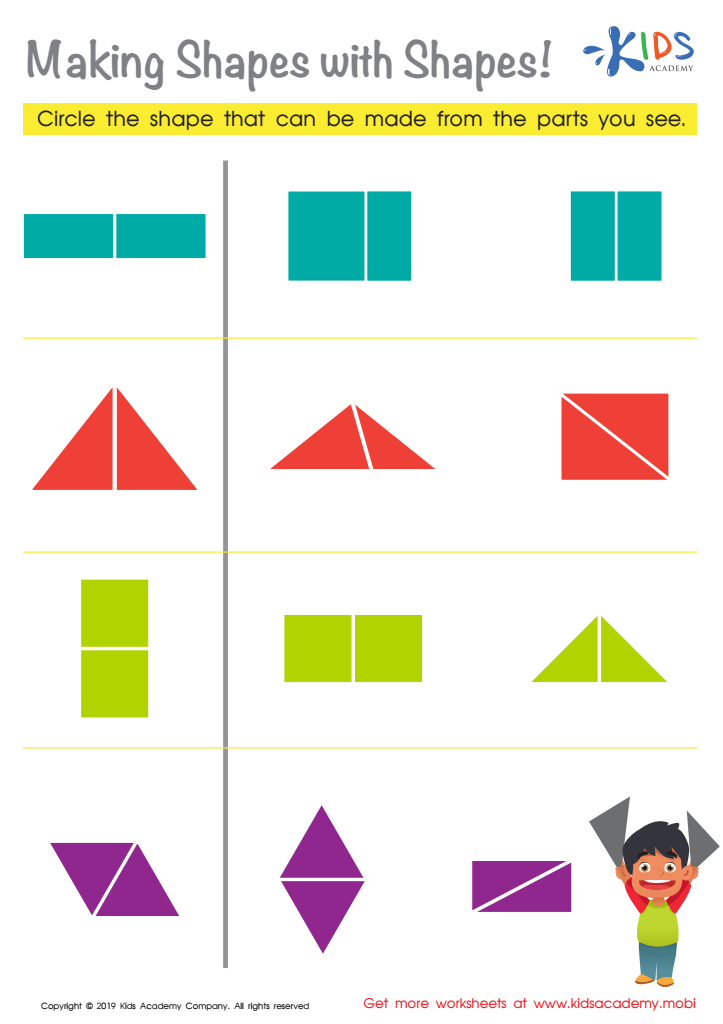
Making Shapes with Shapes Worksheet
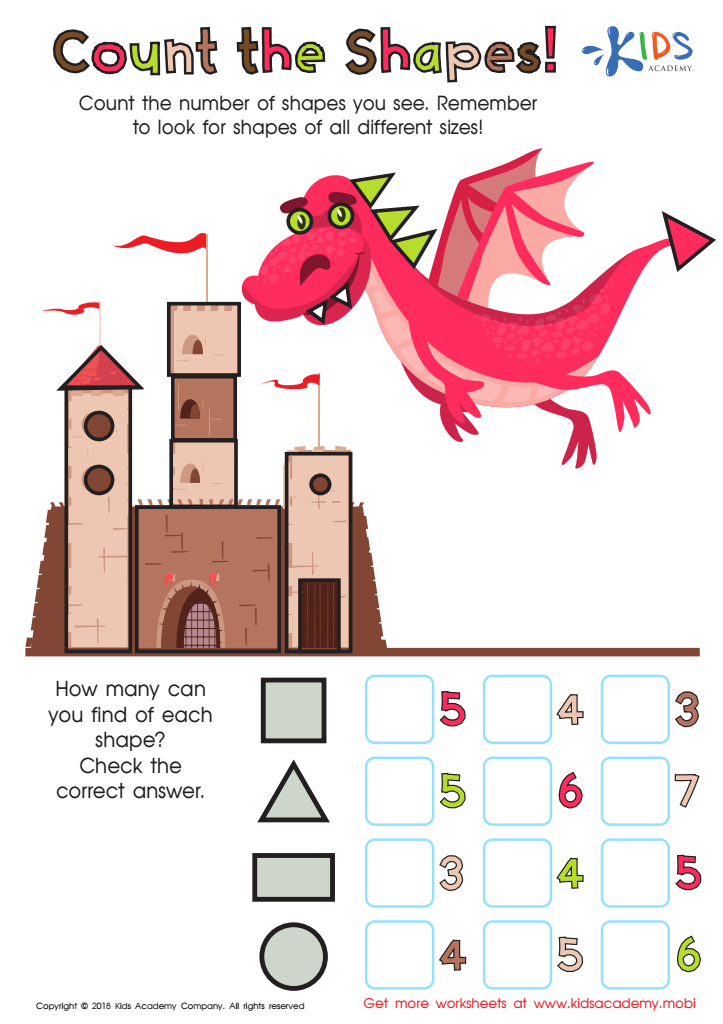
Count the Shapes Worksheet
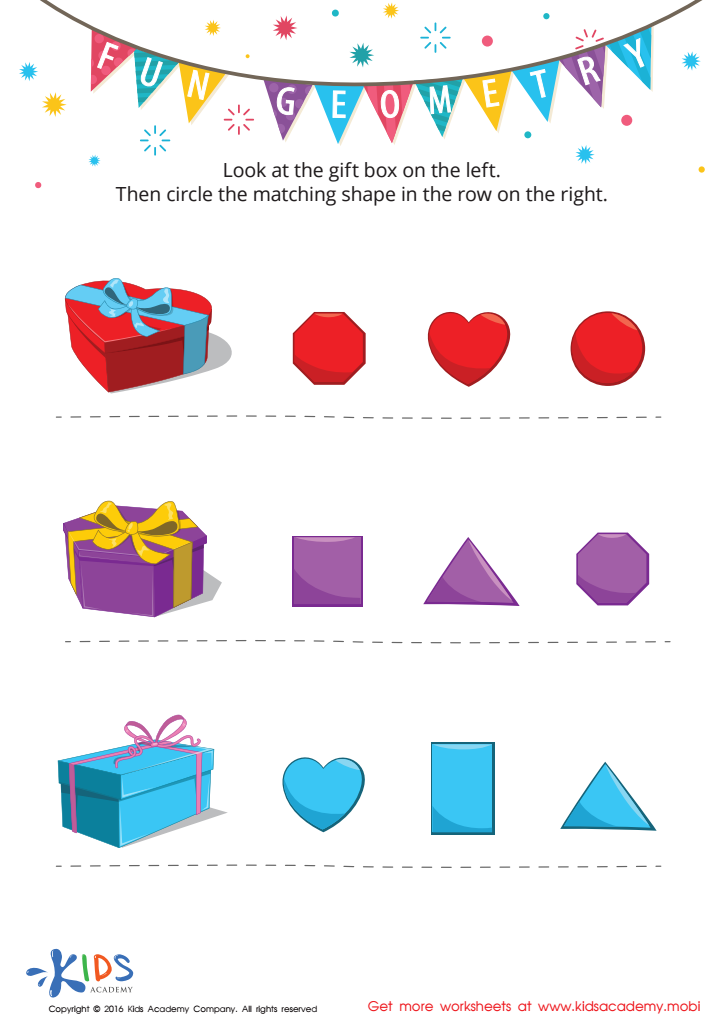
Fun Geometry Worksheet
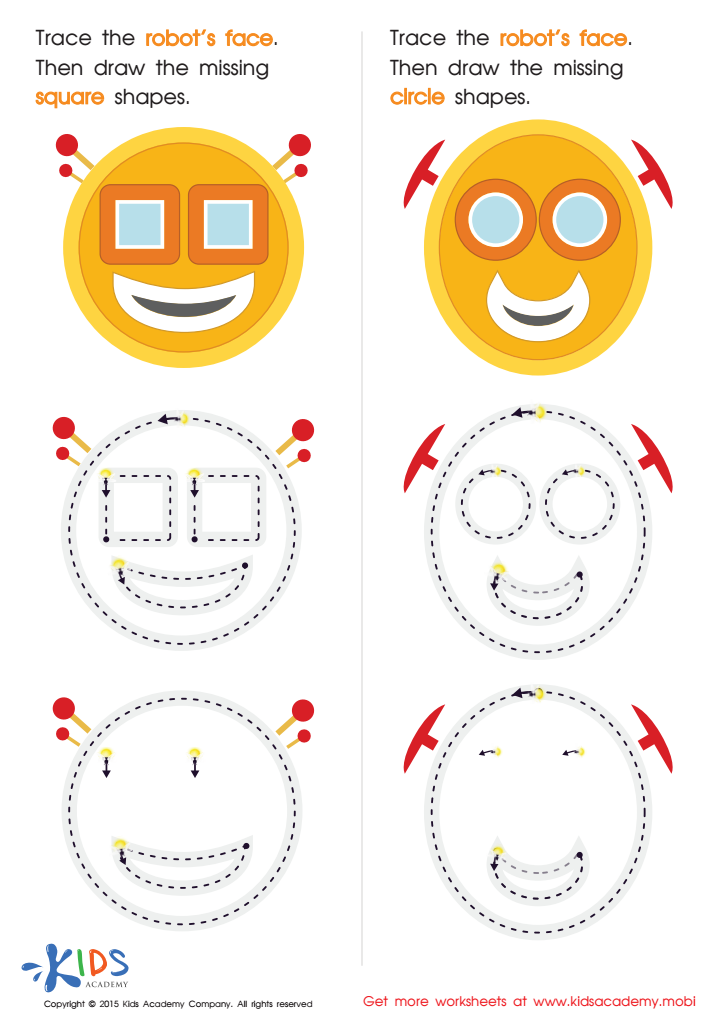
Practicing to Draw Circles And Squares Printable
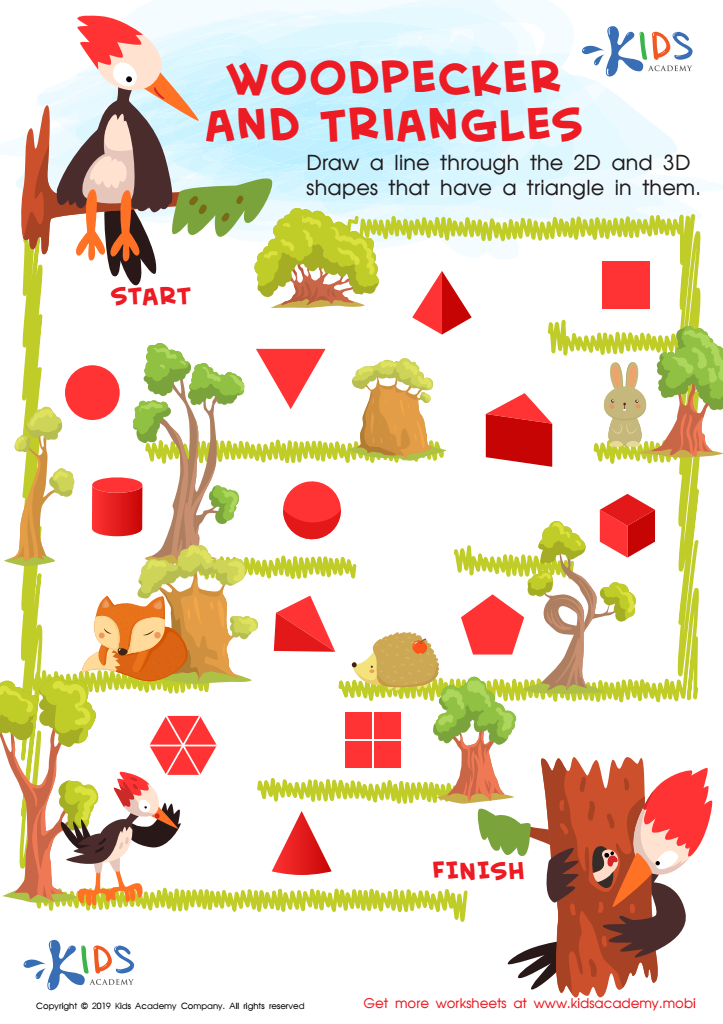
Woodpecker and Triangles Worksheet
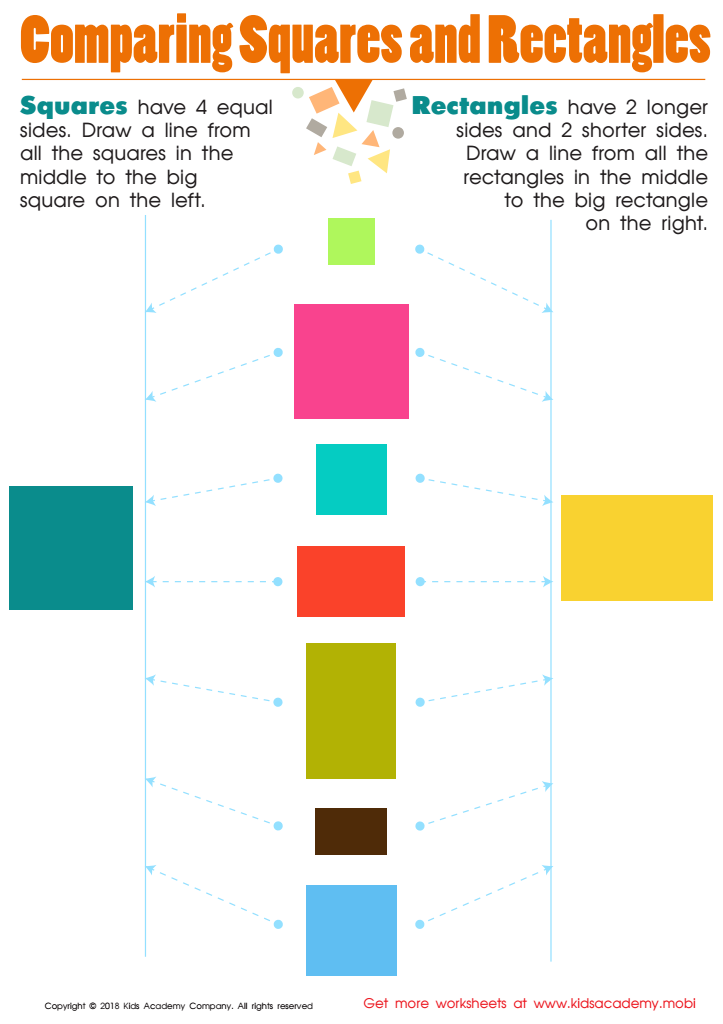
Comparing Squares Rectangles Worksheet
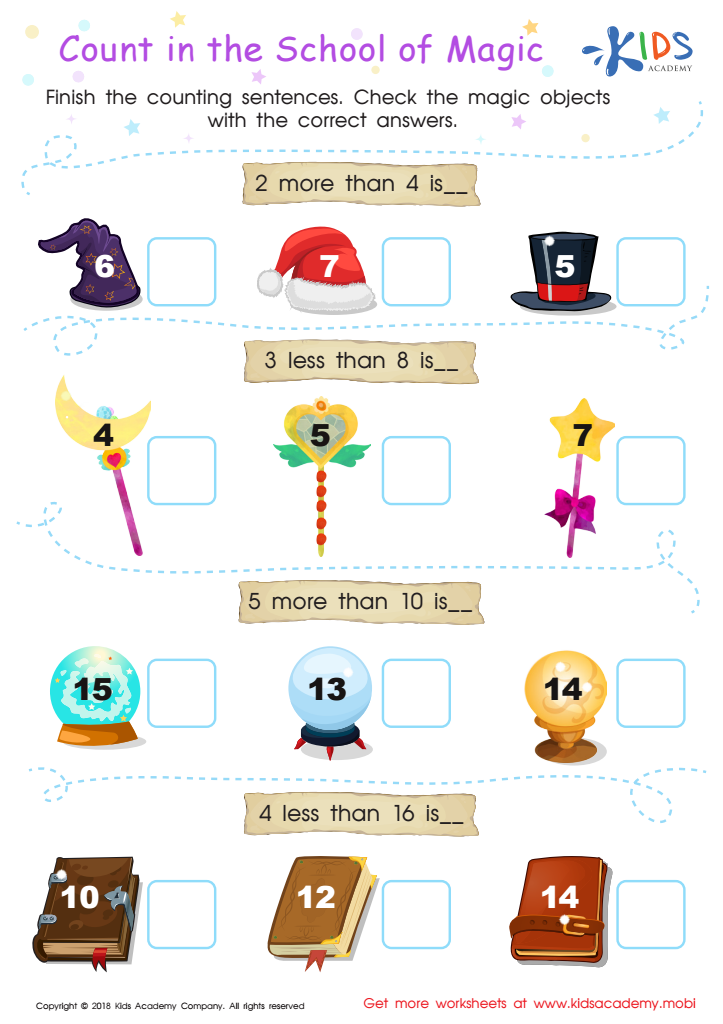
Count in the School of Magic Worksheet
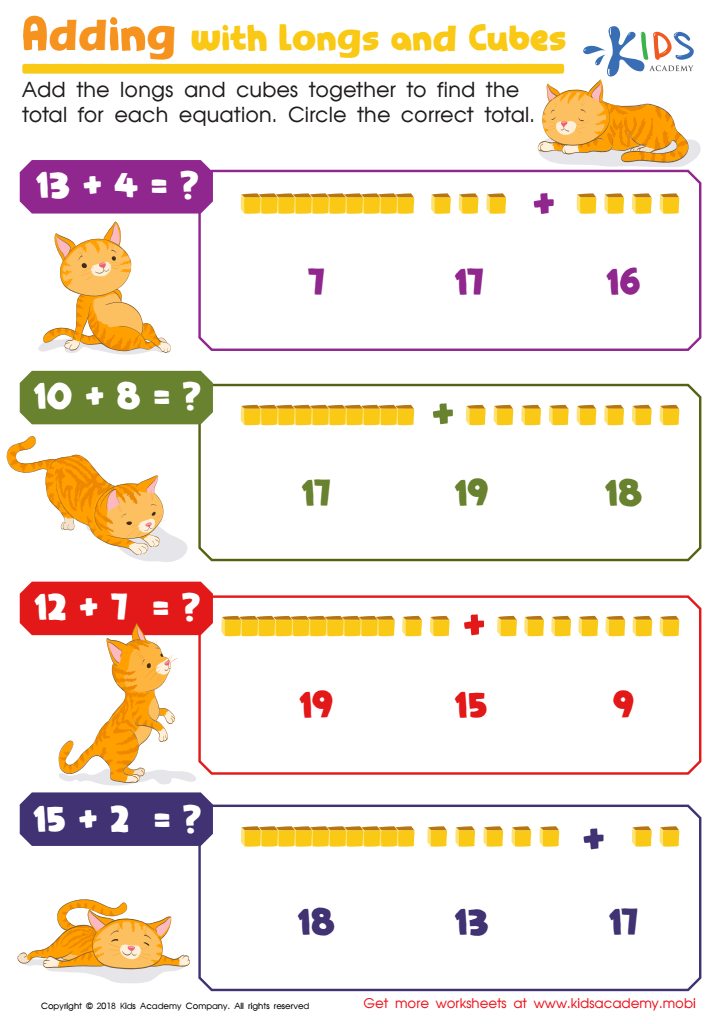
Adding With Longs and Cubes Worksheet
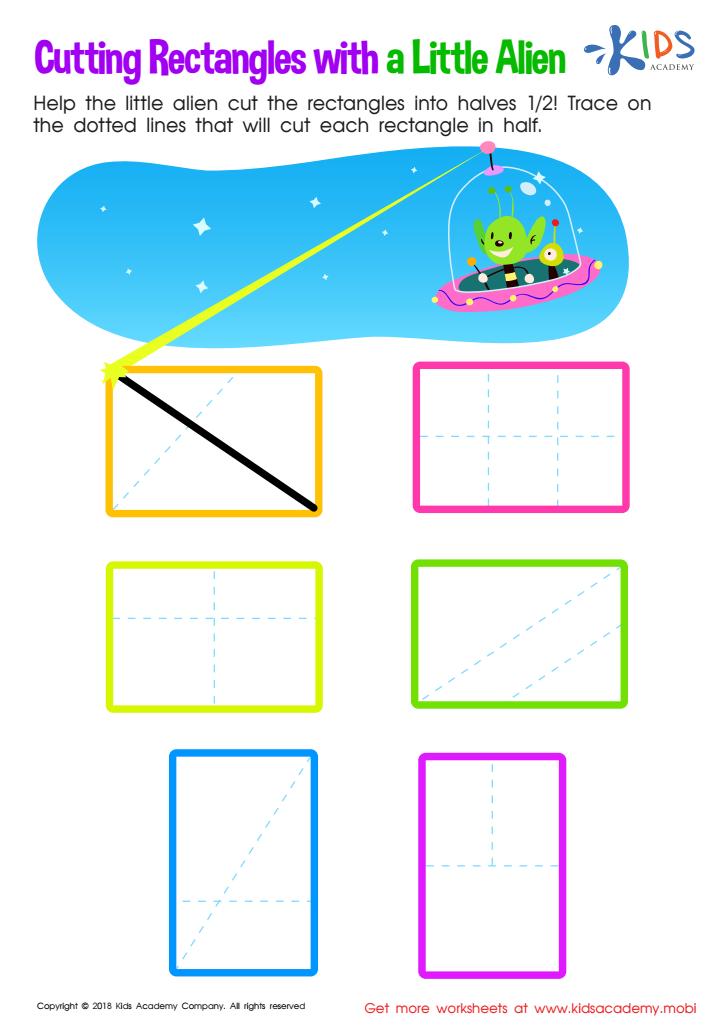
Cutting Rectangles with Alien Worksheet
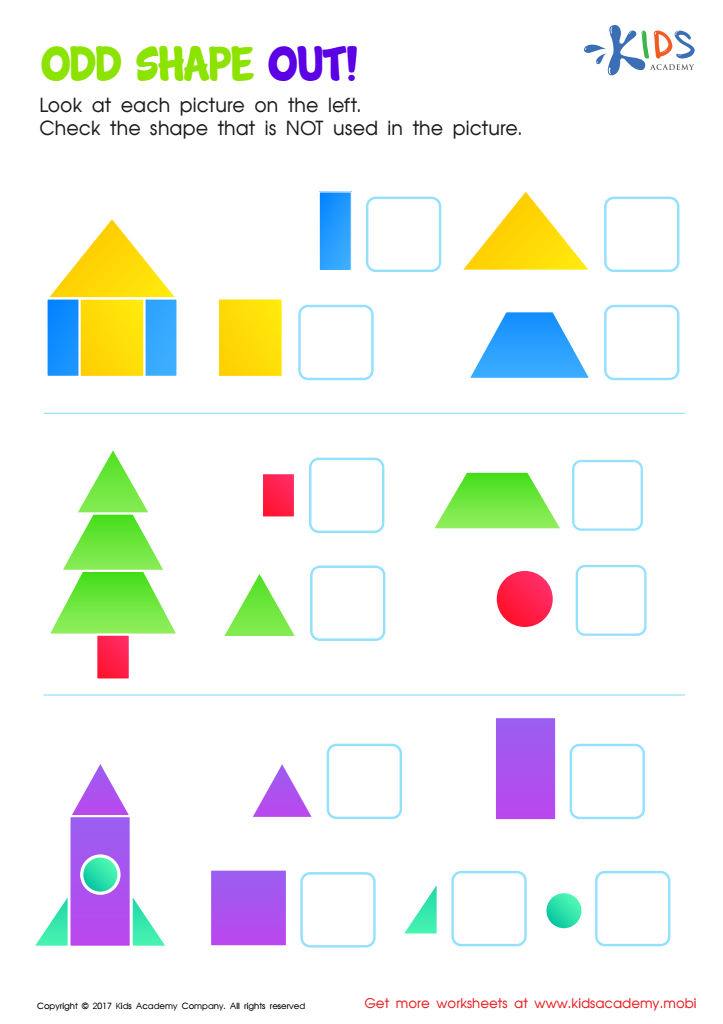
Odd Shape Out Worksheet for Grade 1
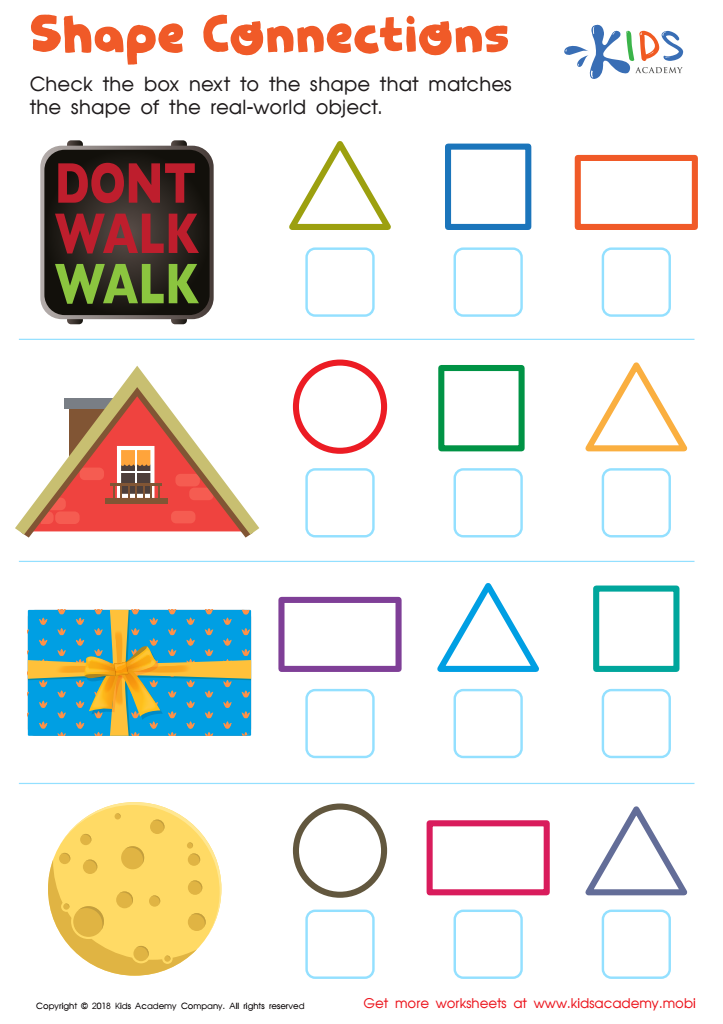
Shape Connections Worksheet
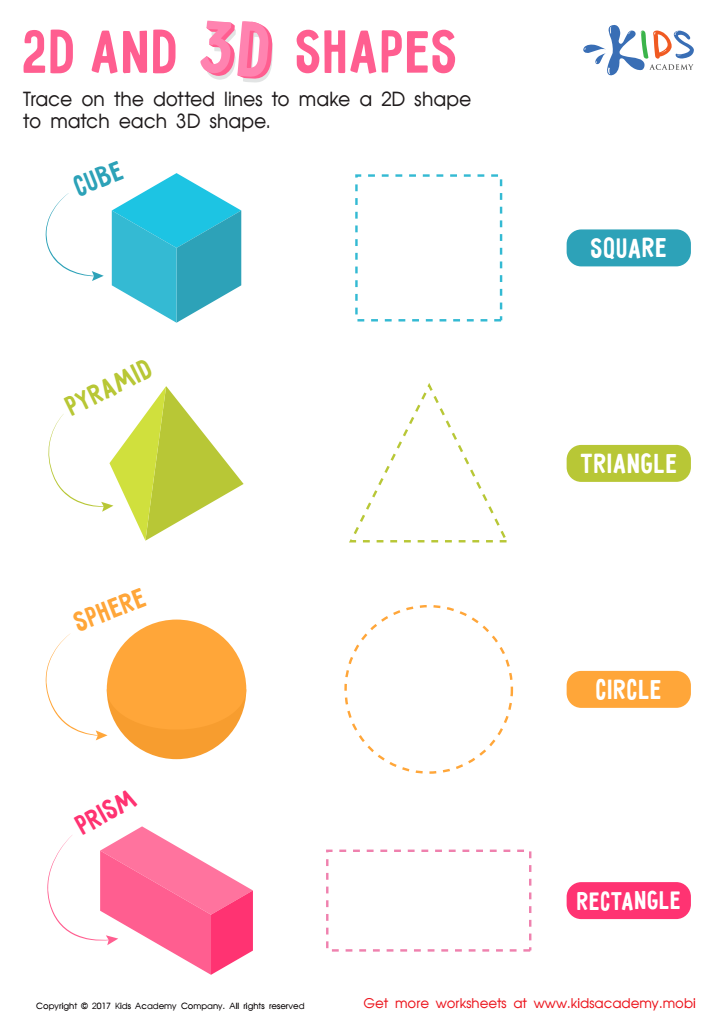
2D and 3D Shapes Worksheet
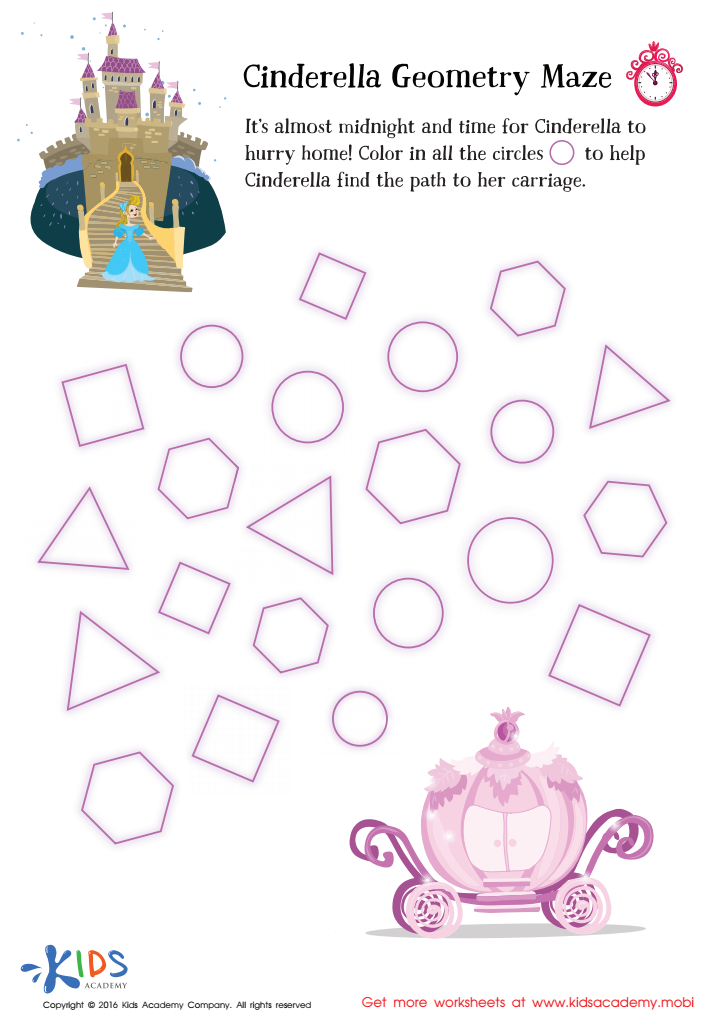
Cinderella Geometry Maze Worksheet
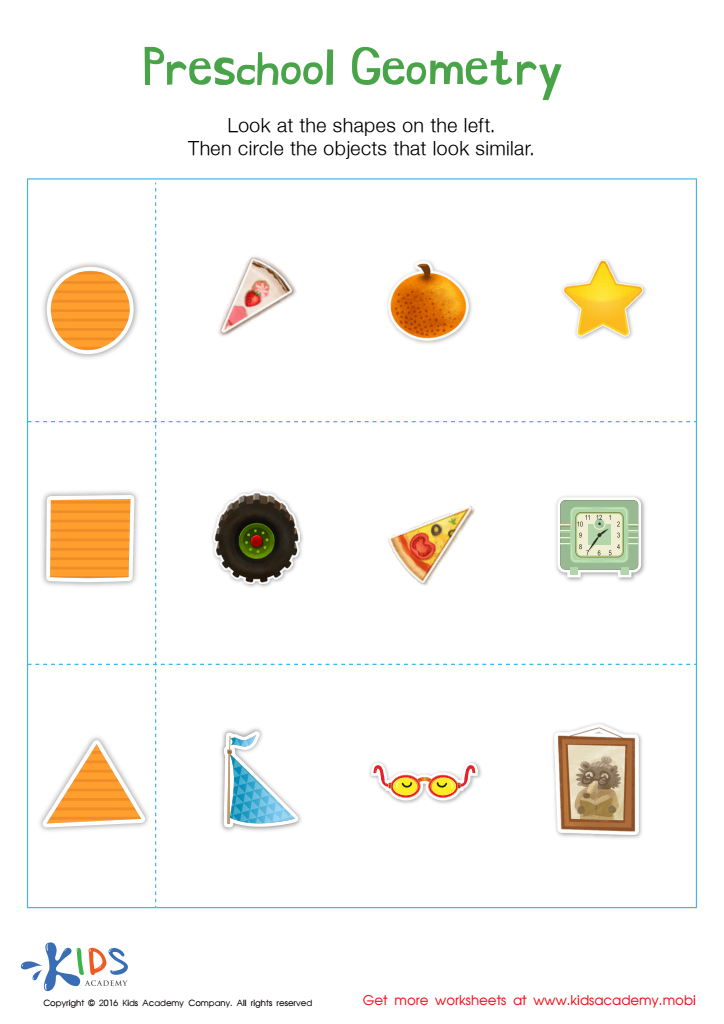
Preschool Geometry Match Up Worksheet
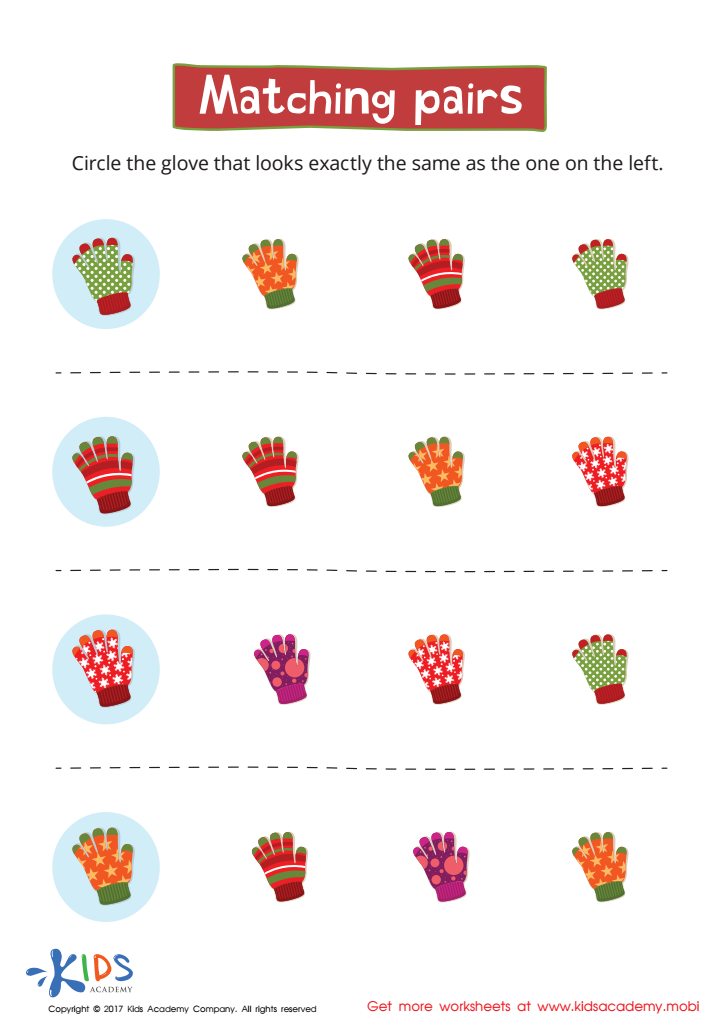
Matching: Matching Pairs Worksheet
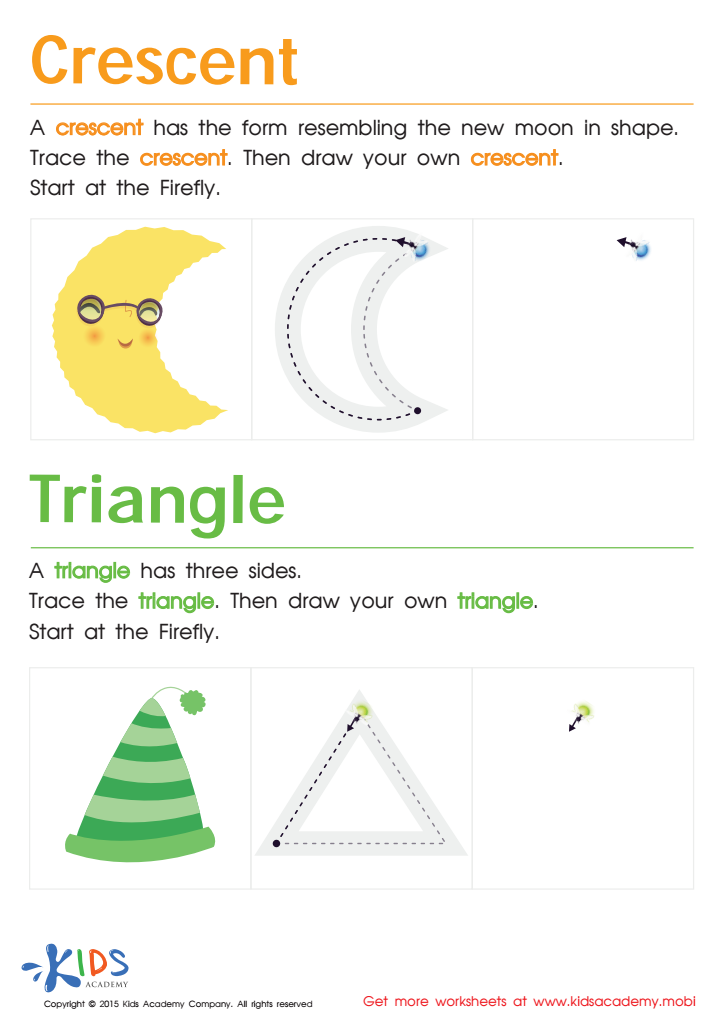
Learning to Draw Crescents And Triangles Worksheet
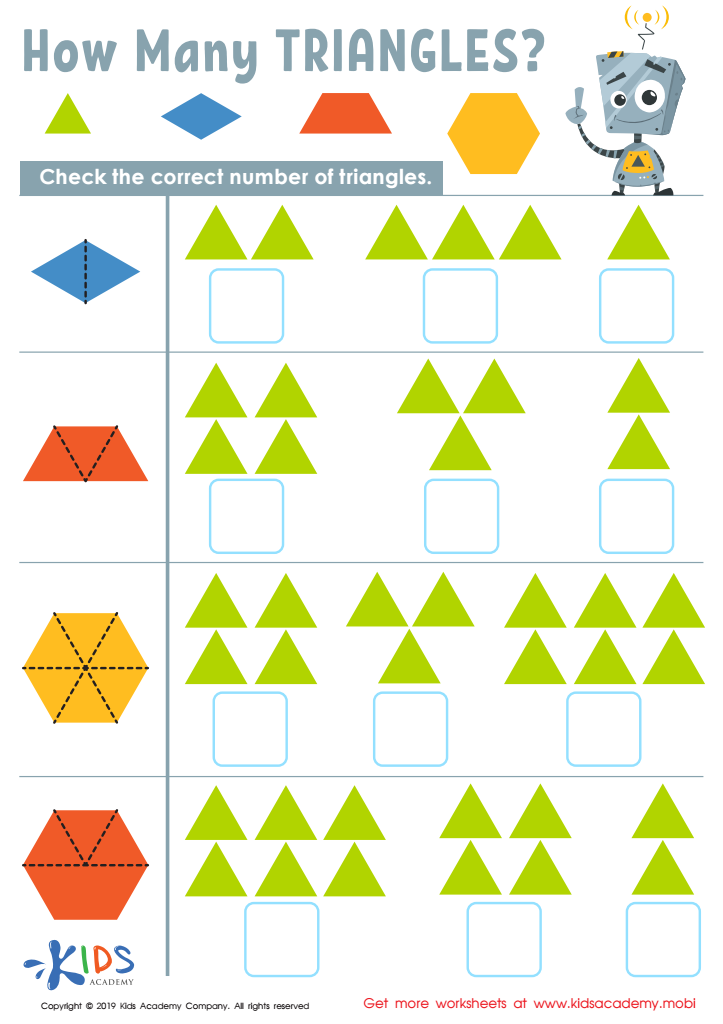
How Many Triangles Worksheet
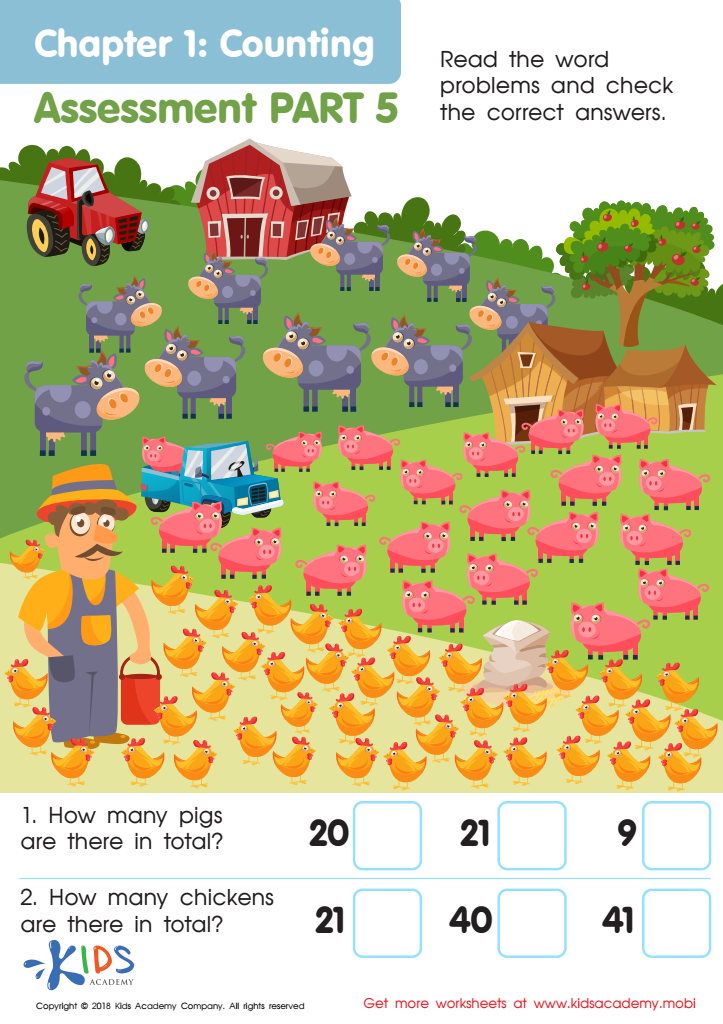
Counting: Assessment 5 Worksheet








Shape recognition is a foundational skill in early mathematics that significantly impacts cognitive development in children aged 6-7. Parents and teachers should care about fostering this skill, as it lays the groundwork for more complex mathematical concepts. Understanding shapes enhances spatial awareness, which is crucial not only in geometry but in everyday tasks such as navigation and understanding the physical world.
Moreover, shape recognition plays a vital role in developing problem-solving skills. When children identify and categorize shapes, they learn to notice patterns and similarities, which are integral to logical reasoning. This cognitive development translates into better skills in analysis and critical thinking as they progress in their education.
Additionally, shape recognition fosters creativity and expression. Engaging with different shapes allows children to explore art, architecture, and design, nurturing their imaginative abilities. Social interaction also thrives when children discuss shapes and their attributes, aiding language development and cooperative play.
In sum, the emphasis on shape recognition equips children not only with essential mathematical skills but also encourages holistic development, laying a robust foundation for academic and personal growth in their later years. Parents and teachers play a crucial role in nurturing this skill, ensuring a well-rounded learning experience.








