Problem-Solving Skills Math Worksheets for Ages 6-8 - Page 10
268 filtered results
-
From - To
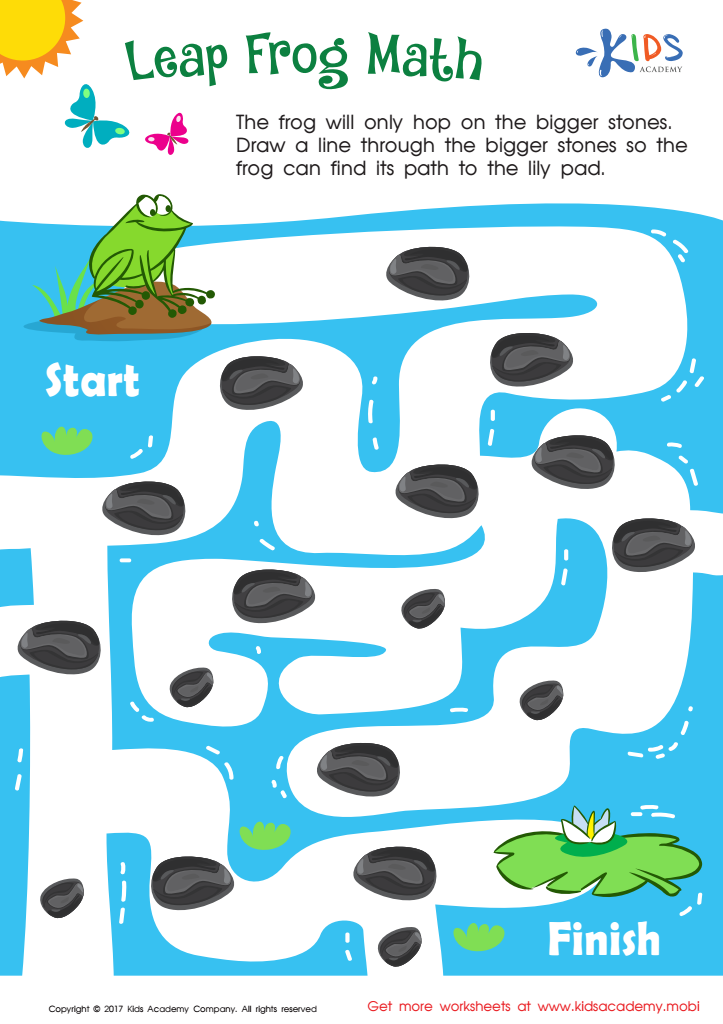
Math Puzzle Worksheet
 Assign to My Students
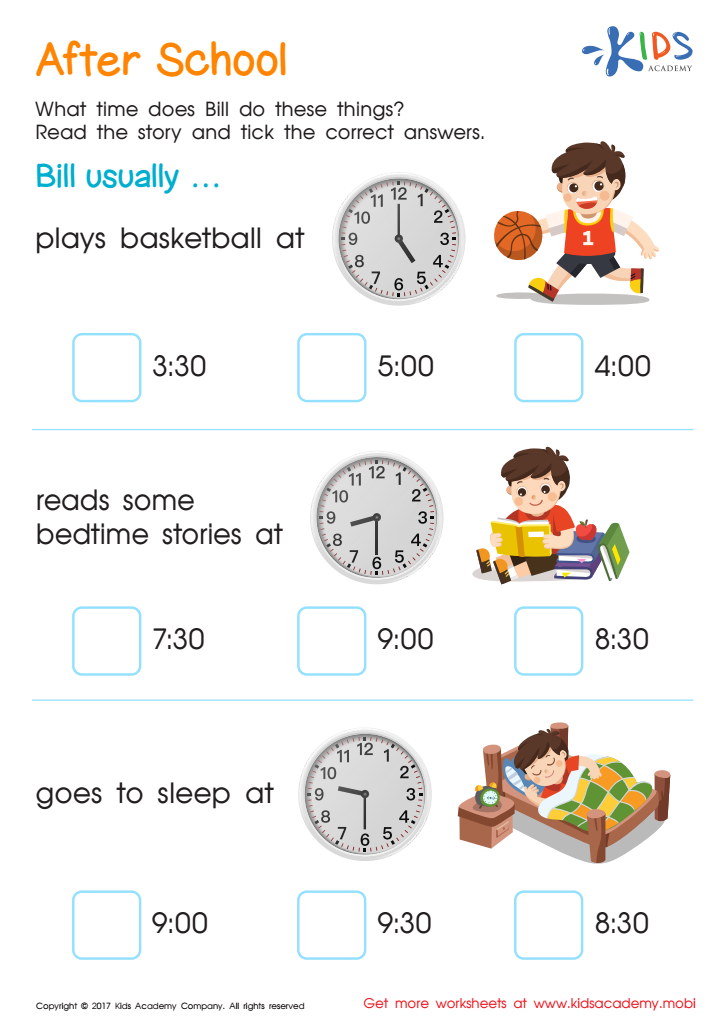
After School Time Printable
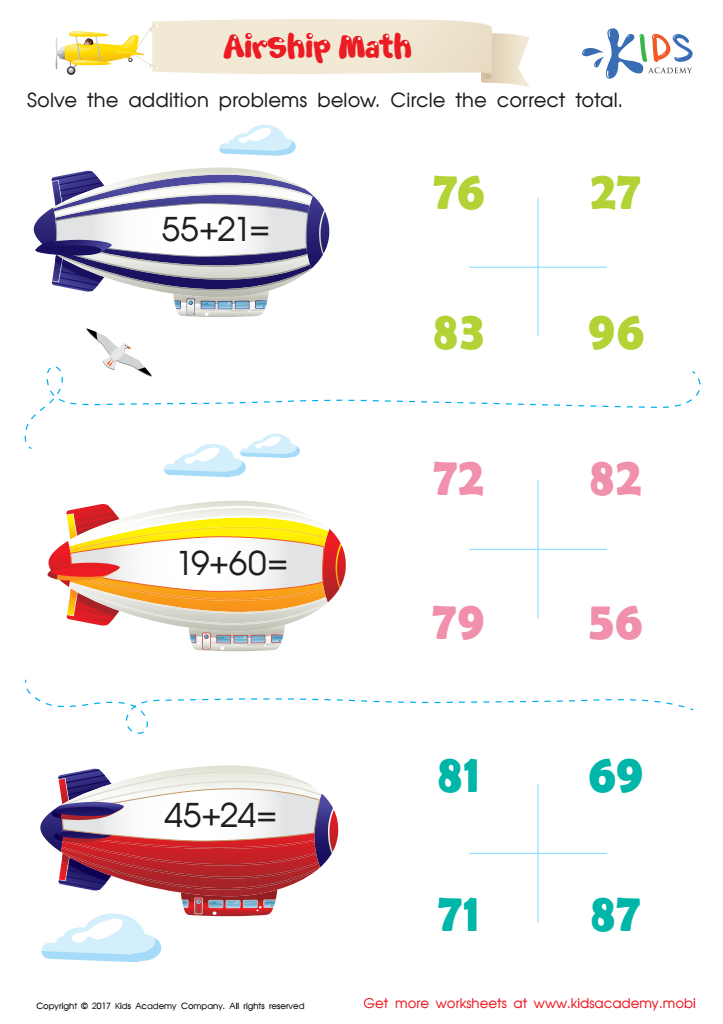
Airship Math Addition Printable
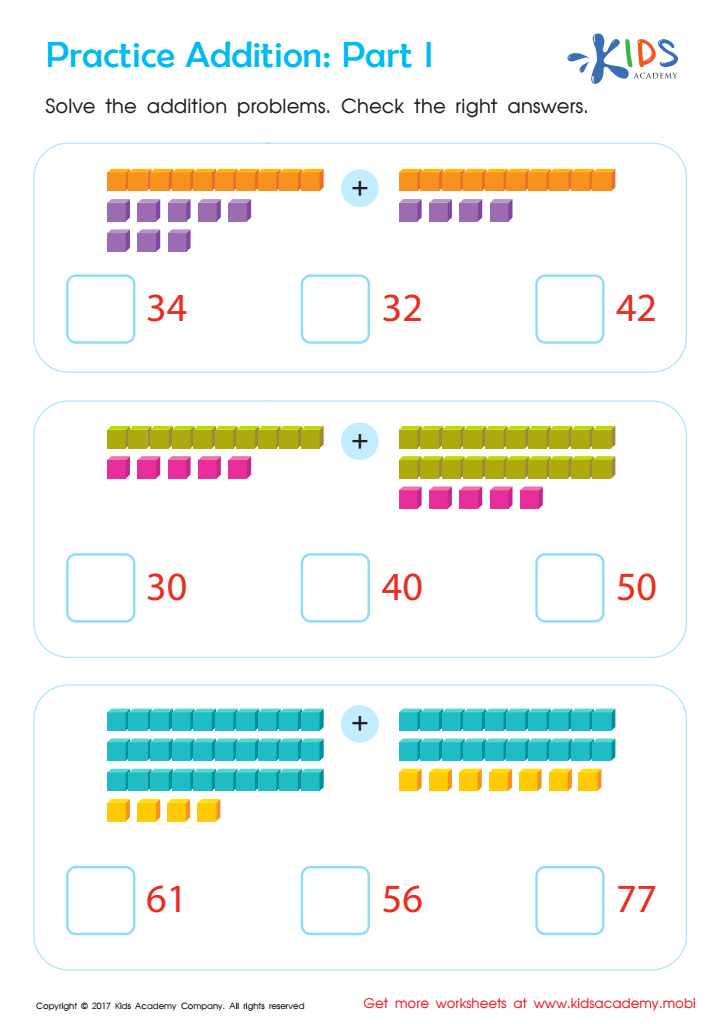
Practice Addition: Part 1 Worksheet

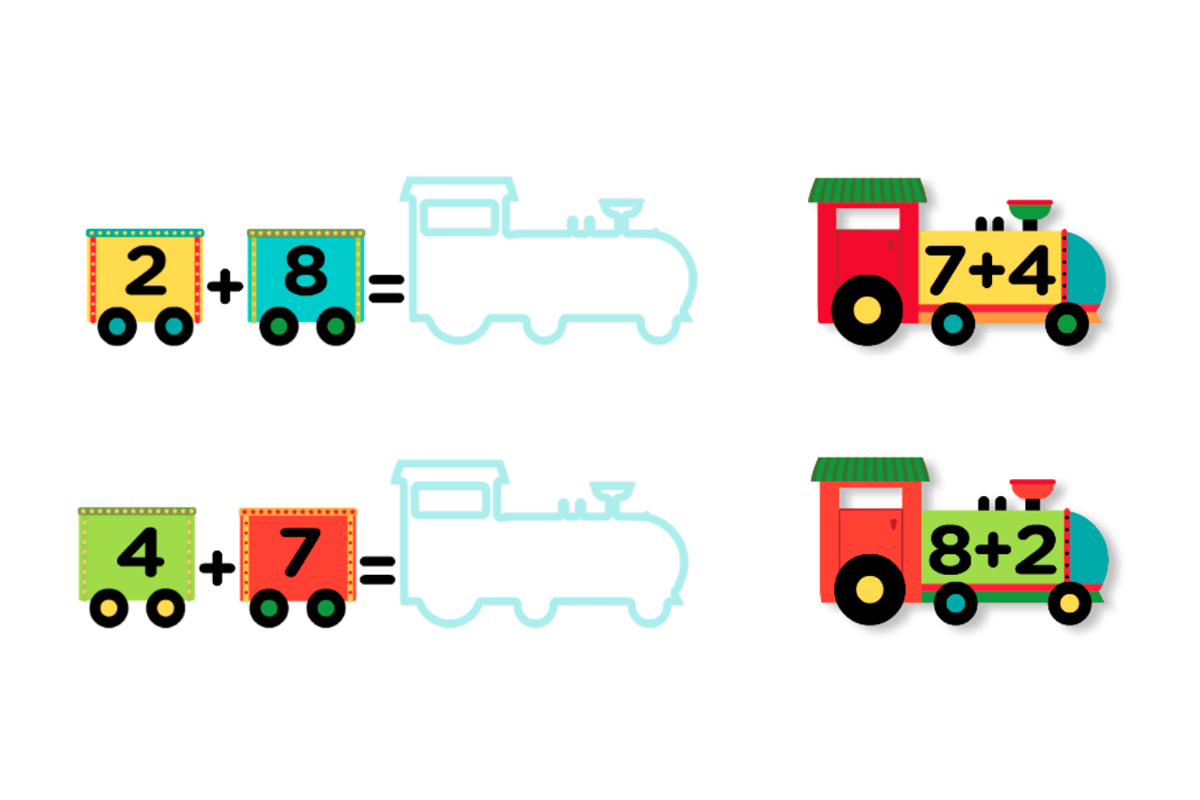
Time to Catch the Train Part 1 Worksheet
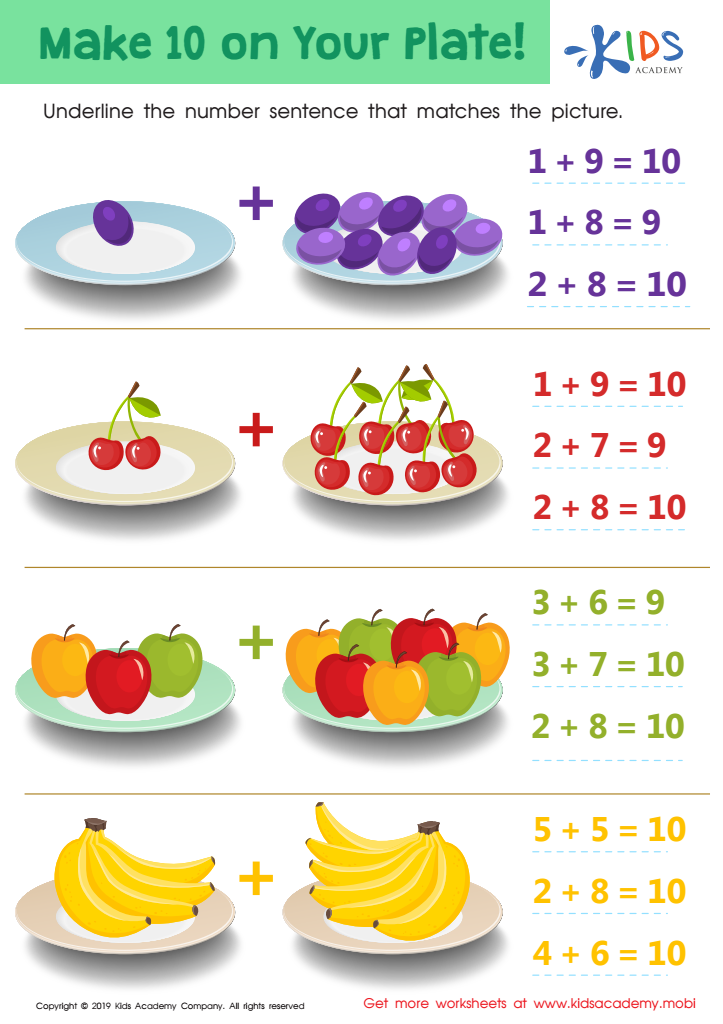
Make 10 on Your Plate! Worksheet
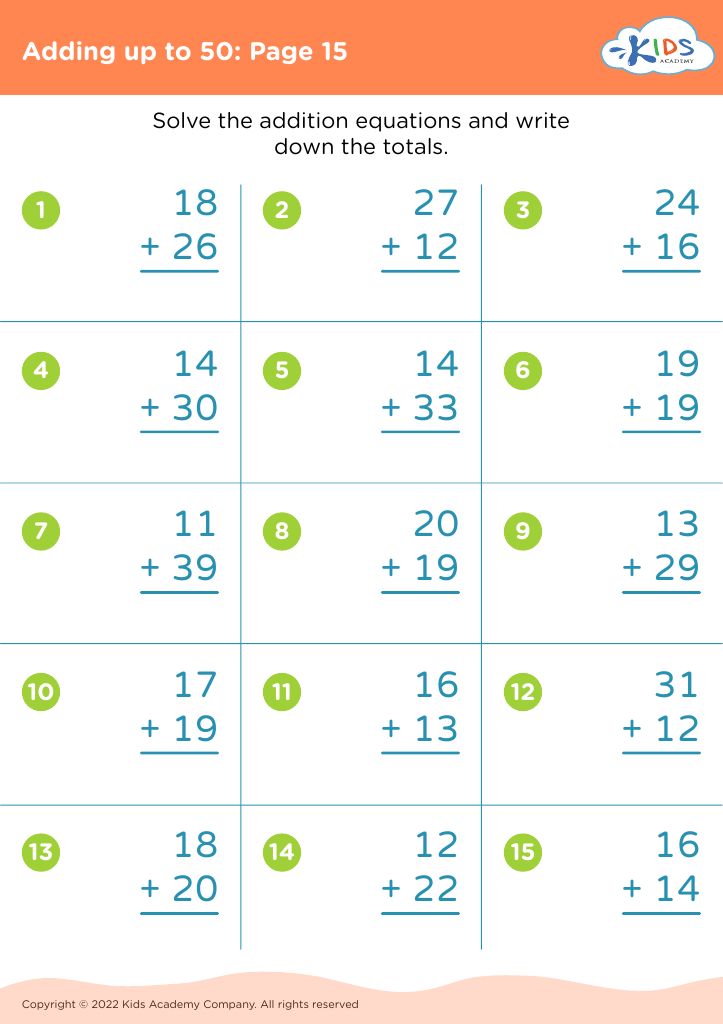
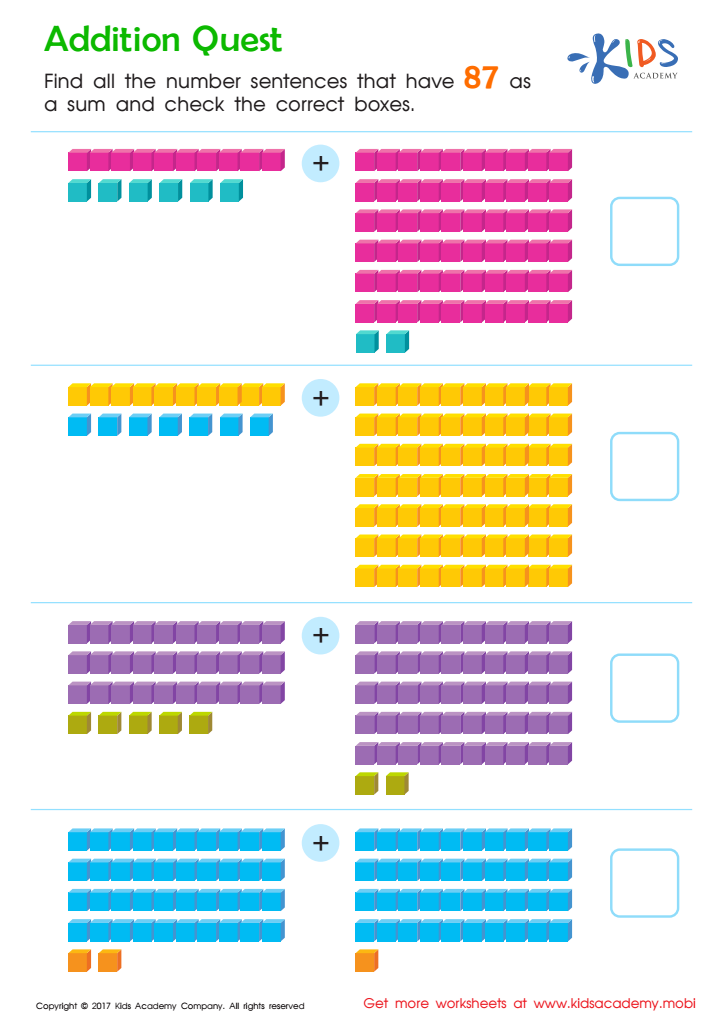
Addition Quest Worksheet: Part 1
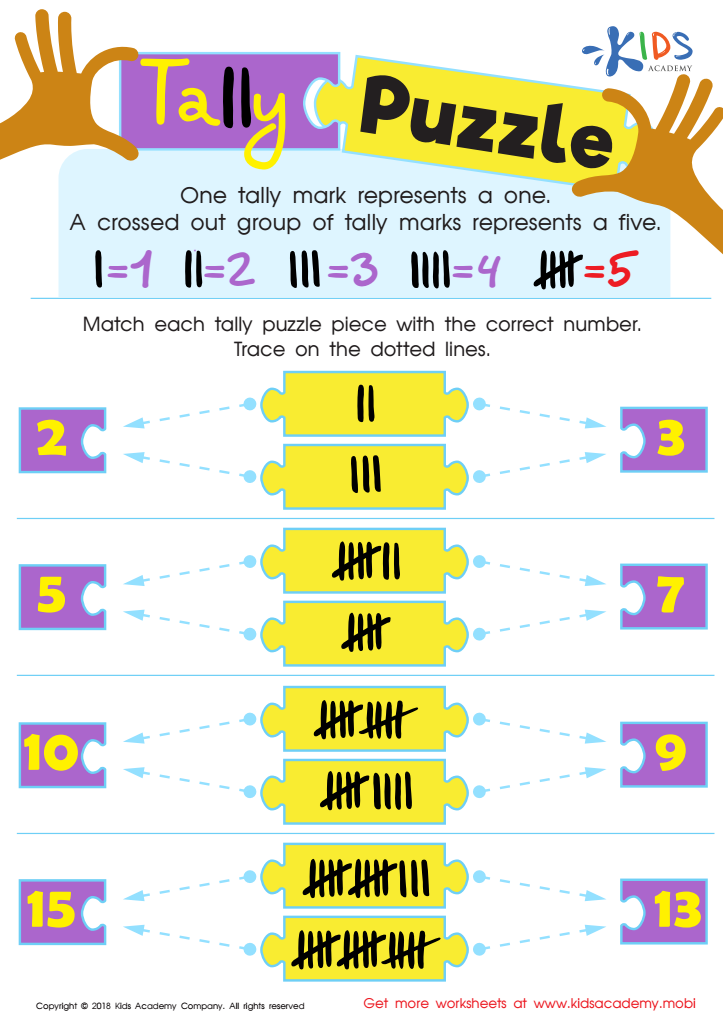
Tally Puzzle Worksheet
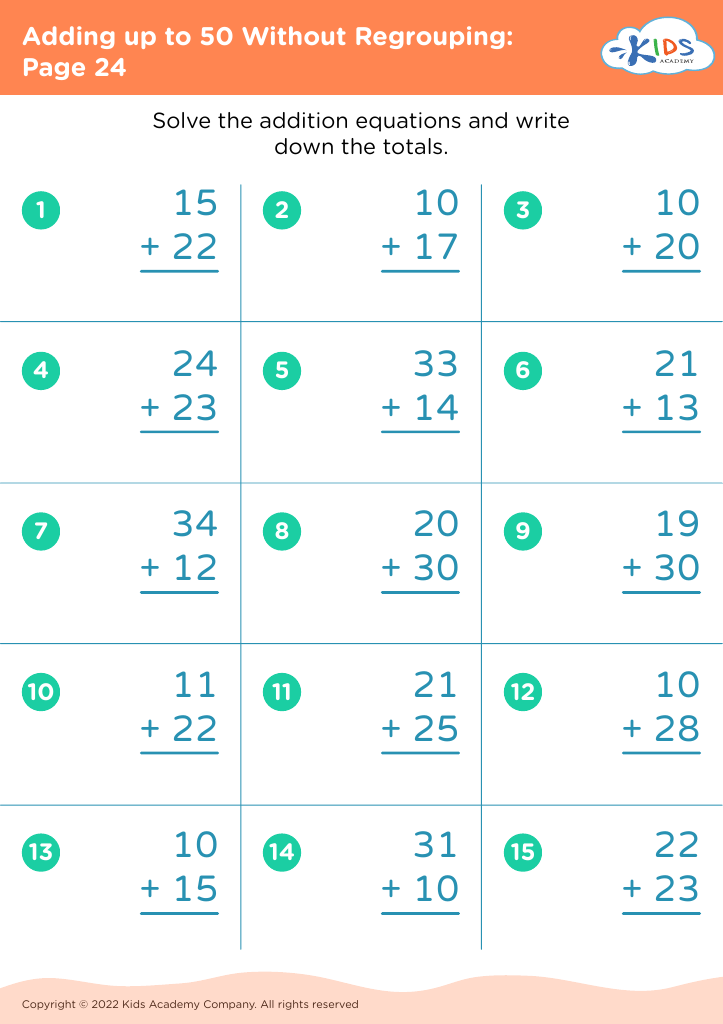
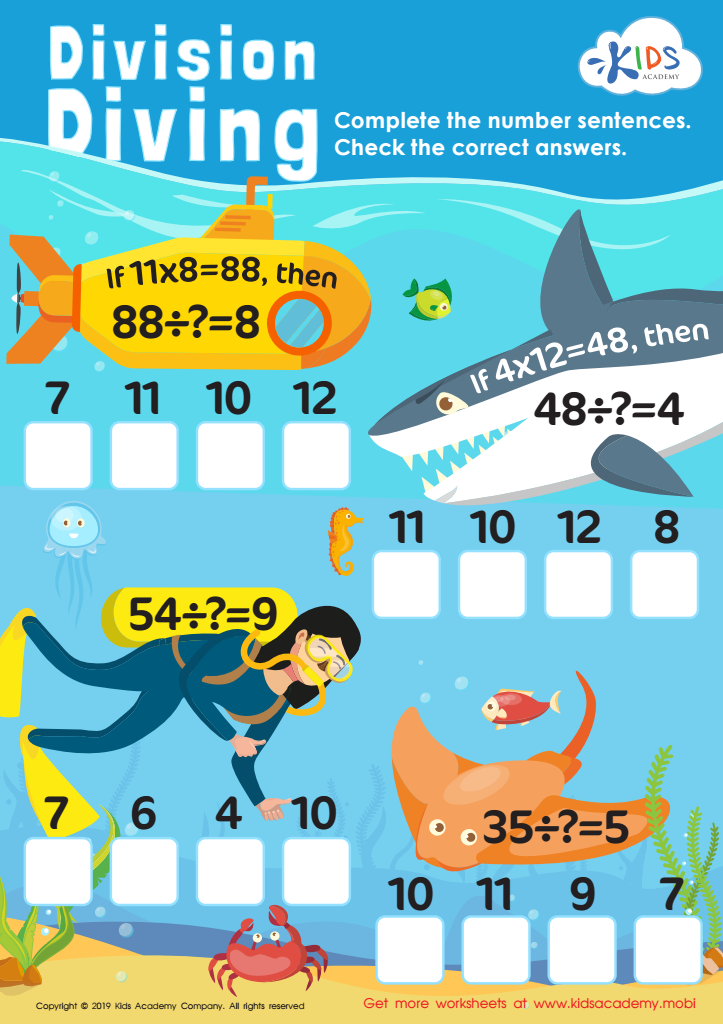
Division Diving Worksheet
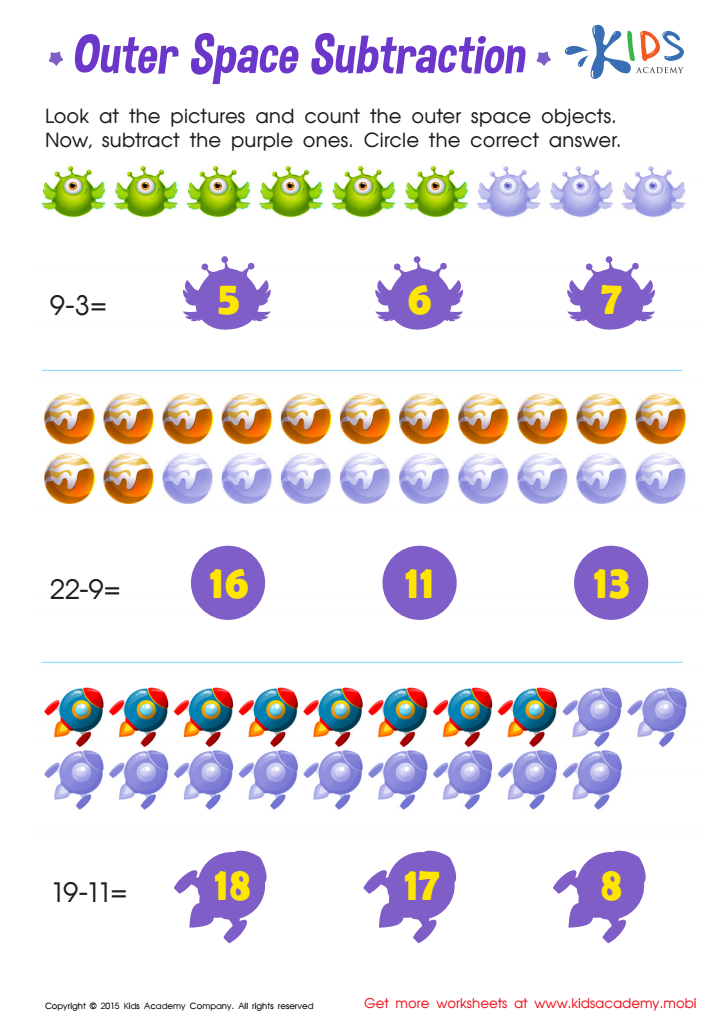
Outer Space Substraction Worksheet
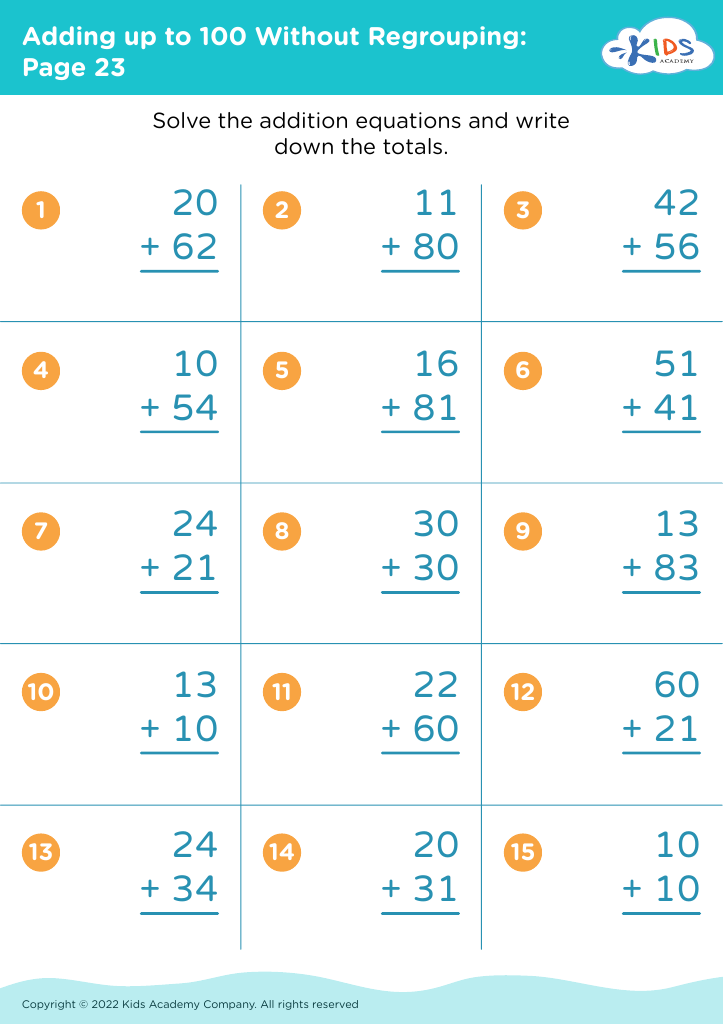
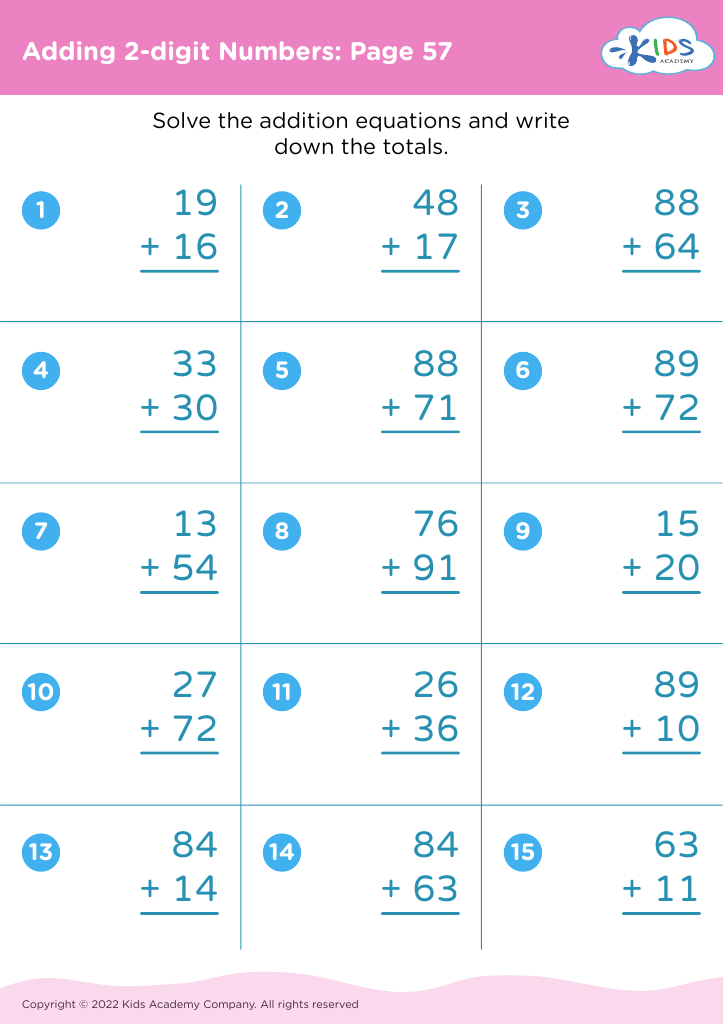

Haystack Steps Worksheet
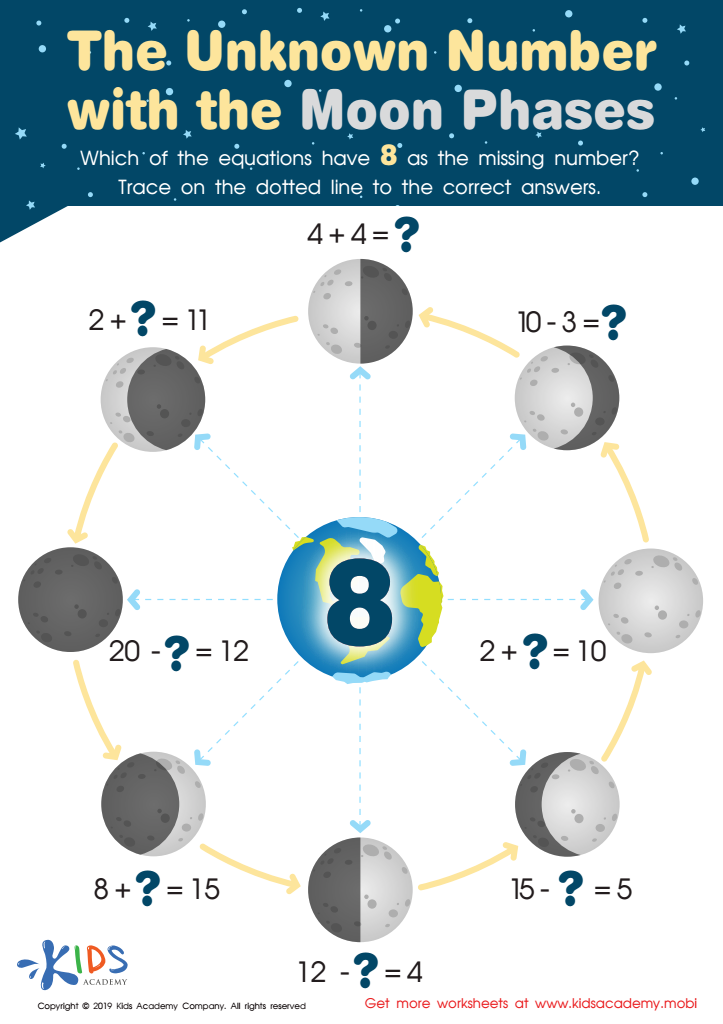
The Unknown Number with the Moon Phases Worksheet
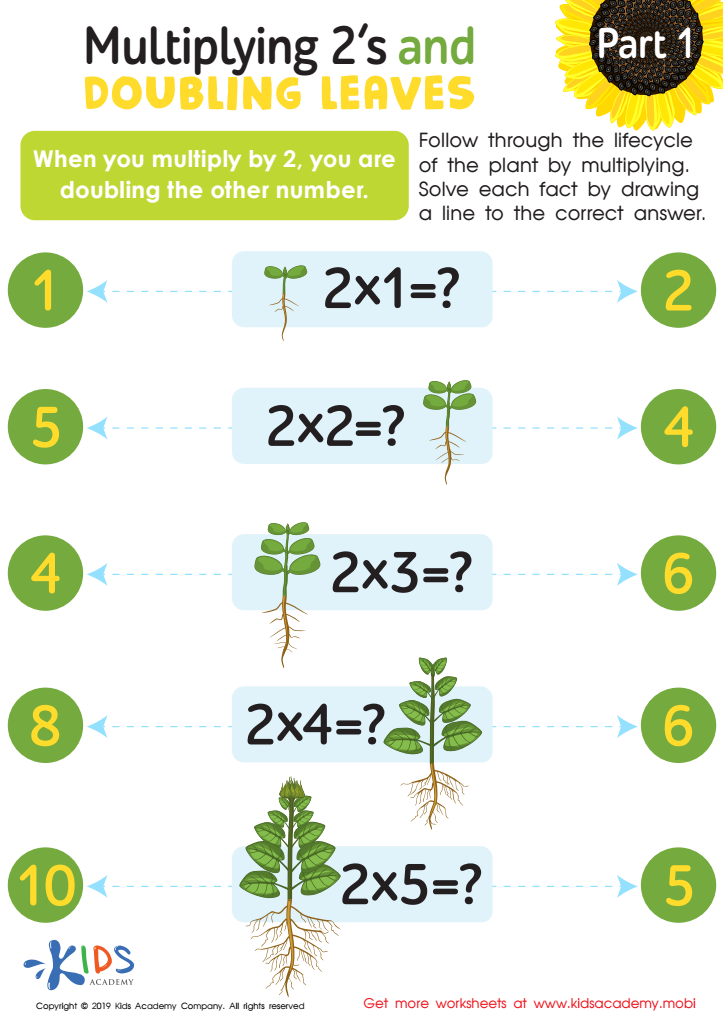
Multiplying 2’s and Doubling Leaves Part 1 Worksheet
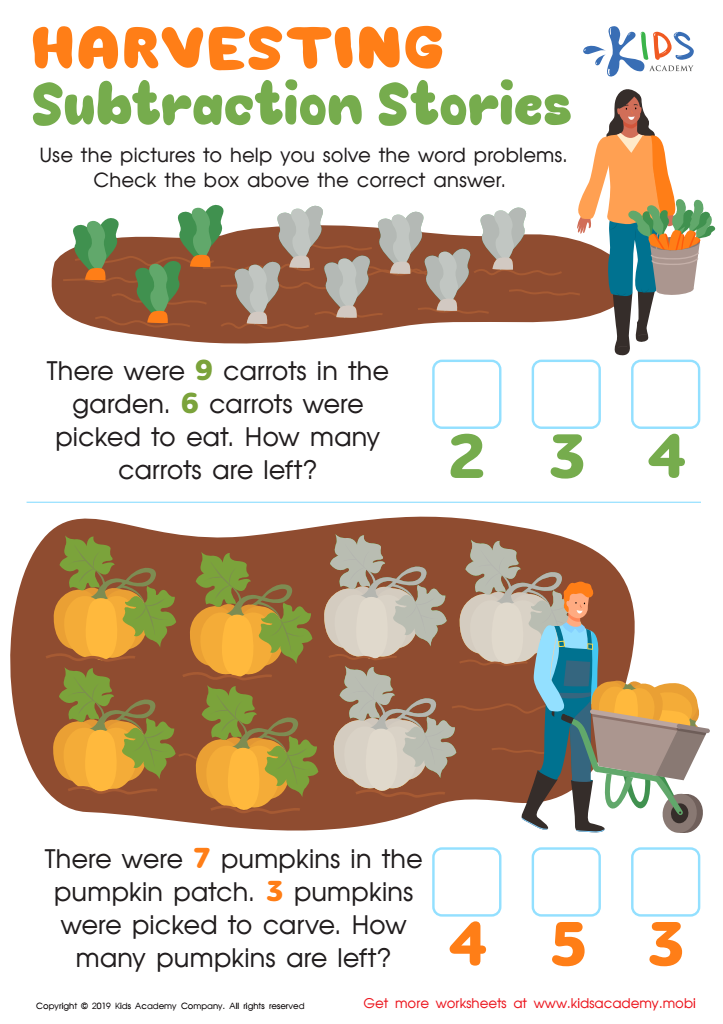
Harvesting Subtraction Stories Worksheet
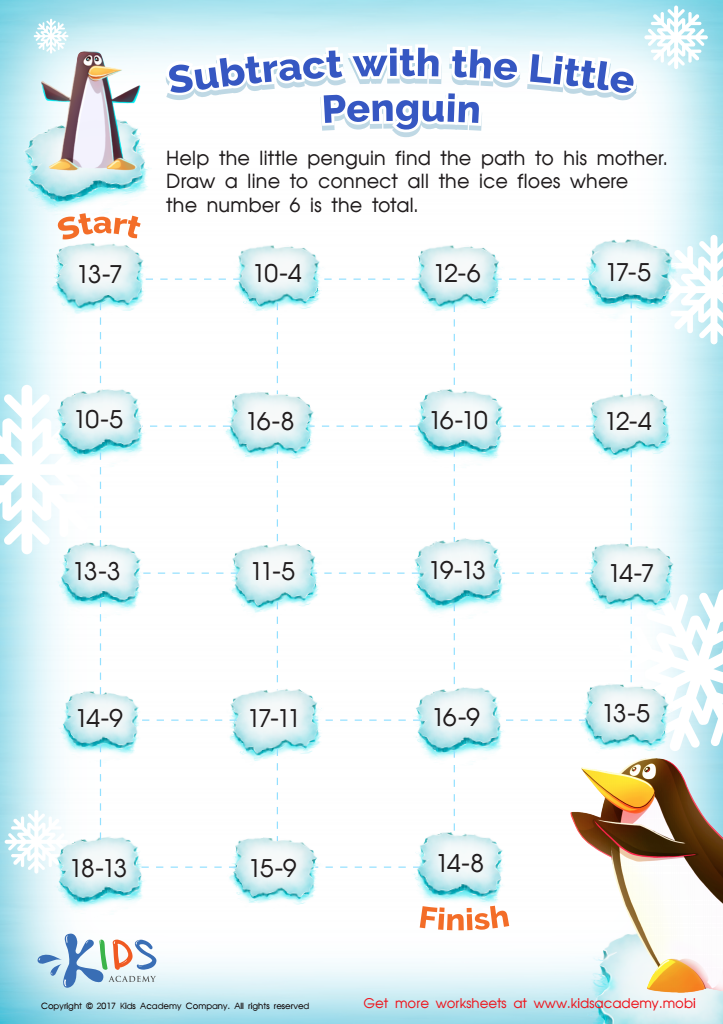
Subtract With The Little Penguin Substraction Worksheet
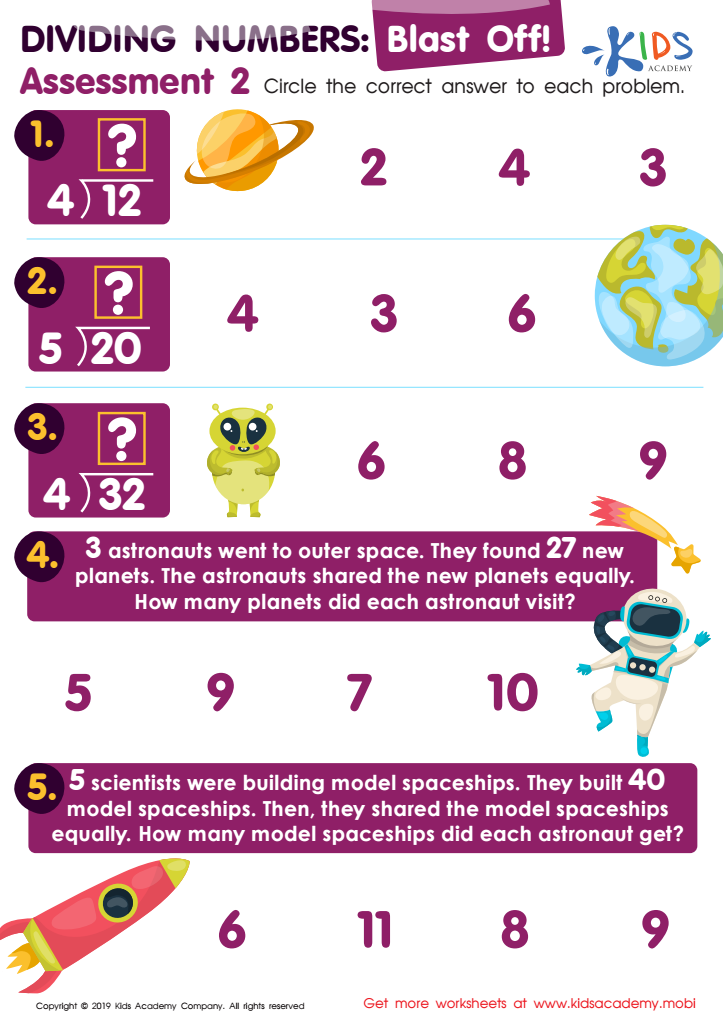
Dividing Numbers Assessment 2 Worksheet
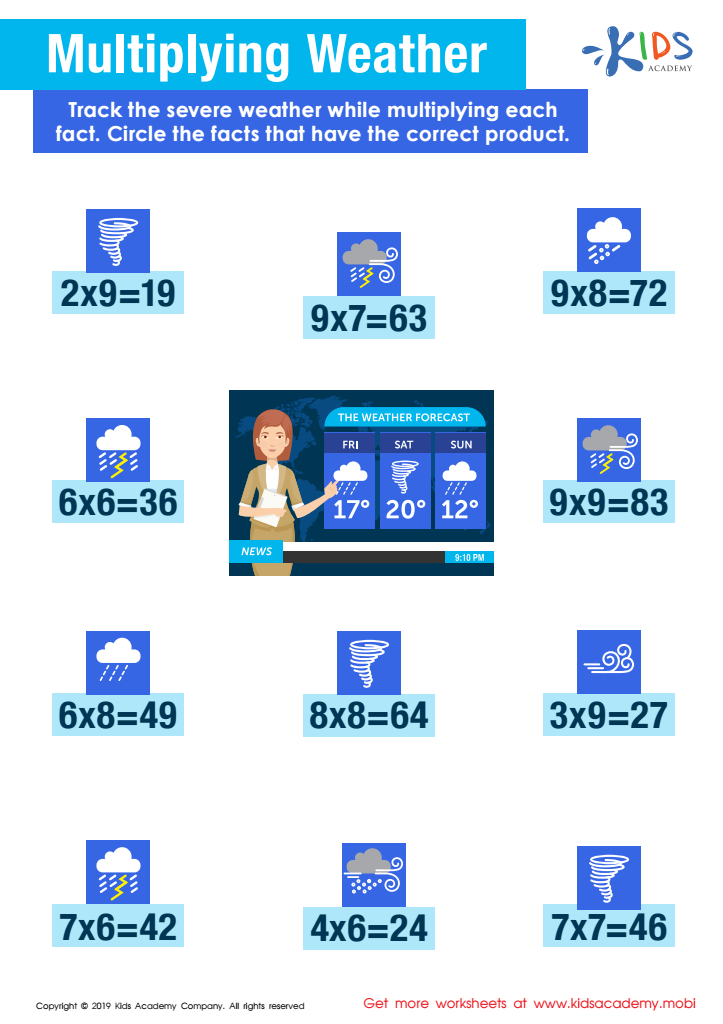
Multiplying Weather Worksheet

Silhouettes – Shapes Worksheet


.jpg)




Parents and teachers should deeply care about fostering problem-solving skills in math for children aged 6-8 because these skills are crucial for developing logical thinking and building a strong foundation for future learning. At this developmental stage, kids are incredibly receptive to new ideas and methods of thinking, making it the perfect time to introduce and nurture their problem-solving abilities.
Problem-solving skills in math teach children how to analyze situations, recognize patterns, and use logic to find solutions. This kind of critical thinking is essential not just in academic subjects but also in real-life scenarios. For instance, children who develop strong problem-solving skills are better equipped to tackle everyday challenges, be it in playing games, understanding how things work, or interacting socially.
Additionally, working on math problems can significantly enhance cognitive development. It helps improve memory, attention to detail, and the ability to follow sequential steps. Moreover, problem-solving activities in math can boost self-confidence as children start believing in their ability to overcome difficult tasks, thereby nurturing a positive attitude towards learning.
Intervening early ensures that kids don’t develop a fear of math but instead view it as an enjoyable and rewarding subject, setting them up for greater academic success down the road. For parents and teachers, ensuring that children possess these foundational skills will not only aid them academically but also even outside the classroom.








