Critical Thinking Reading Worksheets for Ages 6-8
58 filtered results
-
From - To
Enhance your child's reading skills with our engaging Critical Thinking Reading Worksheets designed for ages 6-8. These worksheets encourage young learners to analyze, evaluate, and interpret texts, fostering essential skills for comprehension and critical analysis. Each activity is carefully crafted to captivate young minds, featuring fun stories and thought-provoking questions that promote discussion and reflection. Perfect for parents and teachers, our resources support independent learning and classroom instruction alike. Help your child develop a love for reading while nurturing their ability to think critically. Explore a world of educational fun with our critical thinking reading worksheets today!
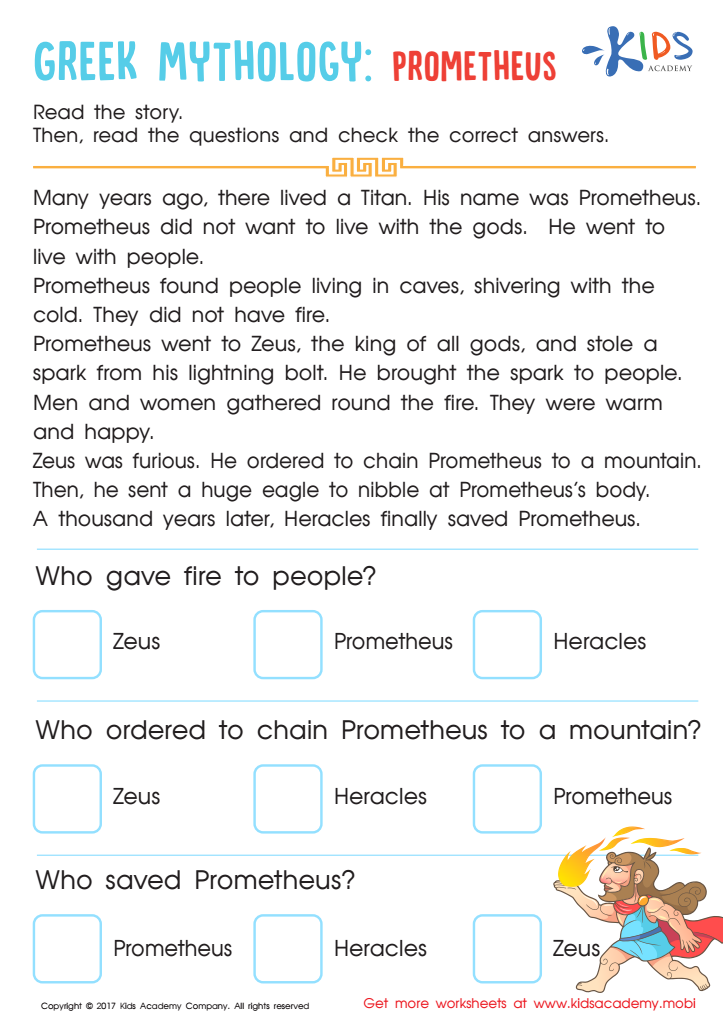
Prometheus Story Worksheet
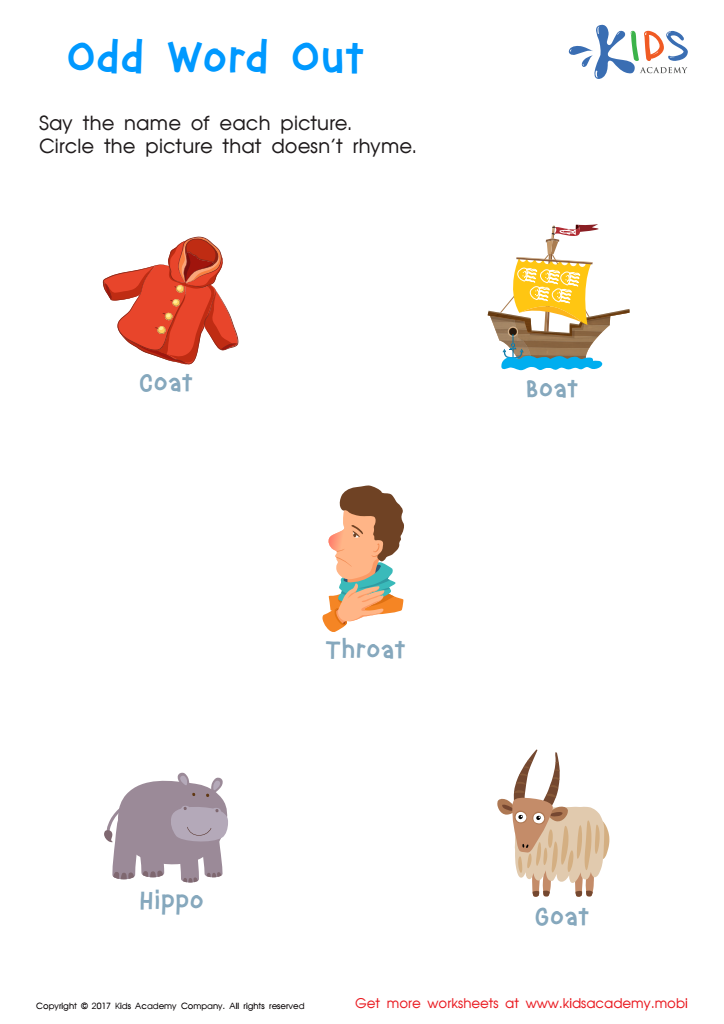
Odd Word Out Rhyming Worksheet
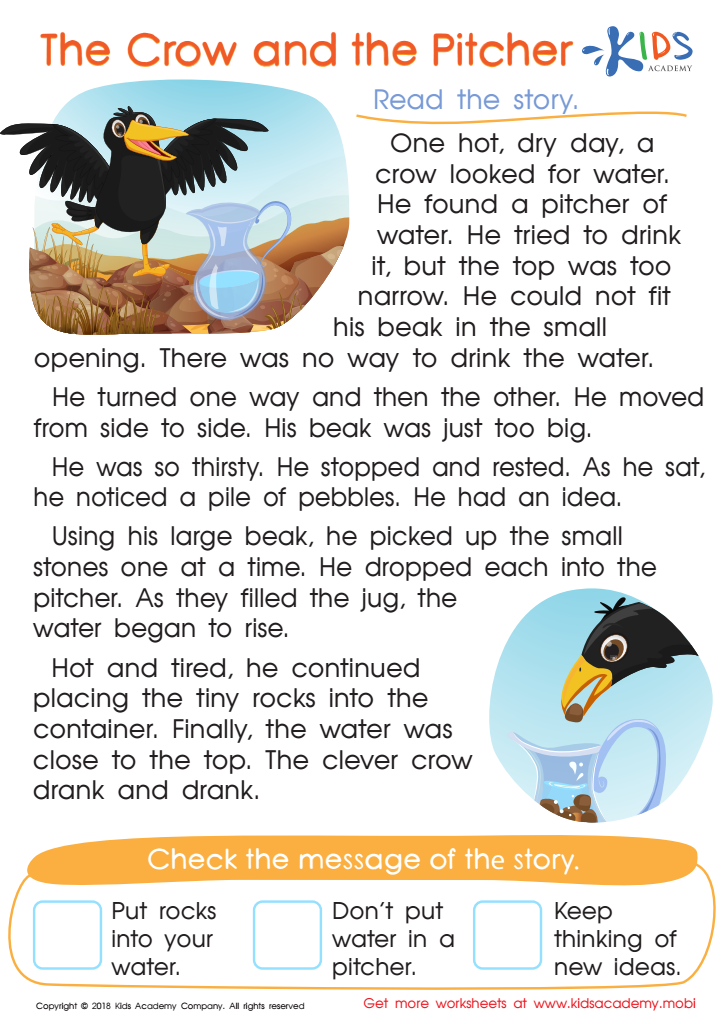
The Crow and the Pitcher Worksheet
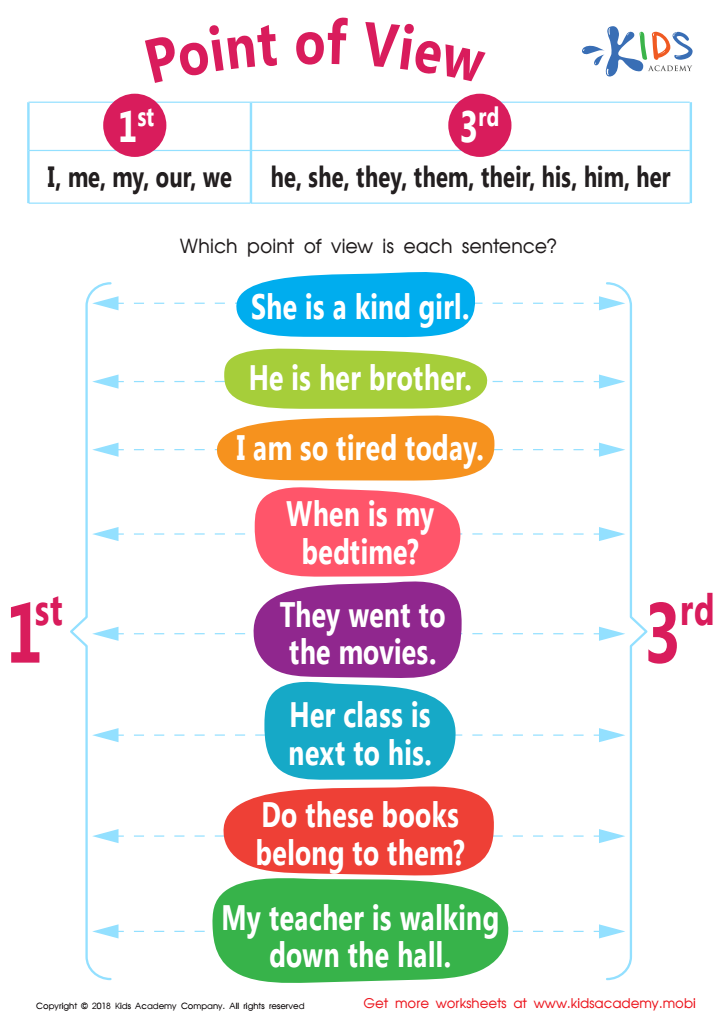
Point of View Worksheet
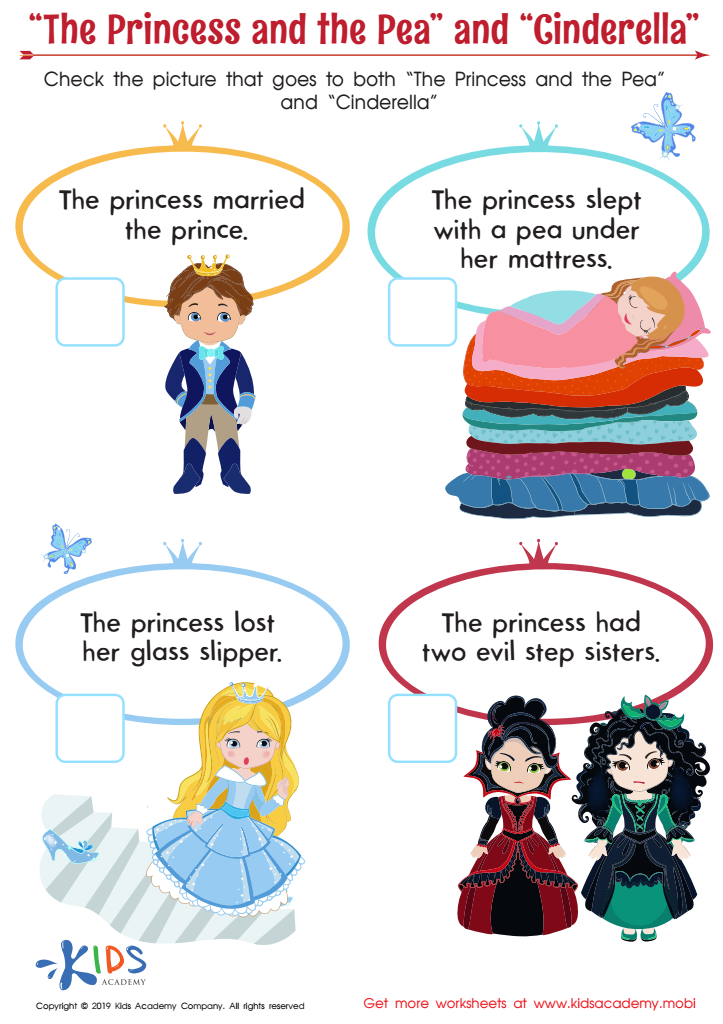
“The Princess and the Pea” and “Cinderella” Worksheet
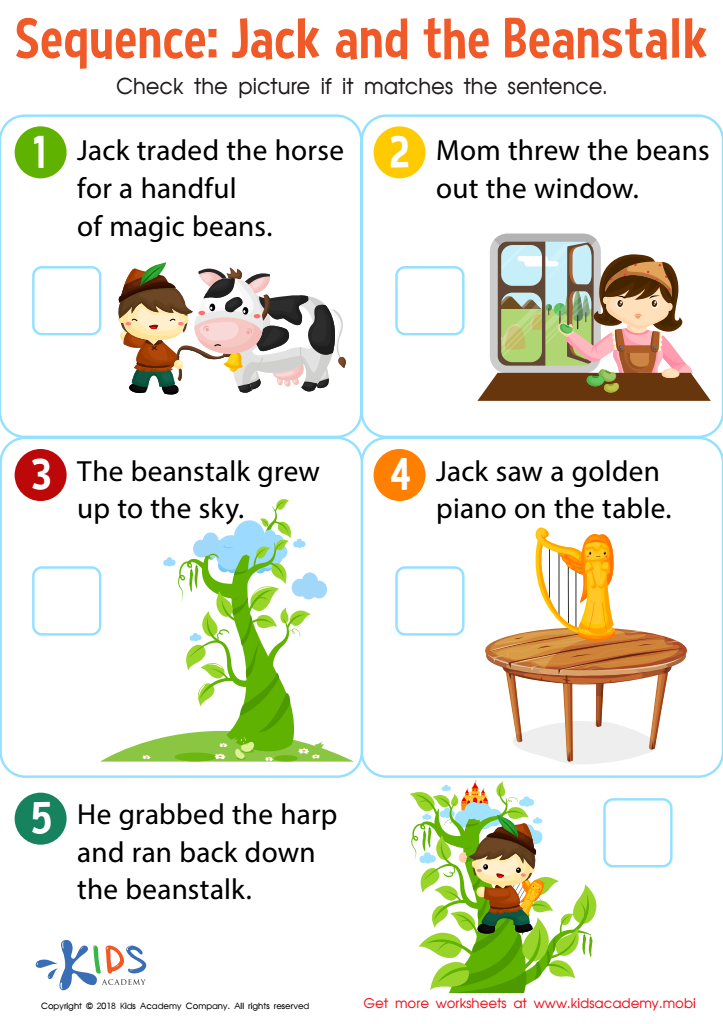
Sequence: Jack and The Beanstalk Worksheet
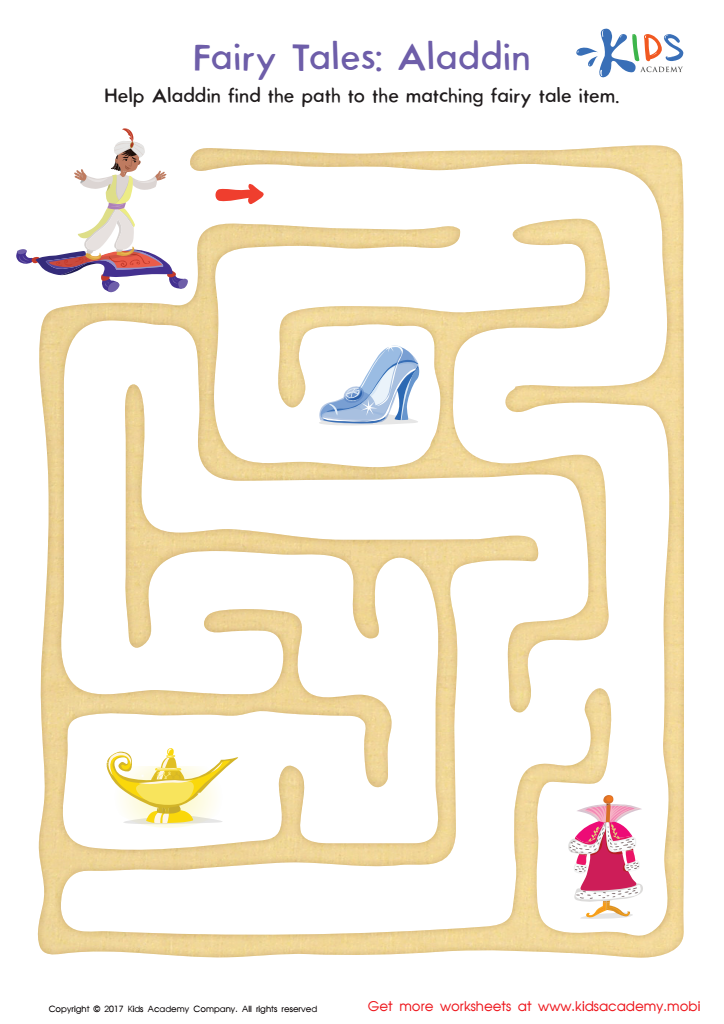
Fairy Tales Aladdin Printable
Folktales Printable PDF Worksheet: The 3 Little Pigs
 Assign to My Students
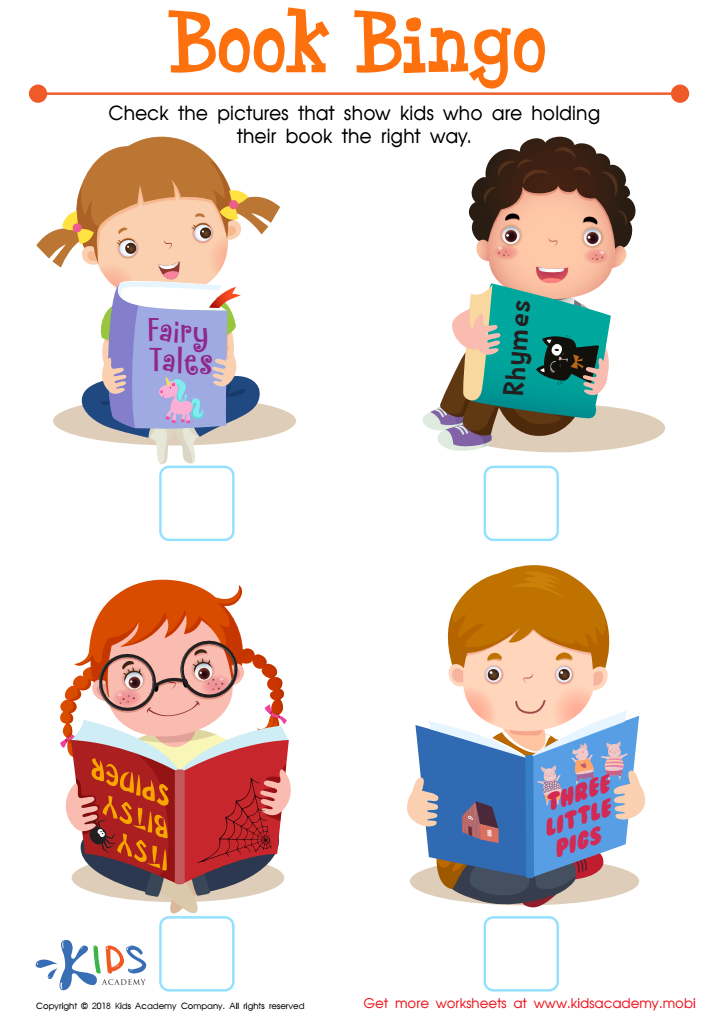
Book Bingo Worksheet
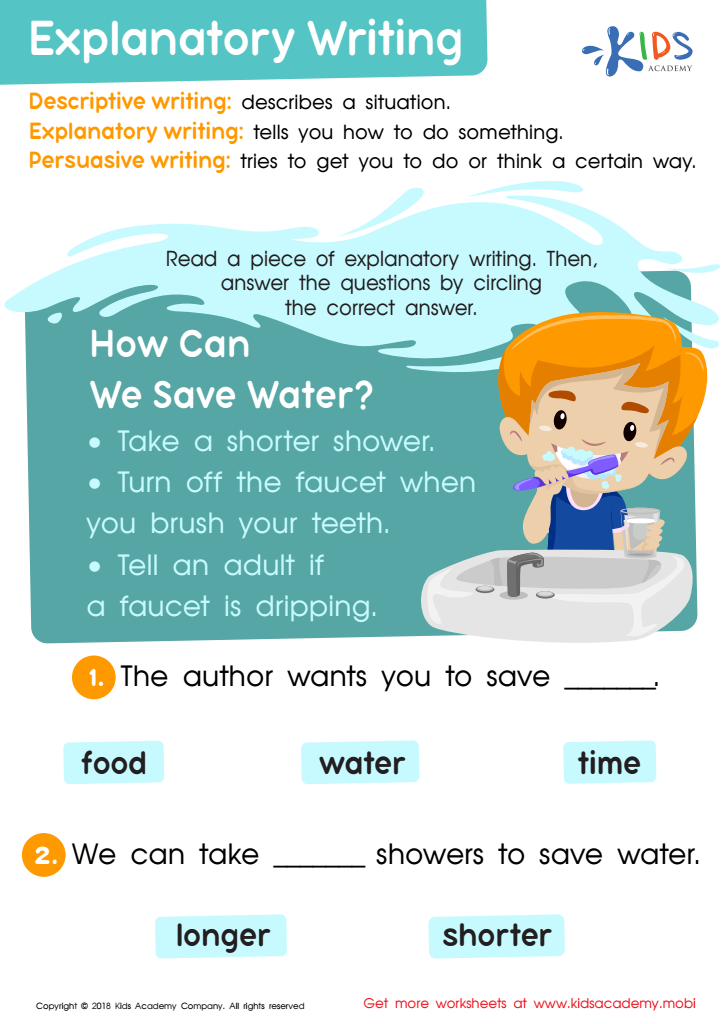
Explanatory Writing Worksheet
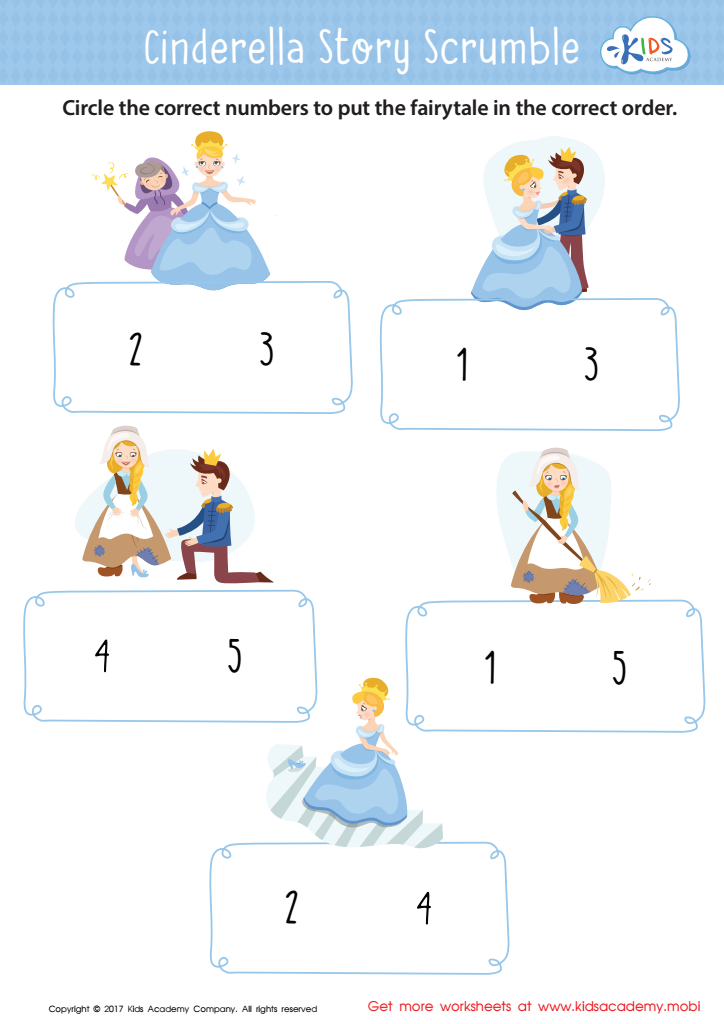
Cinderella Story Sequencing Worksheet
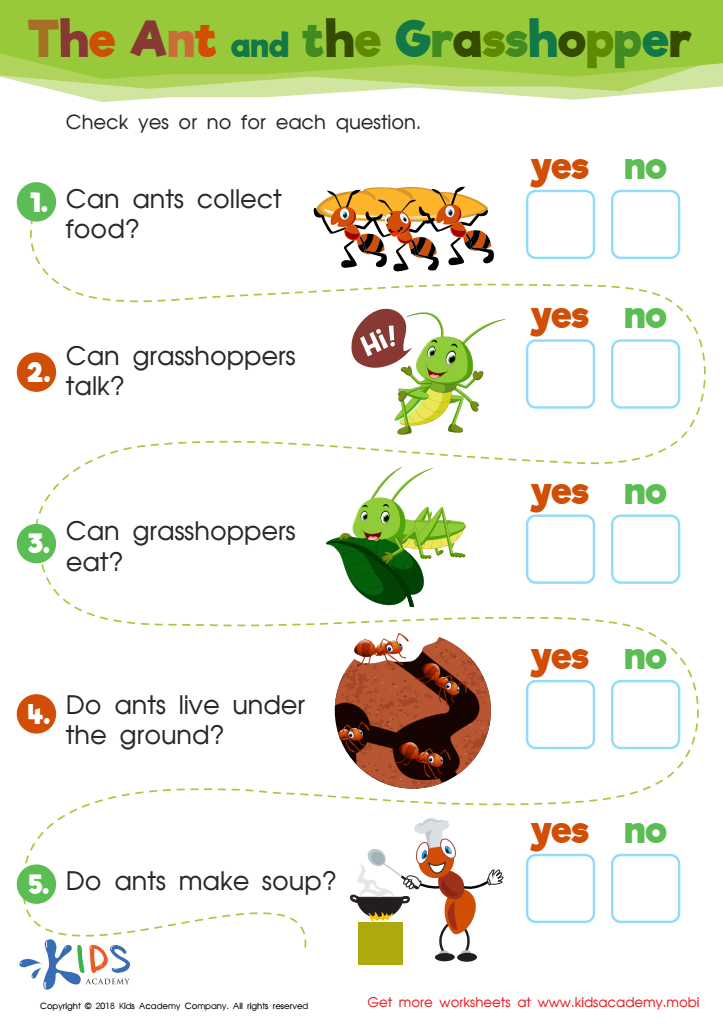
The Ant and The Grasshopper Worksheet
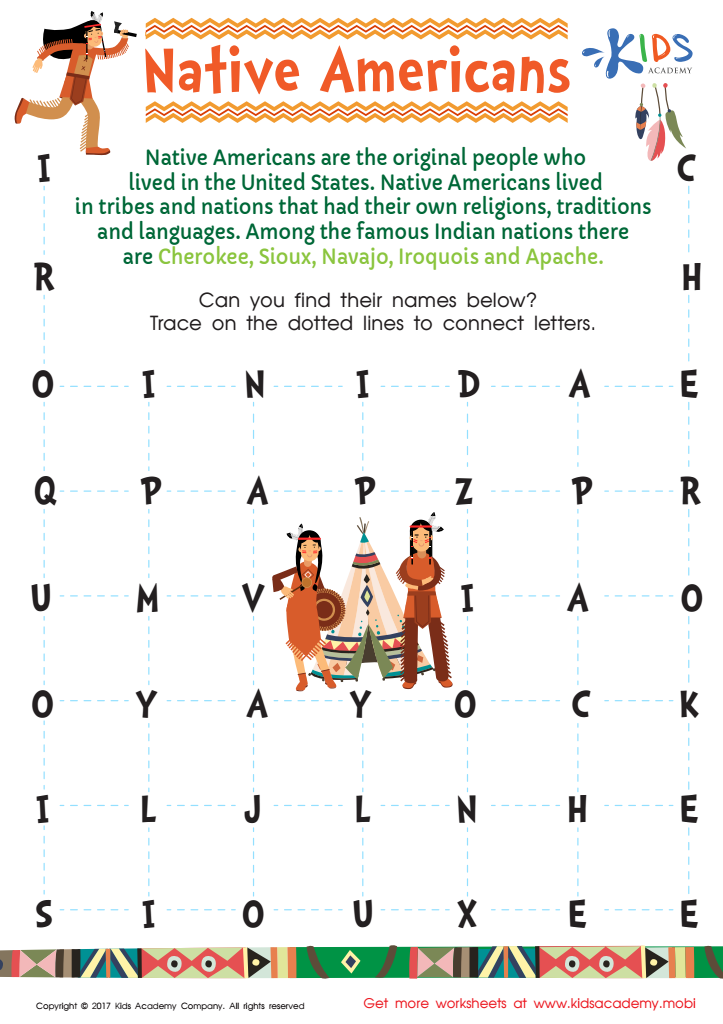
Native American Word Search Printable
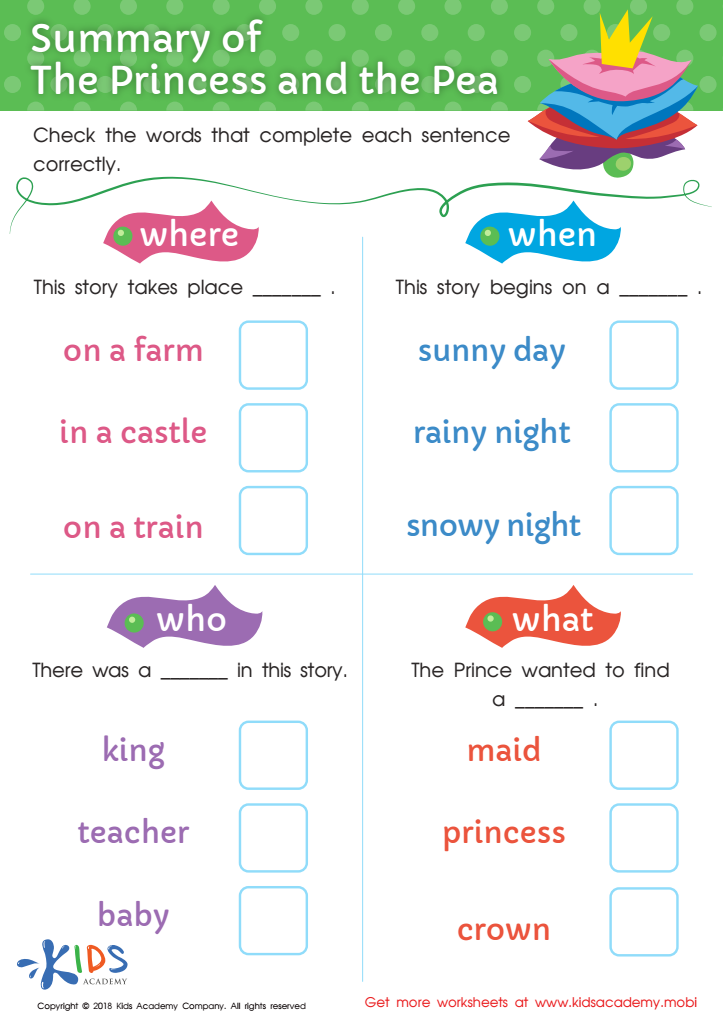
The Summary of the Princess and the Pea Worksheet
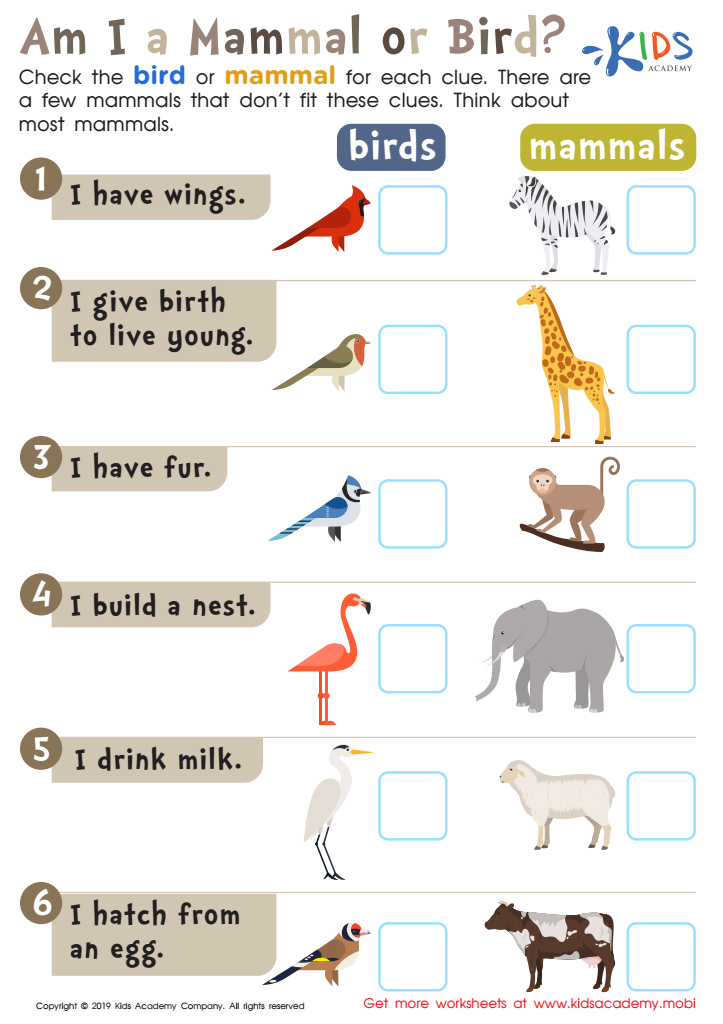
Am I a Mammal or Bird? Worksheet
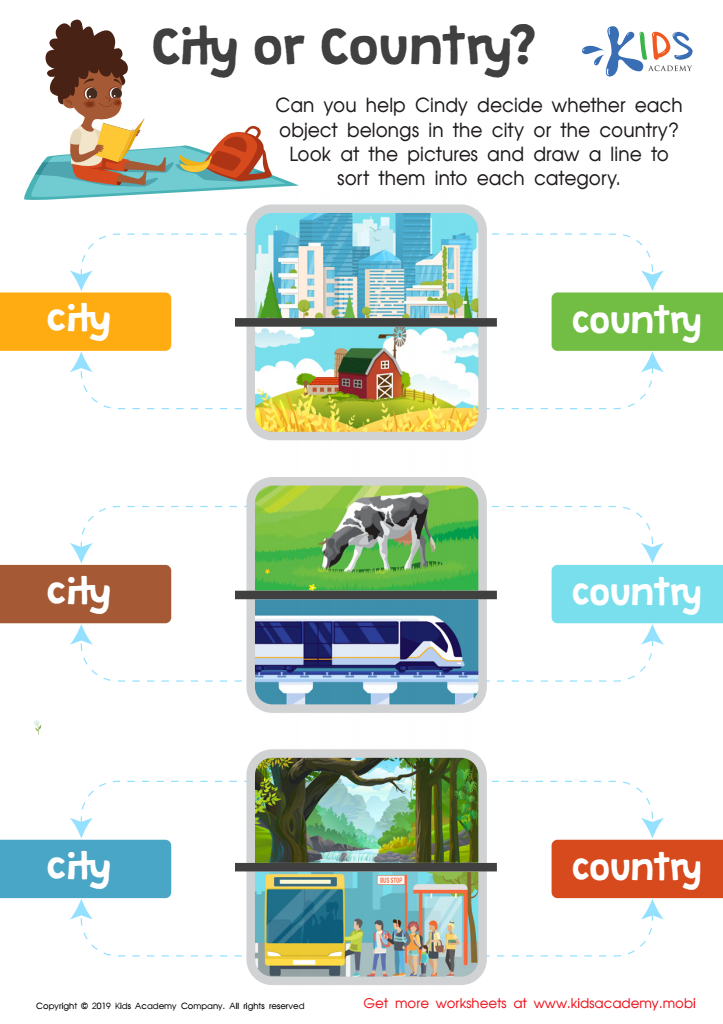
City or Country? Worksheet
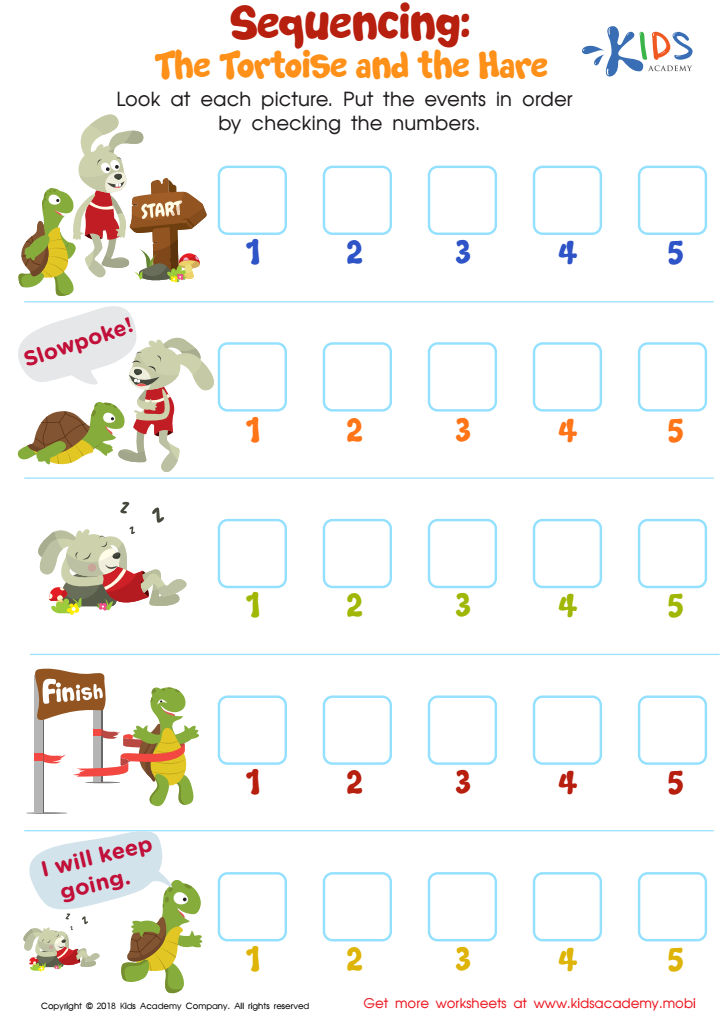
Sequencing: The Tortoise and the Hare Worksheet
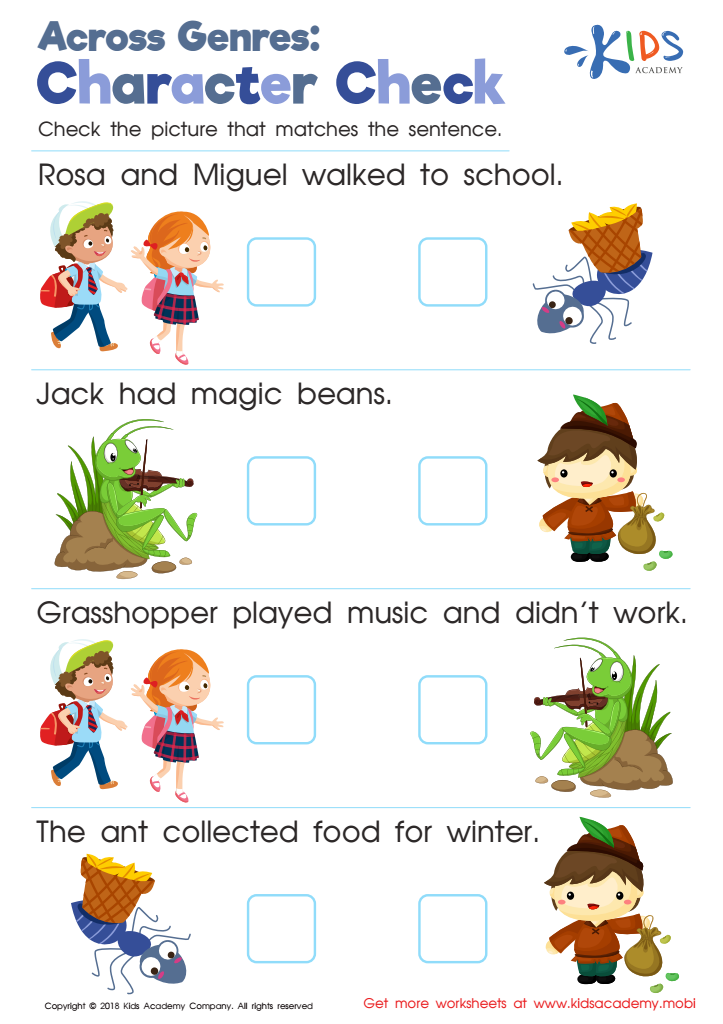
Across Genres: Character Check Worksheet
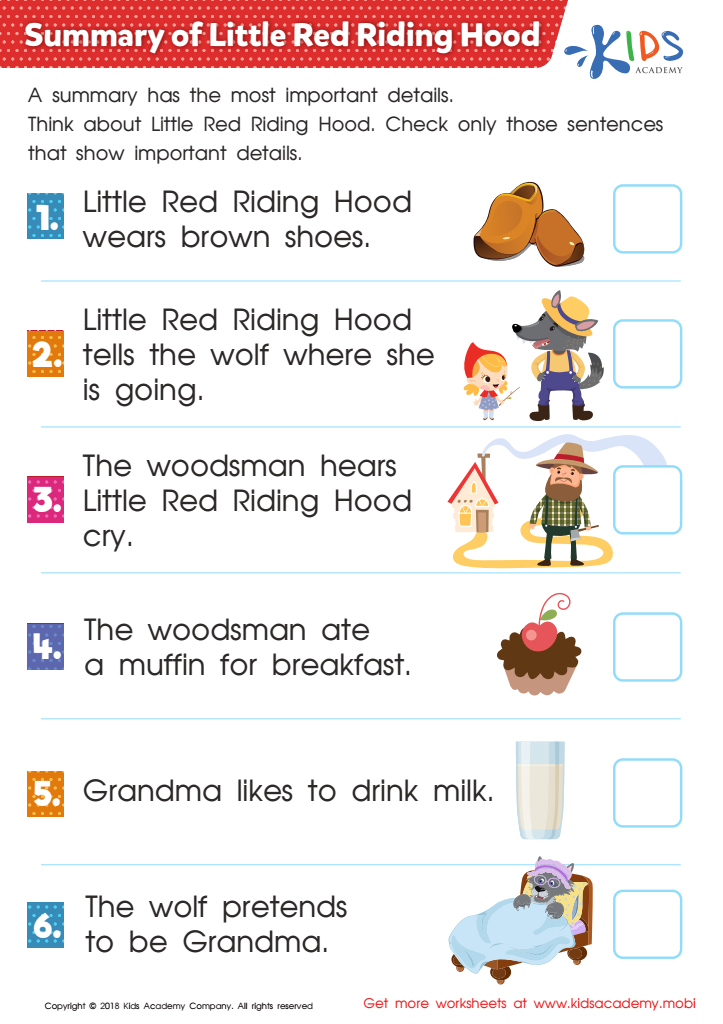
Summary of Little Red Riding Hood Worksheet
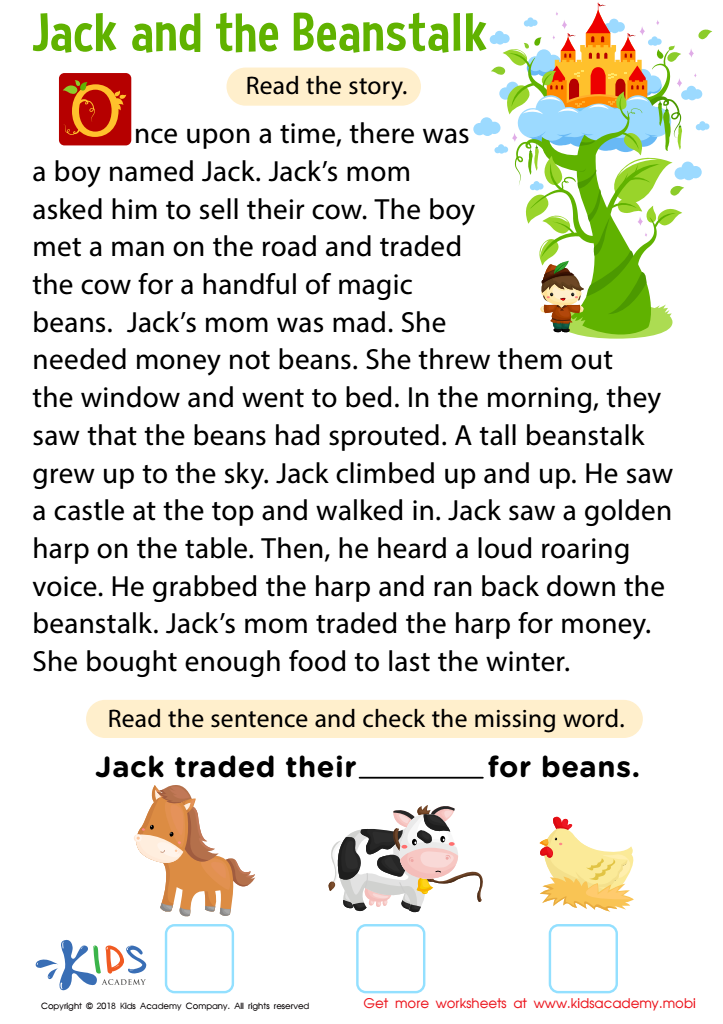
Jack and Beanstalk Worksheet
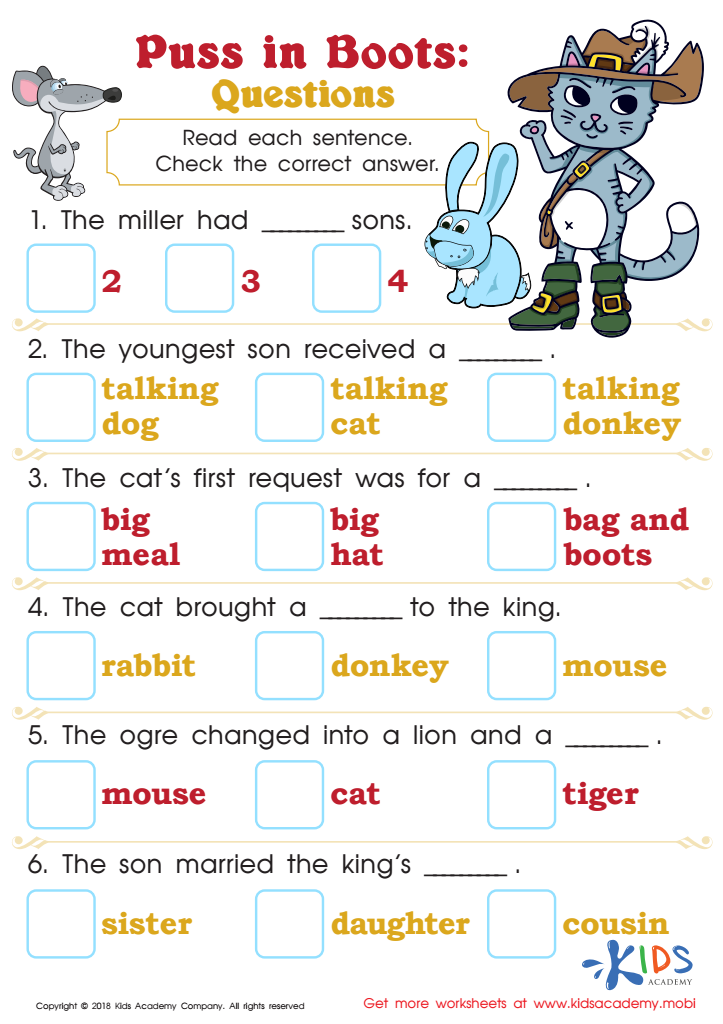
Puss in Boots: Questions Worksheet
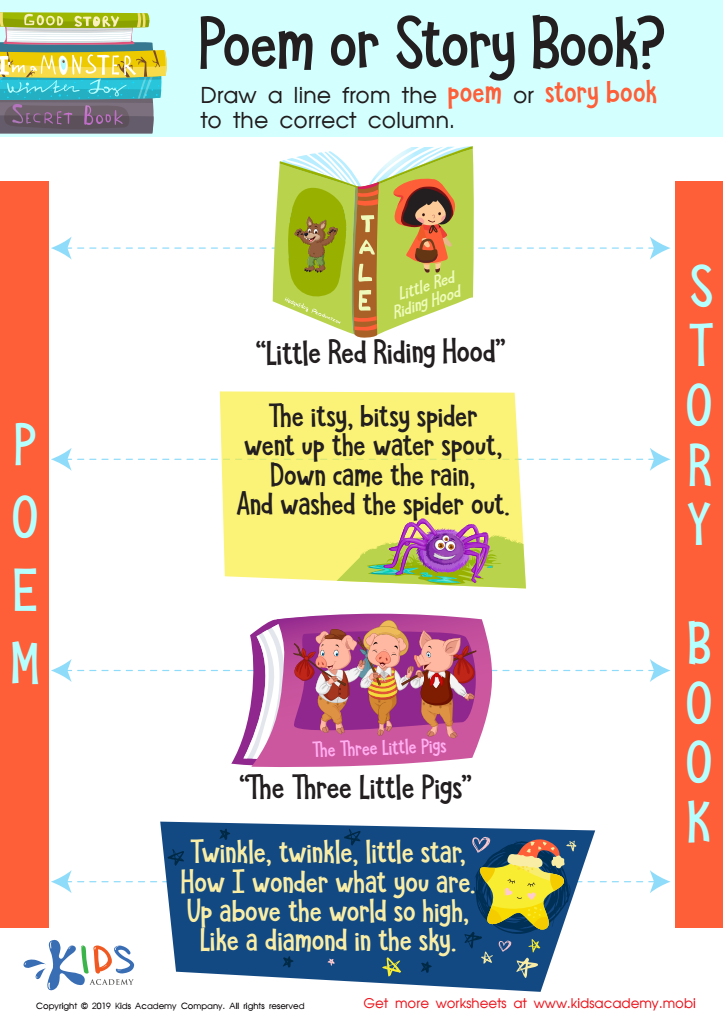
Poem or Story Book? Worksheet
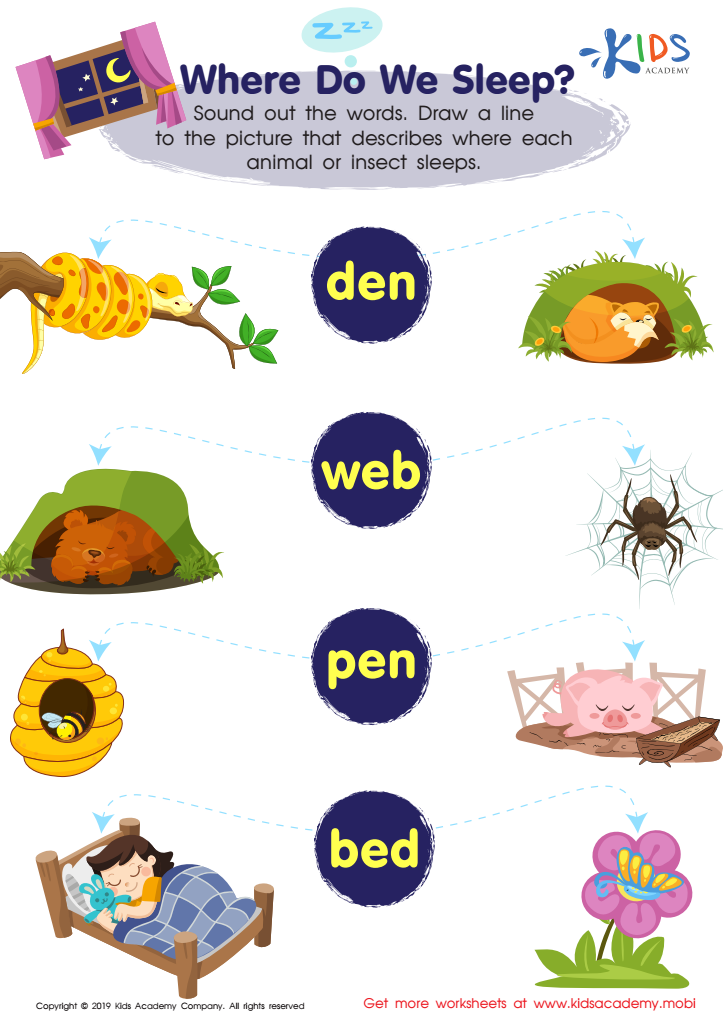
Where Do We Sleep Worksheet
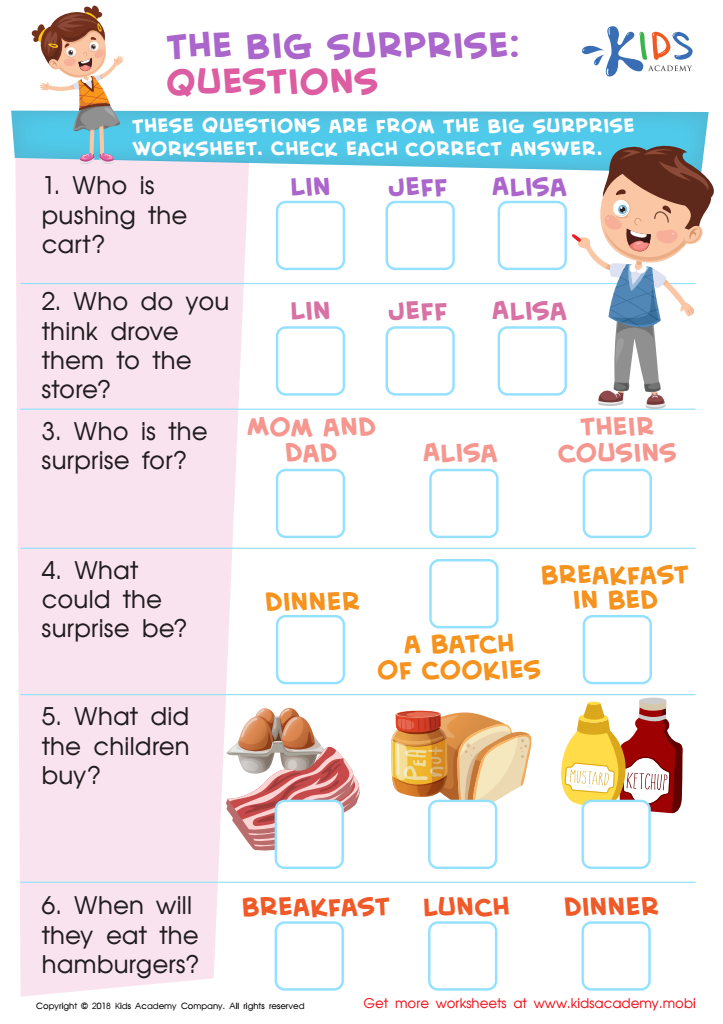
The Big Surprise: Questions Worksheet







Critical thinking reading is essential for children aged 6 to 8 for several reasons. At this developmental stage, children are transitioning from learning to read to reading to learn. Incorporating critical thinking skills into reading helps them not only to comprehend the text but also to evaluate, analyze, and synthesize information. This lays a strong foundation for lifelike problem-solving and decision-making.
Engaging in critical thinking reading encourages kids to ask questions, express their opinions, and make connections between the text and their own experiences. It fosters curiosity, helping them dive deeper into a story, understand characters’ motives, and recognize underlying themes. This practice not only enhances their comprehension abilities but also nurtures empathy and social understanding as they consider different perspectives.
Moreover, critical thinking reading equips children with tools they need in a rapidly changing world. As they learn to navigate diverse viewpoints and think independently, they develop confidence in their own voices. For parents and teachers, cultivating these skills is crucial, as it prepares children for academic success and helps them become informed, responsible citizens in an increasingly complex society. Emphasizing critical thinking at an early age shapes lifelong learners capable of contributing positively to their communities.








