Life Science Worksheets for Ages 6-8 - Page 2
36 filtered results
-
From - To
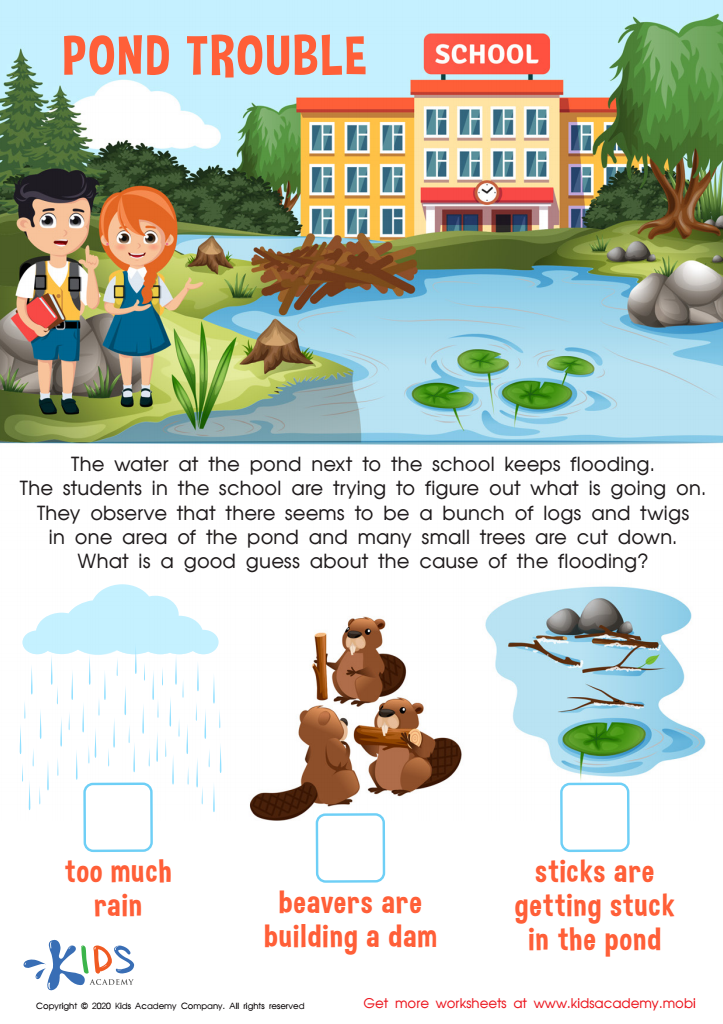
Pond Trouble Worksheet
 Assign to My Students
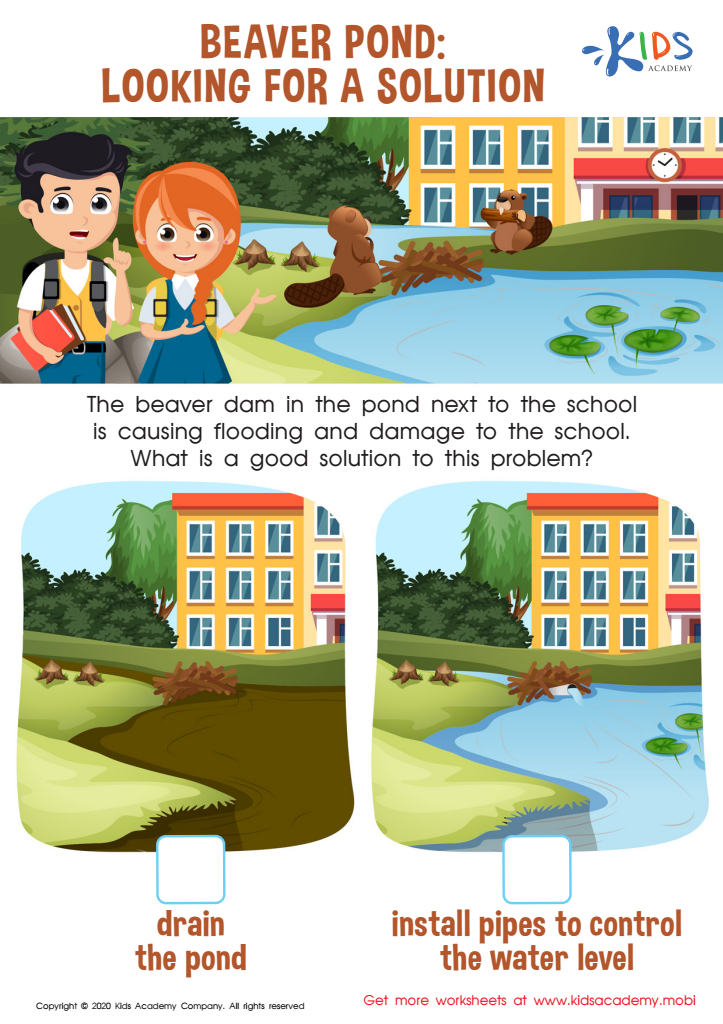
Beaver Pond: Looking for a Solution Worksheet
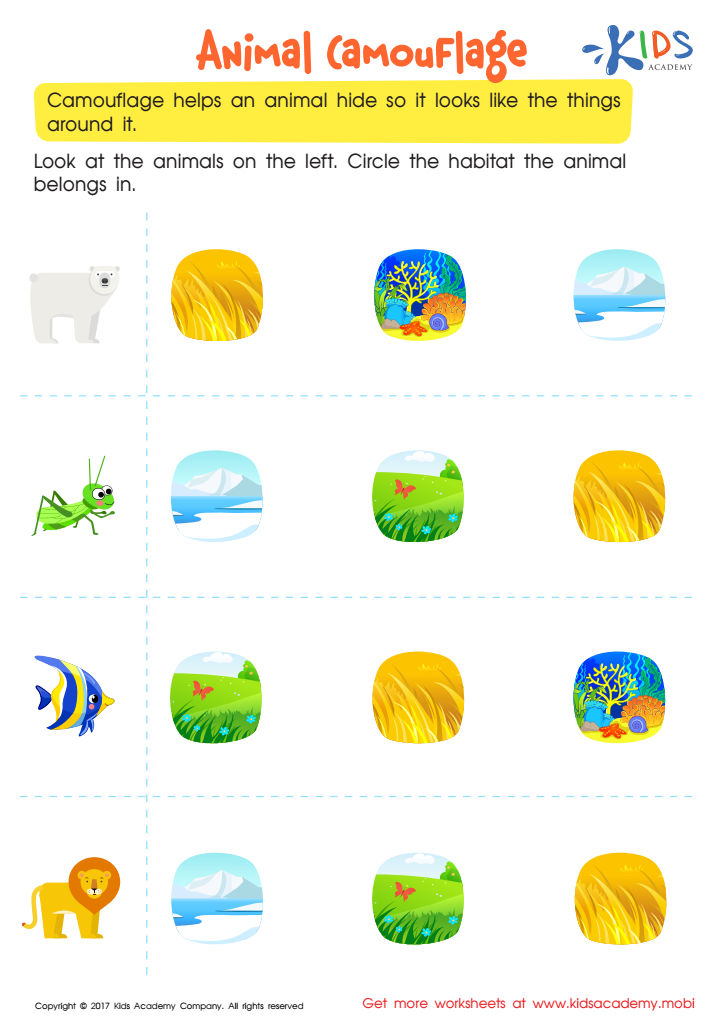
Animal Camouflage Worksheet
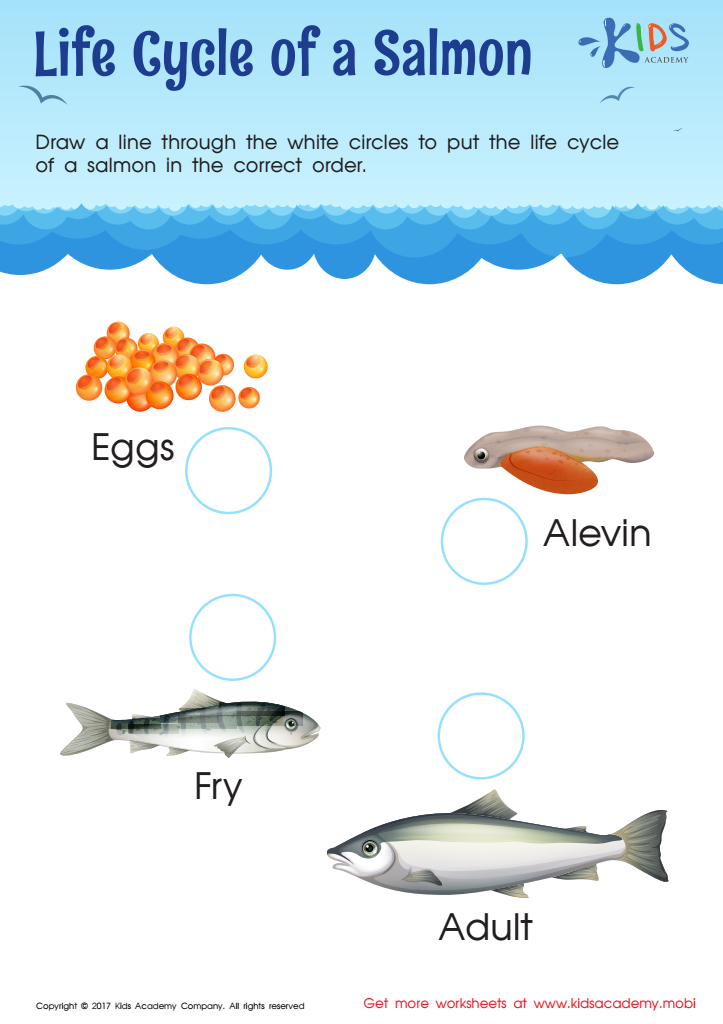
Cycle Of Salmon Worksheet
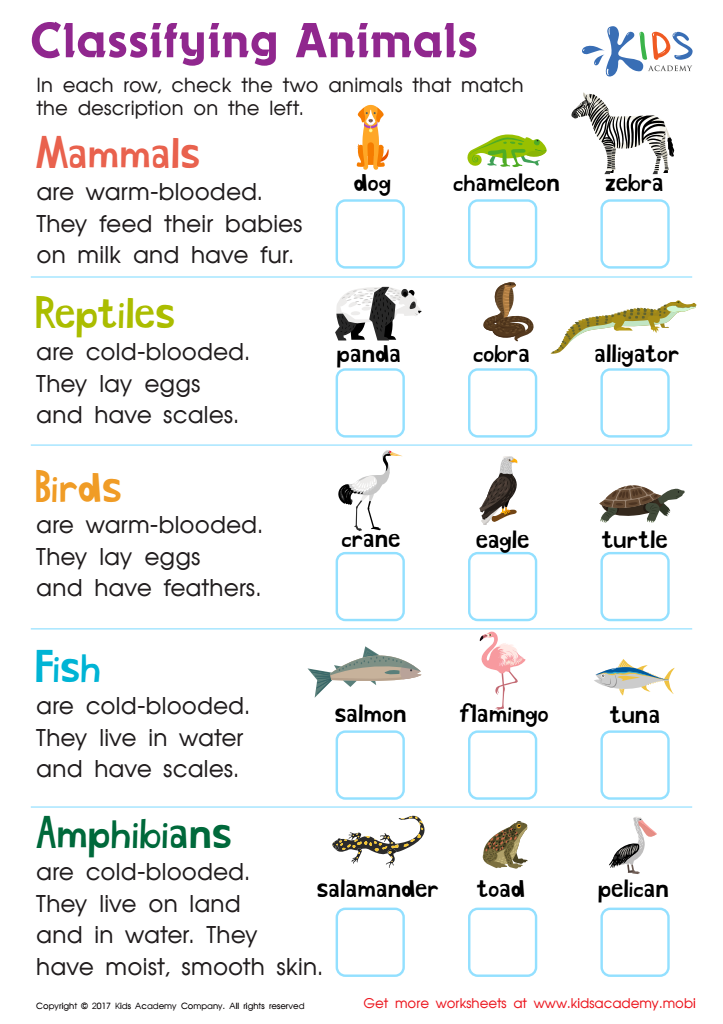
Classifying Animals Worksheet
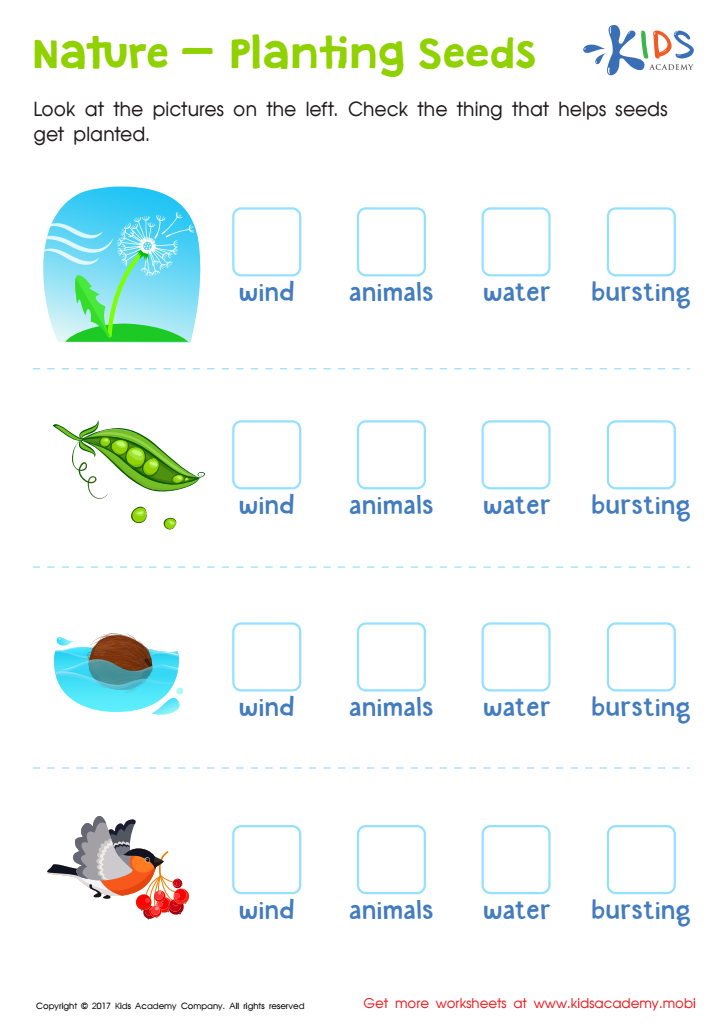
Nature Planting Seeds Worksheet
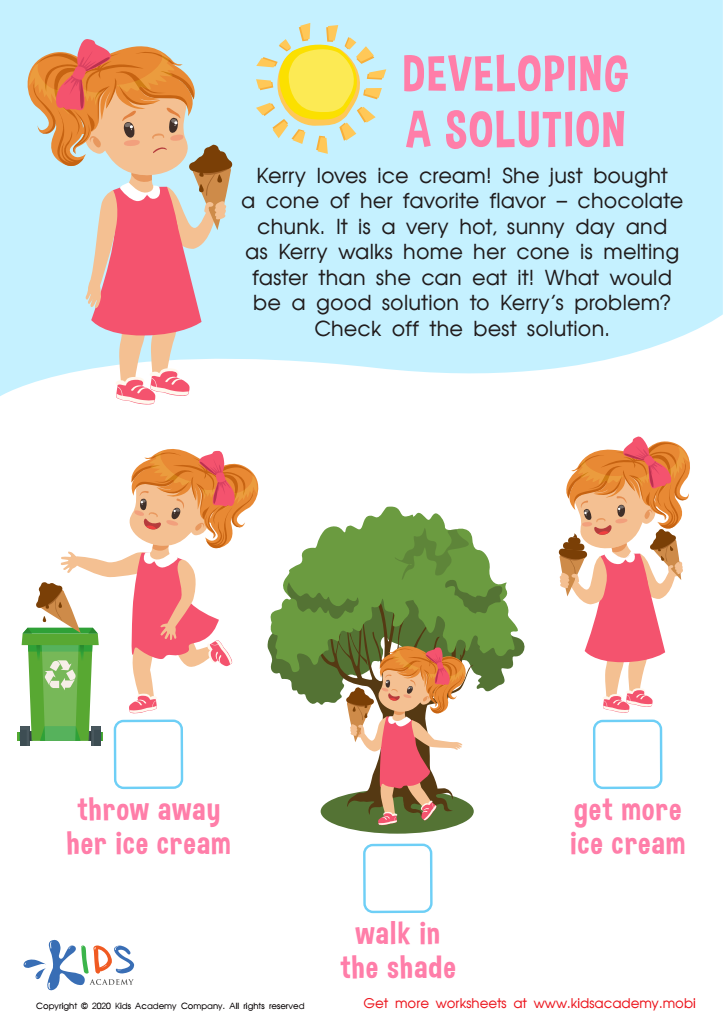
Developing Solution Worksheet
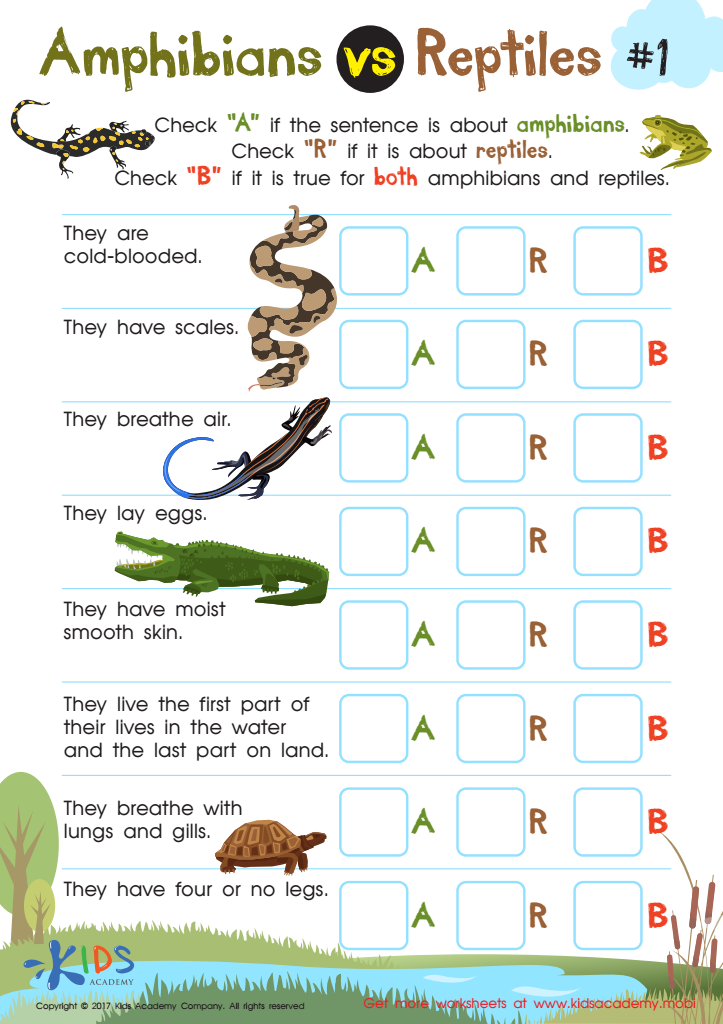
Amphibians vs Reptiles Worksheet
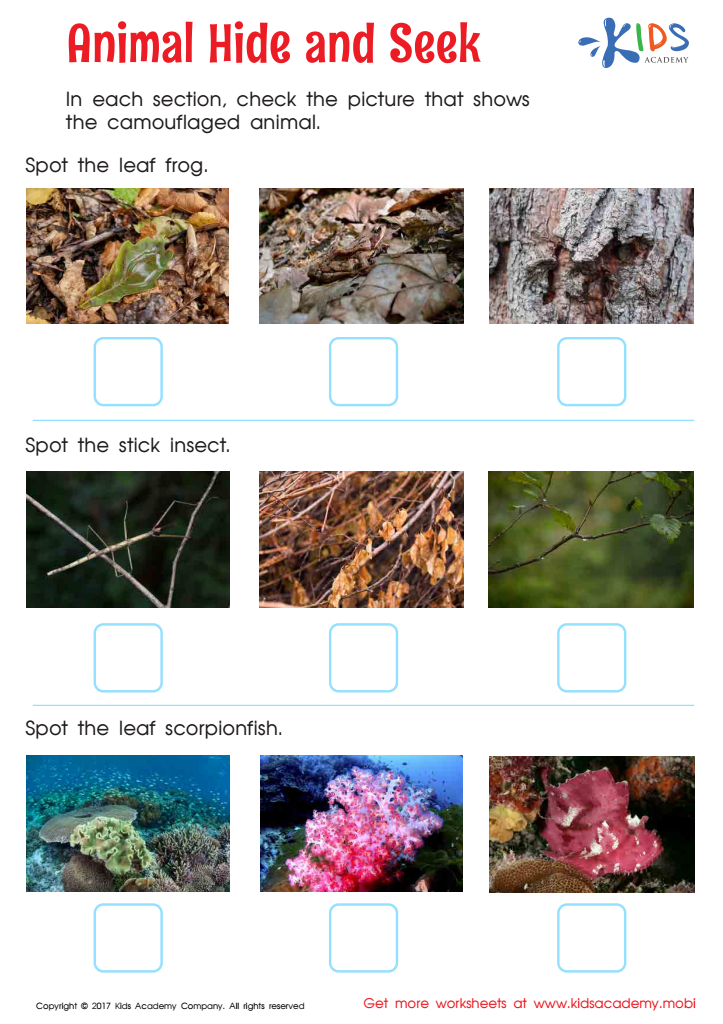
Animal Hide and Seek Worksheet
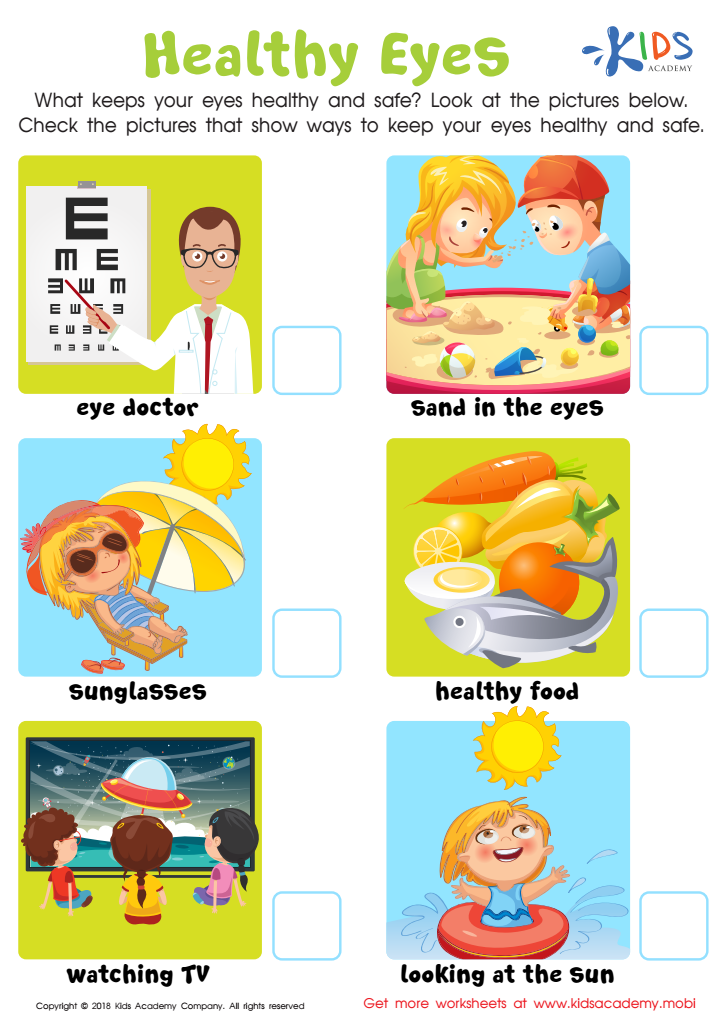
Healthy Eyes Worksheet
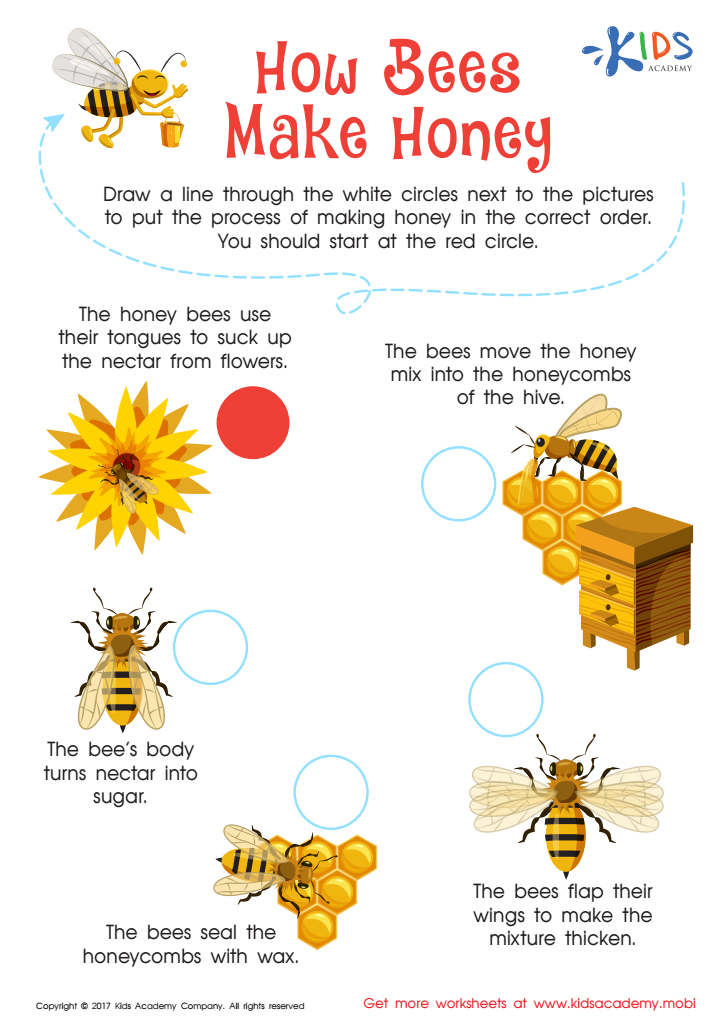
Honey Bee Worksheet
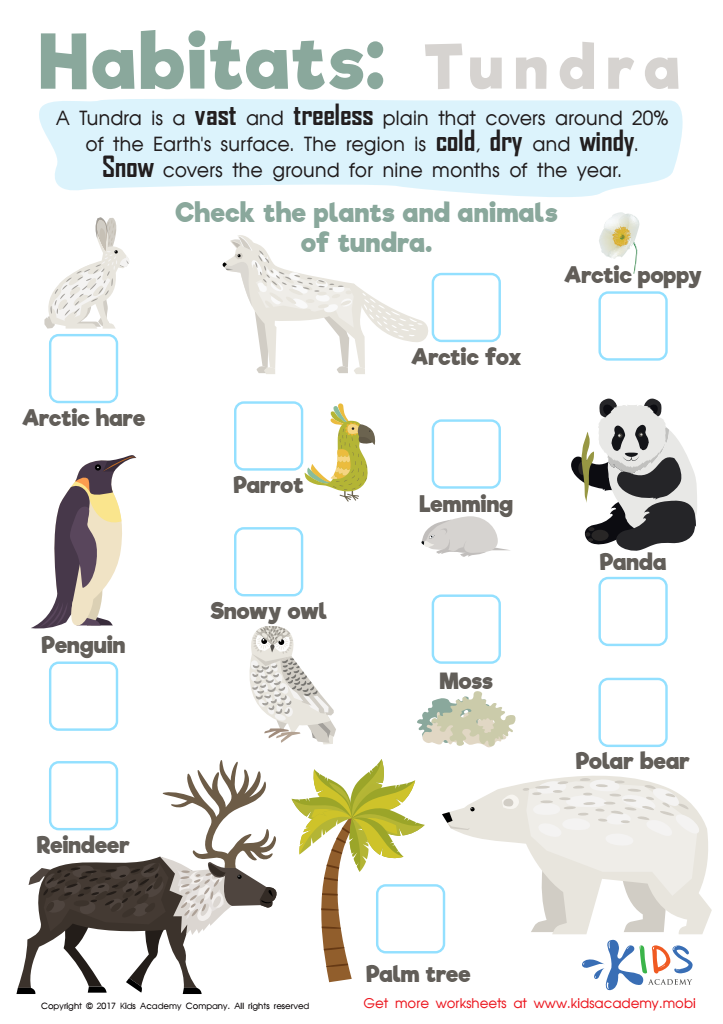
Tundra Habitats Worksheet







Life Science teaches children about living organisms and their processes, laying a crucial foundation for understanding the natural world. For ages 6-8, this subject is particularly important for several reasons. Firstly, it fosters curiosity and a sense of wonder about their environment. Young children are naturally inquisitive, and learning about plants, animals, and ecosystems answers many of their "why" questions, satisfying their innate desire to learn.
Secondly, early exposure to Life Science cultivates critical thinking and problem-solving skills. Children engage in observing, hypothesizing, experimenting, and drawing conclusions—fundamental aspects of scientific inquiry. These skills are transferable to other subjects and real-life situations, contributing to their overall cognitive development.
Furthermore, Life Science education promotes empathy and responsibility. Understanding how living things interact and depend on each other helps children appreciate the importance of conservation and sustainability. This awareness encourages compassionate behavior toward other living beings and fosters a sense of stewardship for the Earth.
Lastly, learning Life Science can inspire long-term interest in various science fields, potentially guiding future educational and career choices. By providing engaging, hands-on experiences, teachers and parents can ignite a lifelong passion for exploration and learning, shaping the next generation of informed, caring citizens.








