Fine Motor Skills Plants and Animals Worksheets for Ages 6-8
5 filtered results
-
From - To
Enhance your child's fine motor skills with our engaging Plants and Animals worksheets designed for ages 6-8. These printable resources provide a fun blend of science and active learning, encouraging young learners to explore the fascinating world of flora and fauna. Each worksheet features creative activities, including tracing, coloring, and cutting, which help develop hand-eye coordination and dexterity. As your child interacts with vibrant illustrations of various plants and animals, they will build essential skills while fostering a love for nature. Perfect for home or classroom use, our worksheets make learning both enjoyable and impactful! Download now to get started!
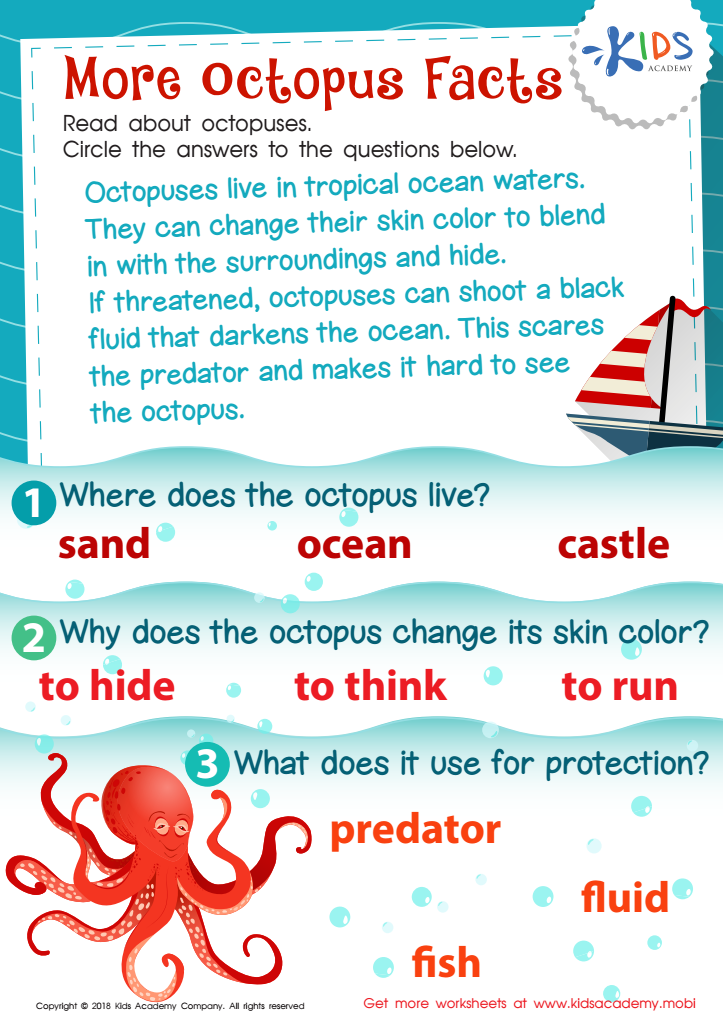
More Octopus Facts Worksheet
 Assign to My Students











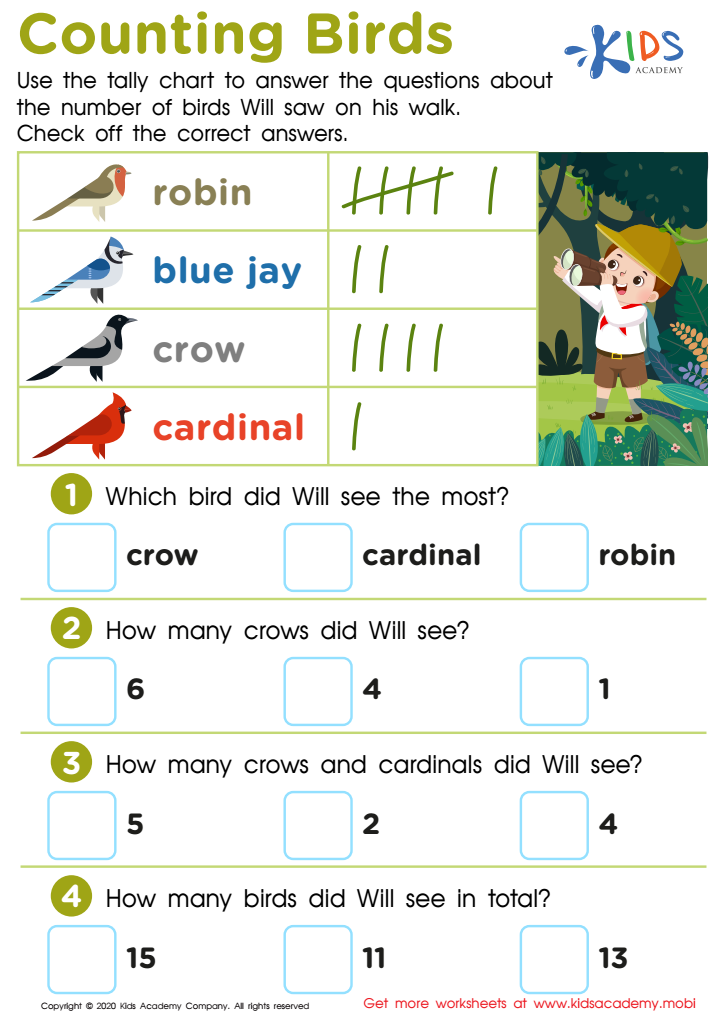
Counting Birds Worksheet
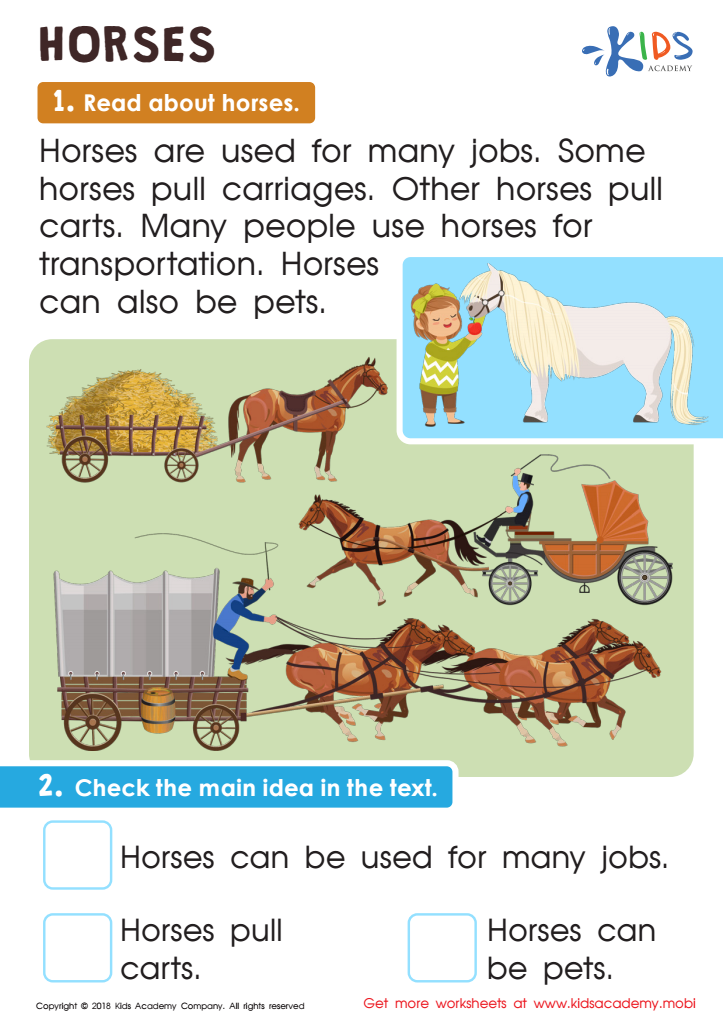
Horses Worksheet
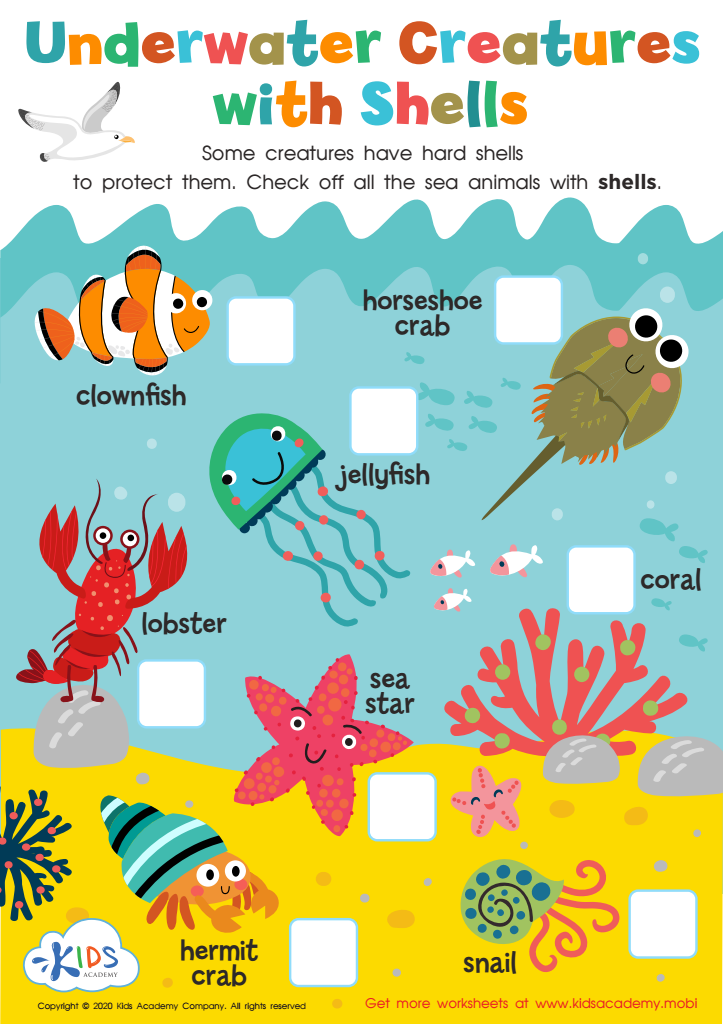
Underwater Creatures with Shells Worksheet
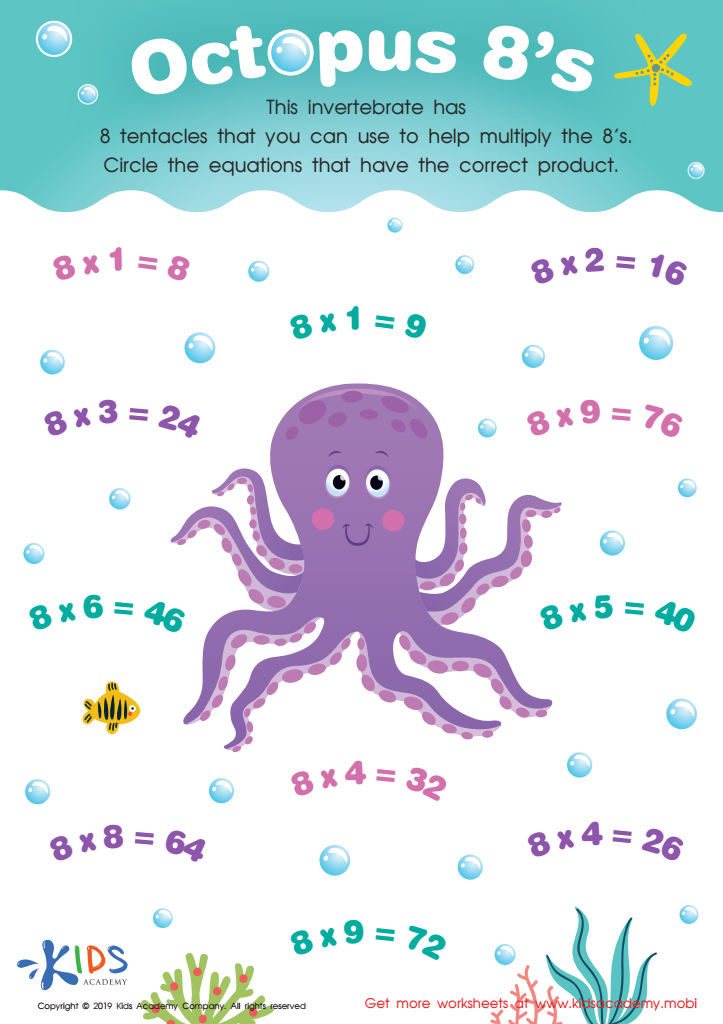
Octopus 8’s Worksheet








Fine motor skills are essential for children aged 6-8 as they form the foundation for many everyday tasks, including writing, drawing, and participating in various activities related to plants and animals. These skills involve the coordination of small muscles in the hands and fingers, enabling children to manipulate tools and materials effectively.
By integrating the theme of plants and animals into fine motor activities, parents and teachers can make learning more engaging and relevant. Activities such as planting seeds, creating animal habitats with clay, or engaging in crafts like leaf rubbings provide hands-on experiences that promote fine motor development while encouraging exploration and appreciation of the natural world.
Additionally, these experiences enhance children's cognitive abilities, promoting critical thinking and problem-solving as they observe and interact with living things. Understanding plants and animals nurtures a sense of responsibility and care for the environment, which is crucial for developing empathetic citizens.
Moreover, as fine motor skills improve, children gain confidence in their abilities, paving the way for better academic performance and creativity. Ultimately, parents and teachers should prioritize fine motor skills activities that incorporate themes of plants and animals, fostering overall growth in young learners.








