Space Worksheets for Ages 6-8 - Page 2
41 filtered results
-
From - To
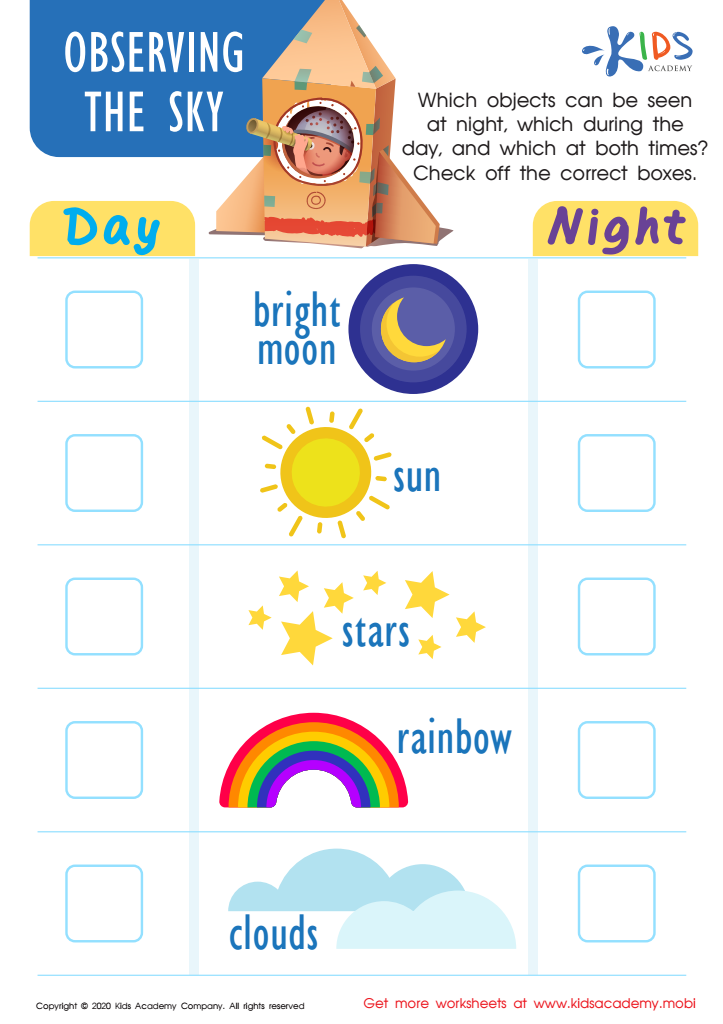
Observing the Sky Worksheet
 Assign to My Students
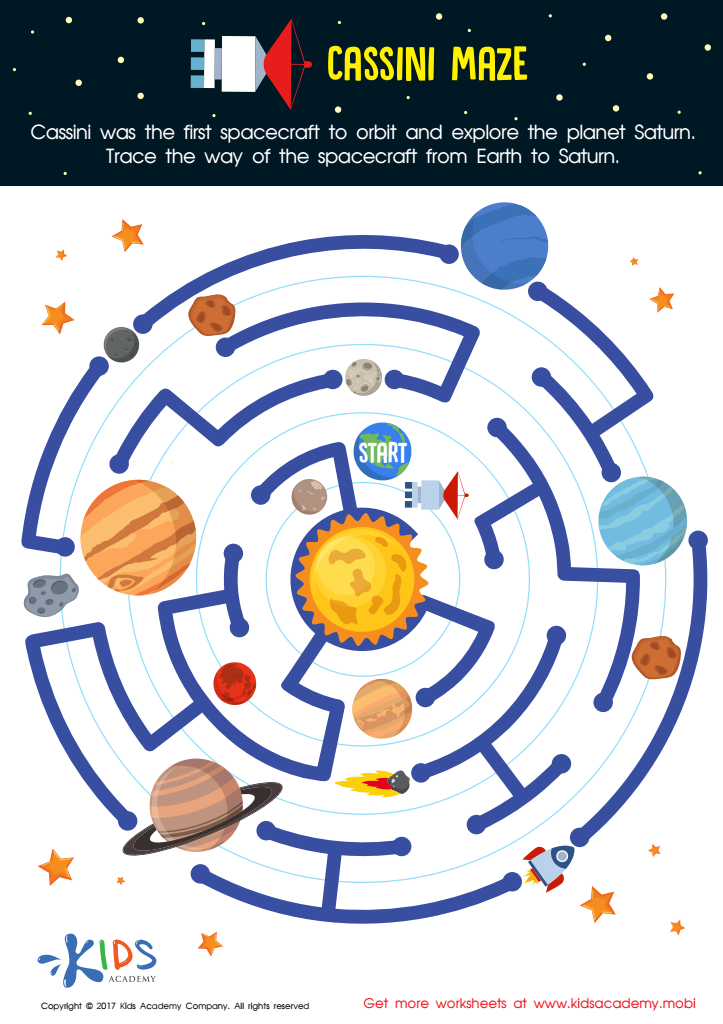
Cassini Printable Worksheet
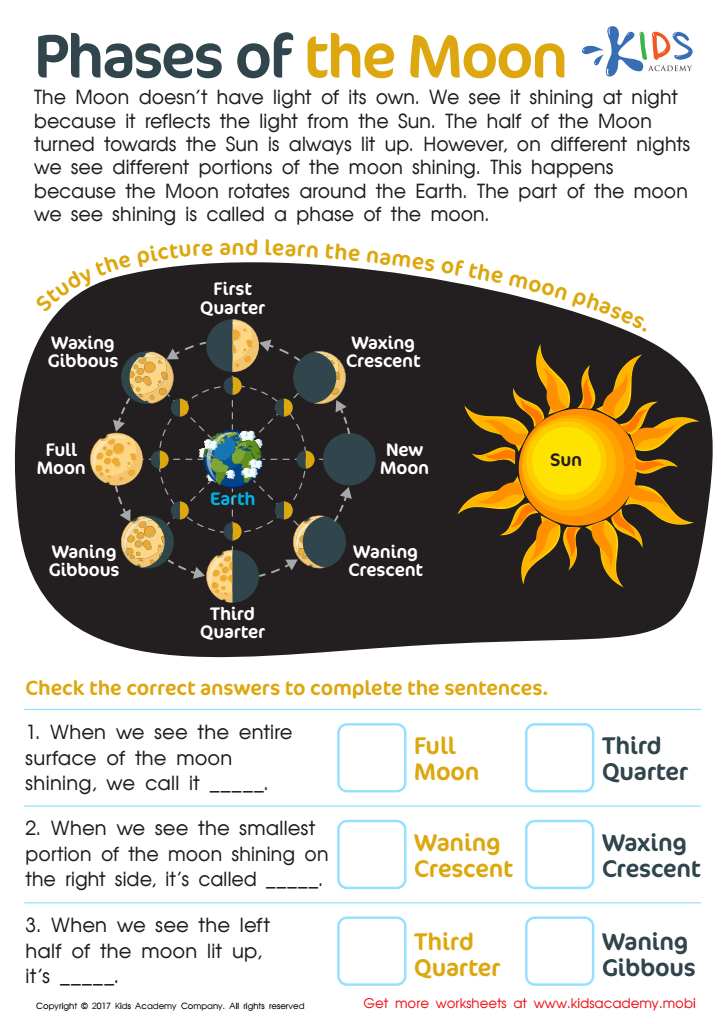
Phases of The Moon Worksheet
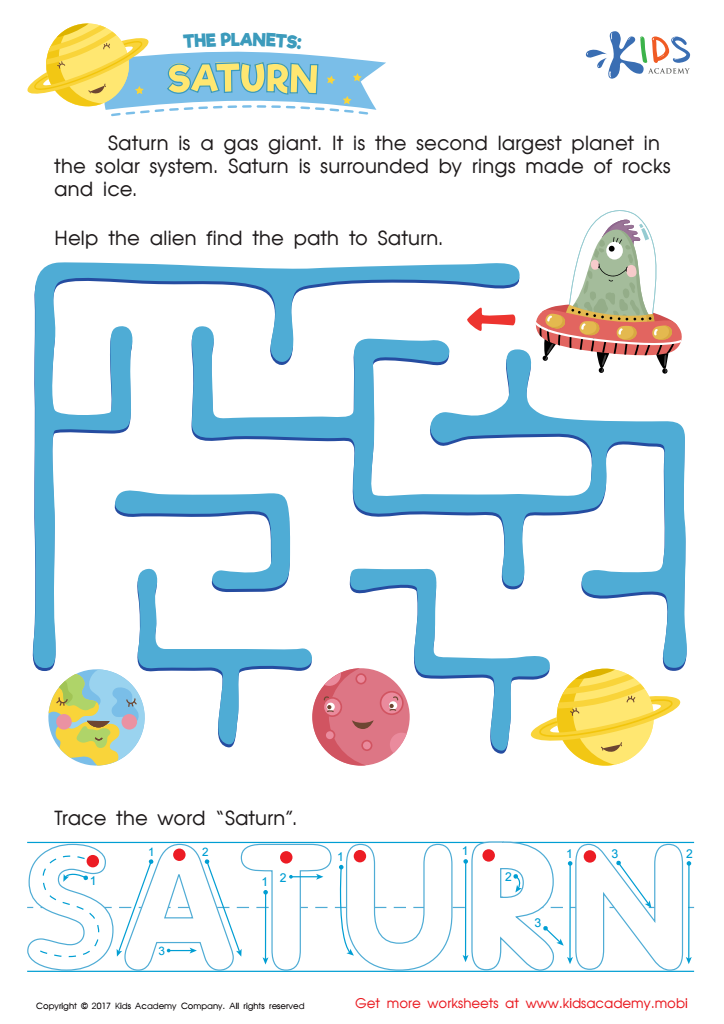
The Planets: Saturn Printable
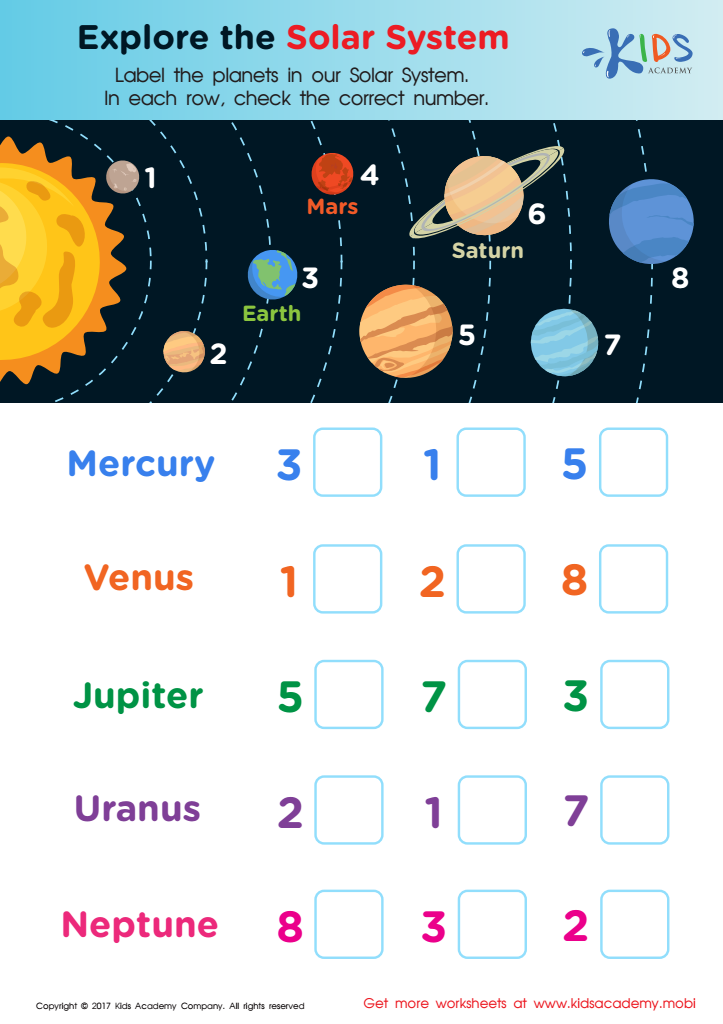
Solar System Planets Worksheet
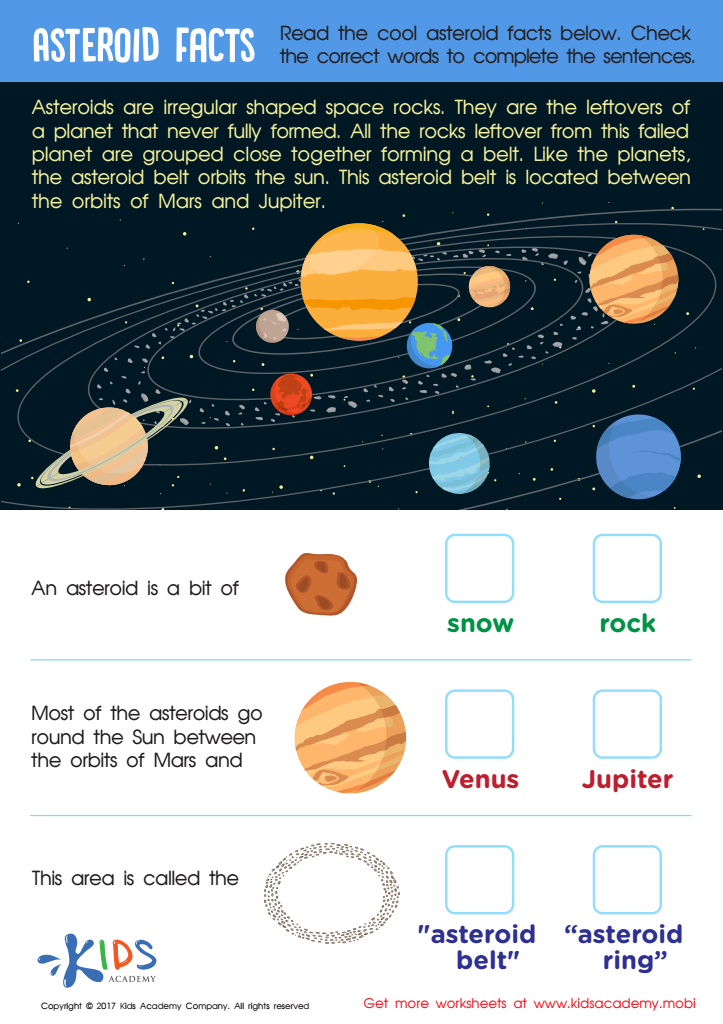
Asteroid Facts Worksheet
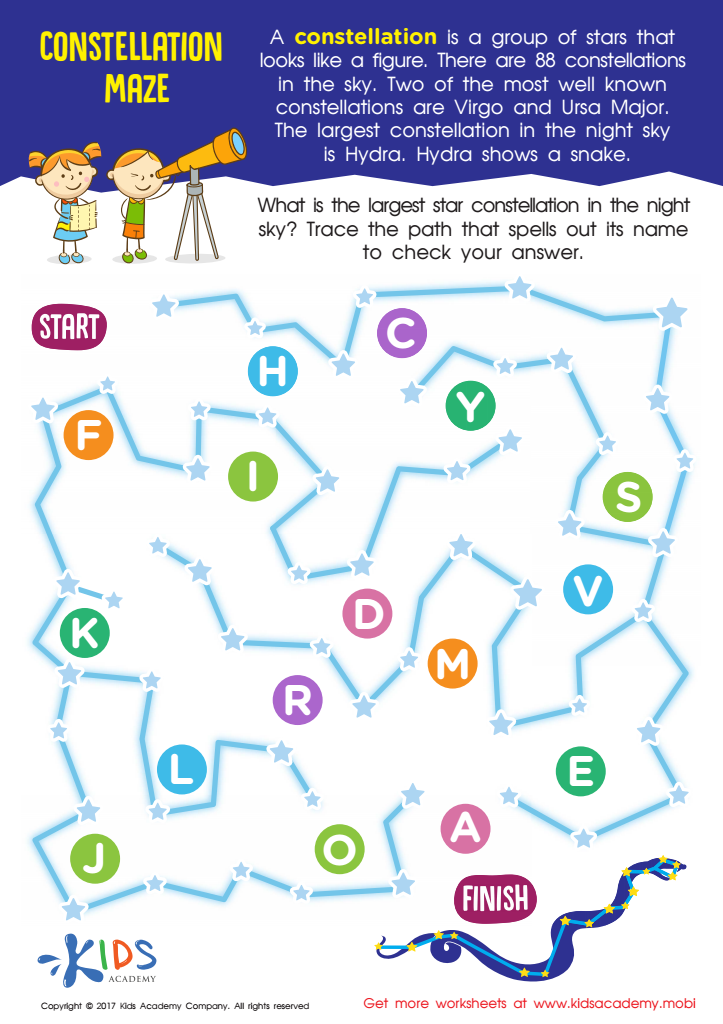
Constellations Worksheet
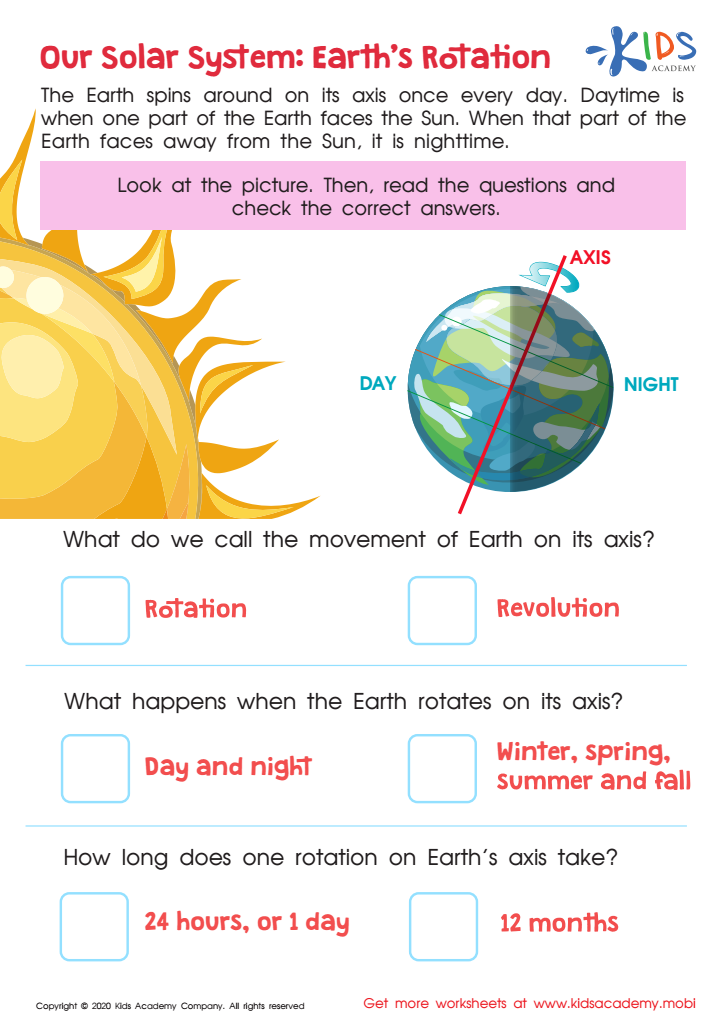
Our Solar System: Earth's Rotation Printable
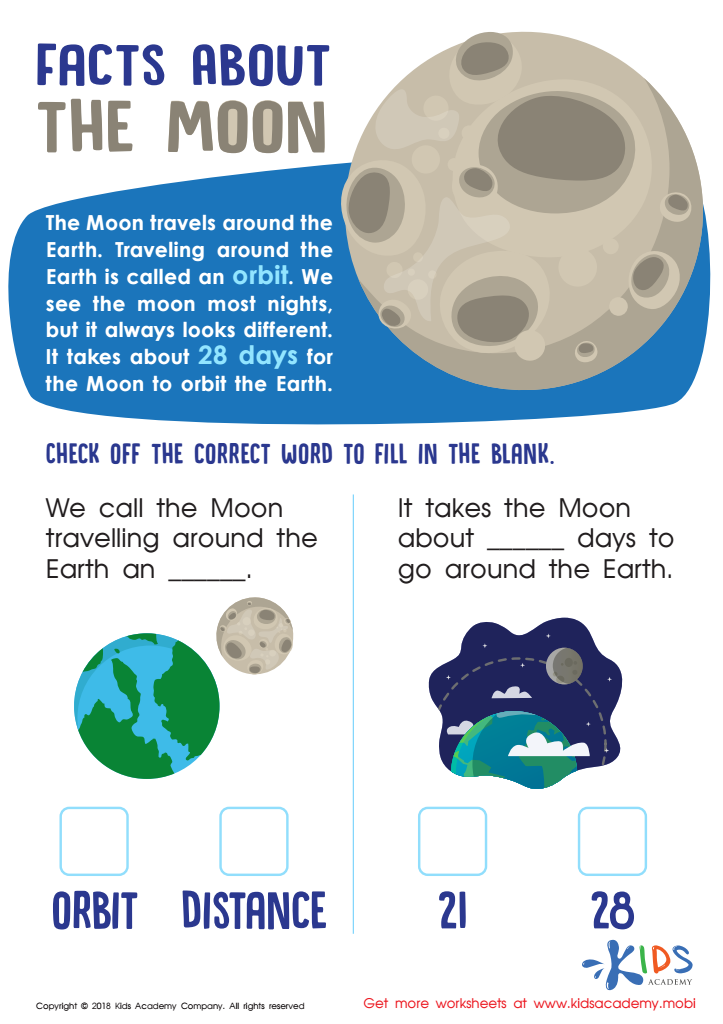
Facts About the Moon Worksheet
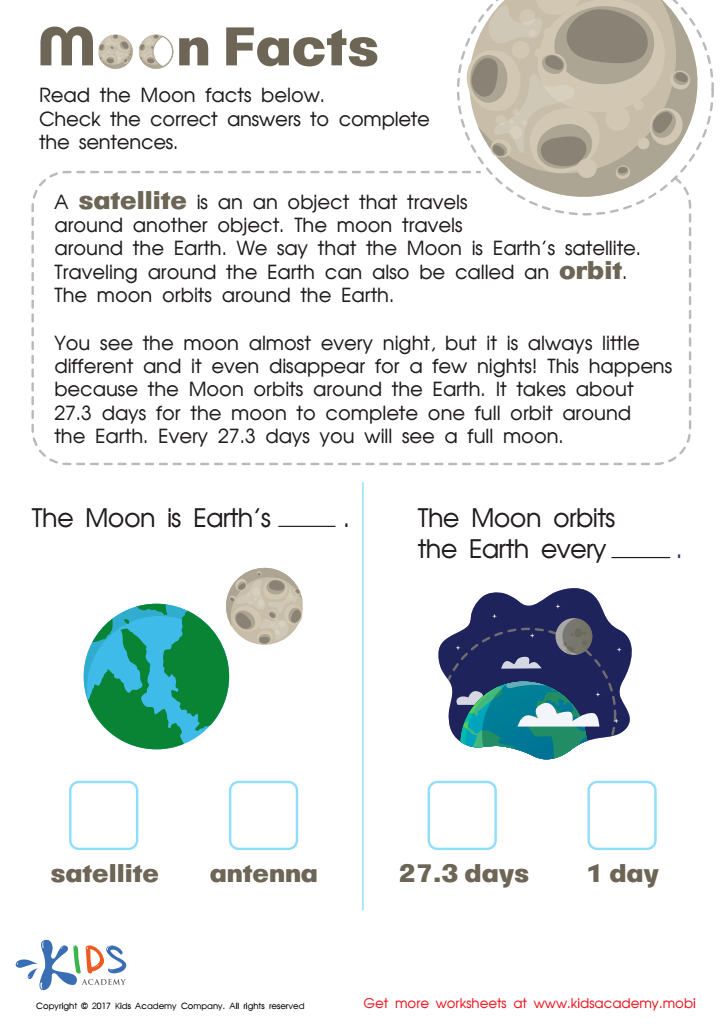
Moon Facts Worksheet
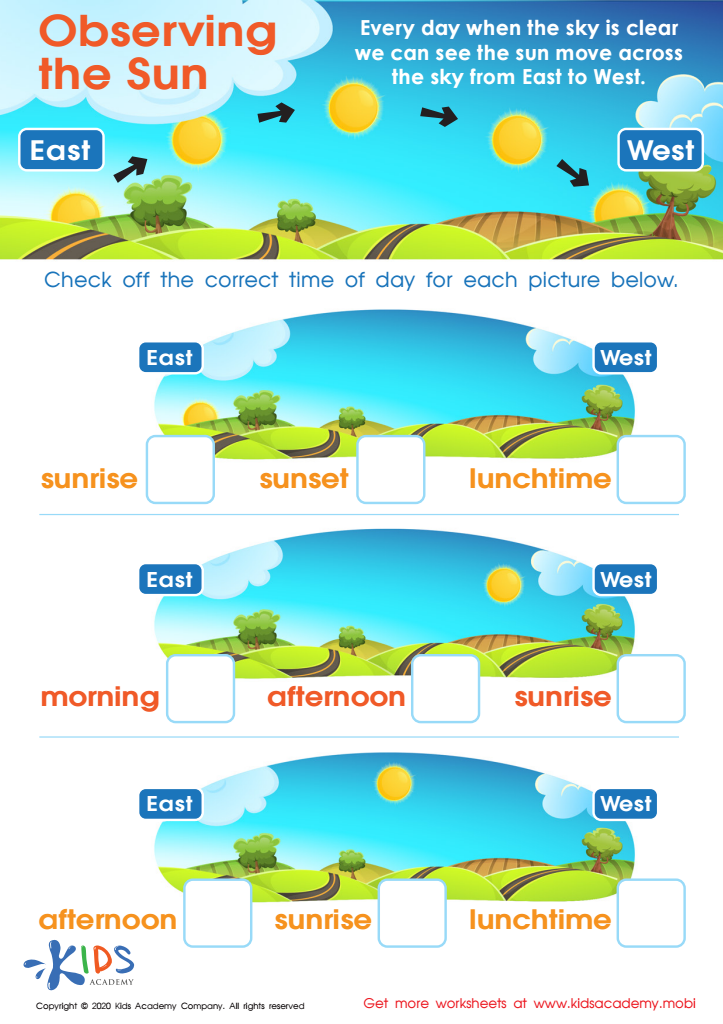
Observing the Sun Worksheet
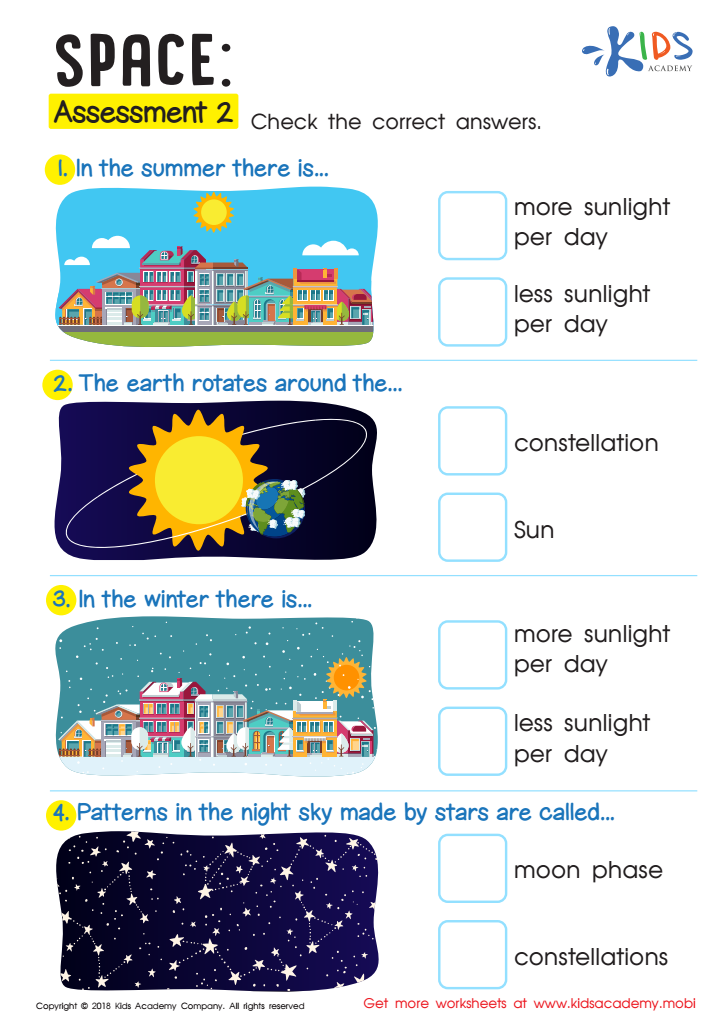
Space: Assessment 2 Worksheet
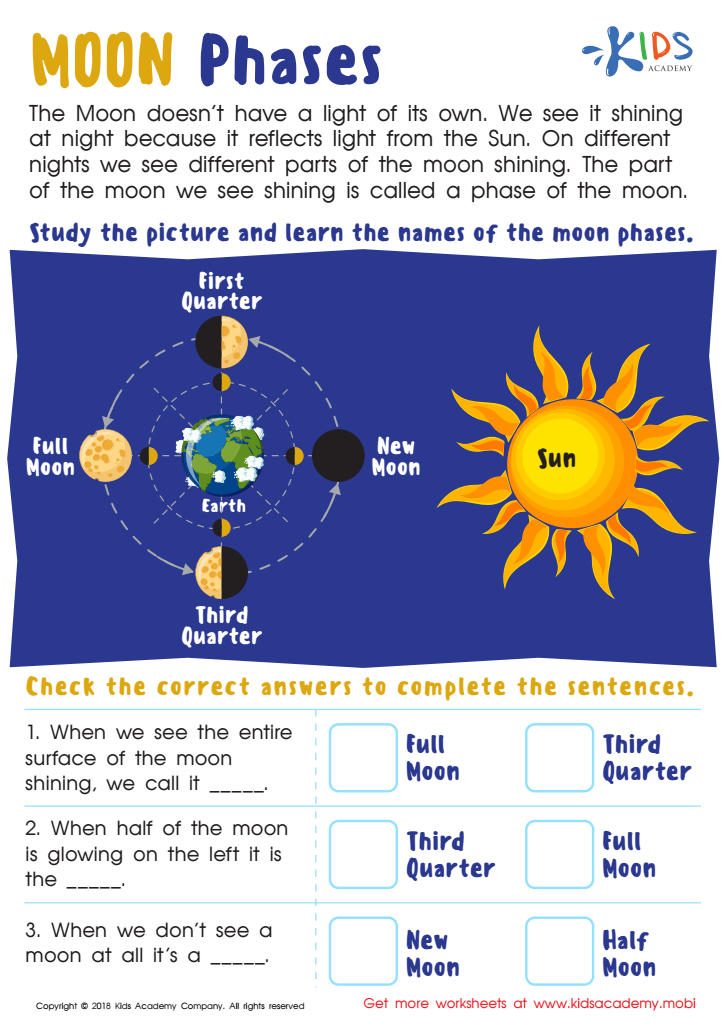
Moon Phases Worksheet
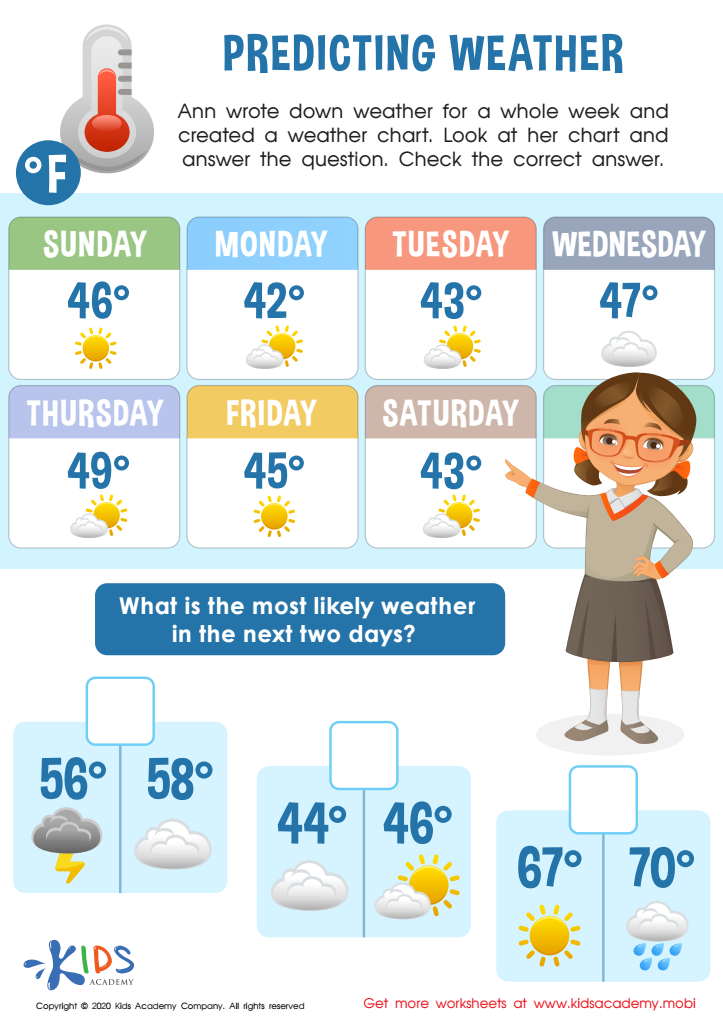
Predicting Weather Worksheet
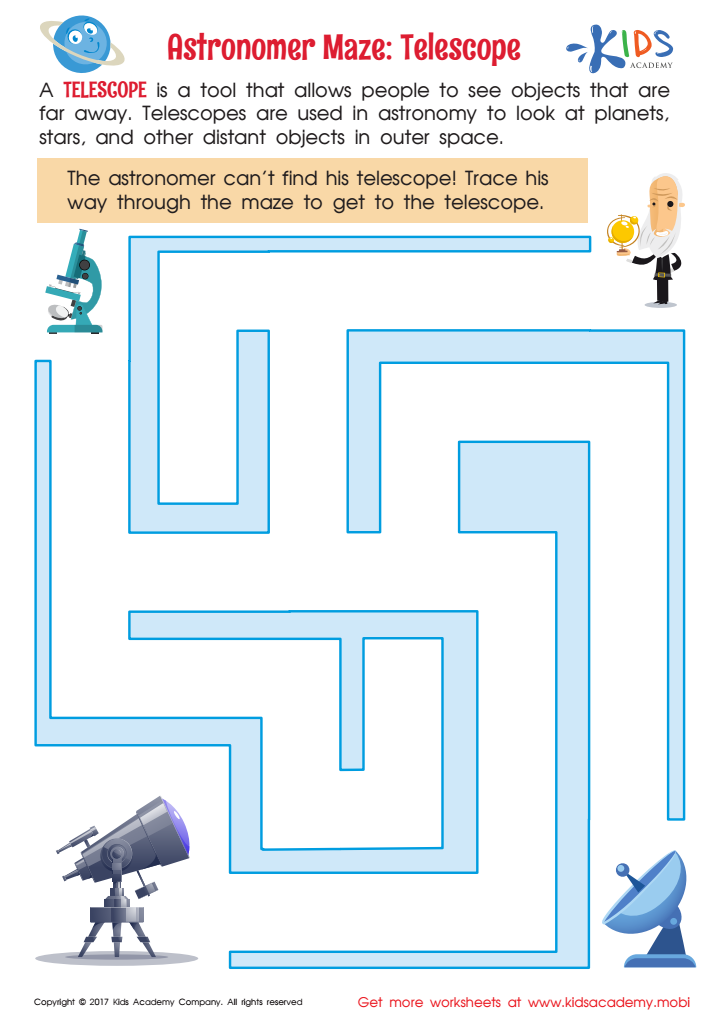
Astronomer Maze: Telescope Worksheet
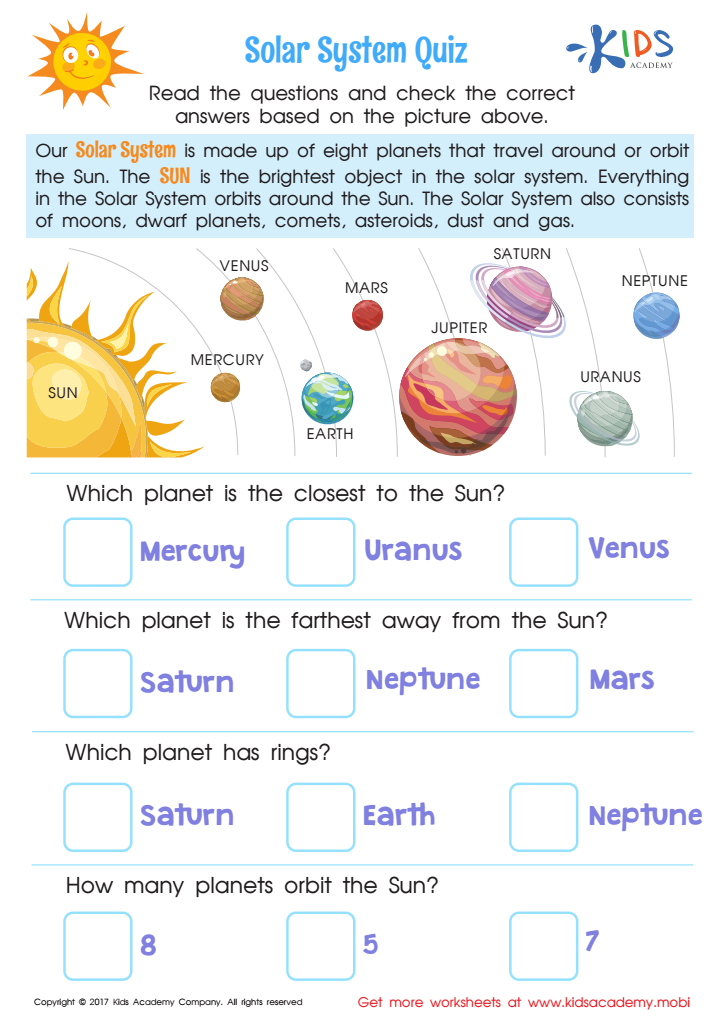
Solar System Quiz Printable
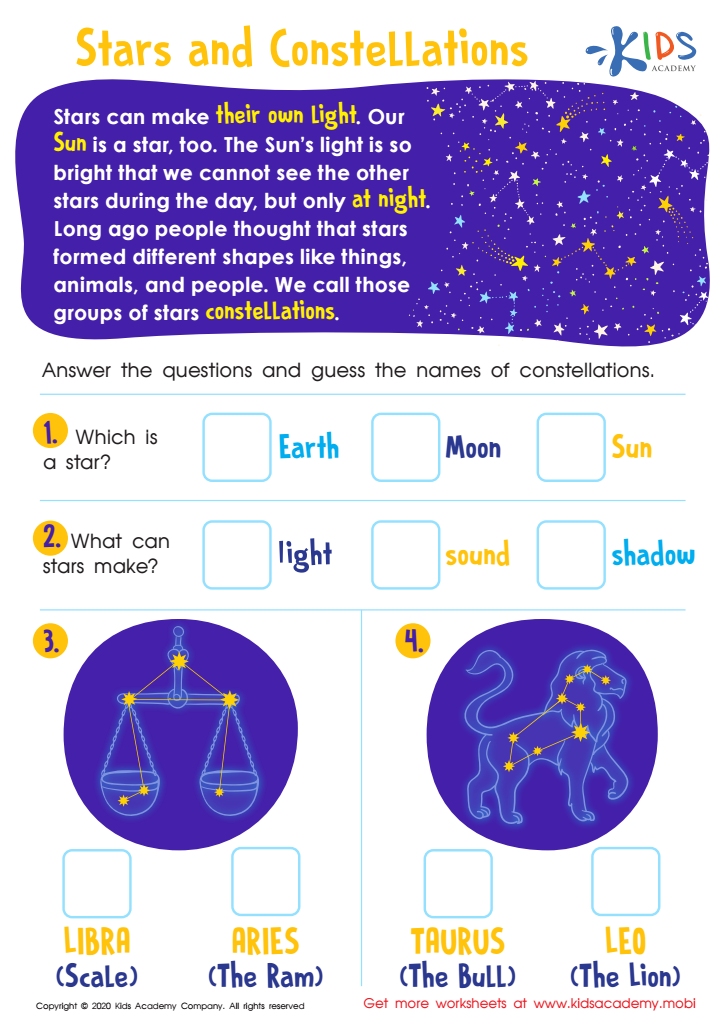
Stars and Constellations Worksheet








Parents and teachers should care about space for children ages 6-8 because it ignites curiosity and fosters a love for learning. At this developmental stage, children are naturally inquisitive, asking questions about the world around them. Introducing them to space helps satiate their curiosity while teaching them fundamental concepts in science and mathematics.
Learning about space encourages creativity and imagination as children explore the mysteries of galaxies, planets, and stars. It offers a platform for storytelling and art, where kids can imagine themselves as astronauts exploring distant planets or designing their own spaceships.
Moreover, space exploration promotes teamwork and problem-solving skills. Engaging them in group projects, like building their model of the solar system, can enhance collaboration and communication. Exposure to space can also inspire careers in science, technology, engineering, and mathematics (STEM), opening doors for future opportunities.
Lastly, space education often includes themes of global citizenship, as it emphasizes Earth's fragility and the importance of taking care of our planet. By nurturing an understanding of space, parents and teachers help cultivate informed, compassionate, and curious individuals ready to explore both the universe and their place within it.







