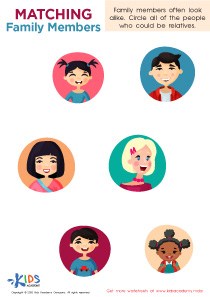
Enhance your child's critical thinking skills with our engaging Social Studies worksheets designed specifically for ages 6-8. Our carefully crafted resources encourage young learners to analyze, evaluate, and synthesize information in fun and interactive ways. Each worksheet introduces important social studies concepts, promoting discussions around community, culture, and history while helping children develop essential reasoning abilities. Perfect for homeschooling or classroom activities, these worksheets provide a comprehensive approach to learning. Foster curiosity and cognitive growth with exciting exercises that empower students to think independently, raising a generation of thoughtful problem-solvers. Explore our collection today to support your child's educational journey!

Check out this FREE Trial Lesson on Social Studies for age 6-8!

Neighborhoods

Favorites
With answer key
Interactive
  • 6-8
  • Critical thinking skills
  • Social Studies
Bill of Rights Worksheet for 3rd Grade PDF

Bill of Rights Worksheet

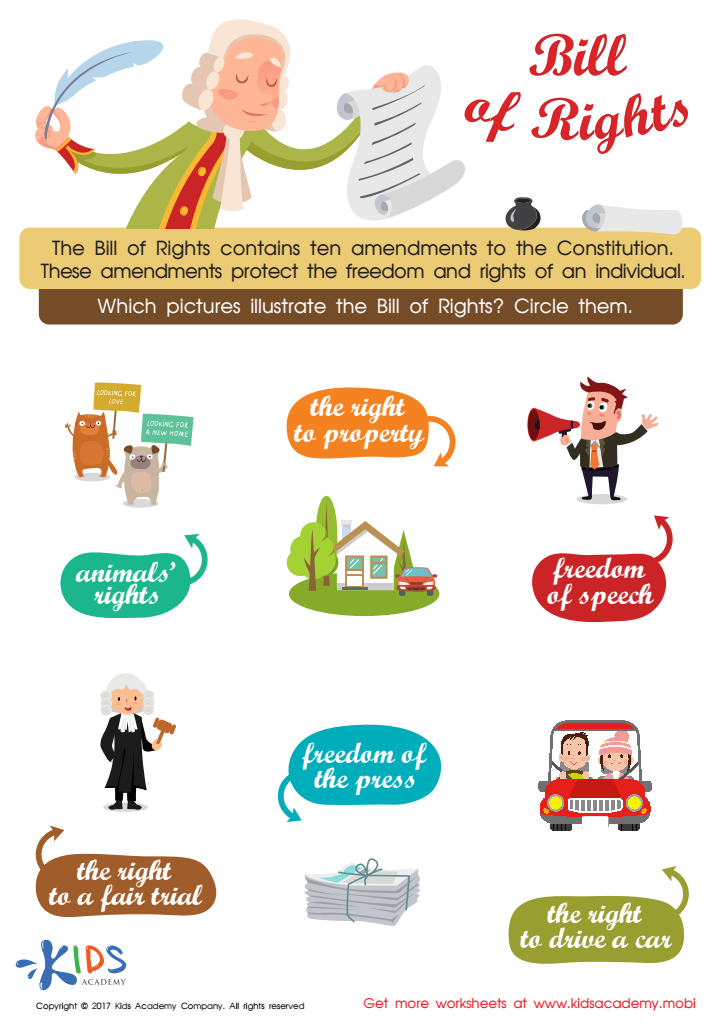
Kids can learn about the rights the Bill of Rights grants us as US citizens. Work on the PDF worksheet with your 3rd grader to understand the ten amendments. This is a great way for your child to learn about the historical and essential document!
Bill of Rights Worksheet
Worksheet
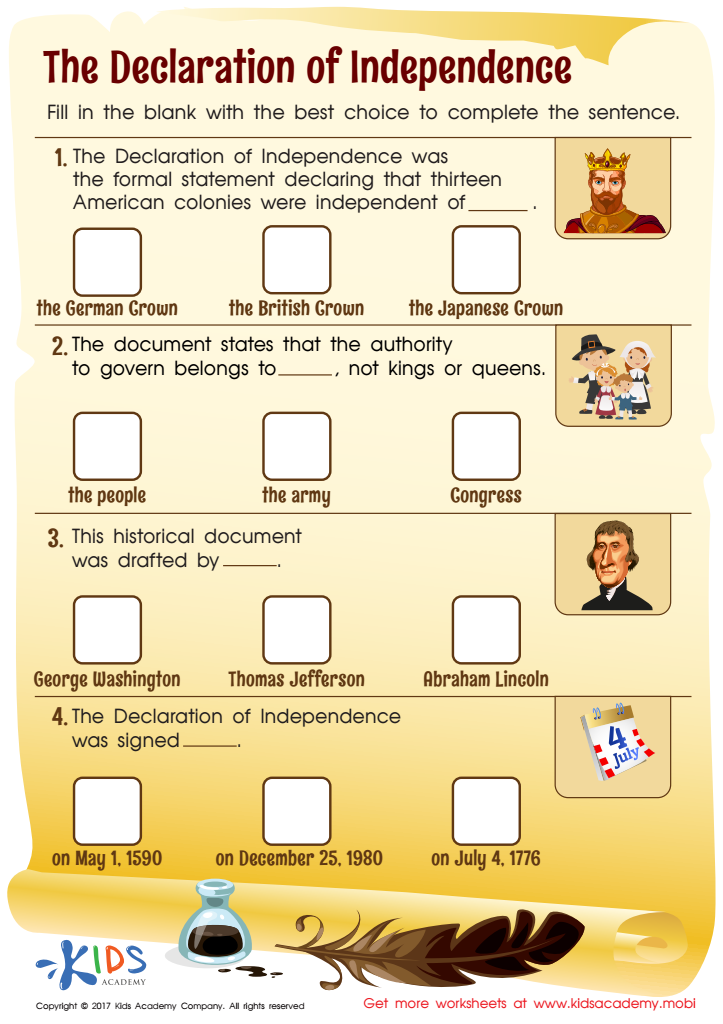
Declaration of Independence PDF Worksheet

Declaration of Independence Worksheet
This PDF worksheet will help your child review important US history facts about the Declaration of Independence. It will cover key topics such as its purpose, author and date it was signed, which are integral to the US as a nation.
Declaration of Independence Worksheet
Worksheet
The Ice Age Worksheet

The Ice Age Worksheet

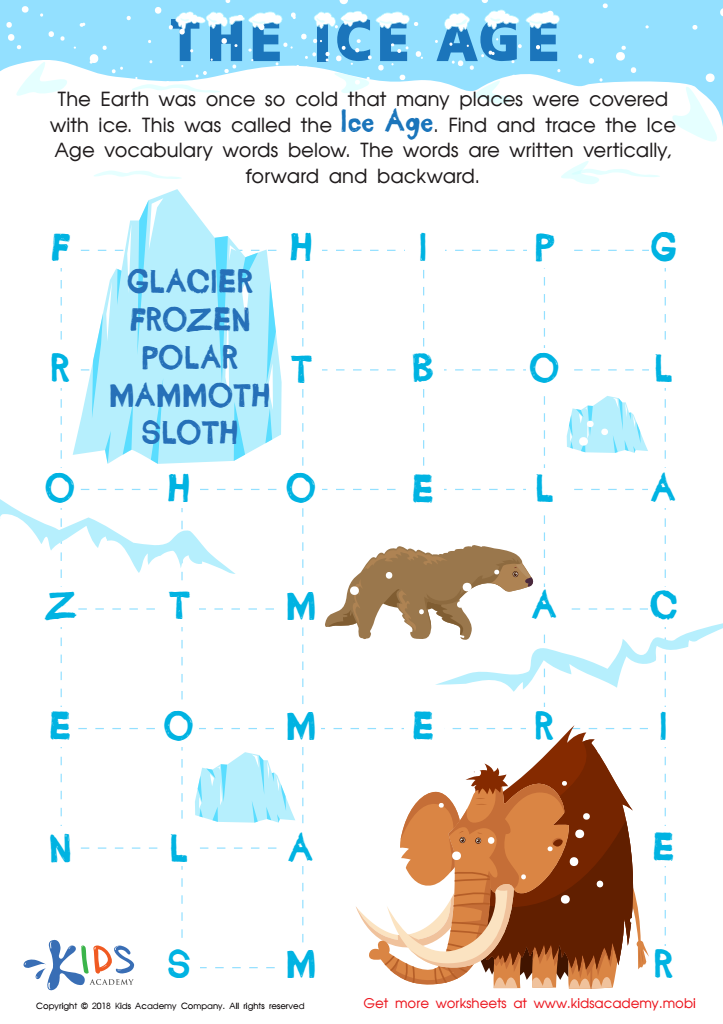
Let your child explore the Ice Age with this fun word search from Kids Academy! They can find words like glacier, frozen, polar, mammoth, and sloth. After finding each, discuss the meaning to help them build a better vocabulary and understanding of ancient history.
The Ice Age Worksheet
Worksheet
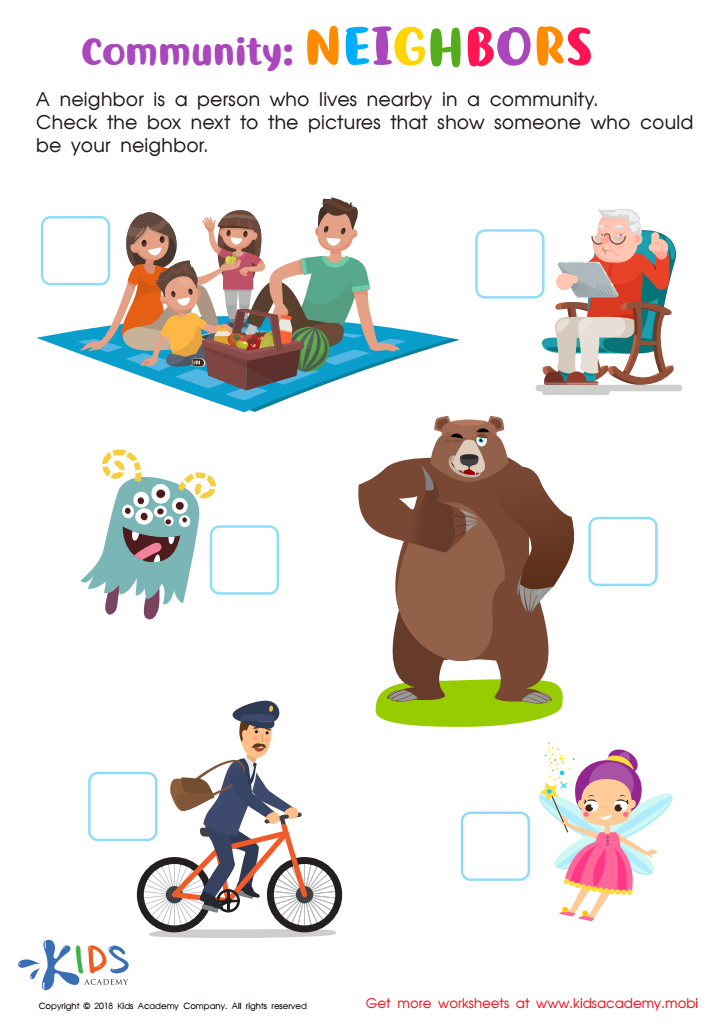
Community: Neighbors Worksheet

Community: Neighbors Worksheet

This free worksheet helps young learners understand who neighbors are and how they fit into their community. Have your student check out the options, decide which can and can't be neighbours and develop essential social and emotional skills. It's a fun and cheery way to learn about the social sciences!
Community: Neighbors Worksheet
Worksheet
Dot to Dot Printable Worksheet: Rooster

Chinese Zodiac Printable

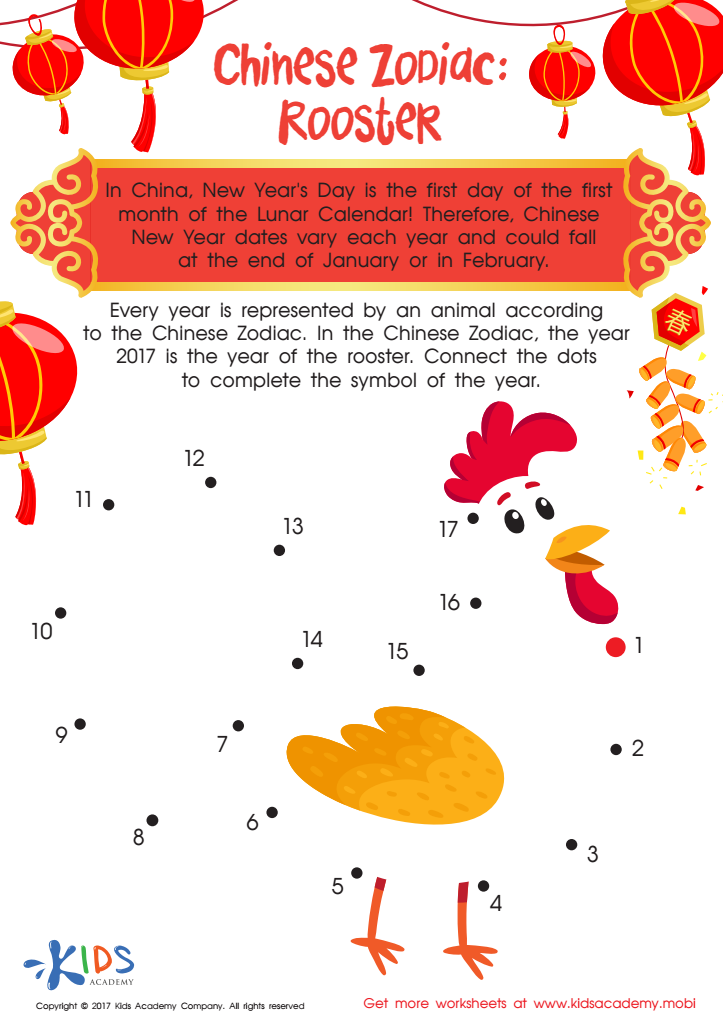
Connect the dots to reveal a rooster and learn more about the Year of the Rooster. Perfect for preschoolers and kids of all ages. Experience Chinese culture with this fun and interactive dot to dot printable! Connect the dots to discover a rooster, symbolizing the Year of the Rooster. Perfect for preschoolers and kids of all ages, this worksheet is a great way to explore new cultures and foster a spirit of diversity.
Chinese Zodiac Printable
Worksheet
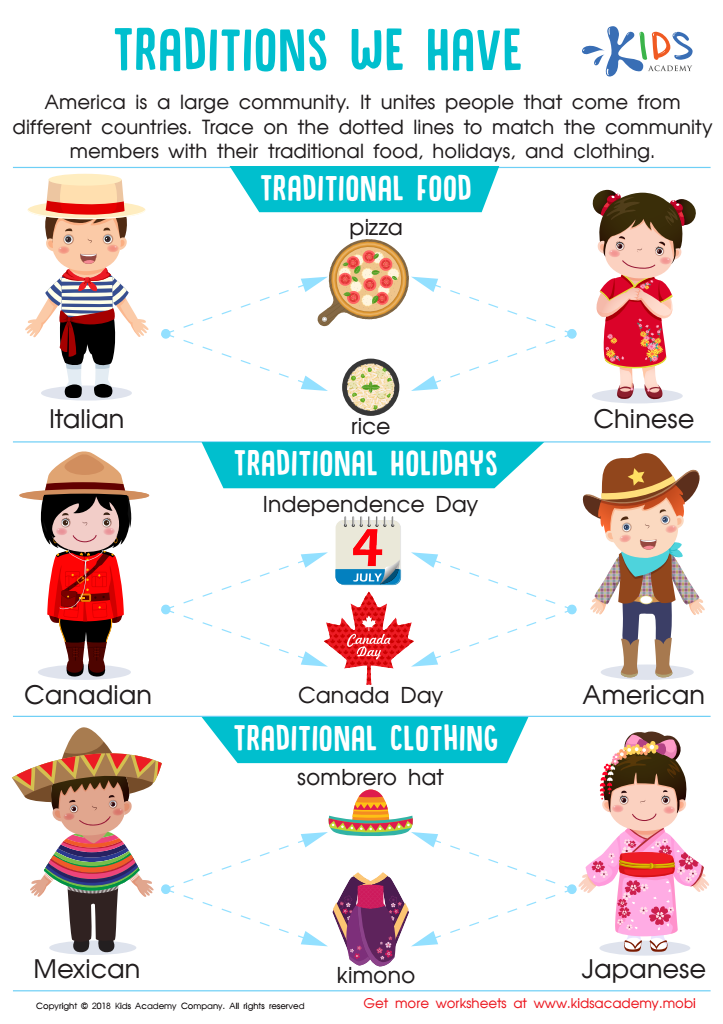
Traditions We Have Worksheet

Traditions We Have Worksheet

Help your child learn about the world's diverse cultures with this tracing sheet. Trace the dotted lines to match different community members with their traditional holidays, foods and clothing. America is just one of many countries with multiple communities living together - teach your child that everybody has different backgrounds and customs, opening their minds to an even bigger world.
Traditions We Have Worksheet
Worksheet
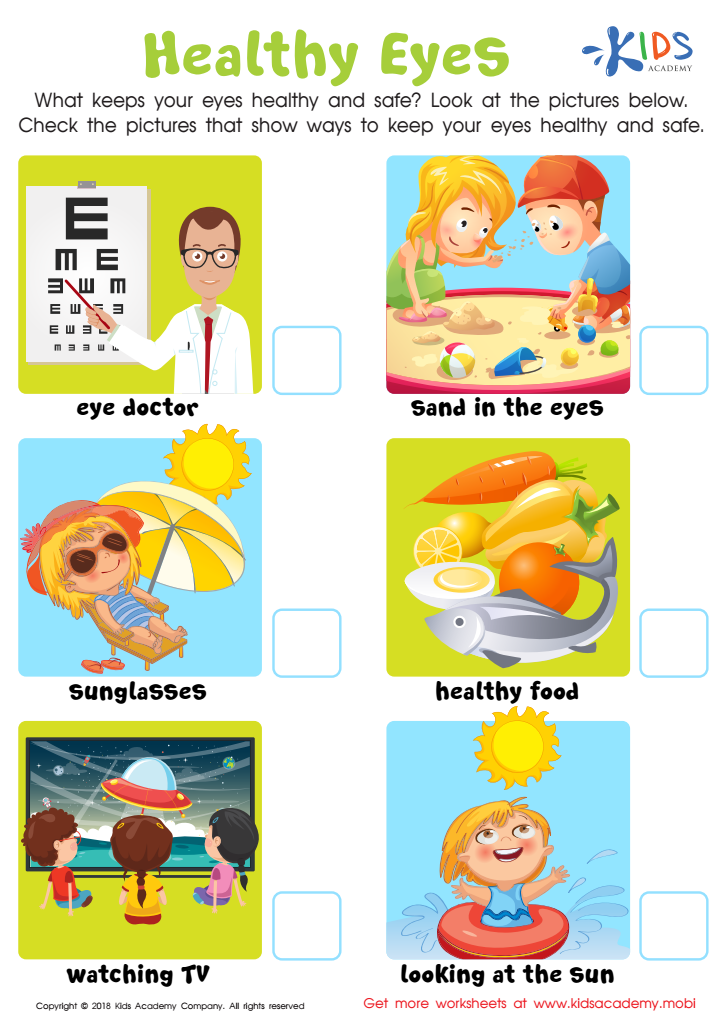
Healthy Eyes Worksheet

Healthy Eyes Worksheet

Does your child know how to care for their eyes? Help them understand with this worksheet. Look through the pictures together and discuss the different ways to keep the eyes healthy and safe. These include visits to the doctor, wearing sunglasses, and eating healthy food.
Healthy Eyes Worksheet
Worksheet


Critical thinking skills are essential in social studies for children aged 6-8 because they lay the foundation for understanding the world around them. At this age, children begin exploring their communities, cultures, and histories. Developing critical thinking helps them analyze information, differentiate between fact and opinion, and understand diverse perspectives. This is crucial in today's information-rich society, where children are exposed to a myriad of viewpoints.

Engaging in social studies through critical thinking encourages curiosity, empathy, and informed decision-making. When children ask questions, evaluate sources, and participate in discussions, they not only learn about historical events and societal structures but also how to think independently. These skills empower them to become active, responsible citizens as they move into adulthood.

Moreover, fostering critical thinking in a social studies context teaches children to connect personal experiences to broader social themes, enhancing their ability to relate to others. Parents and teachers should prioritize these skills because they are integral to academic success and effective communication. They aid in developing a well-rounded, educated individual who can navigate complexities and challenges in a globalized world, contributing positively to society. In essence, critical thinking skills are foundational for lifelong learning and citizenship.