Tracing Words Worksheets for Ages 6-8 - Page 2
42 filtered results
-
From - To
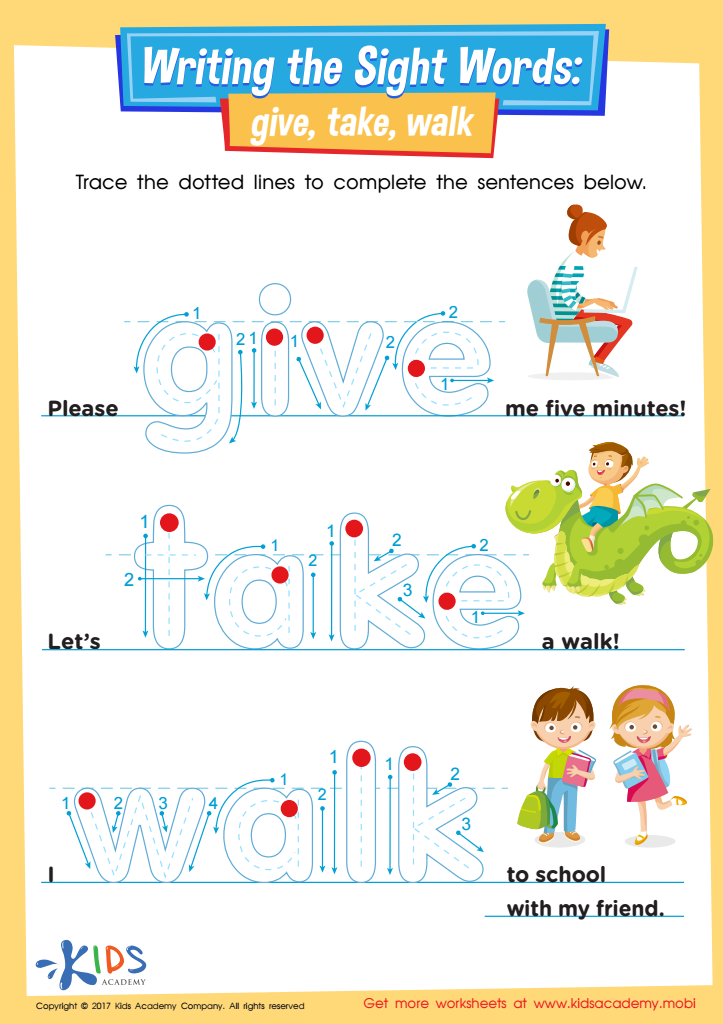
Give, Take, Walk Printable Sight Words Worksheet
 Assign to My Students
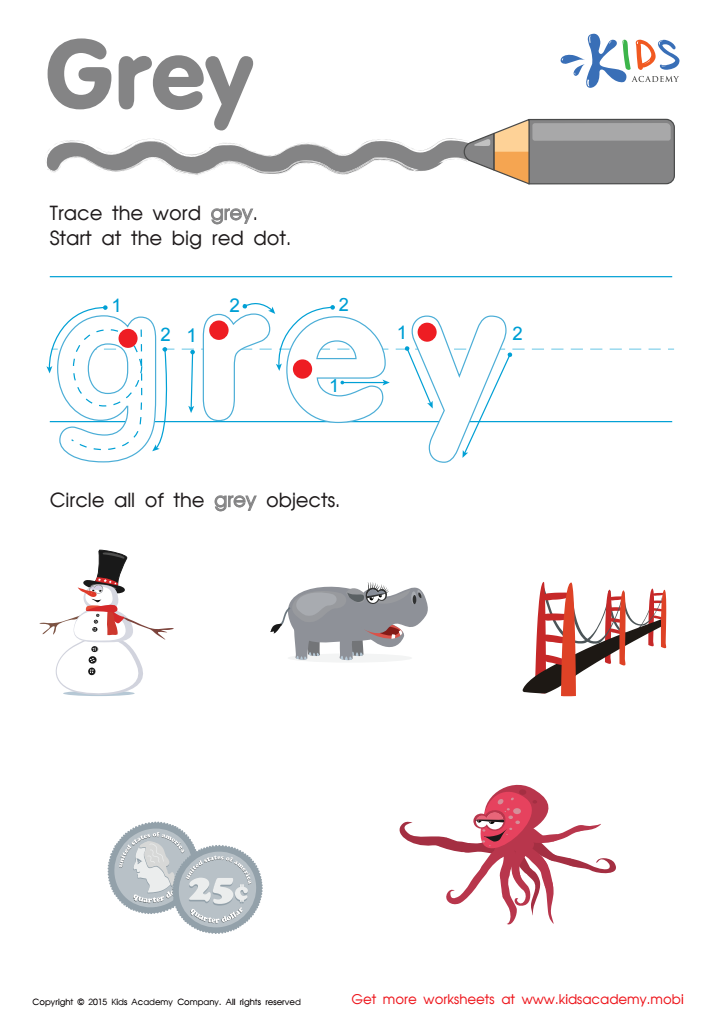
Grey Tracing Color Words Worksheet
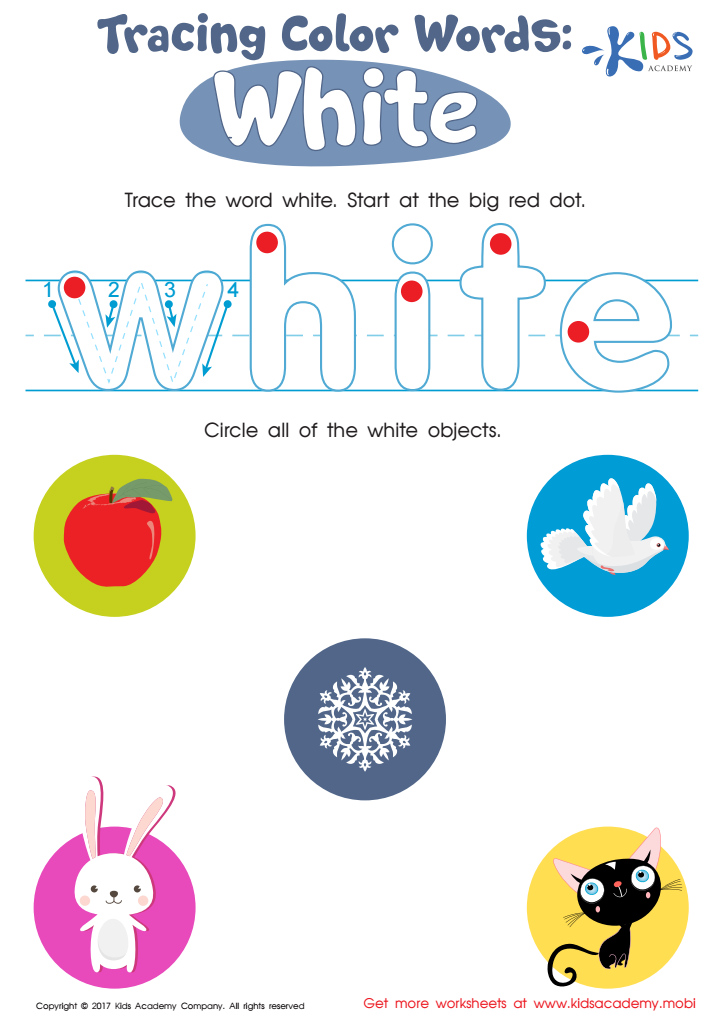
White Tracing Color Words Worksheet
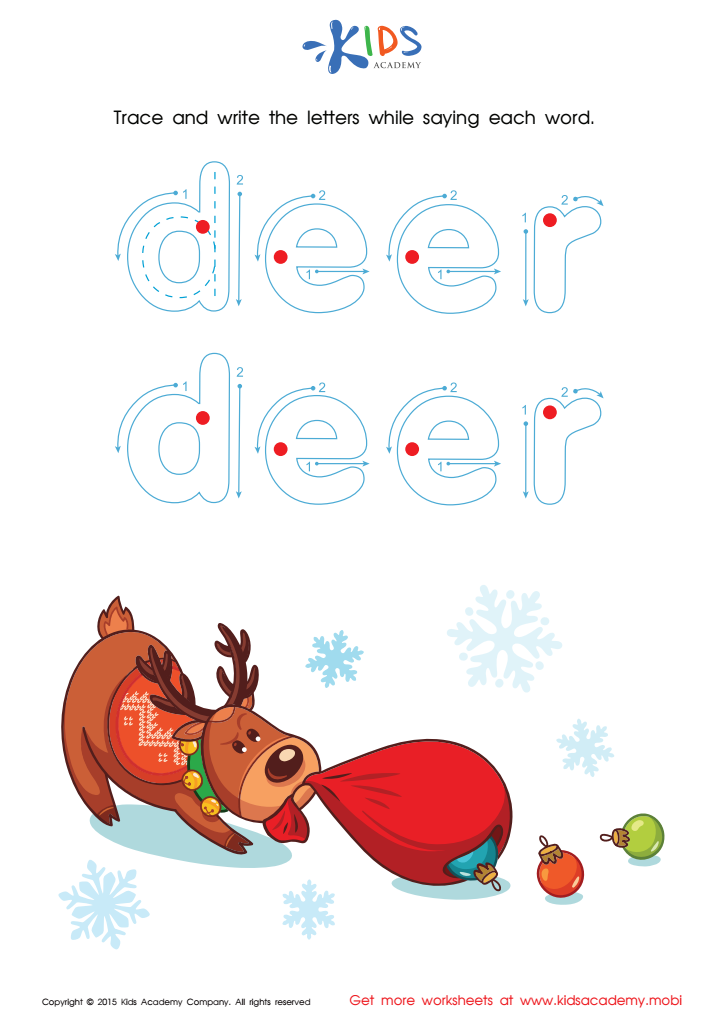
Deer Tracing Winter Words Worksheet
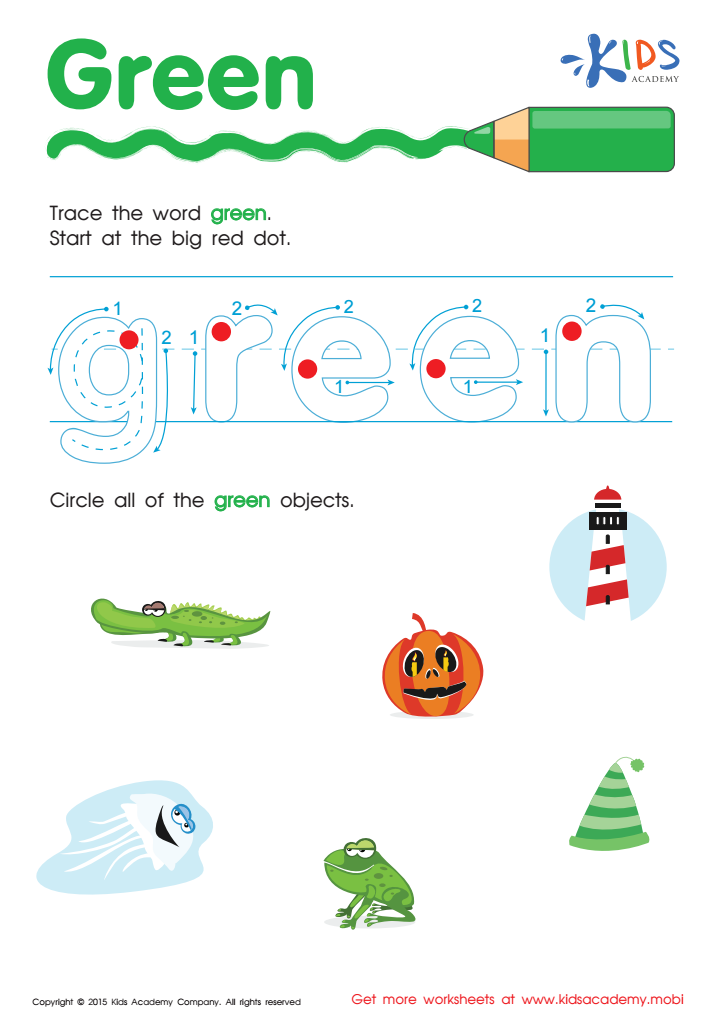
Green Tracing Color Words Worksheet
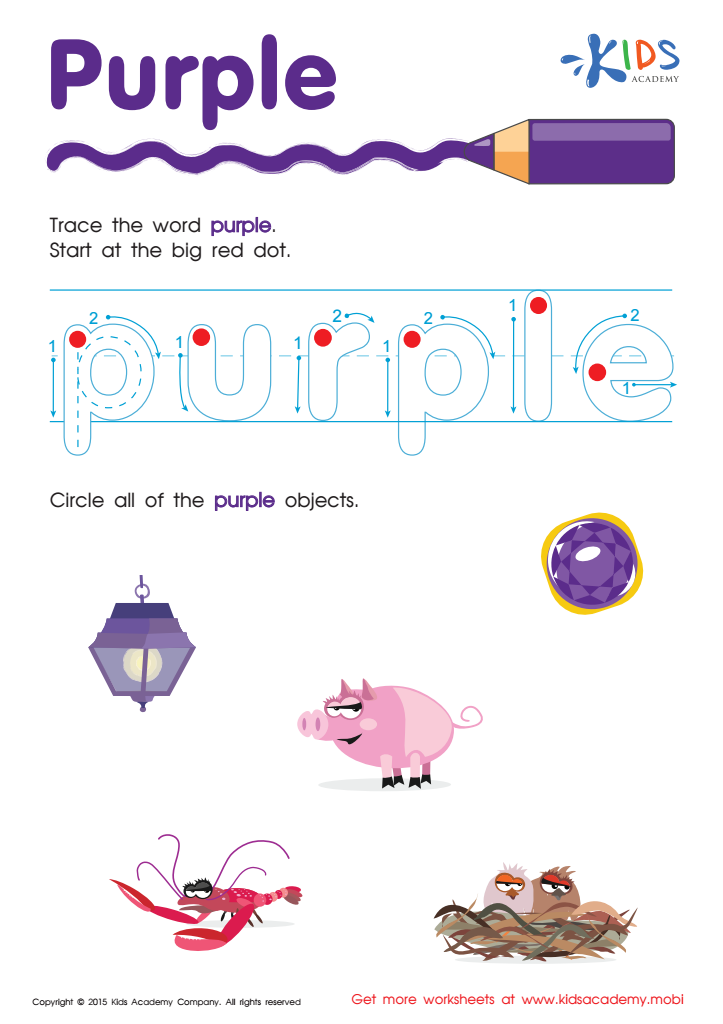
Purple Tracing Color Words Worksheet
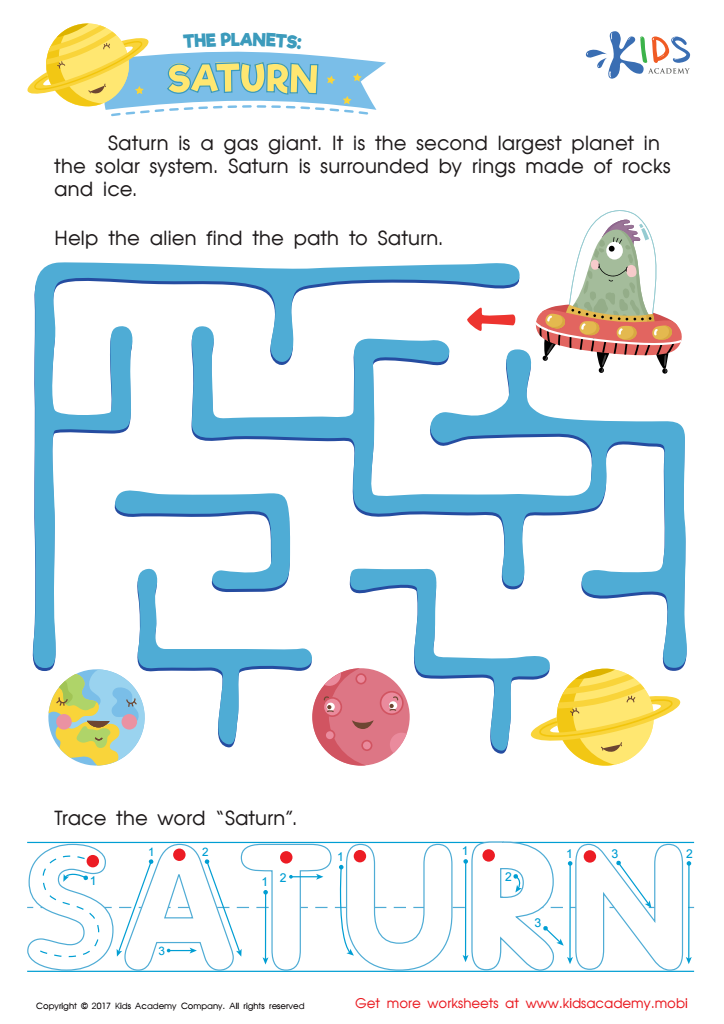
The Planets: Saturn Printable
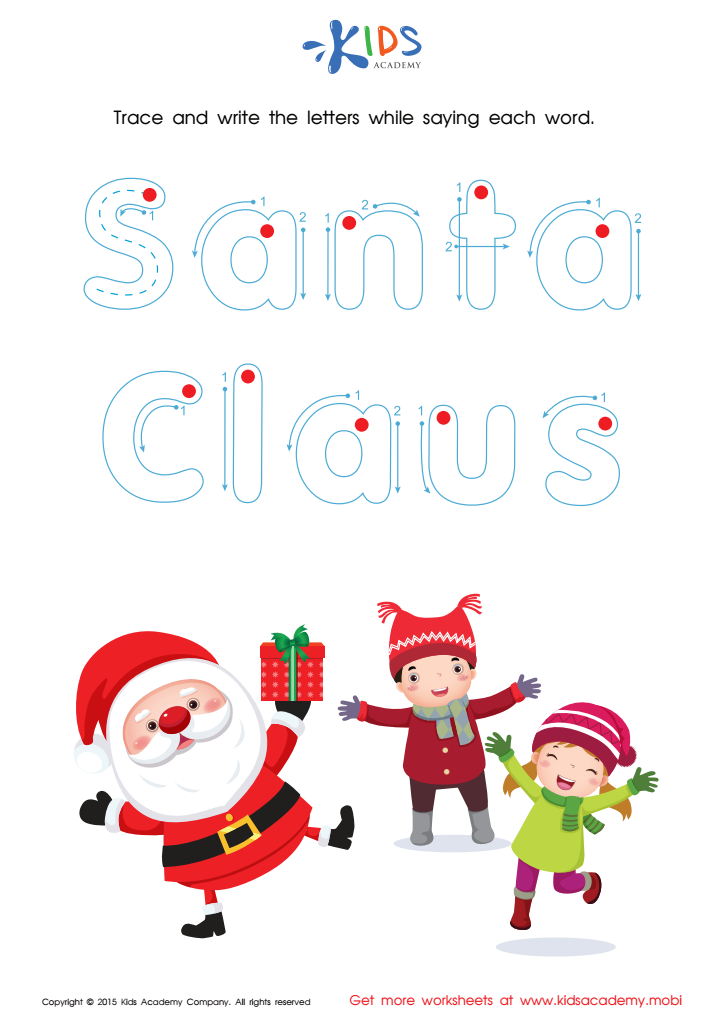
Santa Claus Tracing Winter Words Worksheet
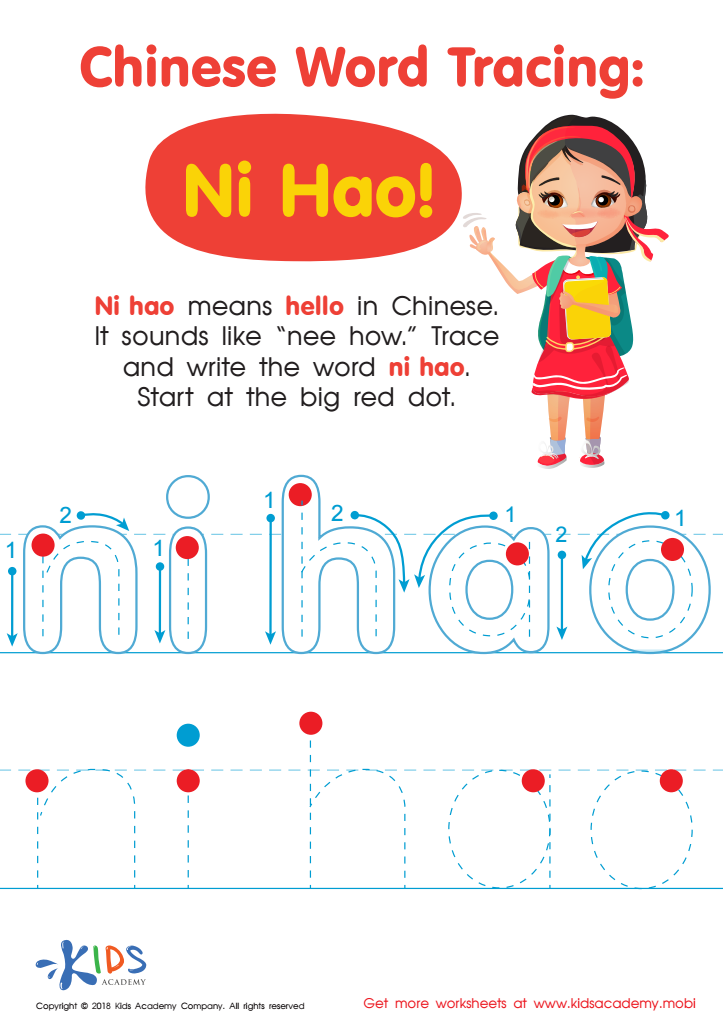
Chinese Word Tracing: Ni Hao Worksheet
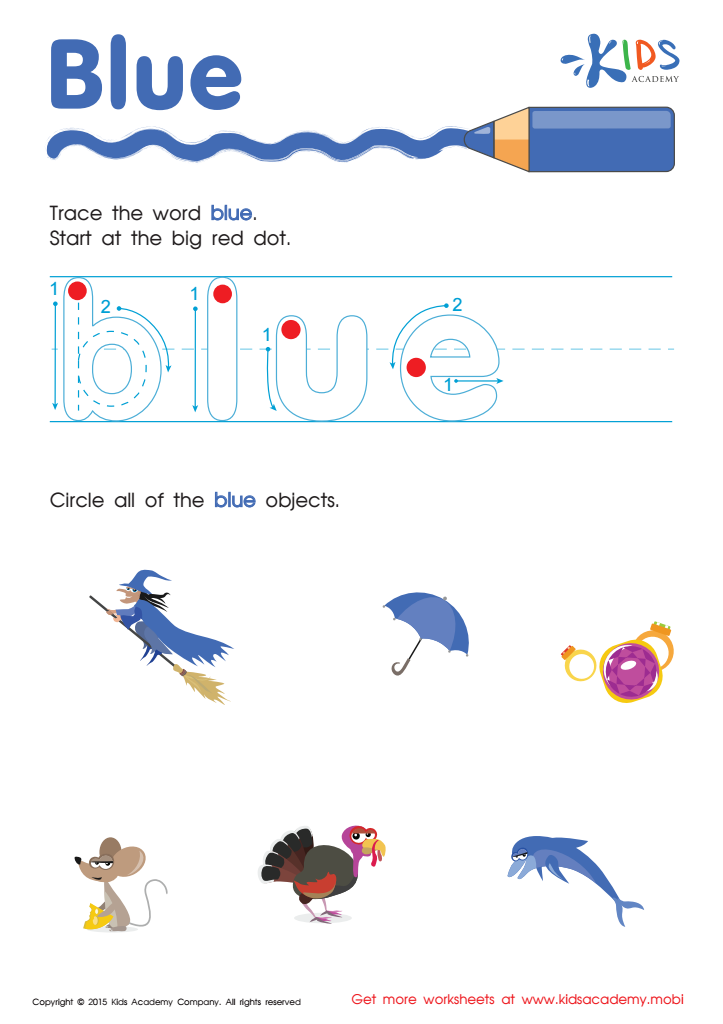
Blue Tracing Color Words Printable
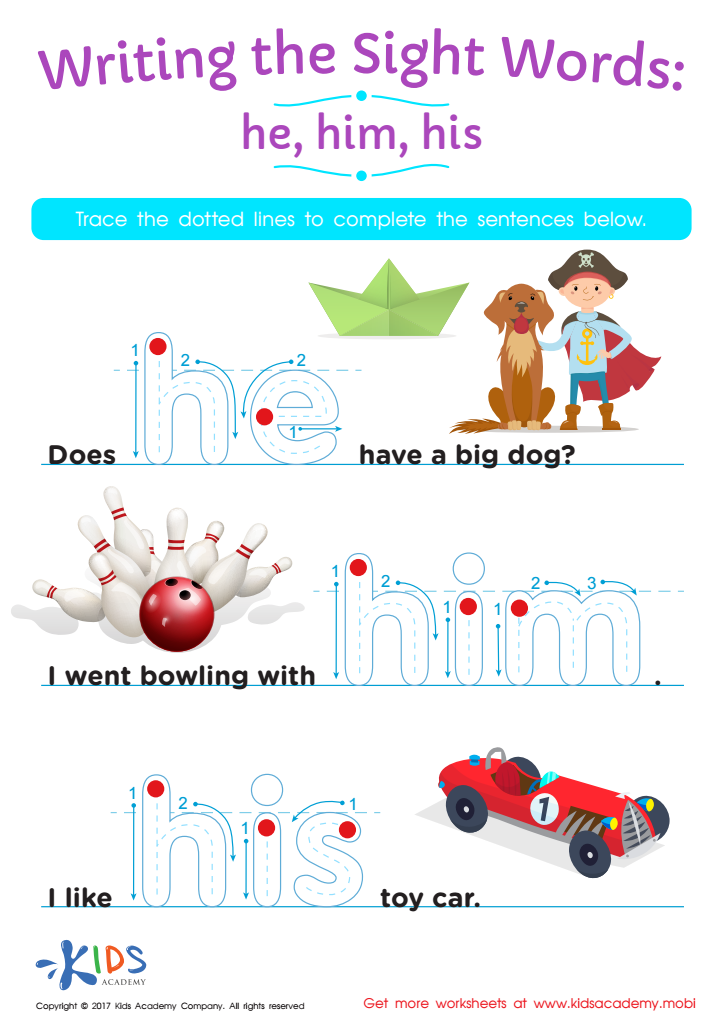
He, Him, His Printable Sight Words Worksheet
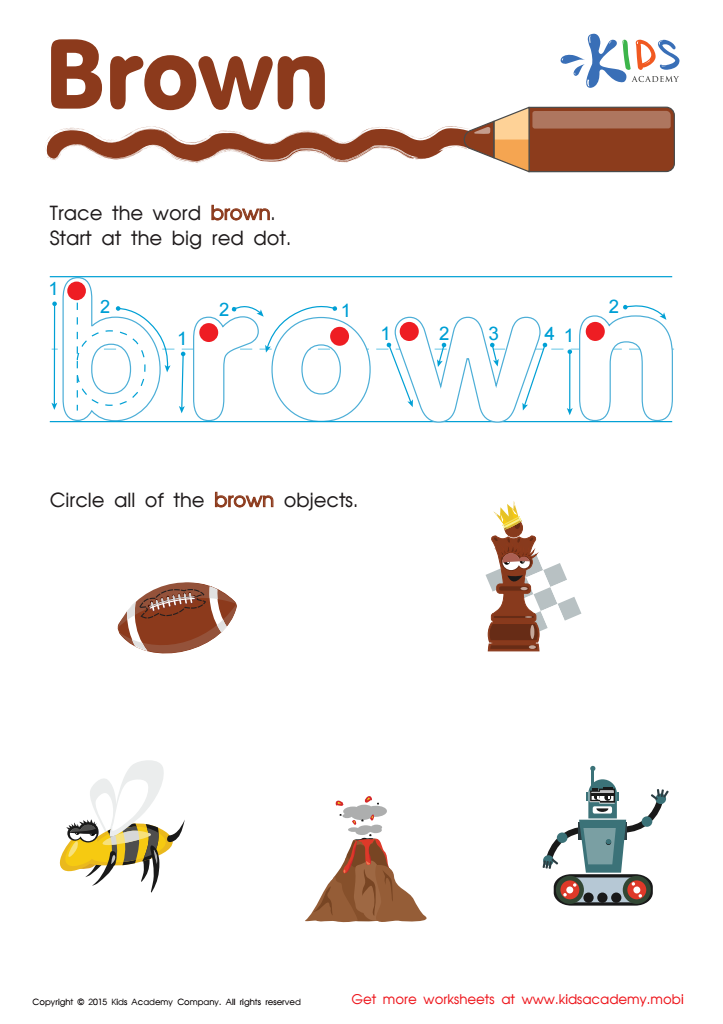
Brown Tracing Color Words Worksheet
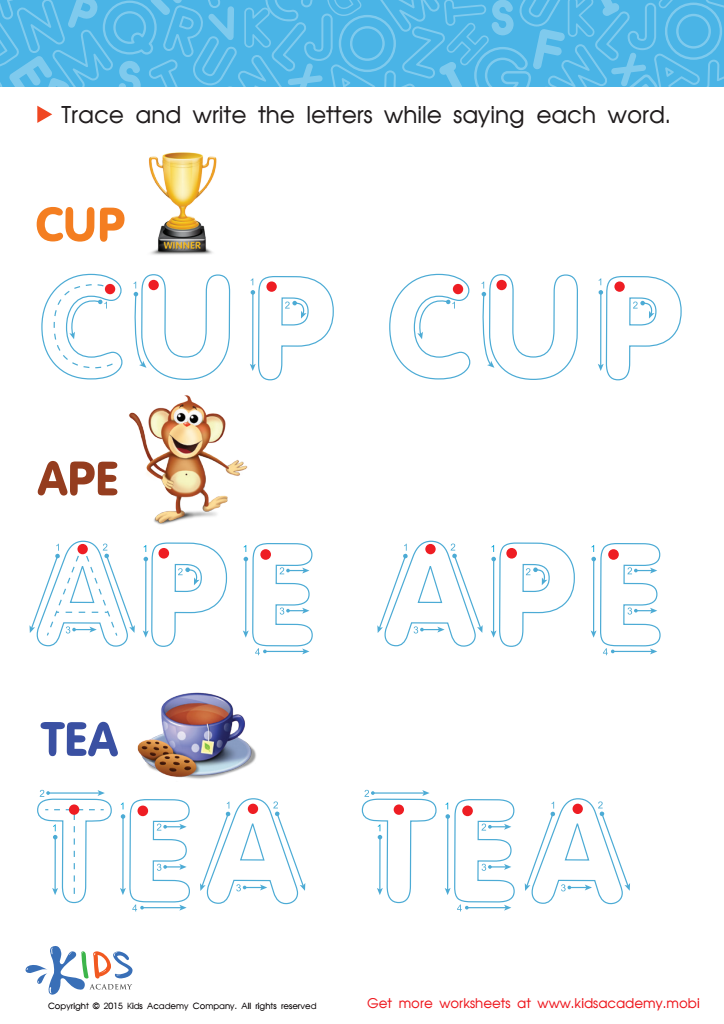
A Cup, an Ape and Tea Spelling Worksheet
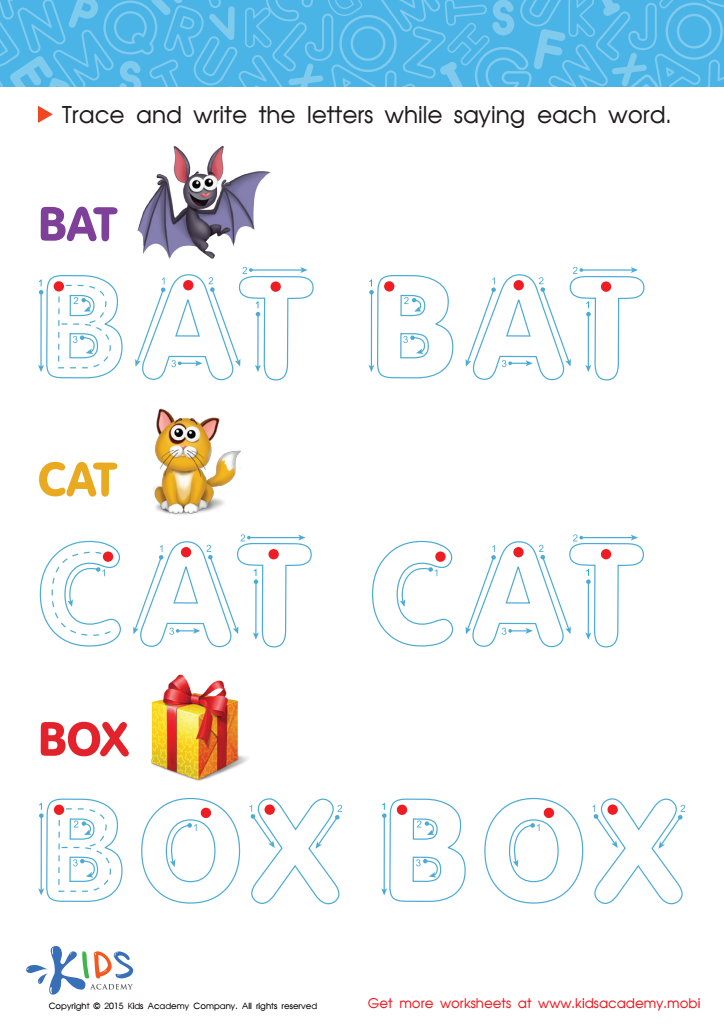
A Bat, a Cat and a Box Spelling Worksheet
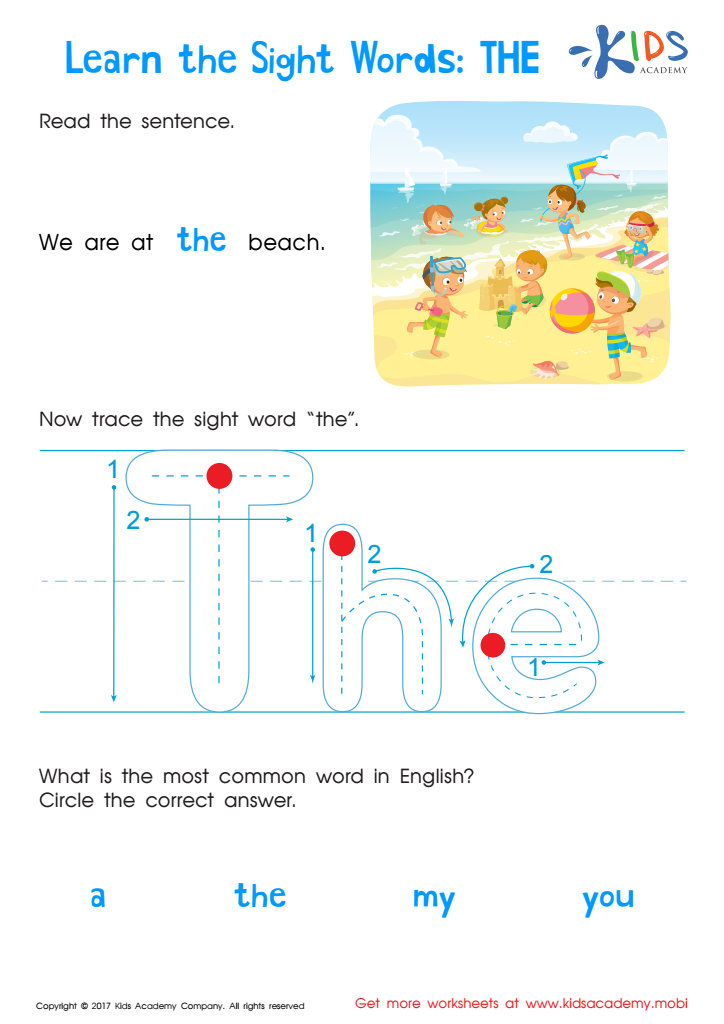
Sight Words: The Worksheet
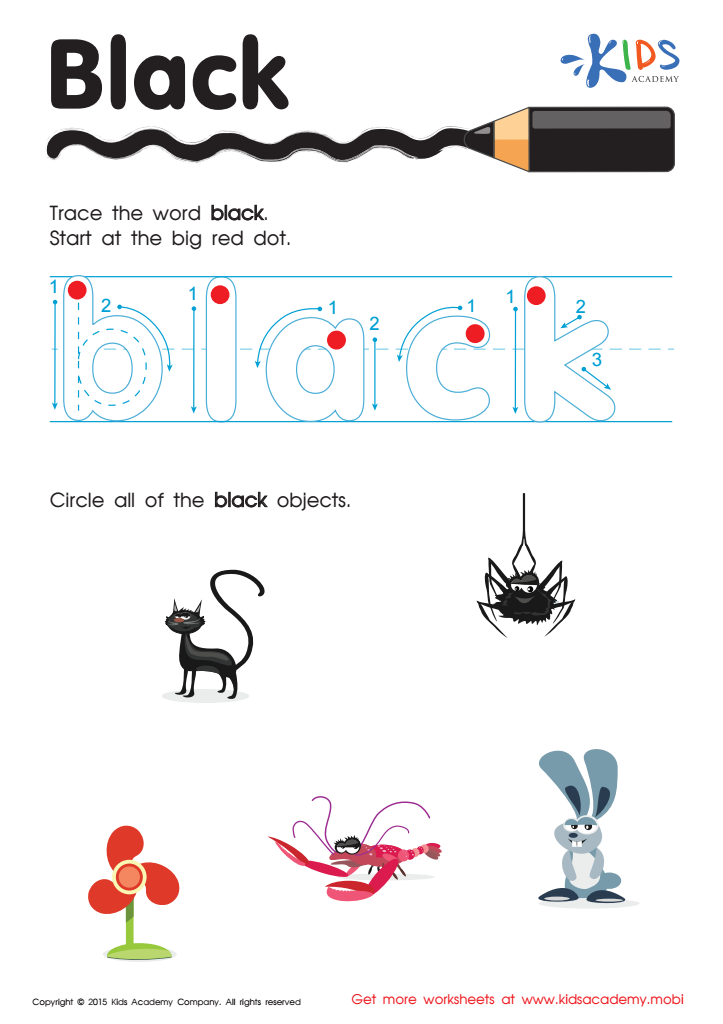
Black Tracing Color Words Printable
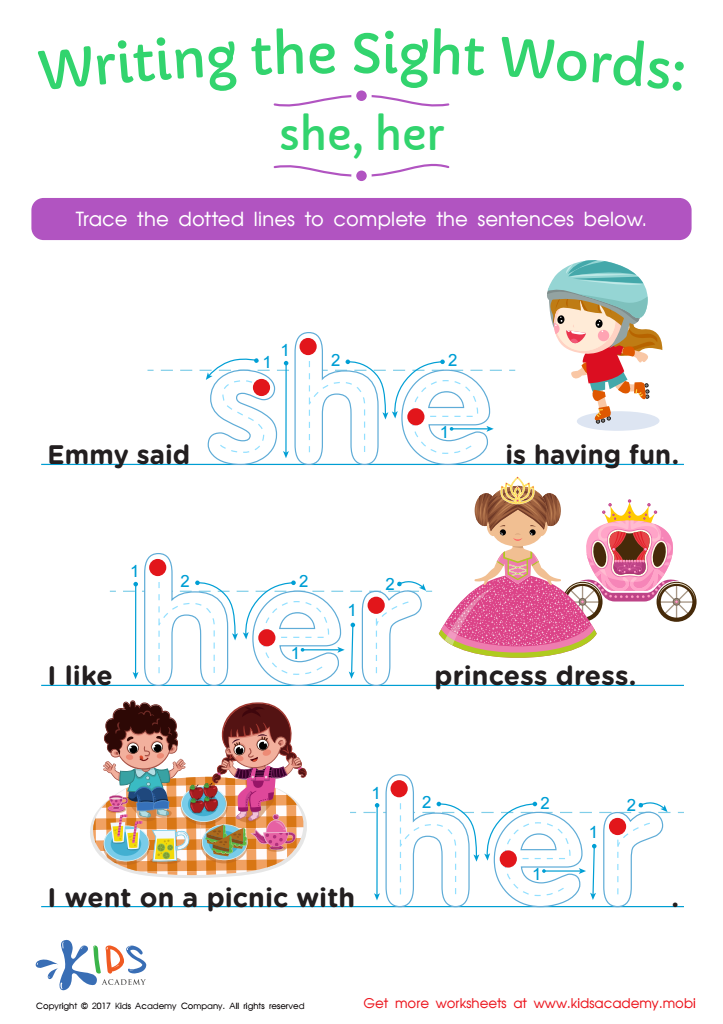
She, Her Printable Sight Words Worksheet
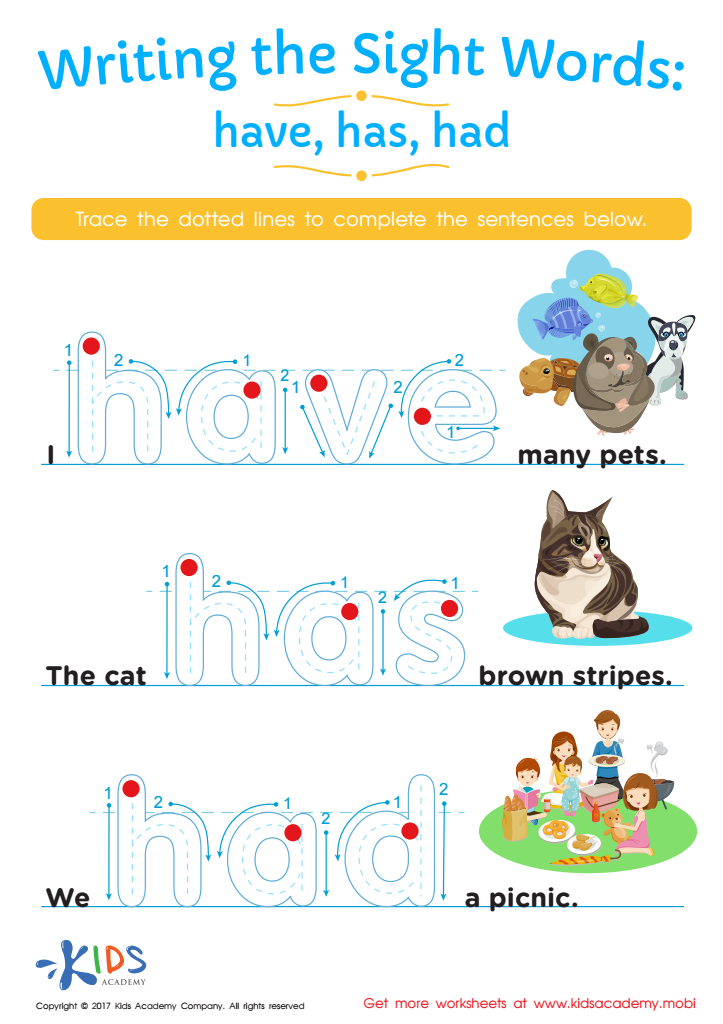
Have, Has, Had Worksheet Sight Words Worksheet







Tracing words is an essential activity for children ages 6-8, and both parents and teachers should prioritize it for several reasons. Firstly, tracing helps develop fine motor skills, which are crucial for tasks like writing, drawing, and other hand-eye coordination activities. These skills lay the groundwork for more advanced writing abilities as children progress in their education.
In addition to enhancing motor skills, tracing improves letter recognition and reinforces phonics knowledge. As children trace letters and words, they become more familiar with their shapes, which aids in reading readiness. This practice also fosters a connection between letter sounds and their written forms, significantly benefiting literacy development.
Moreover, tracing exercises promote concentration and attention to detail. As children focus on forming letters correctly, they learn the importance of neatness and precision in their writing, which translates to better work habits in other academic areas.
Lastly, engaging in tracing activities can be a joyful and interactive way for parents and teachers to bond with children over literacy development. It encourages practice in a fun context, making learning enjoyable and motivating. By prioritizing tracing, parents and teachers can effectively support early writing skills, leading to greater confidence and success in future literacy endeavors.








