Story sequencing Worksheets for Ages 6-9
29 filtered results
-
From - To
Enhance your child's storytelling skills with our engaging Story Sequencing Worksheets designed for ages 6-9! These worksheets encourage young learners to arrange events in a logical order, fostering critical thinking and comprehension. Featuring colorful illustrations and easy-to-follow activities, these resources not only make learning fun but also help improve vocabulary and narrative skills. By practicing story sequencing, children will boost their ability to understand and retell stories confidently. Perfect for use at home or in the classroom, our worksheets provide a comprehensive approach to developing essential literacy skills while allowing creativity to flourish. Explore our collection today to inspire your child’s storytelling adventure!
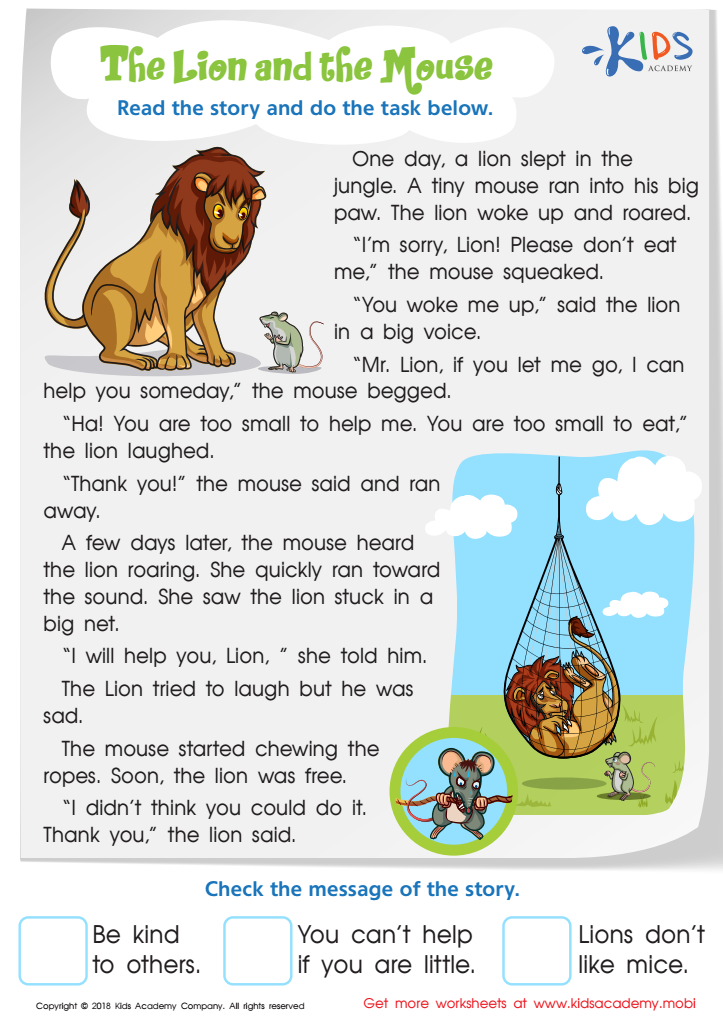
The Lion and the Mouse Worksheet
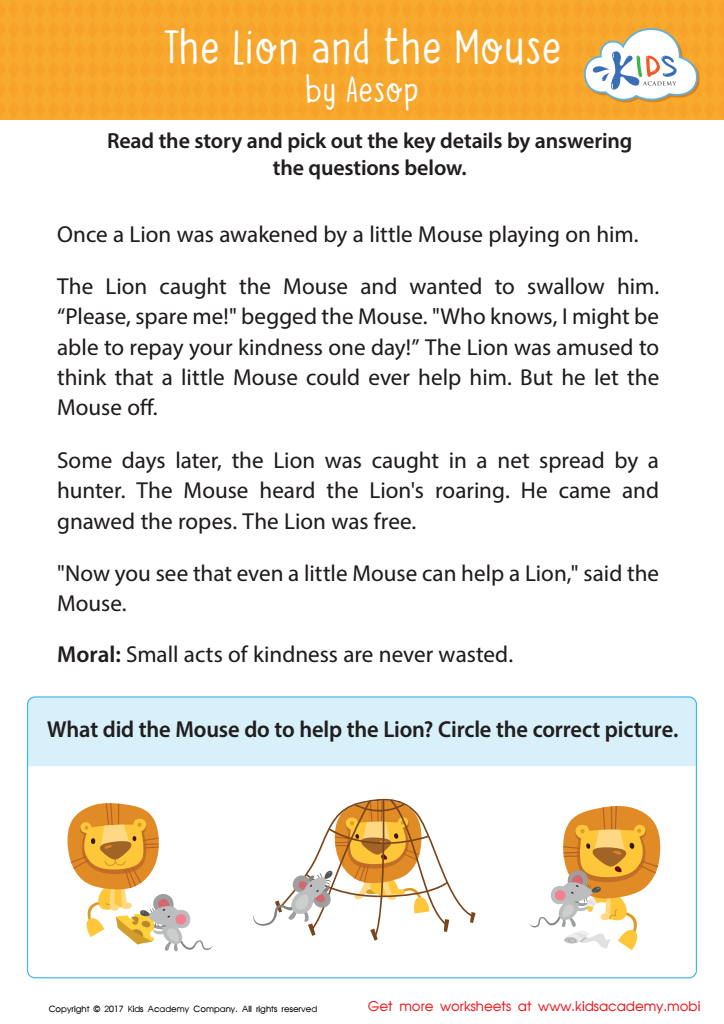
The Lion and The Mouse Sequencing Worksheet
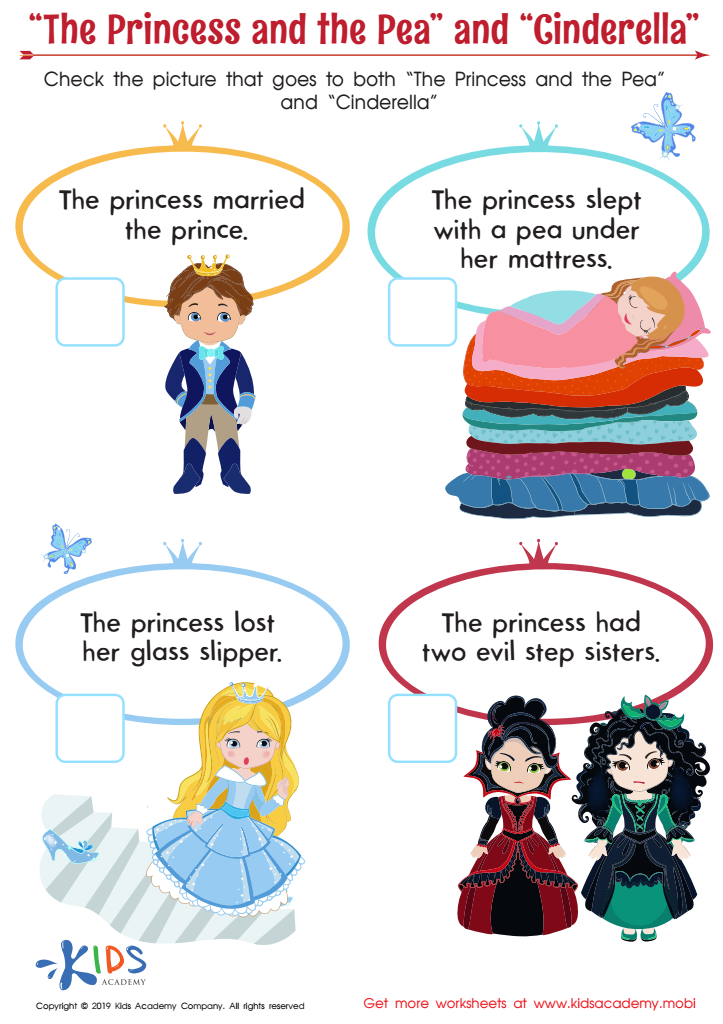
“The Princess and the Pea” and “Cinderella” Worksheet
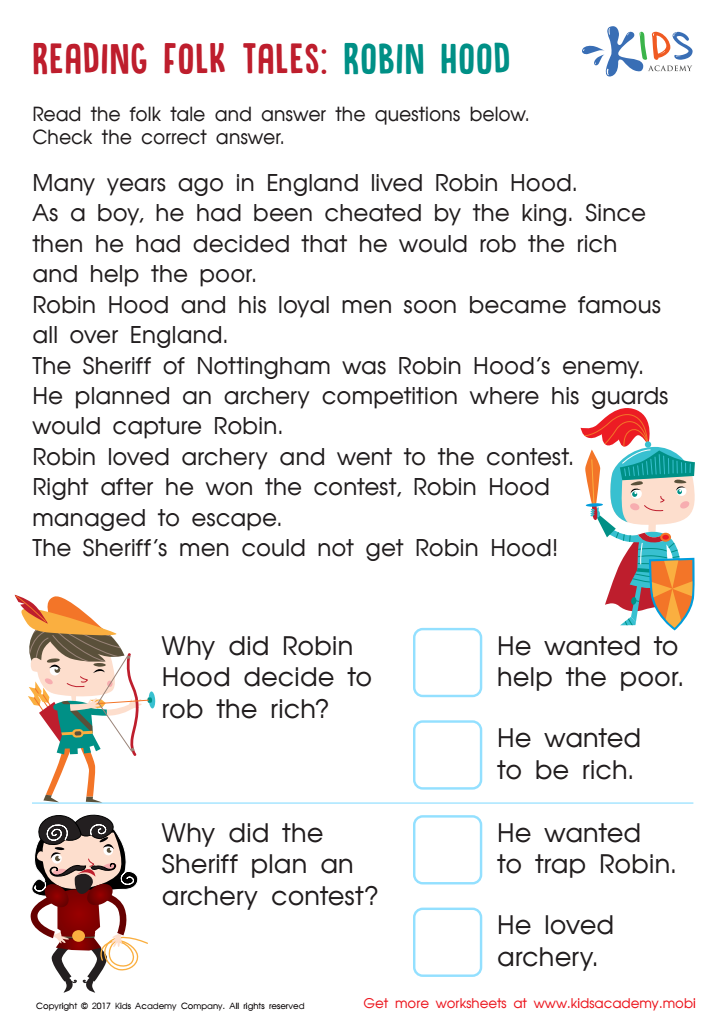
Robin Hood Folktale Worksheet
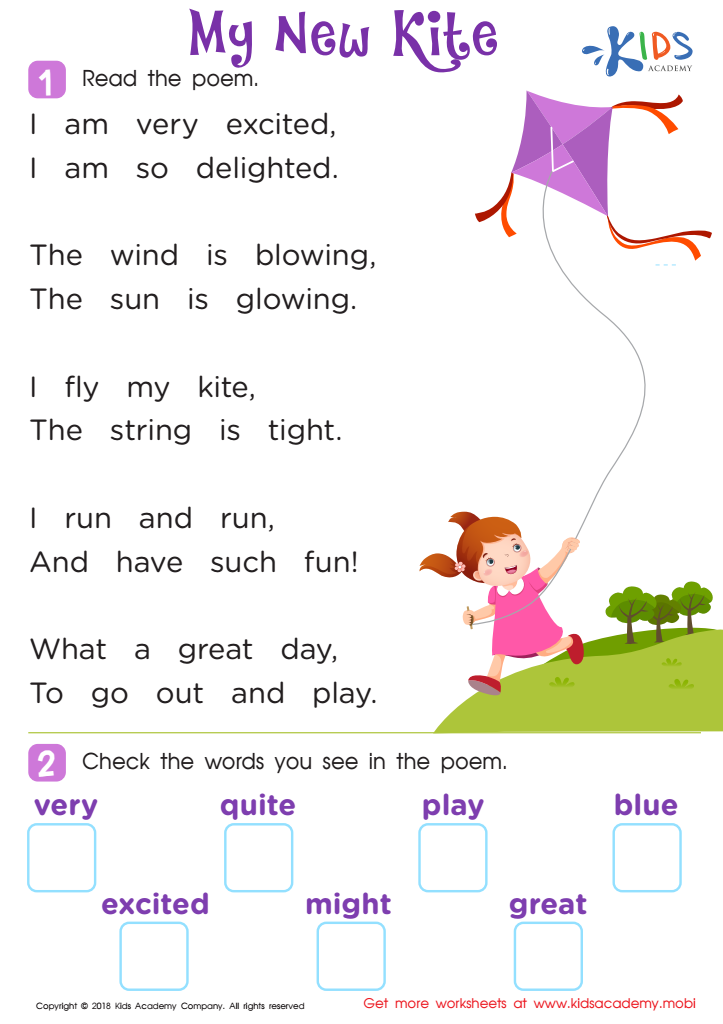
Poem: My New Kite Worksheet
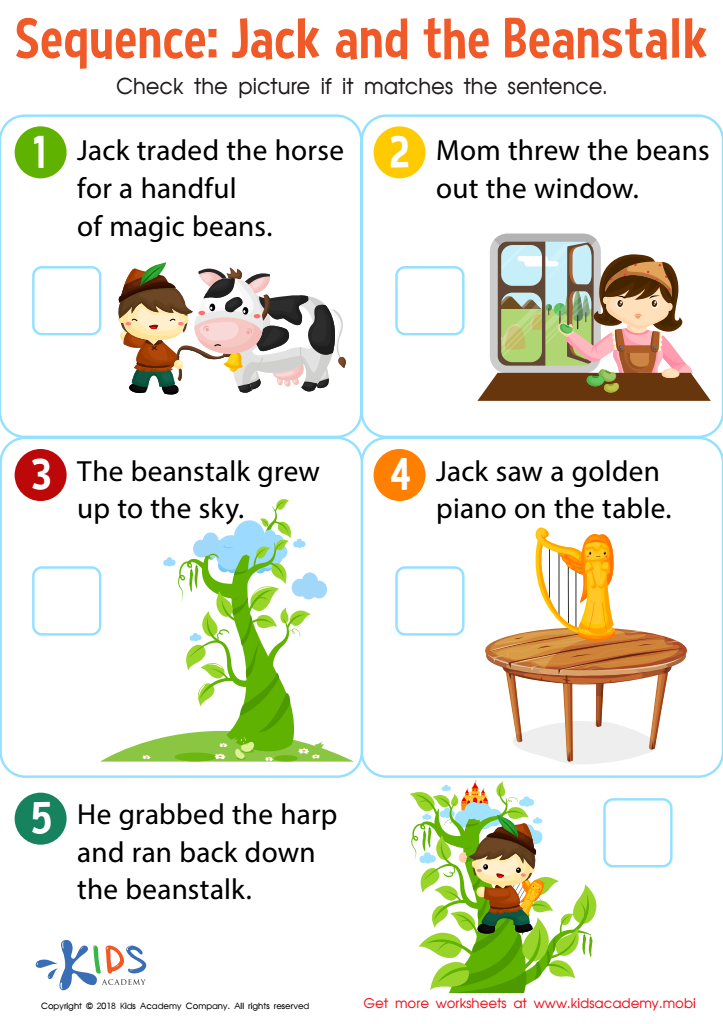
Sequence: Jack and The Beanstalk Worksheet
Folktales Printable PDF Worksheet: The 3 Little Pigs
 Assign to My Students
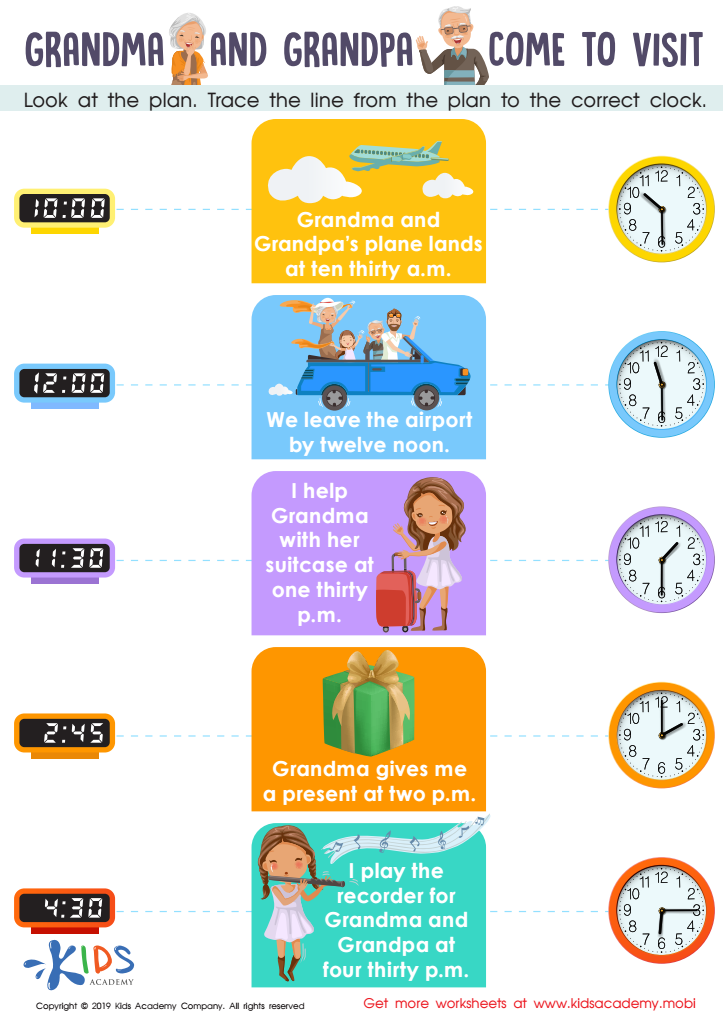
Grandpa and Grandma Come to Visit Worksheet
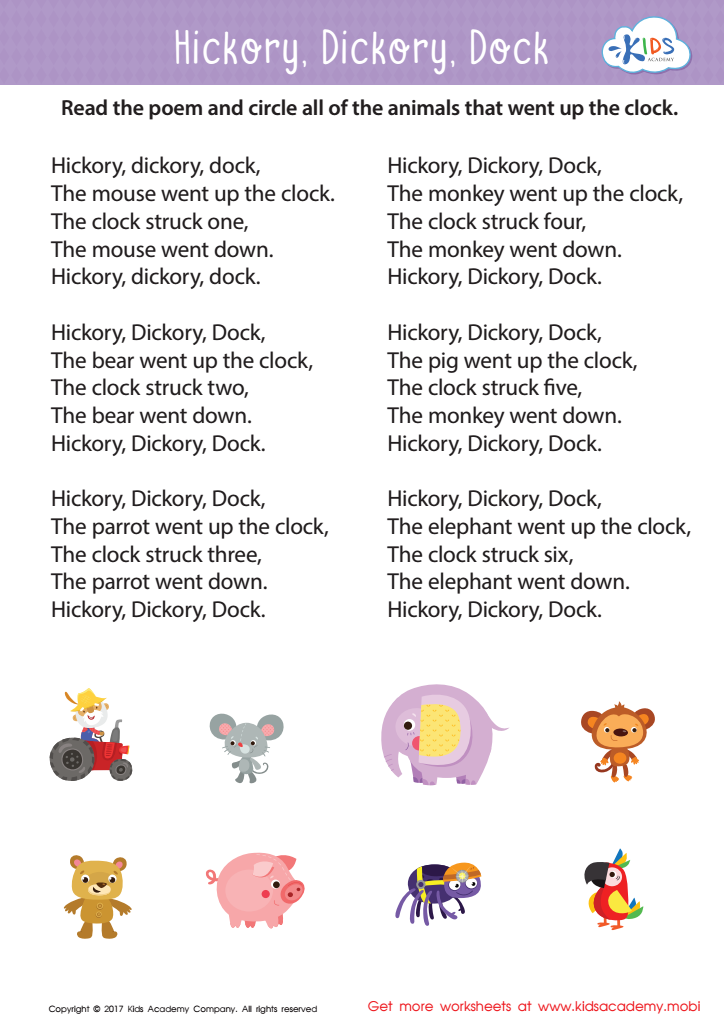
Hickory Dickory Dock Sequencing Worksheet
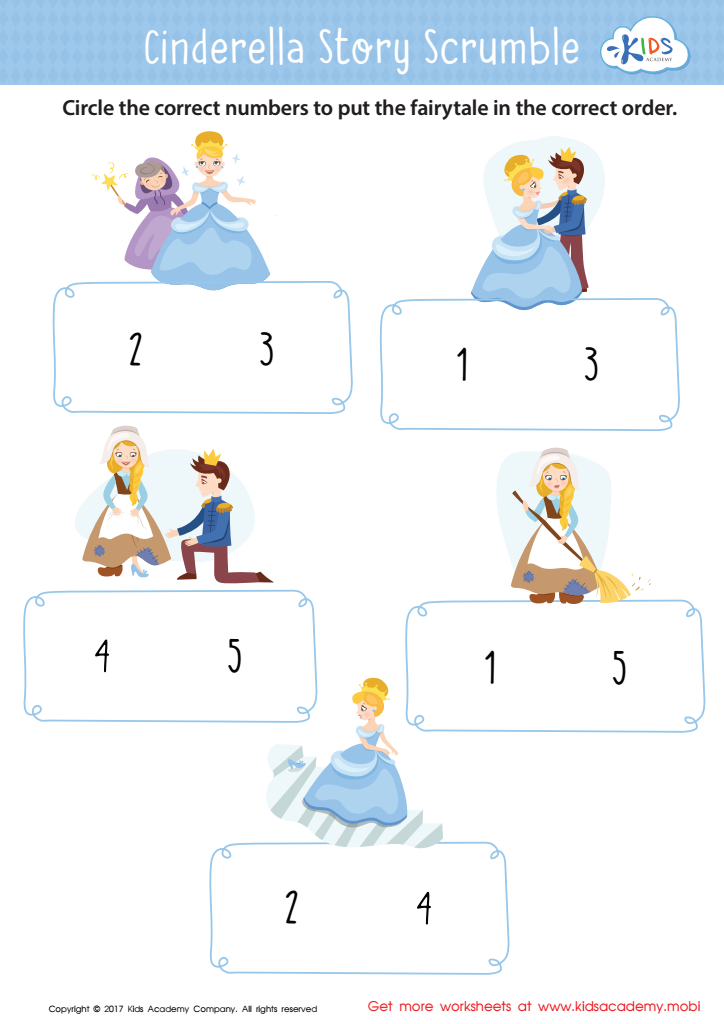
Cinderella Story Sequencing Worksheet
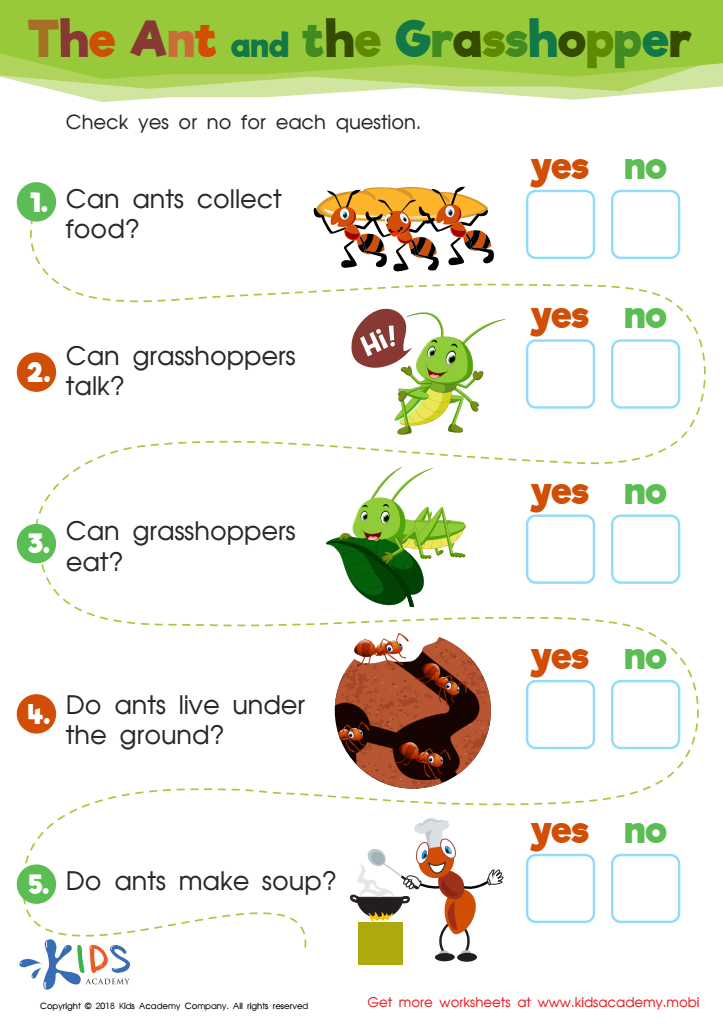
The Ant and The Grasshopper Worksheet
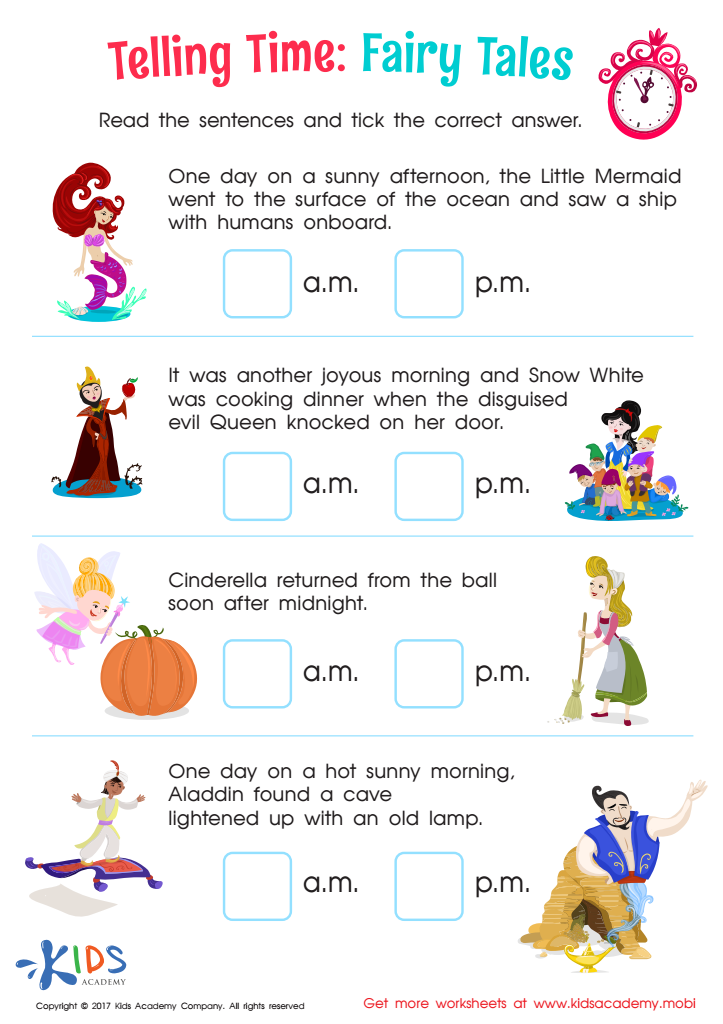
Telling Time: Fairy Tales Worksheet
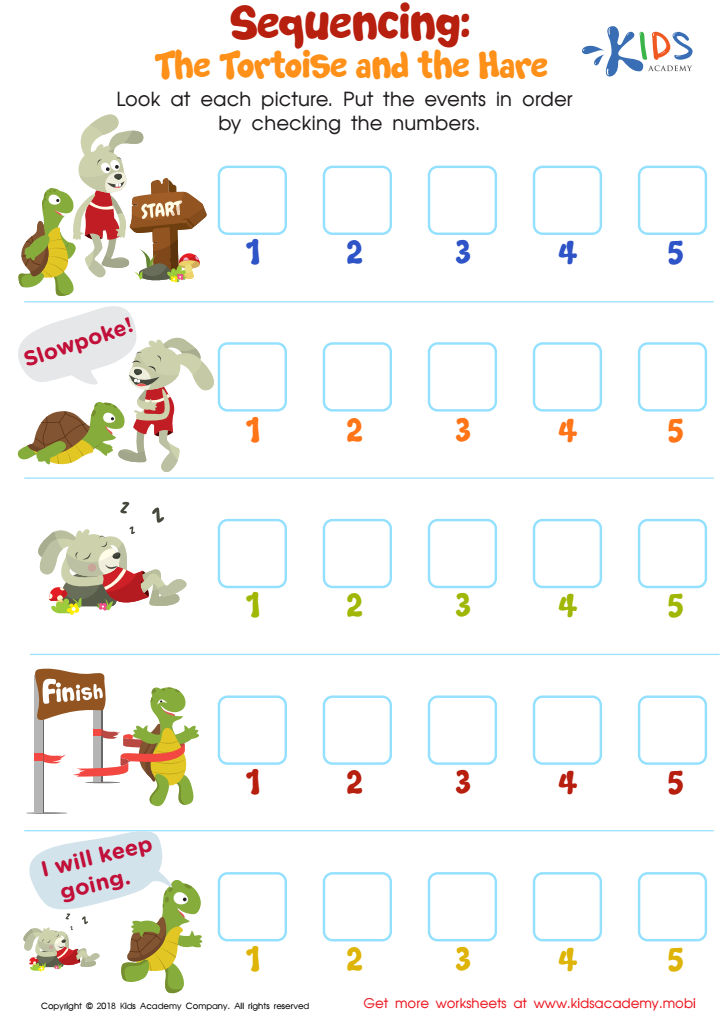
Sequencing: The Tortoise and the Hare Worksheet
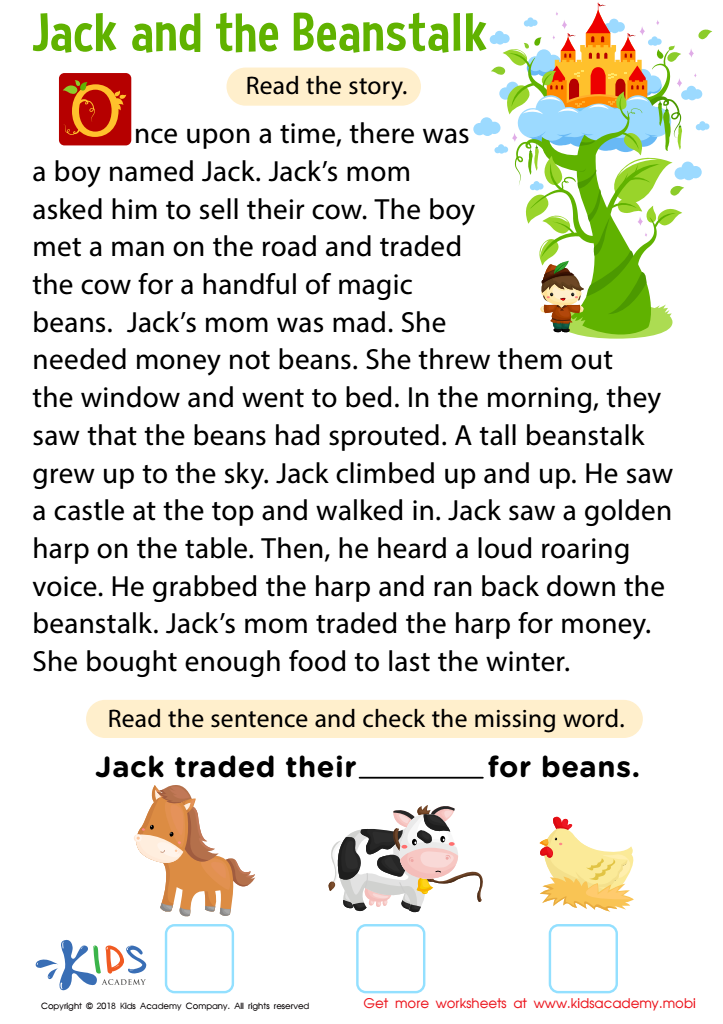
Jack and Beanstalk Worksheet
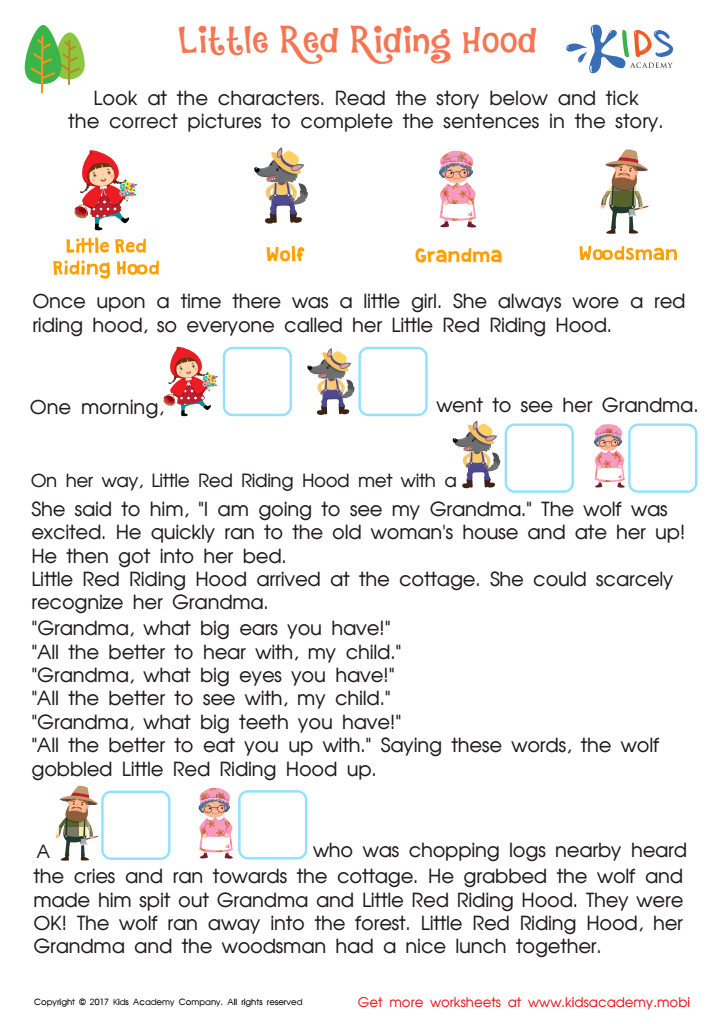
Little Red Riding Hood Printable
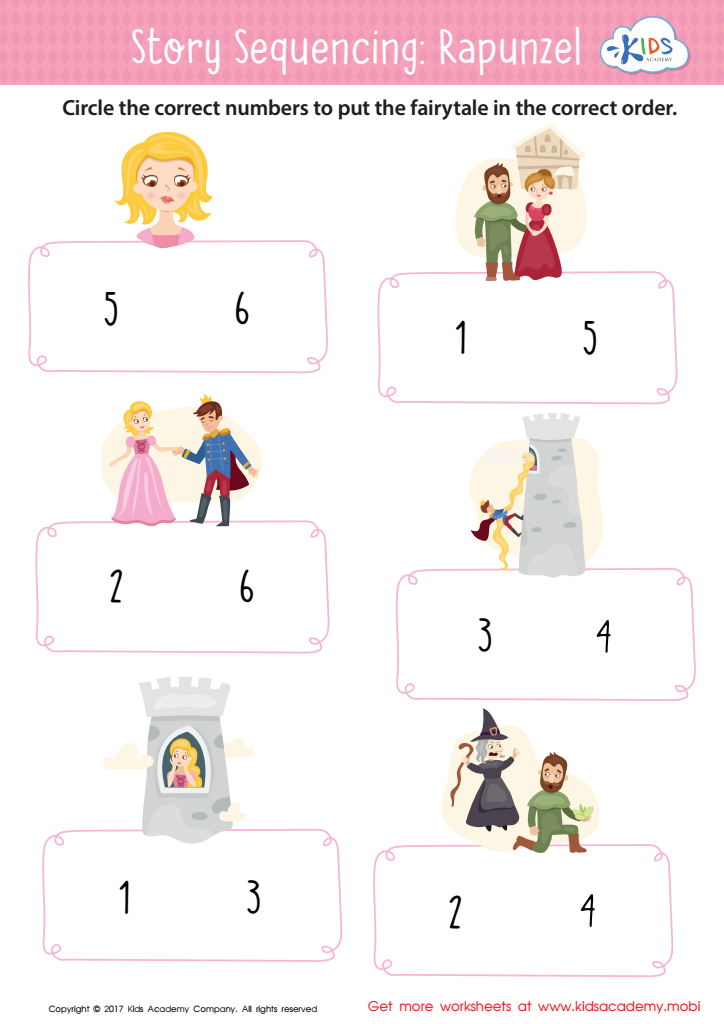
Rapunzel Story Sequencing Worksheet
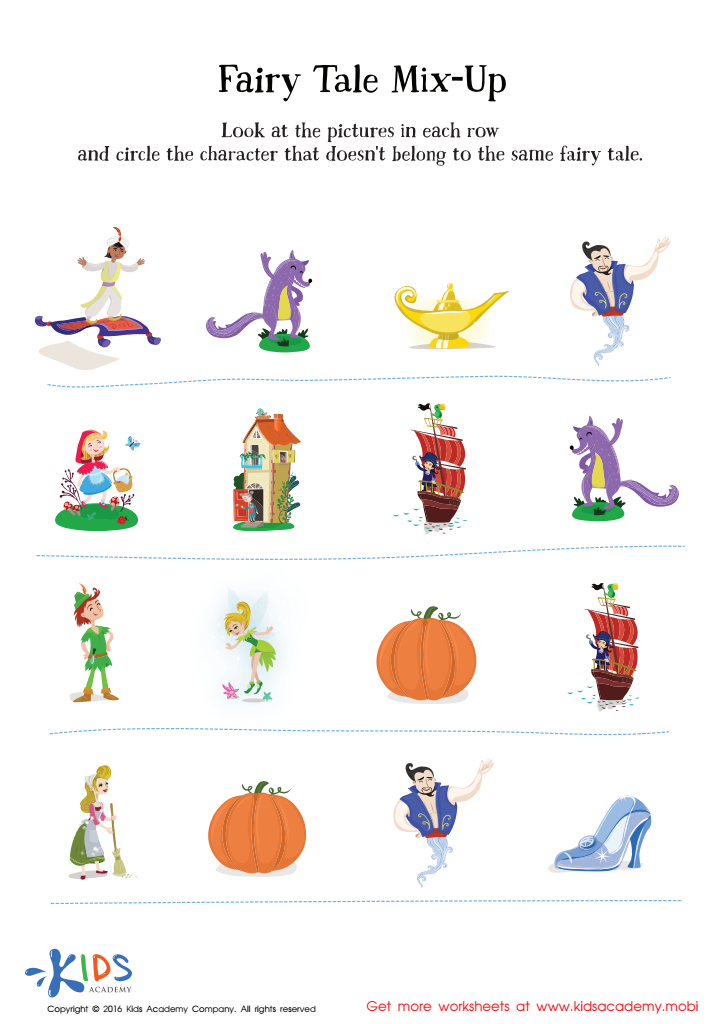
Fairy Tale Worksheet: Story Mix Up
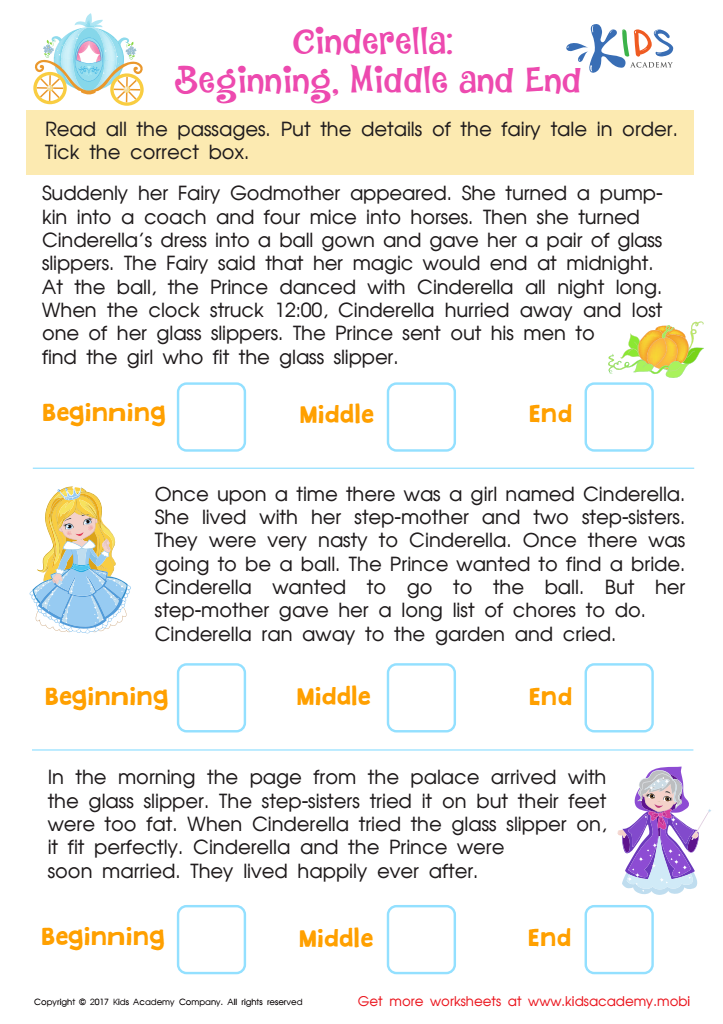
Cinderella: Beginning, Middle and End Worksheet
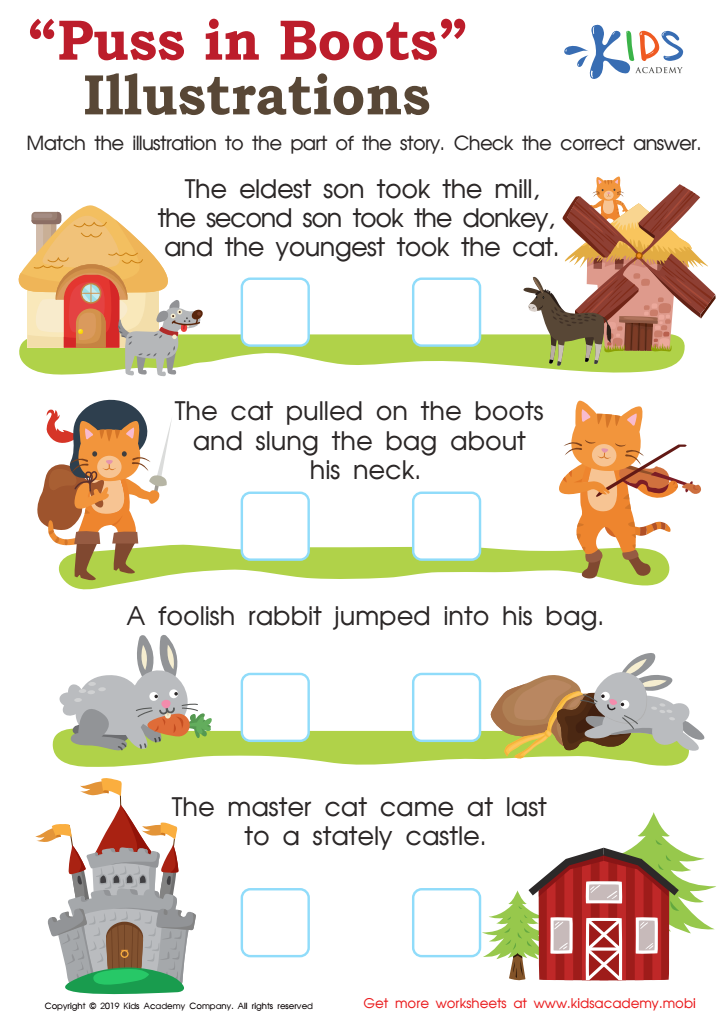
Puss in Boots Illustrations Worksheet
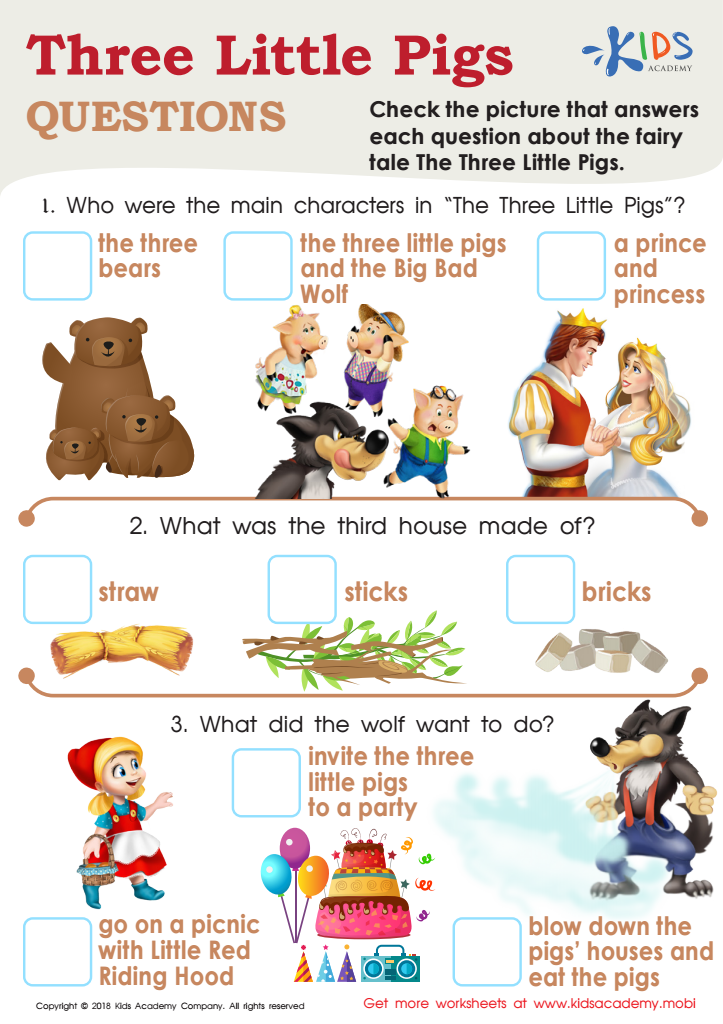
Three Little Pigs Questions Worksheet
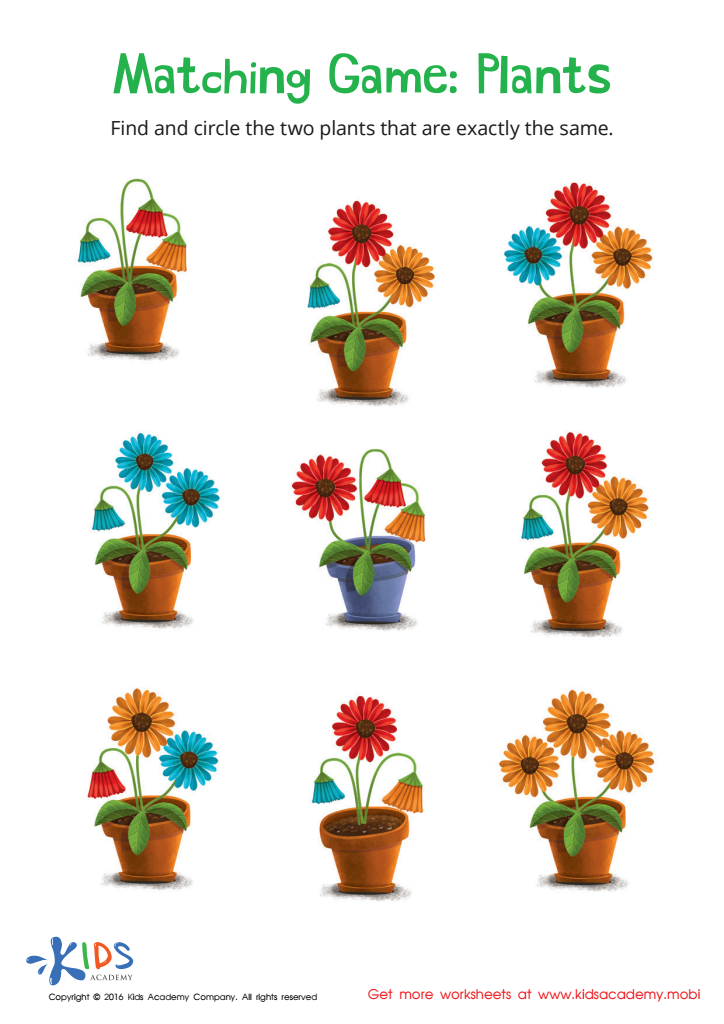
Matching: Plants Worksheet
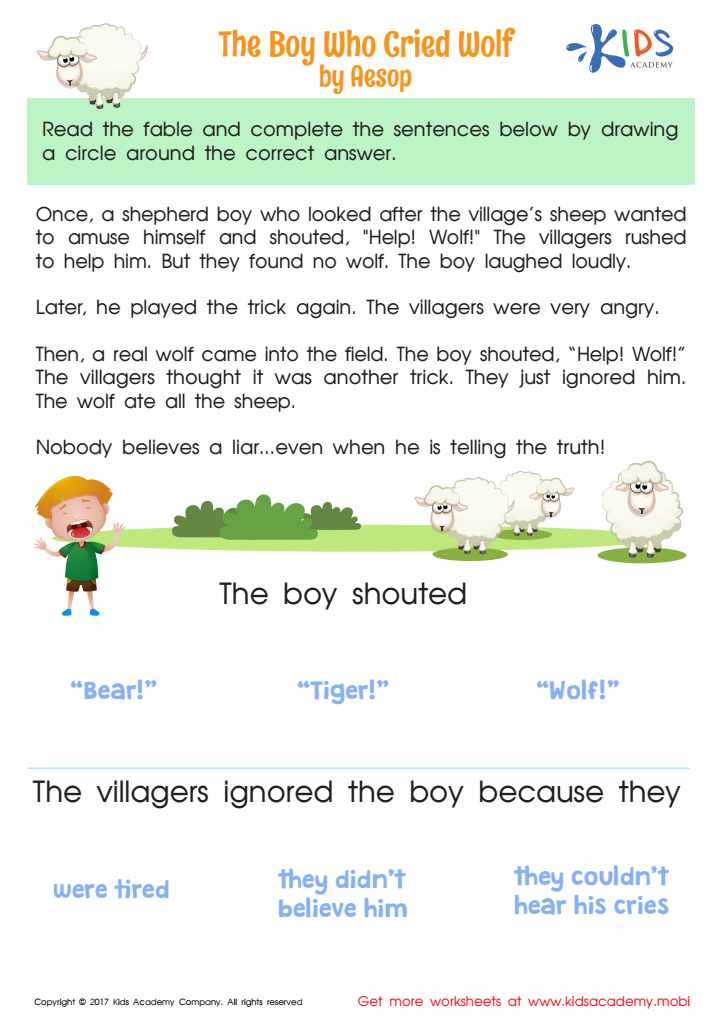
The Boy Who Cried Wolf Worksheet
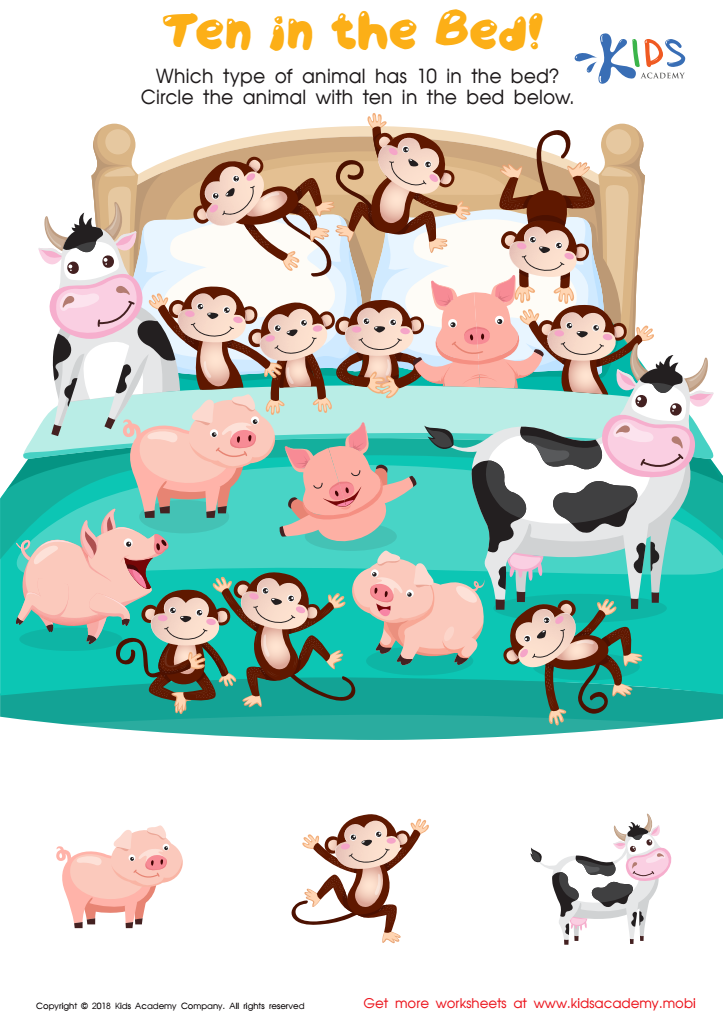
Ten in the Bed Worksheet








Story sequencing is a vital skill for children aged 6-9, primarily because it enhances their comprehension and critical thinking abilities. At this stage, children are transitioning from learning to read to reading to learn. Understanding the sequence of events in a story helps them grasp the plot structure and appreciate narrative flow, which is crucial for their overall literacy development.
When parents and teachers emphasize story sequencing, they enable children to better summarize and retell stories, improving vocabulary and communication skills. Students who can identify main events and arrange them chronologically develop a clearer understanding of cause and effect, which is foundational for problem-solving skills both in academics and real-life situations.
Furthermore, story sequencing stimulates creativity. As children rearrange or predict outcomes based on sequential clues, they become engaged thinkers. It encourages imagination and independent thought while reinforcing social skills, as discussing stories in groups fosters collaboration and empathy.
In summary, investing time in teaching story sequencing is essential for nurturing young learners. It supports their academic success and provides them with tools to become thoughtful and articulate individuals, not just in literacy but across various facets of their education.








