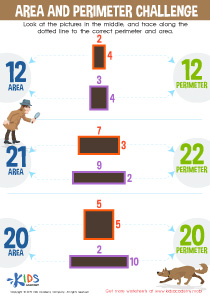
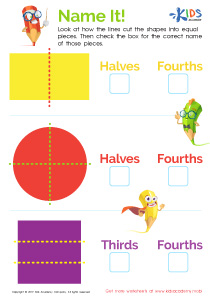
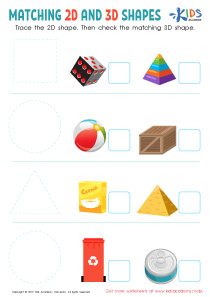
Shape Recognition 2D Shapes Worksheets for Ages 6-9
35 filtered results
-
From - To
Discover our engaging "Shape Recognition 2D Shapes Worksheets" designed for children ages 6-9! These worksheets offer a fun and interactive way to help young learners identify, classify, and understand various 2D shapes, including triangles, circles, squares, and more. Each activity is tailored to enhance recognition skills through creative exercises, captivating illustrations, and stimulating challenges. Perfect for teachers and parents alike, these resources align with educational standards to support your child's growth in mathematics. Download our free printable worksheets now to make shape learning an enjoyable experience. Help your child master the world of shapes and build a strong foundation in geometry today!
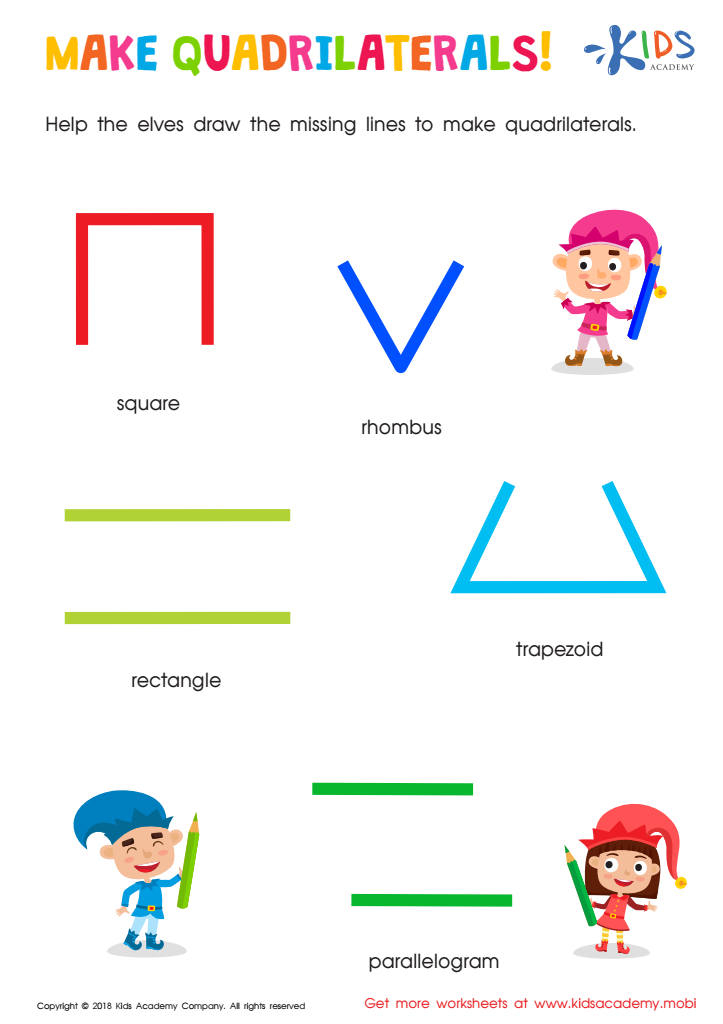
Make Quadrilaterals Worksheet
 Assign to My Students

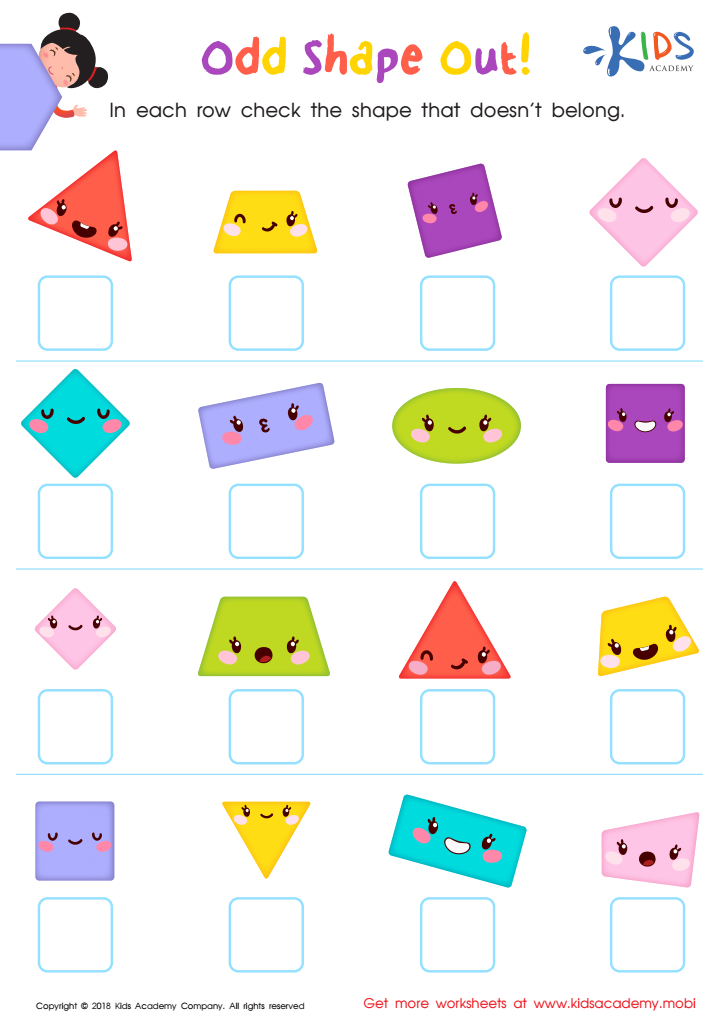
Odd Shape Out Worksheet for Grade 3
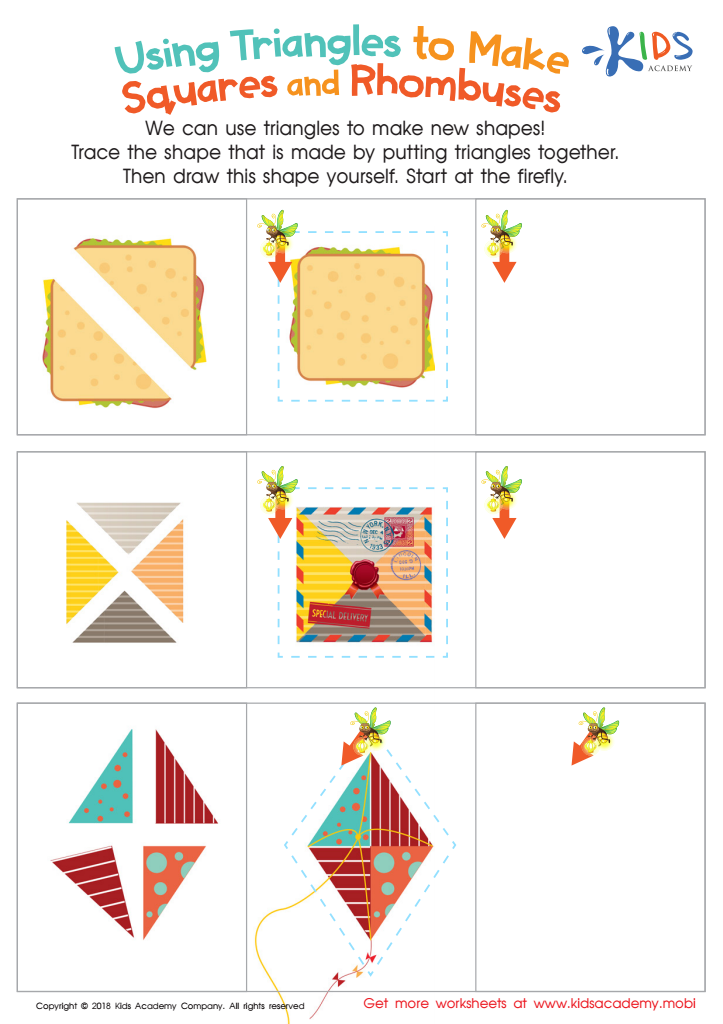
Using Triangles to Make Squares and Rhombuses Worksheet
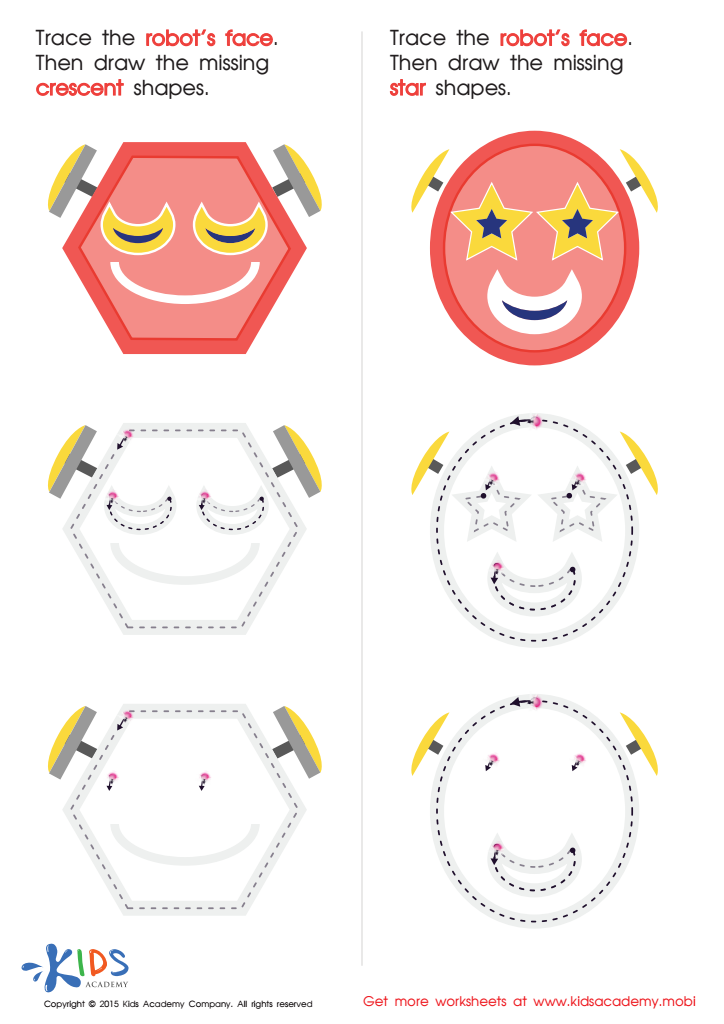
Composing a Robot's Face of Crescents And Stars Worksheet
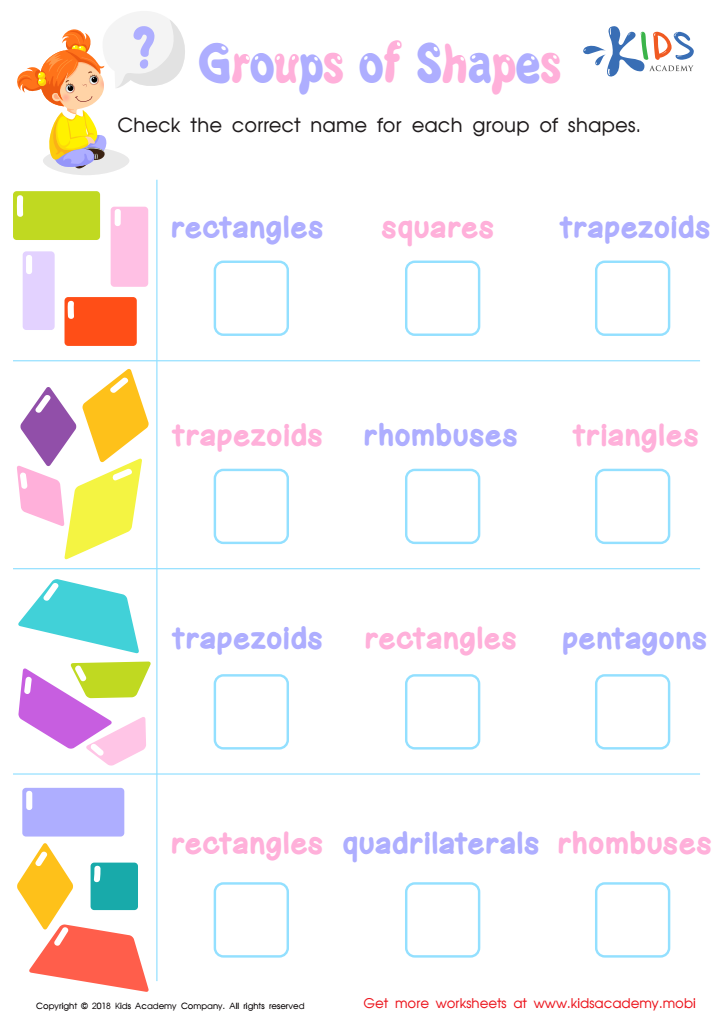
Groups of Shapes Worksheet
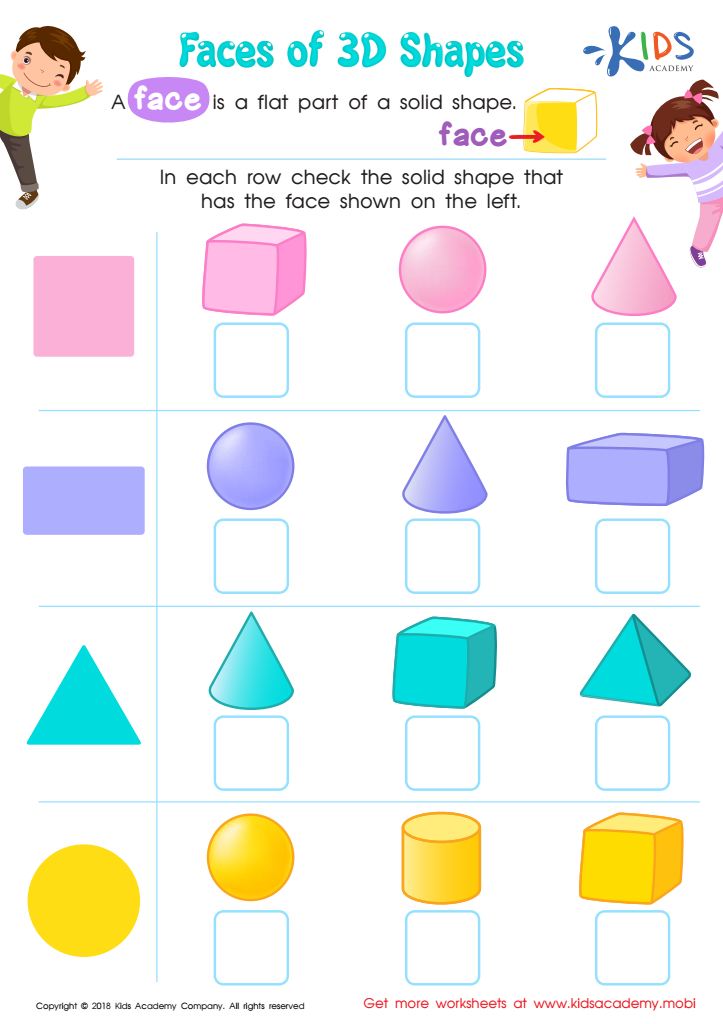
Faces of 3D Shapes Worksheet
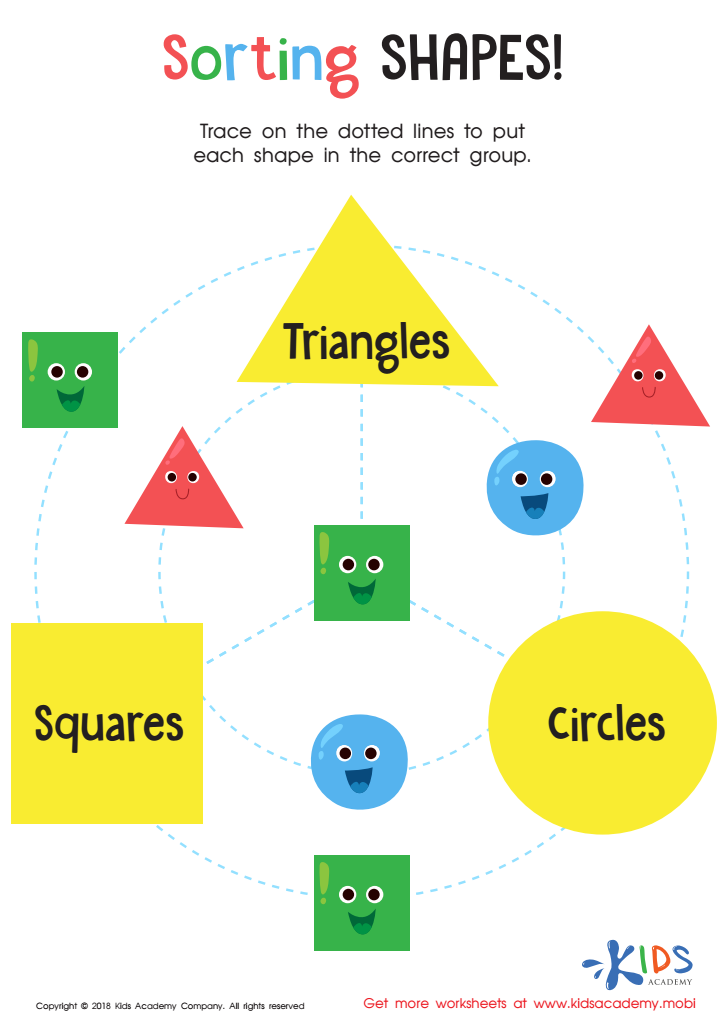
Sorting Shapes - Part 3 Worksheet
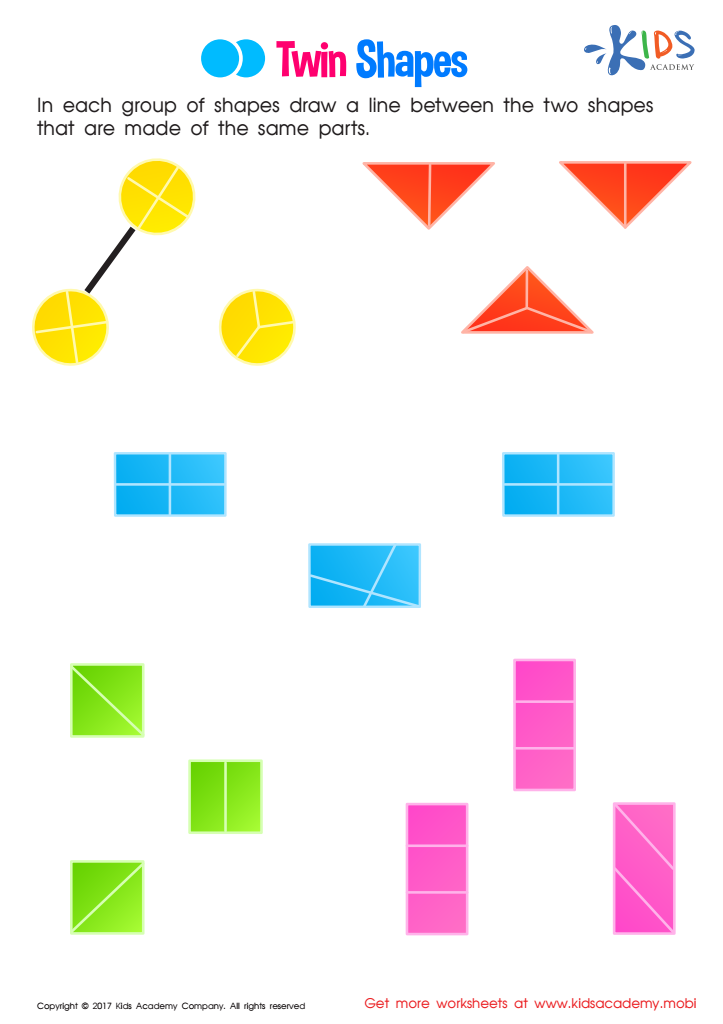
Twin Shapes Worksheet
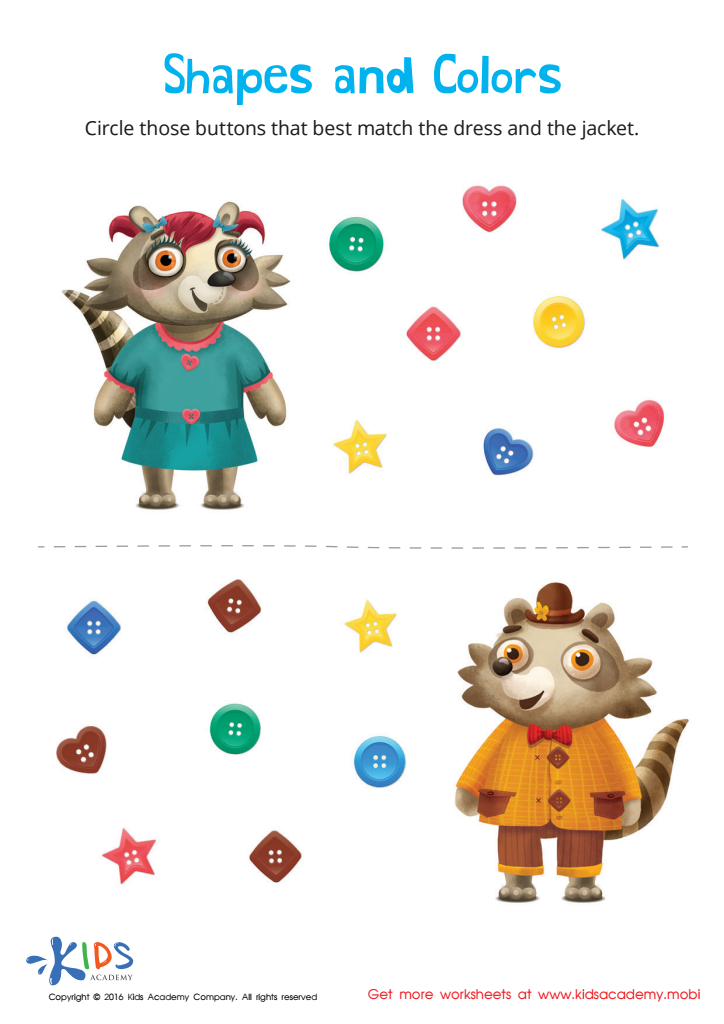
Matching: Shapes and Colors Worksheet
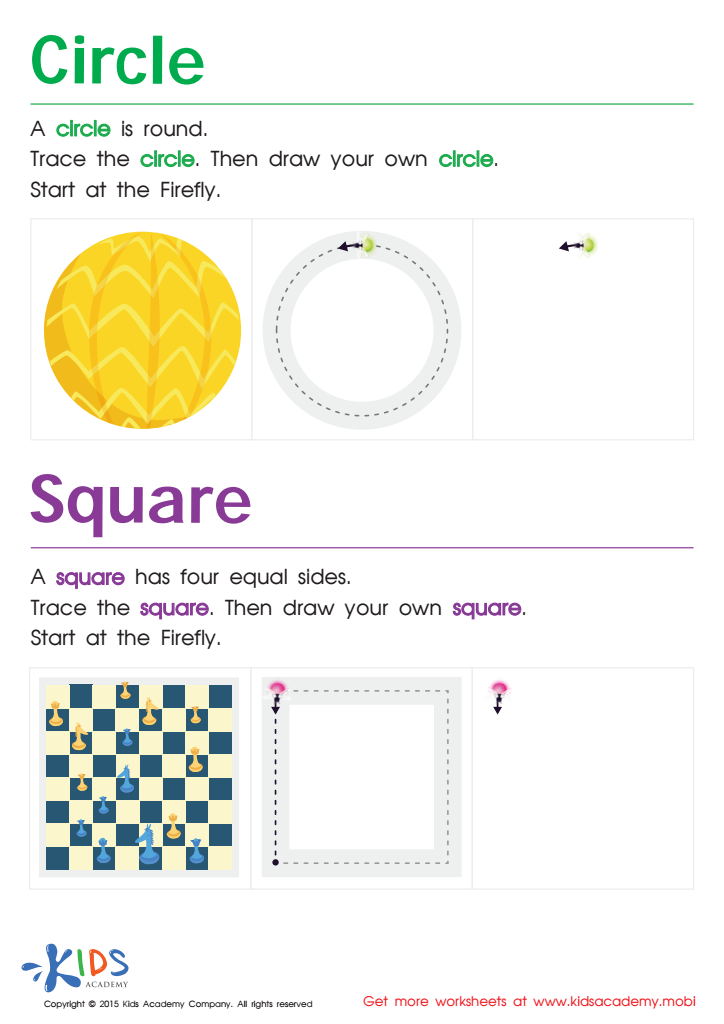
Trace And Draw a Circle And a Square Worksheet
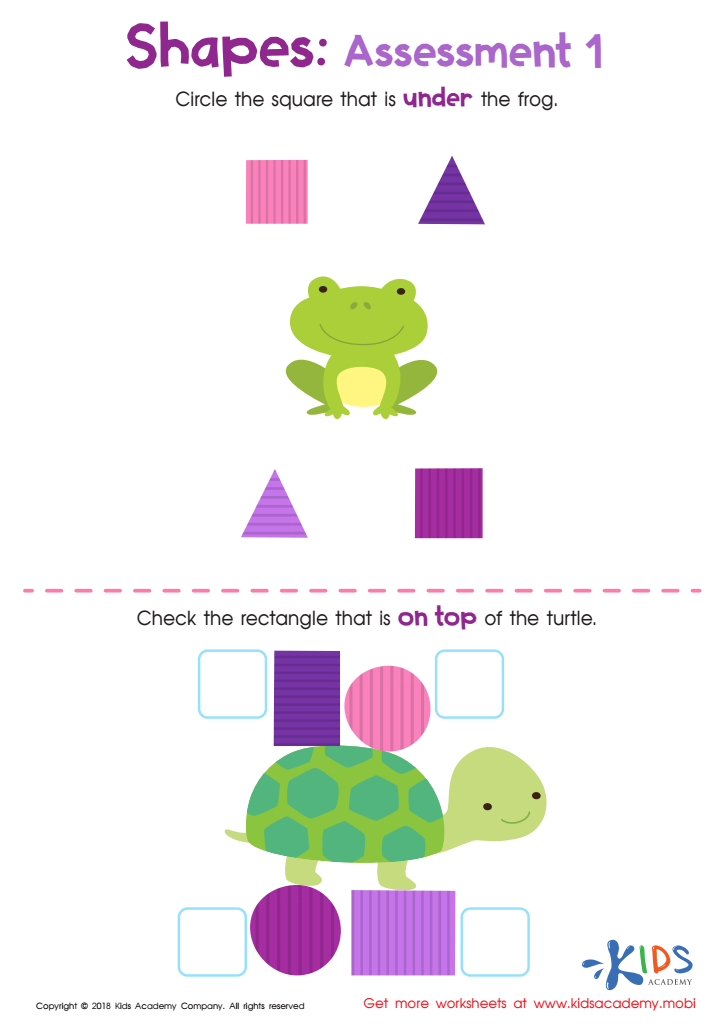
Geometry – Assessment 1 Worksheet
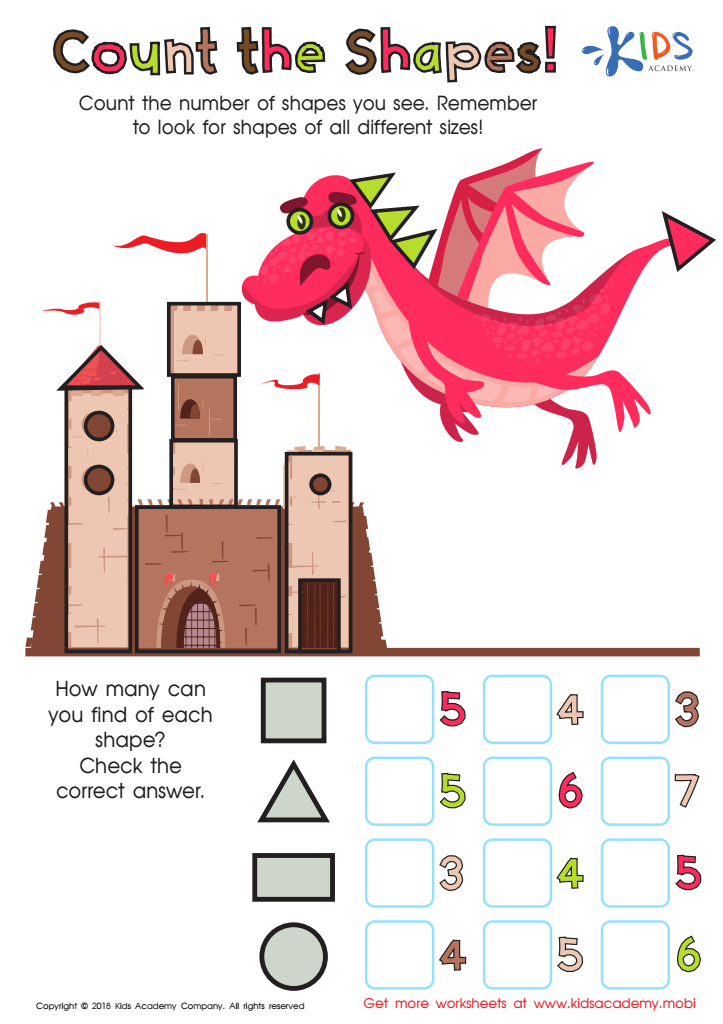
Count the Shapes Worksheet
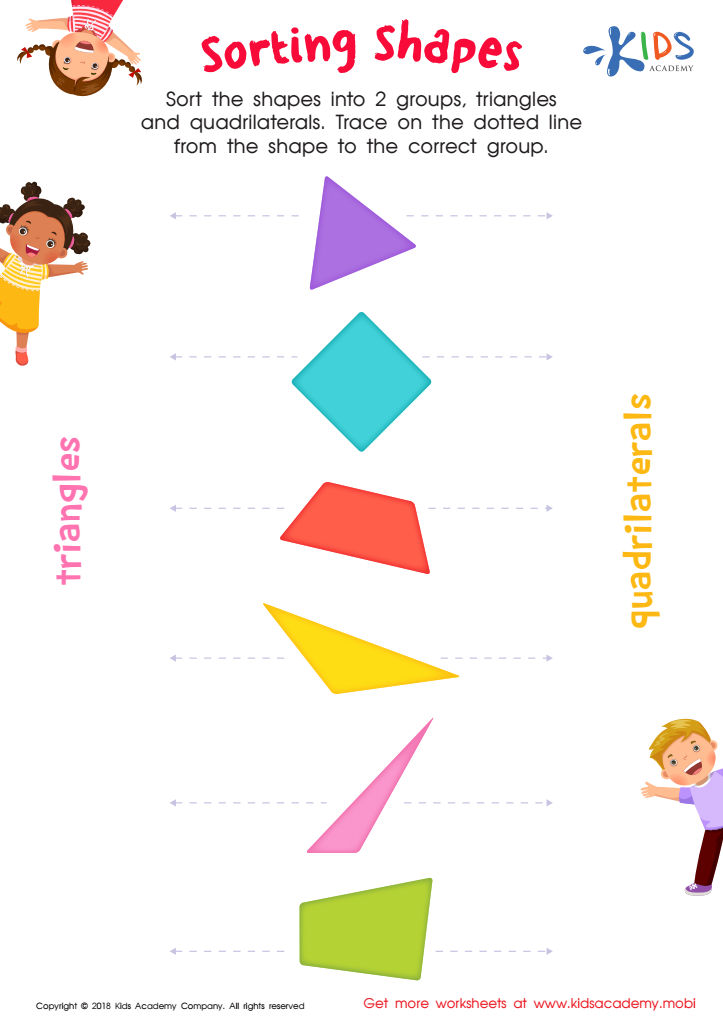
Sorting Shapes Worksheet
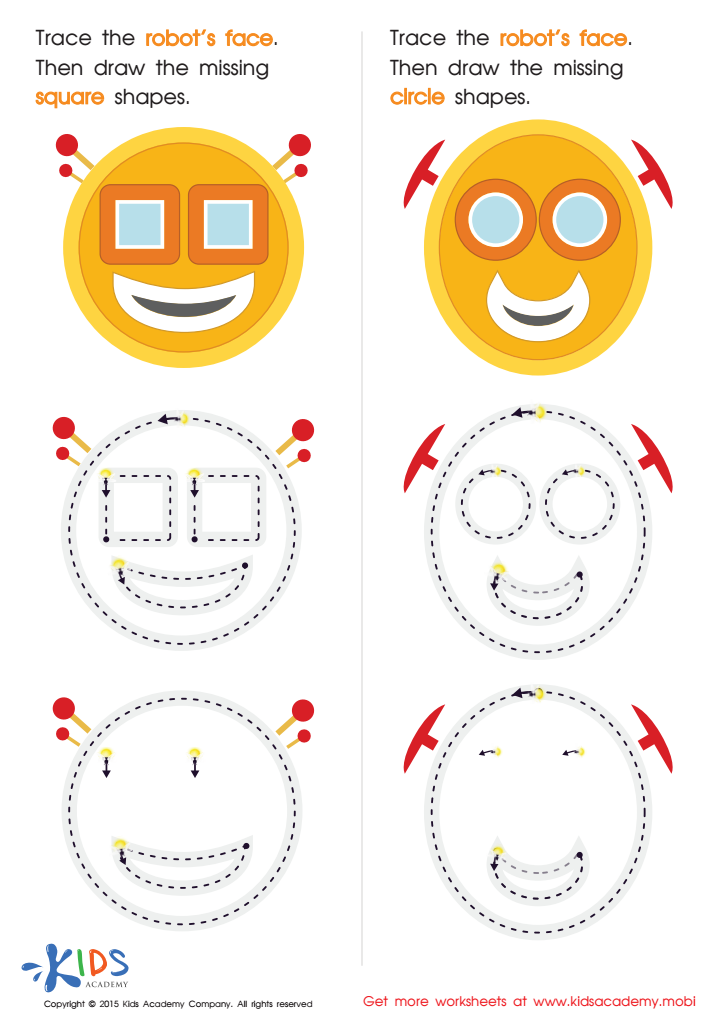
Practicing to Draw Circles And Squares Printable
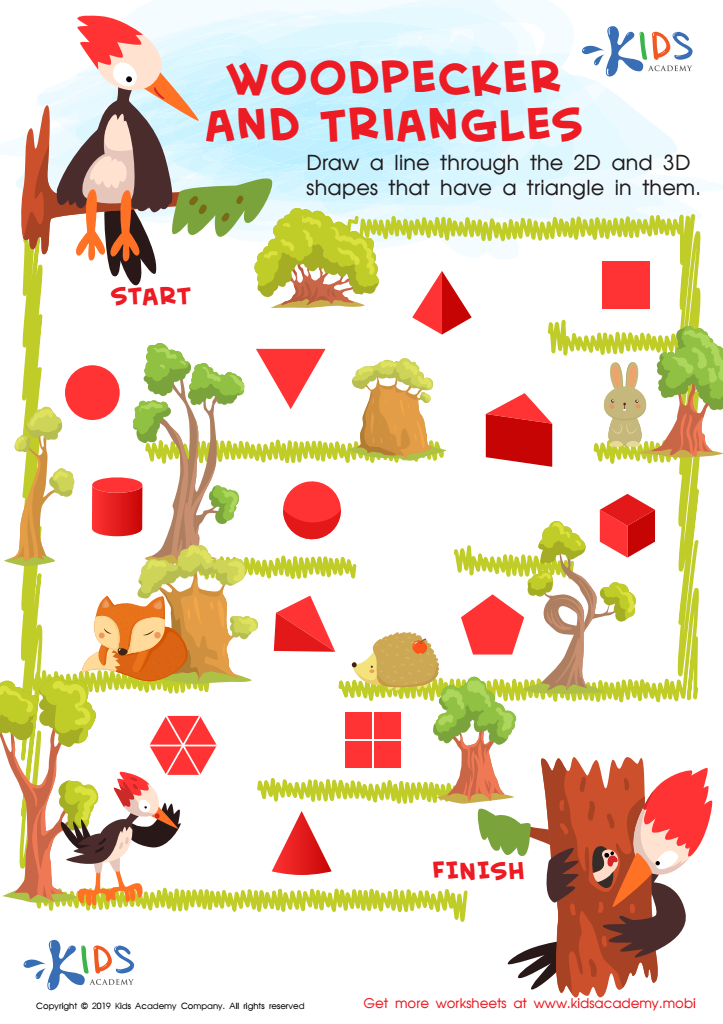
Woodpecker and Triangles Worksheet
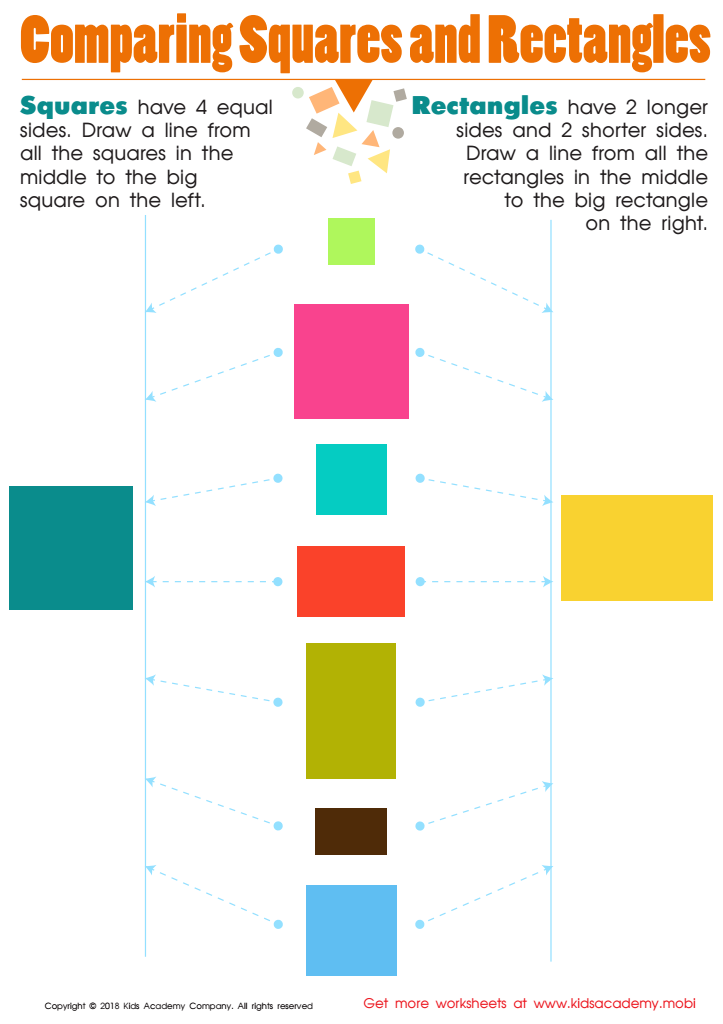
Comparing Squares Rectangles Worksheet
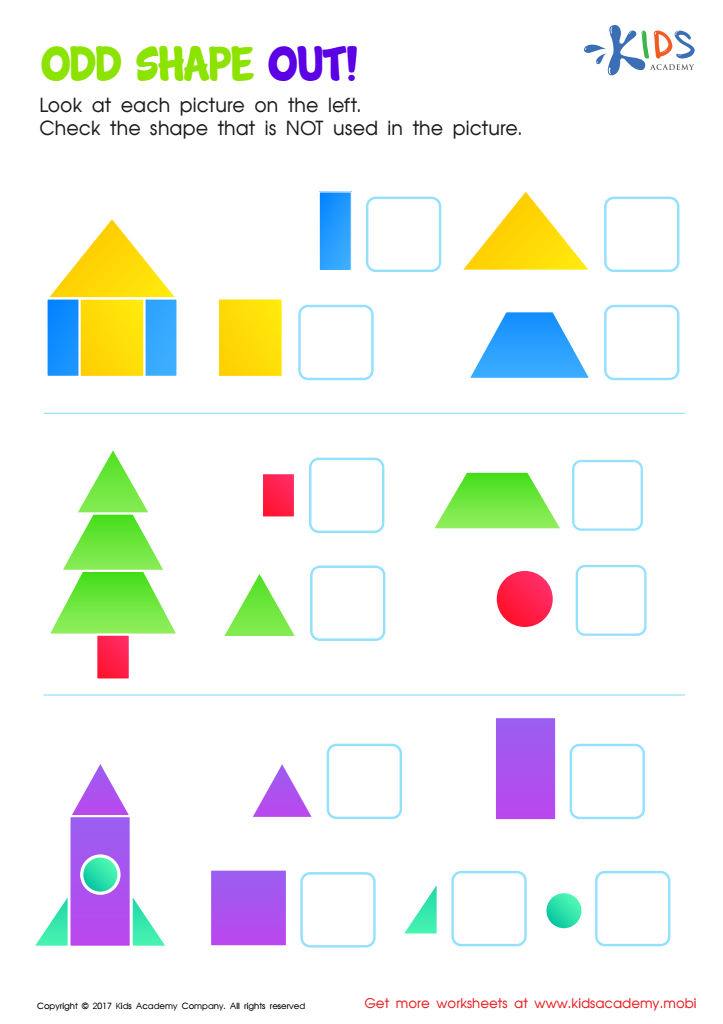
Odd Shape Out Worksheet for Grade 1
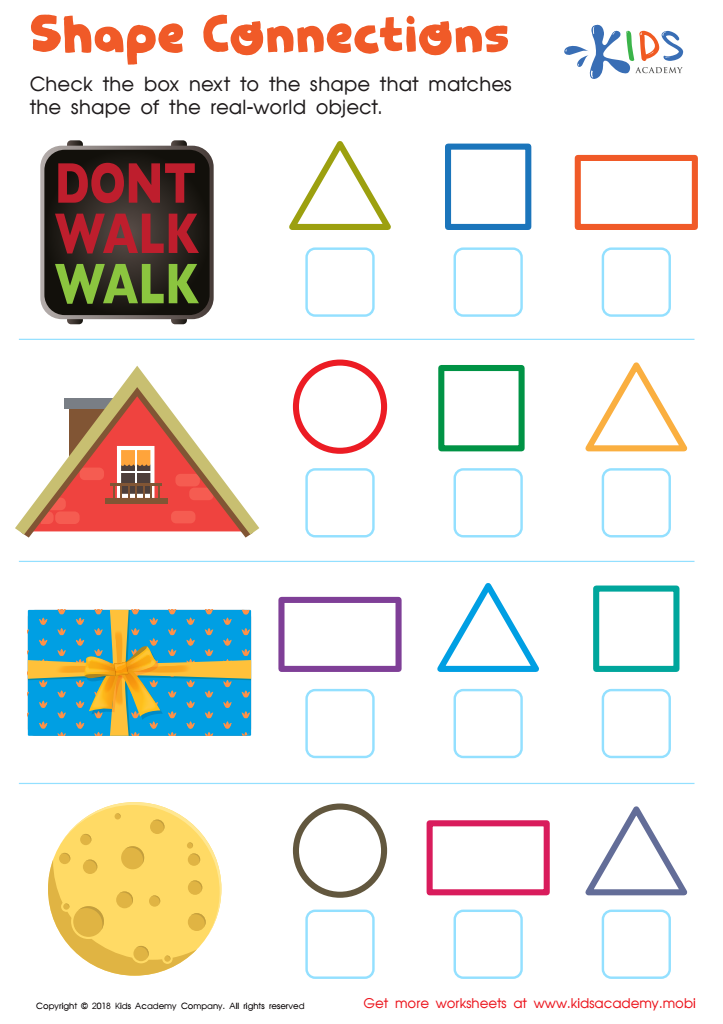
Shape Connections Worksheet
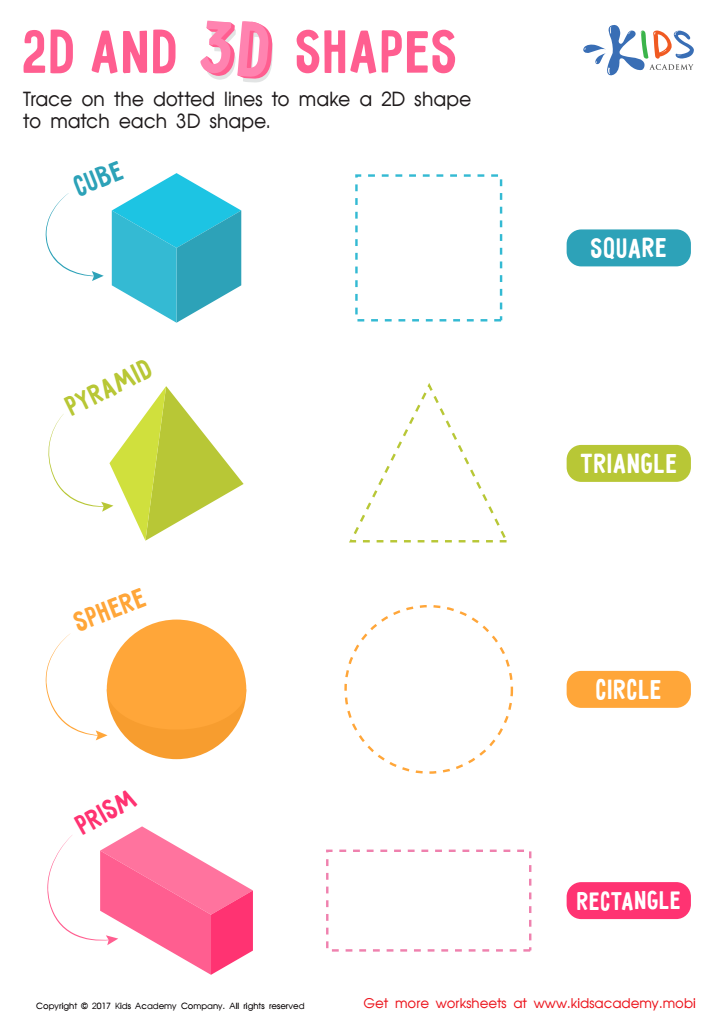
2D and 3D Shapes Worksheet
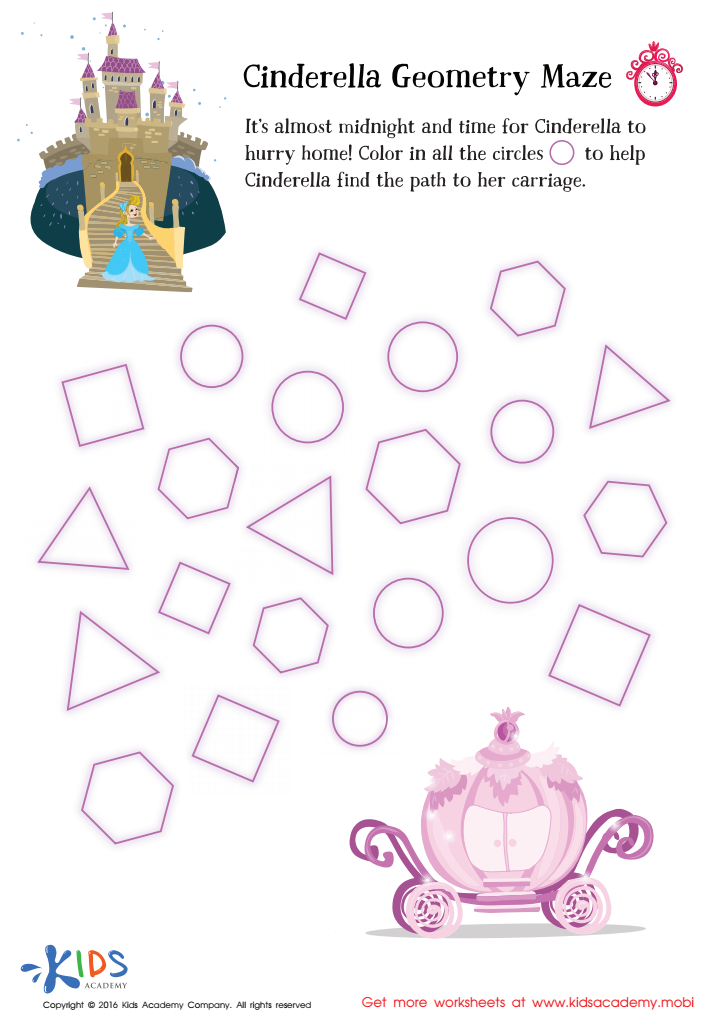
Cinderella Geometry Maze Worksheet
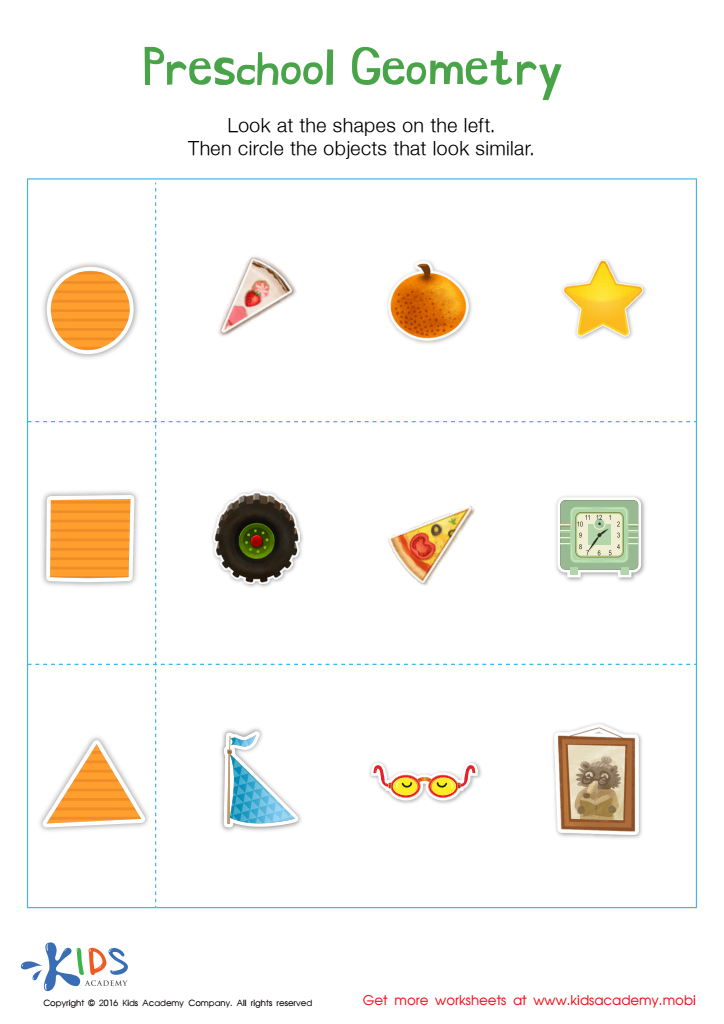
Preschool Geometry Match Up Worksheet
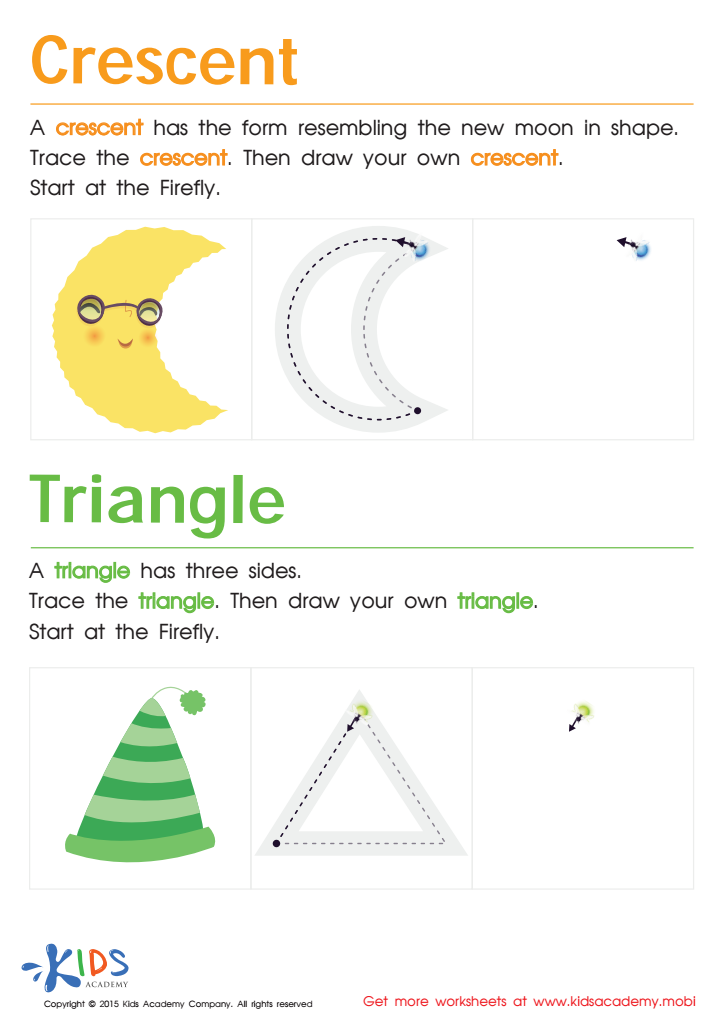
Learning to Draw Crescents And Triangles Worksheet
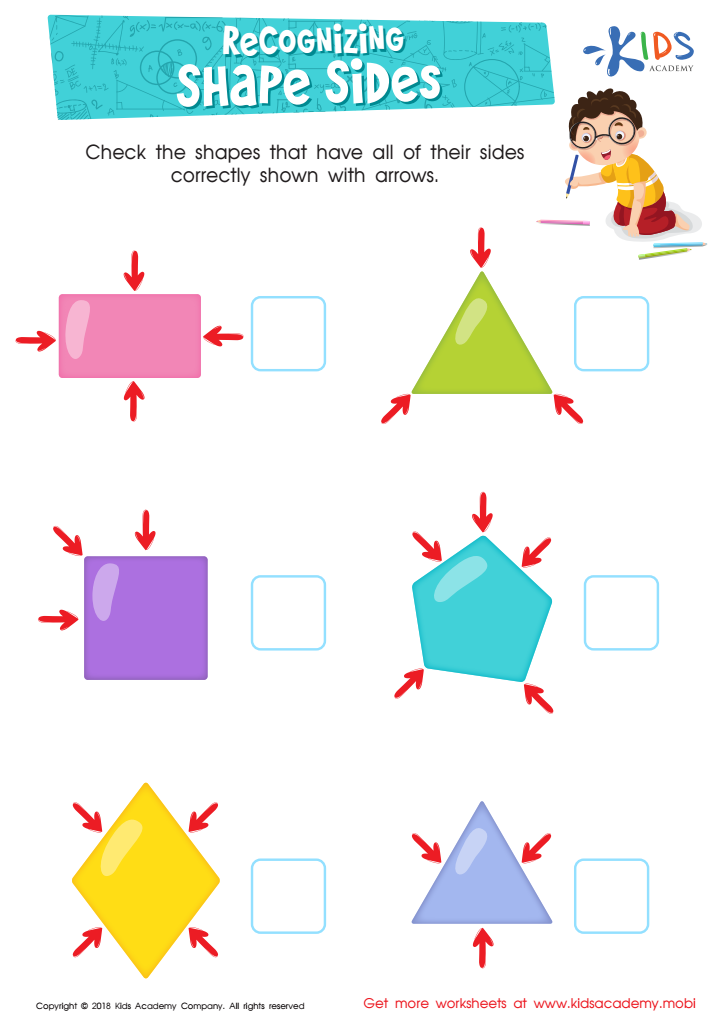
Recognizing Shape Sides Worksheet
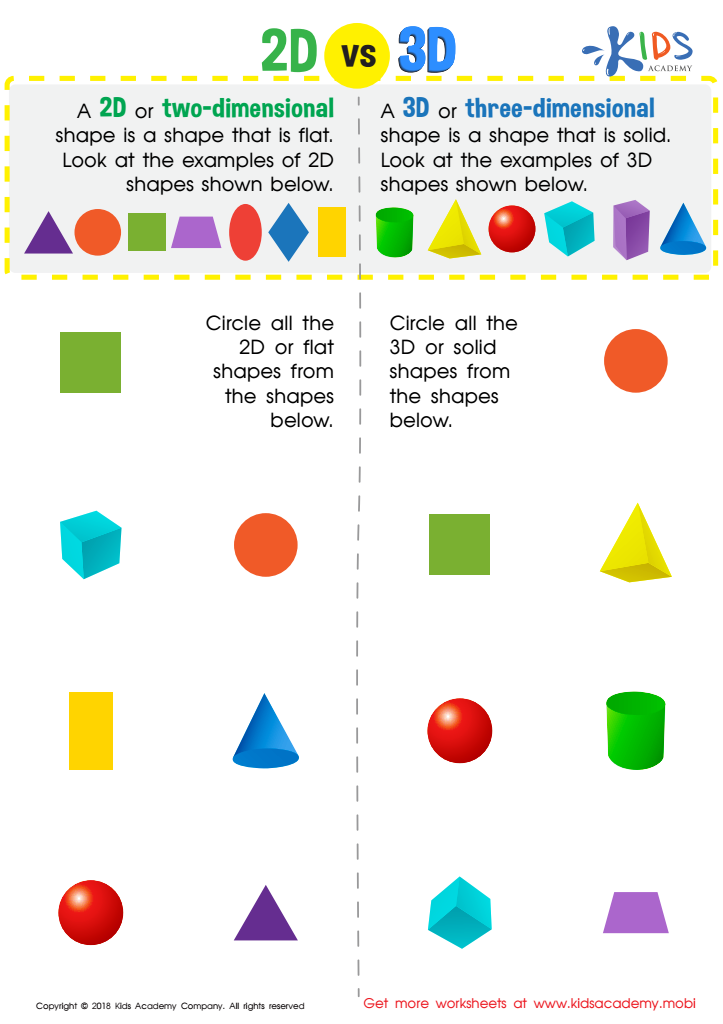
2D vs 3D Shapes Worksheet








Shape recognition is a fundamental cognitive skill that supports children’s overall development, particularly for ages 6-9. At this stage, kids are developing critical visual-spatial skills, which are important for problem-solving and mathematical reasoning. Recognizing and categorizing 2D shapes helps them to understand their environment and develop mathematical vocabulary. For instance, distinguishing between circles, squares, triangles, and rectangles lays the groundwork for geometry later in life.
Furthermore, shape recognition enhances fine motor skills as children often engage in hands-on activities, like cutting and drawing shapes. This foundational skill also boosts their perseverance and creativity as they experiment with different combinations and applications of shapes in art and engineering projects.
From a practical standpoint, effective shape recognition can influence academic performance in mathematics and science, where visualizing concepts is crucial. Encouraging discussions about shapes during daily activities fosters an early love for learning and exploration.
Lastly, shape recognition can be a playful and interactive aspect of learning through games and puzzles, making it a valuable and enjoyable focus for parents and educators. By prioritizing shape recognition, adults can lay a strong foundation for their children’s lifelong learning journey.