Shape Recognition Geometry Worksheets for Ages 6-9
66 filtered results
-
From - To
Explore our engaging Shape Recognition Geometry Worksheets designed specifically for children ages 6-9! These interactive worksheets help young learners develop vital geometric understanding through fun activities that promote shape identification and comparison. Your students will enjoy tracing, coloring, and categorizing different shapes, which enhance their visual-spatial skills and critical thinking. Our user-friendly worksheets are perfect for classroom use or at-home learning, ensuring that learners build a strong foundation in geometry. Tailored to meet the needs of diverse learners, these worksheets make geometry accessible and exciting. Start your child's journey to geometry mastery today with our captivating shape recognition resources!
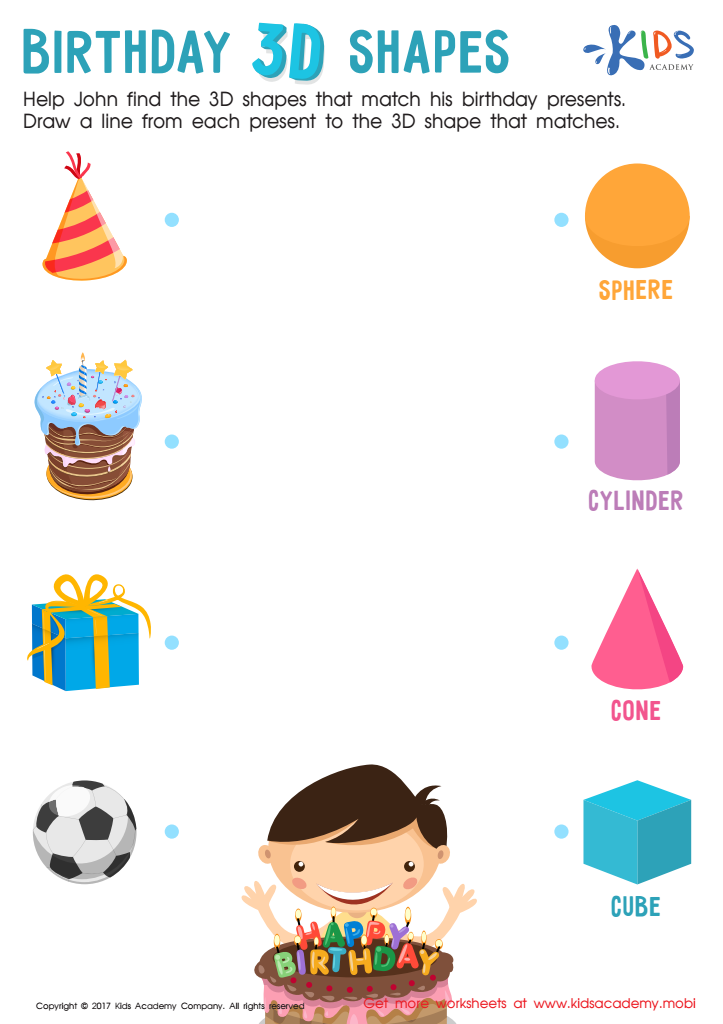
Birthday 3D Shapes Worksheet
 Assign to My Students











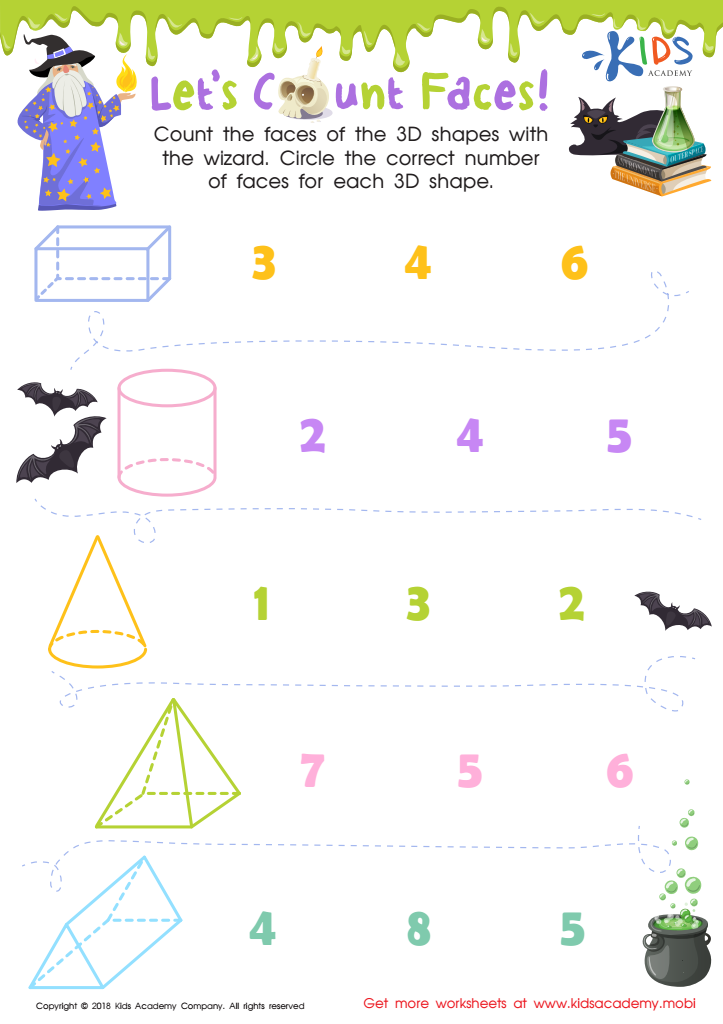
Let's Count Faces! Worksheet
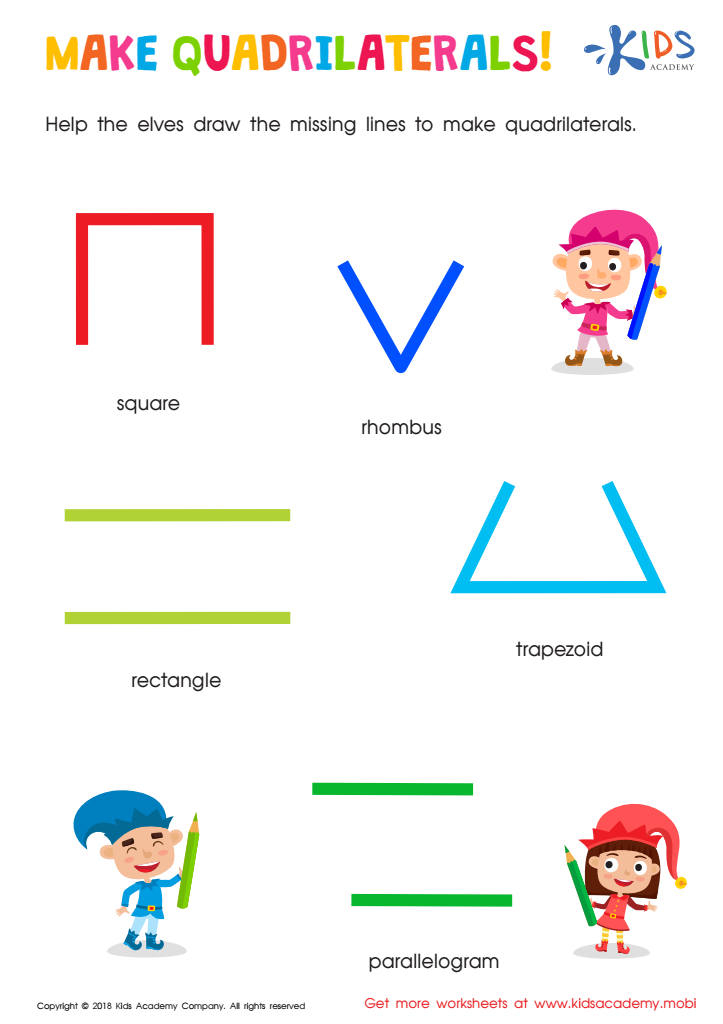
Make Quadrilaterals Worksheet
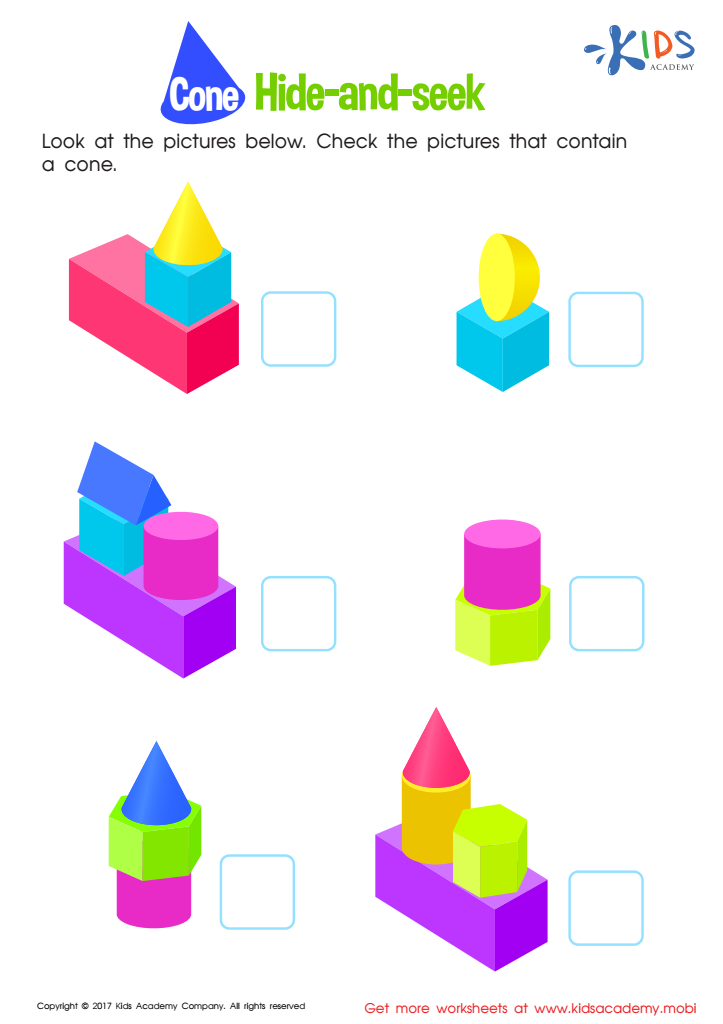
Cone Hide-and-Seek Worksheet
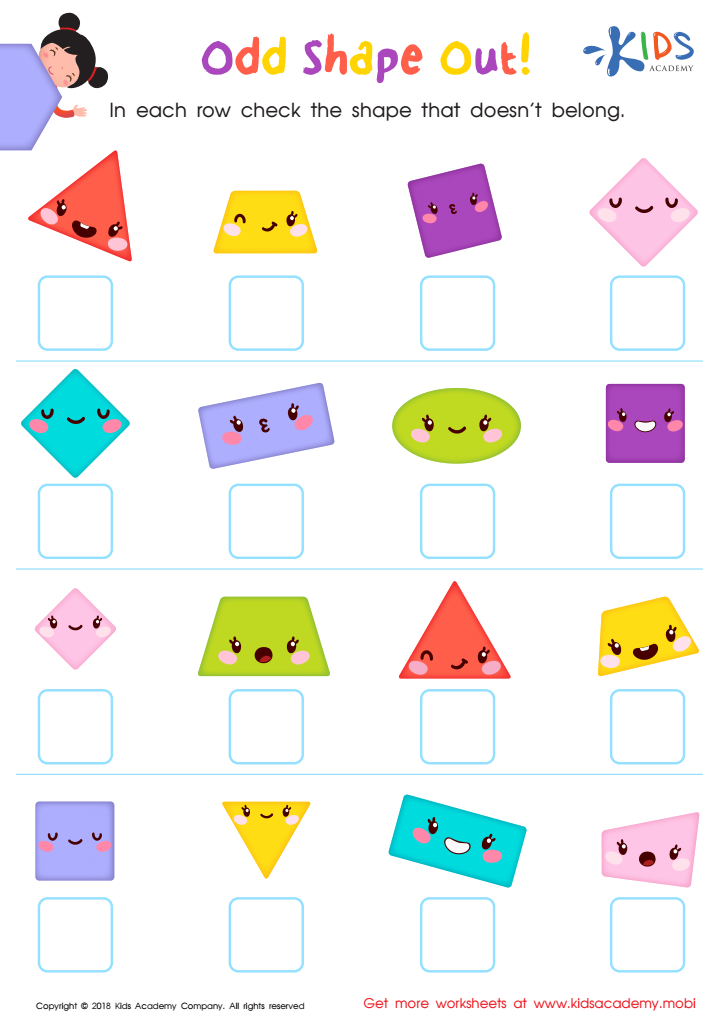
Odd Shape Out Worksheet for Grade 3
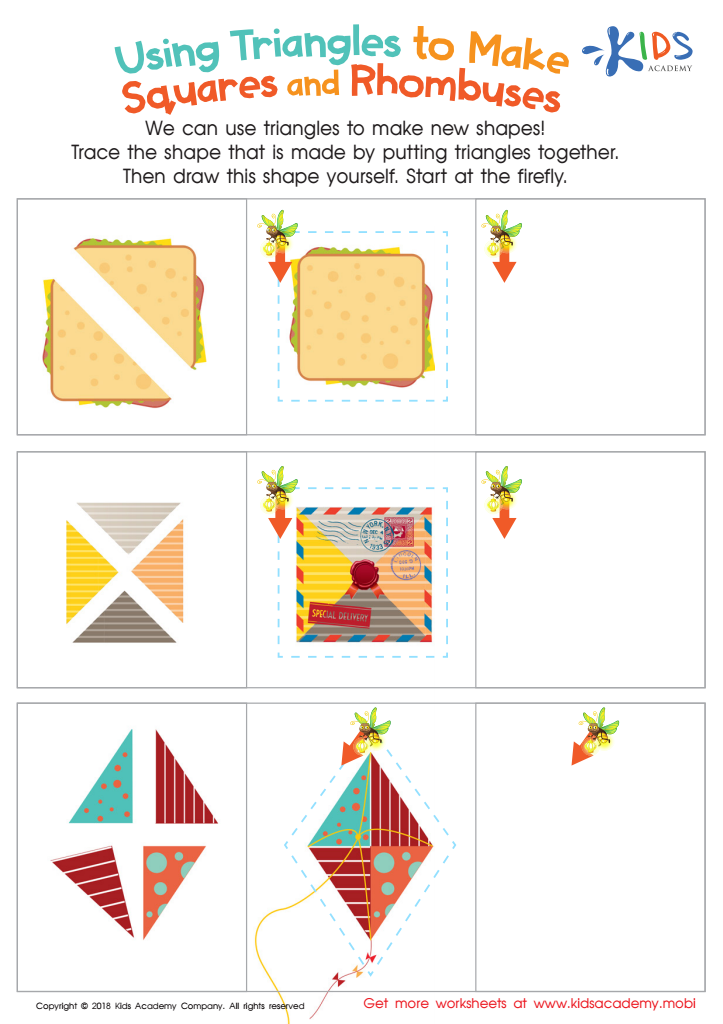
Using Triangles to Make Squares and Rhombuses Worksheet
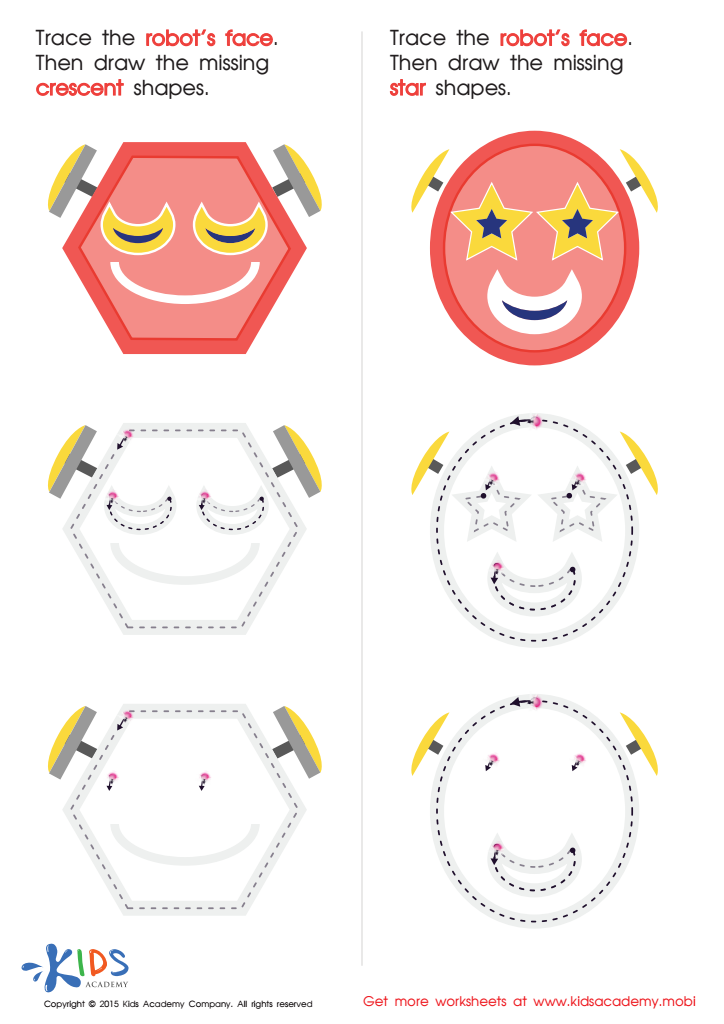
Composing a Robot's Face of Crescents And Stars Worksheet
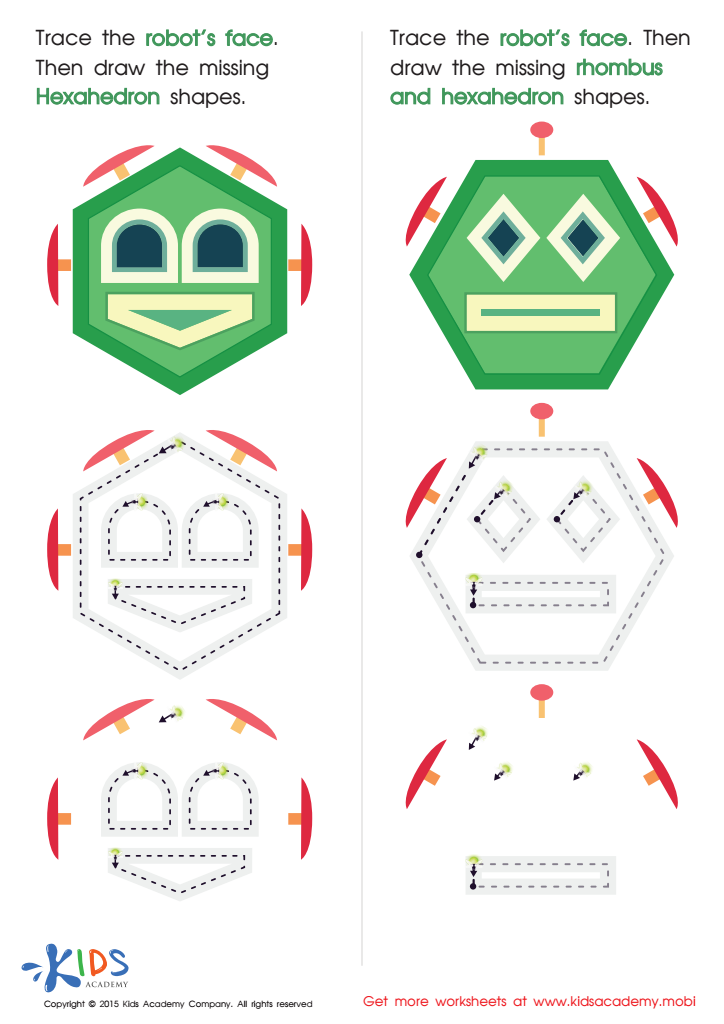
Practice Drawing Hexahedrons And a Rhombus Worksheet
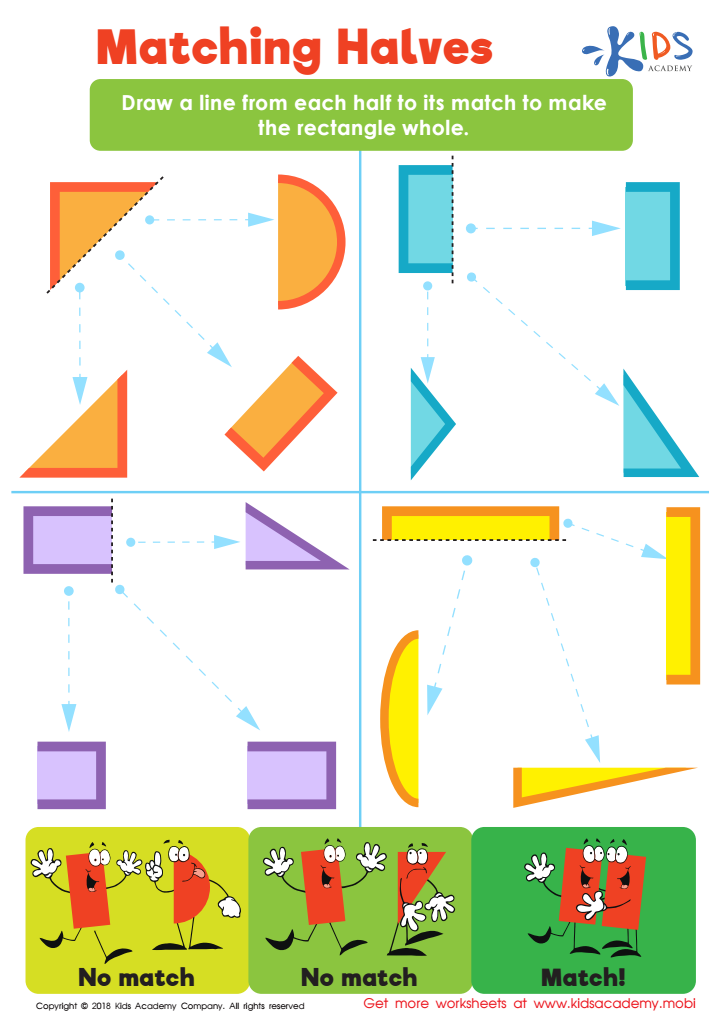
Matching Halves Worksheet
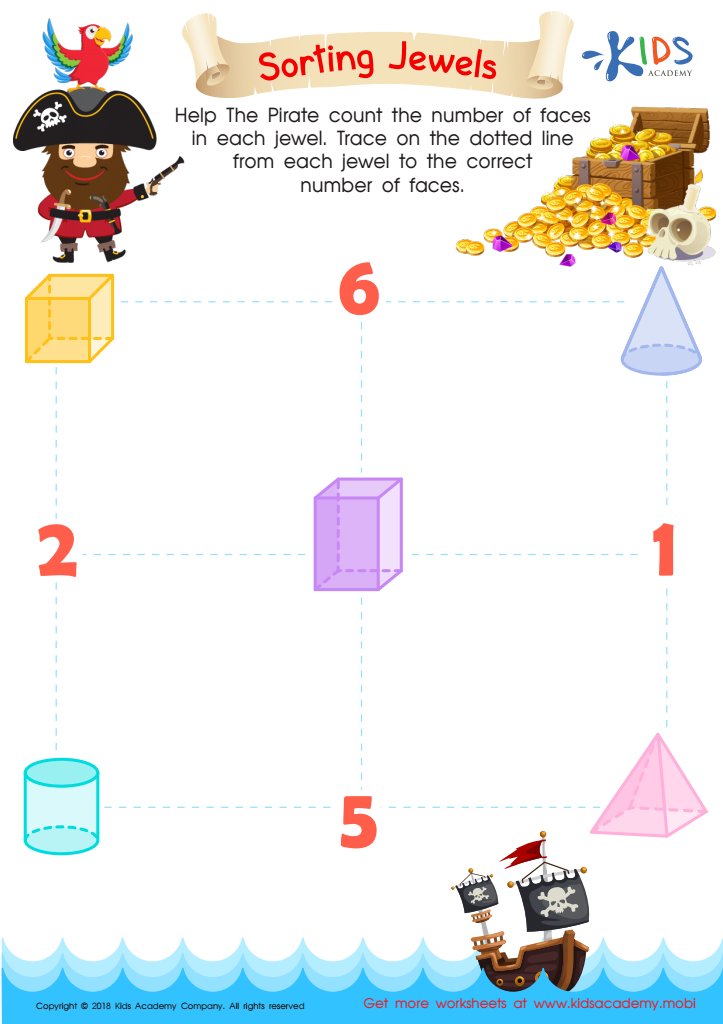
Sorting Jewels Worksheet
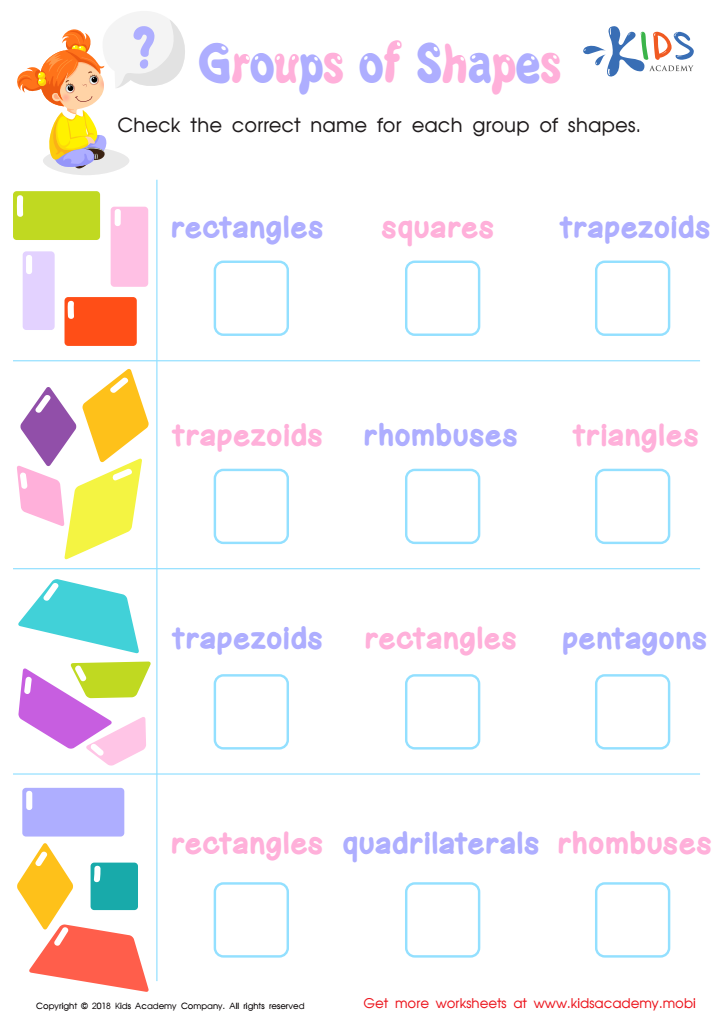
Groups of Shapes Worksheet
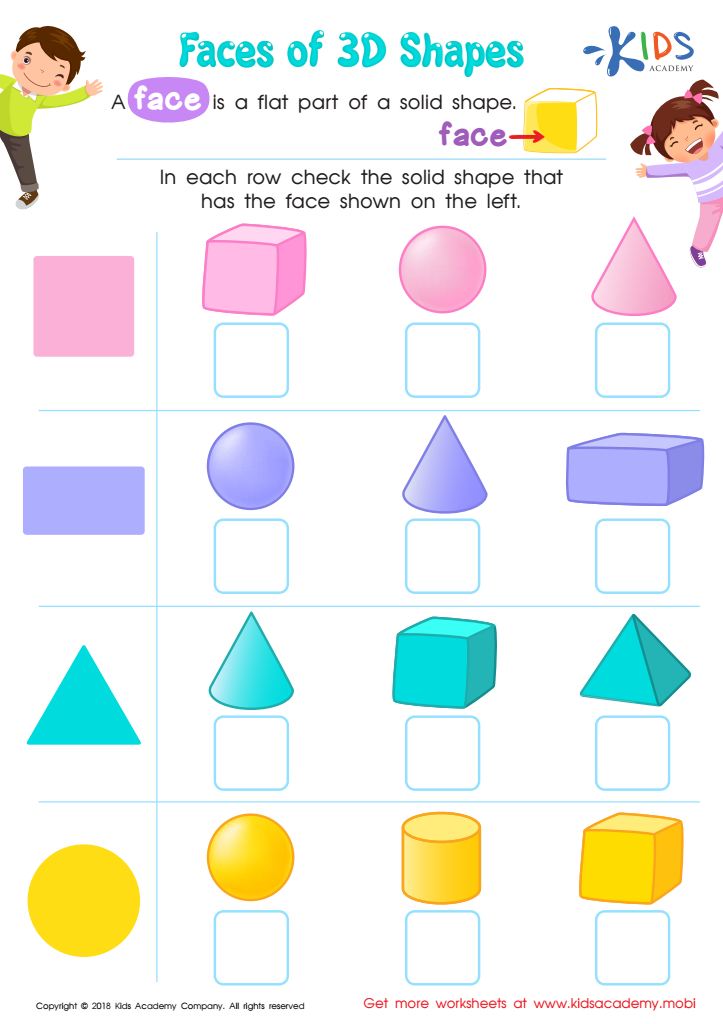
Faces of 3D Shapes Worksheet
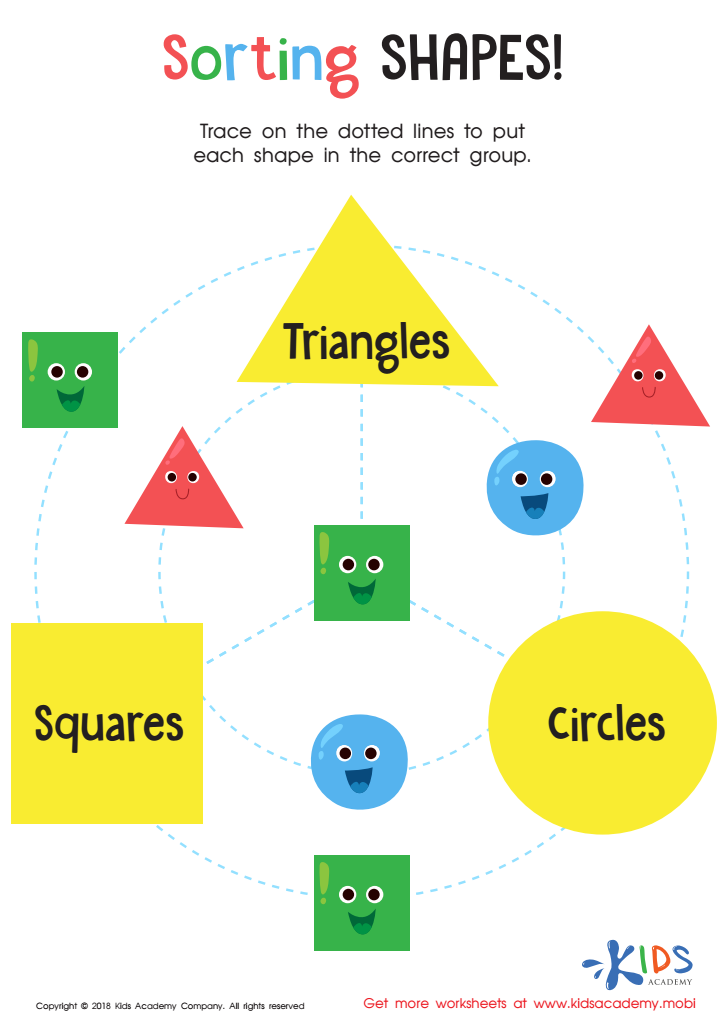
Sorting Shapes - Part 3 Worksheet
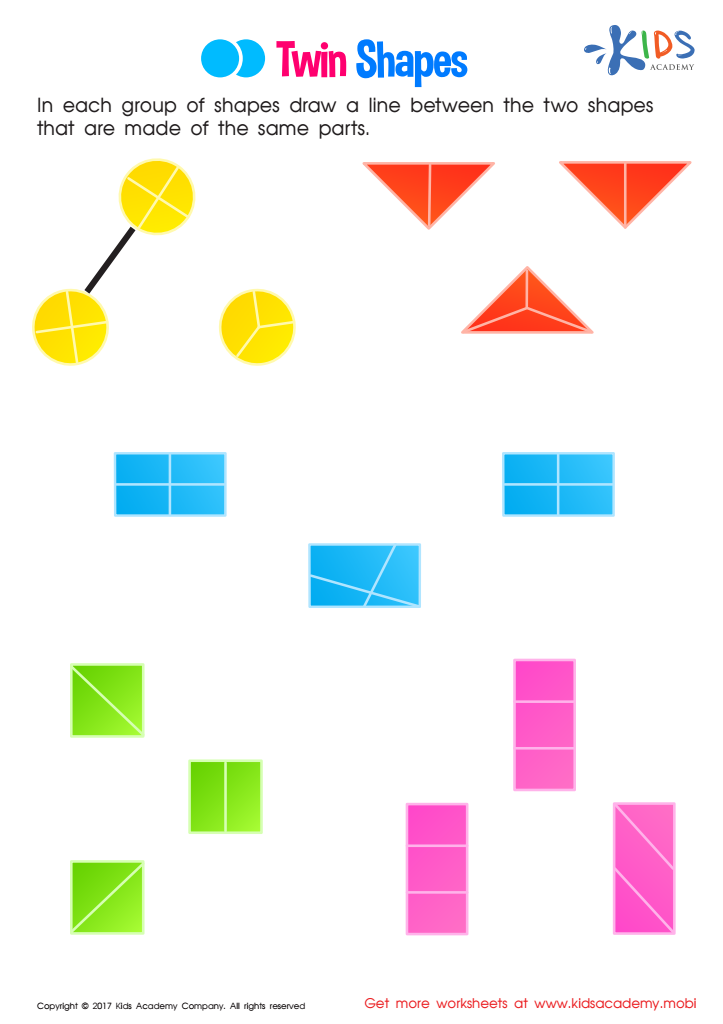
Twin Shapes Worksheet
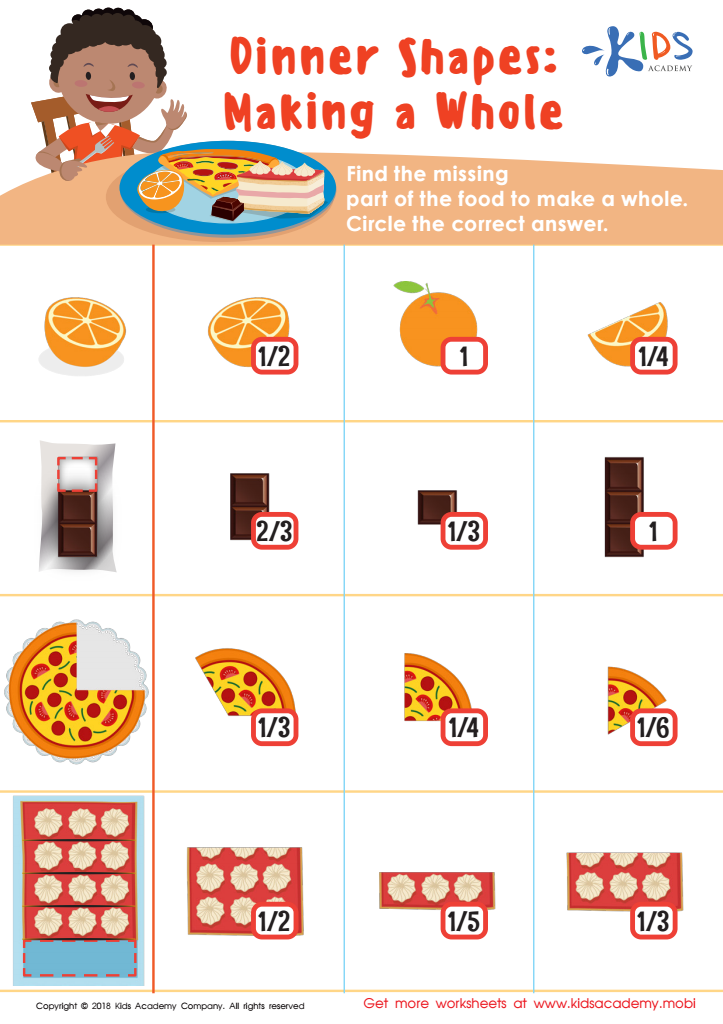
Dinner Shapes: Making a Whole Worksheet
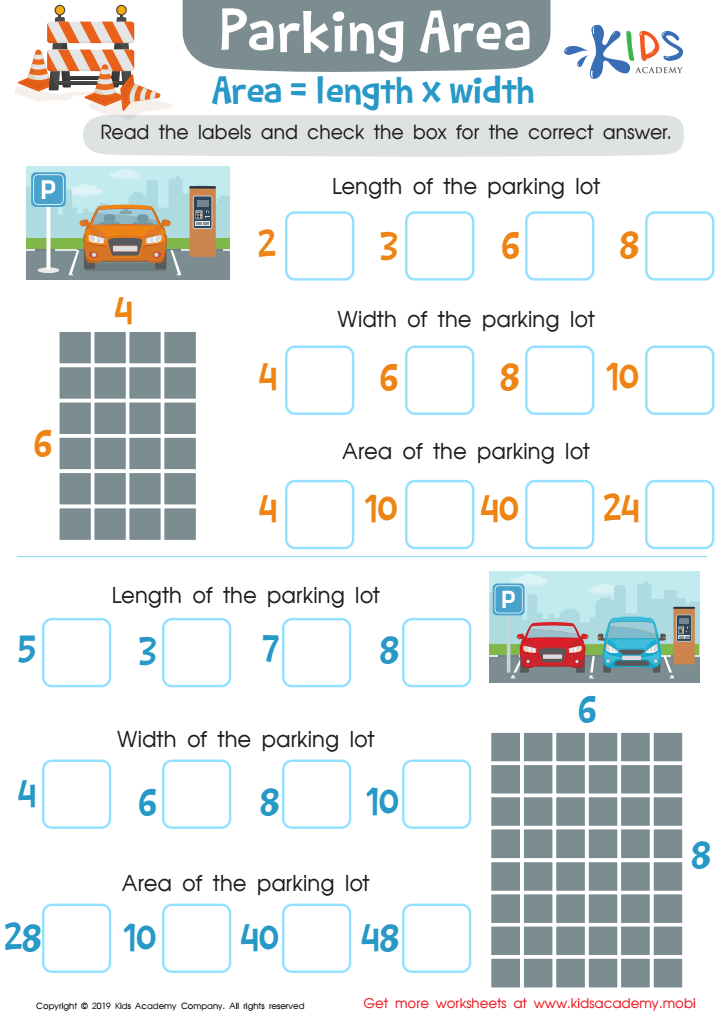
Parking Area Worksheet
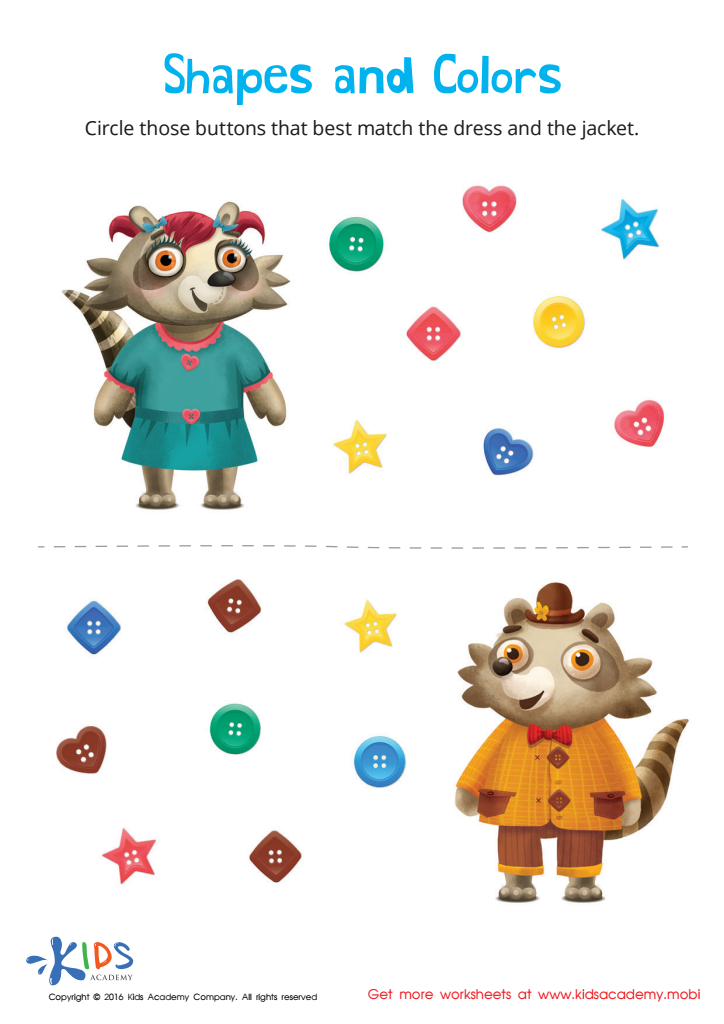
Matching: Shapes and Colors Worksheet
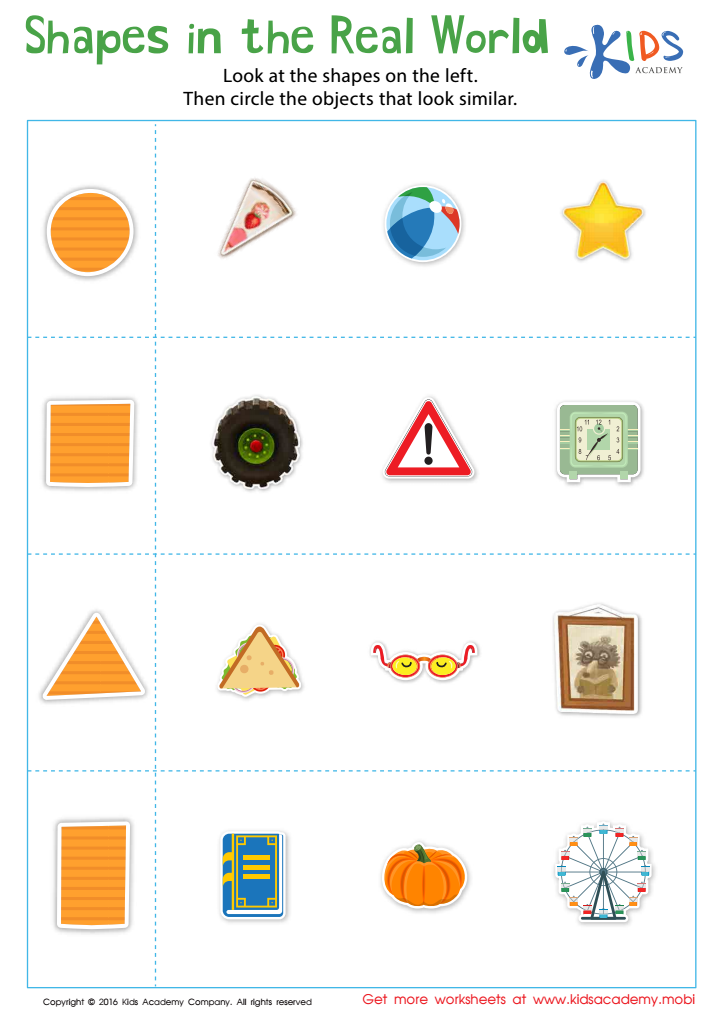
Shapes in the Real World Worksheet
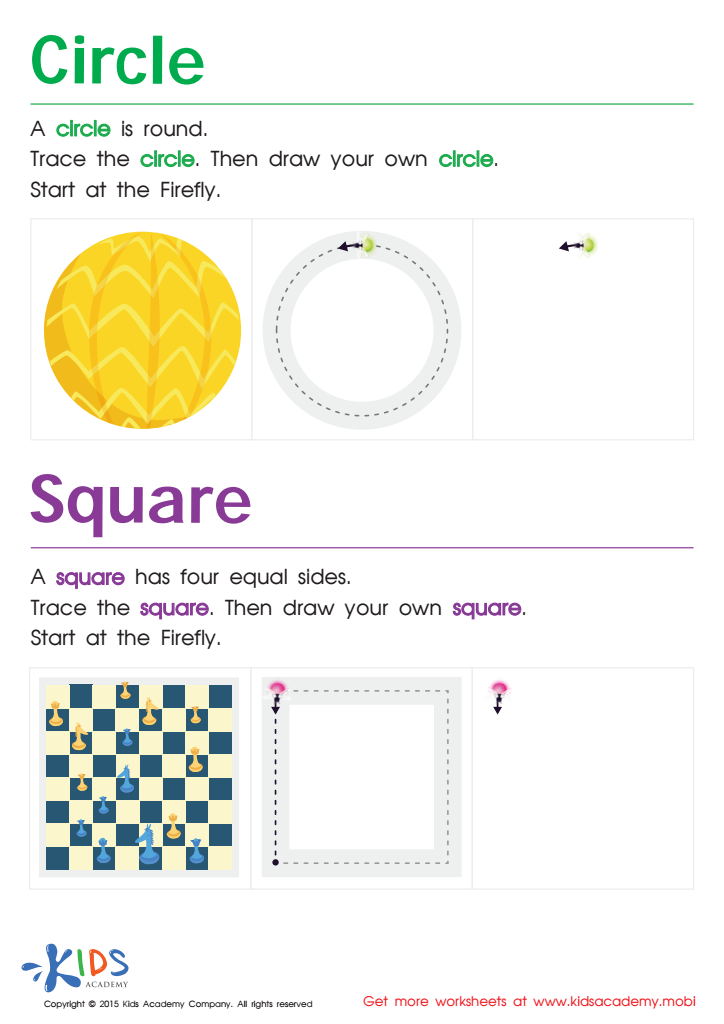
Trace And Draw a Circle And a Square Worksheet
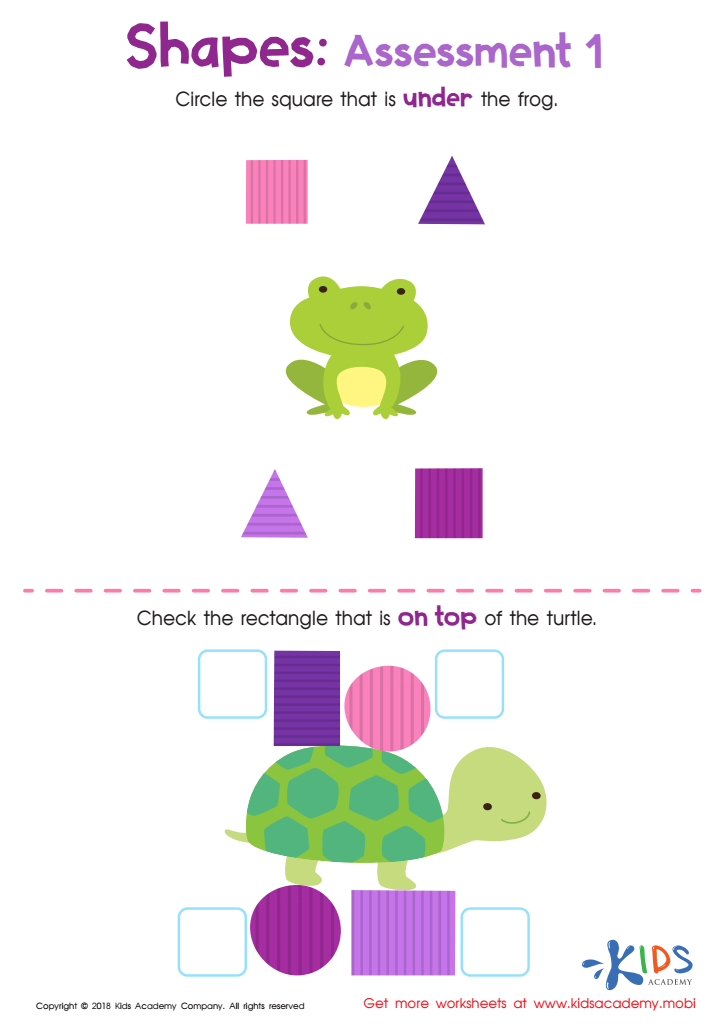
Geometry – Assessment 1 Worksheet
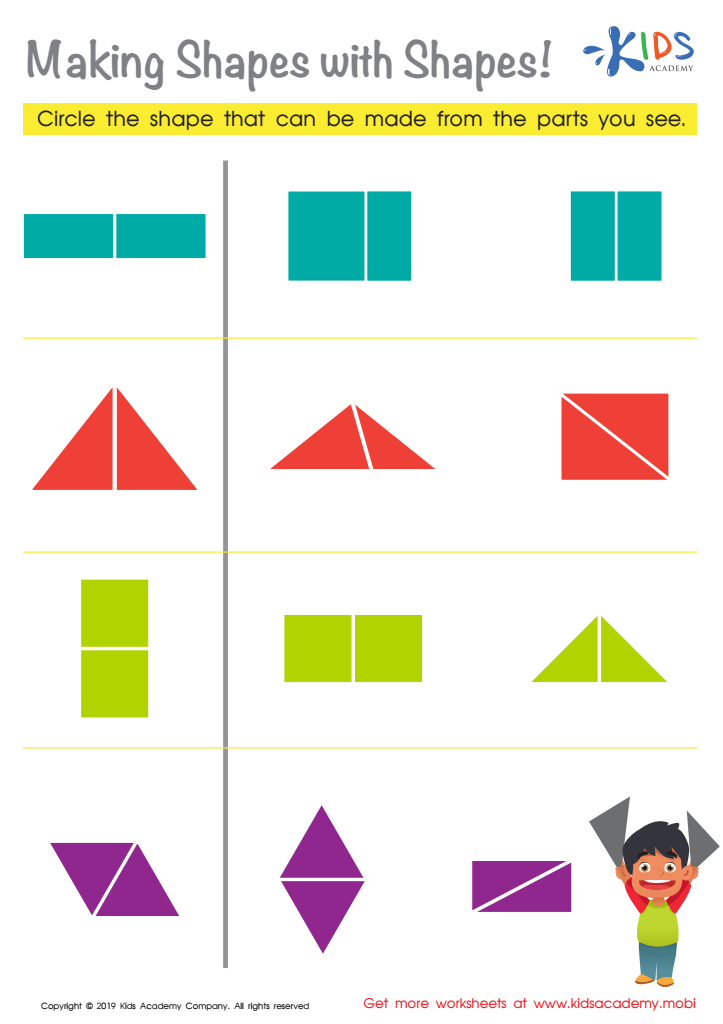
Making Shapes with Shapes Worksheet
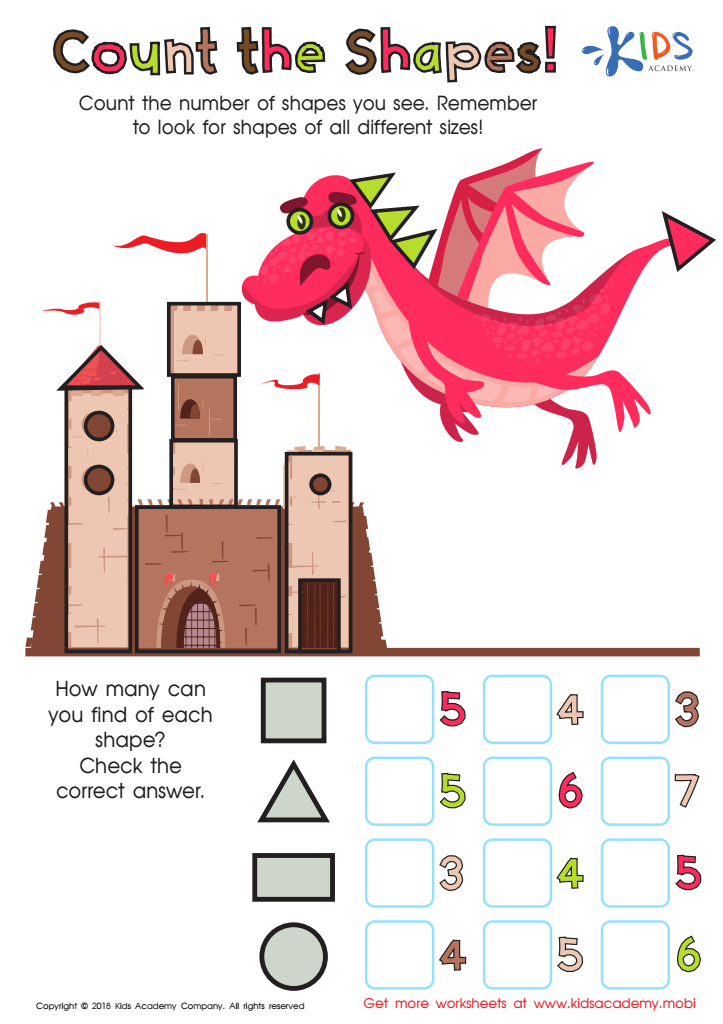
Count the Shapes Worksheet
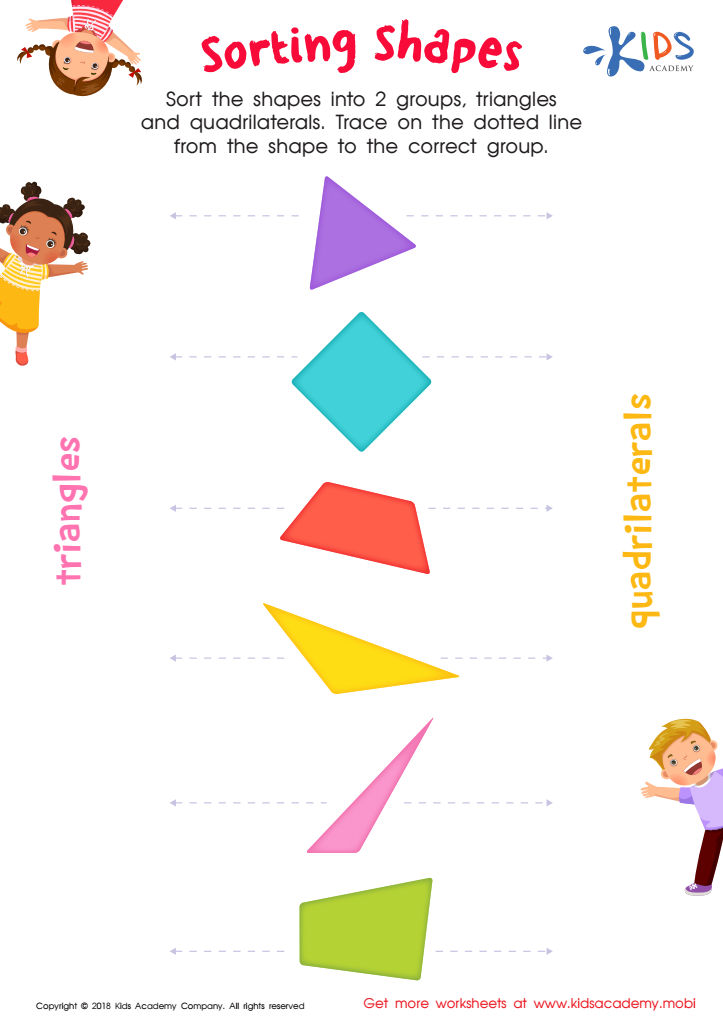
Sorting Shapes Worksheet
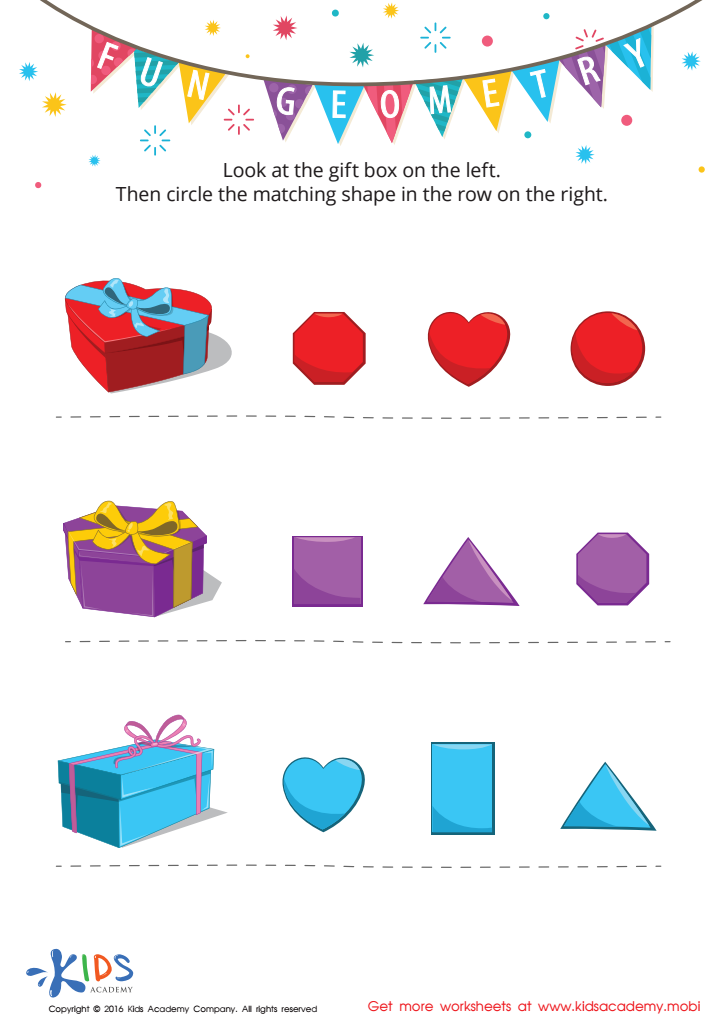
Fun Geometry Worksheet








Shape recognition is a fundamental skill in early childhood education, especially for children aged 6-9. Parents and teachers should prioritize this area of geometry for several reasons. First, shape recognition fosters cognitive development by enhancing spatial awareness, which is essential for problem-solving and critical thinking. Understanding shapes helps children recognize patterns, make connections, and engage in logical reasoning, laying the groundwork for more complex mathematical concepts later.
Second, shape recognition aids in the development of fine motor skills. Activities that involve sorting, constructing, or tracing shapes allow children to practice hand-eye coordination and precision. Moreover, this skill can influence everyday life; children learn to identify shapes in their environment, boosting observation skills and curiosity about the world around them.
Finally, mastering shape recognition supports academic success across various subjects, including math, art, and science. Engaging with different shapes builds confidence and encourages creativity, empowering children to explore and express their ideas. By investing in shape recognition, parents and teachers not only enhance short-term learning but also instill long-lasting cognitive and practical skills that prepare children for future academic journeys. Ultimately, an emphasis on geometry at this age cultivates a positive attitude toward learning and critical thinking.








