Place Value Worksheets for Ages 6-9 - Page 4
74 filtered results
-
From - To
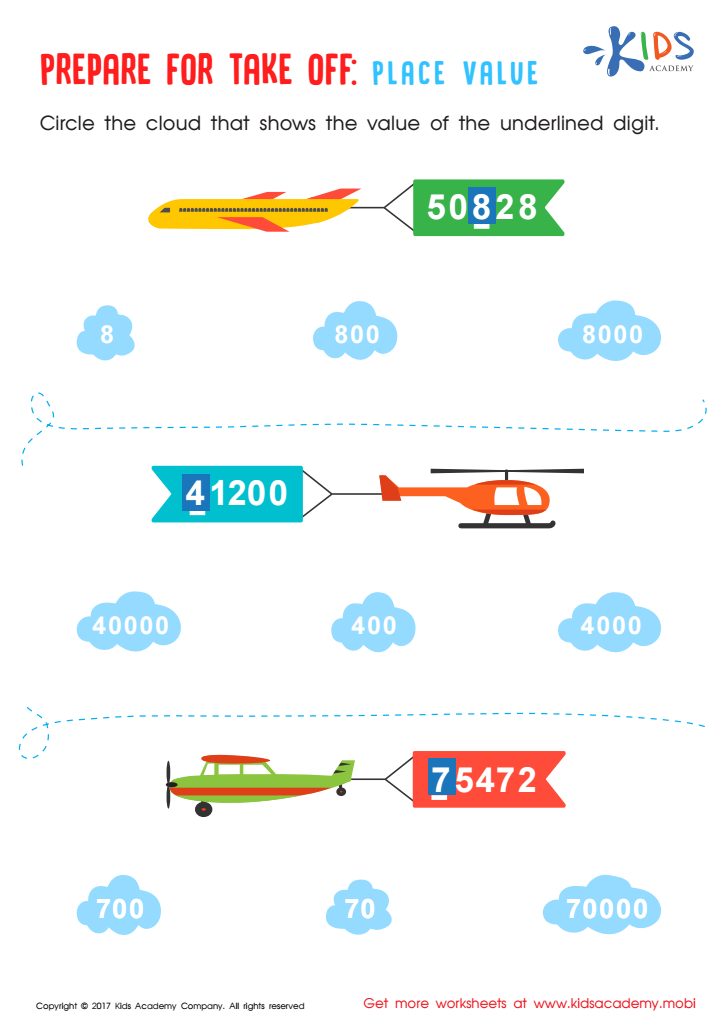
Free Place Value Worksheet for 3rd Grade
 Assign to My Students
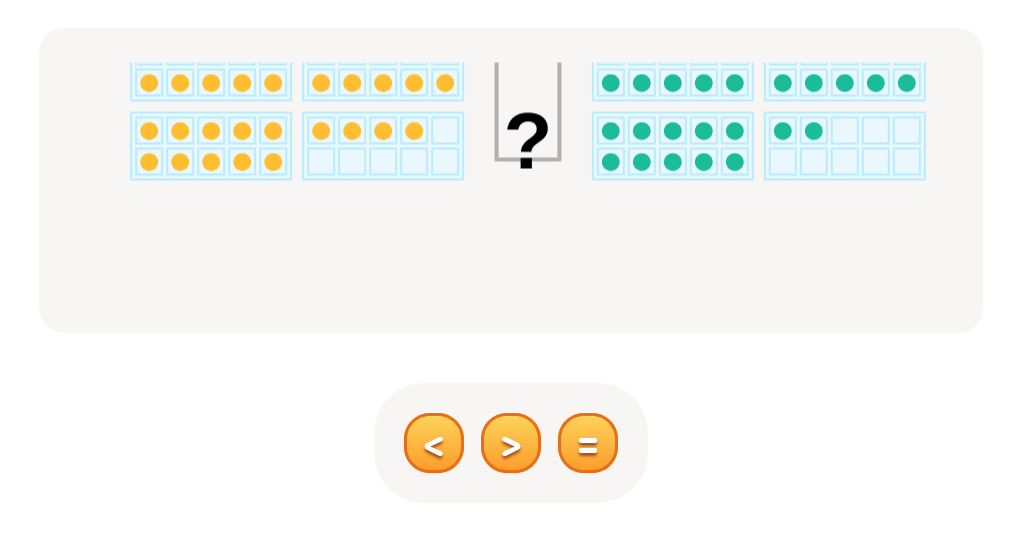

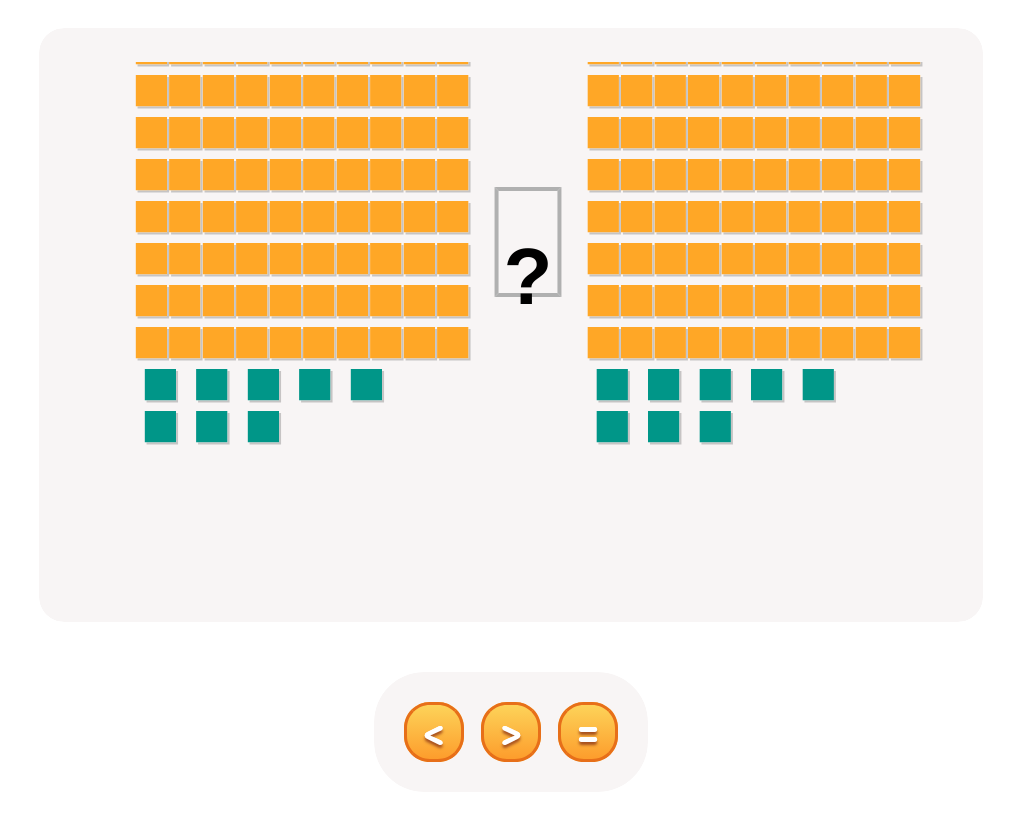
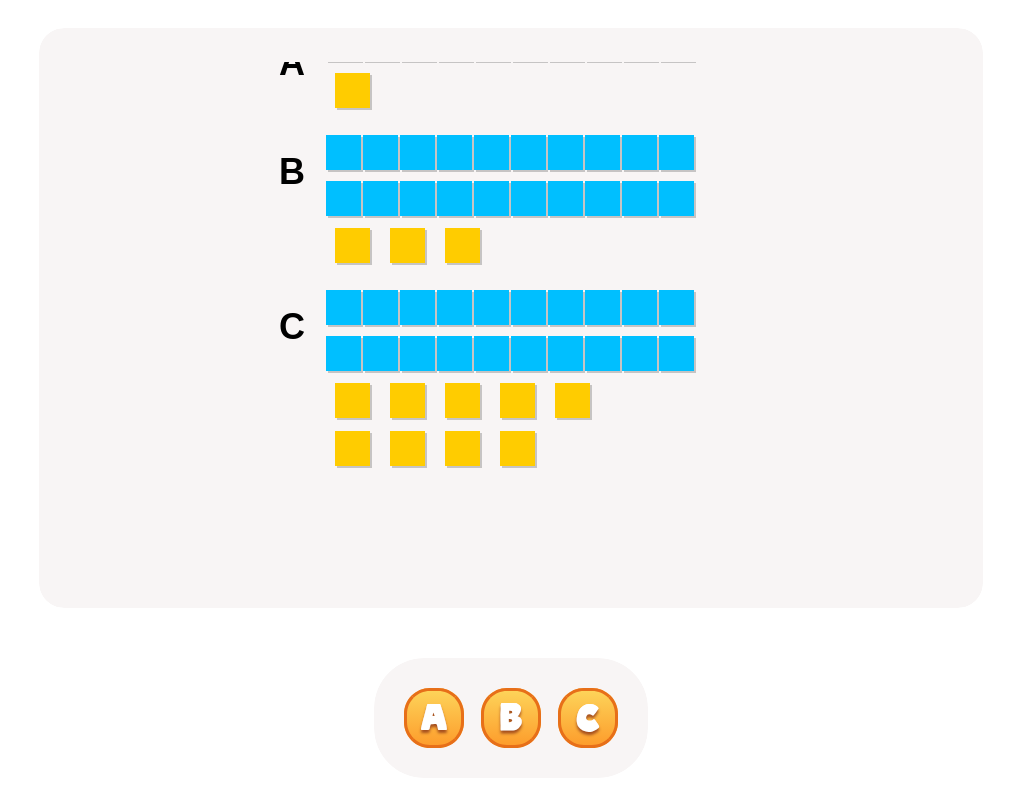
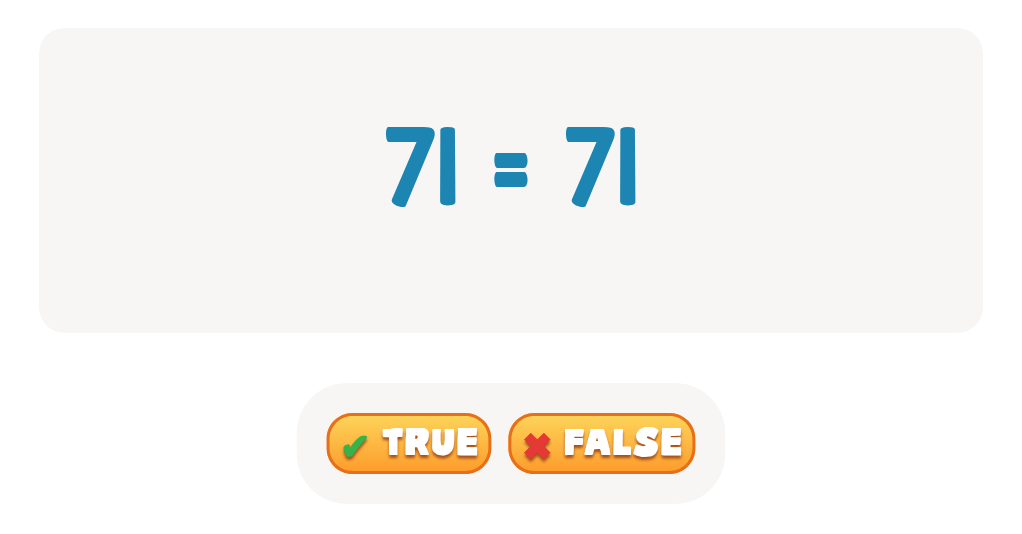
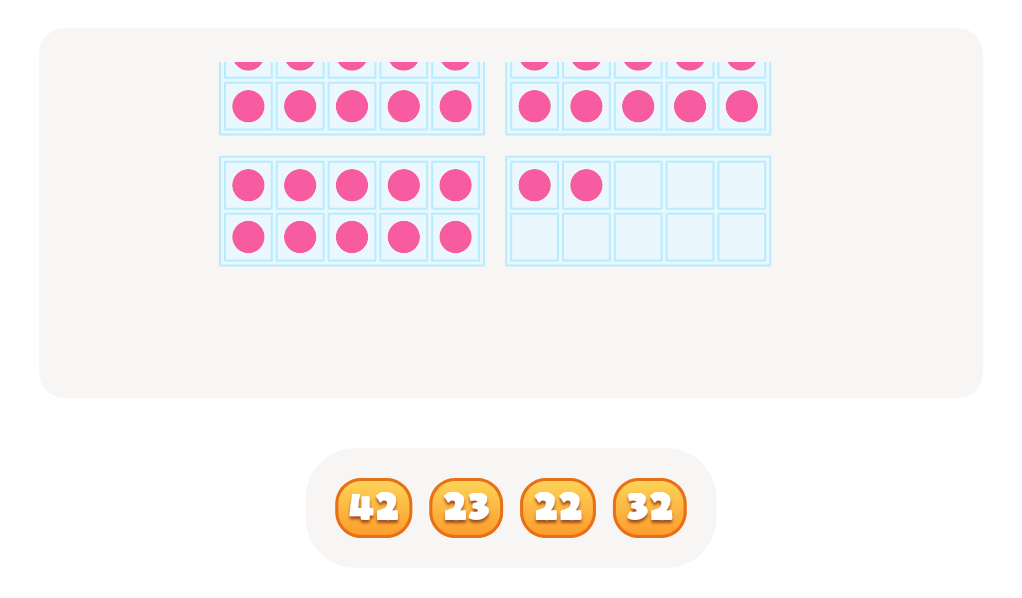
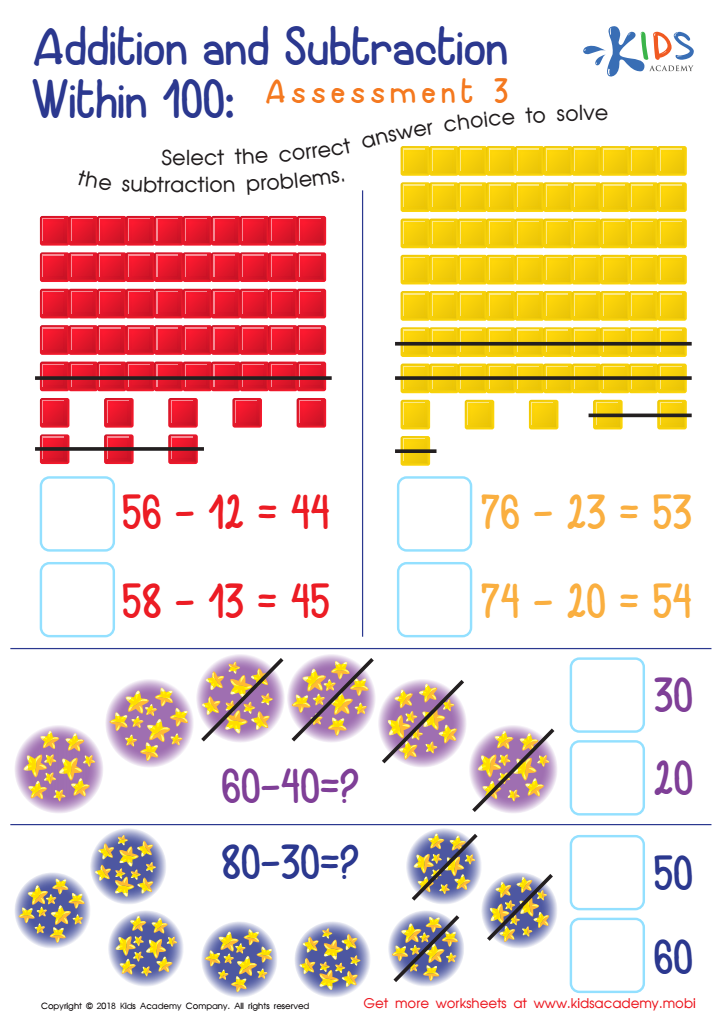
Addition and Subtraction Within 1: Assessment 3 Worksheet








Place value is a foundational concept in early mathematics education, particularly for children ages 6-9. It serves as the building block for various mathematical operations and understanding larger numerical concepts. Understanding place value helps students grasp how numbers are structured and how different digits hold different values based on their position. For instance, in the number 34, the '3' represents thirty, while the '4' stands for four, making it crucial for arithmetic operations.
When parents and teachers emphasize place value, they enhance children’s computational skills, enabling them to add, subtract, multiply, and divide more efficiently. Engaging in place value activities fosters critical thinking and problem-solving skills, as children learn to regroup and partition numbers. Furthermore, understanding place value helps demystify more complex concepts, such as decimals and fractions, down the line.
Involving parents in place value learning, through games or real-life examples, creates a supportive learning environment. This holistic approach ensures that students not only excel in math but also develop a positive attitude toward the subject, leading to long-term success. Ultimately, investing time in place value education shapes confident, competent mathematicians ready for future challenges.