Times Tables Worksheets for Ages 6-9 - Page 2
34 filtered results
-
From - To
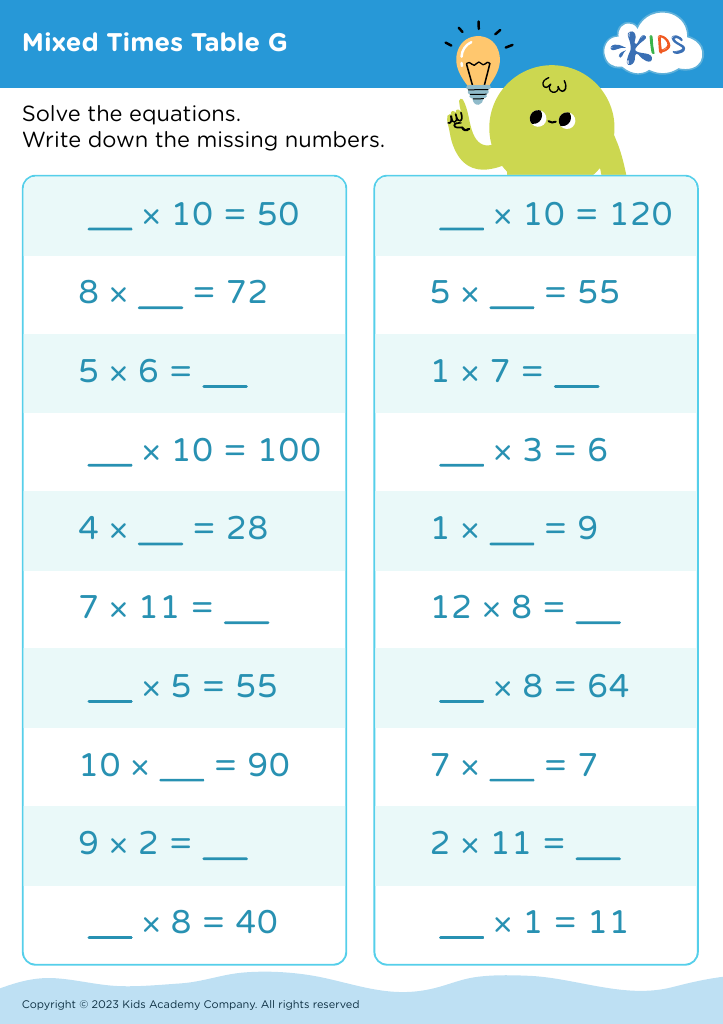
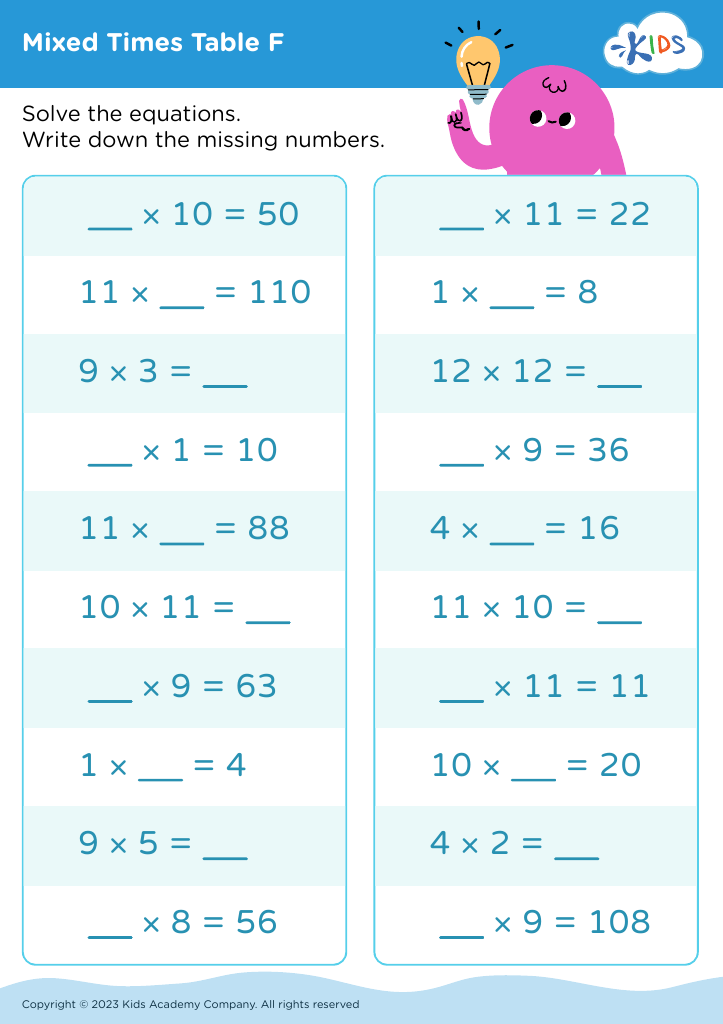
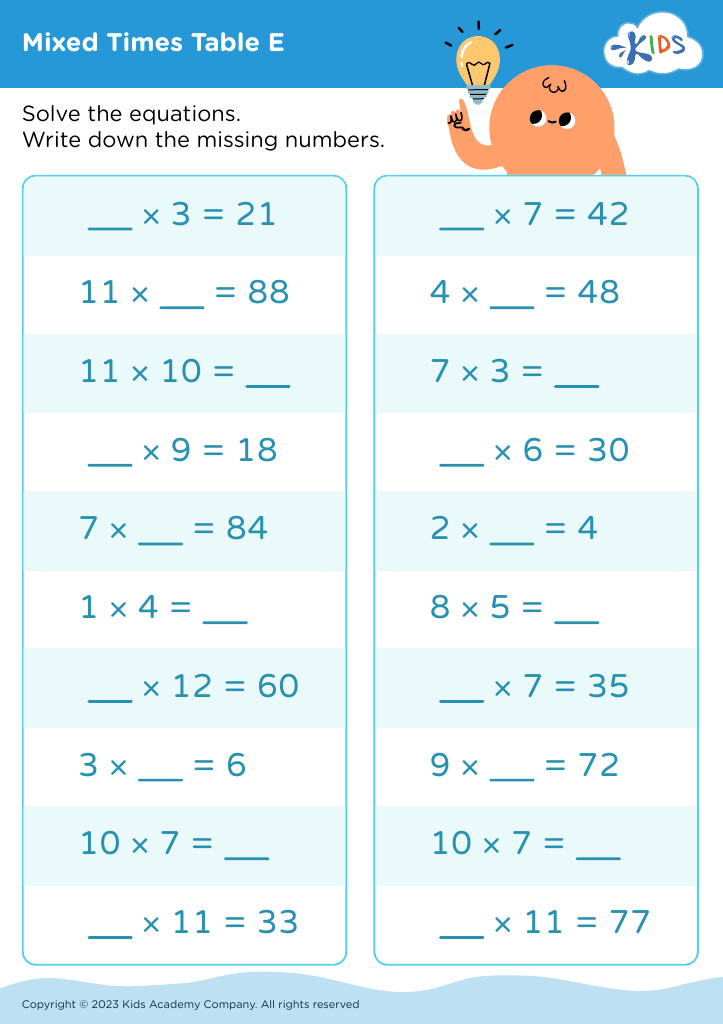
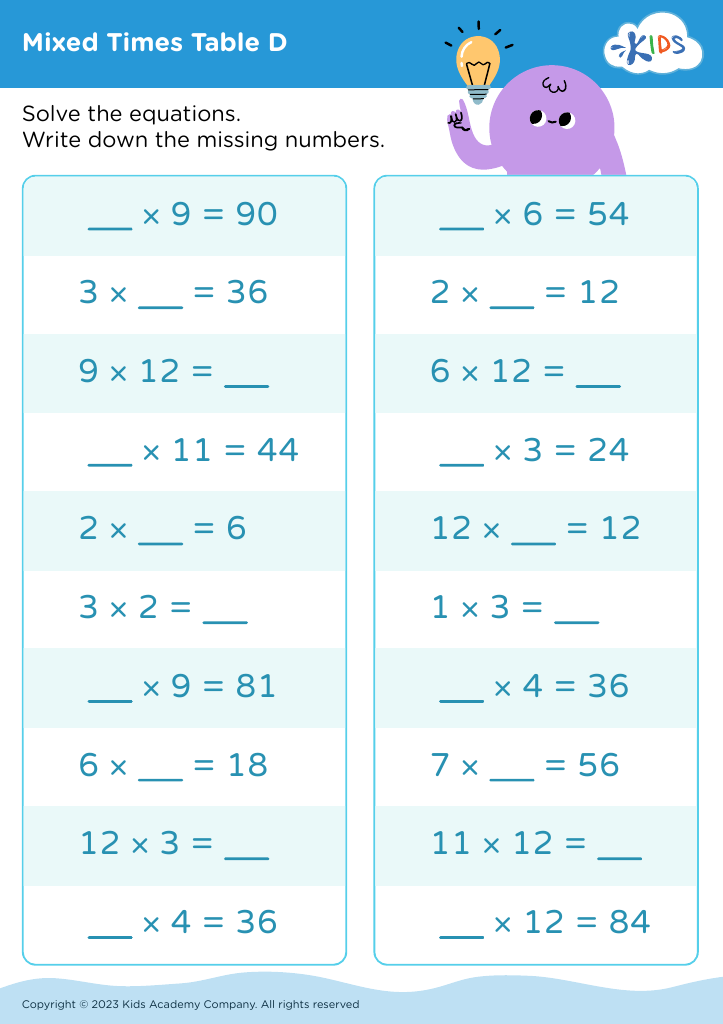
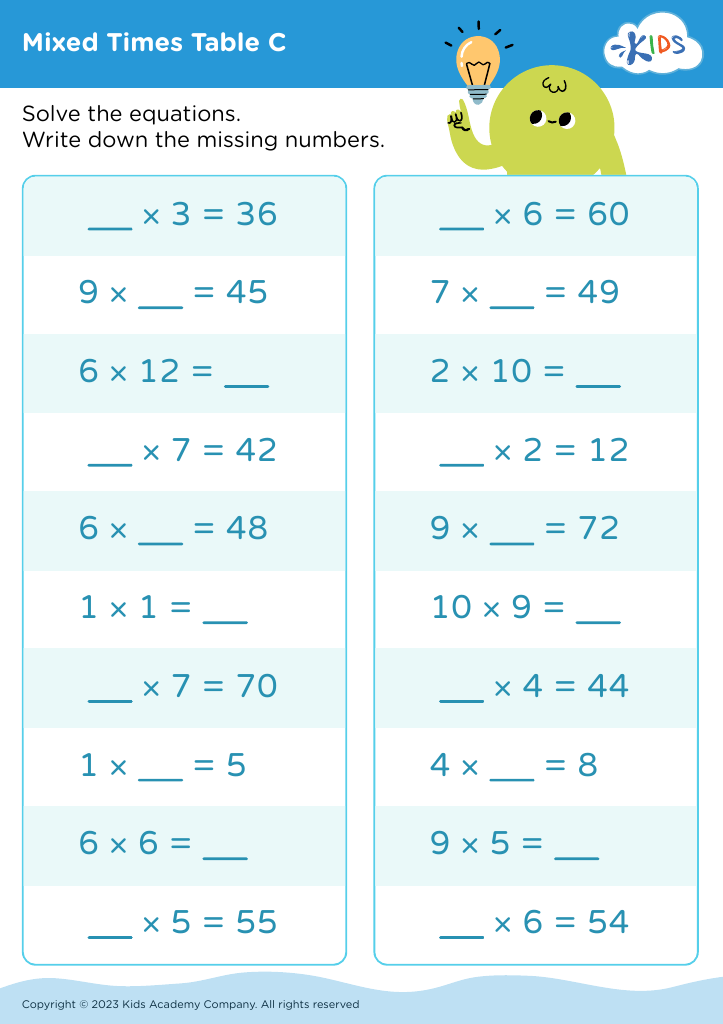
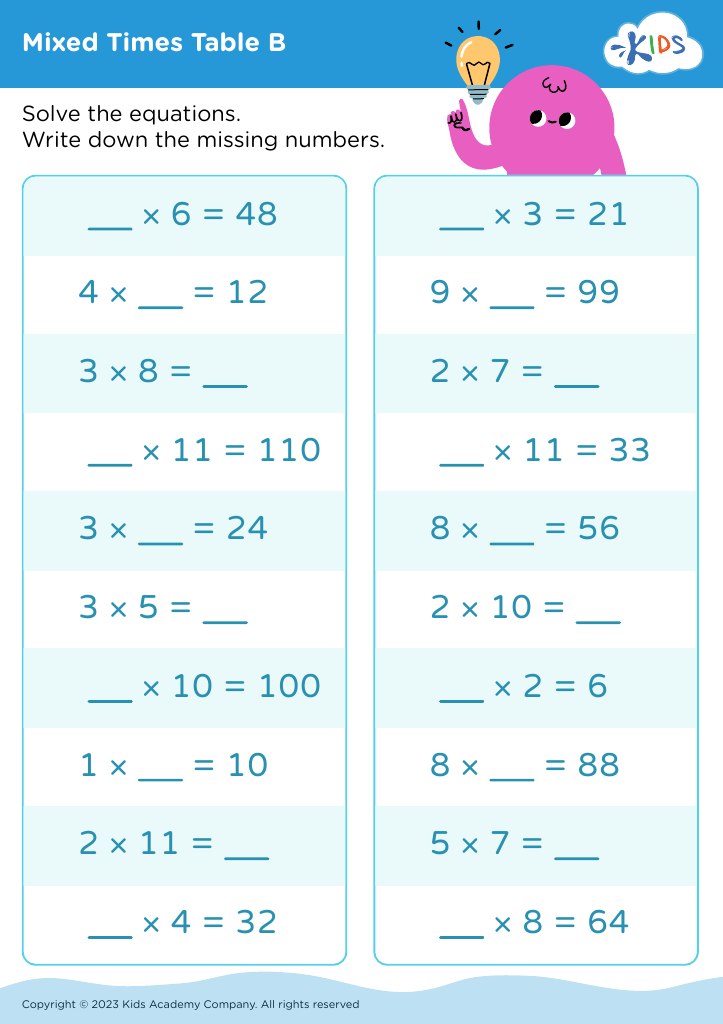
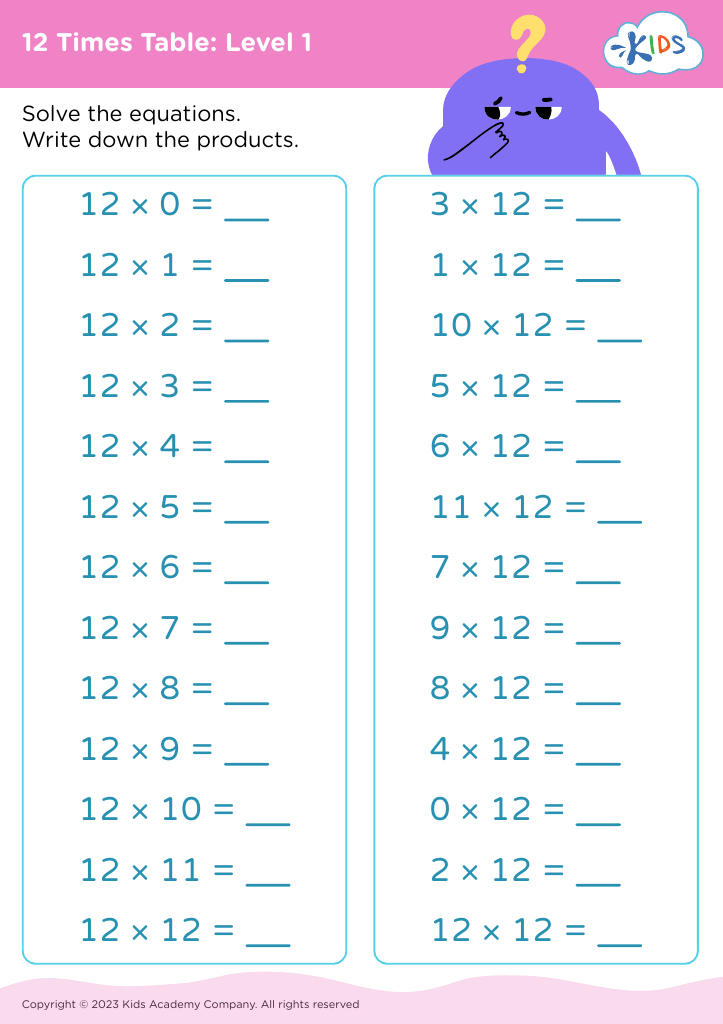
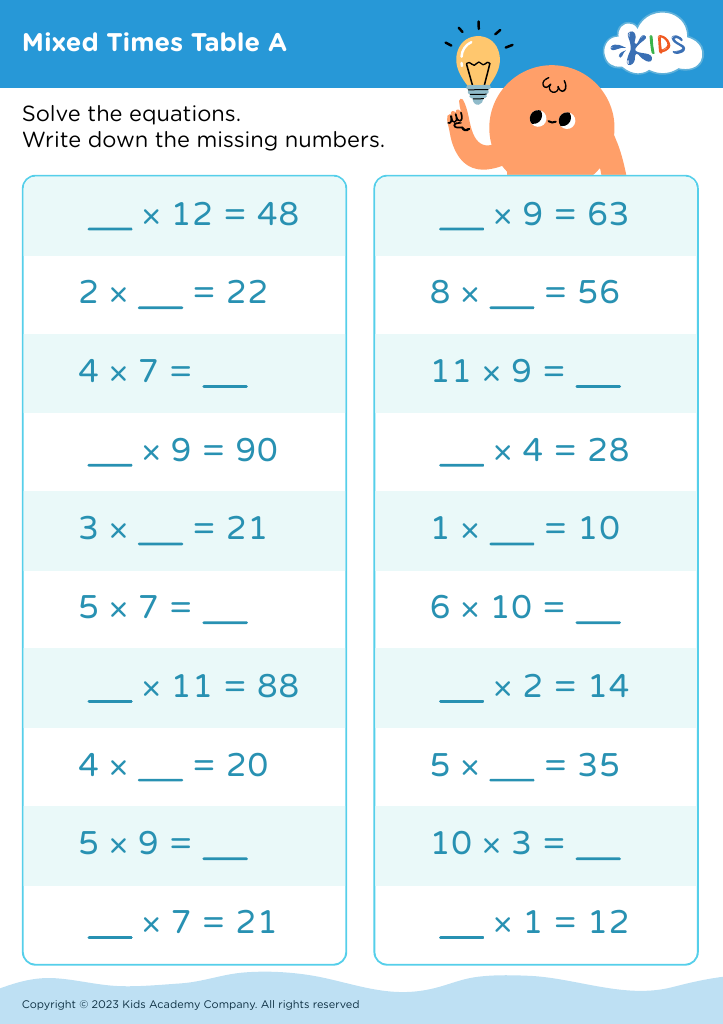
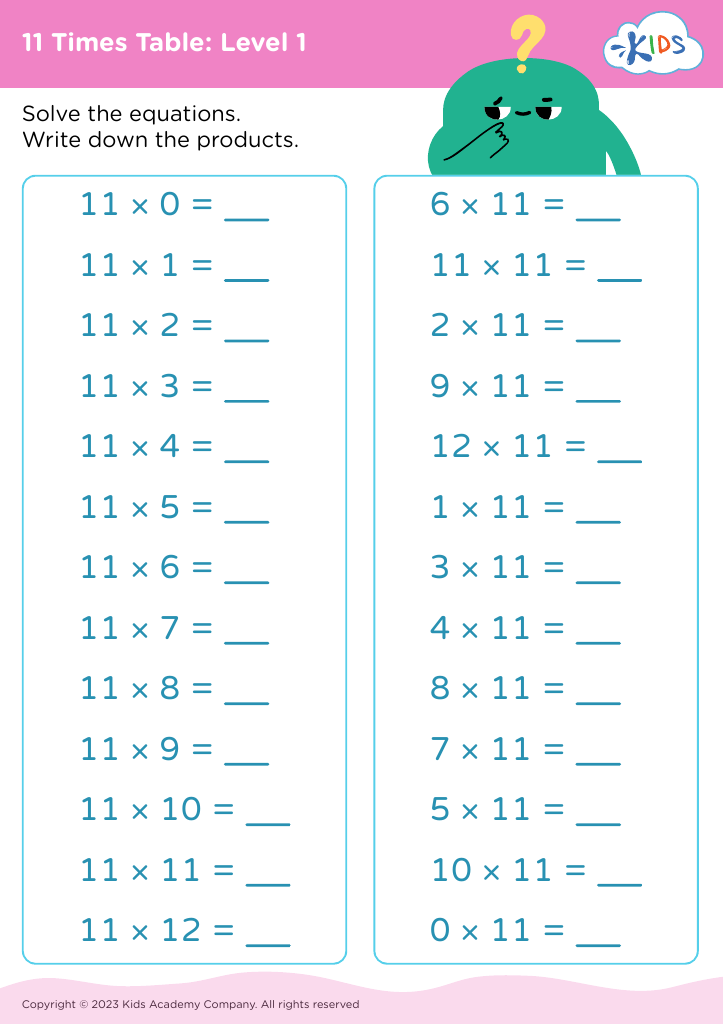
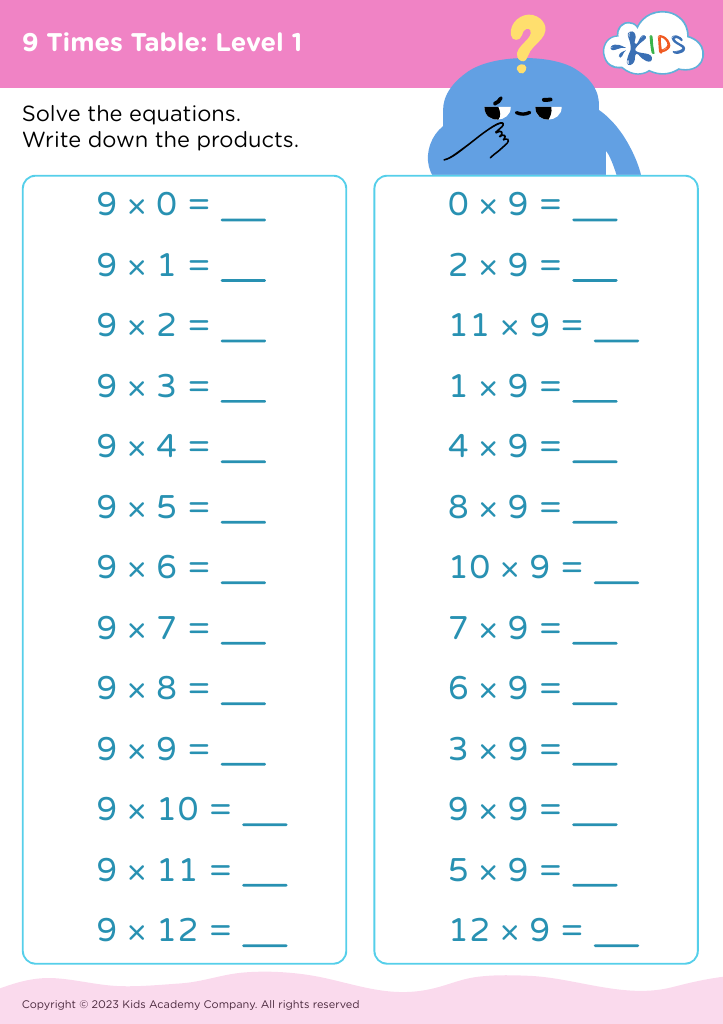




Parents and teachers should prioritize teaching times tables to children ages 6-9 because this foundational mathematics skill significantly enhances their overall academic development. Mastering multiplication tables helps children build a strong base for more advanced math concepts, such as division, fractions, and percentages, which they will encounter later in school.
Understanding times tables also boosts children’s confidence in their math abilities. As they practice and memorize the tables, they develop a sense of accomplishment, which can inspire a positive attitude toward learning. Additionally, knowing multiplication facts is crucial for improving problem-solving skills and fostering logical thinking. When children can quickly recall these facts, they can focus on applying mathematical reasoning instead of getting bogged down in calculations.
Furthermore, proficiency in times tables can ease anxiety during assessments and everyday mathematical tasks. In a world increasingly reliant on numerical literacy, mastering multiplication equips children with skills necessary not just for academic success but also for practical life scenarios, like budgeting or cooking.
In conclusion, emphasizing the importance of times tables fosters critical thinking, builds confidence, and paves the way for future mathematical proficiency—all essential components for a child's educational journey and personal development.








