Phonics Skills Alphabet Worksheets for 6-Year-Olds - Page 2
46 filtered results
-
From - To
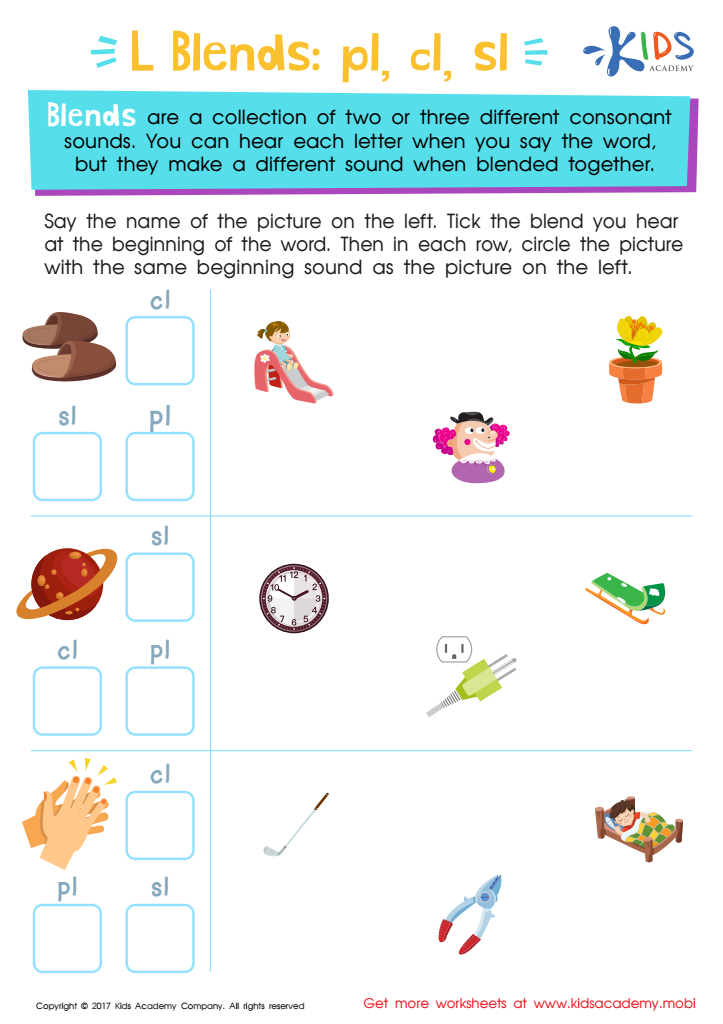
L Blends: "Pl", "Cl" and "Sl" Printable
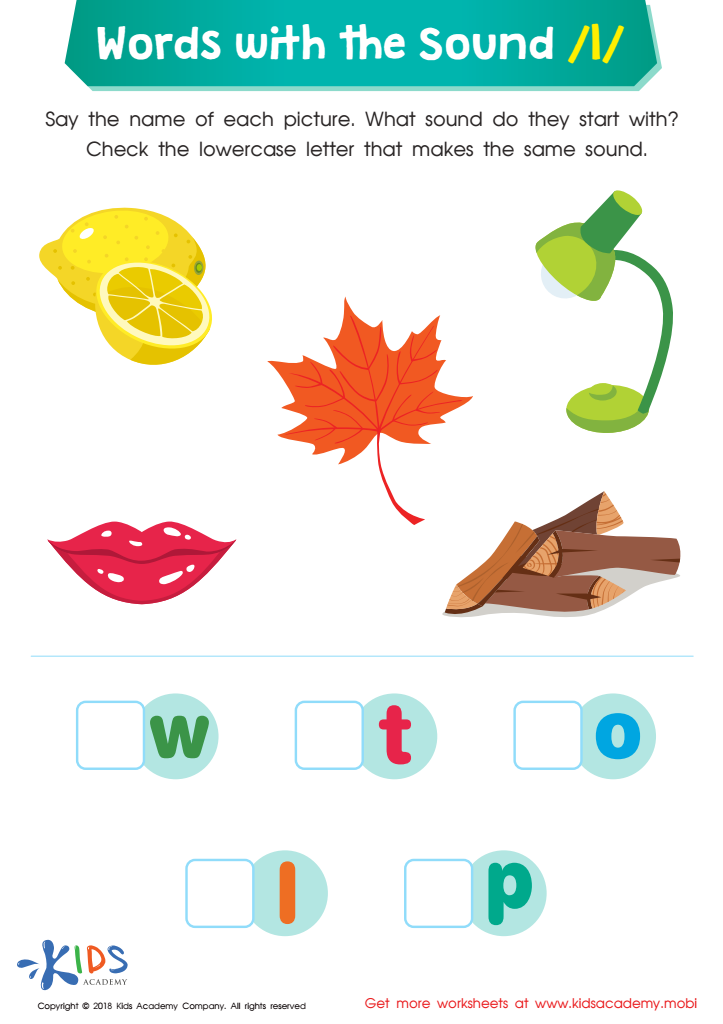
Words with Sound L Reading Worksheet
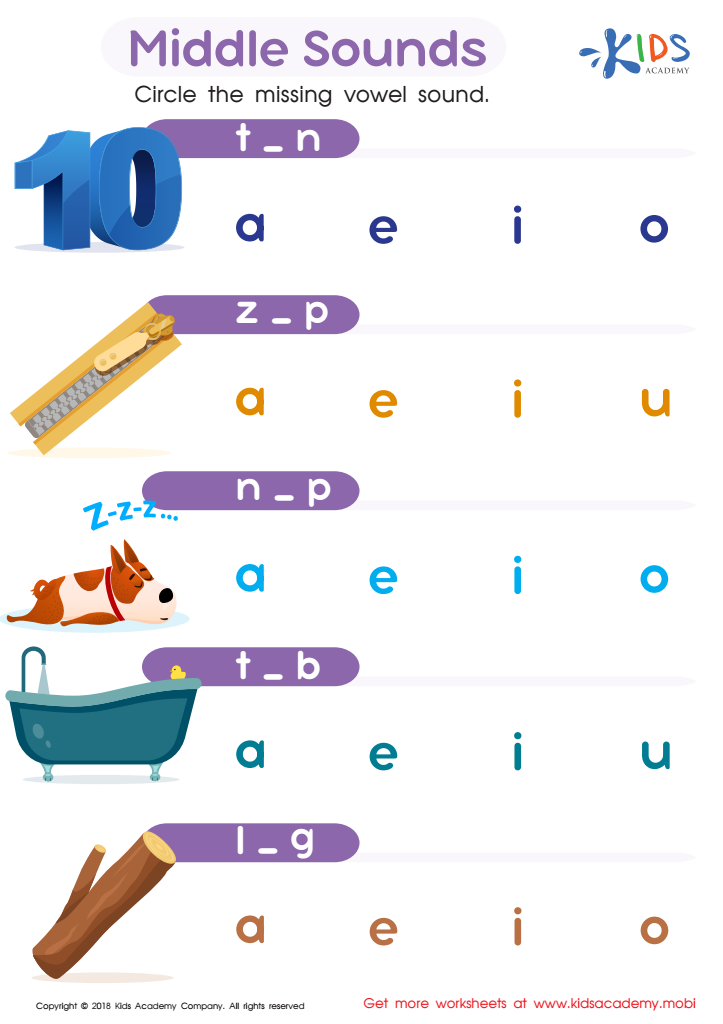
Middle Sounds Worksheet
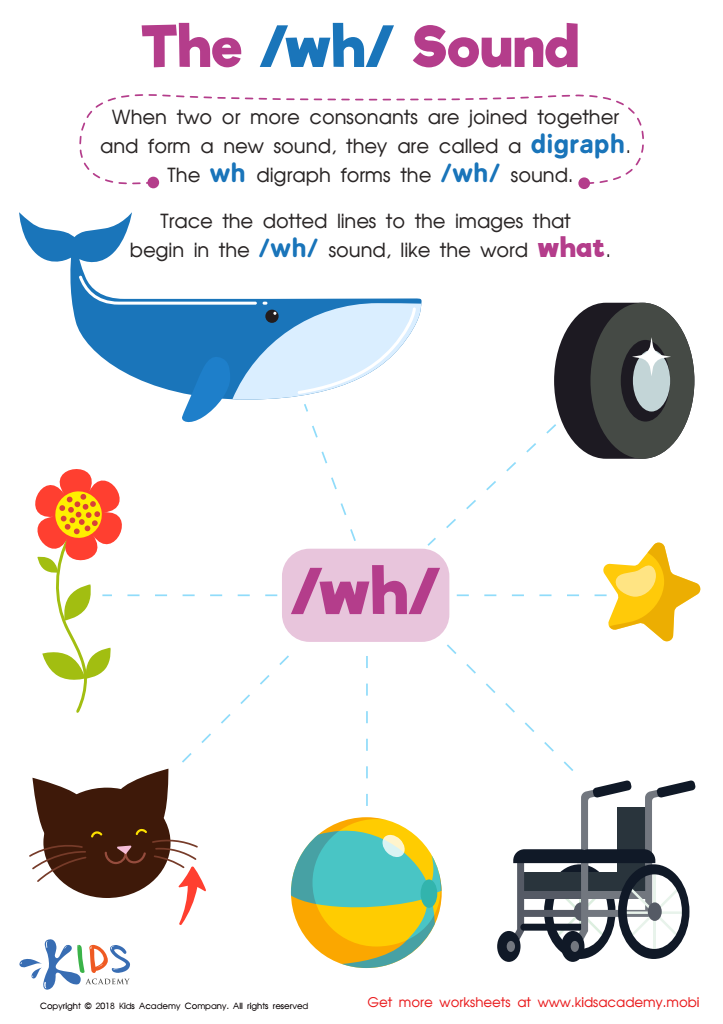
The /wh/ Sound Worksheet
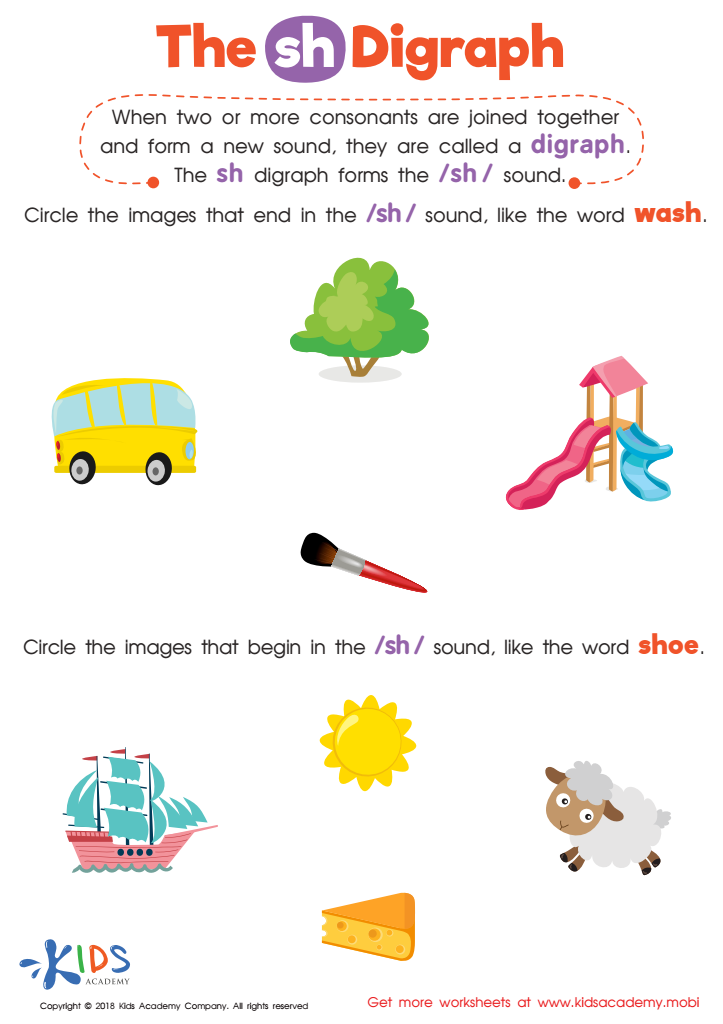
The SH Digraph Worksheet
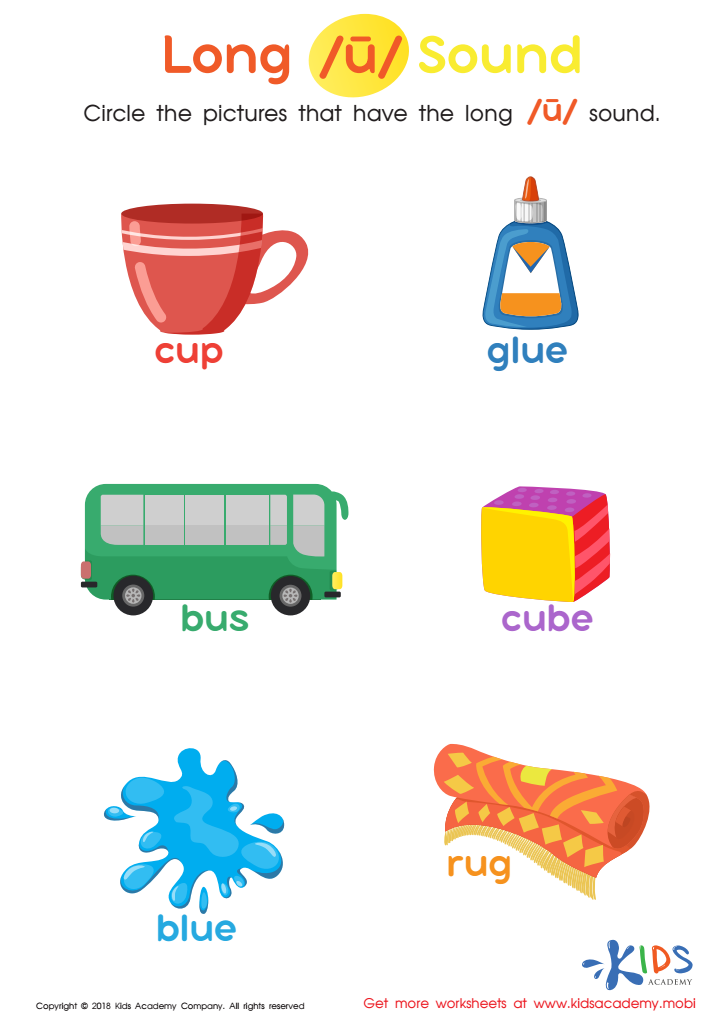
Long «u» Sound Worksheet
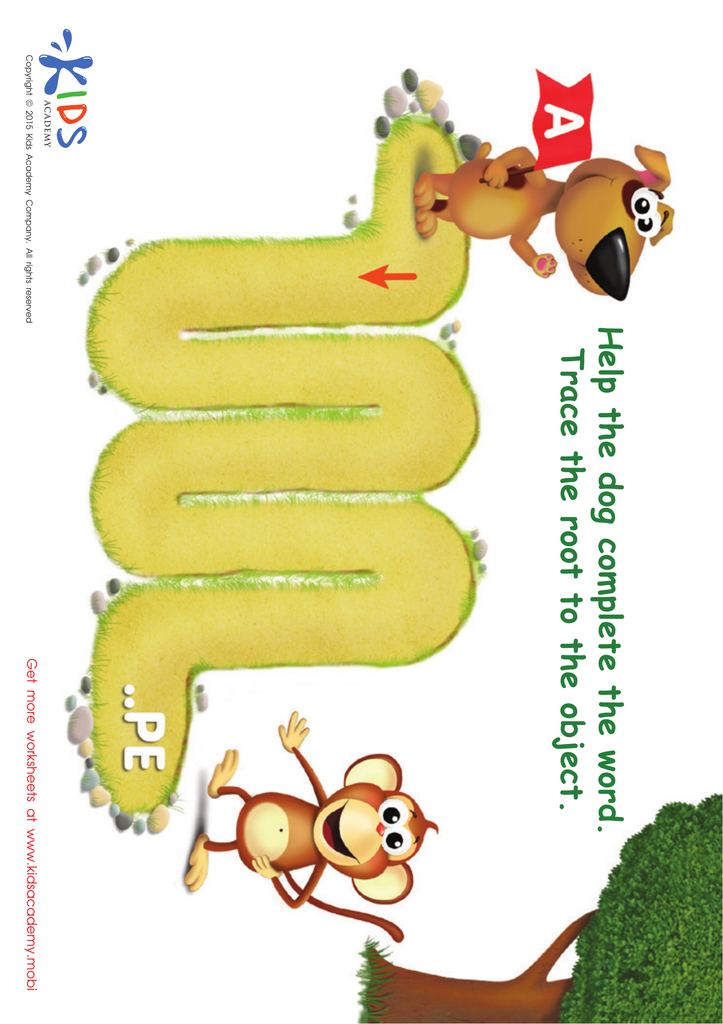
Long Vowel Sound A Worksheet Worksheet
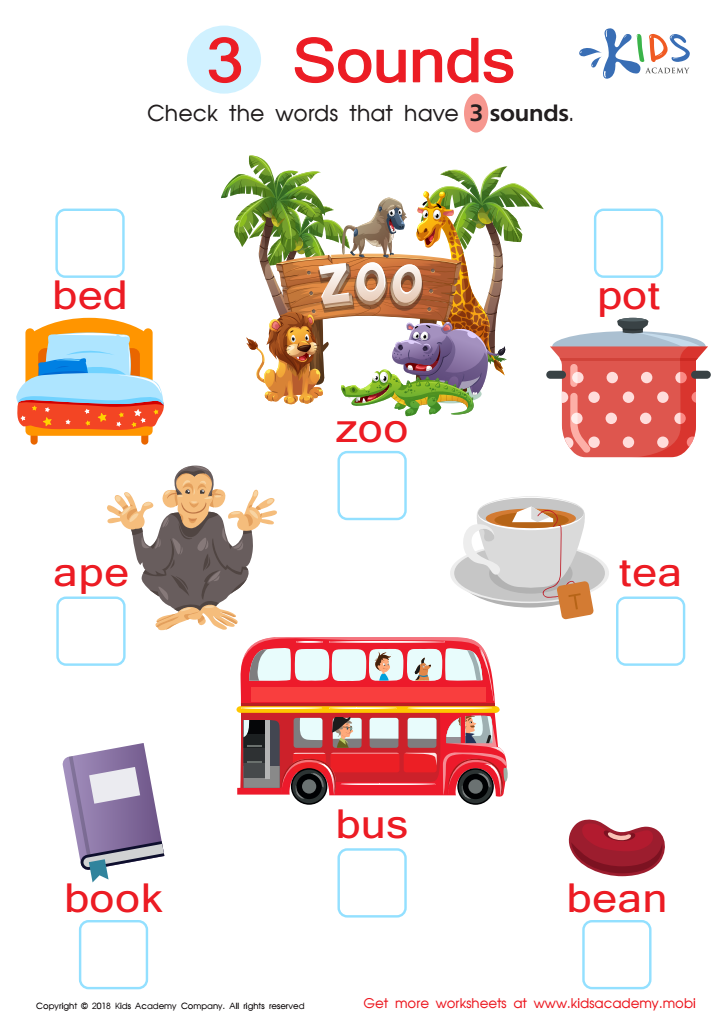
3 Sounds Worksheet
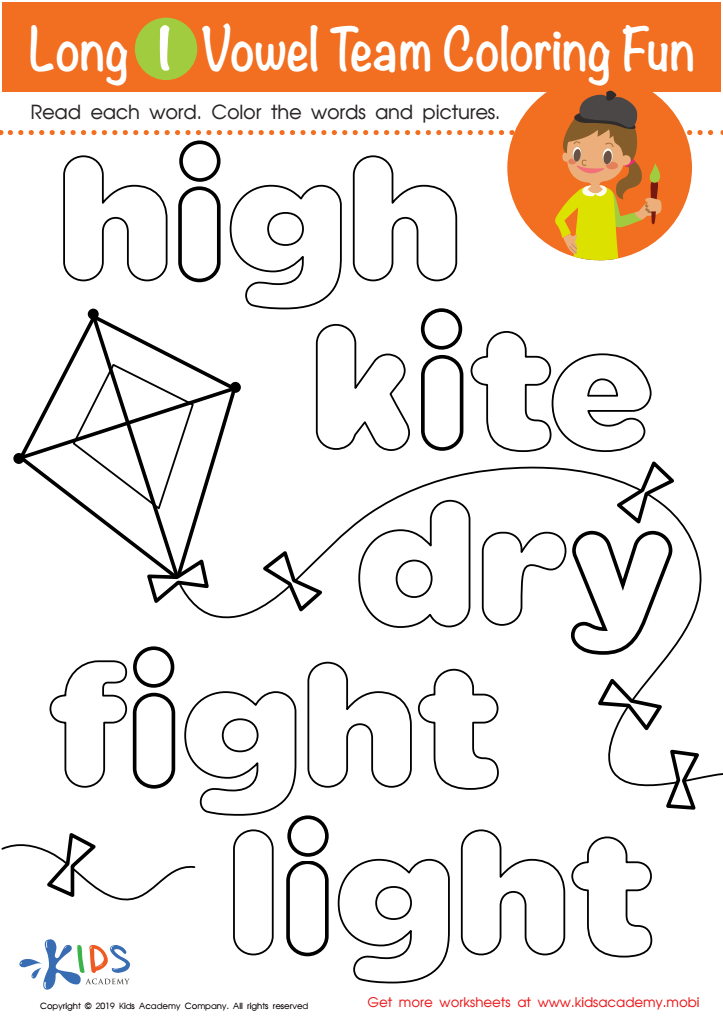
Long I Vowel Team Coloring Worksheet
 Assign to My Students
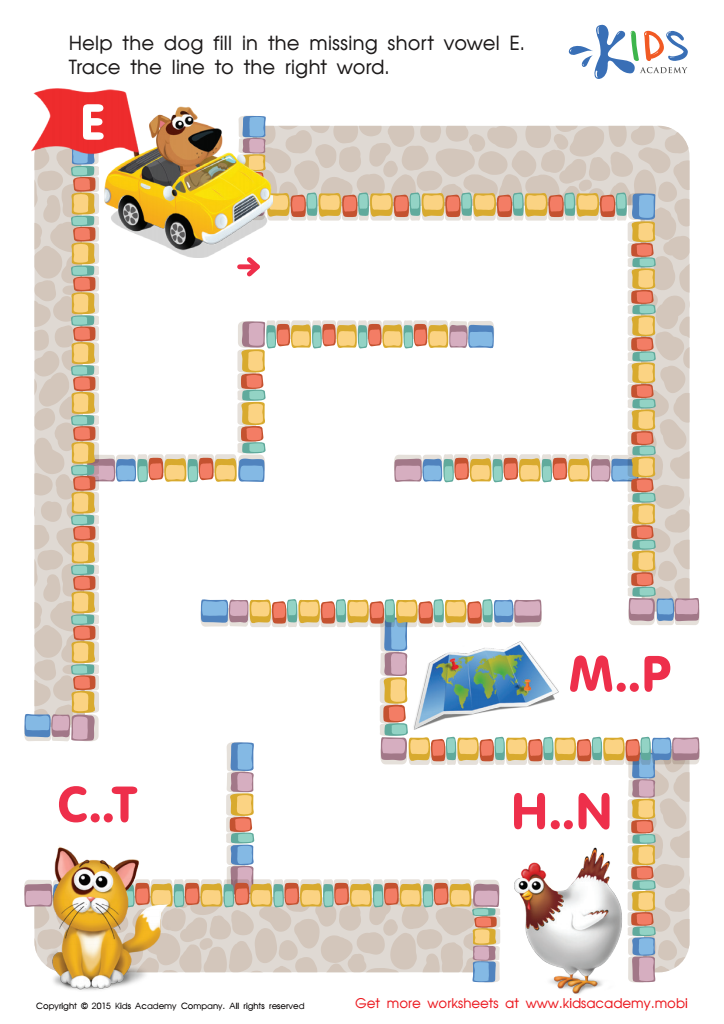
Short Vowel Sound E Worksheet
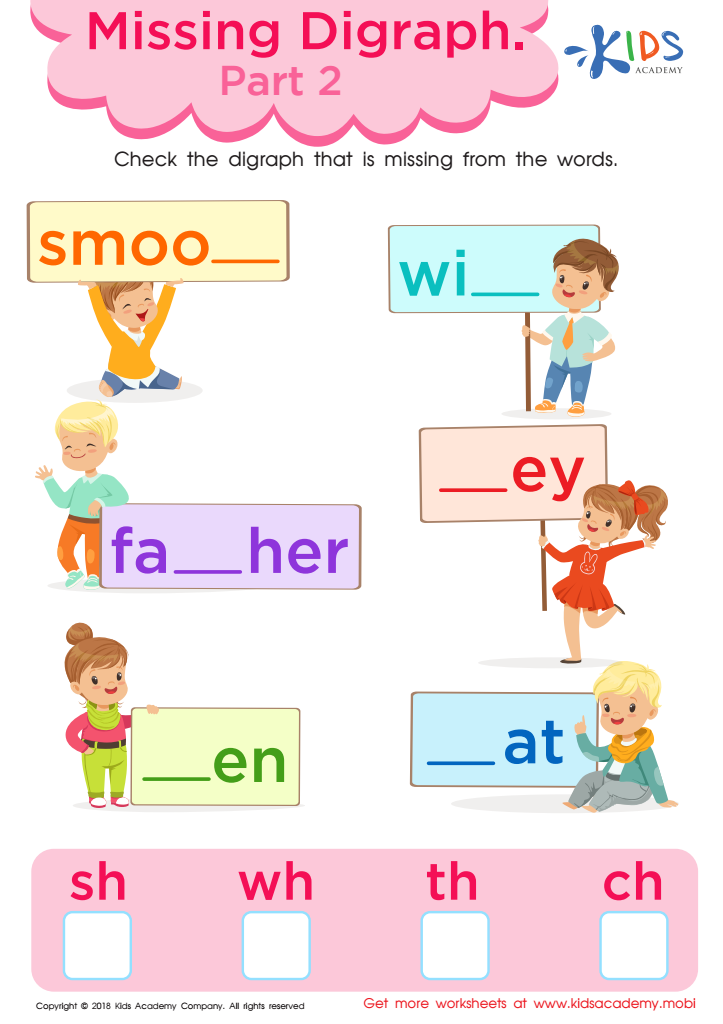
Missing Digraph: Part 2 Worksheet
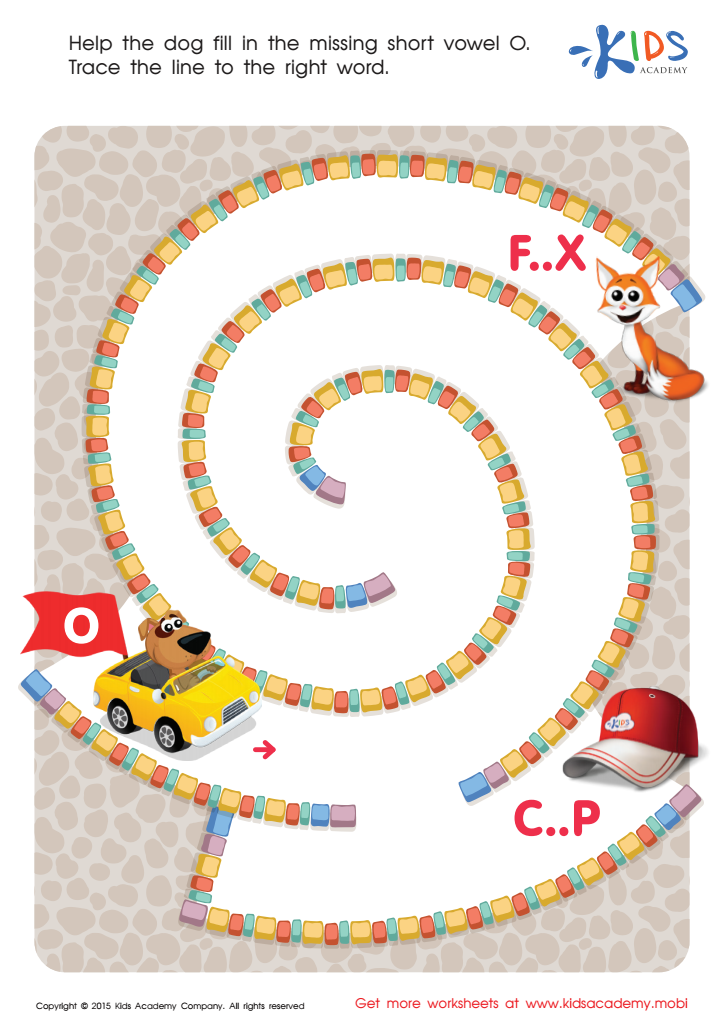
Short Vowel Sound O Worksheet
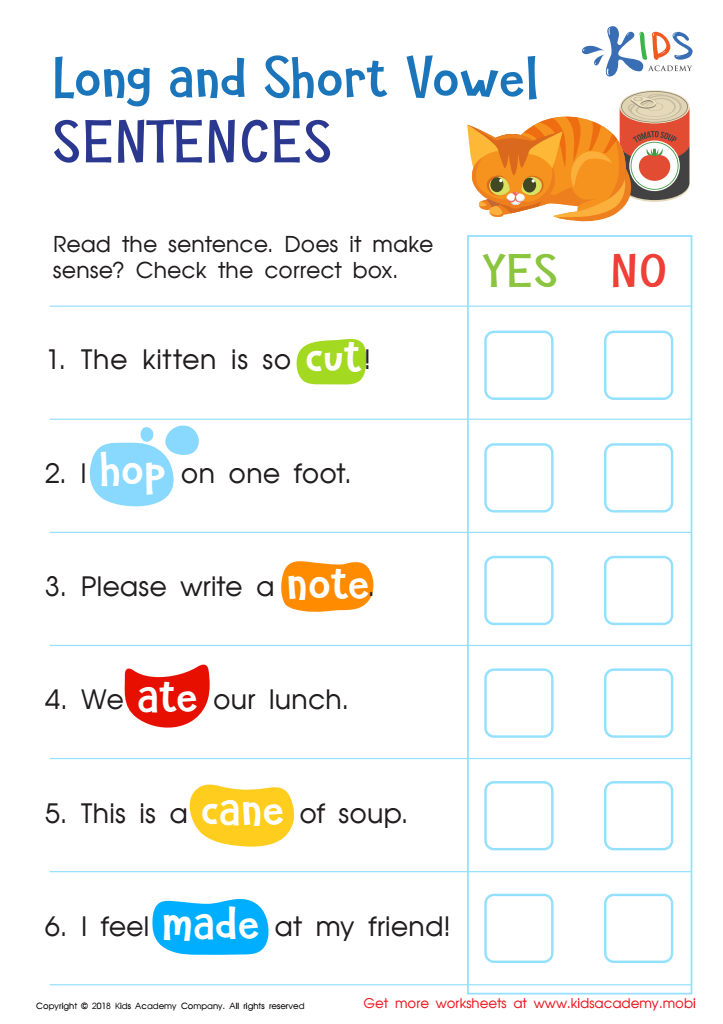
Long and Short Vowel Sentences: Assessment Worksheet
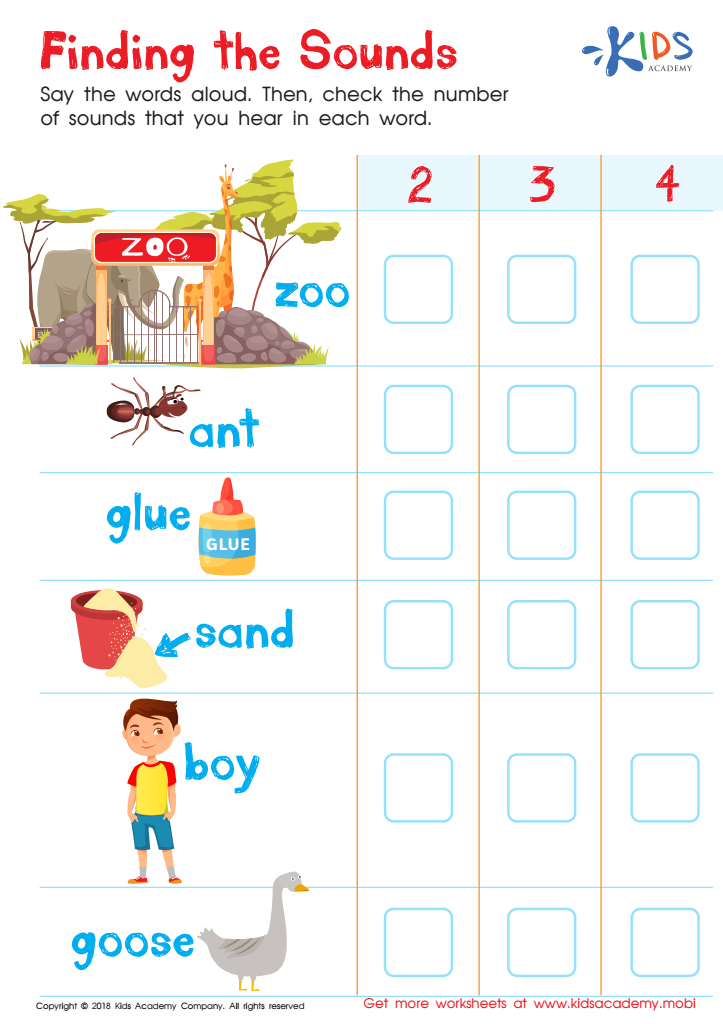
Finding the Sounds Worksheet
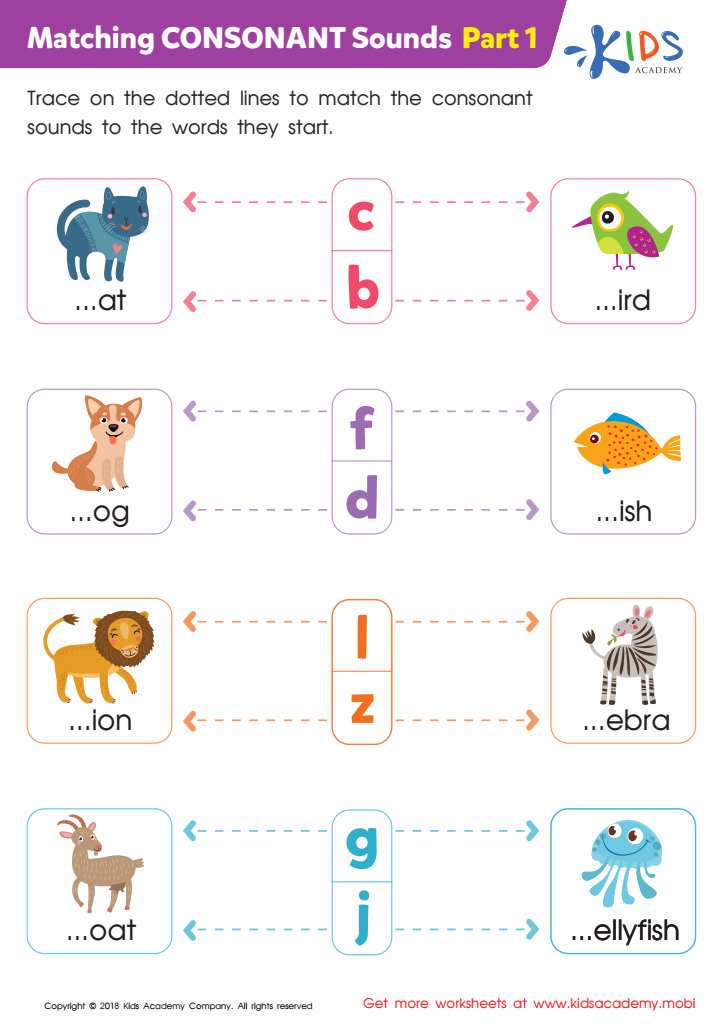
Matching Consonant Sounds: Part 1 Worksheet
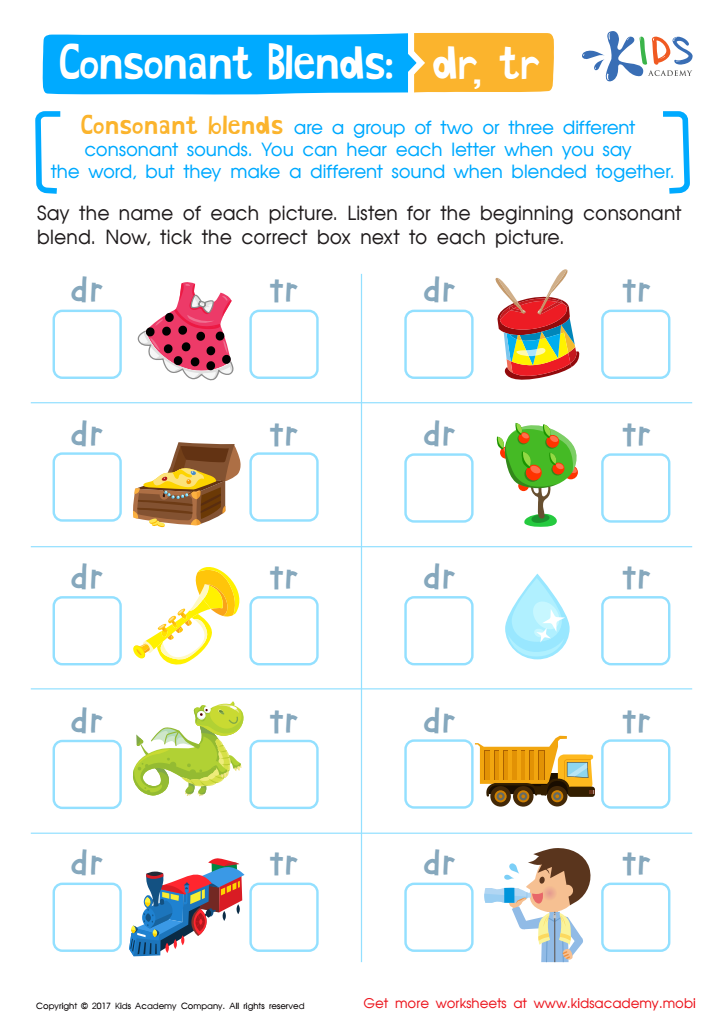
Consonant Blends: "Dr" and "Tr" Printable

Long and Short E Worksheet
Assign to My Students
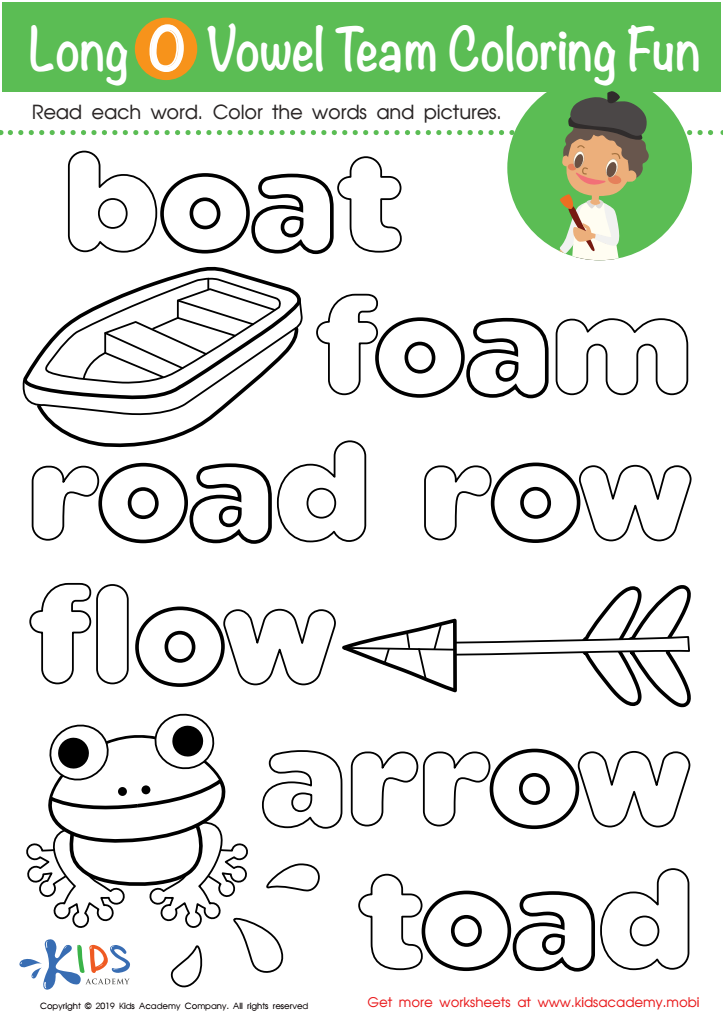
Long O Vowel Team Coloring Worksheet
Assign to My Students
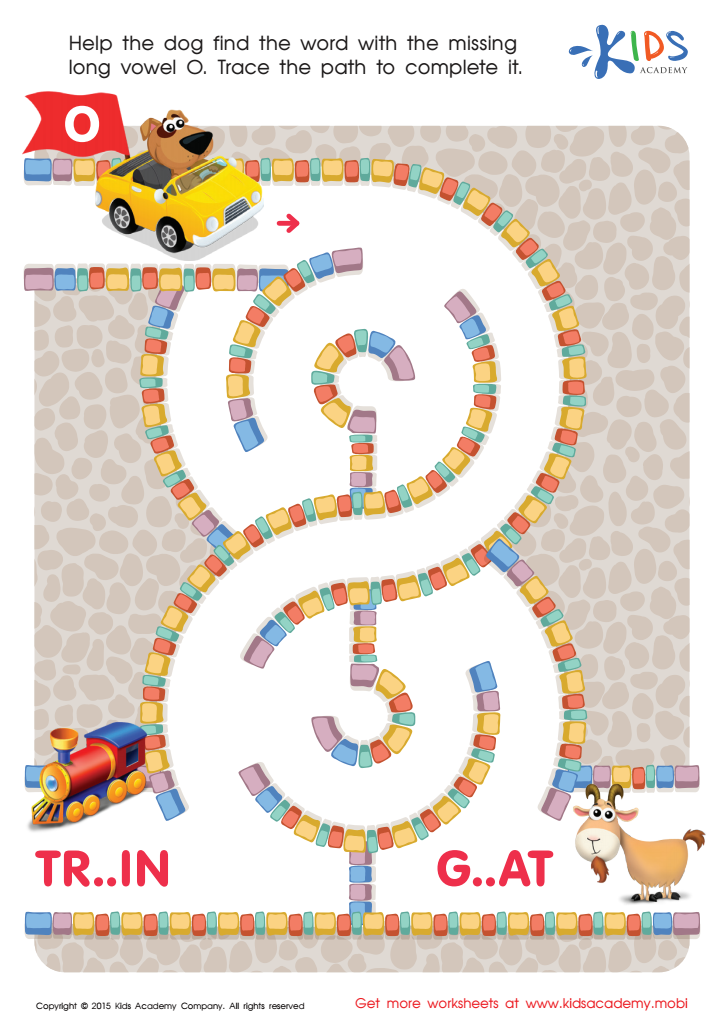
Long Vowel Sound O Worksheet
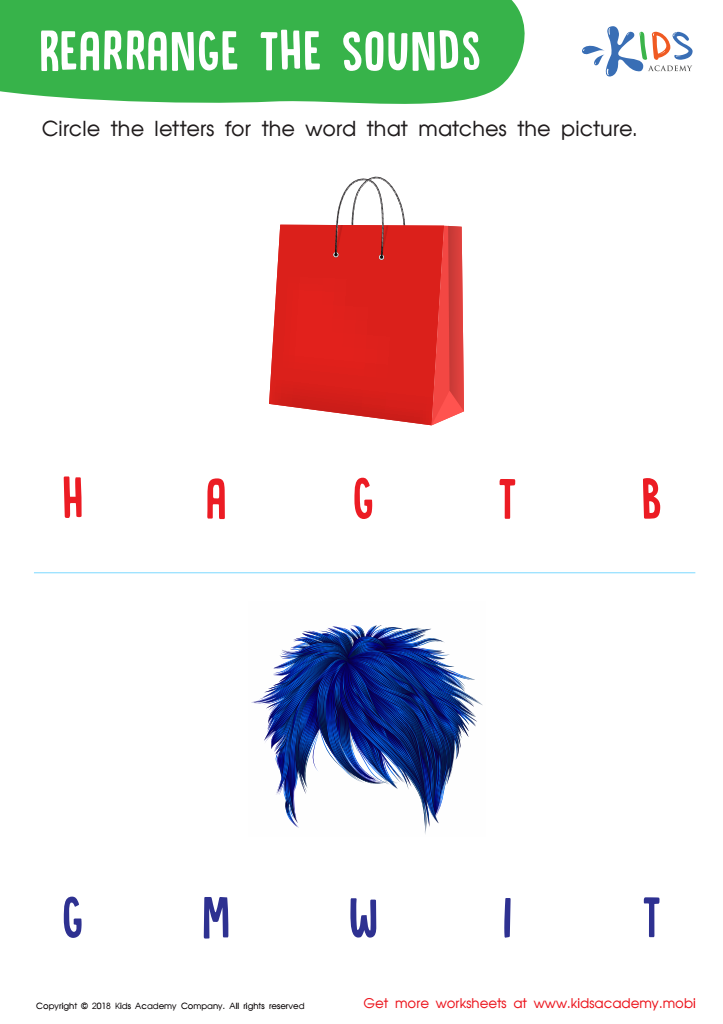
Rearrange the Sounds Worksheet
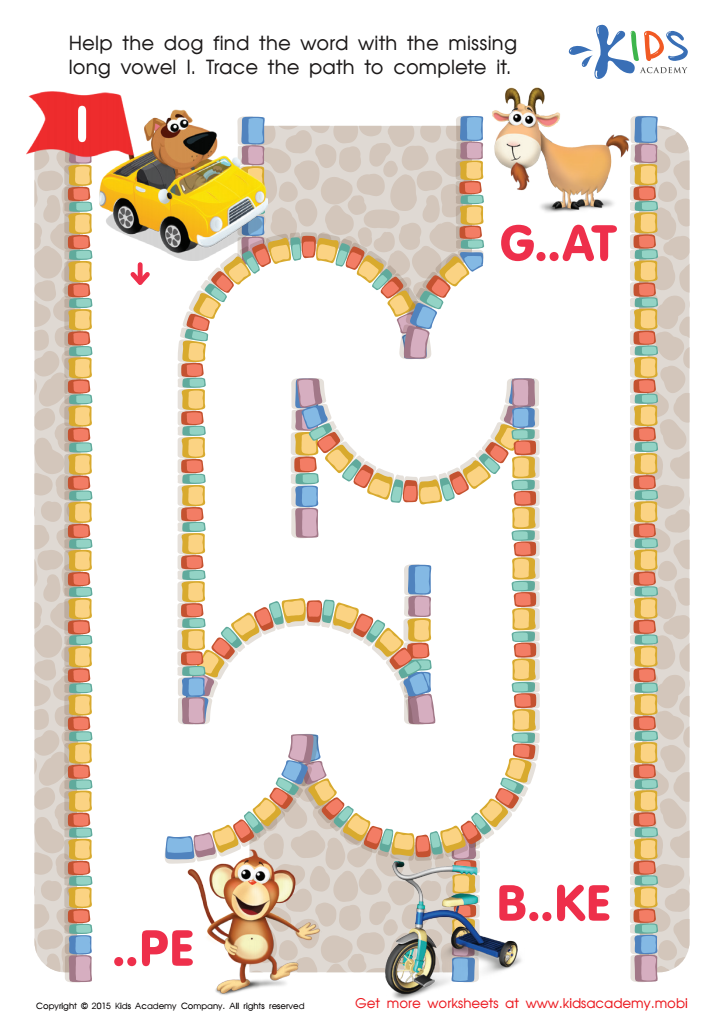
Long Vowel Sound I Worksheet
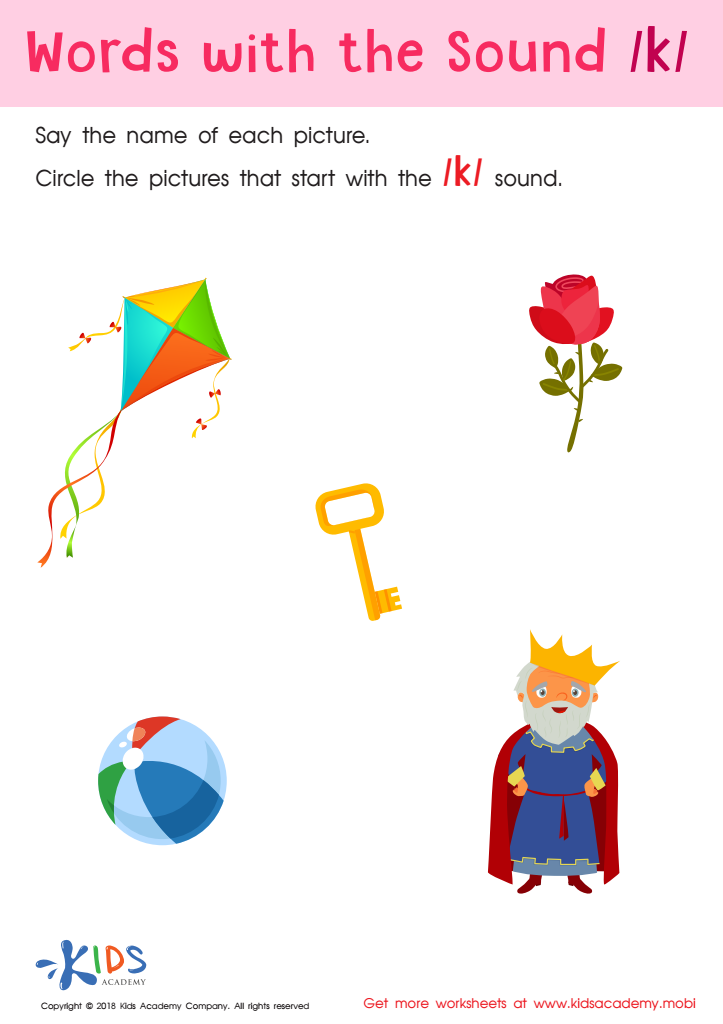
Words with sound k Reading Worksheet







Phonics skills are crucial for 6-year-olds as they serve as the foundation for literacy development. At this stage, children begin to decode words by connecting sounds (phonemes) with their corresponding letters or groups of letters (graphemes). Understanding phonics helps children read more fluently and improves their comprehension skills, enabling them to enjoy and understand texts.
Parents and teachers should prioritize phonics instruction because it not only supports reading development but also enhances writing abilities. When children grasp phonics, they can decode unfamiliar words, improving their confidence and willingness to engage with reading materials. This early skill set lays the groundwork for successful academic journeys in all subjects, as strong literacy skills are integral to learning.
Additionally, early mastery of phonics can prevent future reading difficulties, particularly for children at risk for dyslexia or other learning challenges. Engaging in phonics activities—such as rhymes, games, and interactive reading—nurtures a child’s love for language and learning.
In conclusion, fostering phonics skills in young learners is essential for building a lasting foundation for literacy that supports academic success and enhances opportunities for cognitive and social development throughout their educational journey.







