Shape Recognition Geometry Worksheets for 6-Year-Olds - Page 2
48 filtered results
-
From - To
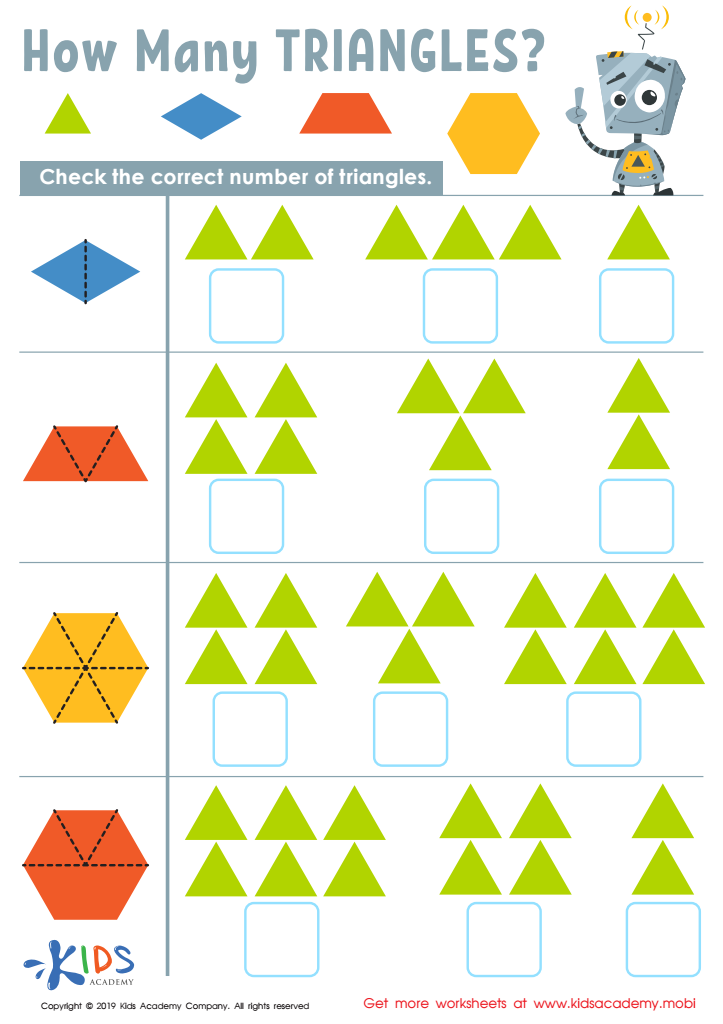
How Many Triangles Worksheet











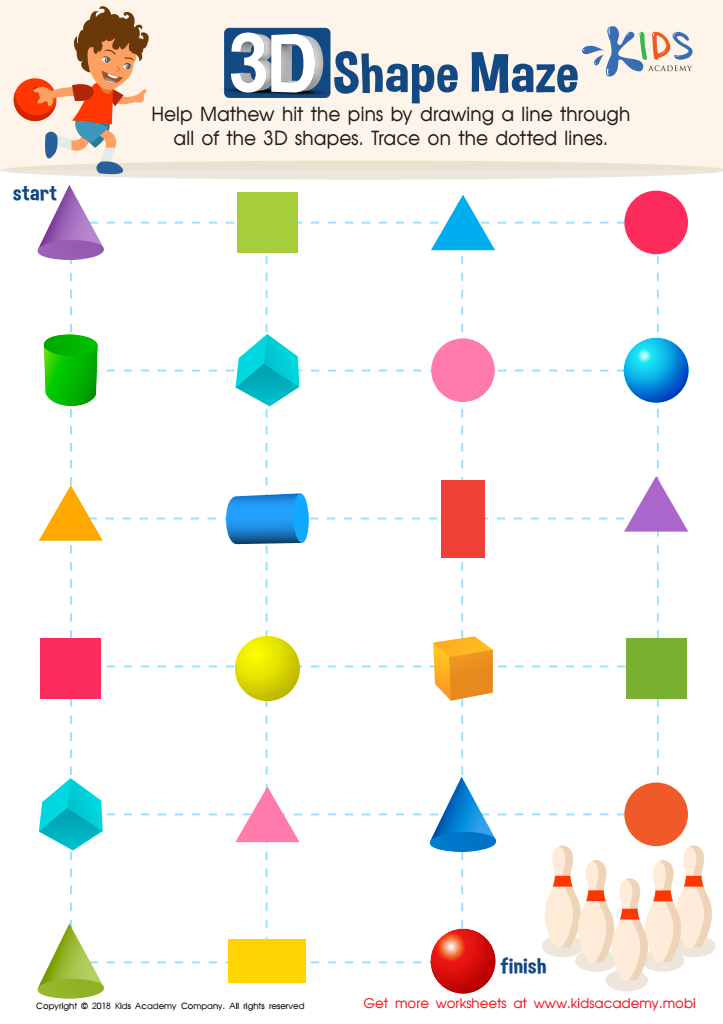
Shapes Maze Geometry Worksheet
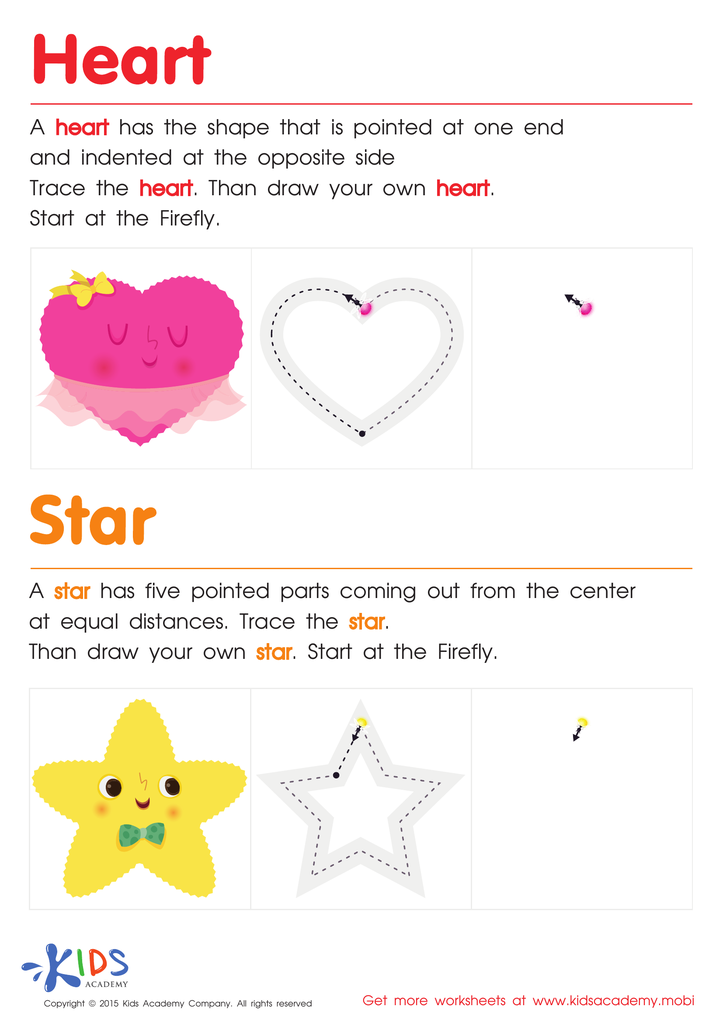
Let's Learn to Draw Hearts And Stars Printable
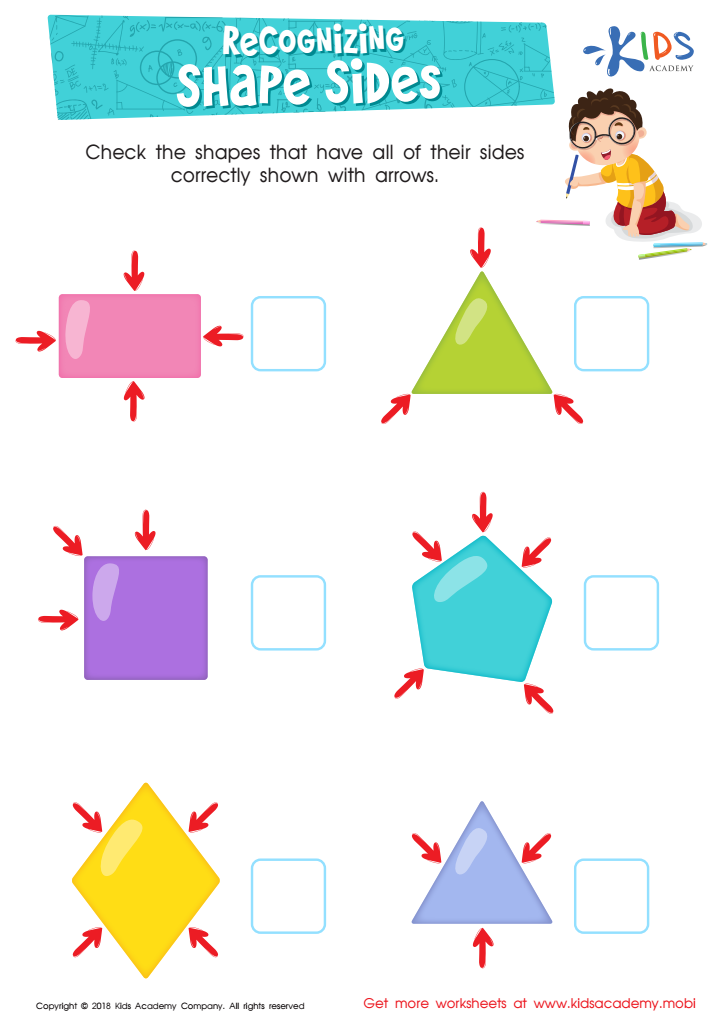
Recognizing Shape Sides Worksheet
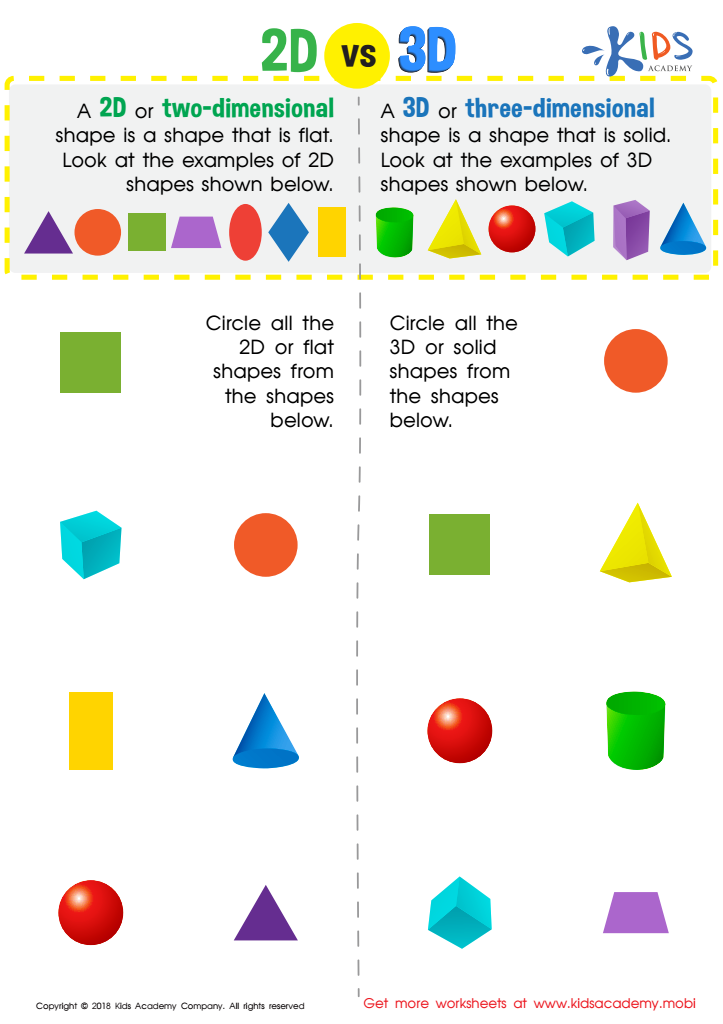
2D vs 3D Shapes Worksheet
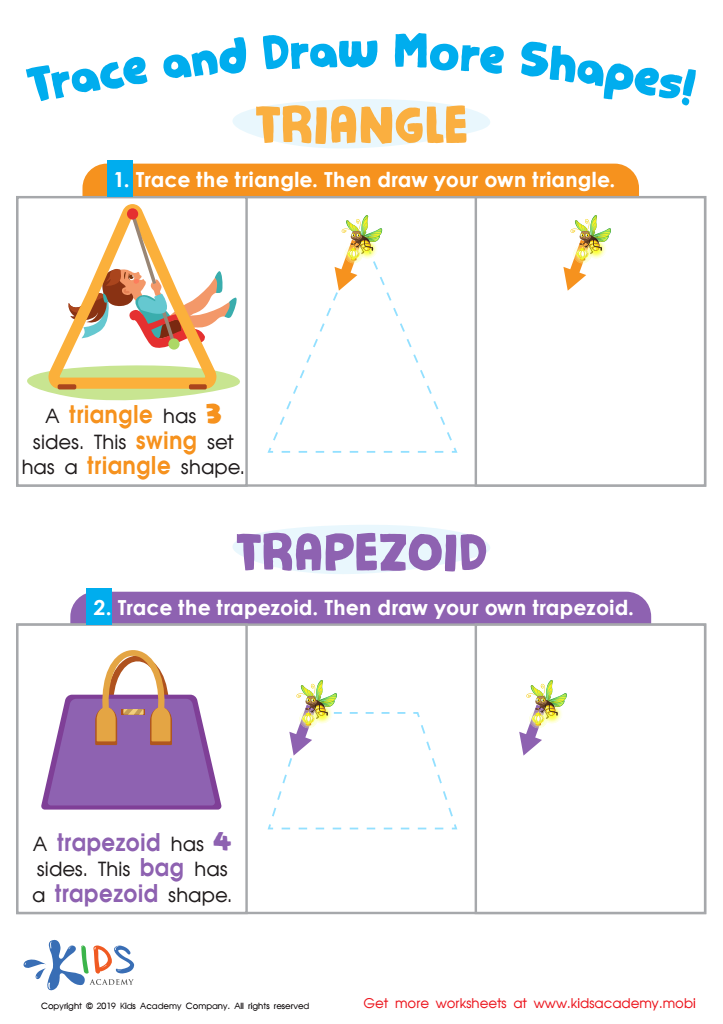
Trace and Draw More Shapes Worksheet
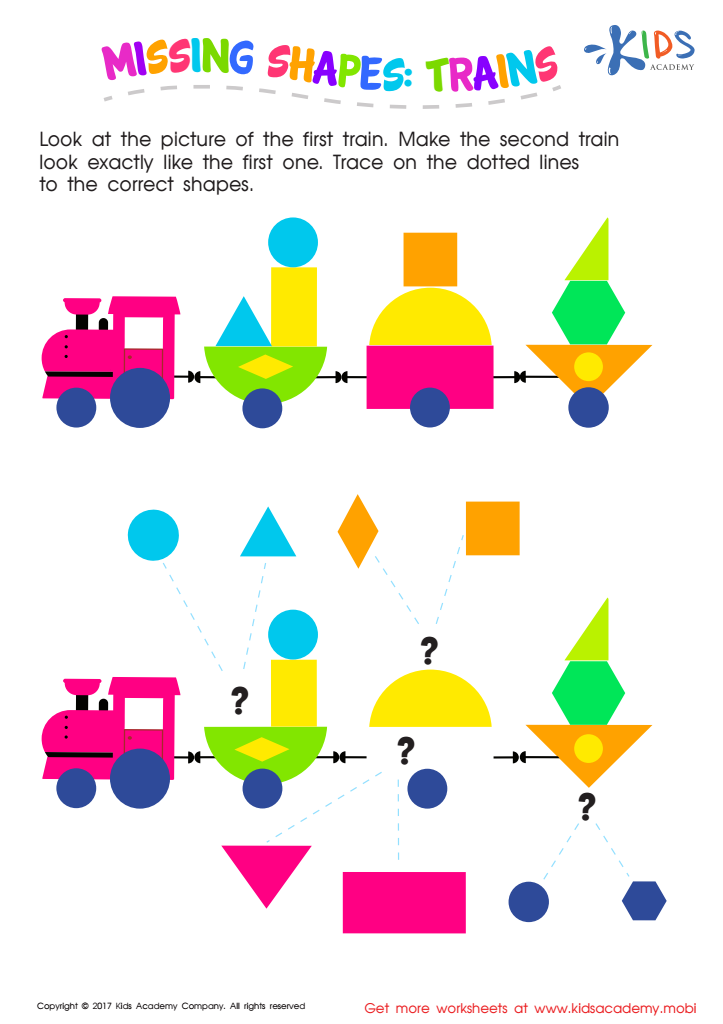
Missing Shapes: Trains Worksheet
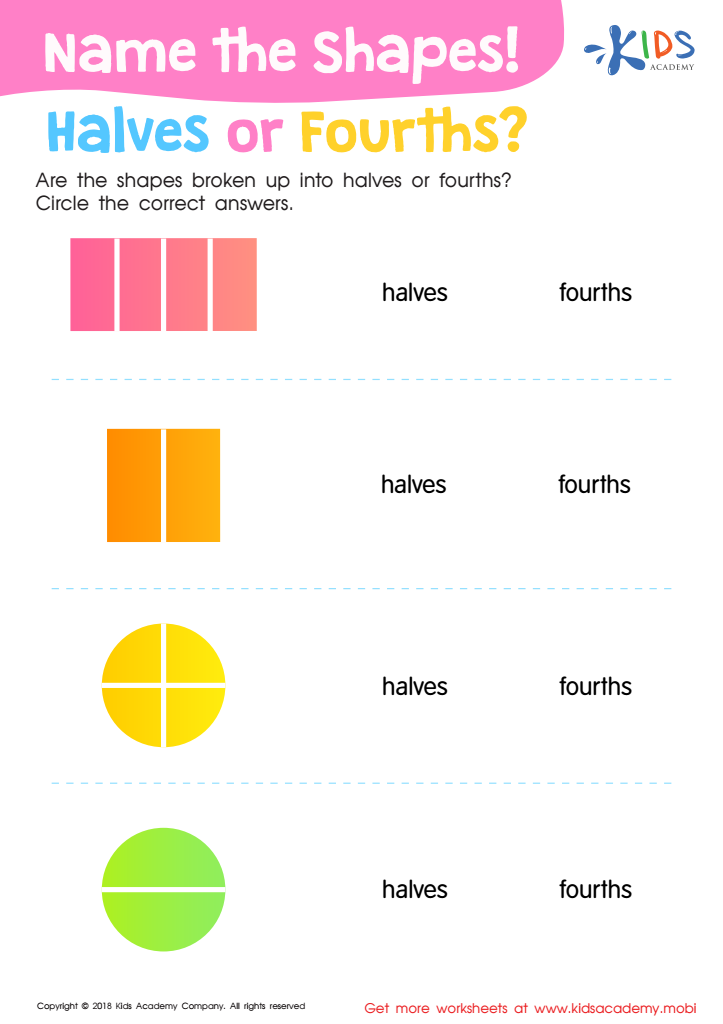
Name the Shapes Halves or Fourths? Worksheet
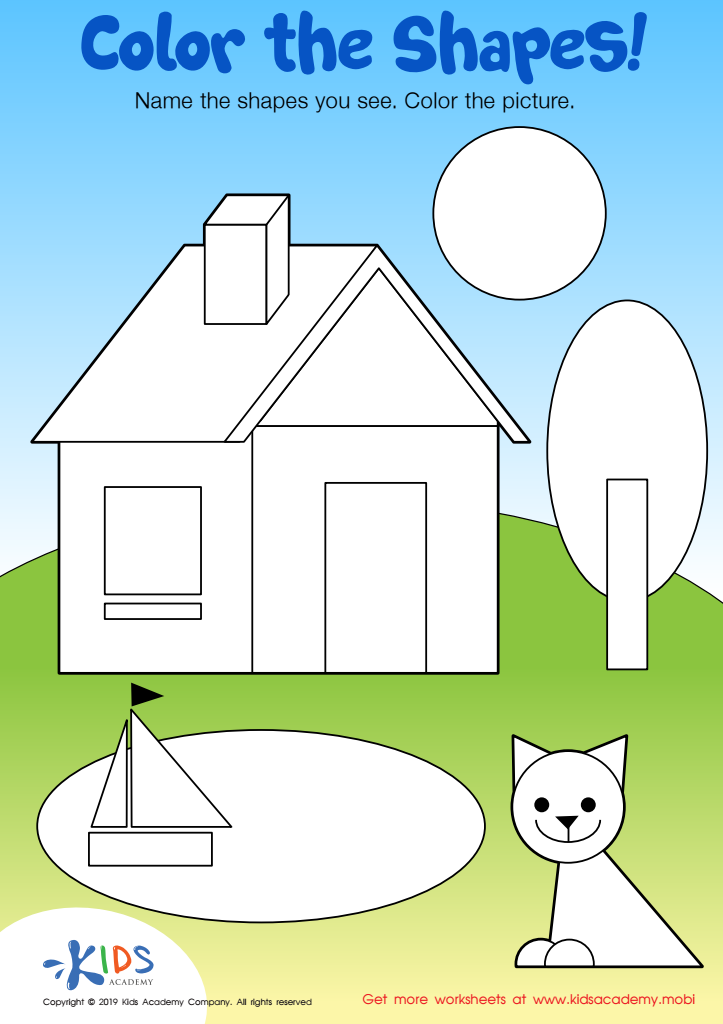
Color the Shapes Worksheet
 Assign to My Students
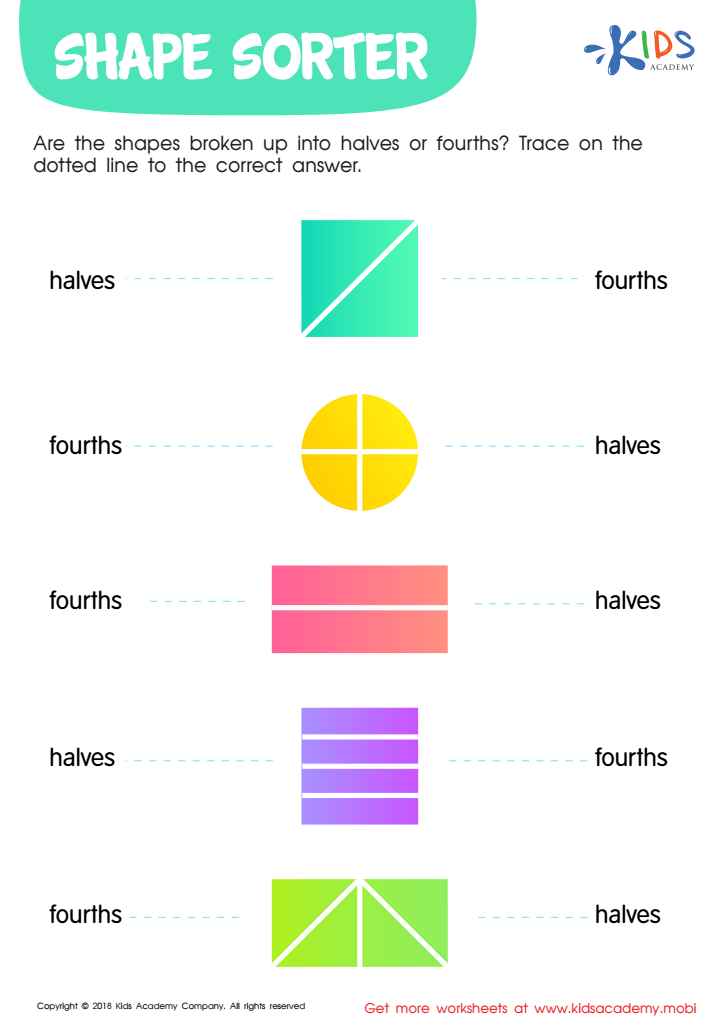
Shape Sorter Worksheet
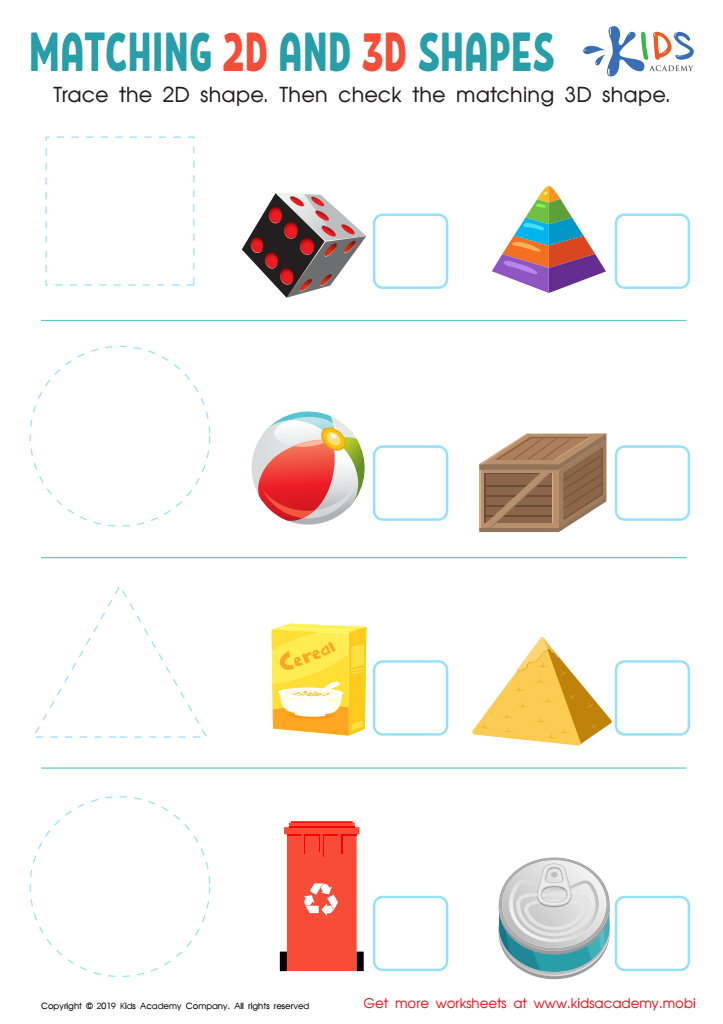
Matching 2D and 3D Shapes Worksheet
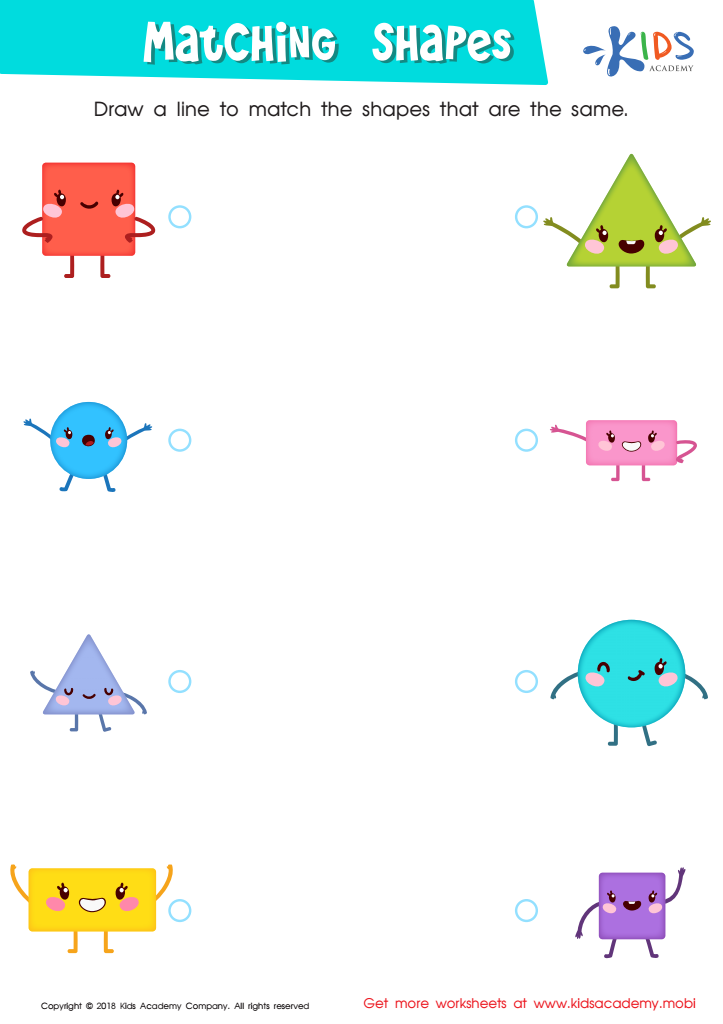
Matching Shapes Worksheet
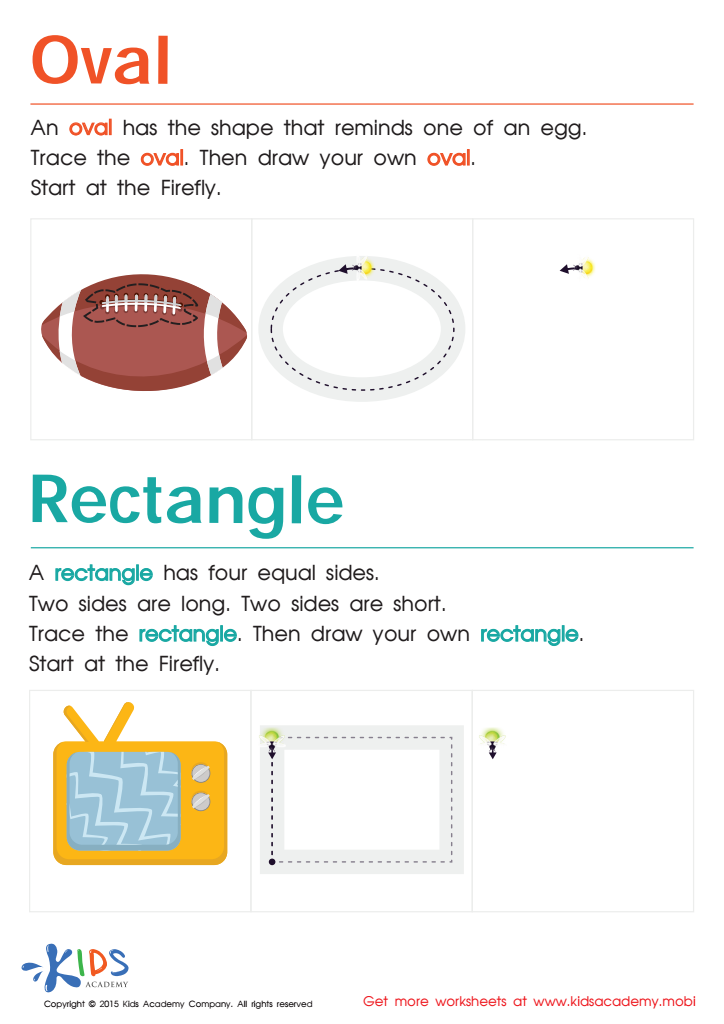
Easy Drawing of Ovals And Rectangles Worksheet
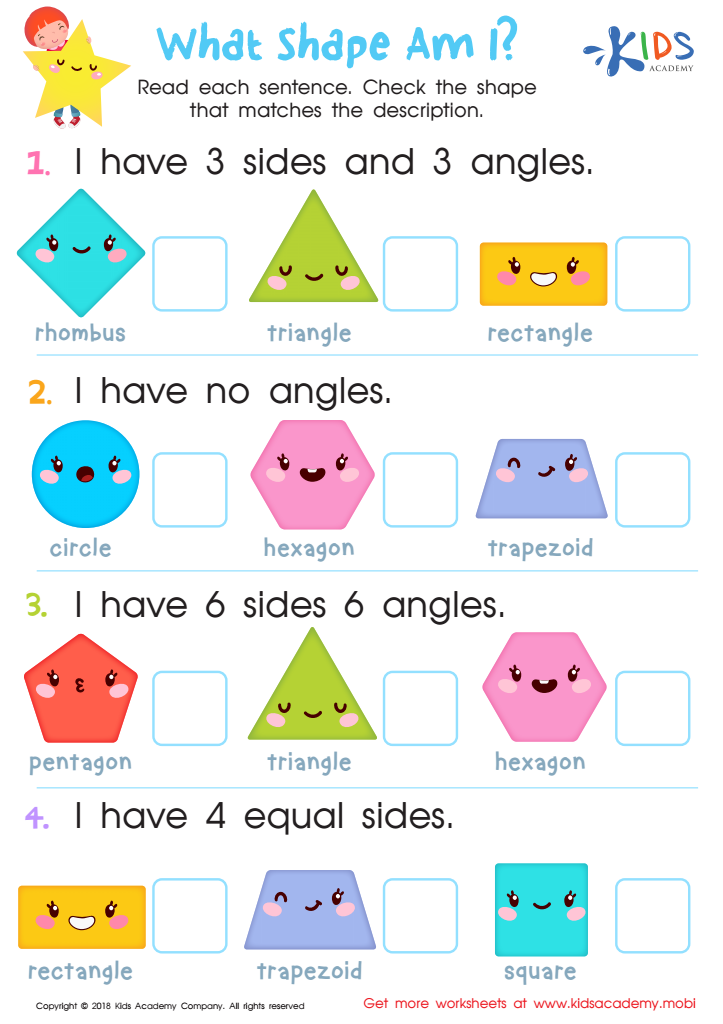
What Shape Am I? Worksheet
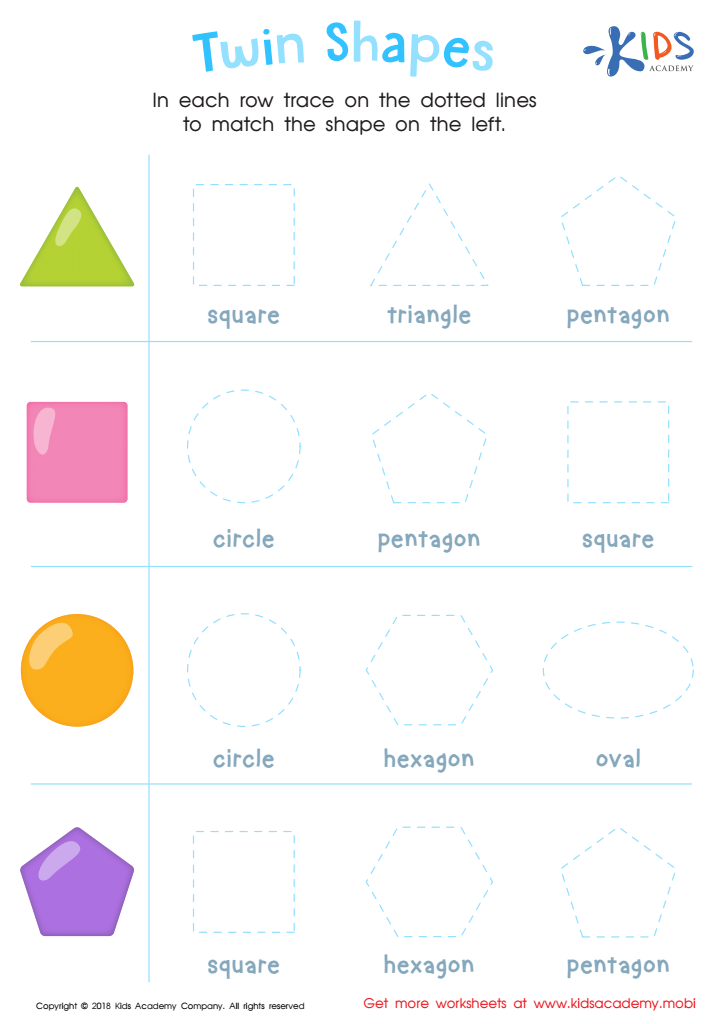
Twin Shapes Dot-to-Dot Worksheet
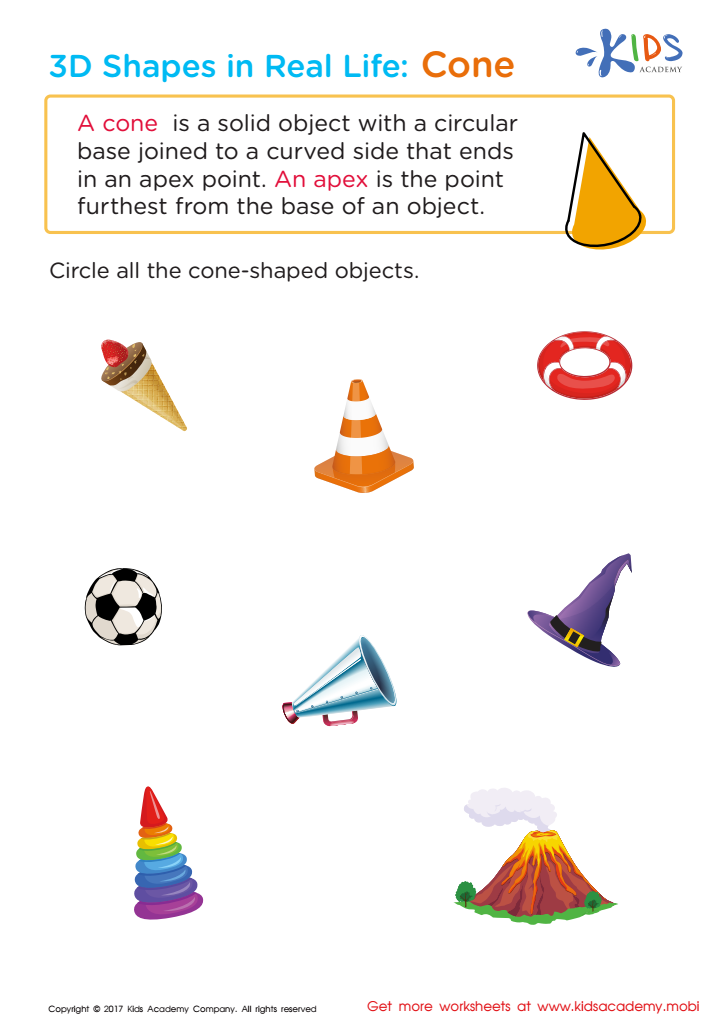
Shapes in Real Life: Cone Worksheet
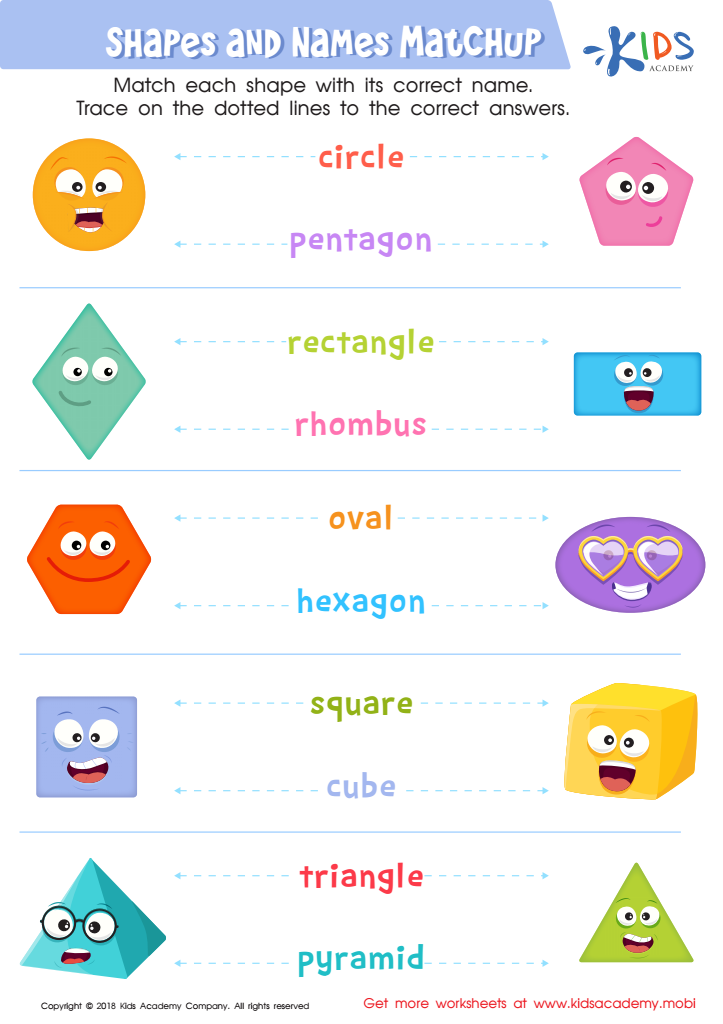
Shapes and Names Matchup Worksheet
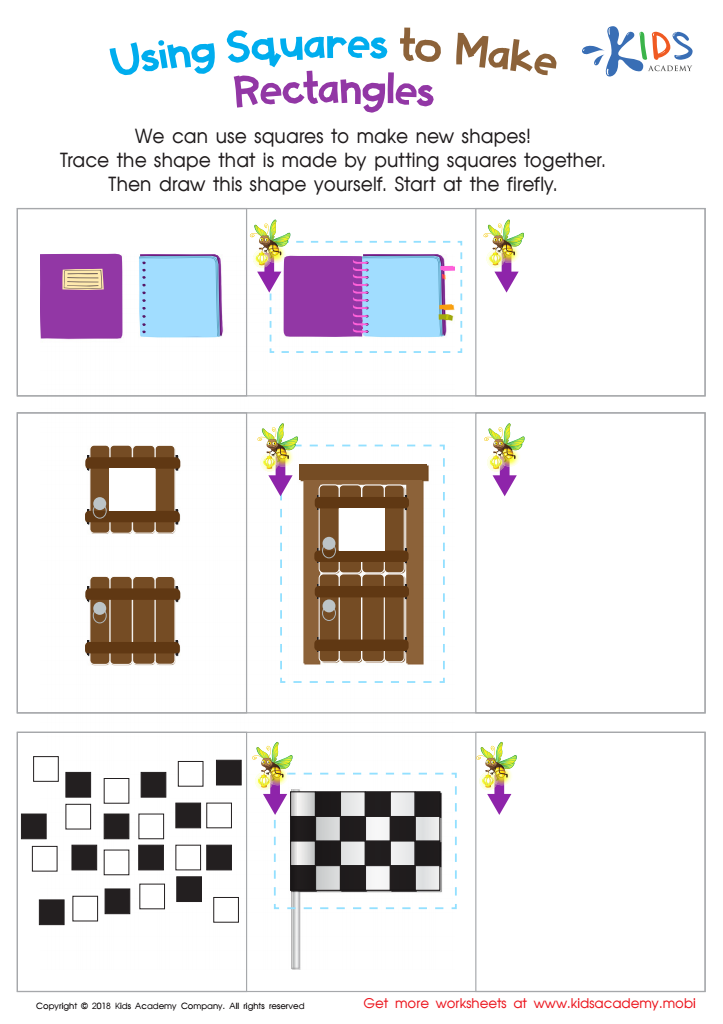
Using Squares to Make Rectangles Worksheet
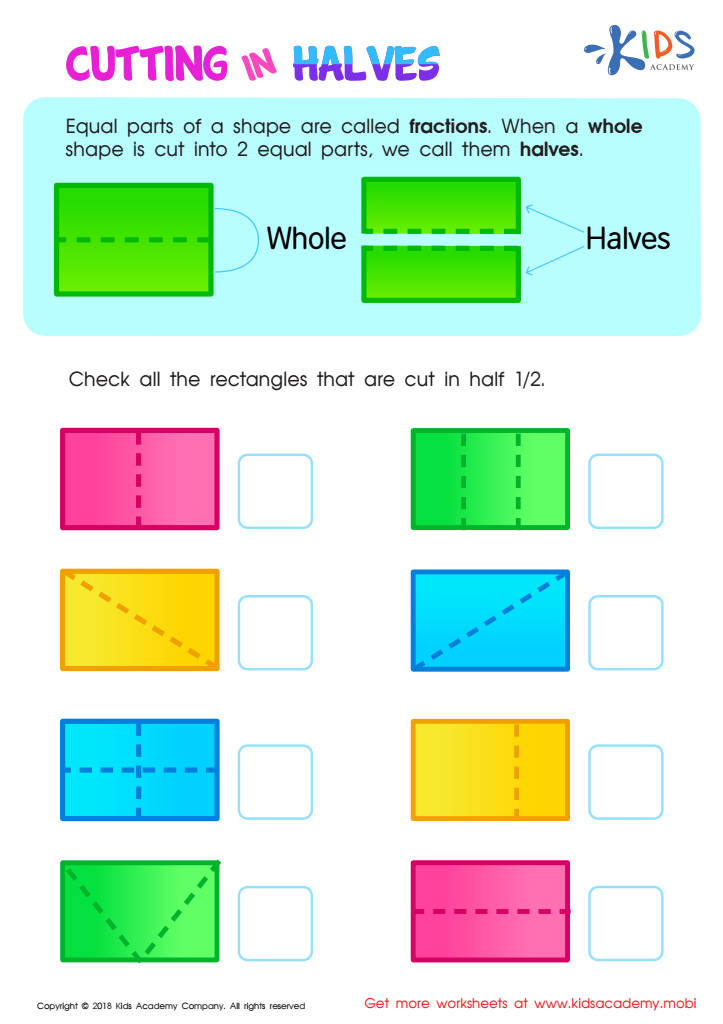
Cutting in Halves Worksheet
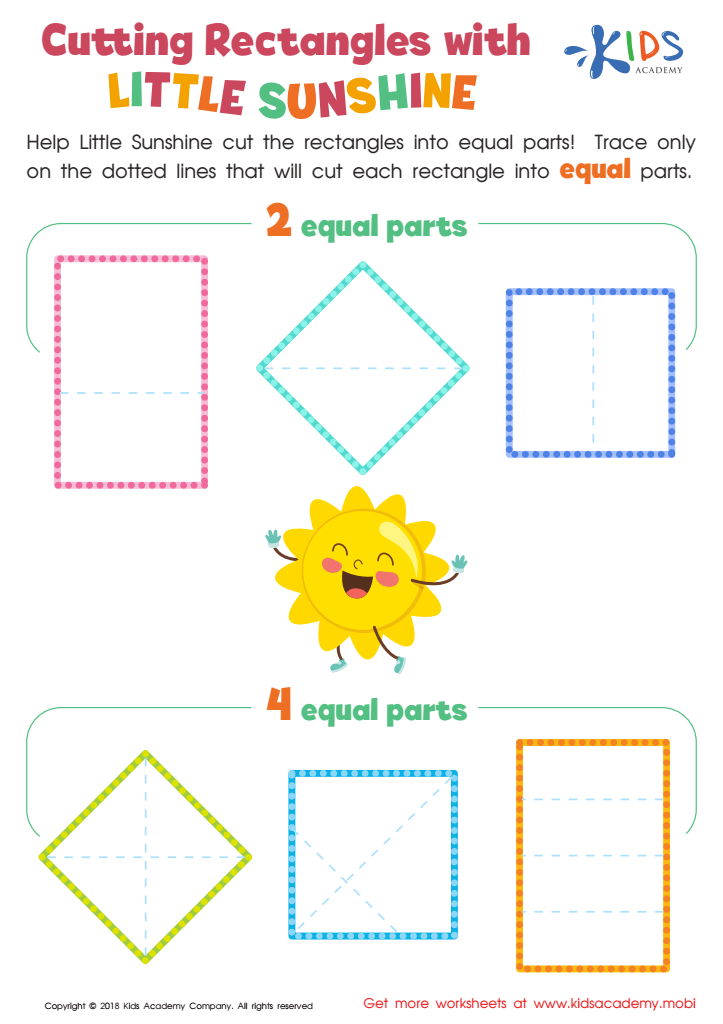
Cutting Rectangles with Little Sunshine Worksheet
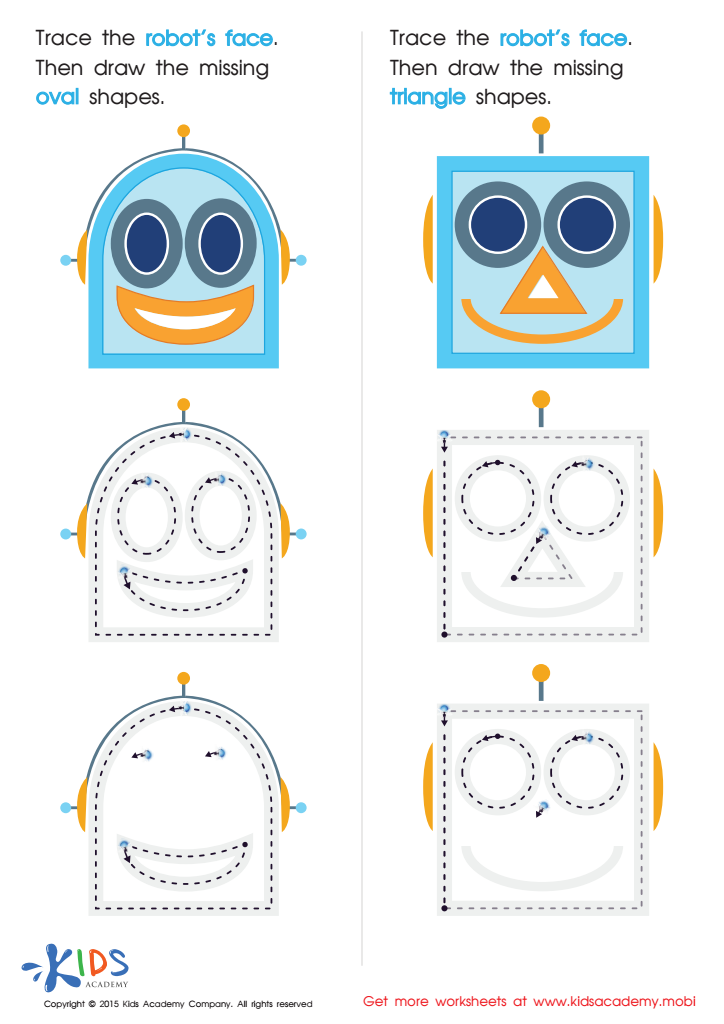
Drawing Ovals And Triangles with Fun Printable
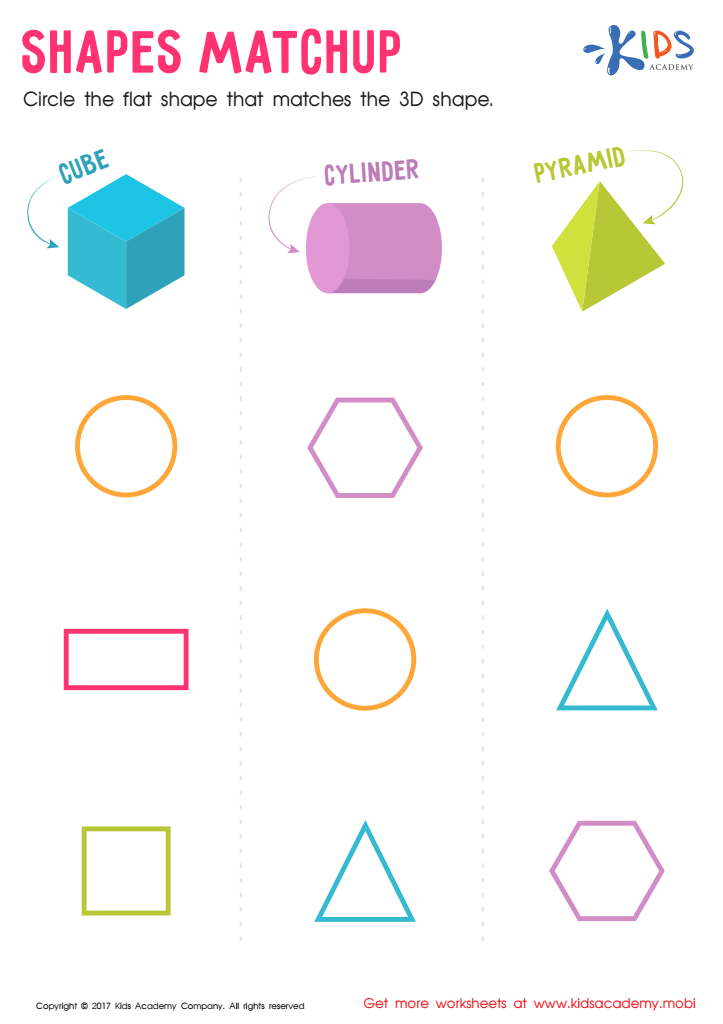
Shapes Matchup Worksheet
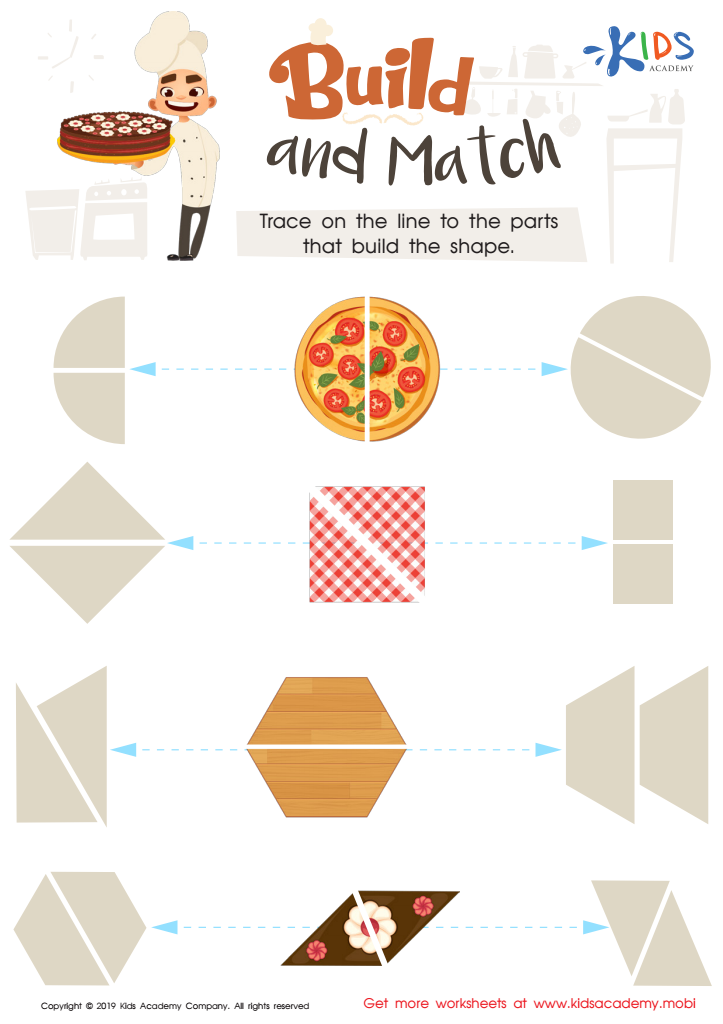
Build and Match Worksheet
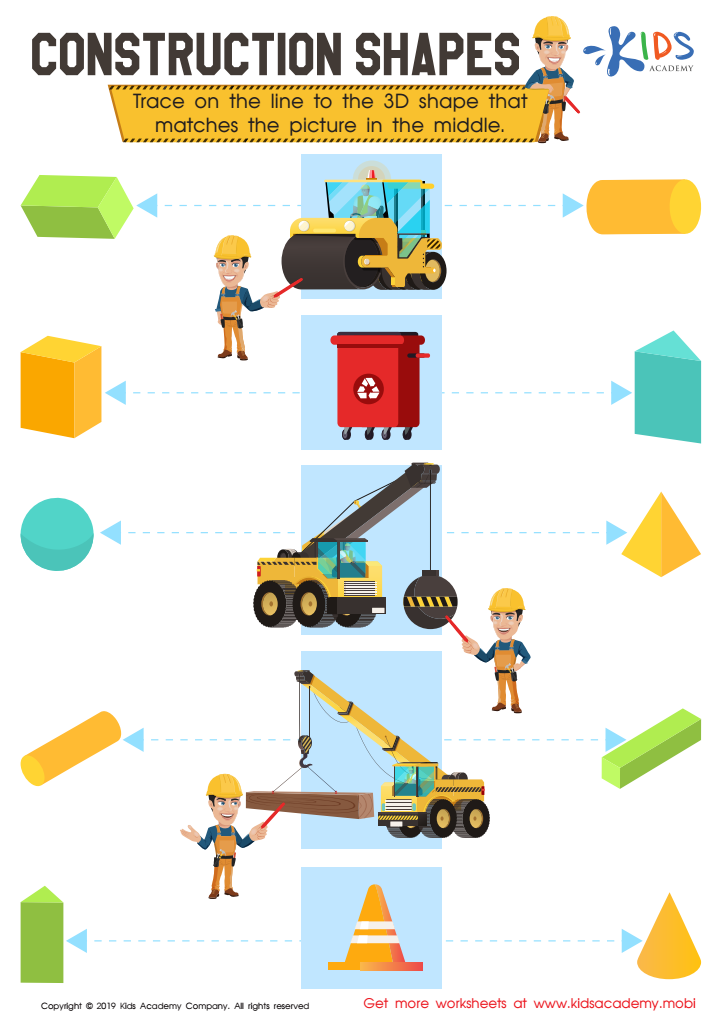
Construction Shapes Worksheet








Shape recognition is a fundamental aspect of early childhood education that underpins a child's cognitive development. For six-year-olds, understanding basic geometric shapes not only enhances their visual-spatial skills but also fosters critical thinking and problem-solving abilities. When parents and teachers prioritize shape recognition, they are laying the groundwork for mathematical concepts that will be explored in later grades.
Engaging with shapes helps children develop observational skills as they learn to differentiate between objects in their environment. This knowledge extends beyond just identifying circles, squares, and triangles; it encourages curiosity about the properties and relationships of these shapes. Shape recognition is also linked to early literacy skills, as children begin to understand spatial language and descriptors.
Furthermore, by incorporating shape recognition activities, such as puzzles and hands-on crafts, teachers and parents can create a fun and interactive learning experience that promotes engagement. This can lead to a positive attitude towards learning mathematics and geometry in the future. Ultimately, prioritizing shape recognition not only supports mathematical readiness but also nurtures a well-rounded cognitive skill set that is essential for a child’s overall development.








