Basic Math Skills Math Worksheets for 6-Year-Olds - Page 2
81 filtered results
-
From - To
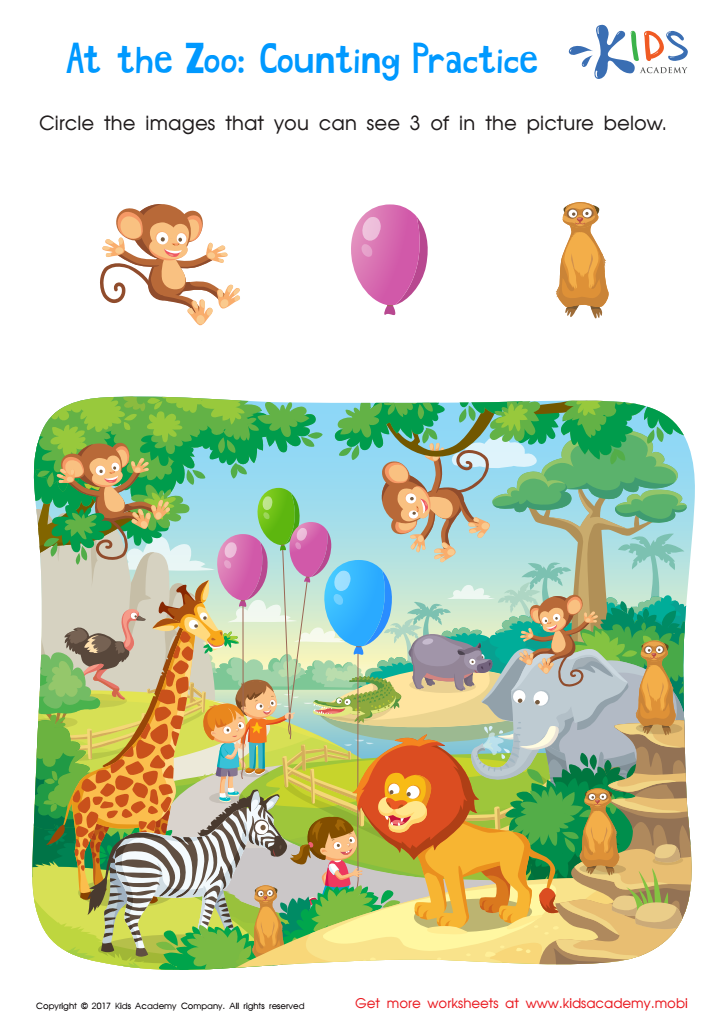
At the Zoo: Counting Practice Worksheet
 Assign to My Students
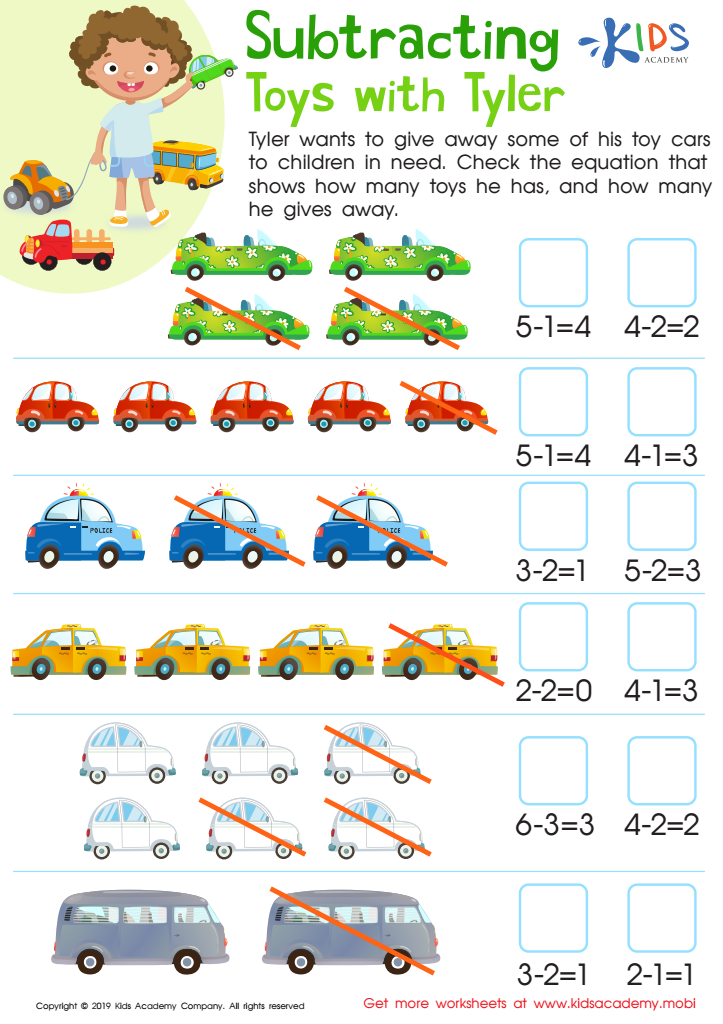
Subtracting Toys with Tyler Worksheet
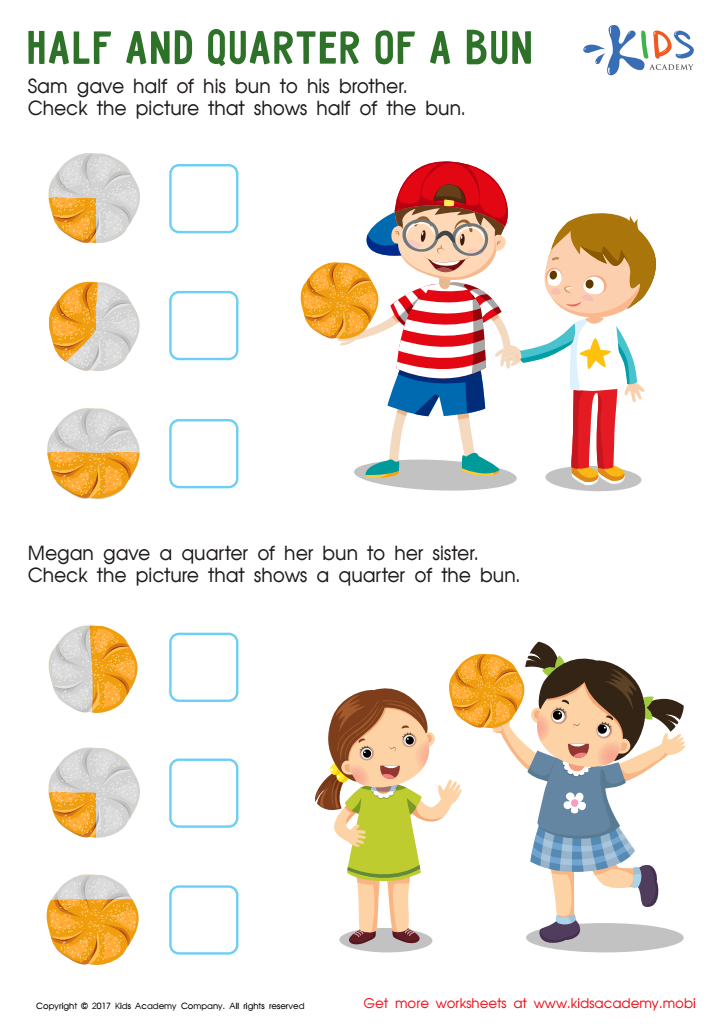
Half and Quarter of a Bun Worksheet
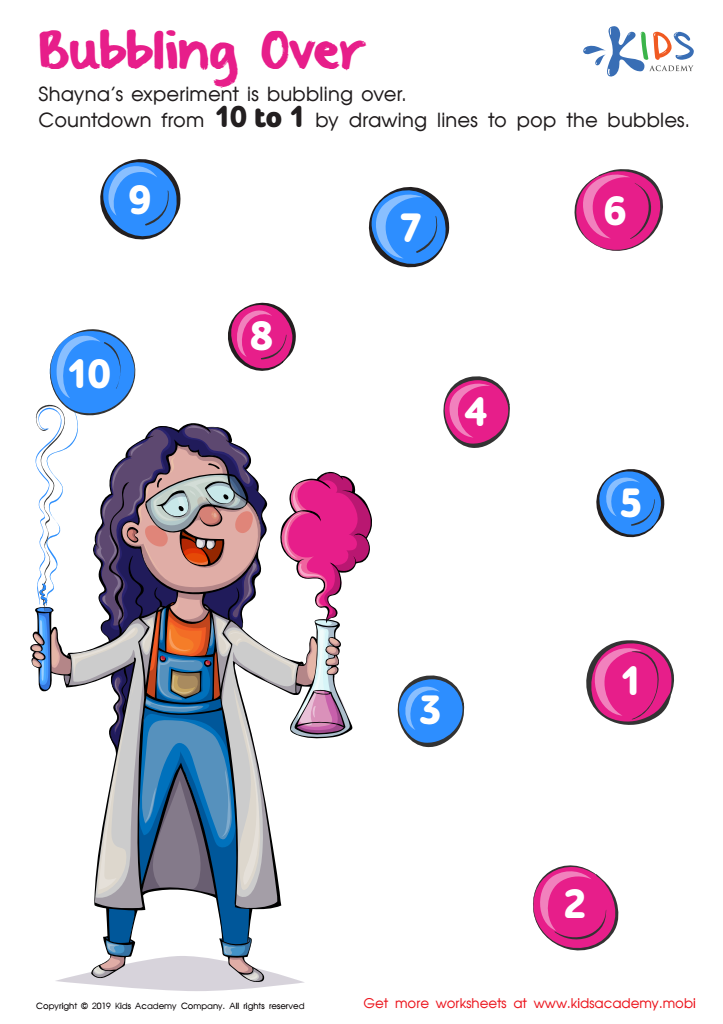
Bubbling Over Worksheet
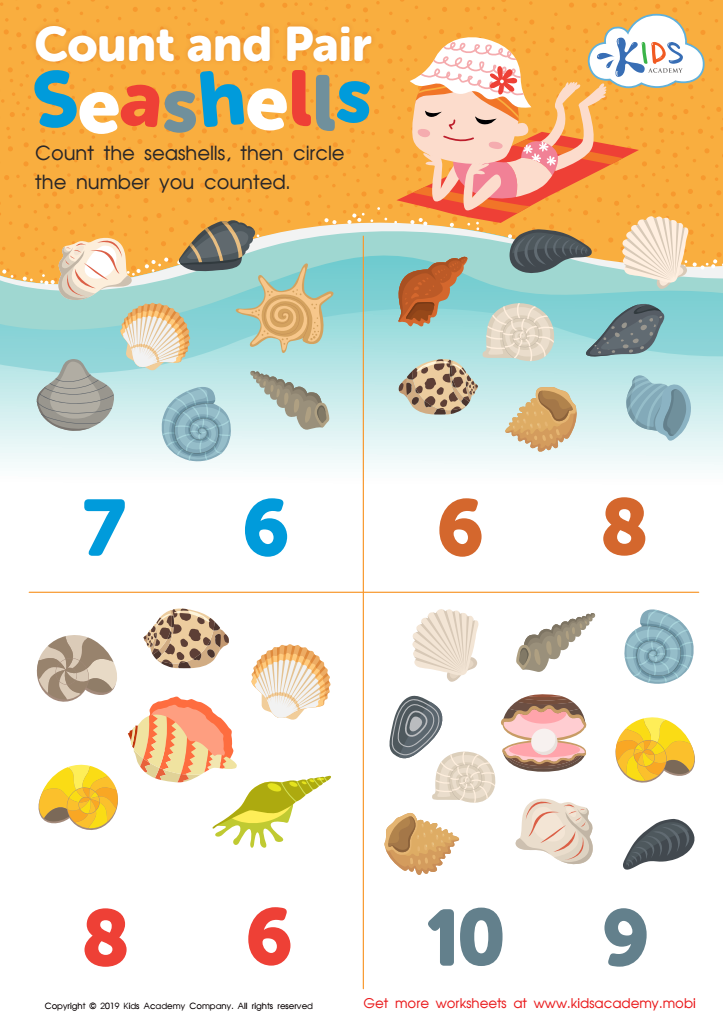
Count and Pair Seashells Worksheet
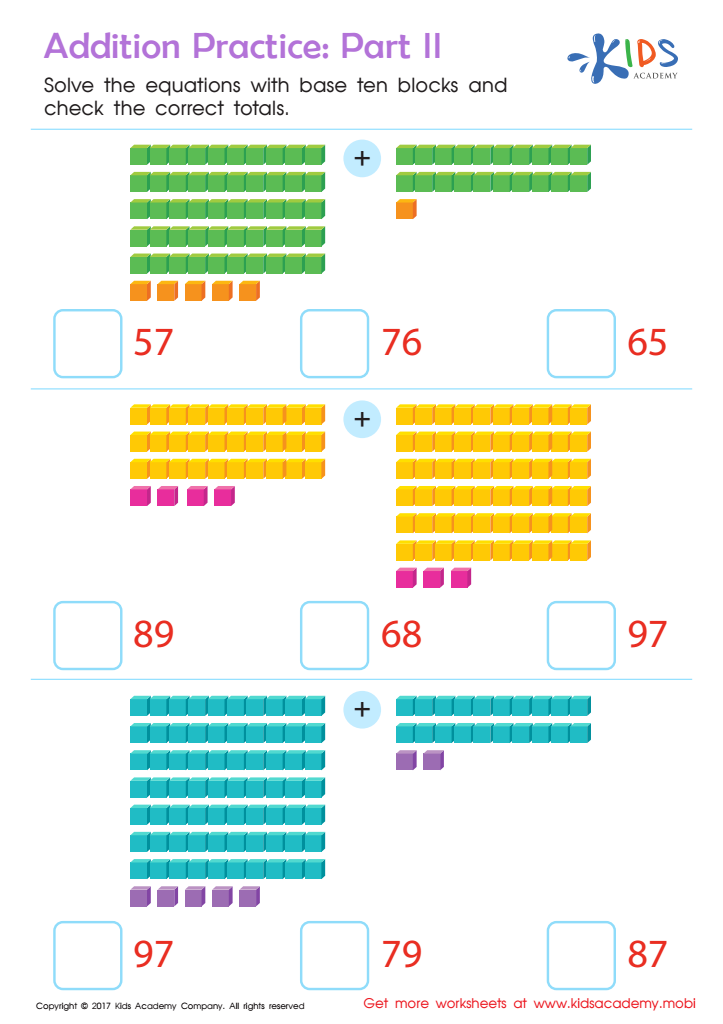
Addition Practice Sheet: Part 2
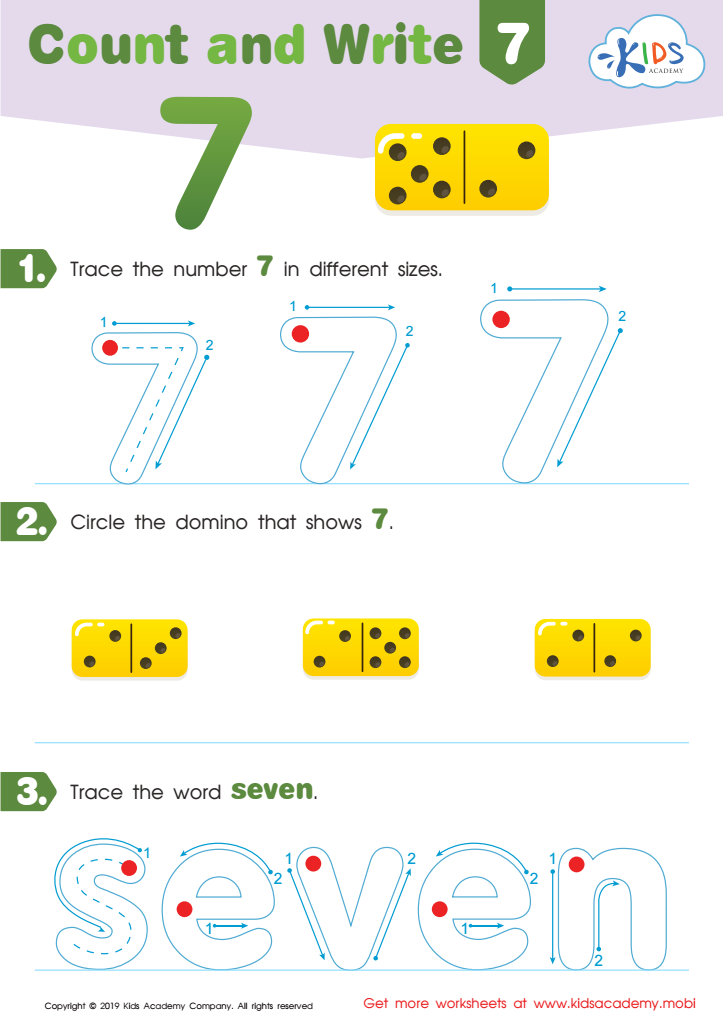
Count and Write 7 Worksheet
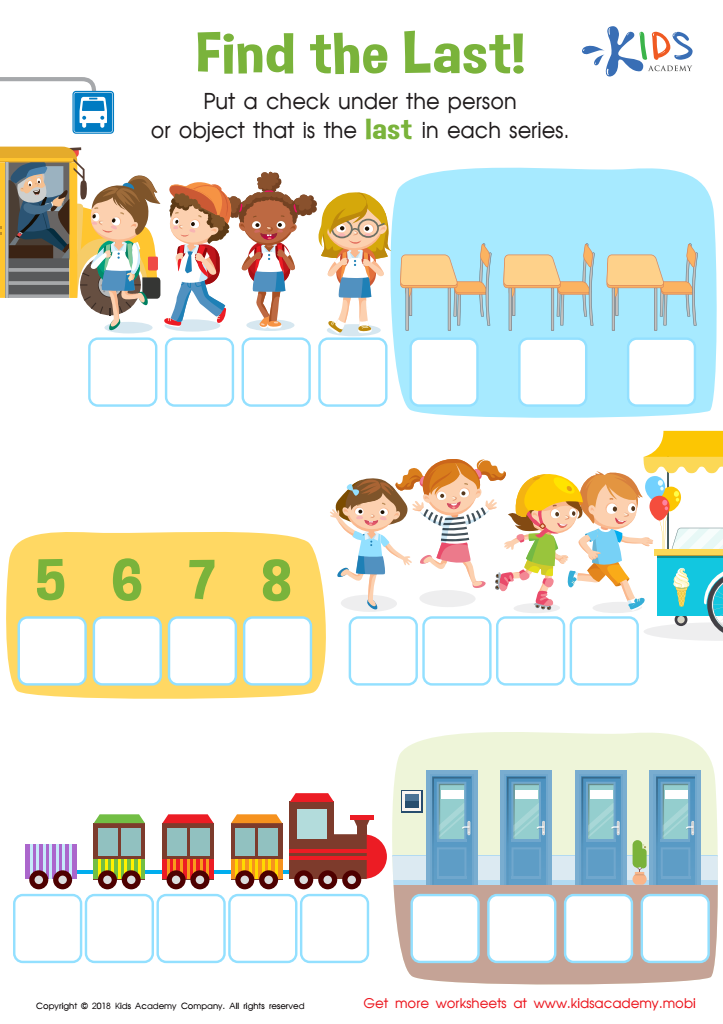
Find the Last! Worksheet
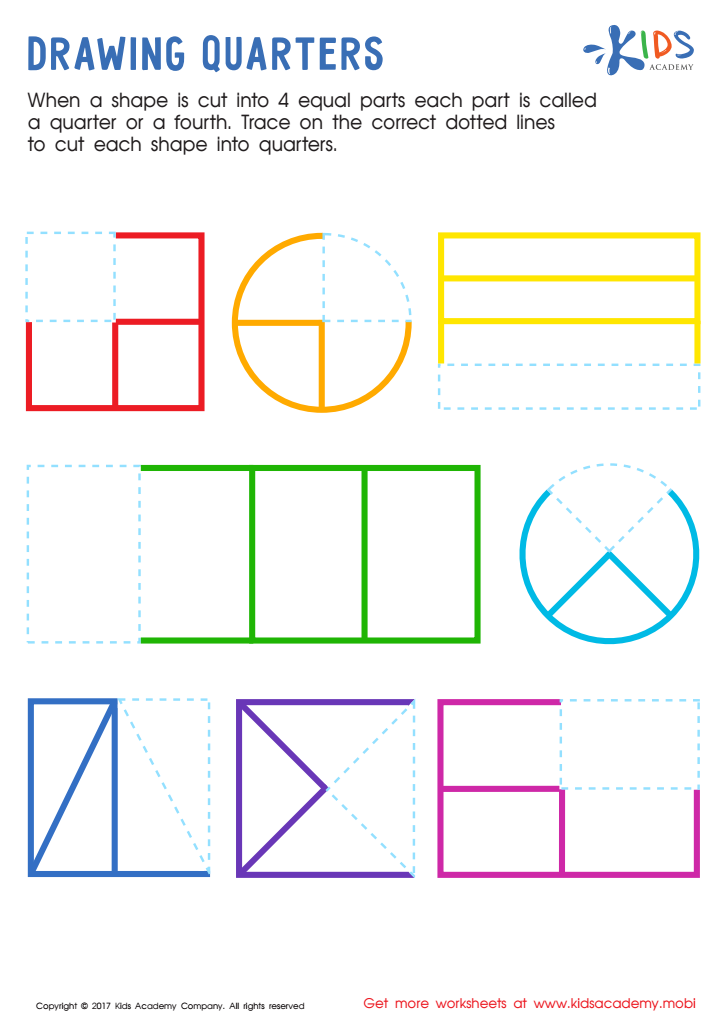
Drawing Quarters Worksheet
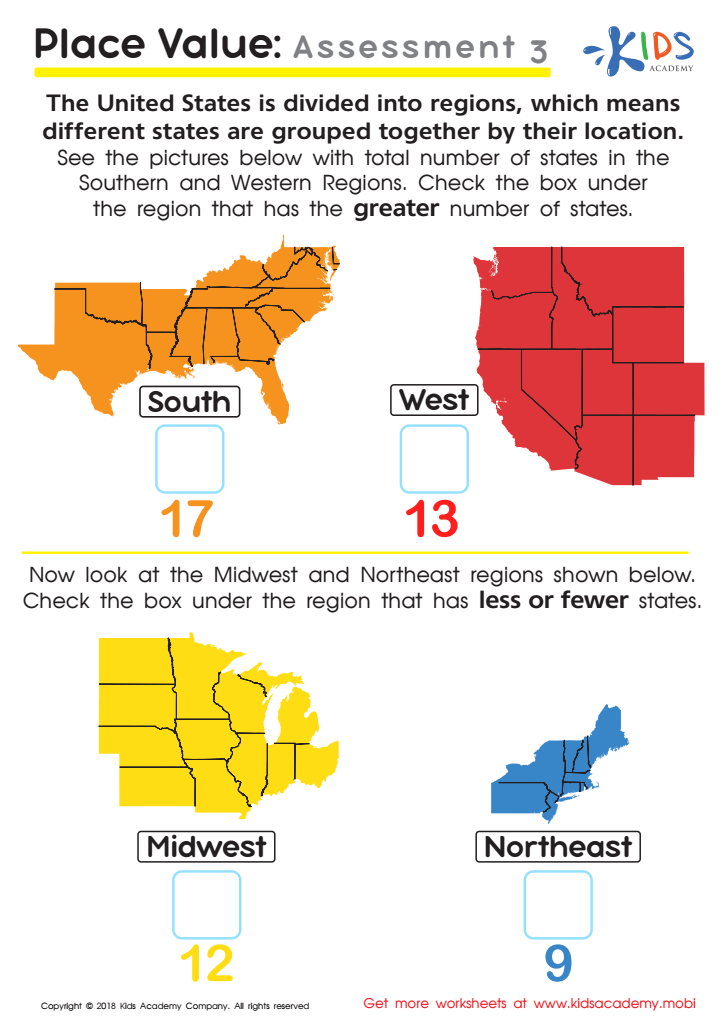
Place Value: Assessment 3 Worksheet
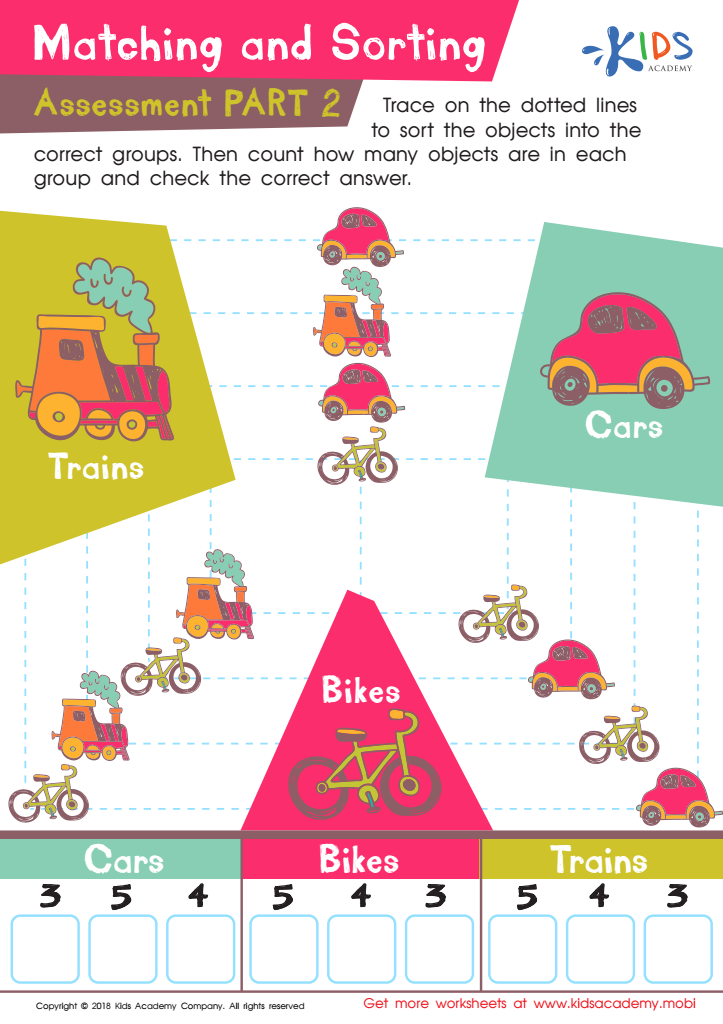
Matching and Sorting for Kindergarten: Assessment 2 Worksheet
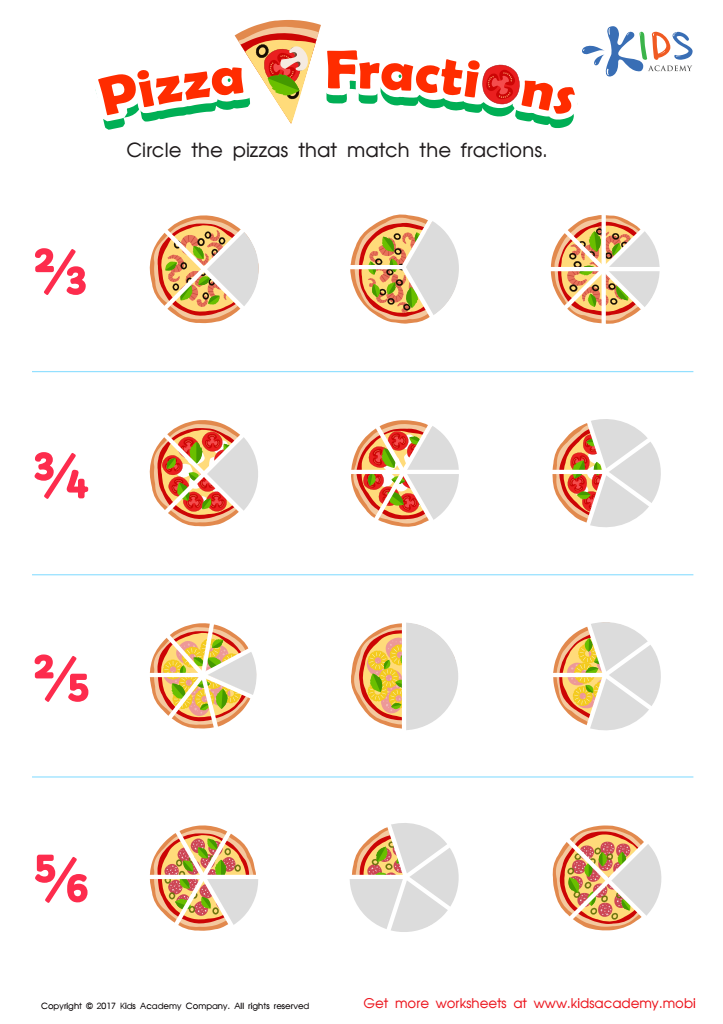
Fractions: Pizza Printable
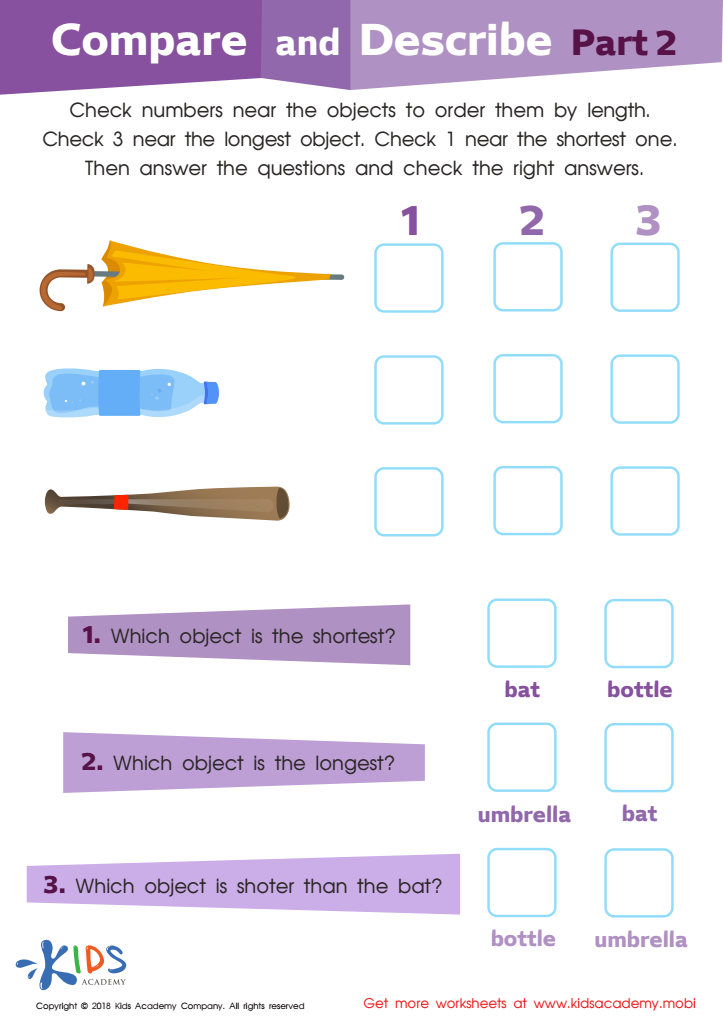
Compare and Describe: Part 2 Worksheet
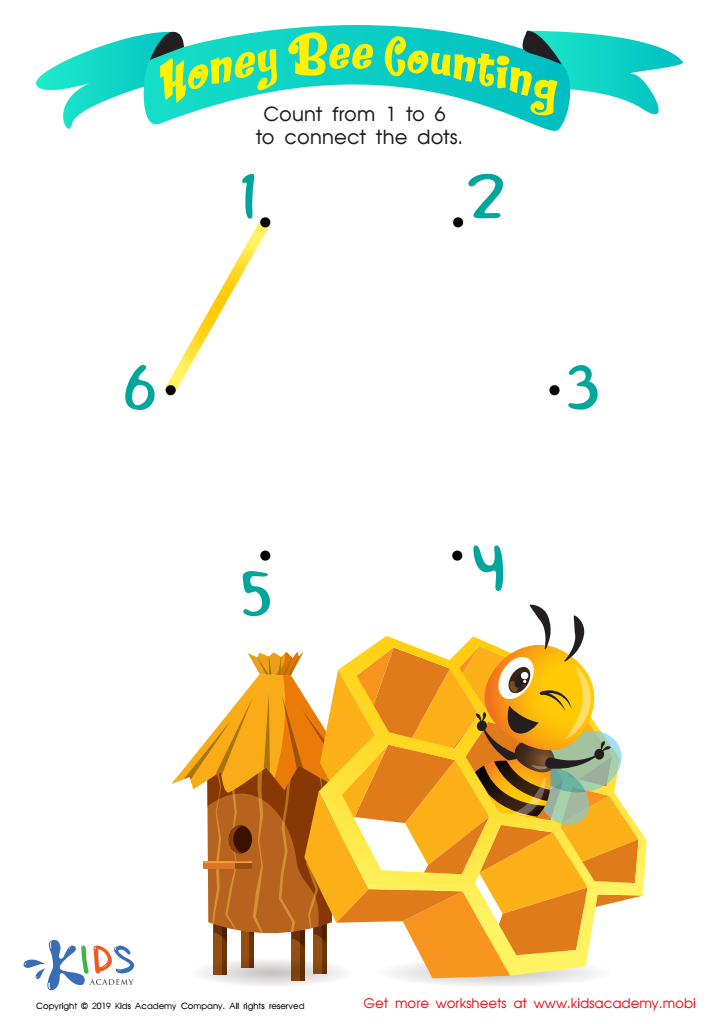
Honey Bee Counting Worksheet
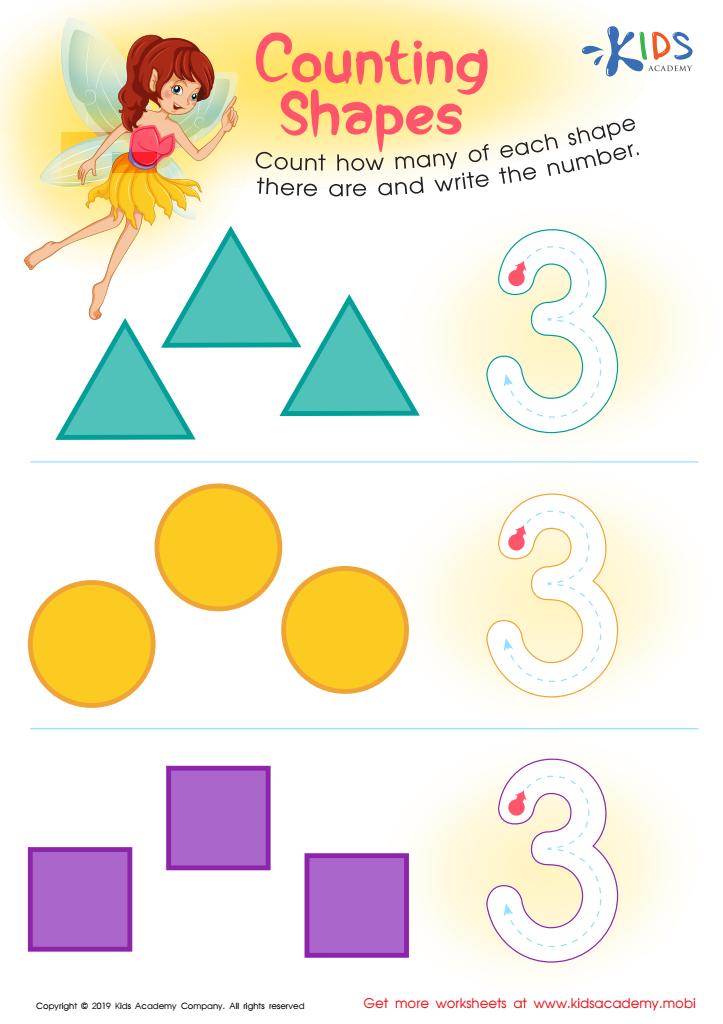
Counting Shapes Worksheet
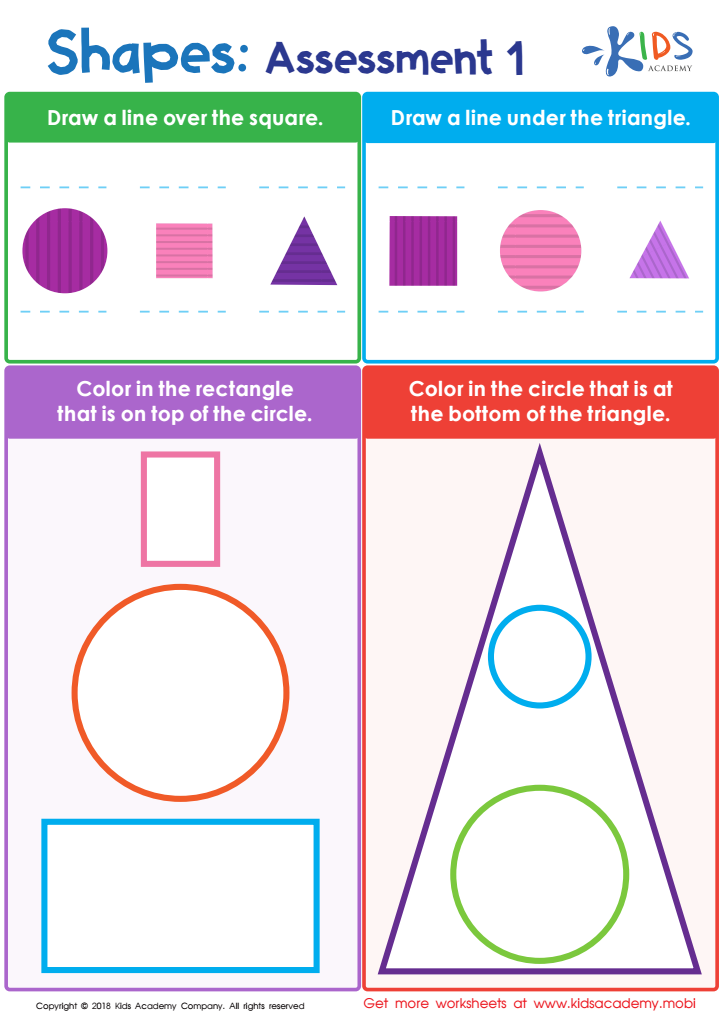
Shapes: Assessment 1 Worksheet
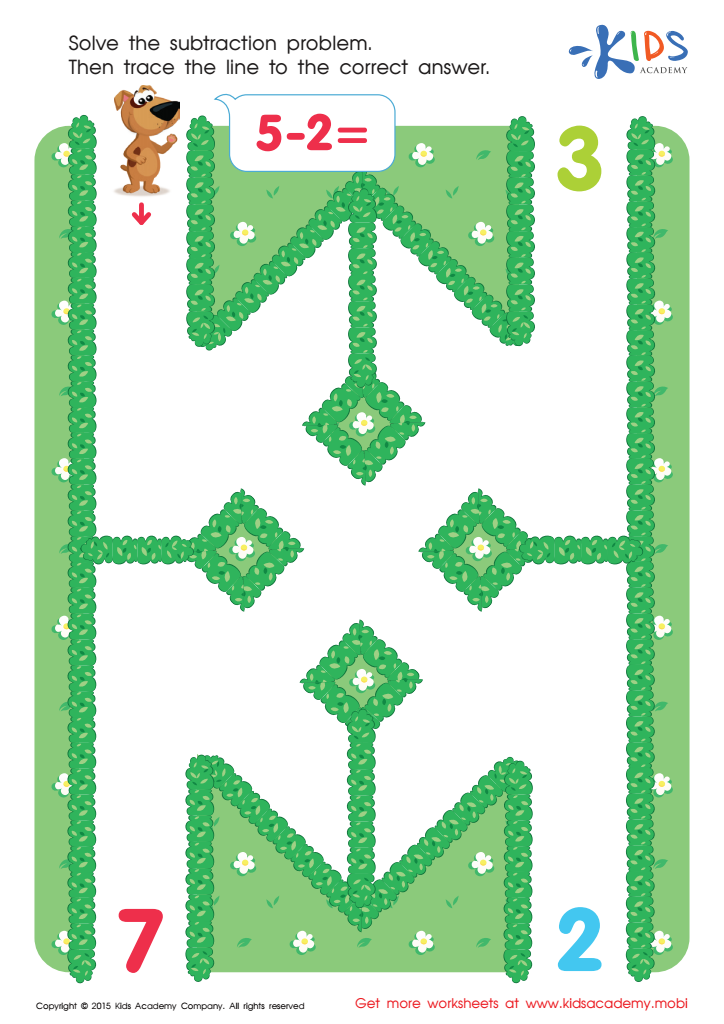
Five Minus Two Worksheet
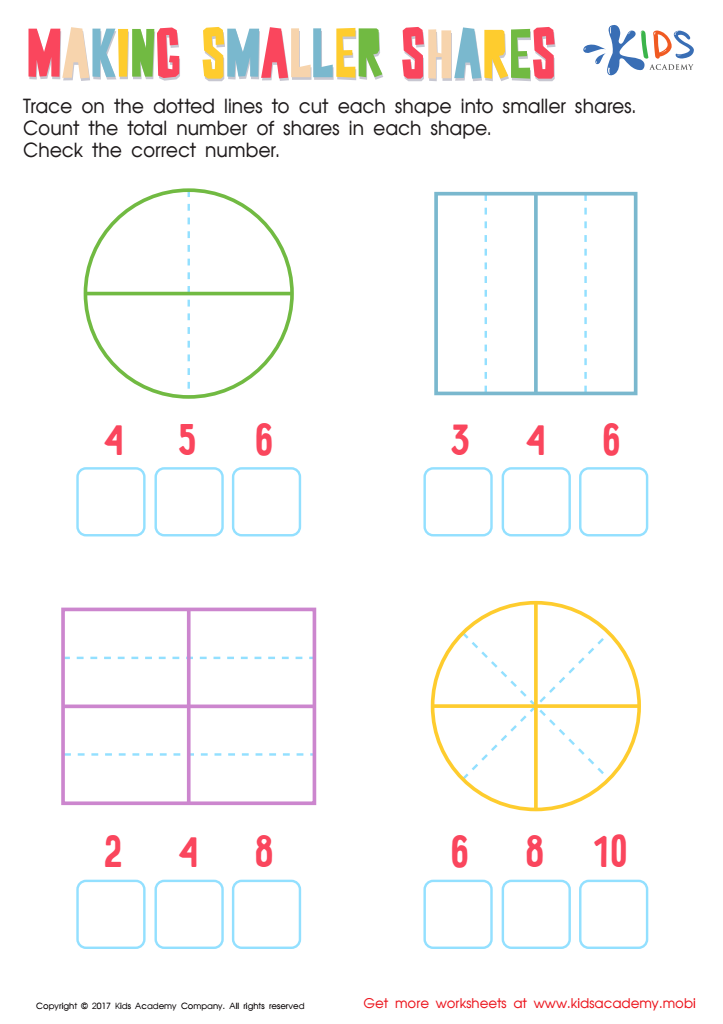
Making Smaller Shares Worksheet
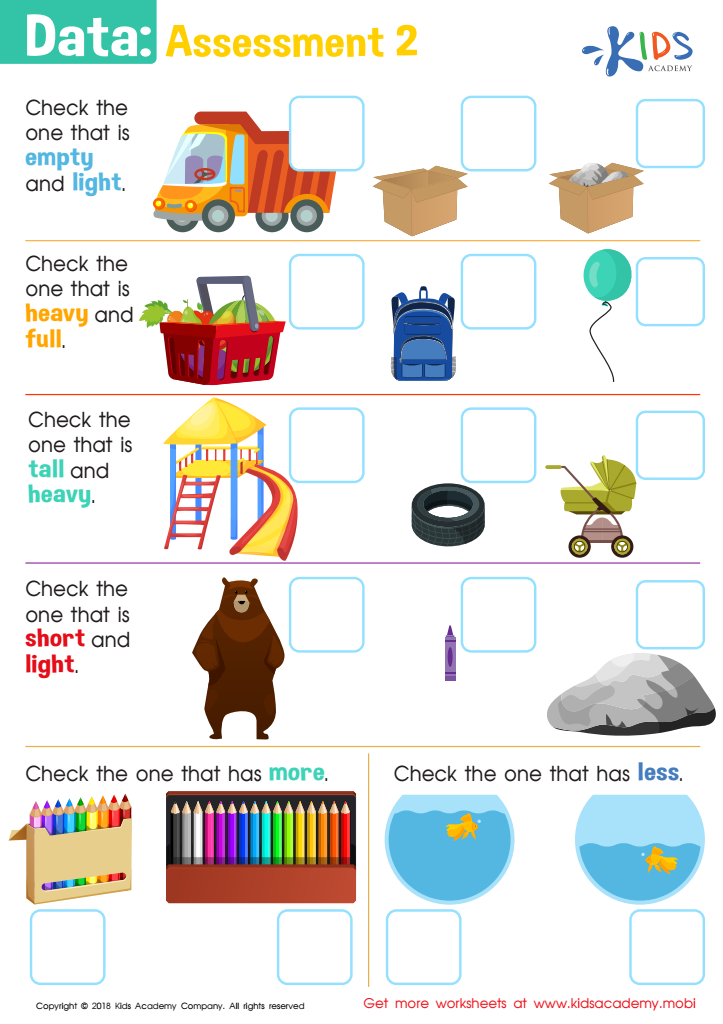
Data: Assessment 2 Worksheet
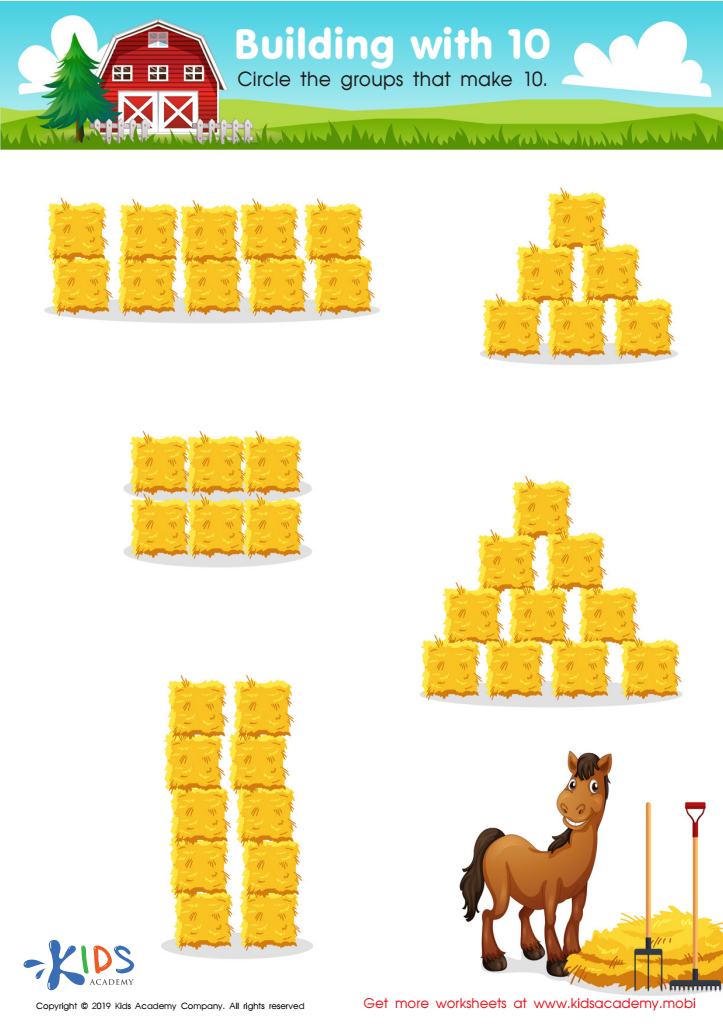
Building with 10 Worksheet
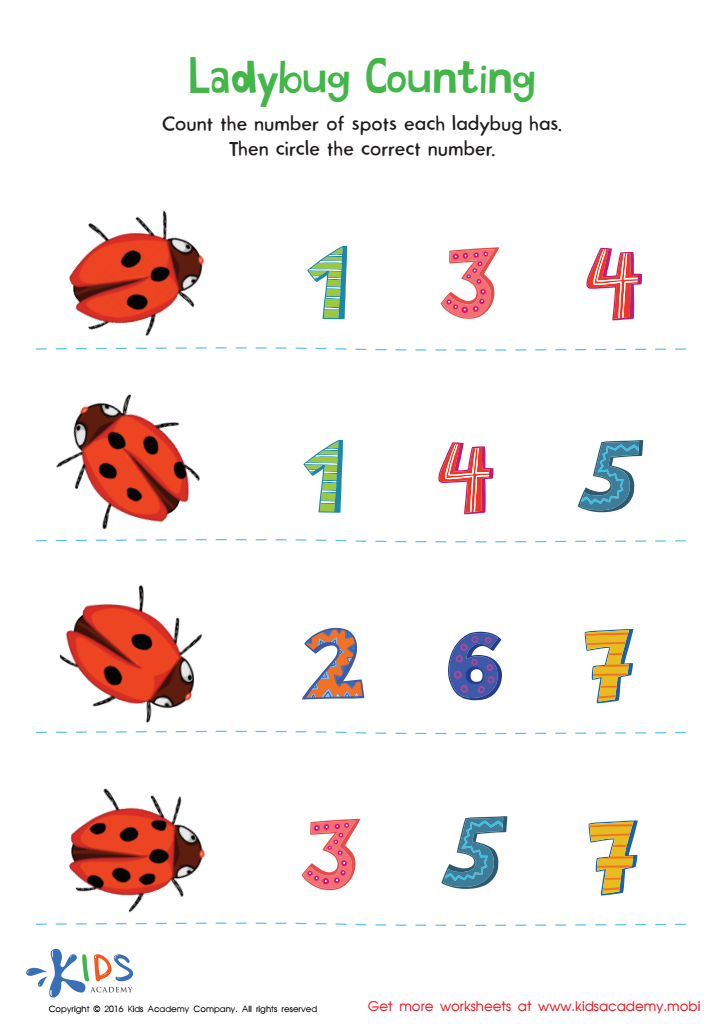
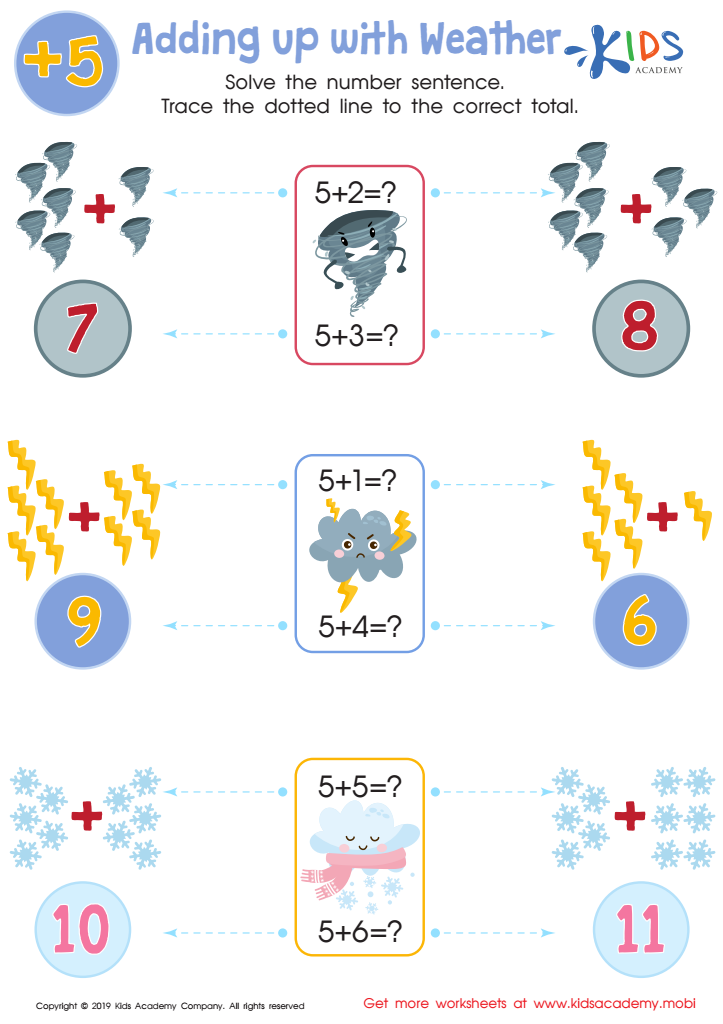
Adding up With Water Worksheet
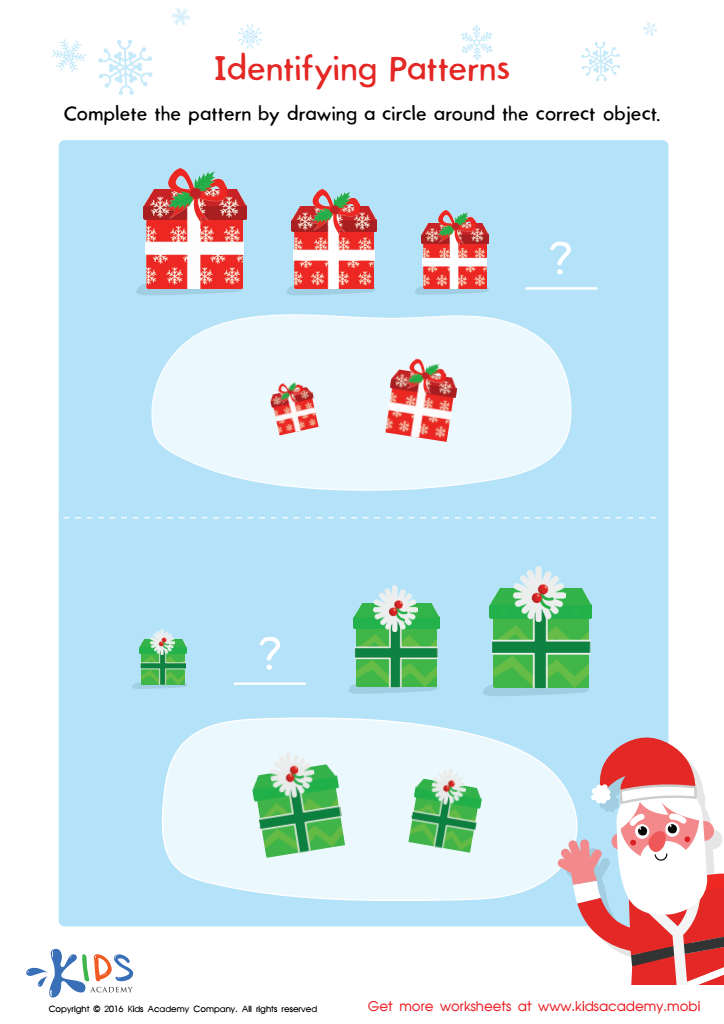
Identifying Patterns Worksheet







Parents and teachers should prioritize basic math skills for 6-year-olds because these foundational abilities set the stage for a child's future academic success and everyday problem-solving. At this age, children are highly receptive to learning, and grasping basic concepts such as numbers, addition, subtraction, and simple patterns provides them with essential cognitive tools. Mastery of these skills not only enhances their confidence but also fosters a positive attitude towards learning.
Basic math skills are crucial for daily life. They help children make sense of the world around them, from dividing snacks equally among friends to understanding time and money. Moreover, early math literacy contributes to better performance in other subjects, particularly when they encounter concepts related to science and technology later in their education.
Additionally, engaging children in mathematical conversations and activities nurtures critical thinking and problem-solving abilities. Incorporating math into games and real-life situations makes learning enjoyable and memorable. By focusing on basic math skills, parents and teachers help cultivate a curious and capable mind, laying a strong foundation for the challenges and complexities of advanced mathematics and critical analytical skills in the future. Thus, prioritizing math at an early age is an investment in a child’s lifelong learning journey.








